District of Columbia Living Trust for Individual Who is Single, Divorced or Widow (or Widower) with No Children
Overview of this form
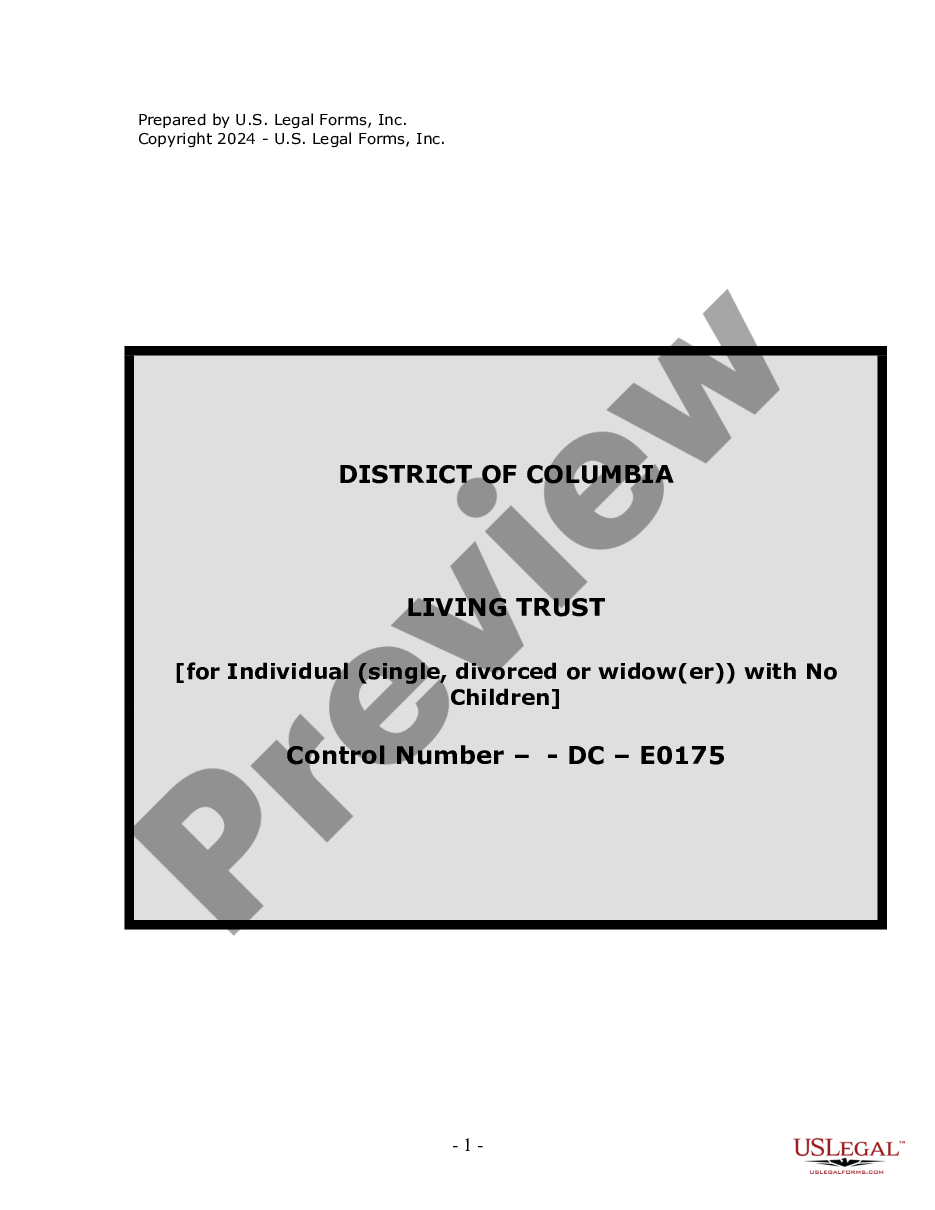
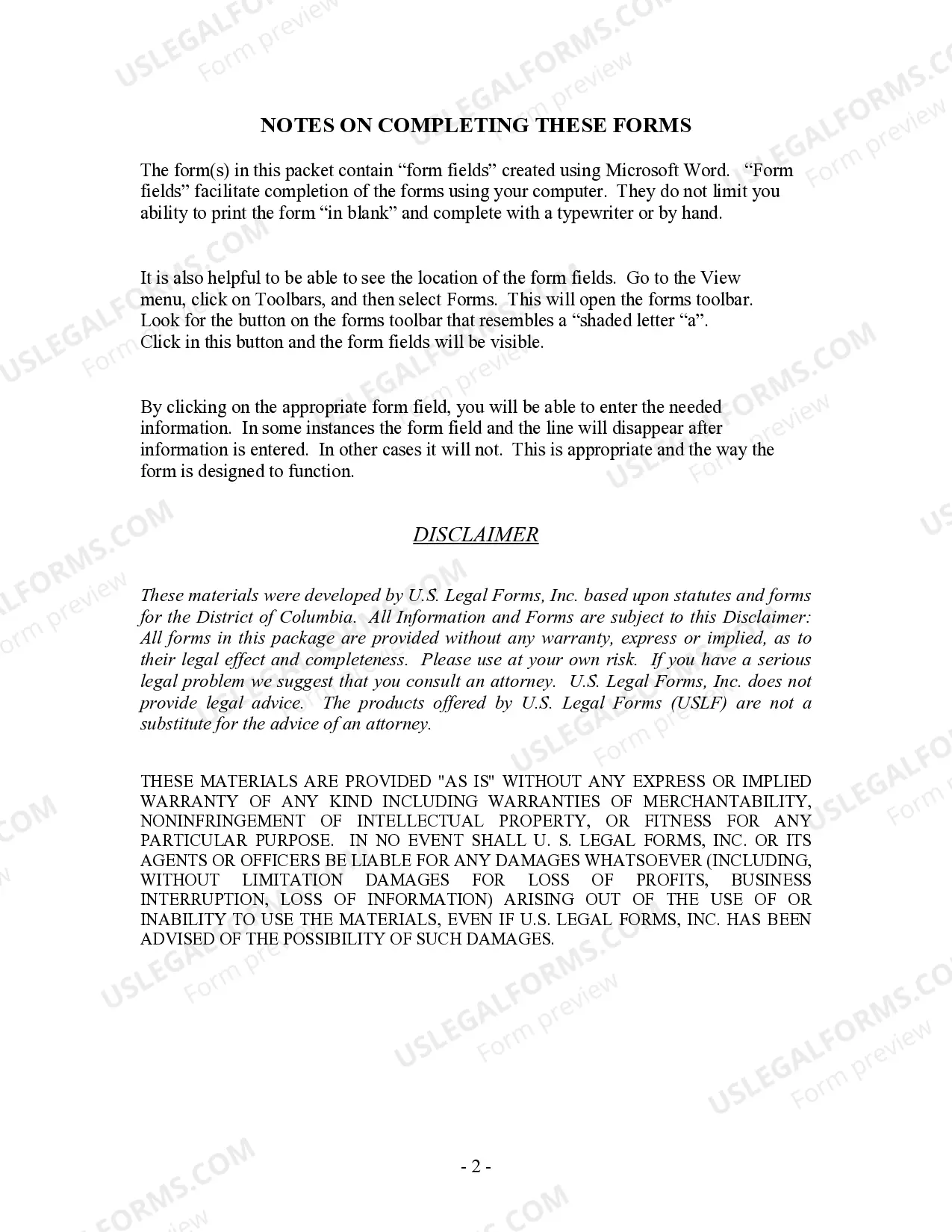
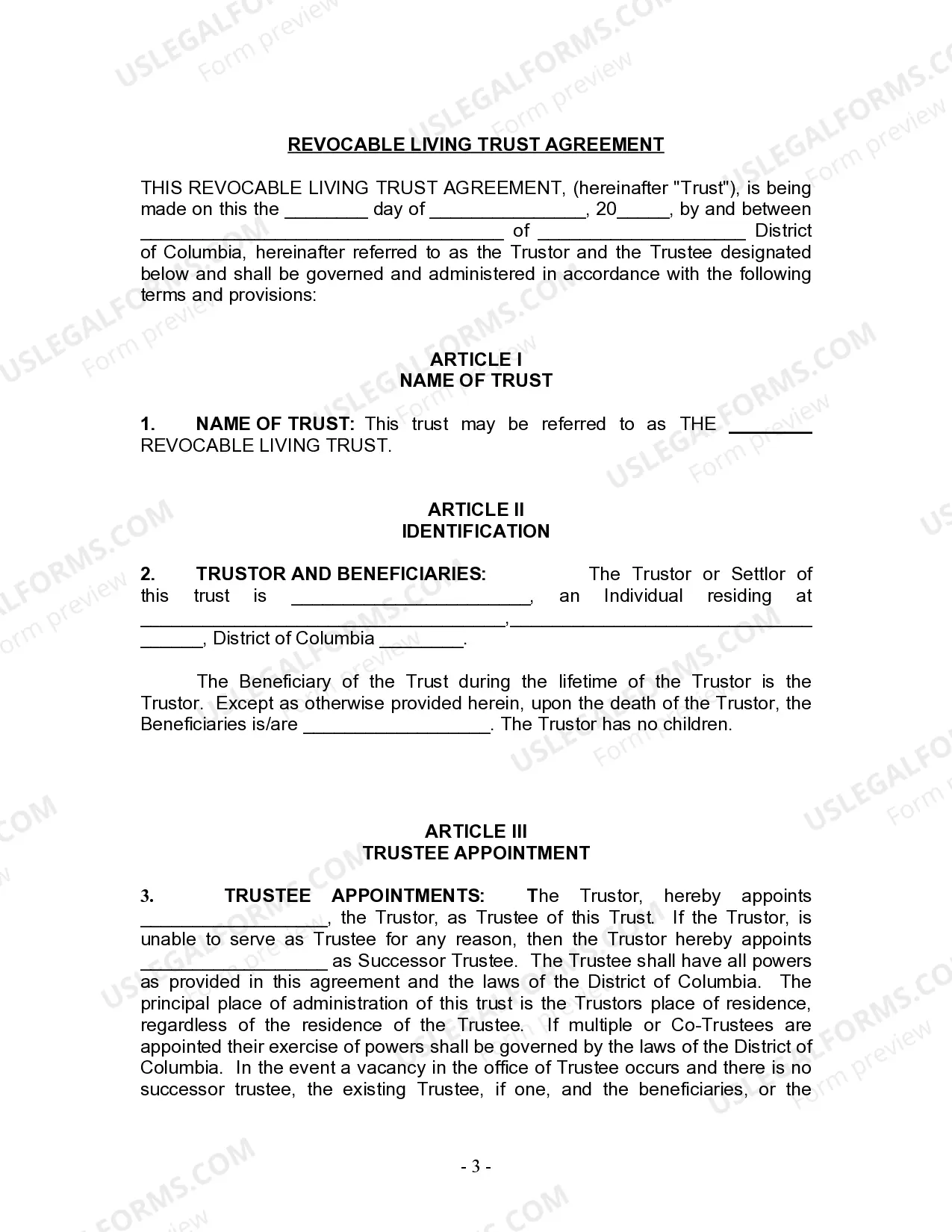
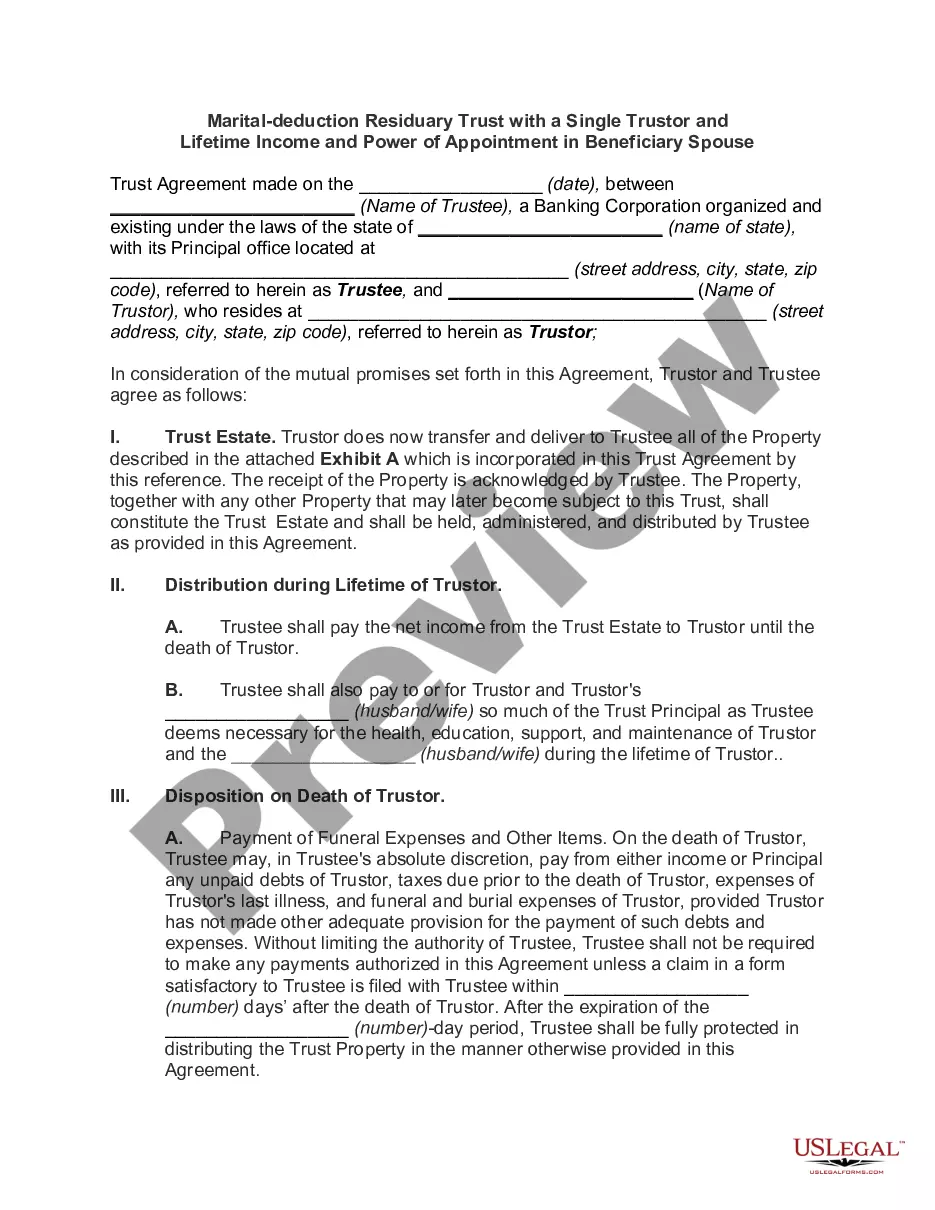
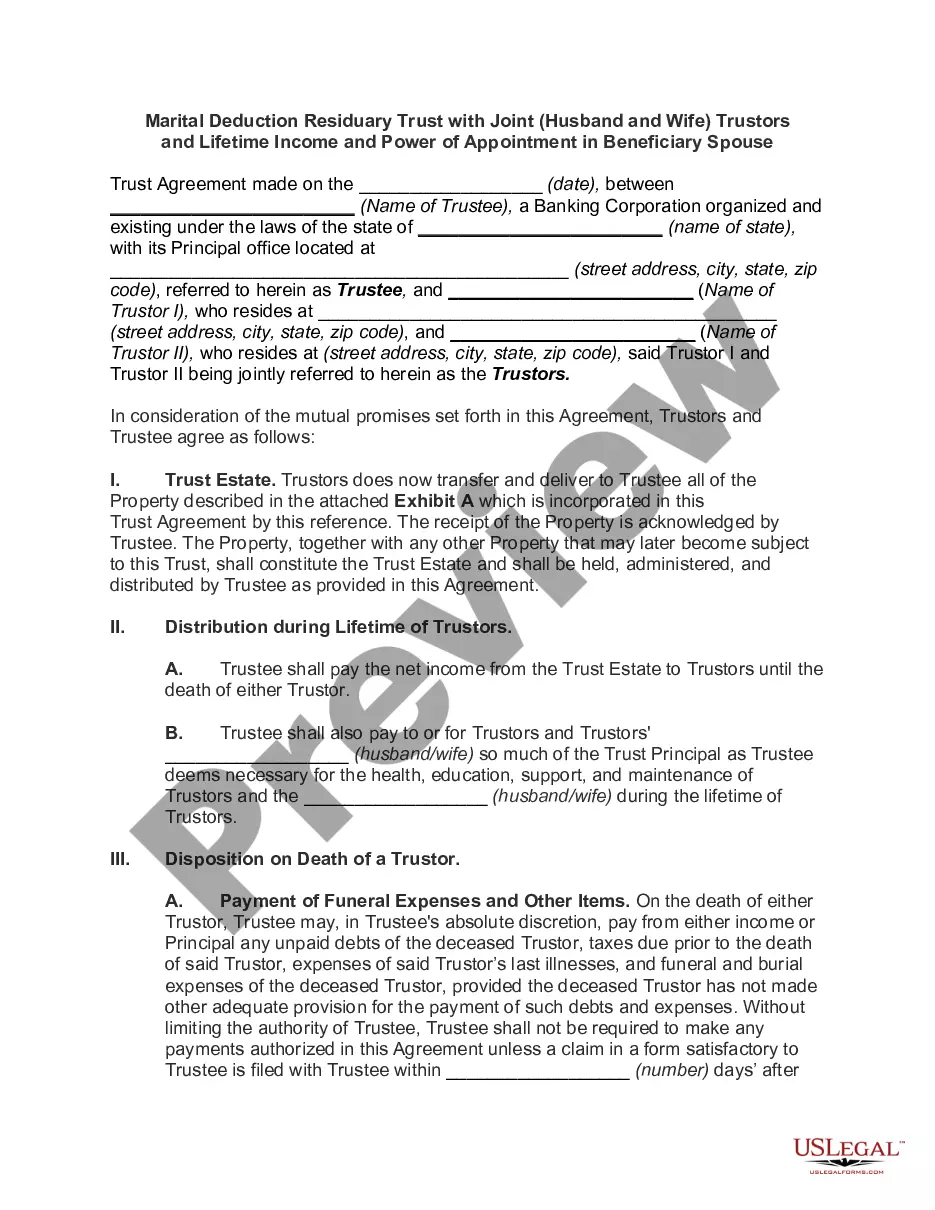
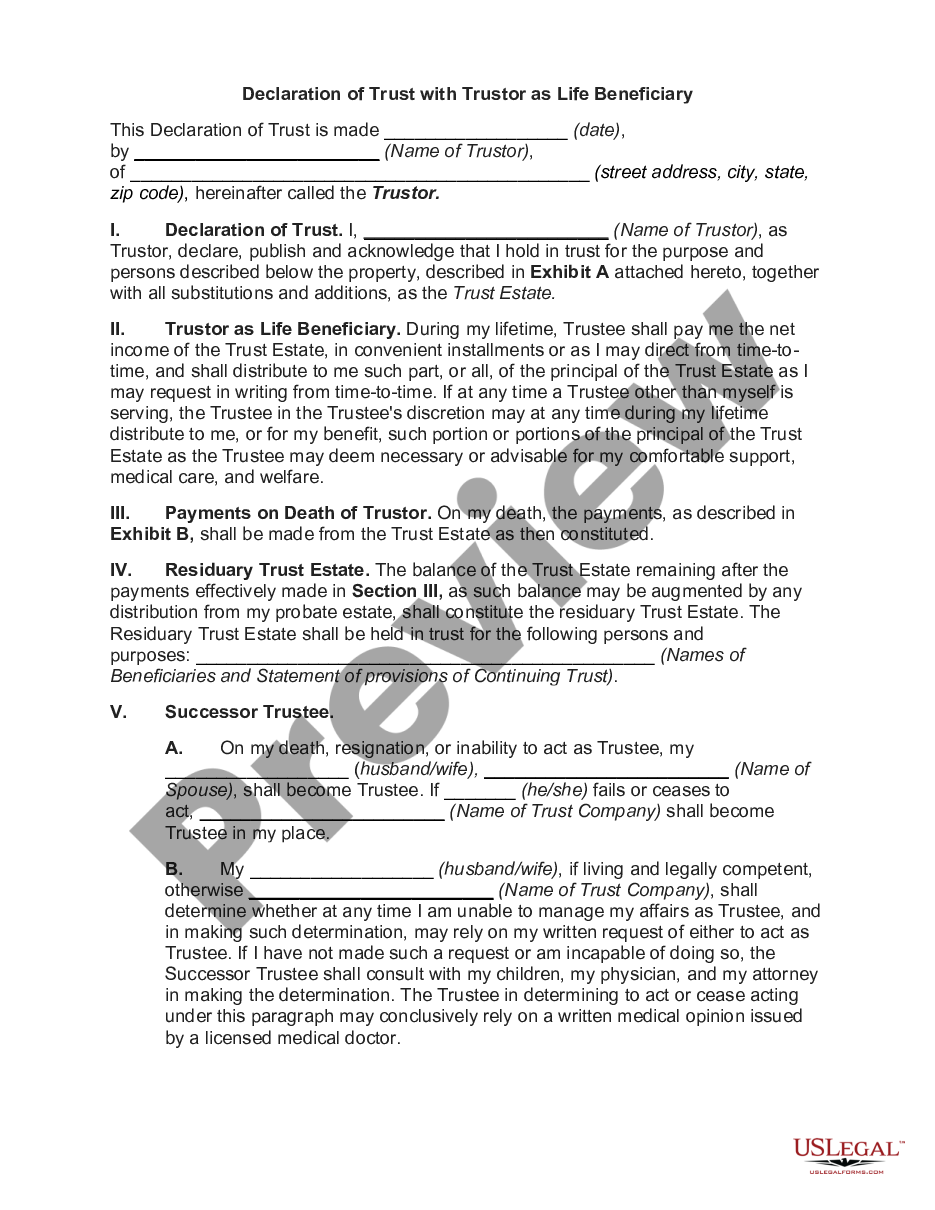
This Living Trust for Individual Who is Single, Divorced or Widow(er) with No Children is a legal document designed for estate planning. Unlike a will, this living trust allows an individual without children to manage their assets during their lifetime and dictate terms for their distribution after death. This trust can help avoid the lengthy and public process of probate, ensuring assets are transferred according to the creator's wishes, providing peace of mind and control over one's estate.
Key parts of this document
- Identification of the Trustor, Trustee, and Beneficiary.
- Details about the assets included in the trust.
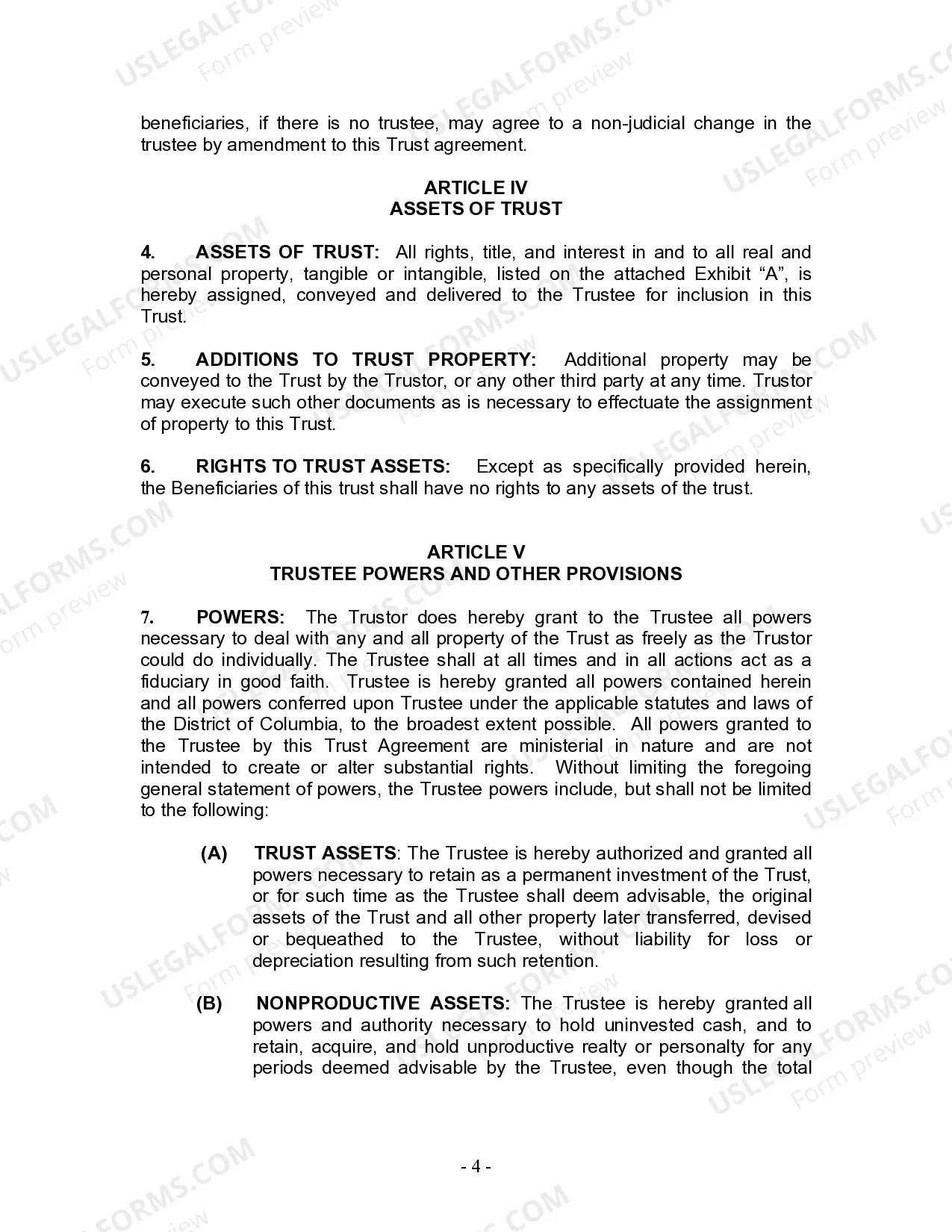
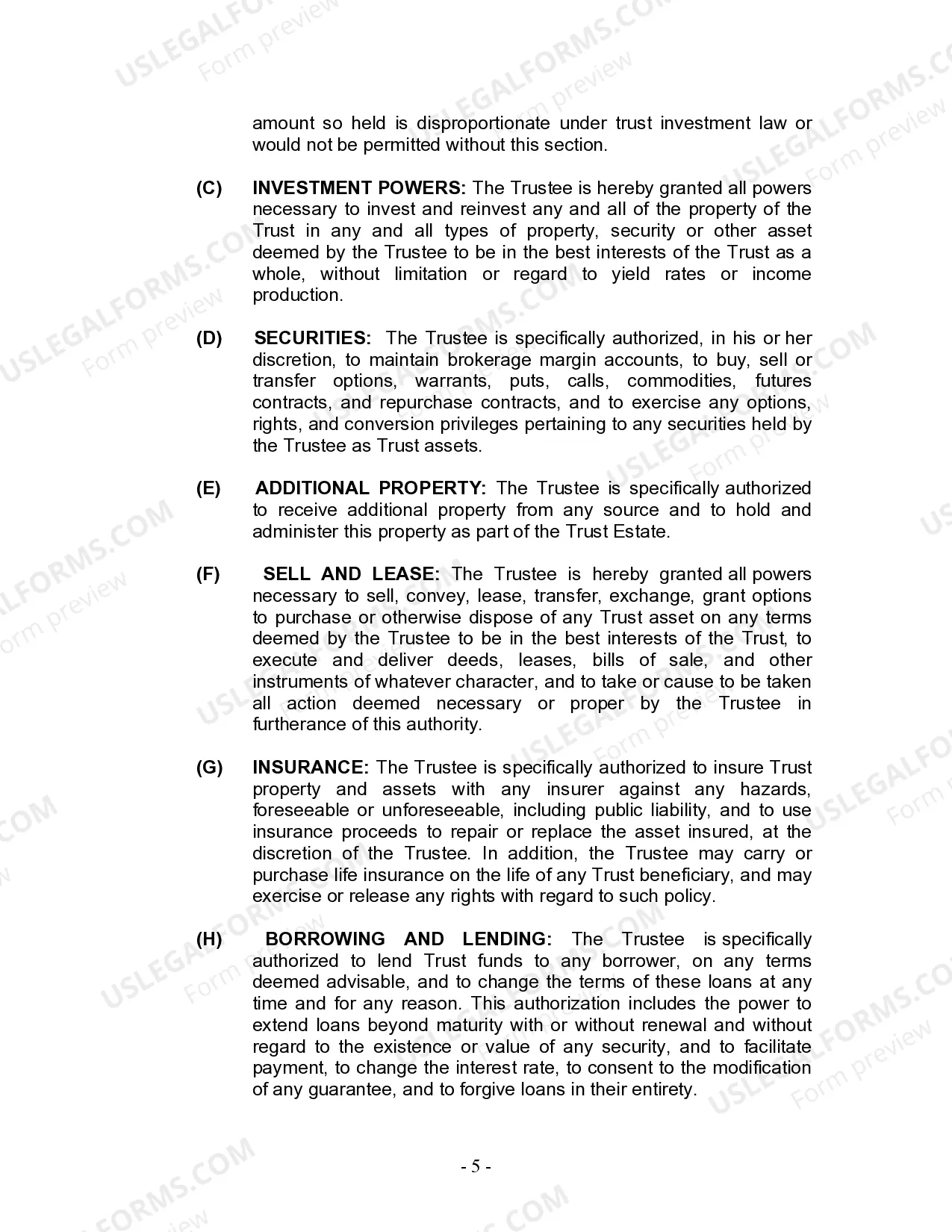
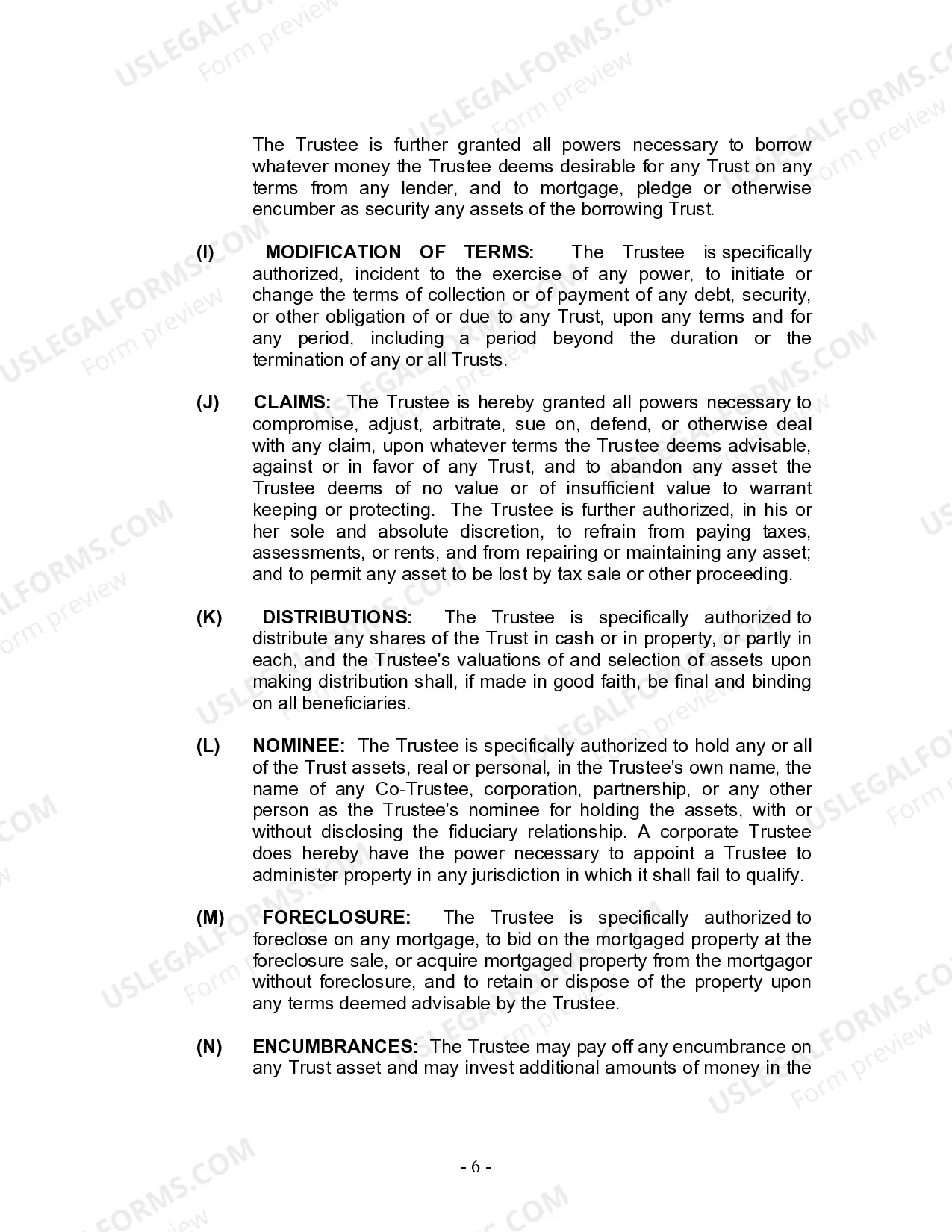
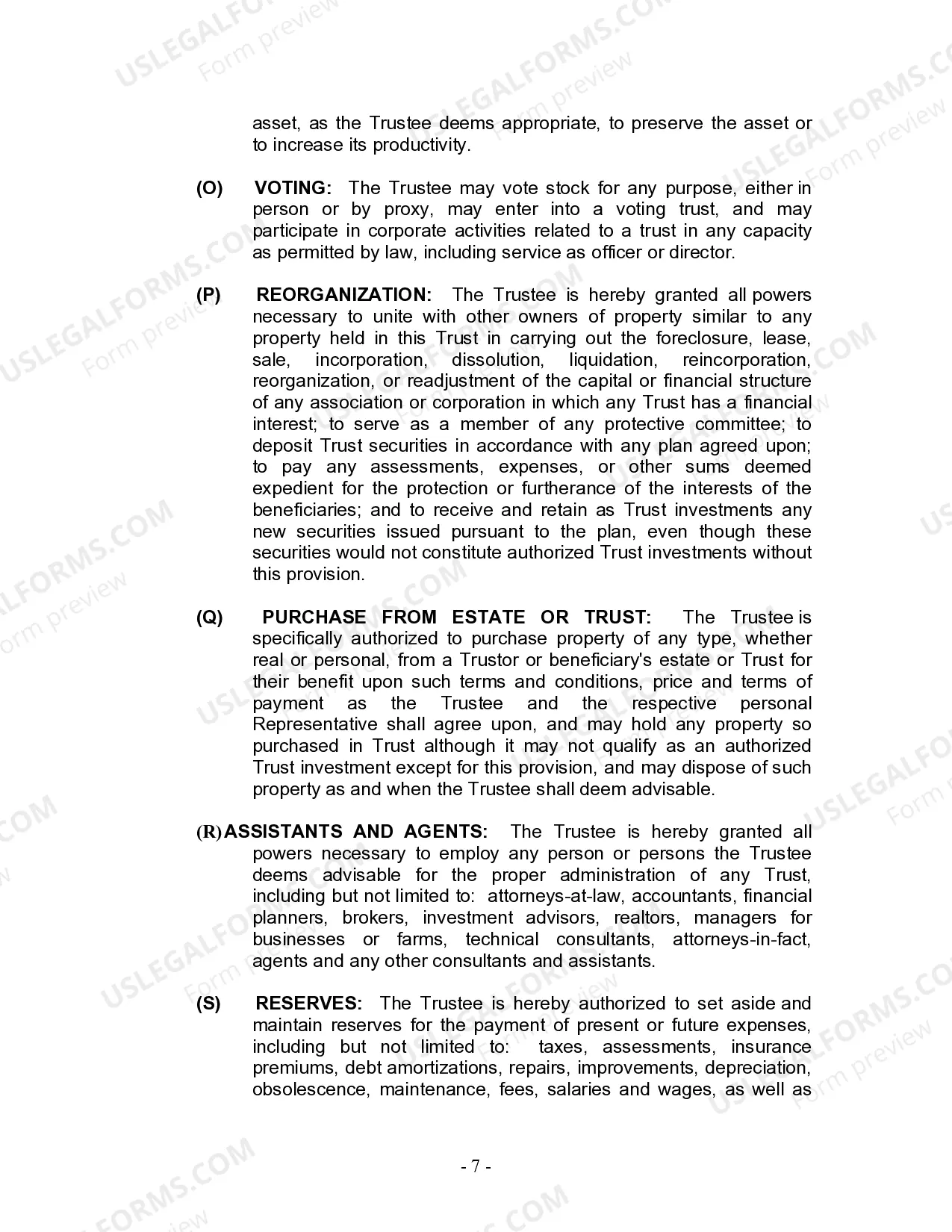
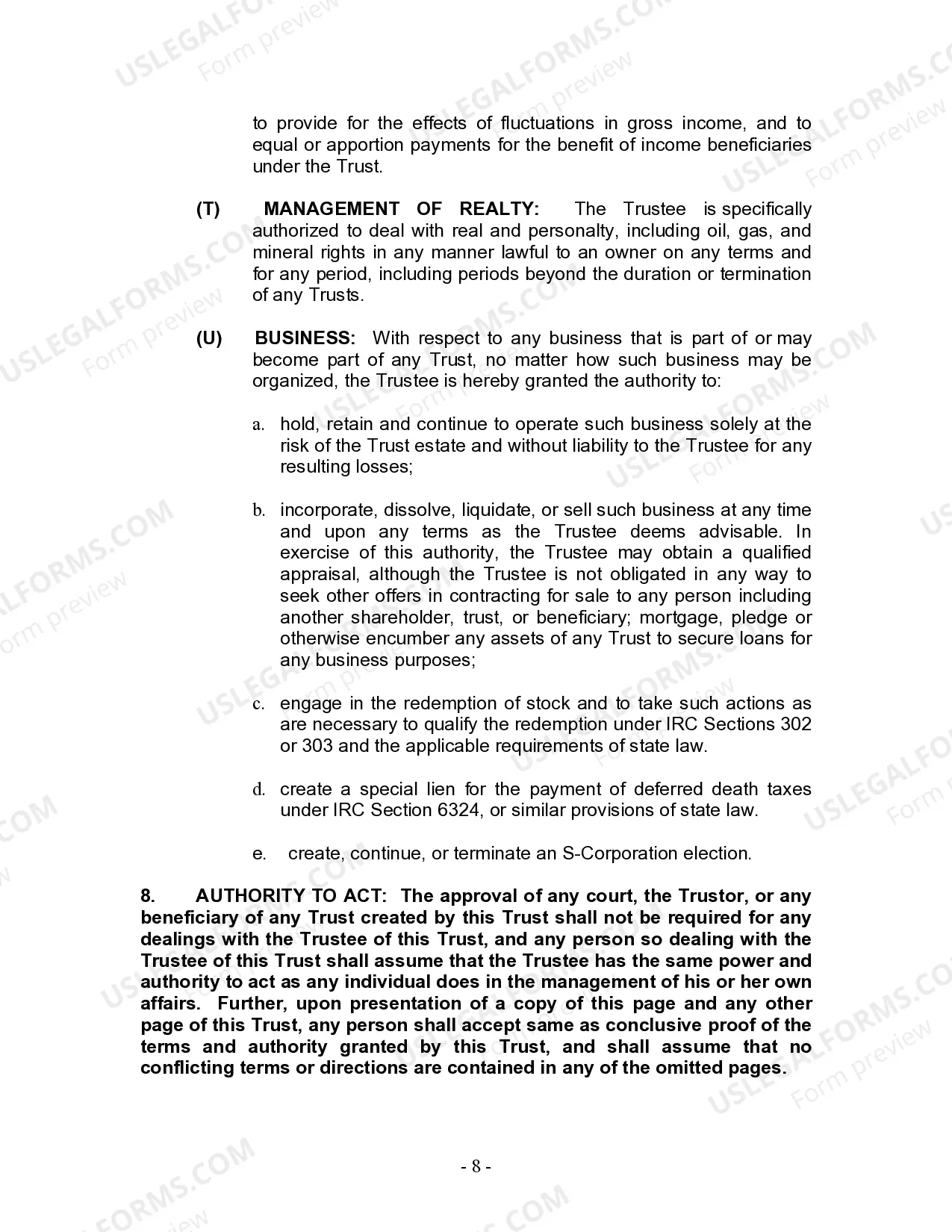
- Powers granted to the Trustee for managing trust property.
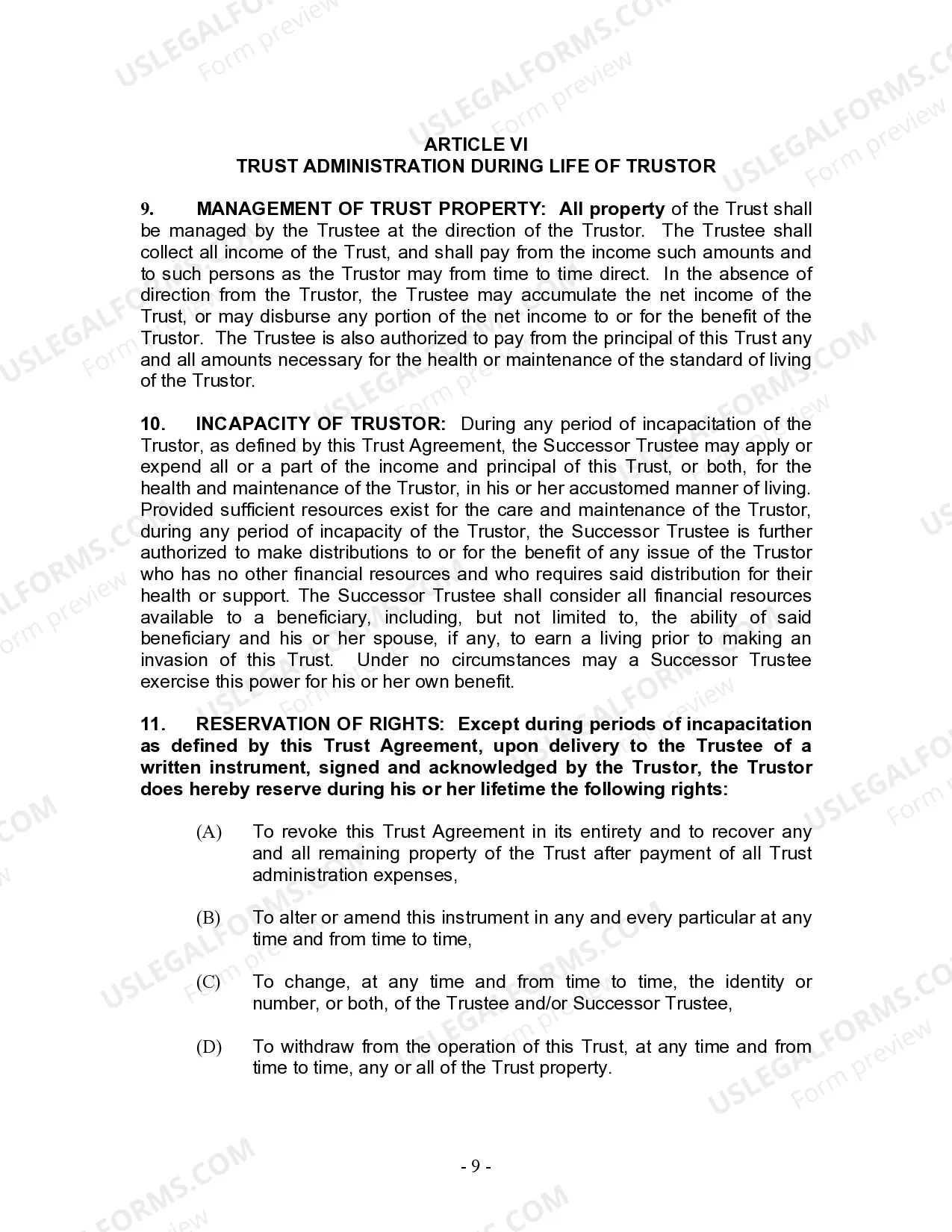
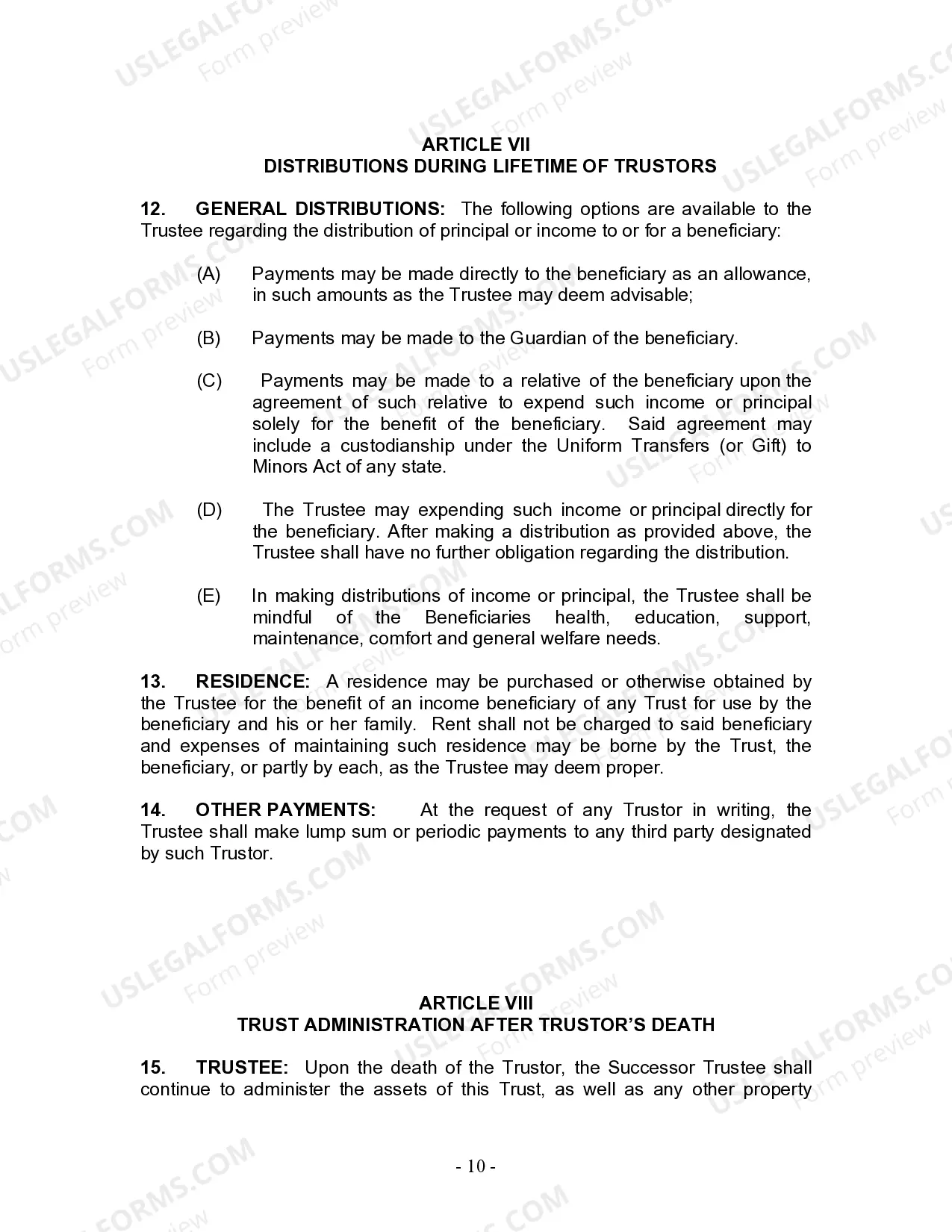
- Instructions for administering the trust during the Trustor's lifetime.
- Provisions for trust administration after the Trustor's death.



When this form is needed
This form is necessary when an individual who is single, divorced, or a widow(er) without children seeks to establish a living trust. It is ideal for those wanting to organize their estate and manage their assets efficiently while avoiding probate. Situations that may warrant this form include planning for retirement, managing significant assets, or ensuring that personal property is handled according to one's wishes.
Who this form is for
- Individuals who are single, divorced, or widowed.
- Persons with no children wanting to plan their estate.
- Anyone looking to avoid probate and maintain control over their assets.
- People seeking a legally binding method to ensure their assets are distributed per their wishes upon death.
Instructions for completing this form
- Identify the parties involved: Name the Trustor (you), the Trustee, and any beneficiaries.
- List the assets you wish to include in the trust.
- Specify any additional instructions for managing the trust assets.
- Complete all sections regarding the rights and powers of the Trustee.
- Sign and date the document in the presence of a notary public, if required.
Notarization requirements for this form
This form does not typically require notarization unless specified by local law. However, having the document notarized can enhance its legal validity and help prevent disputes in the future.
Get your form ready online
Our built-in tools help you complete, sign, share, and store your documents in one place.
Make edits, fill in missing information, and update formatting in US Legal Forms—just like you would in MS Word.
Download a copy, print it, send it by email, or mail it via USPS—whatever works best for your next step.
Sign and collect signatures with our SignNow integration. Send to multiple recipients, set reminders, and more. Go Premium to unlock E-Sign.
If this form requires notarization, complete it online through a secure video call—no need to meet a notary in person or wait for an appointment.
We protect your documents and personal data by following strict security and privacy standards.

Make edits, fill in missing information, and update formatting in US Legal Forms—just like you would in MS Word.

Download a copy, print it, send it by email, or mail it via USPS—whatever works best for your next step.

Sign and collect signatures with our SignNow integration. Send to multiple recipients, set reminders, and more. Go Premium to unlock E-Sign.

If this form requires notarization, complete it online through a secure video call—no need to meet a notary in person or wait for an appointment.

We protect your documents and personal data by following strict security and privacy standards.
Mistakes to watch out for
- Failing to include all assets intended for the trust.
- Not designating a successor Trustee if the original Trustee cannot serve.
- Incomplete signatures or lack of notarization where required.
- Ignoring state-specific laws that may affect trust validity.
Benefits of completing this form online
- Convenience of completing the form from home at your own pace.
- Editability allows for adjustments until the final version is drafted.
- Reliable access to state-specific and attorney-reviewed templates.
- Immediate availability for download and usage.
Summary of main points
- A living trust provides a mechanism for asset management during your lifetime.
- It allows for a smooth transfer of assets upon death, avoiding probate.
- This form is specifically designed for singles, divorced, or widowed individuals without children.
- Proper completion and updating of the trust are crucial to its effectiveness.
Looking for another form?

Form popularity
FAQ
One disadvantage of a family trust, including a District of Columbia Living Trust for Individuals Who are Single, Divorced, or Widows (or Widowers) without Children, is the potential for family conflict over asset distribution. Different family members may have varying expectations, which could lead to disagreements. It usually requires careful planning and clear communication to ensure everyone understands the terms. Additionally, there are fees involved in setting up and managing a family trust, which some may consider burdensome.
A potential downfall of establishing a District of Columbia Living Trust for Individuals Who are Single, Divorced, or Widows (or Widowers) without Children is that it may limit your flexibility regarding asset management. Once assets are transferred into the trust, you must adhere to the trust's terms, which may be less adaptable than simply holding assets personally. Additionally, if not properly funded or maintained, the trust may not serve its intended purpose, leading to confusion or unintended outcomes.
Creating a District of Columbia Living Trust for Individuals Who are Single, Divorced, or Widows (or Widowers) without Children can provide clear benefits. It offers a way for your parents to manage their assets more efficiently and securely. Additionally, it can help bypass the lengthy probate process after their passing, ensuring their wishes are honored smoothly. Trusts can also provide privacy as they do not go through public probate.
Suze Orman emphasizes the importance of having a District of Columbia Living Trust for Individual Who is Single, Divorced or Widow (or Widower) with No Children to manage and protect one’s assets. She asserts that living trusts can provide control over asset distribution and avoid the lengthy probate process. By creating a living trust, individuals can ensure their wishes are honored while maintaining privacy. Orman advises consulting with professionals to tailor the trust according to individual needs.
To establish a trust in the District of Columbia, start by identifying your assets and defining your goals. Working with an estate planning attorney is advisable for drafting the trust document that complies with DC laws. Utilizing services like uSlegalforms can streamline this process by providing accessible forms designed for a District of Columbia Living Trust for Individuals Who are Single, Divorced, or Widow (or Widower) with No Children. Once completed, you must fund the trust to activate it.
In the case of a living trust, when one spouse passes away, the trust typically remains operational. The surviving spouse continues to manage the assets held in the trust. A District of Columbia Living Trust for Individuals Who are Single, Divorced, or Widow (or Widower) with No Children provides clear instructions for managing and distributing assets after death, enhancing peace of mind during a difficult time. This structure simplifies the process compared to wills.
The ideal person to set up a trust is an experienced estate planning attorney. They understand the complexities of a District of Columbia Living Trust for Individuals Who are Single, Divorced, or Widow (or Widower) with No Children. Their expertise ensures your trust meets legal requirements and aligns with your specific needs. You may also consider using platforms like uSlegalforms to access templates and additional guidance.
One common mistake parents make when setting up a trust fund is failing to clearly define their wishes and beneficiaries. It's essential to communicate your intentions accurately to avoid confusion and potential conflict later. Even as a single individual with no children, taking the time to detail your preferences in a District of Columbia Living Trust can provide clarity and help ensure that your assets are distributed as you envision.
The District of Columbia Living Trust for Individuals Who Are Single, Divorced, or Widowed is often ideal. This type of trust offers flexibility in asset management and allows you to set specific terms for distribution. It's crucial to select the right type that aligns with your financial goals and needs, ensuring that your estate is managed according to your preferences.
Having a District of Columbia Living Trust for Individuals Who Are Single, Divorced, or Widowed can be a smart move. It allows you to manage your assets while you're alive and dictate how they should be distributed upon your death. A trust can provide peace of mind, knowing your estate is handled according to your wishes, and it can help streamline the transition for your chosen beneficiaries.