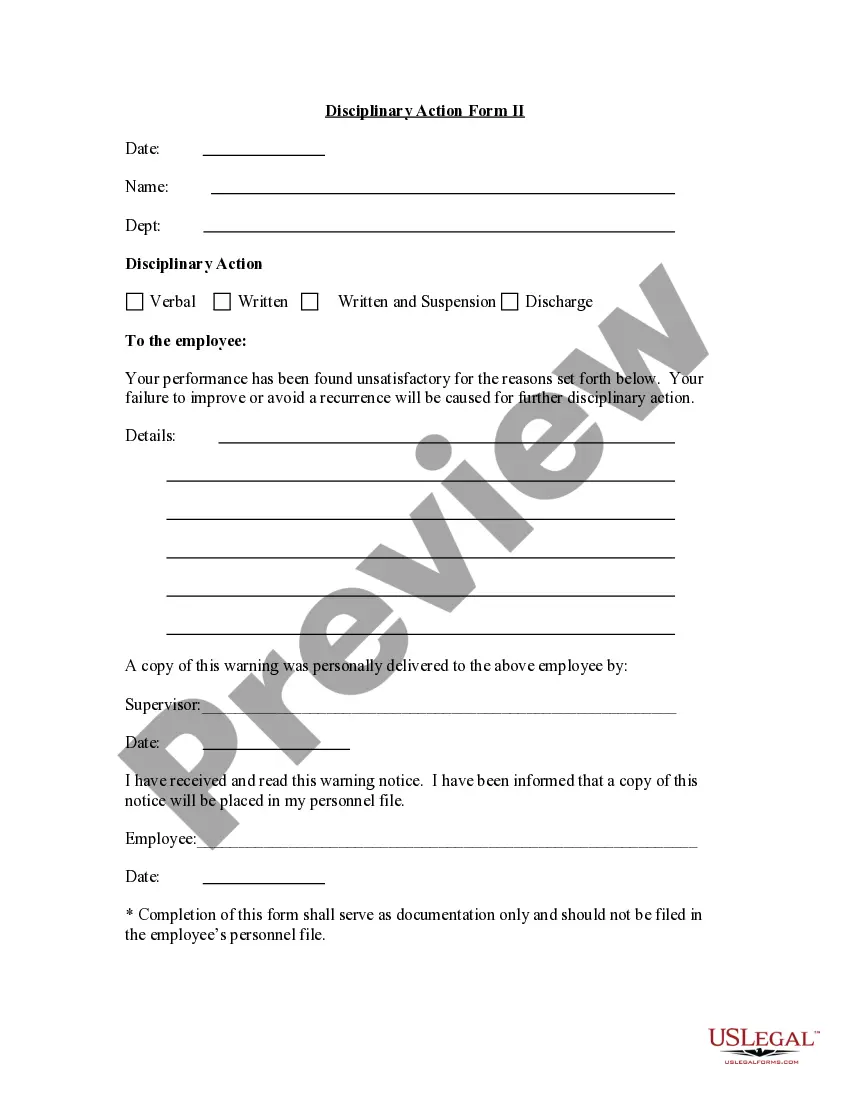
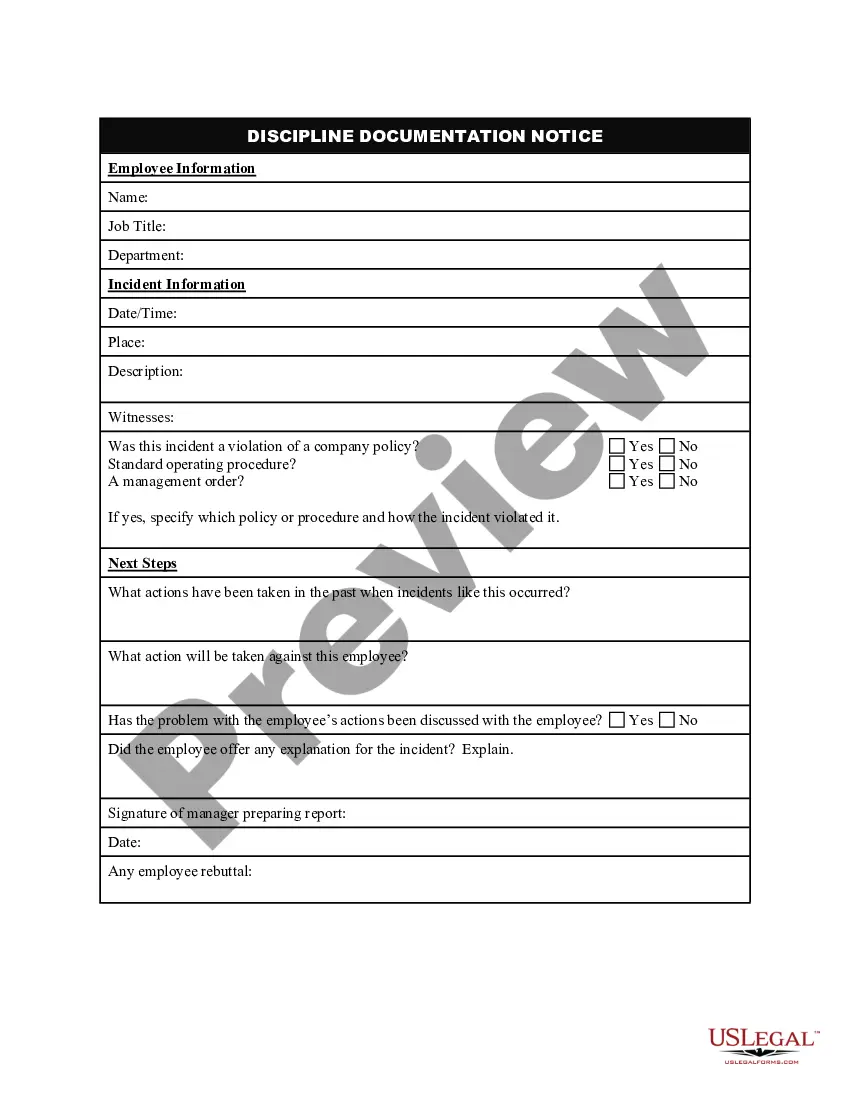
Connecticut Discipline Documentation Form
Description
Get your form ready online
Our built-in tools help you complete, sign, share, and store your documents in one place.
Make edits, fill in missing information, and update formatting in US Legal Forms—just like you would in MS Word.
Download a copy, print it, send it by email, or mail it via USPS—whatever works best for your next step.
Sign and collect signatures with our SignNow integration. Send to multiple recipients, set reminders, and more. Go Premium to unlock E-Sign.
If this form requires notarization, complete it online through a secure video call—no need to meet a notary in person or wait for an appointment.
We protect your documents and personal data by following strict security and privacy standards.

Make edits, fill in missing information, and update formatting in US Legal Forms—just like you would in MS Word.

Download a copy, print it, send it by email, or mail it via USPS—whatever works best for your next step.

Sign and collect signatures with our SignNow integration. Send to multiple recipients, set reminders, and more. Go Premium to unlock E-Sign.

If this form requires notarization, complete it online through a secure video call—no need to meet a notary in person or wait for an appointment.

We protect your documents and personal data by following strict security and privacy standards.
Looking for another form?


How to fill out Discipline Documentation Form?
You can spend hours online trying to find the legal document template that satisfies the state and federal requirements you require.
US Legal Forms offers a wide array of legal forms that are reviewed by professionals.
You can easily obtain or print the Connecticut Discipline Documentation Form from the service.
If available, take advantage of the Review button to look through the document template as well.
- If you already have a US Legal Forms account, you can Log In and click the Download button.
- Then, you can complete, modify, print, or sign the Connecticut Discipline Documentation Form.
- Every legal document template you acquire is yours permanently.
- To obtain another version of a purchased form, go to the My documents tab and click the relevant button.
- If you are using the US Legal Forms website for the first time, follow the simple steps below.
- First, make sure you have selected the correct document template for the county/region of your preference.
- Read the document description to ensure you have selected the right template.
Form popularity
FAQ
Best Practices in Documenting Employee DisciplineHave an employee discipline form.Conduct a full and fair investigation.Get the facts.Be objective.Be clear and specific.Complete the form while the facts are fresh.Get the employee's acknowledgement.Allow the employee to explain the conduct.More items...?
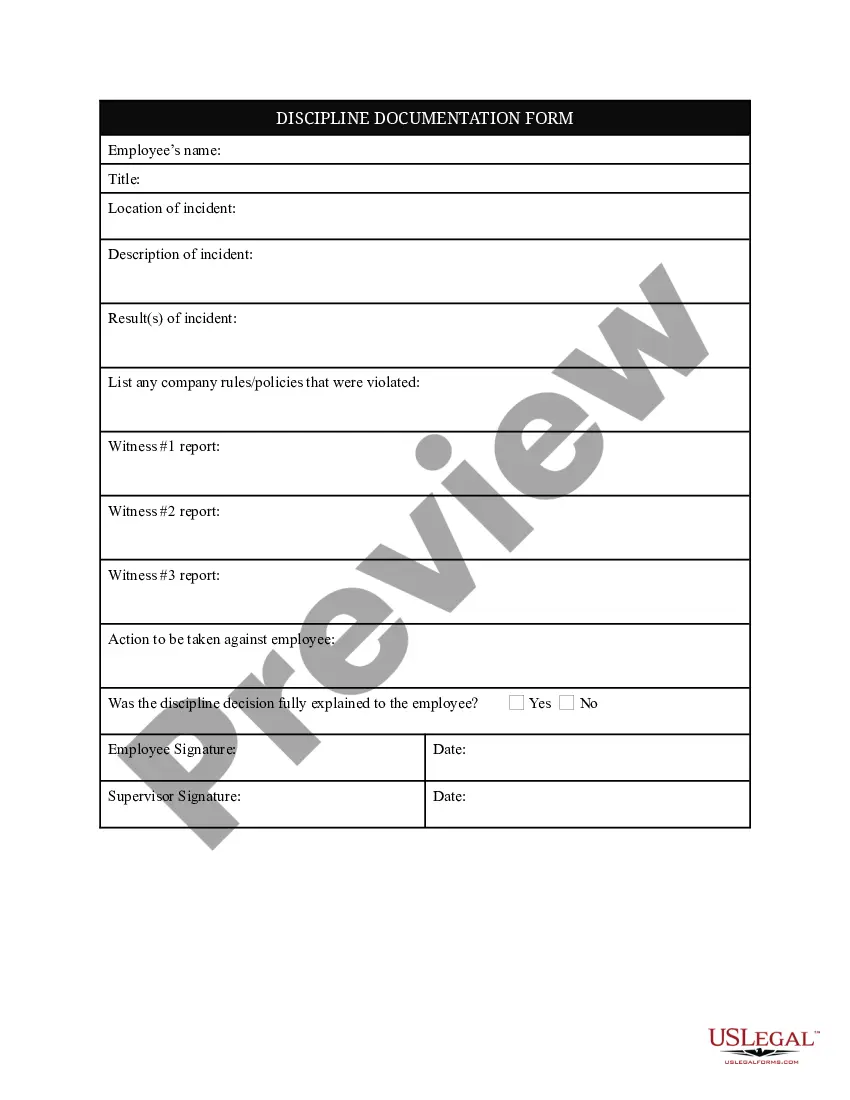
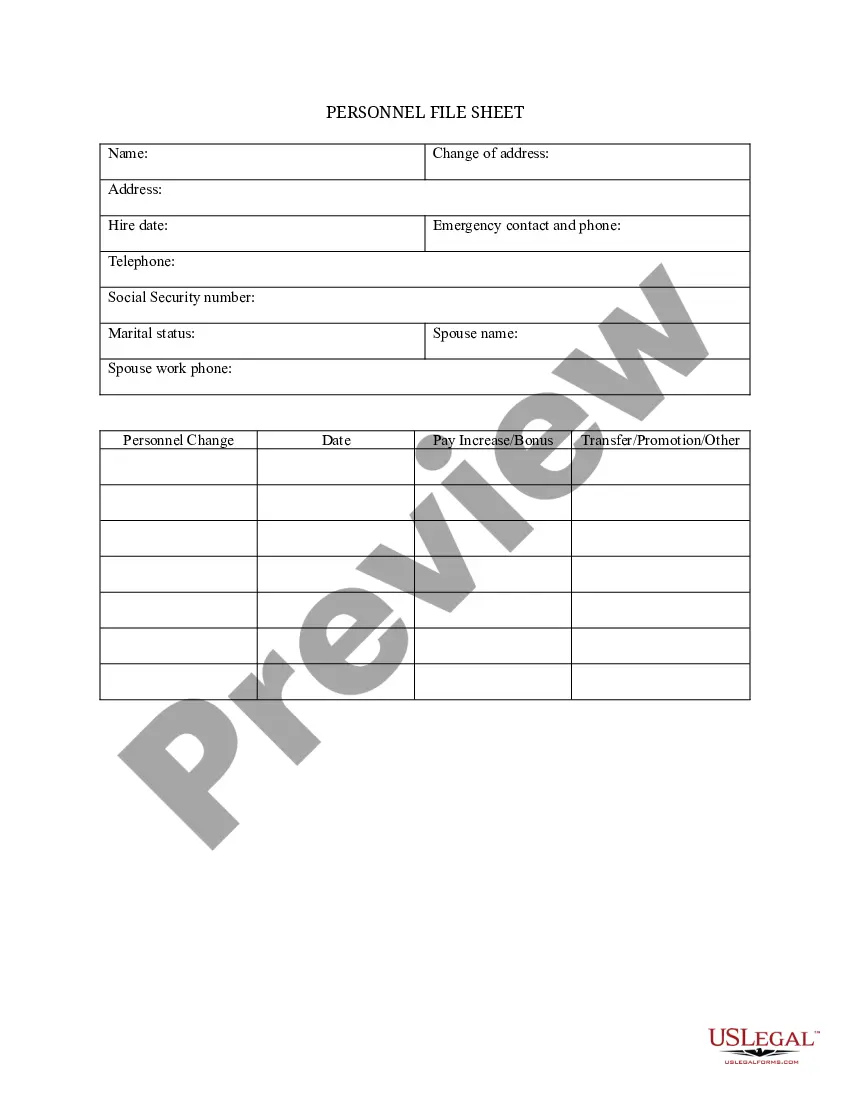
An employee disciplinary action form informs an individual of their inability to meet employment expectations and includes actions that will be taken as a result. Upon completion, these documents are typically stored in the employee's file, providing the employer with a complete record of an individual's past behavior.
Best Practices in Documenting Employee DisciplineHave an employee discipline form.Conduct a full and fair investigation.Get the facts.Be objective.Be clear and specific.Complete the form while the facts are fresh.Get the employee's acknowledgement.Allow the employee to explain the conduct.More items...?
An employee disciplinary action form informs an individual of their inability to meet employment expectations and includes actions that will be taken as a result. Upon completion, these documents are typically stored in the employee's file, providing the employer with a complete record of an individual's past behavior.
An employee disciplinary action form is designed to inform an Employee who is unable to follow the policies or expectations set by their Employer the result of their action(s).
An employee disciplinary action form is designed to inform an Employee who is unable to follow the policies or expectations set by their Employer the result of their action(s).
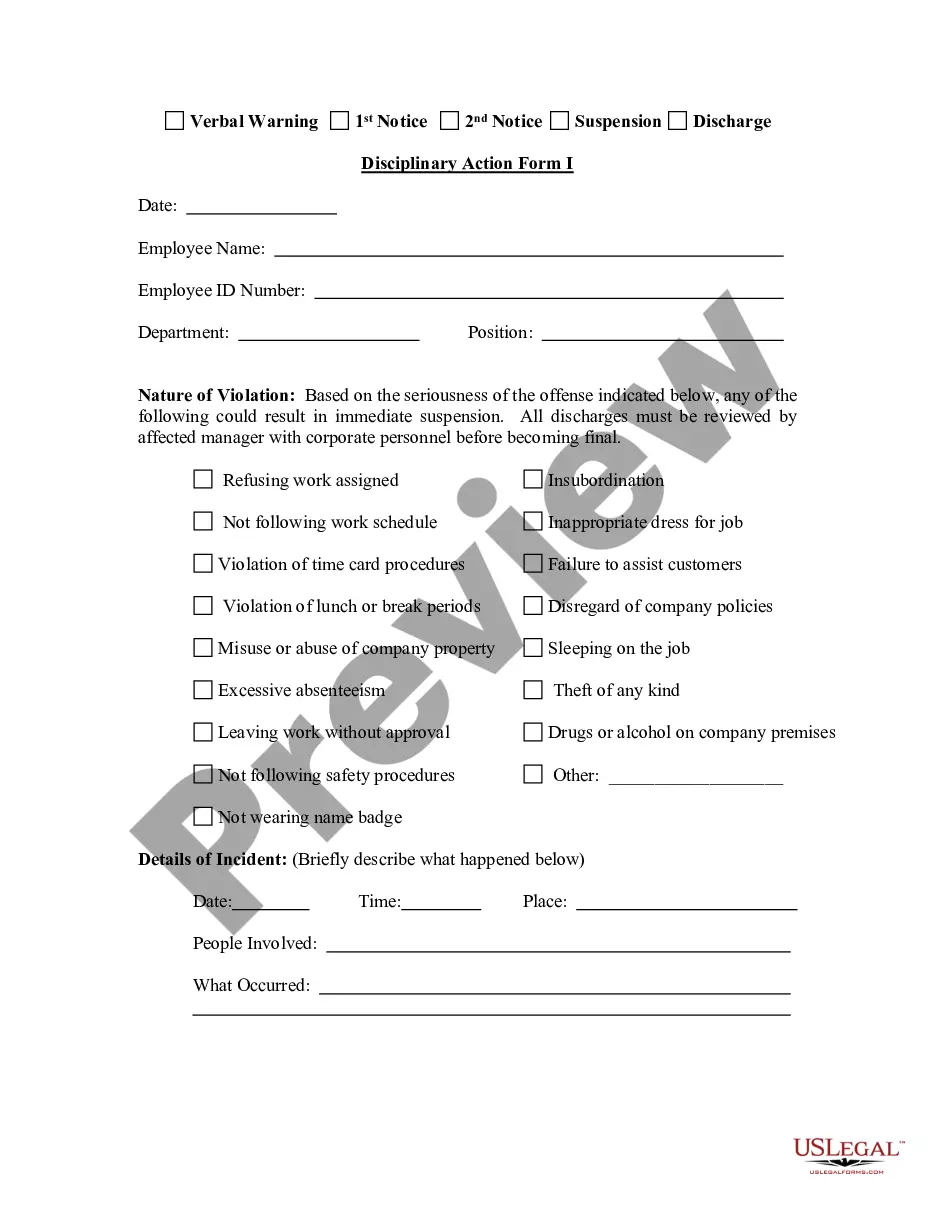
Depending on the severity of the case, a disciplinary action can take different forms, including:A verbal warning.A written warning.A poor performance review or evaluation.A performance improvement plan.A reduction in rank or pay.Termination.
What to Include in a Disciplinary FormThe employee's name and the date of the write-up.Clearly state why they are being written up.How many times this employee has been written up.Clearly state details about the problem.Give the employee a deadline to fix the problem.Always have them sign and date the write-up.
Receiving a letter of reprimand, sometimes also known as a warning letter, effectively communicates to an employee that they should improve some part of their conduct at work. The primary purpose of communication is to stop unwanted behavior. Additionally, it documents a person's attempt to do so.
Documentation Is Key. Most employers follow progressive discipline wherein an employee receives a series of warnings before termination. For example, the employee may get a verbal warning for a first offense, a written warning if the problem continues, a final written warning and, as a last step, termination.