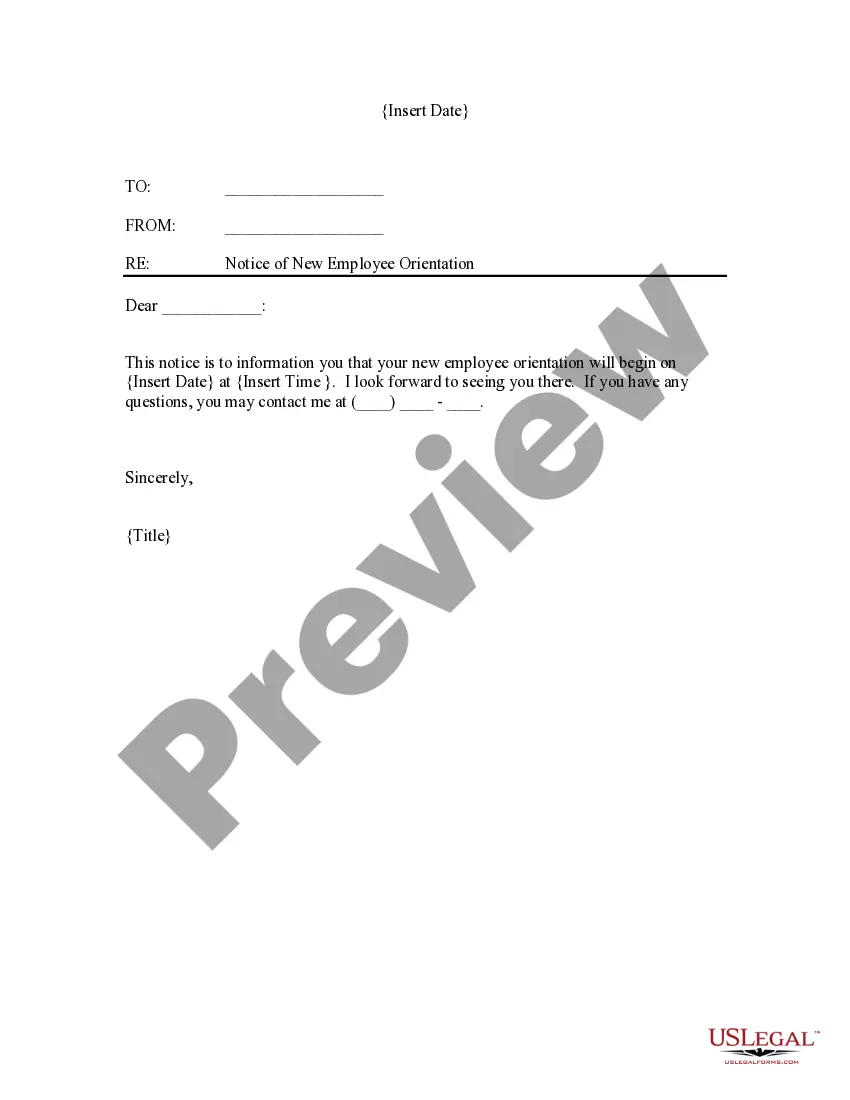
Connecticut Notice of New Employee Orientation
Description
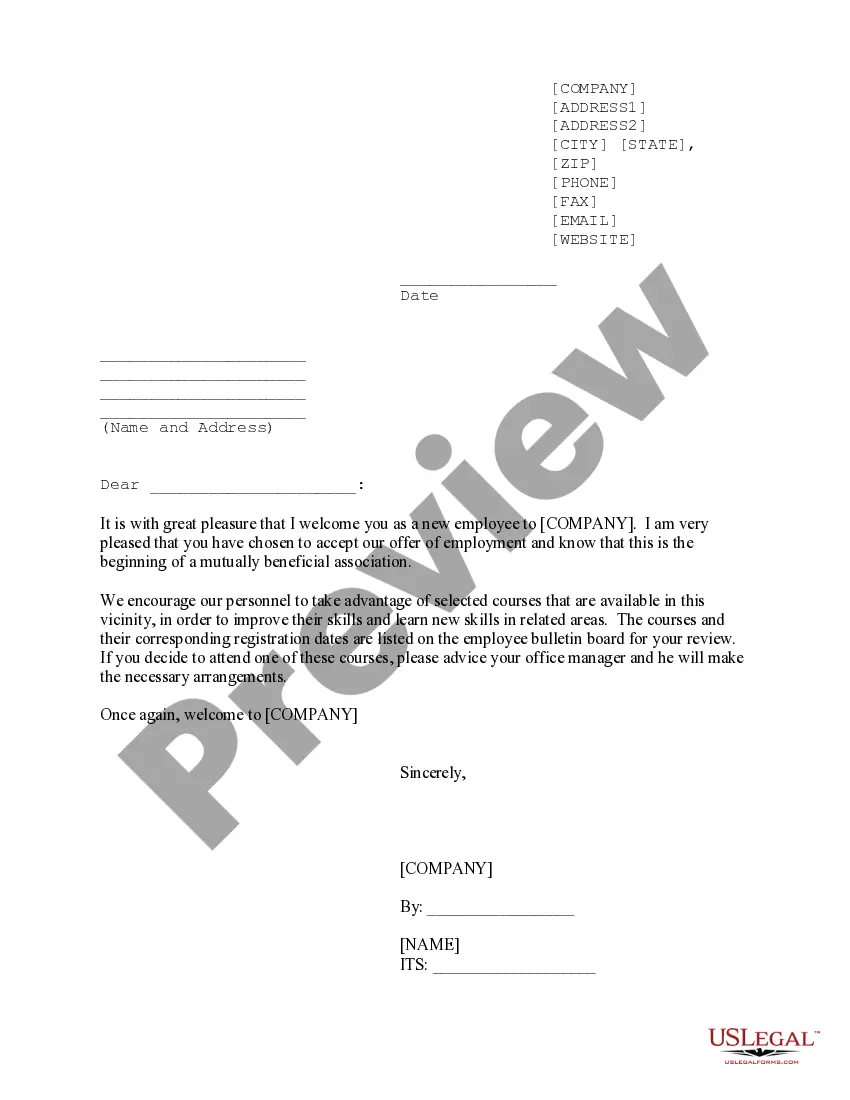
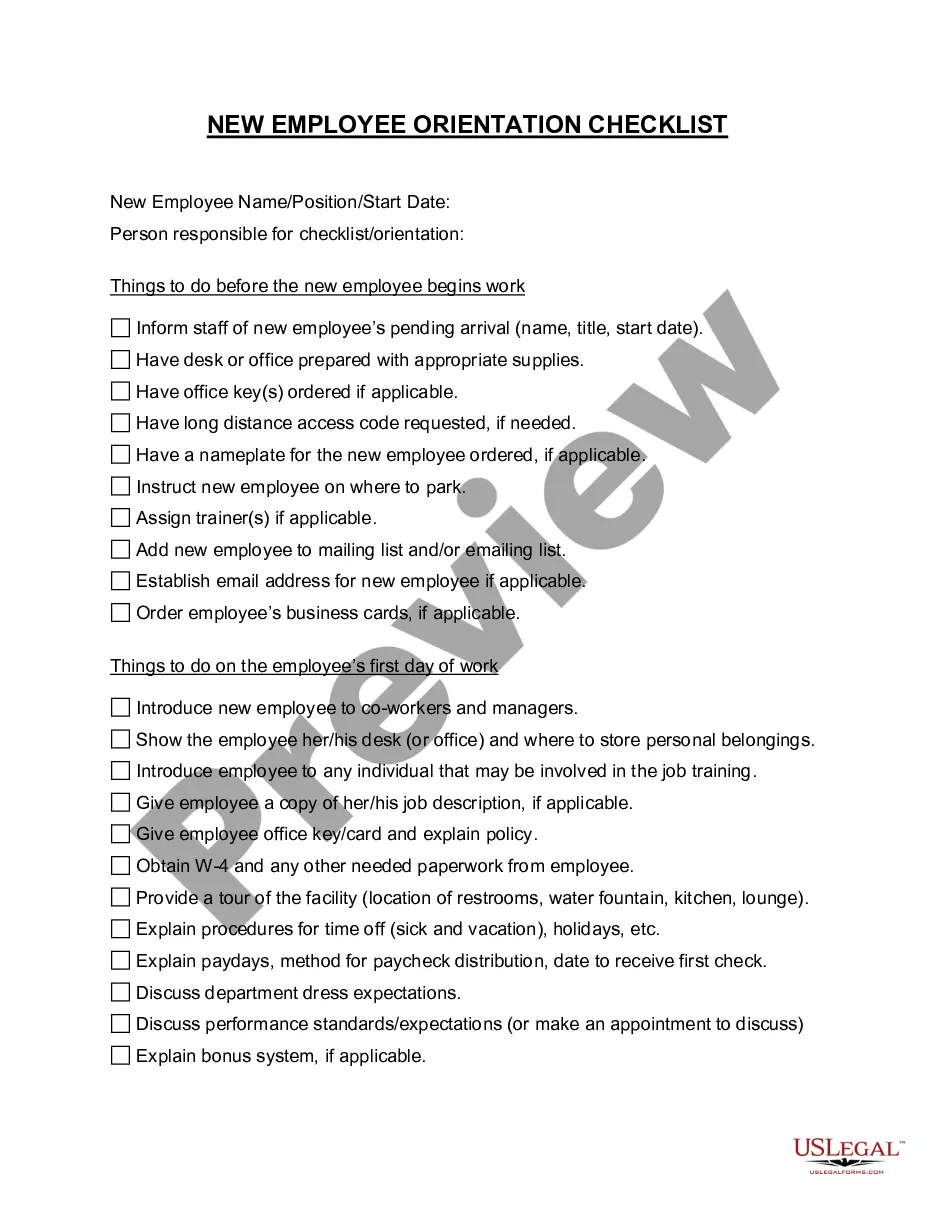
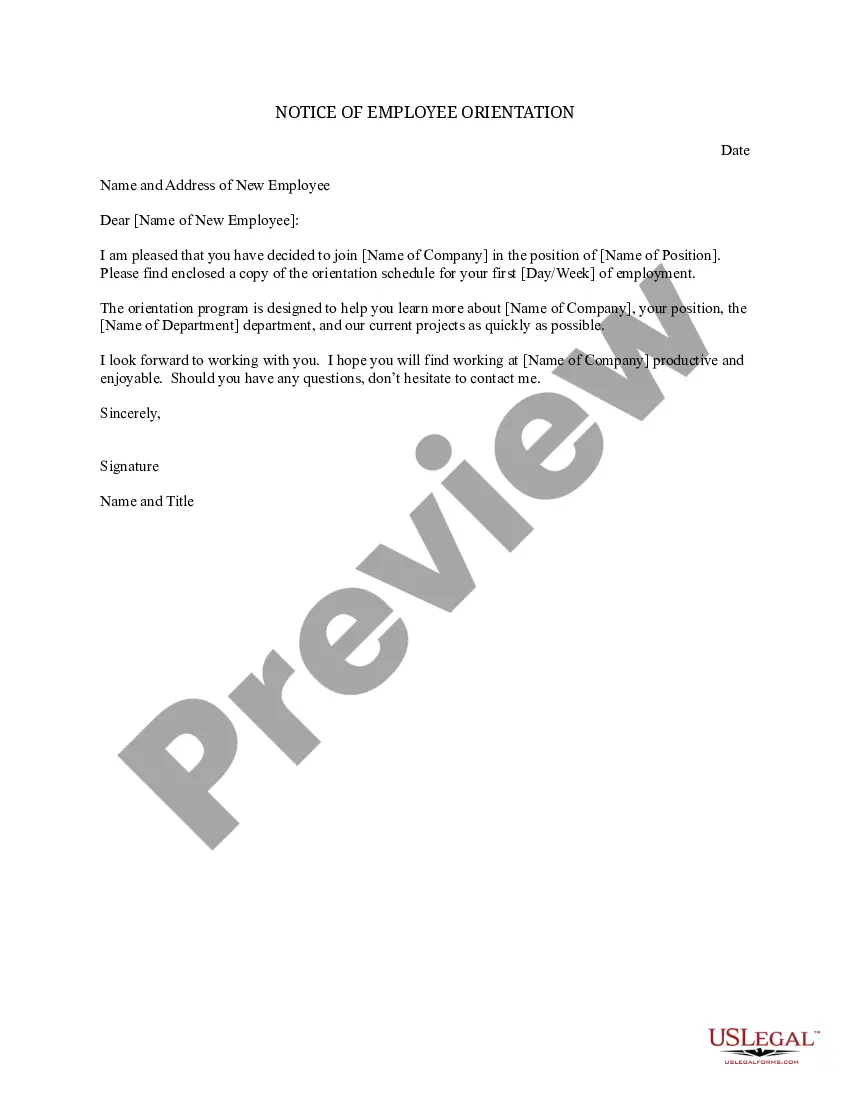
How to fill out Notice Of New Employee Orientation?
Are you presently in a scenario where you frequently require documents for various corporate or personal activities.
There are numerous legitimate document templates accessible online, but finding trustworthy ones can be challenging.
US Legal Forms offers a vast array of form templates, such as the Connecticut Notice of New Employee Orientation, designed to comply with state and federal regulations.
Once you find the correct form, click Buy now.
Choose the pricing plan you prefer, fill in the required information to create your account, and pay for your order using your PayPal or credit card. Select a convenient document format and download your copy.
- If you are already acquainted with the US Legal Forms website and have an account, simply Log In.
- Then, you can download the Connecticut Notice of New Employee Orientation template.
- If you do not have an account and wish to utilize US Legal Forms, follow these steps.
- Find the form you need and ensure it is for the correct state/region.
- Use the Review option to check the form.
- Review the details to confirm you have selected the appropriate form.
- If the form is not what you are looking for, utilize the Lookup section to find the form that fits your needs and specifications.
Form popularity
FAQ
The onboarding process is the primary responsibility of hiring supervisor. The hiring supervisor must be proactive and engaged in facilitating the employee's successful integration into the organization from start to finish.
Phase 1: Pre-onboarding. The first phase of onboarding, also called pre-onboarding, begins as soon as a candidate accepts your offer and continues until their first day of joining.Phase 2: Welcoming new hires.Phase 3: Role-specific training.Phase 4: Easing the transition to their new role.Final thoughts.24-Jun-2021
Typically, employee orientation at a new job begins on day one of employment. Because of this, employees are typically paid their agreed-upon wage or salary for the time they spend training. Some companies may offer raises once an employee has completed specified certifications required to complete their job.
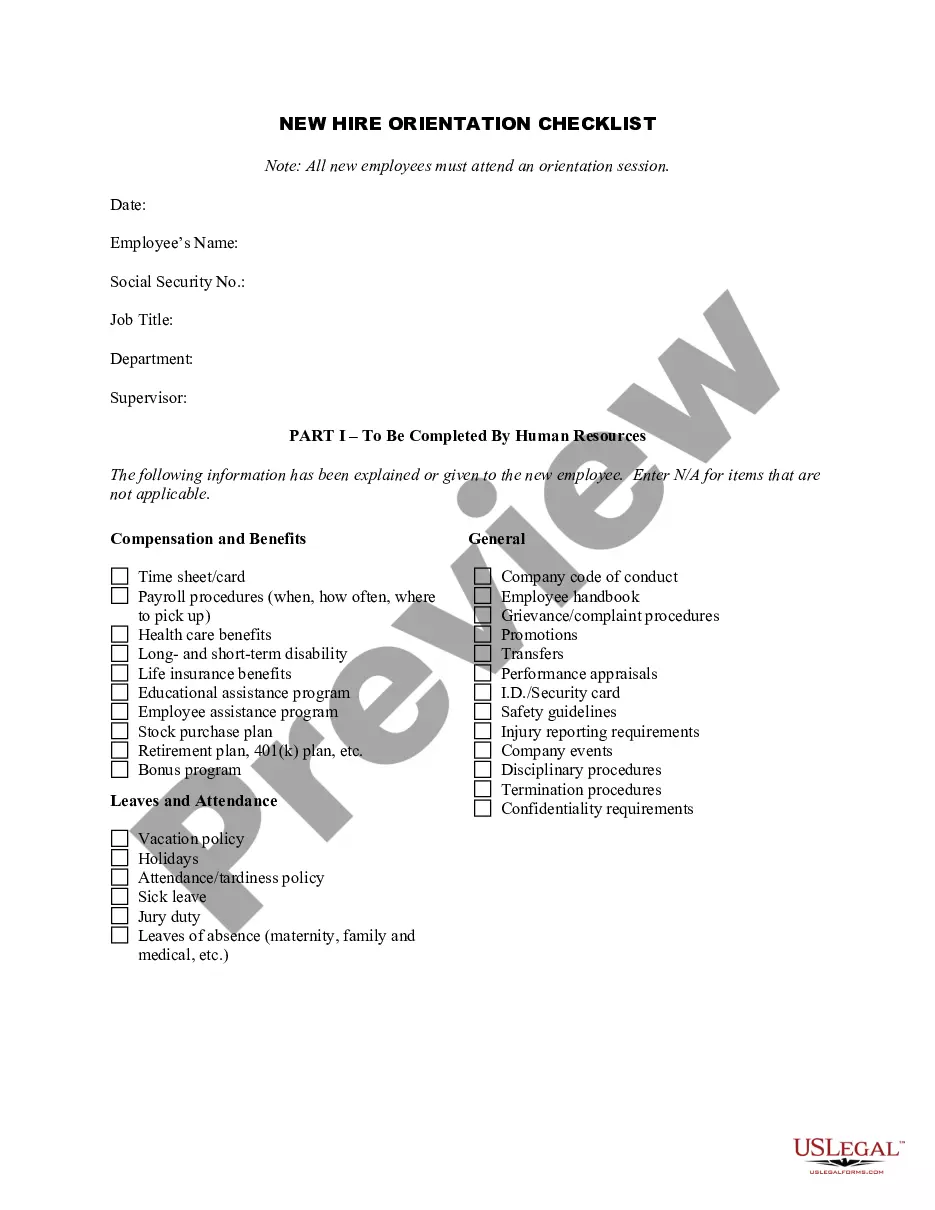
Orientation MeetingIntroduction to the company, its mission, functions and culture.Review of company organizational chart.Employee handbook review.Benefits plan information, discussion and preliminary enrollment.
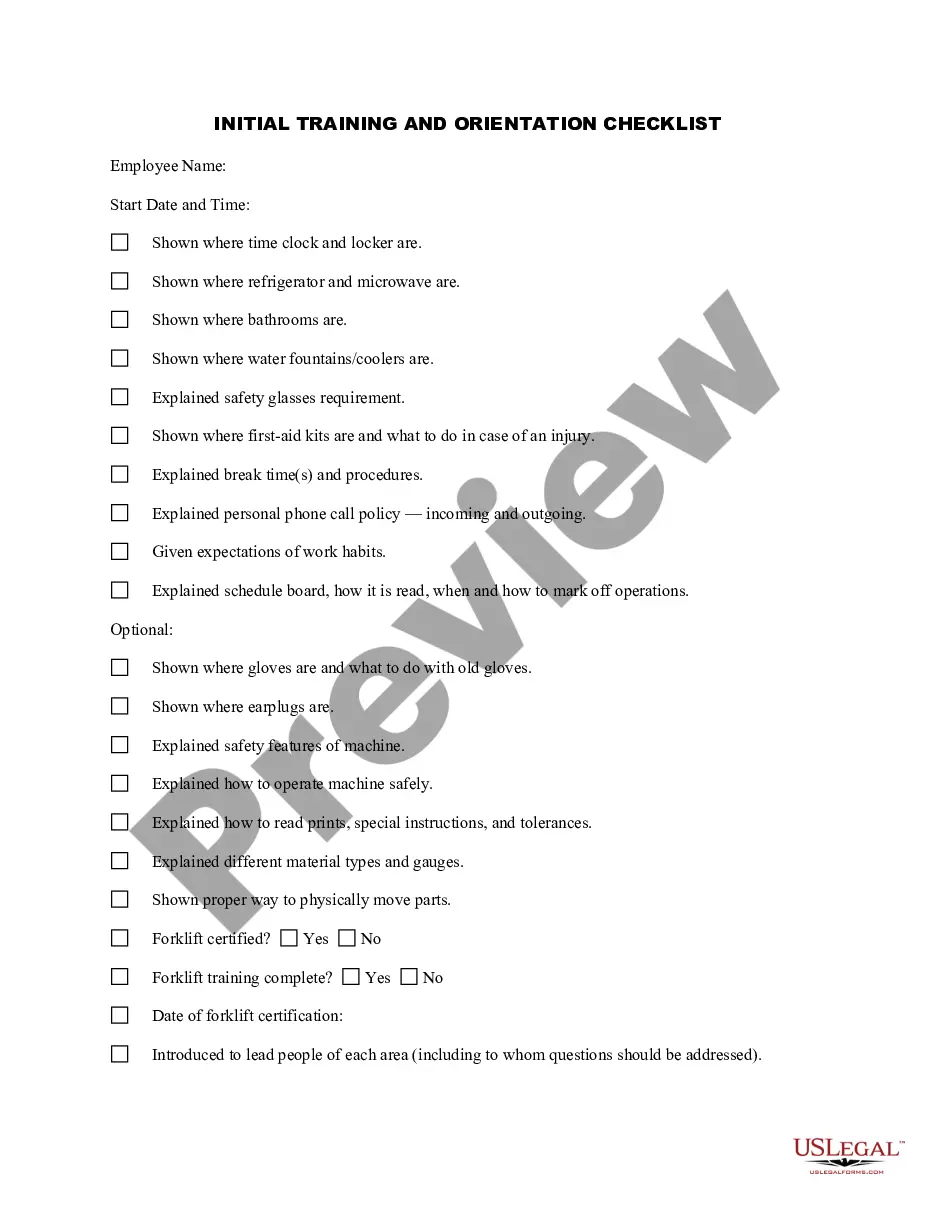
The direct manager of the new hire will most likely take the hands-on duties of orientation. This role plans and prepares a comprehensive orientation that includes: Giving them a tour of the building including locations for office supplies, break room, etc. Introducing them to their colleagues.
In theory, onboarding starts on the first day, but in reality, it should start as soon as the candidate accepts the offer. By using the five onboarding tips below, you can keep your new hire engaged, set them up for a successful onboarding experience, and make the process much simpler for your organization.
Who is responsible for orienting new employees? Managers are responsible for ensuring that employees are oriented. The orientation may involve the manager, supervisor, co-workers, payroll and human resources.
A job orientation is a process for giving new employees important information about their workspace, equipment, pay, benefits, and dress code. New hires are also introduced to their coworkers during an orientation, which sets them up for success and integrates them into the company culture.
You've probably heard many terms associated with the start of a new employee's journey in a new job preboarding, orientation, onboarding, training. In the plainest of terms, a job orientation happens either prior to the new employee's first day or right when the new employee starts their job at your organization.
A job orientation occurs on the first few days of a new hire's employment. It involves introducing them to their team, showing them their workspace and administering new hire paperwork. Employees will usually spend a portion of their job orientation reviewing onboarding information like dress code, benefits and salary.