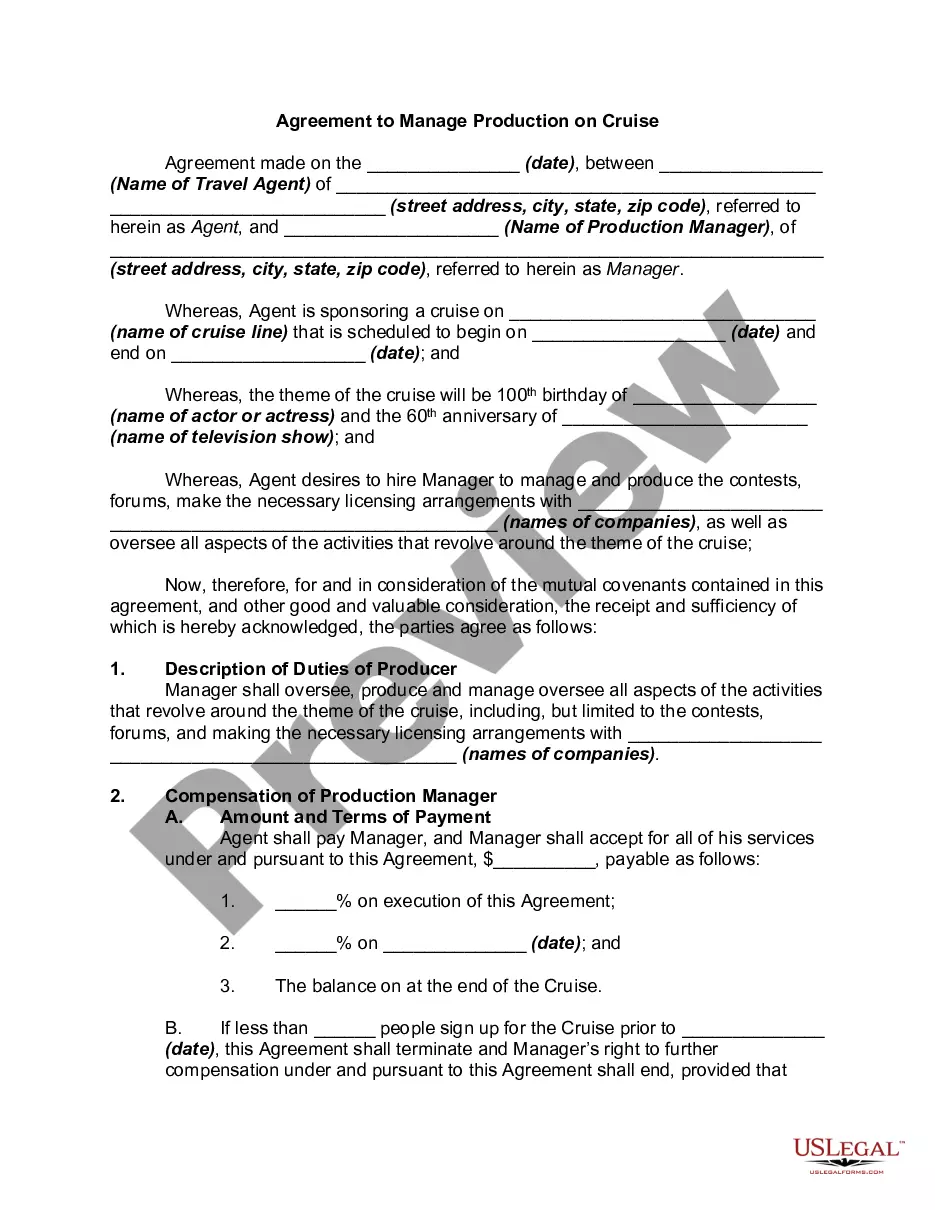
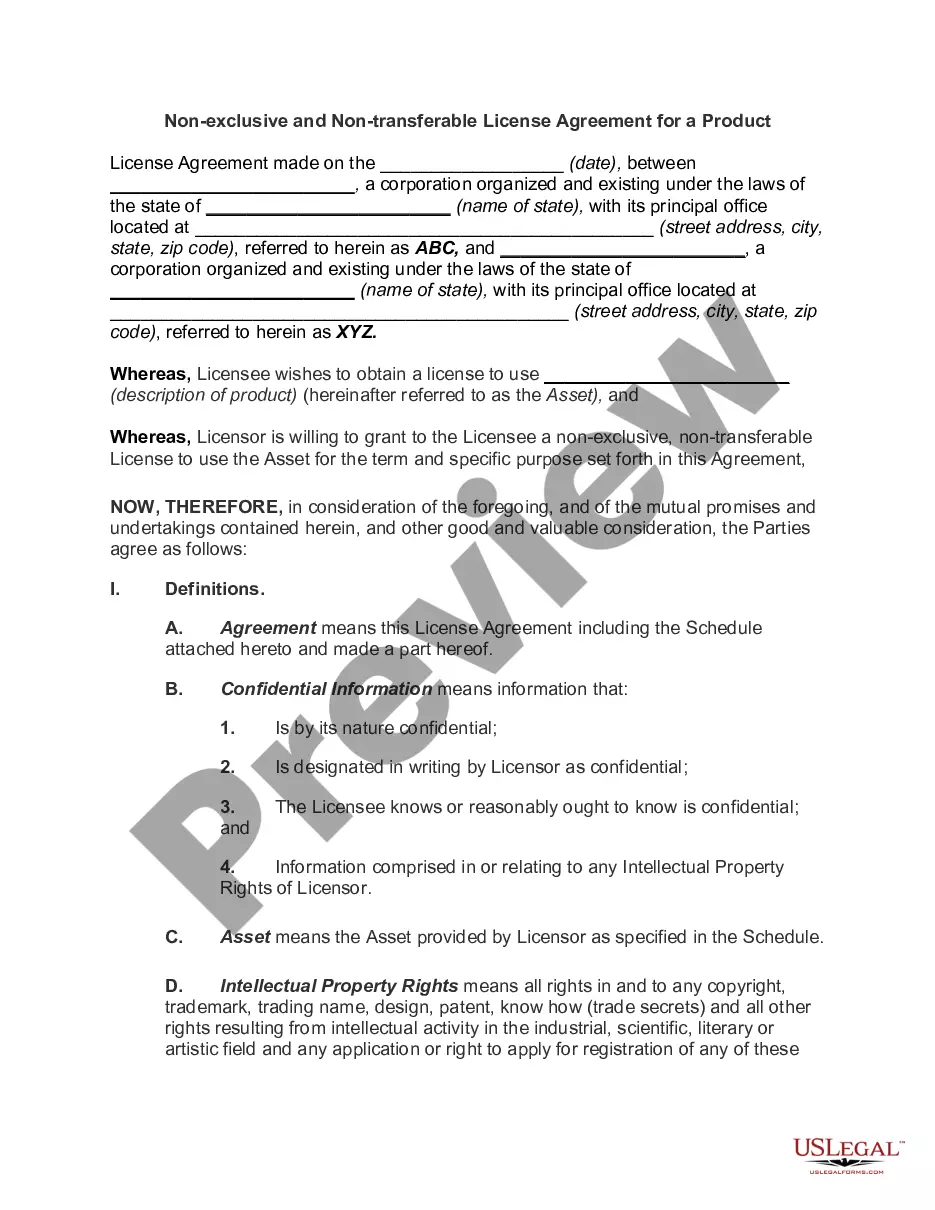
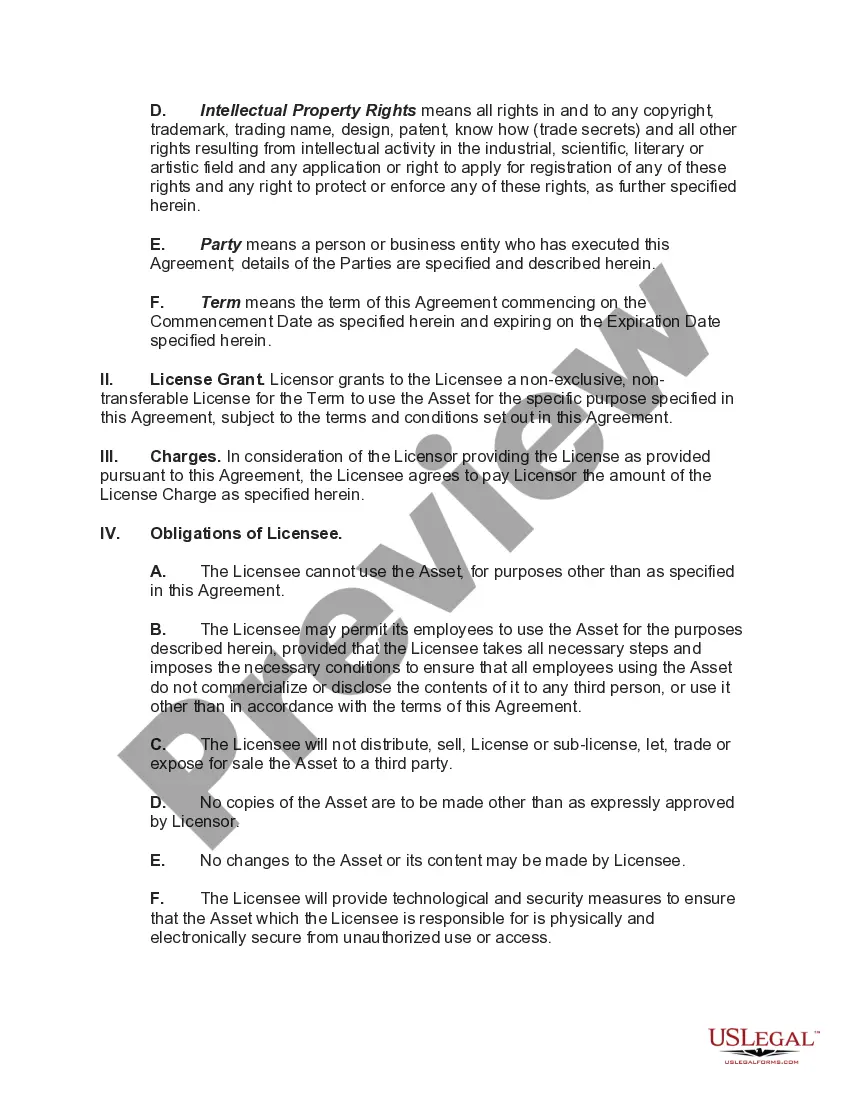
Connecticut Non-exclusive and Non-transferable License Agreement for a Product
Description
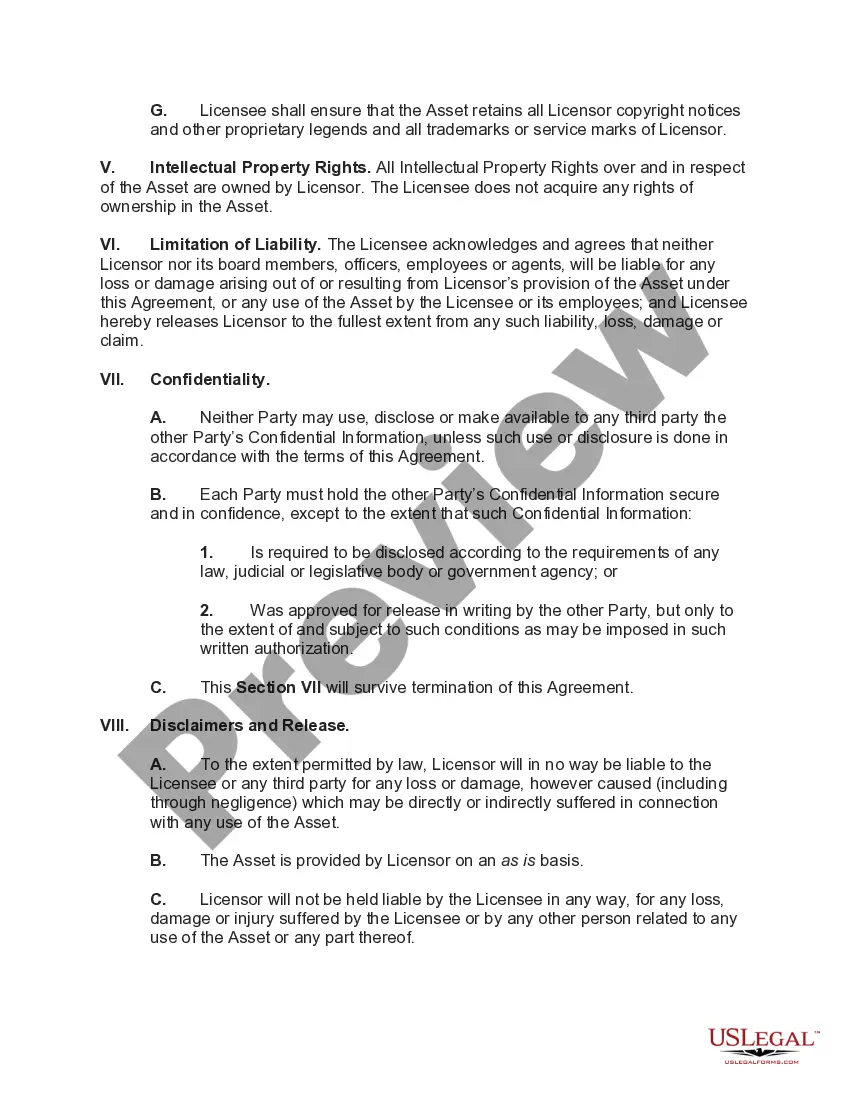
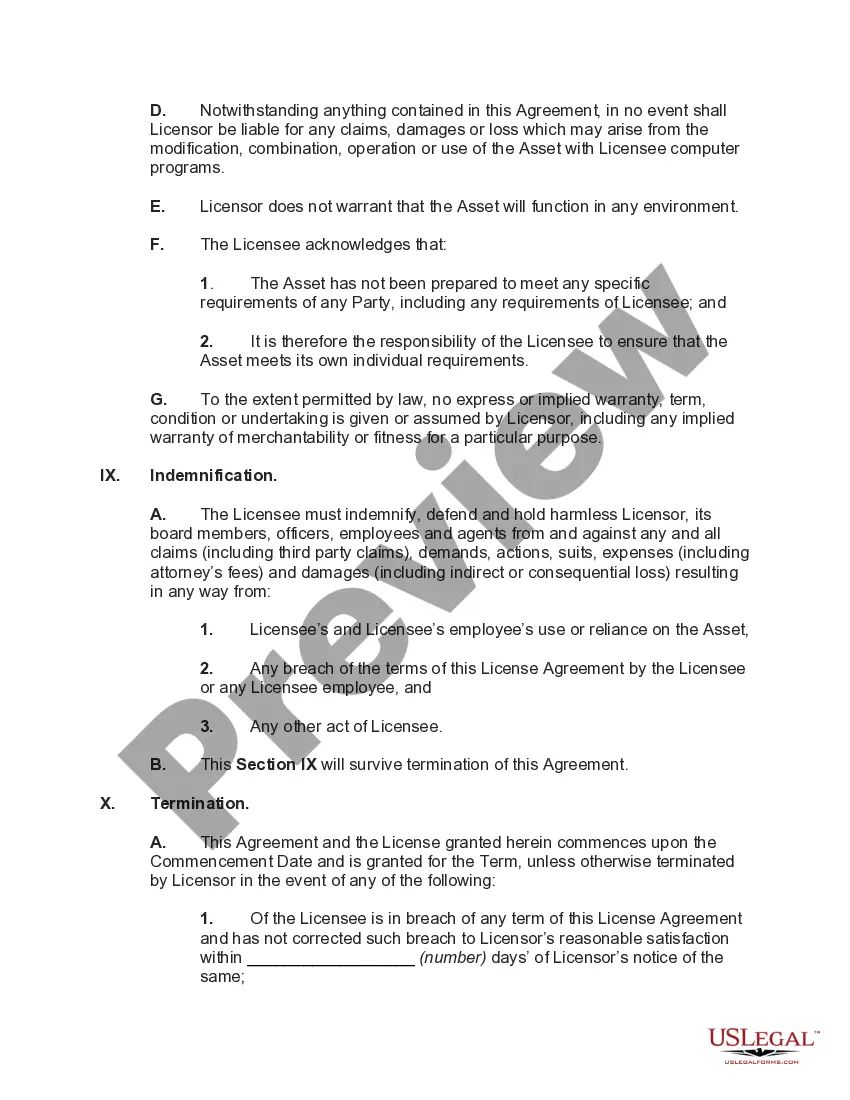
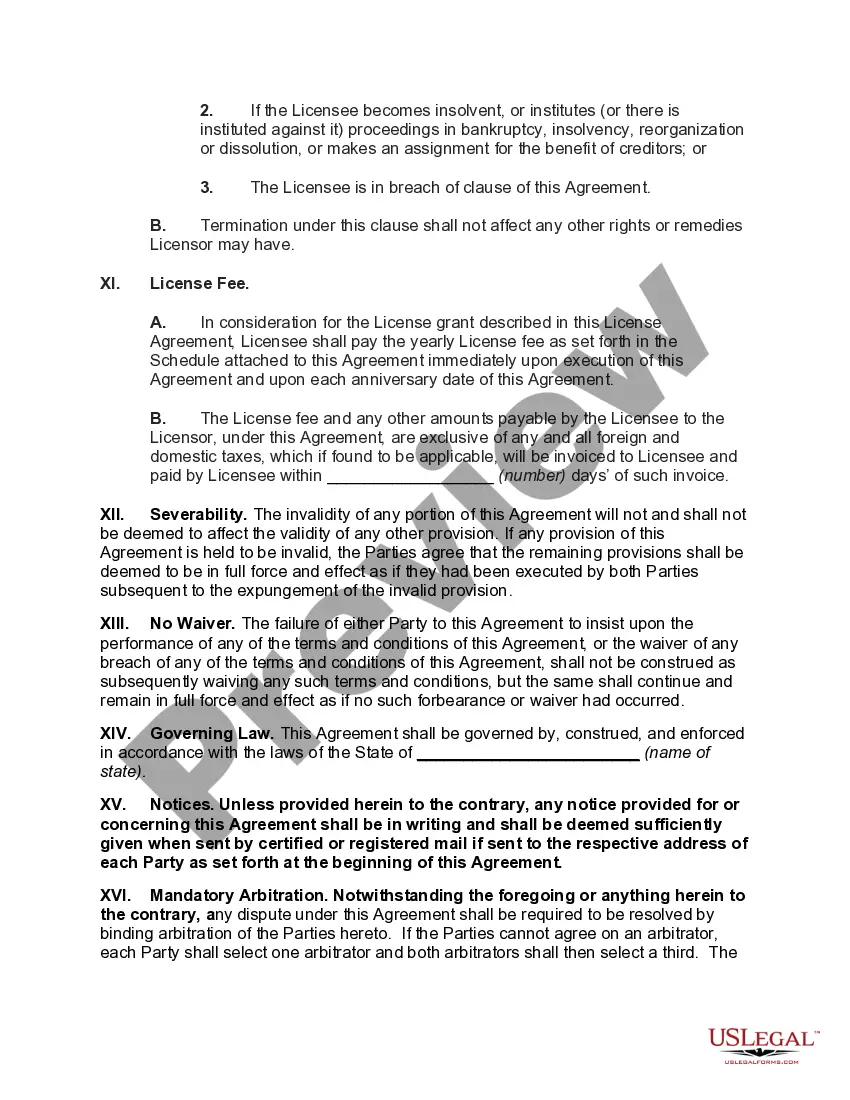
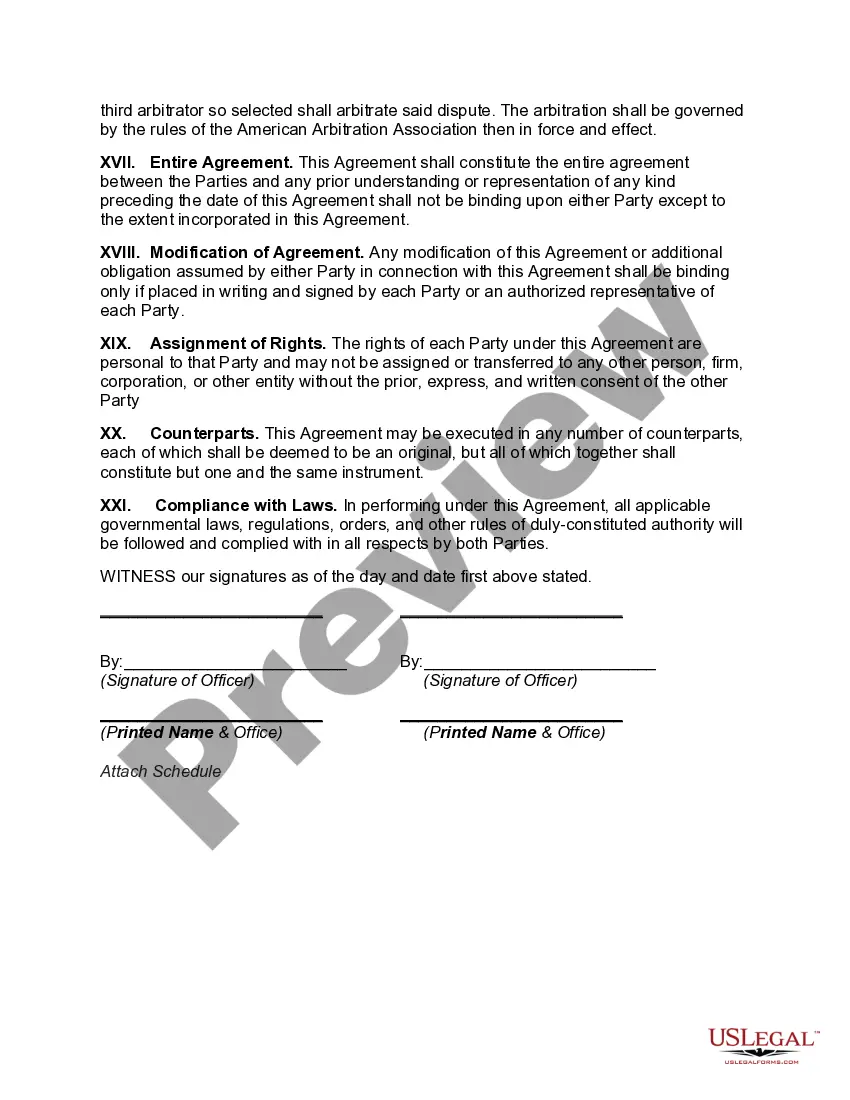
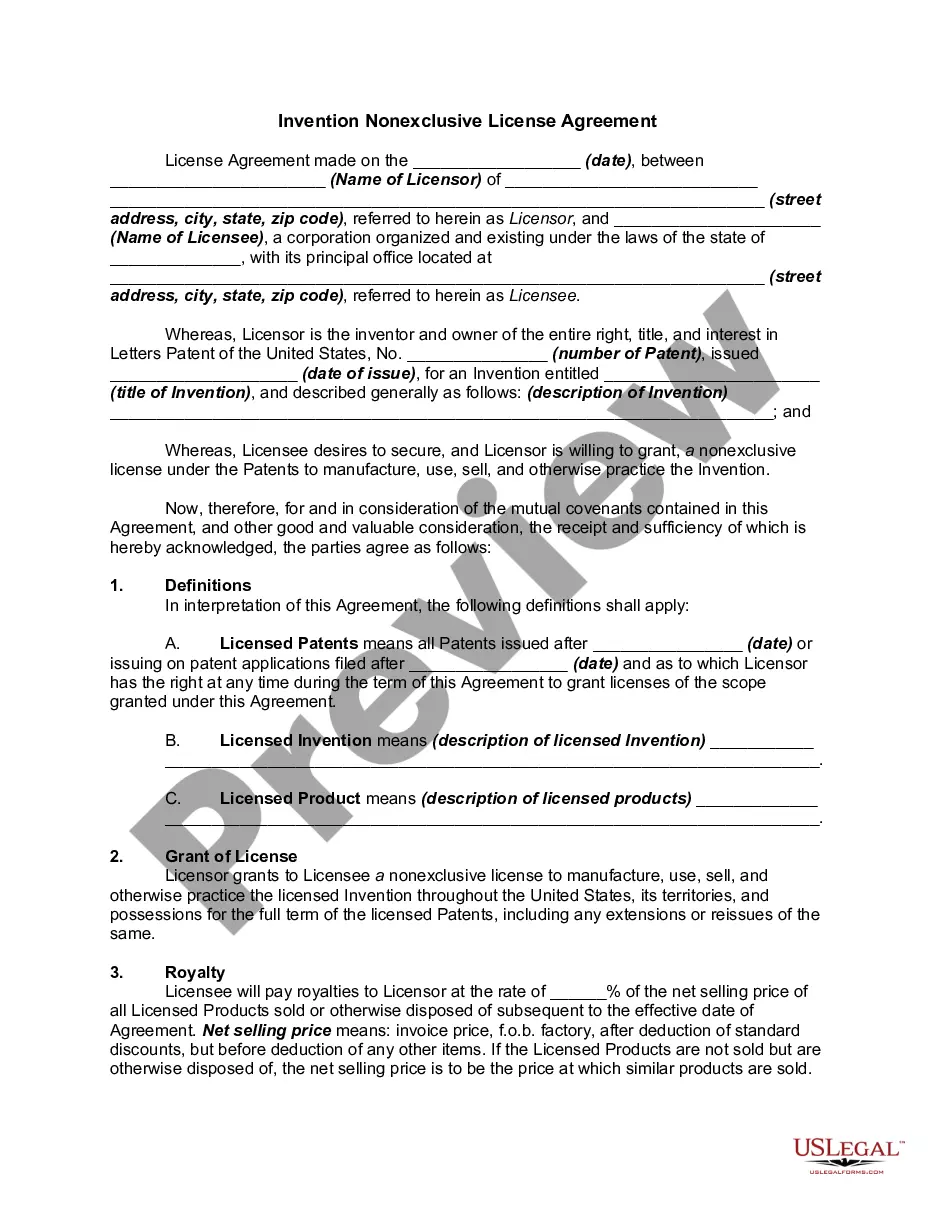
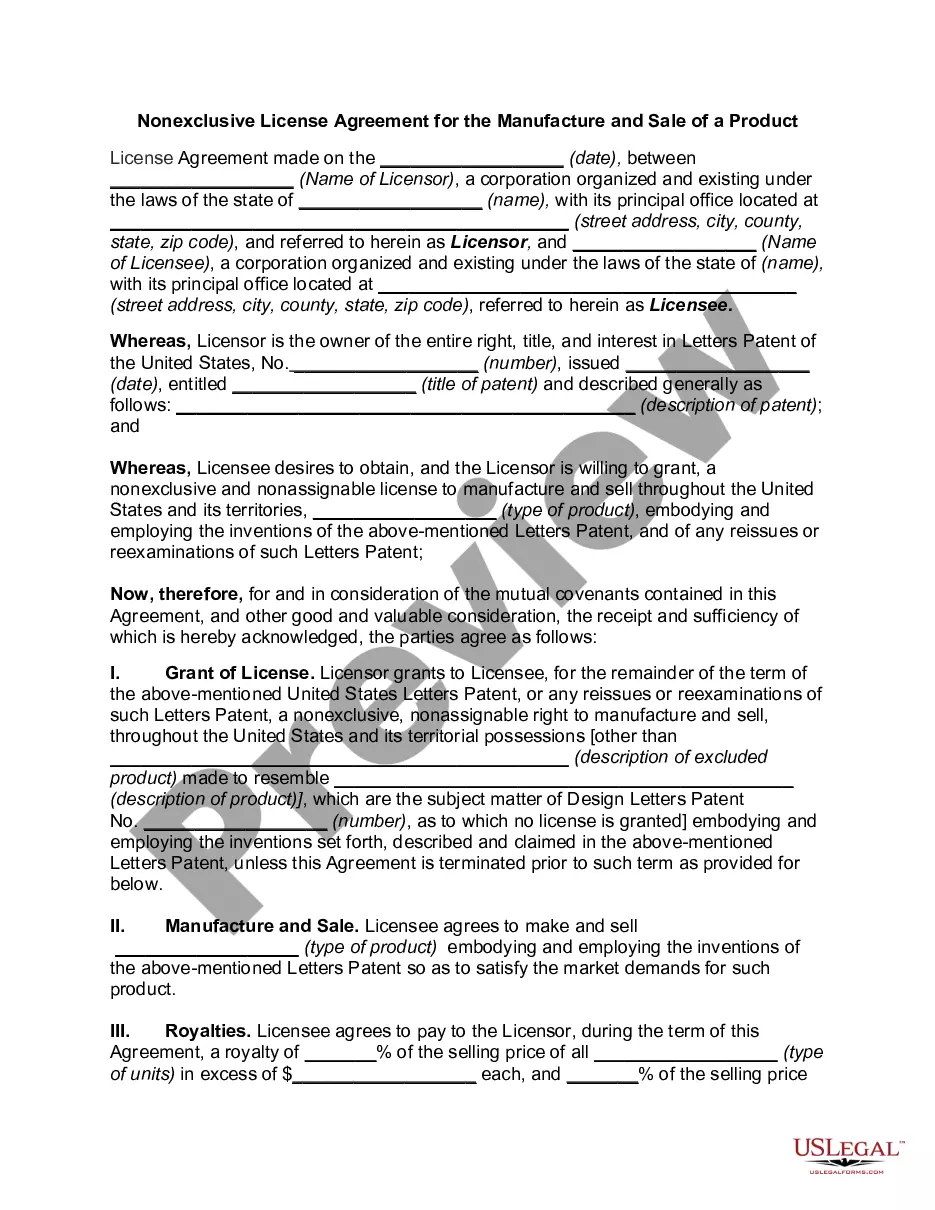



How to fill out Non-exclusive And Non-transferable License Agreement For A Product?
Are you presently in a circumstance where you require documents for your business or particular tasks almost every day.
There are numerous authentic template forms available online, but finding ones you can rely on isn't straightforward.
US Legal Forms provides thousands of template documents, such as the Connecticut Non-exclusive and Non-transferable License Agreement for a Product, which are crafted to meet state and federal requirements.
Choose a convenient file format and download your copy.
Access all the template documents you have purchased in the My documents section. You can obtain an additional copy of the Connecticut Non-exclusive and Non-transferable License Agreement for a Product any time if needed. Just click the required form to download or print the document template.
Utilize US Legal Forms, one of the most extensive selections of authentic forms, to save time and prevent errors. The service offers professionally designed legal document templates that you can use for various purposes. Create your account on US Legal Forms and start making your life easier.
- If you are already familiar with the US Legal Forms website and have an account, simply Log In.
- Afterward, you can download the Connecticut Non-exclusive and Non-transferable License Agreement for a Product template.
- If you do not have an account and wish to start using US Legal Forms, follow these steps.
- Obtain the form you need and ensure it is for the correct city/county.
- Utilize the Review button to examine the form.
- Check the details to confirm you have selected the correct form.
- If the form is not what you are looking for, use the Lookup field to find the form that meets your needs and requirements.
- Once you find the right form, click Purchase now.
- Select the pricing plan you prefer, enter the required information to create your account, and complete your order using PayPal or a credit card.
Form popularity
FAQ
To write an End User License Agreement (EULA), start with an introduction that identifies the parties to the agreement and describes the product. Next, outline the scope of the license, clearly stating that it is a Connecticut Non-exclusive and Non-transferable License Agreement for a Product. Include terms about usage rights, limitations, and the consequences of violation. Including disclaimers and a termination clause will also help protect your interests.
An exclusive license agreement grants one party the sole rights to use a product, meaning no other parties can use it concurrently. This contrasts with a non-exclusive agreement, where rights can be shared. Understanding these concepts helps when you are considering a Connecticut Non-exclusive and Non-transferable License Agreement for a Product.
exclusive and nontransferable license means that multiple individuals or entities can obtain the same rights to use a particular product. Specifically, this type of agreement allows the licensee to use the product, but not to pass those rights to someone else. Understanding this distinction is vital when engaging in a Connecticut Nonexclusive and Nontransferable License Agreement for a Product.
An exclusive license does not allow the photographer to license the image or images to other third parties during the duration of the agreement. A non-exclusive license allows the photographer to license the same image to other third parties under separate agreements during the same time frame.
Exclusive Licence grants to the licensee the right to use the intellectual property, but means that the licensor remains free to exploit the same intellectual property and to allow any number of other licensees to also exploit the same intellectual property.
A licensing agreement is a contract between two parties (the licensor and licensee) in which the licensor grants the licensee the right to use the brand name, trademark, patented technology, or ability to produce and sell goods owned by the licensor.
A license agreement is a business contract between two parties. The licensor (the seller of the license) owns the asset being licensed and the licensee (the buyer) pays for the right to use the license. The licensee pays the owner in exchange for the right to sell the product or use the technology.
Practitioners and licensing executives often refer to three basic types of voluntary licenses: non-exclusive, sole, and exclusive. A non-exclusive licence allows the licensor to retain the right to use the licensed property and the right to grant additional licenses to third parties.
Types of licensing agreement The unique feature of this type of agreement is that even the licensor is excluded to use or exploit the licensed property during the term of the agreement. Copyright, trademark and patent licenses are the best examples of an exclusive license agreement.