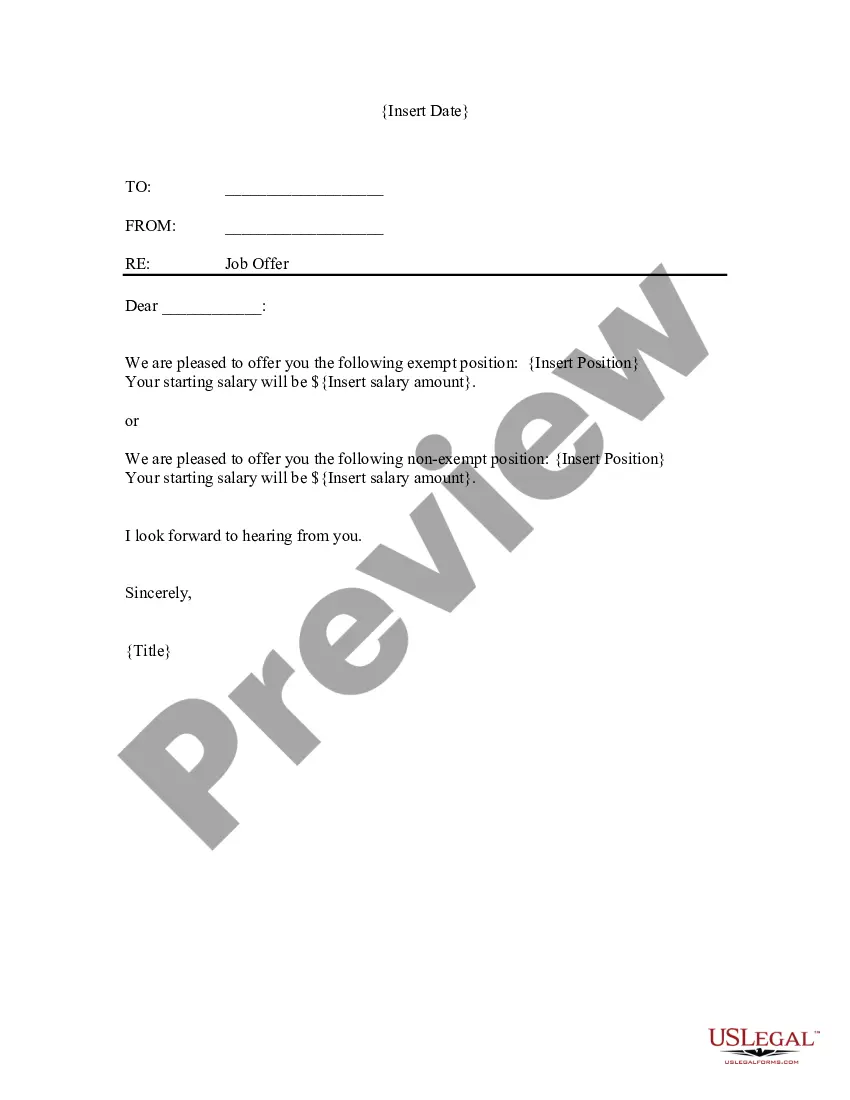
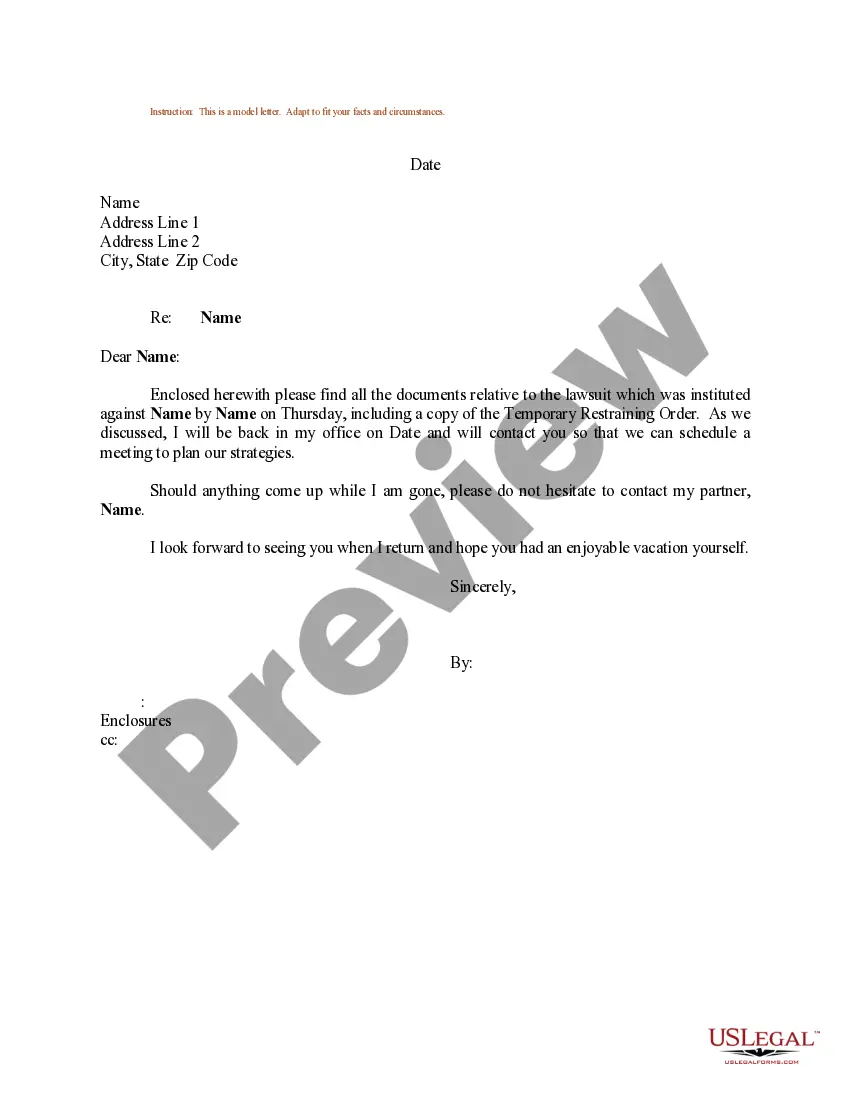
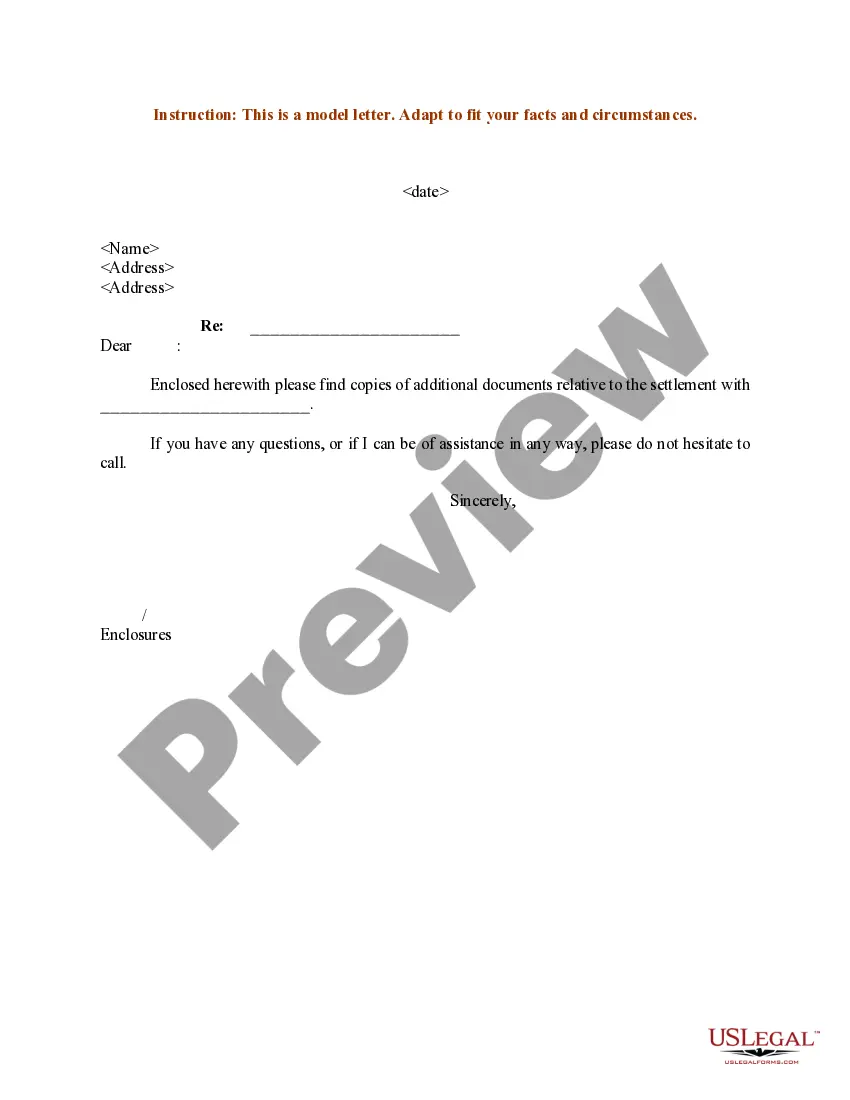
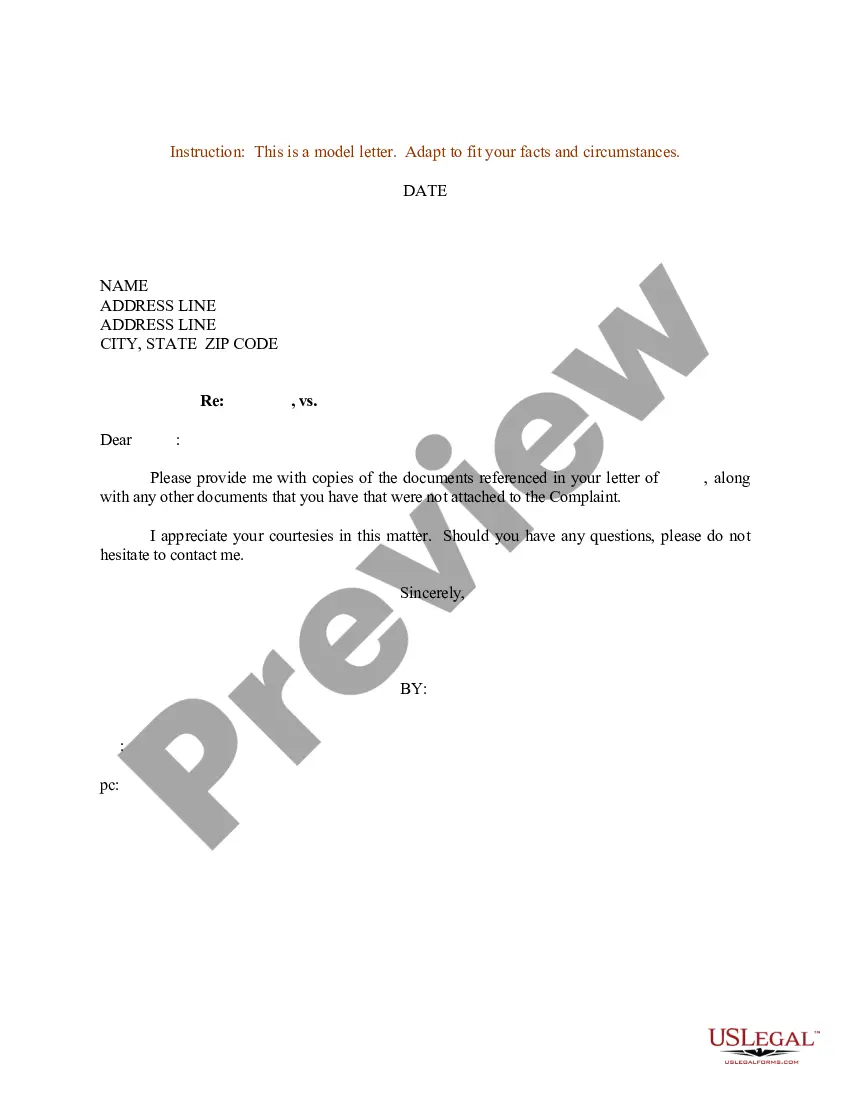
Connecticut Sample Letter for Documents Relative to Lawsuit
Description
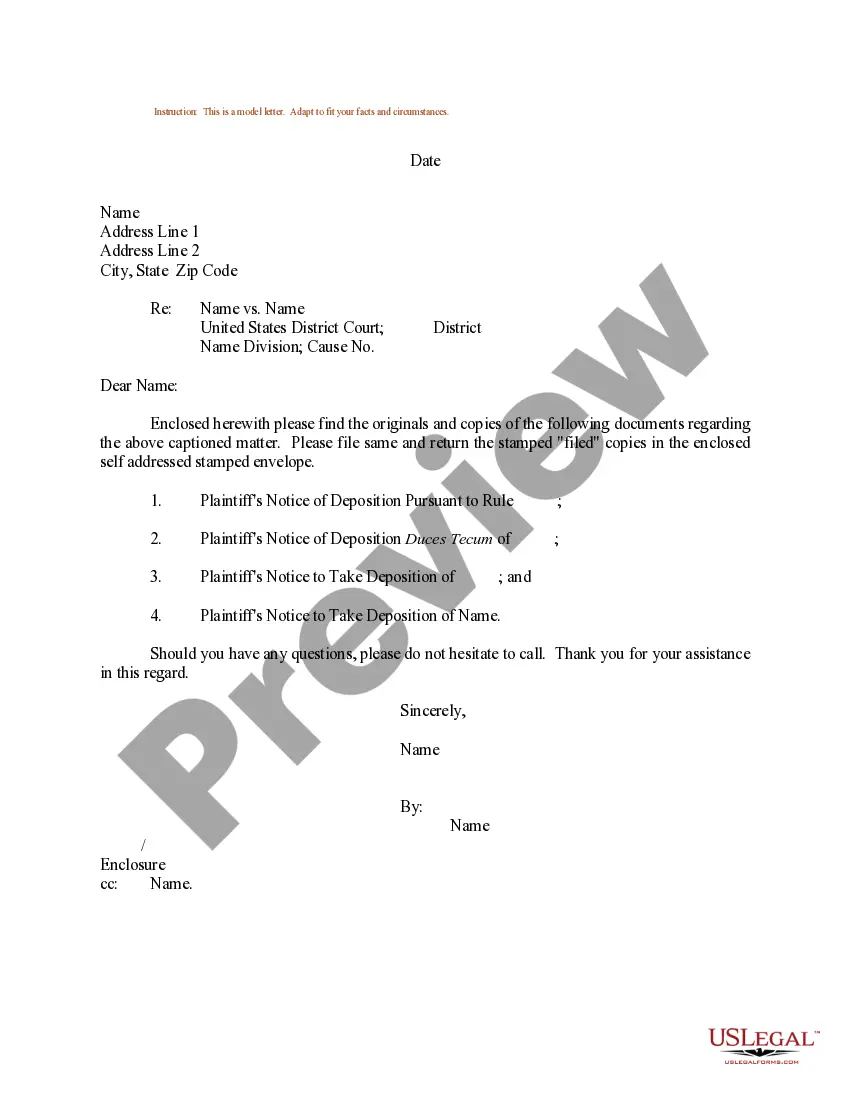
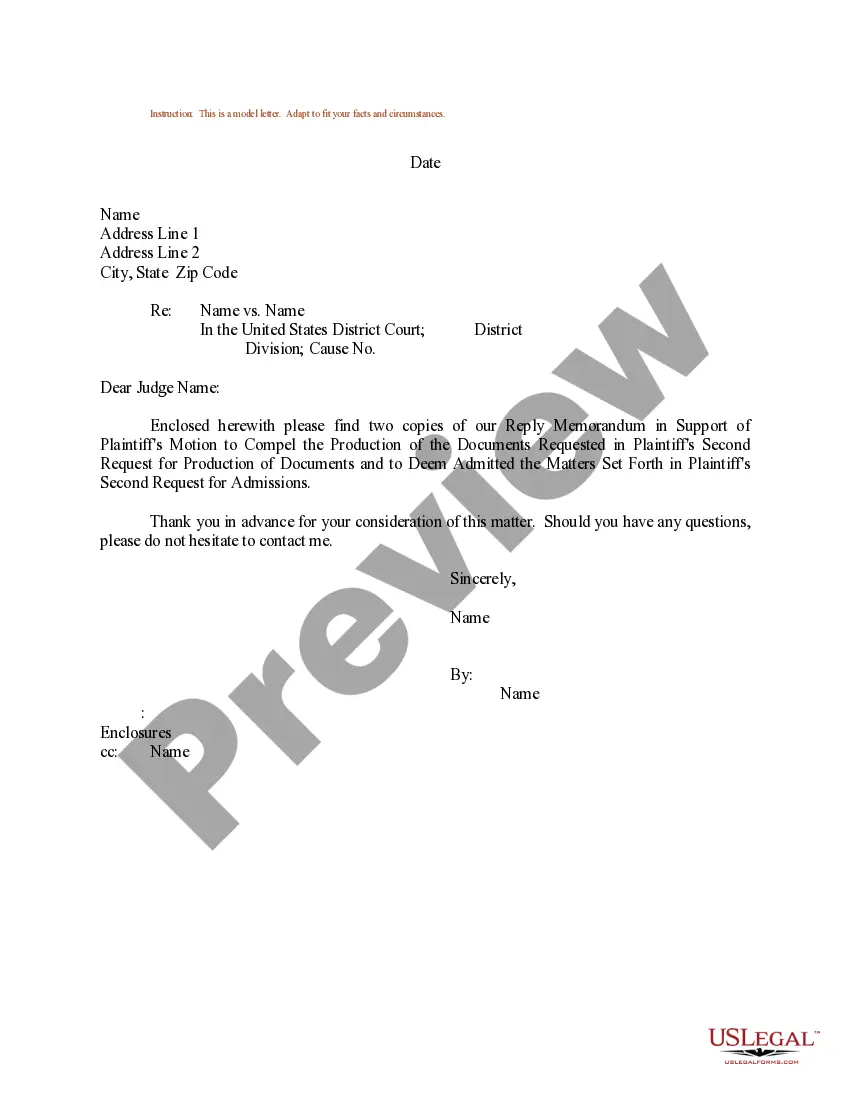
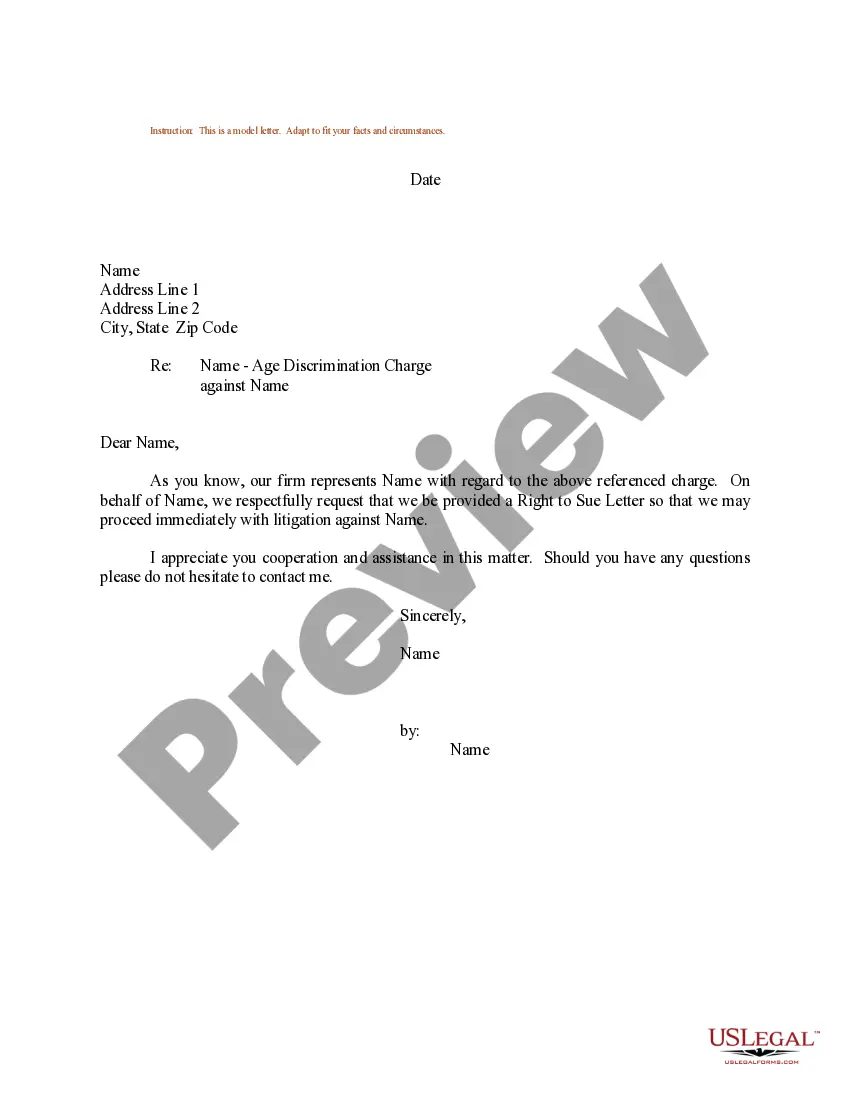
Get your form ready online
Our built-in tools help you complete, sign, share, and store your documents in one place.
Make edits, fill in missing information, and update formatting in US Legal Forms—just like you would in MS Word.
Download a copy, print it, send it by email, or mail it via USPS—whatever works best for your next step.
Sign and collect signatures with our SignNow integration. Send to multiple recipients, set reminders, and more. Go Premium to unlock E-Sign.
If this form requires notarization, complete it online through a secure video call—no need to meet a notary in person or wait for an appointment.
We protect your documents and personal data by following strict security and privacy standards.

Make edits, fill in missing information, and update formatting in US Legal Forms—just like you would in MS Word.

Download a copy, print it, send it by email, or mail it via USPS—whatever works best for your next step.

Sign and collect signatures with our SignNow integration. Send to multiple recipients, set reminders, and more. Go Premium to unlock E-Sign.

If this form requires notarization, complete it online through a secure video call—no need to meet a notary in person or wait for an appointment.

We protect your documents and personal data by following strict security and privacy standards.
Looking for another form?


How to fill out Sample Letter For Documents Relative To Lawsuit?
If you need to full, download, or produce legitimate record templates, use US Legal Forms, the most important selection of legitimate varieties, which can be found online. Take advantage of the site`s easy and convenient research to discover the papers you need. Numerous templates for business and individual uses are categorized by classes and suggests, or key phrases. Use US Legal Forms to discover the Connecticut Sample Letter for Documents Relative to Lawsuit with a few clicks.
In case you are presently a US Legal Forms client, log in to the account and click the Acquire switch to get the Connecticut Sample Letter for Documents Relative to Lawsuit. You may also access varieties you previously saved inside the My Forms tab of your respective account.
If you work with US Legal Forms for the first time, refer to the instructions under:
- Step 1. Be sure you have chosen the shape for the correct town/region.
- Step 2. Take advantage of the Review option to look over the form`s content. Don`t forget about to read through the outline.
- Step 3. In case you are unhappy using the develop, take advantage of the Search industry towards the top of the display screen to find other variations in the legitimate develop format.
- Step 4. When you have located the shape you need, select the Buy now switch. Pick the rates plan you like and include your accreditations to sign up on an account.
- Step 5. Process the financial transaction. You can utilize your bank card or PayPal account to complete the financial transaction.
- Step 6. Find the file format in the legitimate develop and download it in your system.
- Step 7. Full, revise and produce or signal the Connecticut Sample Letter for Documents Relative to Lawsuit.
Every legitimate record format you acquire is the one you have forever. You possess acces to each develop you saved in your acccount. Click on the My Forms section and choose a develop to produce or download once again.
Contend and download, and produce the Connecticut Sample Letter for Documents Relative to Lawsuit with US Legal Forms. There are millions of professional and express-particular varieties you can use to your business or individual demands.
Form popularity
FAQ
[1] A lawyer should hold property of others with the care required of a professional fiduciary. All property that is the property of clients or third persons, including prospective clients, must be kept separate from the lawyer's business and personal property.
Although it is prohibited to mix lawyer funds with client funds, Rule 1.15 of the Connecticut Rules of Professional Conduct permits a lawyer's own funds to be placed in a trust account for the sole purposes of paying financial institution service charges on the account or to obtain a waiver of fees and service charges ...
Rule 4.2 of the Rules of Professional Conduct provides that ?[i]n representing a client, a lawyer shall not communicate about the subject of the representation with a party the lawyer knows to be represented by another lawyer in the matter, unless the lawyer has the consent of the other lawyer or is authorized by law ...
Although it is prohibited to mix lawyer funds with client funds, Rule 1.15 of the Connecticut Rules of Professional Conduct permits a lawyer's own funds to be placed in a trust account for the sole purposes of paying financial institution service charges on the account or to obtain a waiver of fees and service charges ...
Rule 1.10 - Imputation of Conflicts of Interest: General Rule (a) While lawyers are associated in a firm, none of them shall knowingly represent a client when any one of them practicing alone would be prohibited from doing so by Rules 1.7, 1.8(c), or 1.9, unless the prohibition is based on a personal interest of the ...
Rule 7.1. A lawyer shall not make a false or misleading communication about the lawyer or the lawyer's services.
Rule 7.1. A lawyer shall not make a false or misleading communication about the lawyer or the lawyer's services. A communication is false or mis- leading if it contains a material misrepresentation of fact or law, or omits a fact necessary to make the statement considered as a whole not materially misleading.