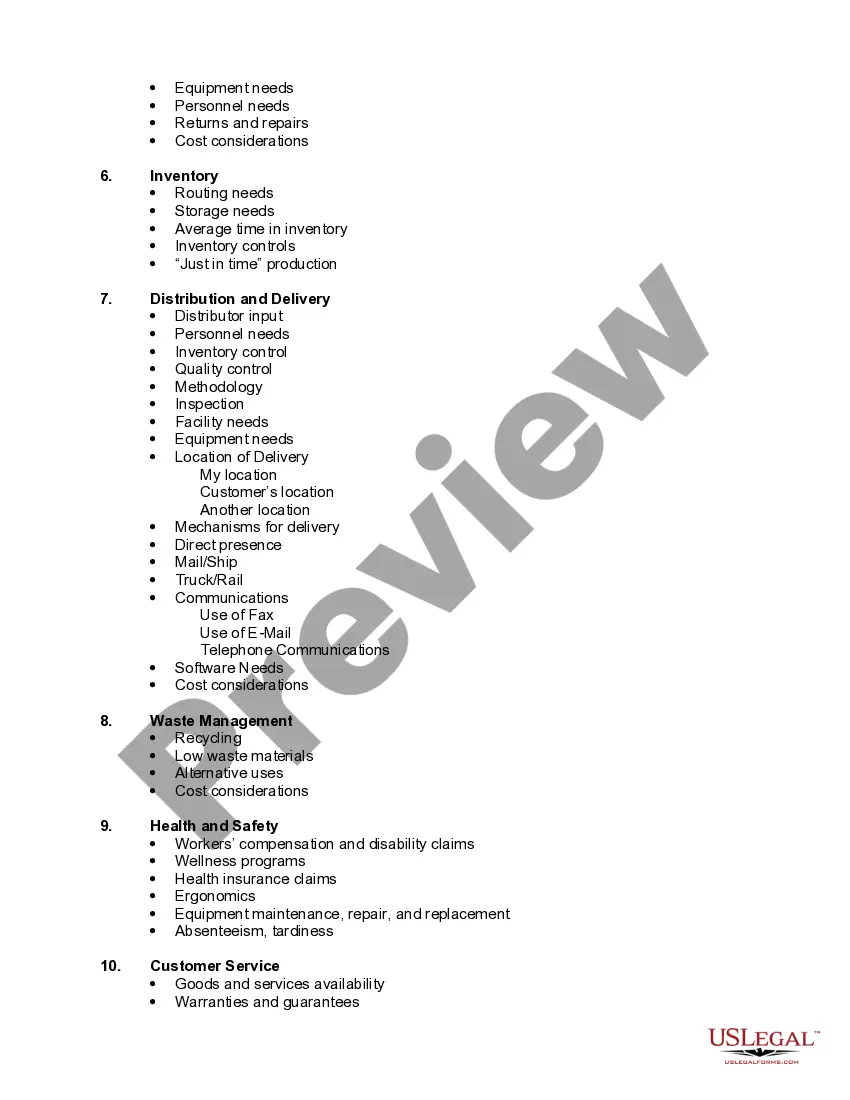
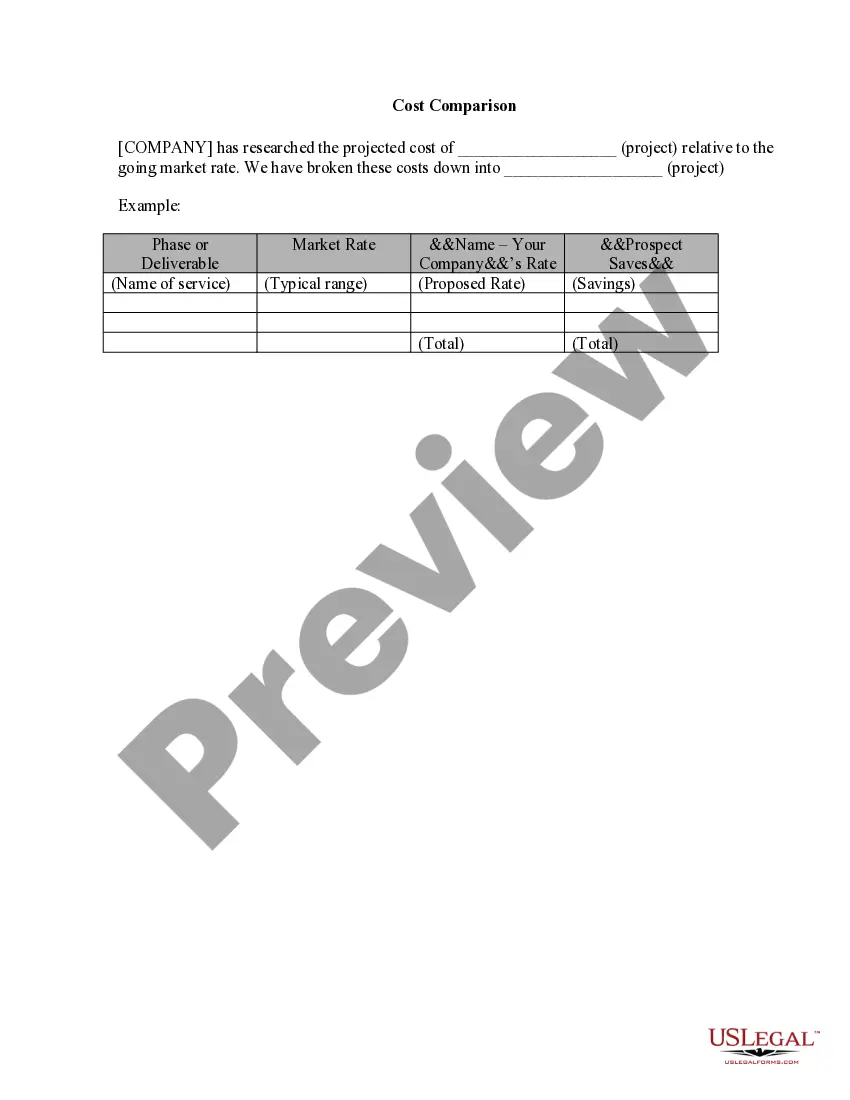
Connecticut Benchmarking Considerations
Description
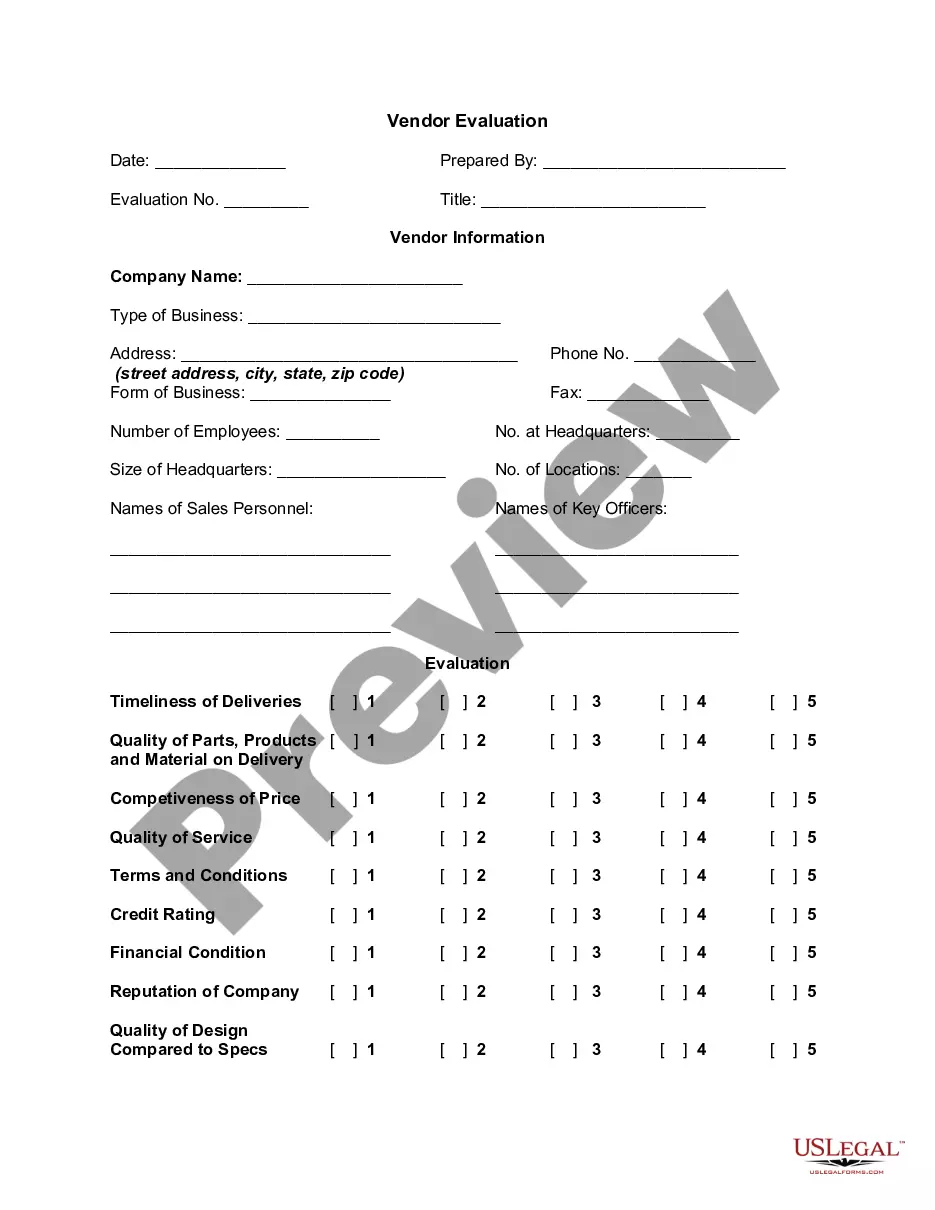
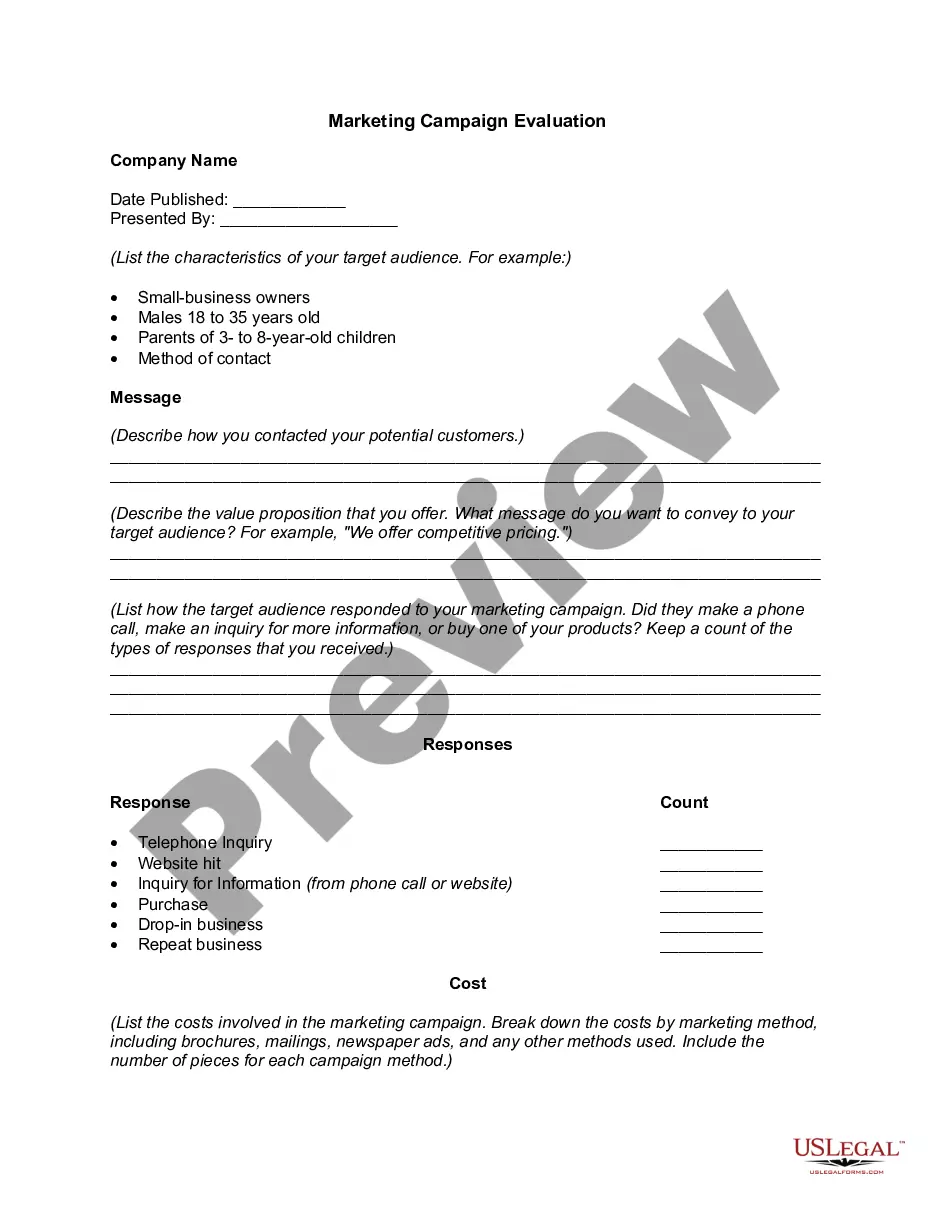
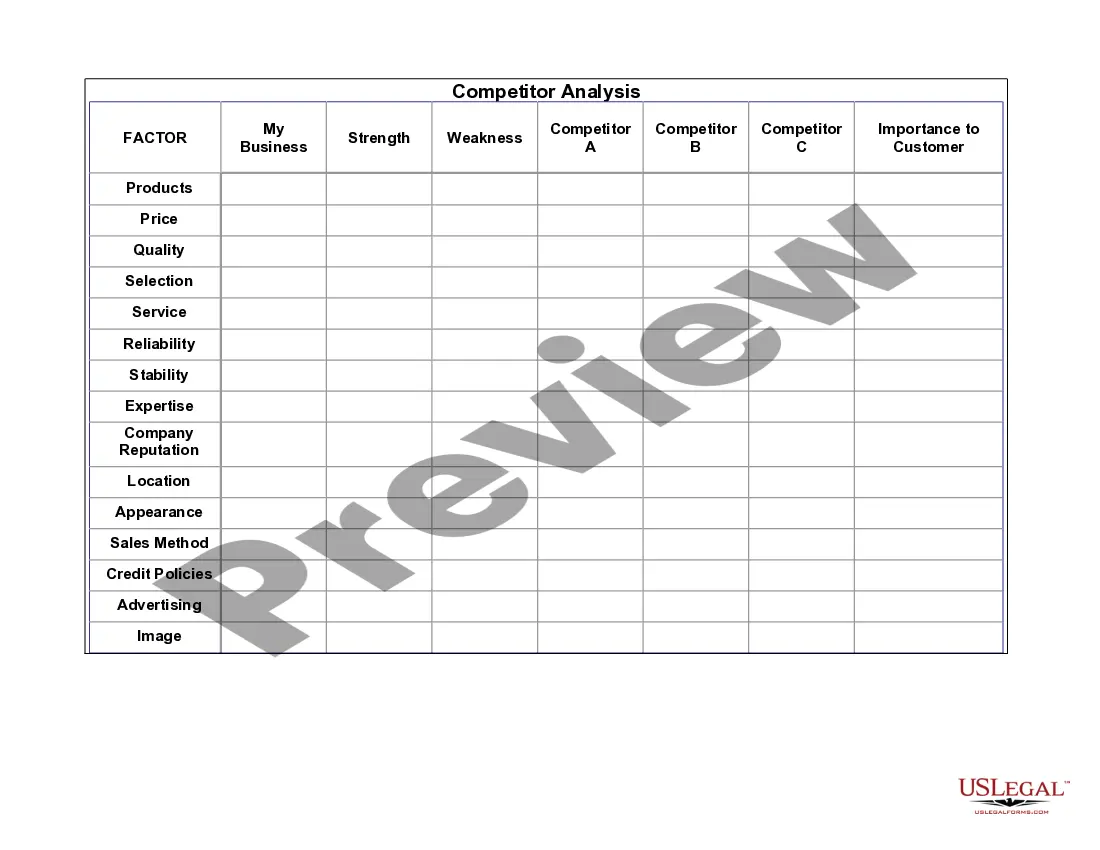
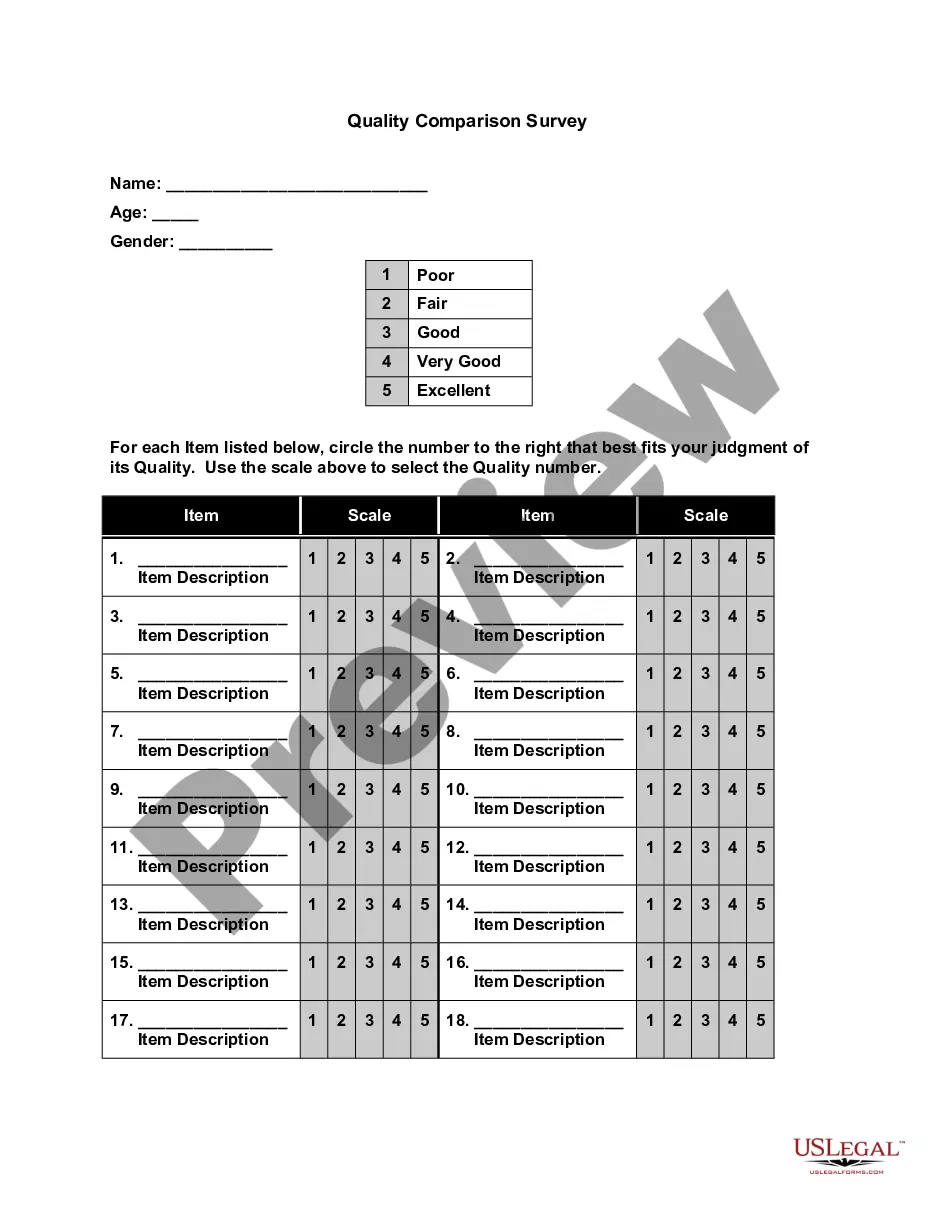
Get your form ready online
Our built-in tools help you complete, sign, share, and store your documents in one place.
Make edits, fill in missing information, and update formatting in US Legal Forms—just like you would in MS Word.
Download a copy, print it, send it by email, or mail it via USPS—whatever works best for your next step.
Sign and collect signatures with our SignNow integration. Send to multiple recipients, set reminders, and more. Go Premium to unlock E-Sign.
If this form requires notarization, complete it online through a secure video call—no need to meet a notary in person or wait for an appointment.
We protect your documents and personal data by following strict security and privacy standards.
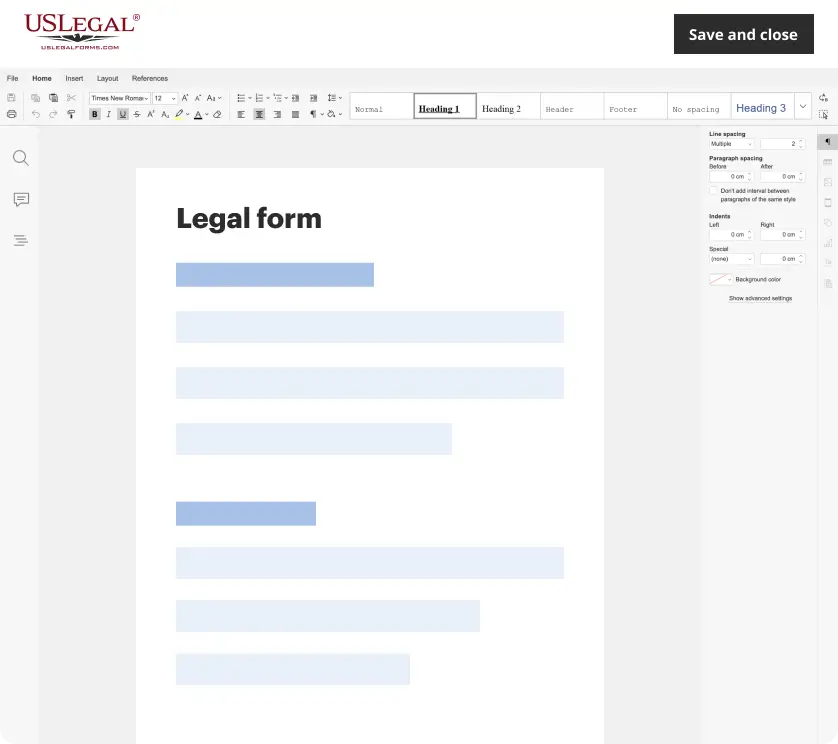
Make edits, fill in missing information, and update formatting in US Legal Forms—just like you would in MS Word.
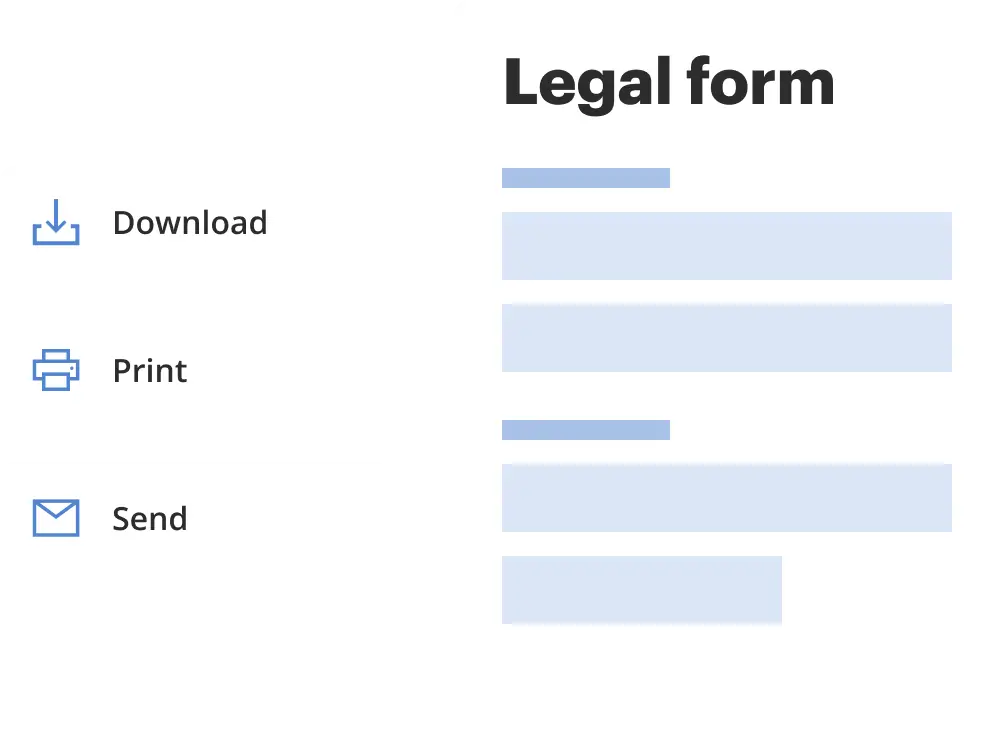
Download a copy, print it, send it by email, or mail it via USPS—whatever works best for your next step.
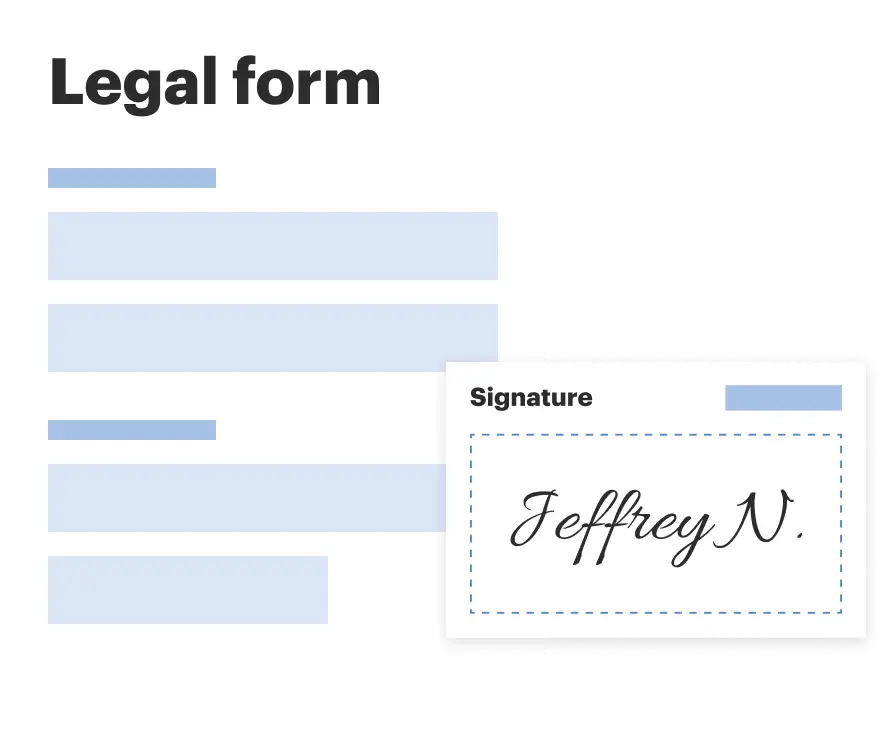
Sign and collect signatures with our SignNow integration. Send to multiple recipients, set reminders, and more. Go Premium to unlock E-Sign.

If this form requires notarization, complete it online through a secure video call—no need to meet a notary in person or wait for an appointment.
We protect your documents and personal data by following strict security and privacy standards.
Looking for another form?








How to fill out Benchmarking Considerations?
It is feasible to spend hours online trying to locate the legal document template that meets the federal and state requirements you need.
US Legal Forms provides a multitude of legal templates that have been assessed by experts.
It is easy to obtain or print the Connecticut Benchmarking Considerations from their services.
If available, use the Preview button to review the document template as well.
- If you possess a US Legal Forms account, you can sign in and click the Get button.
- After that, you can complete, modify, print, or sign the Connecticut Benchmarking Considerations.
- Every legal document template you purchase belongs to you indefinitely.
- To acquire another copy of the form you bought, navigate to the My documents section and click the appropriate button.
- If you are using the US Legal Forms site for the first time, follow the simple instructions below.
- First, ensure you have selected the correct document template for your state/city of choice.
- Review the form description to verify you have chosen the right template.
Form popularity
FAQ
Benchmarks in healthcare are determined through a combination of data analysis, industry standards, and established best practices. Organizations often collect data on various performance metrics, such as patient outcomes and costs, and compare this information against statewide averages or top-performing peers. By focusing on Connecticut Benchmarking Considerations, healthcare providers can set realistic goals and elevate their service quality.
Benchmark requirements refer to the specific criteria and standards set for organizations participating in the benchmarking process. These requirements ensure that the data collected is consistent, reliable, and relevant to the Connecticut healthcare landscape. By understanding these requirements, organizations can effectively utilize Connecticut Benchmarking Considerations to assess their performance and identify areas for growth.
An example of benchmarking can be seen in hospitals comparing their patient care outcomes with those of similar institutions. For instance, a hospital may measure its readmission rates against the average rates of healthcare facilities in Connecticut. Such comparisons help organizations understand their performance related to Connecticut Benchmarking Considerations, ultimately guiding improvements in patient care and operational efficiency.
The Connecticut Healthcare Benchmark Initiative aims to improve healthcare quality and reduce costs by providing a framework for evaluating healthcare organizations' performance. This initiative allows healthcare providers to compare their results against established benchmarks, leading to enhanced decision-making. By understanding Connecticut Benchmarking Considerations, stakeholders can identify areas for improvement and implement strategies that benefit both providers and patients.
Finding benchmarking data requires strategic searching through industry publications, databases, and networking events. Engaging with professional groups and utilizing online resources can also yield valuable insights. US Legal Forms is another resource that can assist you in navigating the complexities of finding relevant data for Connecticut Benchmarking Considerations.
To gather benchmarking data, start by identifying the metrics that are relevant to your goals. Utilize surveys, publicly available data, and resources from industry associations. Additionally, US Legal Forms offers various tools and resources that simplify the task of collecting data while keeping Connecticut Benchmarking Considerations in mind.
Benchmarking requirements typically include defining your objectives, understanding your industry standards, and identifying relevant metrics. These elements guide your data collection and analysis efforts. In this context, paying attention to Connecticut Benchmarking Considerations will ensure your benchmarks are both relevant and effective.
The best way to present benchmarking data is through clear visualizations such as graphs, charts, and reports. This enhances understanding and allows stakeholders to draw meaningful conclusions quickly. To align with Connecticut Benchmarking Considerations, it's beneficial to structure your presentation thoughtfully and utilize platforms like US Legal Forms for professional template designs.
Benchmarks are determined by analyzing relevant and comparable data from industry leaders and peers. This involves establishing criteria for success and evaluating performance against these measures. Incorporating Connecticut Benchmarking Considerations, organizations can identify the most relevant benchmarks to inform their strategic decisions.
Finding benchmarking involves researching reliable sources that provide baseline metrics relevant to your field. Websites, reports, and professional associations often publish benchmarking data. Furthermore, US Legal Forms can help you access essential forms and data, specifically designed to assist you with Connecticut Benchmarking Considerations.