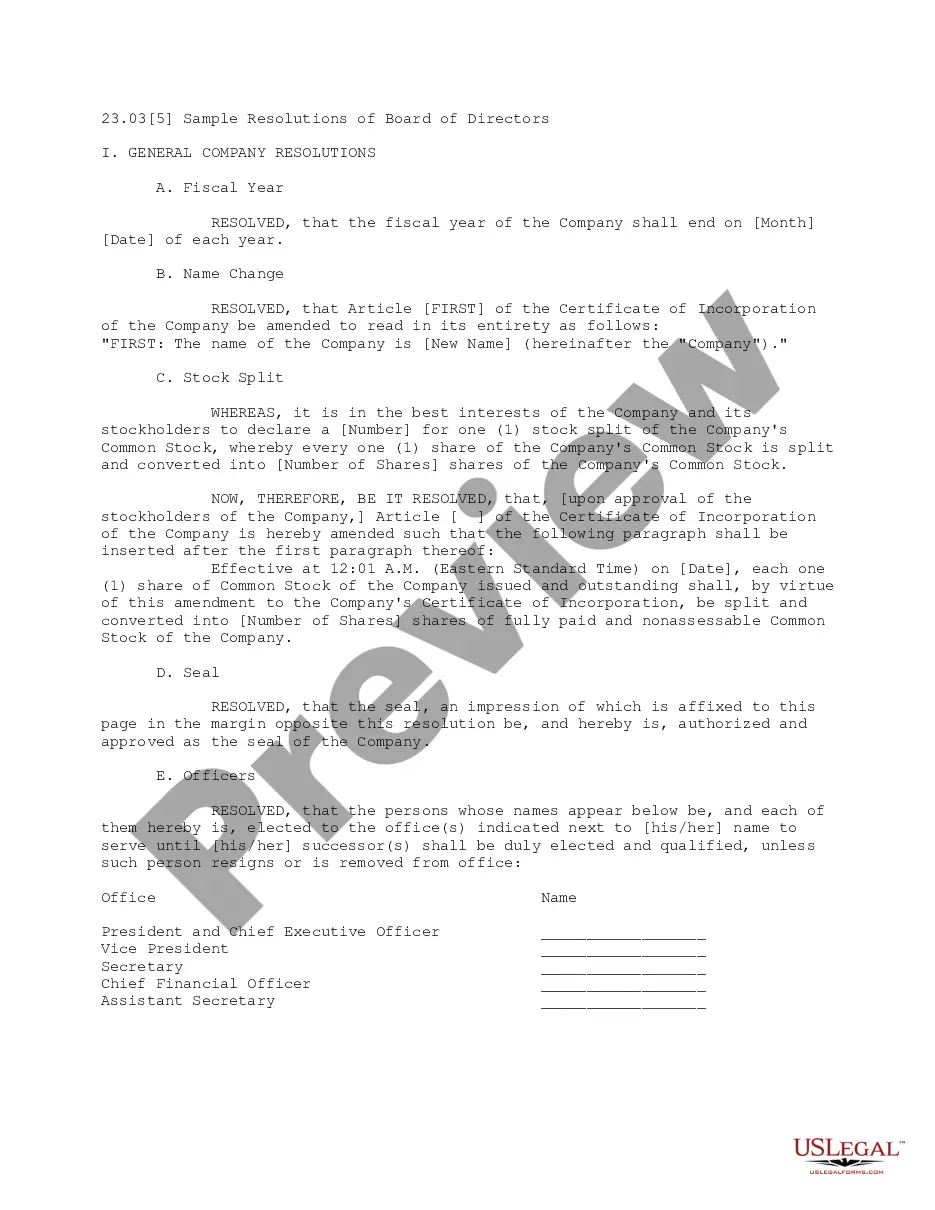
Connecticut Employment Agreement
Description
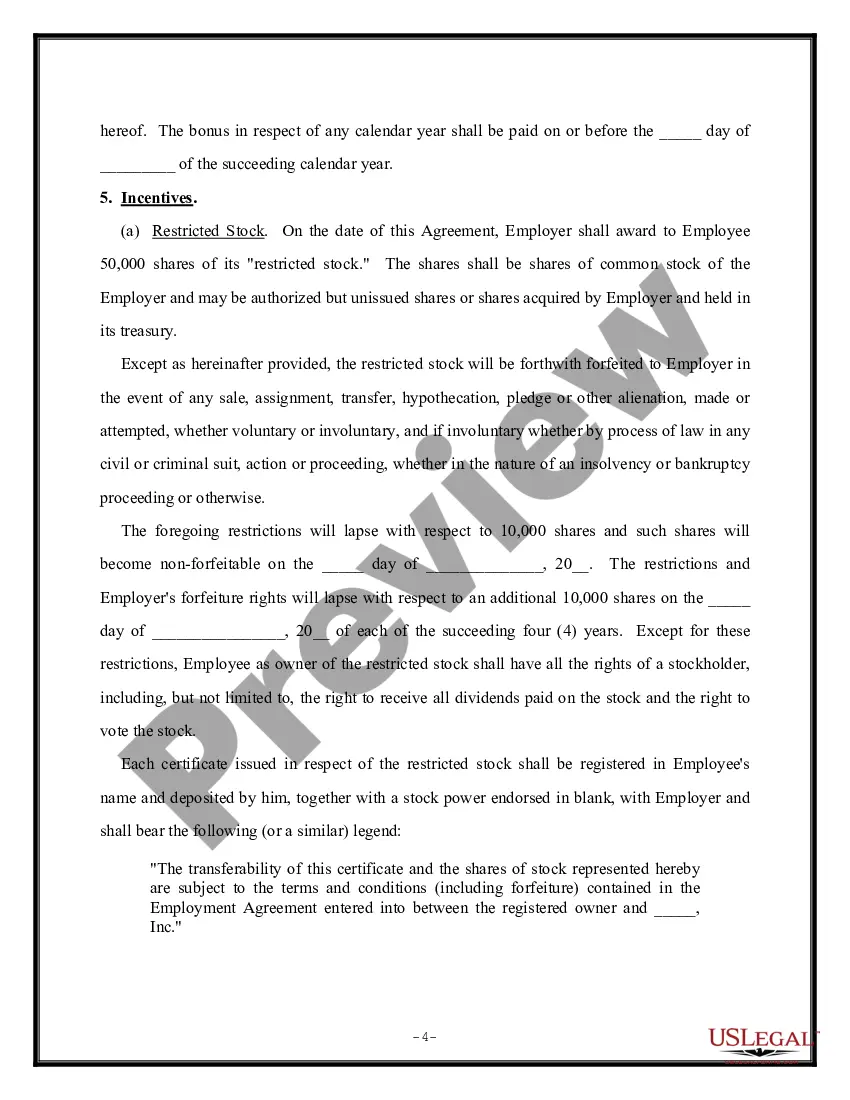
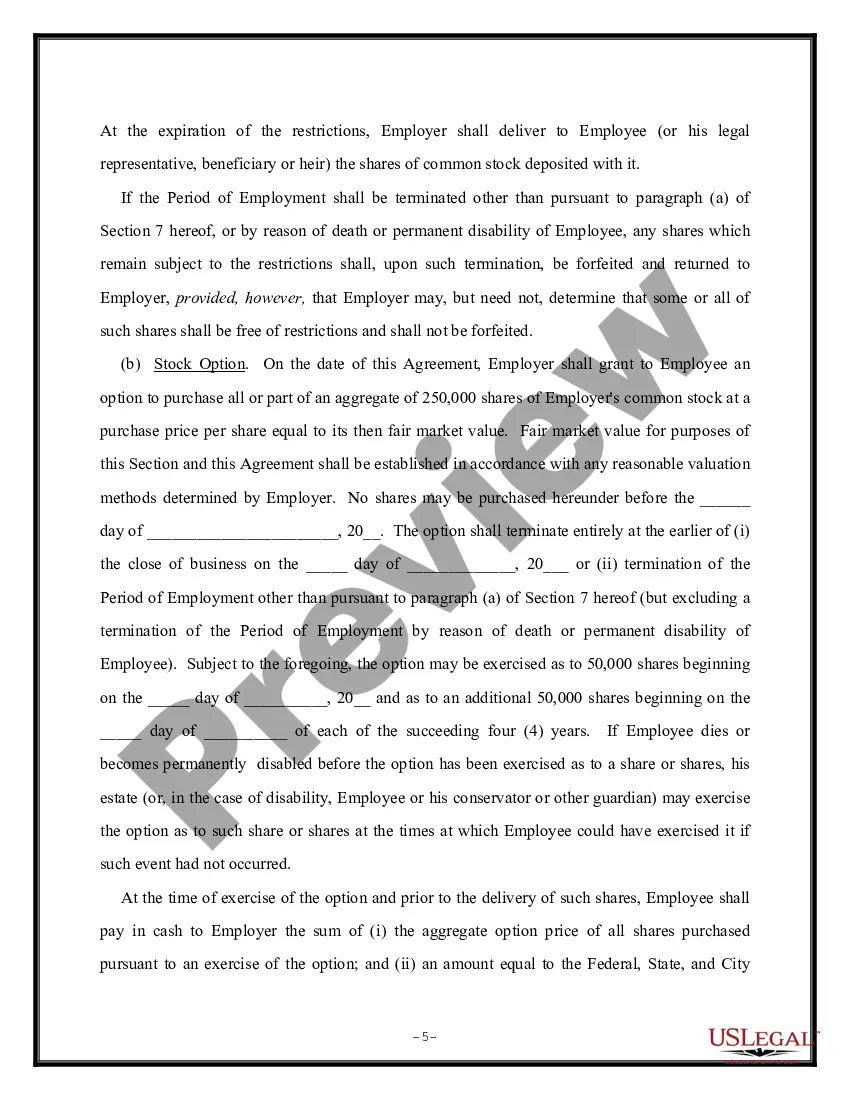
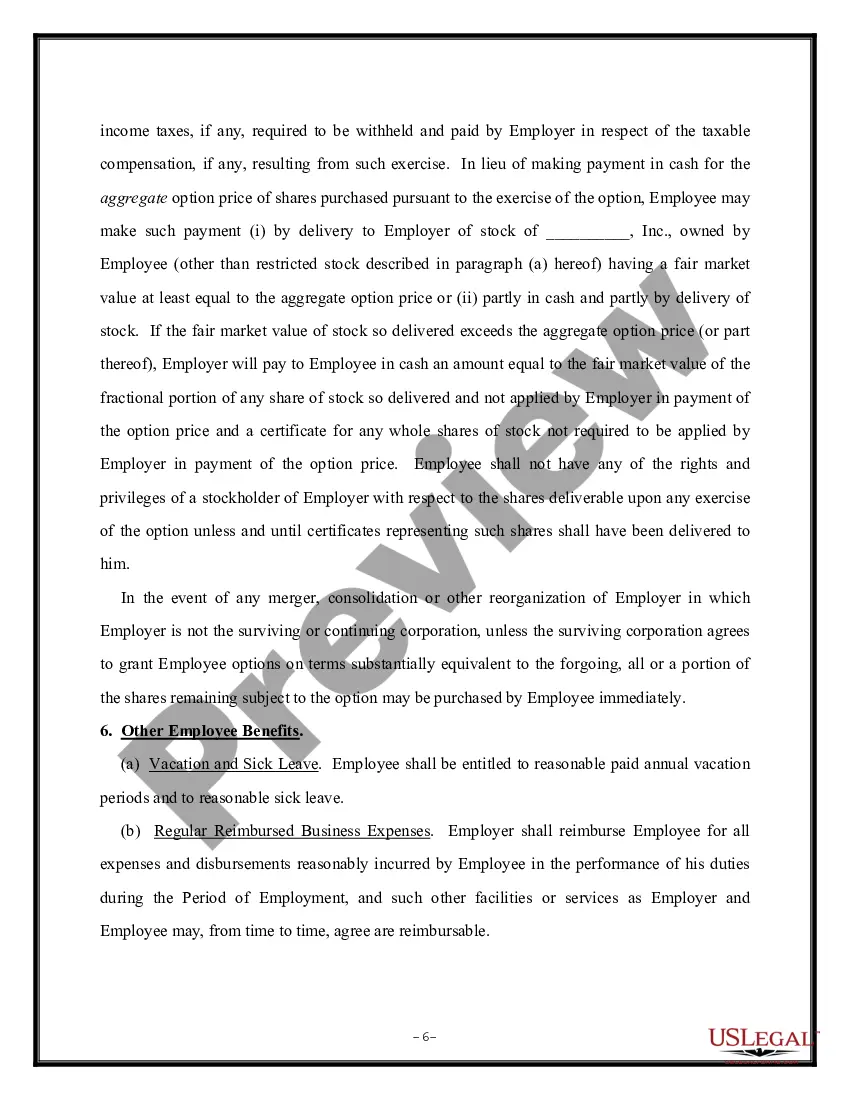
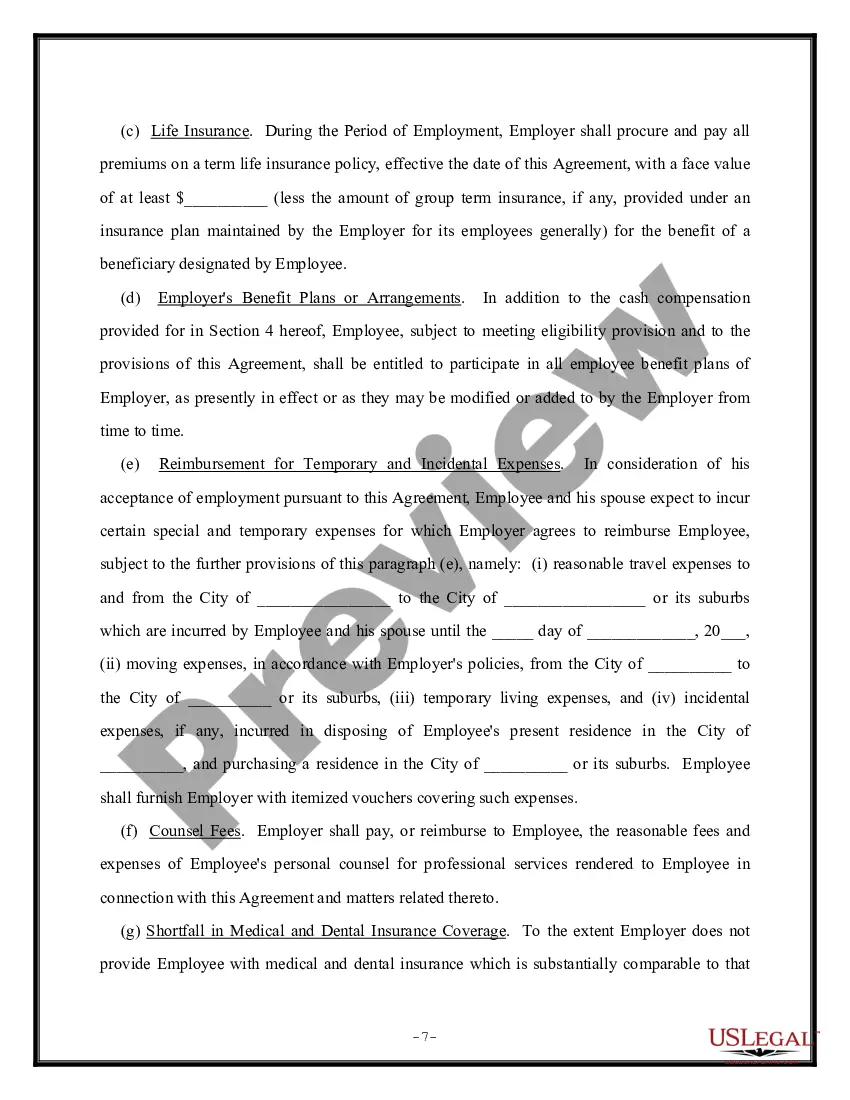

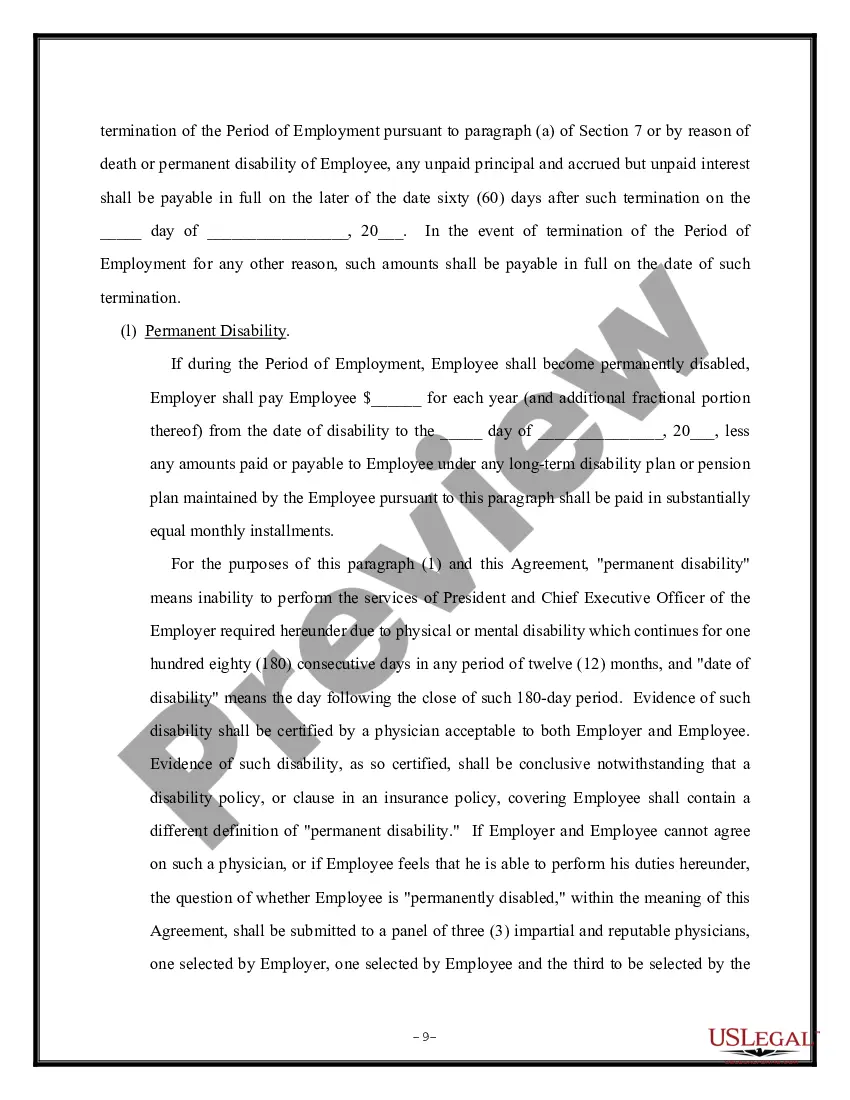
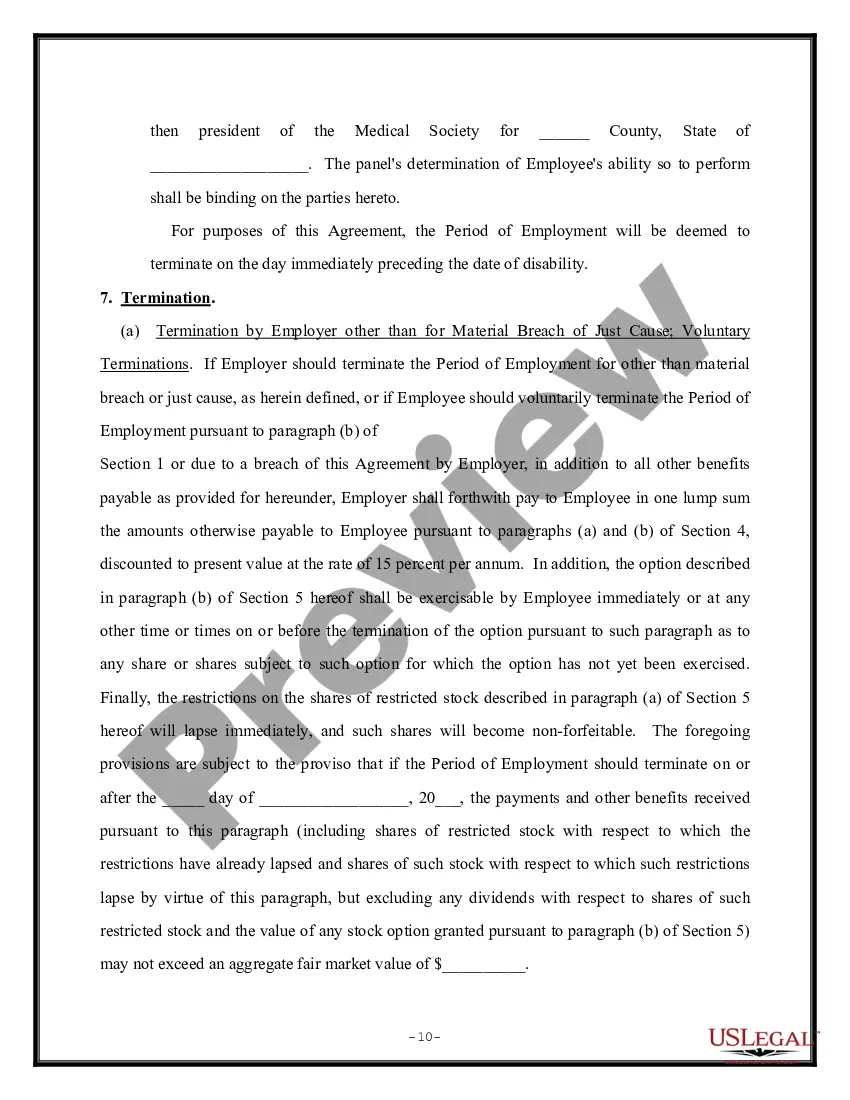

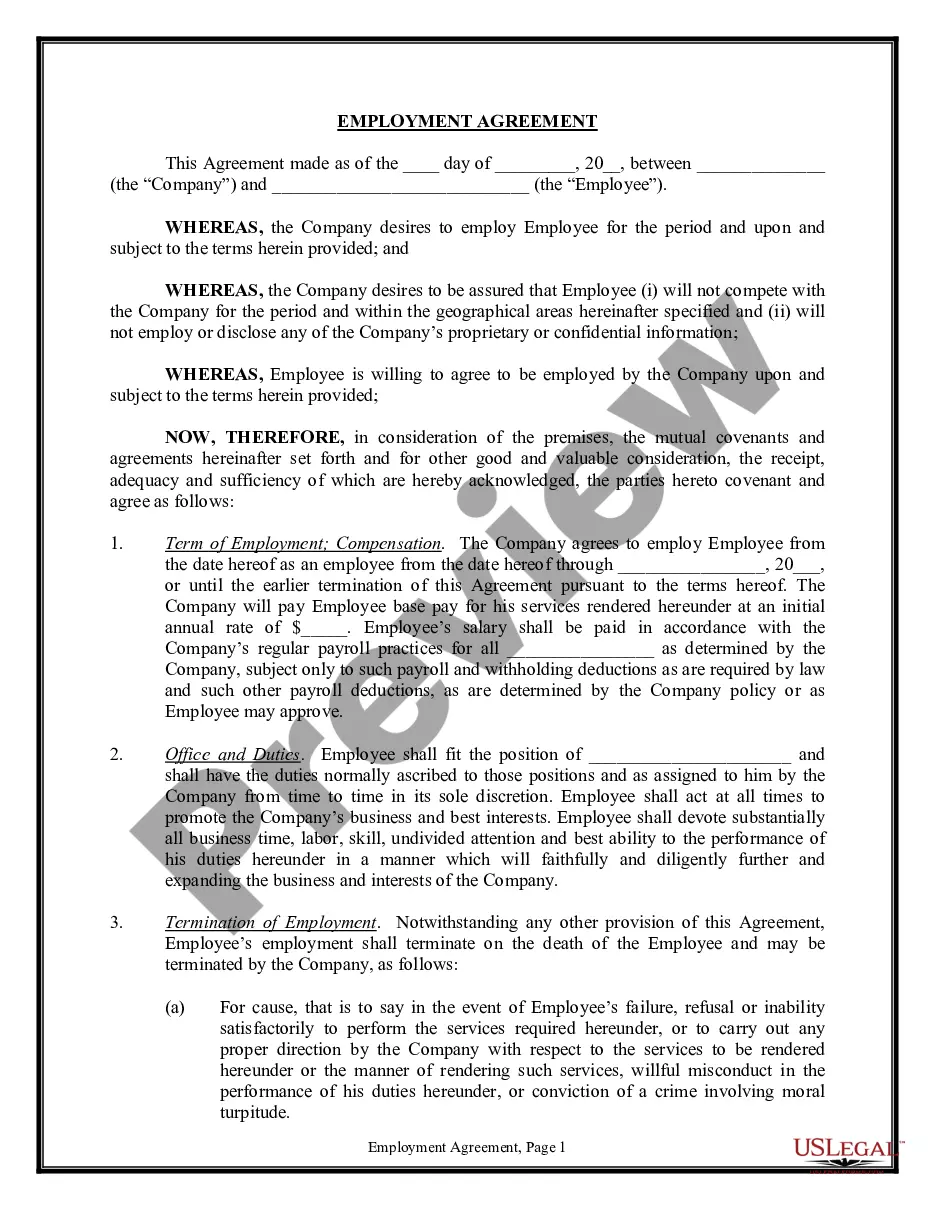
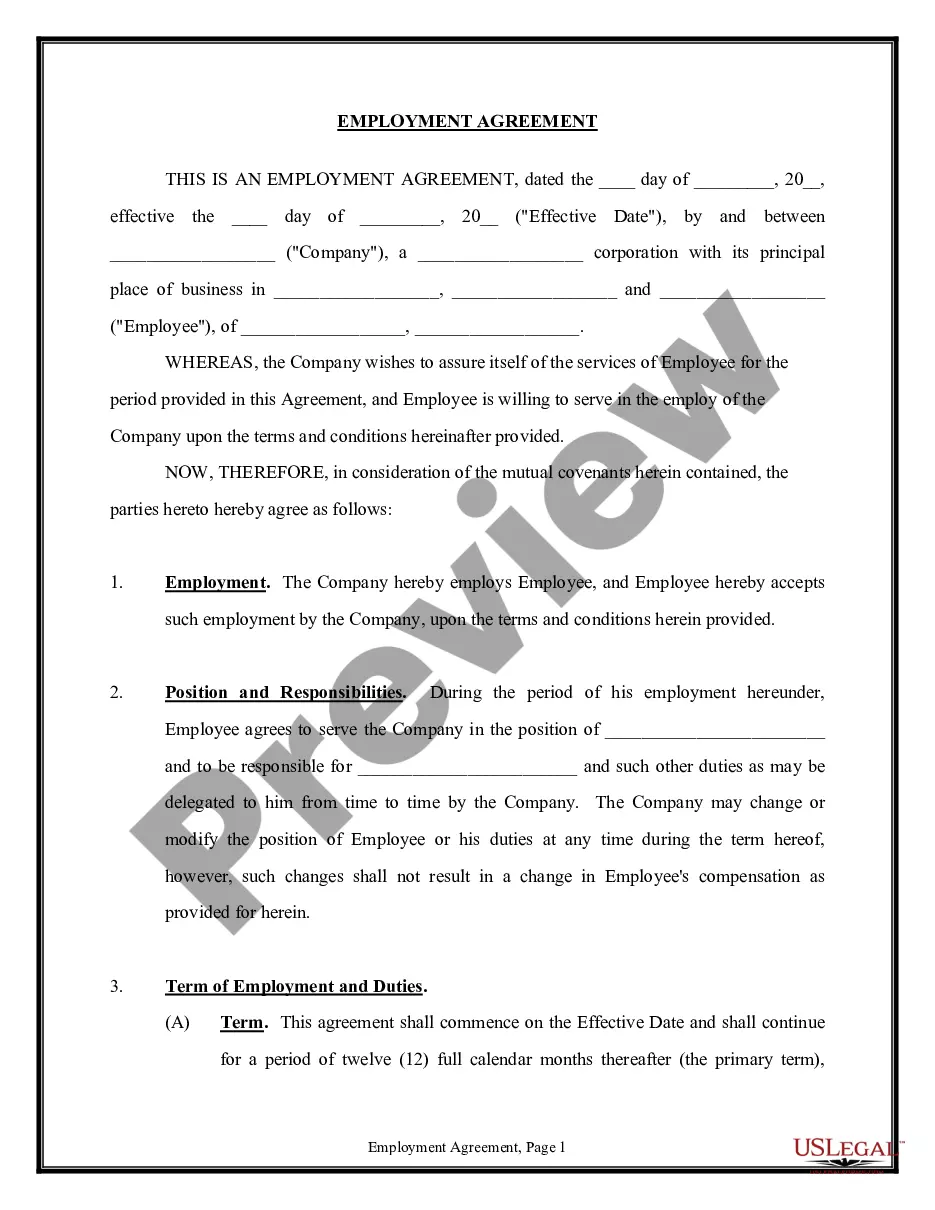
Get your form ready online
Our built-in tools help you complete, sign, share, and store your documents in one place.
Make edits, fill in missing information, and update formatting in US Legal Forms—just like you would in MS Word.
Download a copy, print it, send it by email, or mail it via USPS—whatever works best for your next step.
Sign and collect signatures with our SignNow integration. Send to multiple recipients, set reminders, and more. Go Premium to unlock E-Sign.
If this form requires notarization, complete it online through a secure video call—no need to meet a notary in person or wait for an appointment.
We protect your documents and personal data by following strict security and privacy standards.

Make edits, fill in missing information, and update formatting in US Legal Forms—just like you would in MS Word.

Download a copy, print it, send it by email, or mail it via USPS—whatever works best for your next step.

Sign and collect signatures with our SignNow integration. Send to multiple recipients, set reminders, and more. Go Premium to unlock E-Sign.

If this form requires notarization, complete it online through a secure video call—no need to meet a notary in person or wait for an appointment.

We protect your documents and personal data by following strict security and privacy standards.
Looking for another form?





How to fill out Employment Agreement?
Are you in a position where you occasionally need documents for business or personal reasons nearly every time.
There are many authentic document templates accessible on the web, but finding ones you can rely on isn't easy.
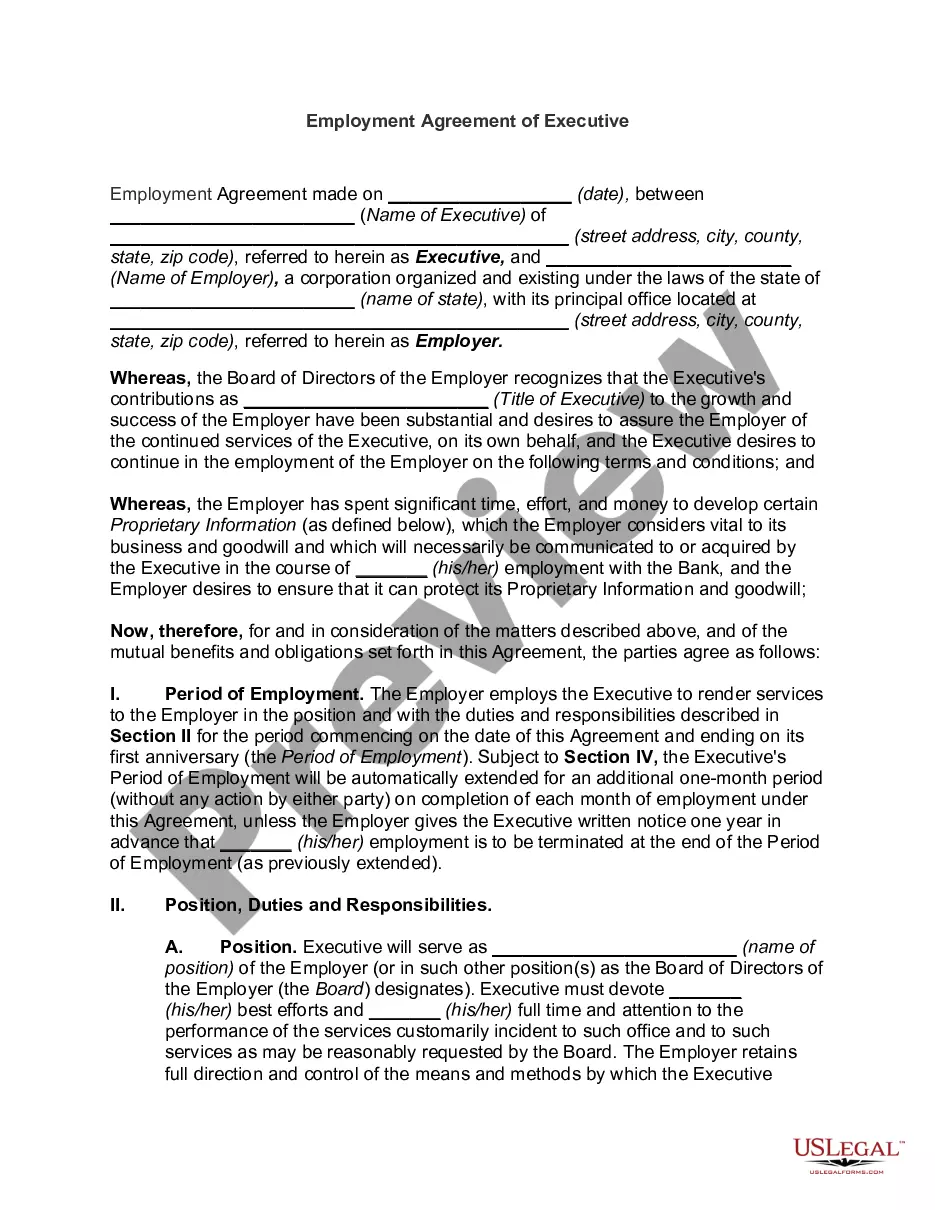
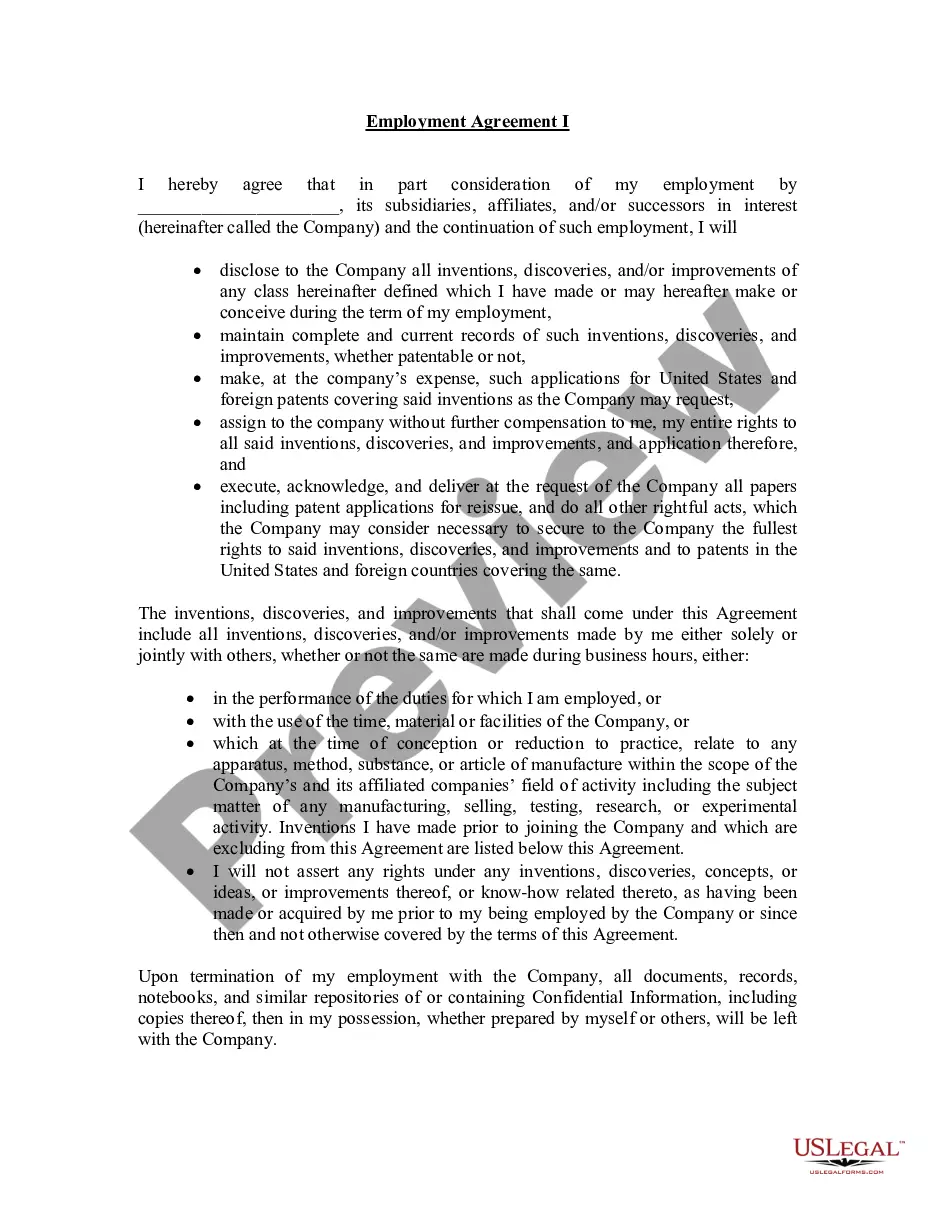
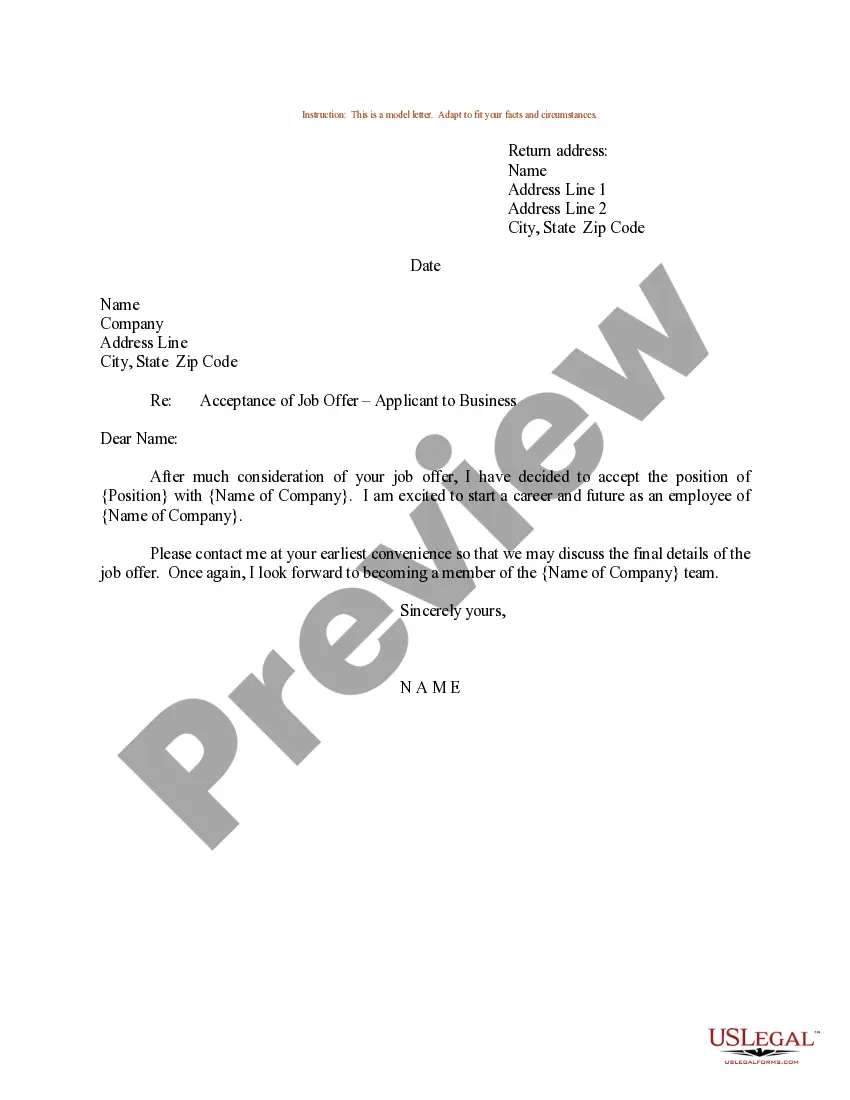
US Legal Forms provides a vast array of form templates, such as the Connecticut Employment Agreement, which are designed to comply with federal and state regulations.
Once you find the correct form, click Buy now.
Select the payment option you desire, complete the required information to create your account, and process the payment using your PayPal or credit card.
- If you are already familiar with the US Legal Forms site and have an account, just Log In.
- Then, you can download the Connecticut Employment Agreement template.
- If you do not have an account and wish to start using US Legal Forms, follow these steps.
- Find the form you need and ensure it is for the correct area/county.
- Use the Review button to examine the form.
- Read the description to confirm that you have selected the right form.
- If the form isn't what you're looking for, use the Search field to locate the form that meets your needs.
Form popularity
FAQ
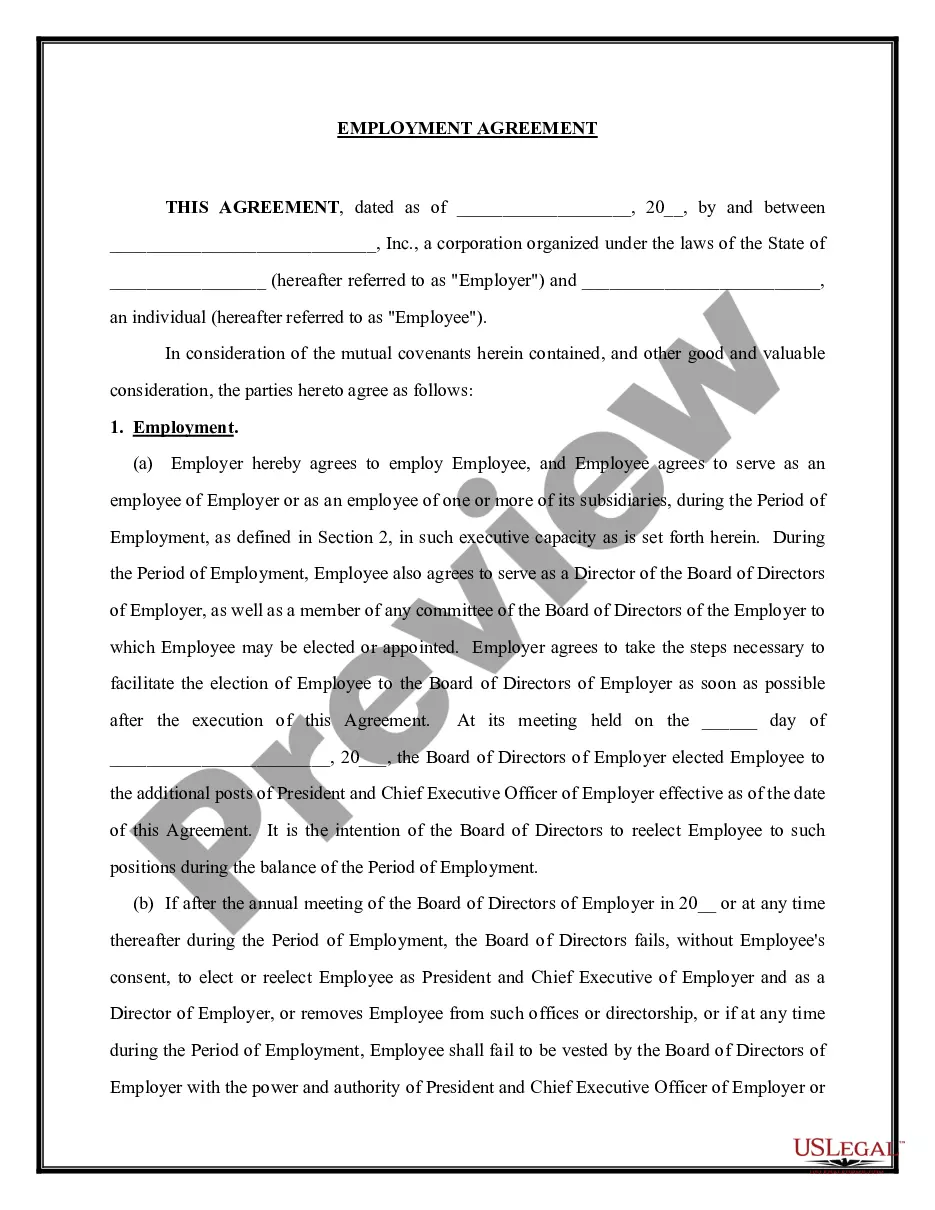
Exiting a non-compete agreement in Connecticut involves several steps, including reviewing the agreement's terms and understanding its enforceability. Consulting with a legal professional can help you identify potential loopholes or negotiate amendments to the agreement. If you believe your situation warrants it, you'll find that understanding your rights within your Connecticut Employment Agreement is crucial.
While Connecticut law does not mandate a termination letter, it is advisable for both employers and employees to document employment terminations formally. A written notice can provide clarity and serve as protection for both parties. If you are unsure about the format, utilizing a professional service can help ensure your Connecticut Employment Agreement addresses termination procedures effectively.
The non-compete bill in Connecticut aims to limit the enforceability of non-compete agreements for low-wage employees. This bill requires clearer guidelines regarding when and how such agreements can be utilized, positioning the rights of workers as a priority. Staying informed about the evolving legal landscape surrounding your Connecticut Employment Agreement can be crucial for both employers and employees.
In Connecticut, non-compete agreements are enforceable, but they must adhere to specific legal standards. The agreement should be designed to protect the employer's interests, must not be overly broad, and should not unduly restrict the employee's ability to find work. To navigate this complex area, consider seeking assistance when creating your Connecticut Employment Agreement.
Yes, non-compete clauses can hold up in Connecticut, but they must meet certain criteria to be enforceable. The court typically assesses whether the restrictions protect legitimate business interests without imposing unreasonable limitations on the employee. When drafting your Connecticut Employment Agreement, it is vital to ensure these clauses are reasonable in scope and duration.
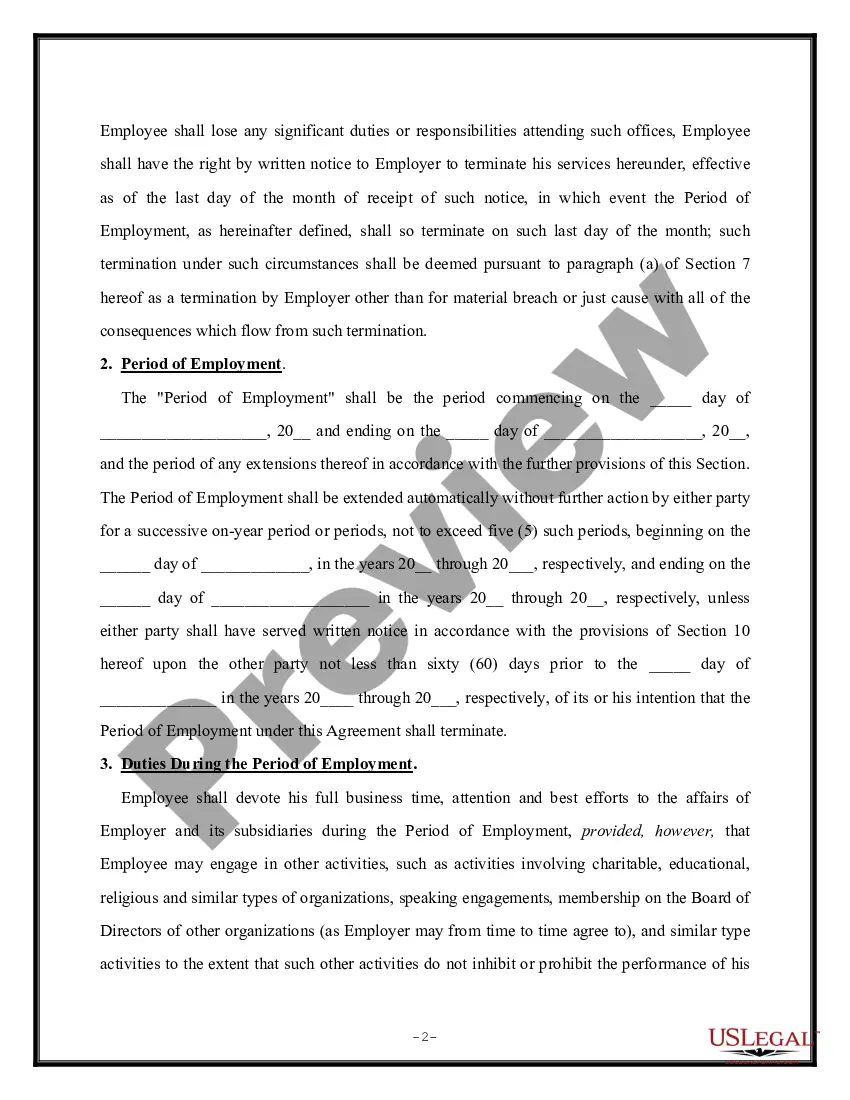
An employment agreement and an employment contract often refer to the same legal document that defines the terms of employment between an employer and an employee. However, an employment agreement might focus on non-salary components, such as benefits, while a contract may emphasize specific duties, performance expectations, and compensation. Understanding these distinctions can help you navigate your Connecticut Employment Agreement more effectively.
An example of a simple contract might include a basic agreement for freelance graphic design services. The contract should state the services provided, payment terms, and project deadlines. This type of document protects both parties by clarifying expectations. You can use a Connecticut Employment Agreement template to create similar straightforward contracts.
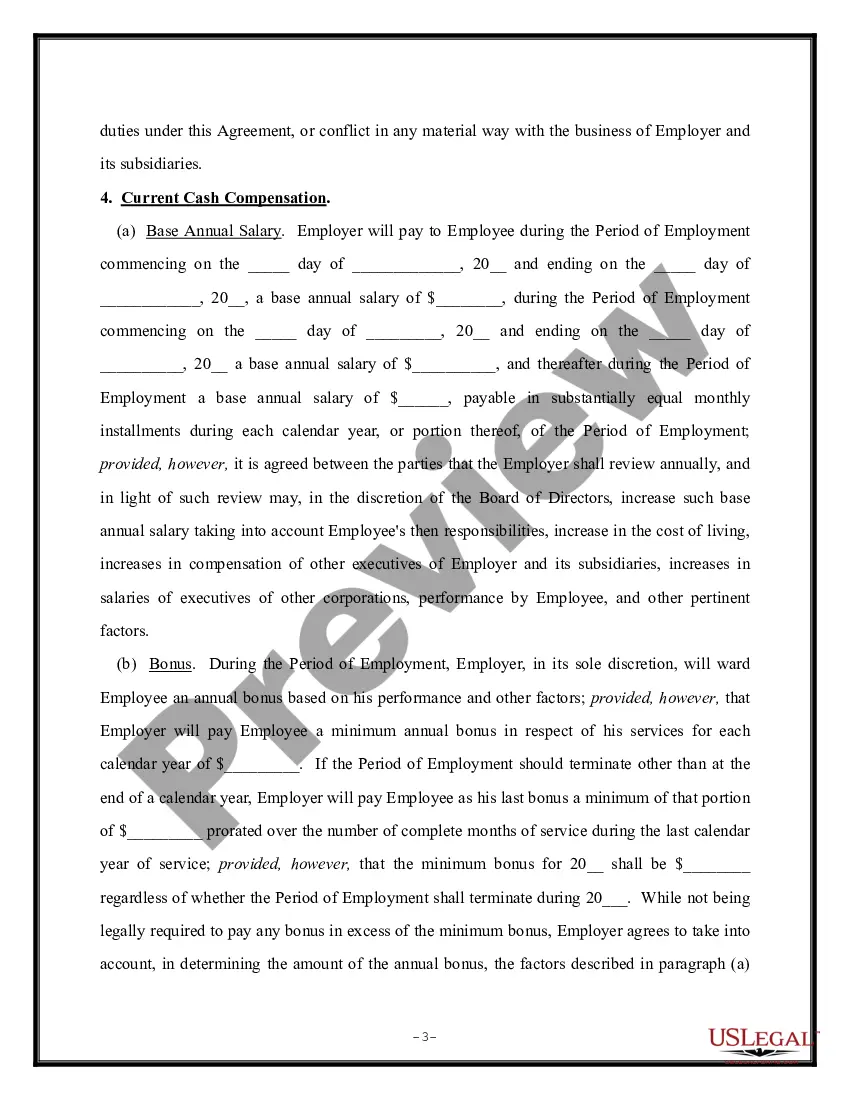
Writing a simple employment contract begins with identifying the parties and stating the position. Clearly define roles, compensation, and work hours. Use straightforward language to avoid confusion. A Connecticut Employment Agreement can provide a solid base for drafting your simple contract.
Formatting an employment contract involves starting with an introduction that states the purpose and parties involved. Use headings and bullet points to clearly mark sections such as job responsibilities, compensation, and termination policies. This organization makes the contract easier to navigate. Using a Connecticut Employment Agreement template can enhance this formatting.
A typical employment contract features key elements such as job title, duties, salary, and employment duration. It also outlines termination procedures and non-disclosure agreements. This document serves to protect both the employer and employee by clearly stating expectations and responsibilities. For a clear example, a Connecticut Employment Agreement might be beneficial.