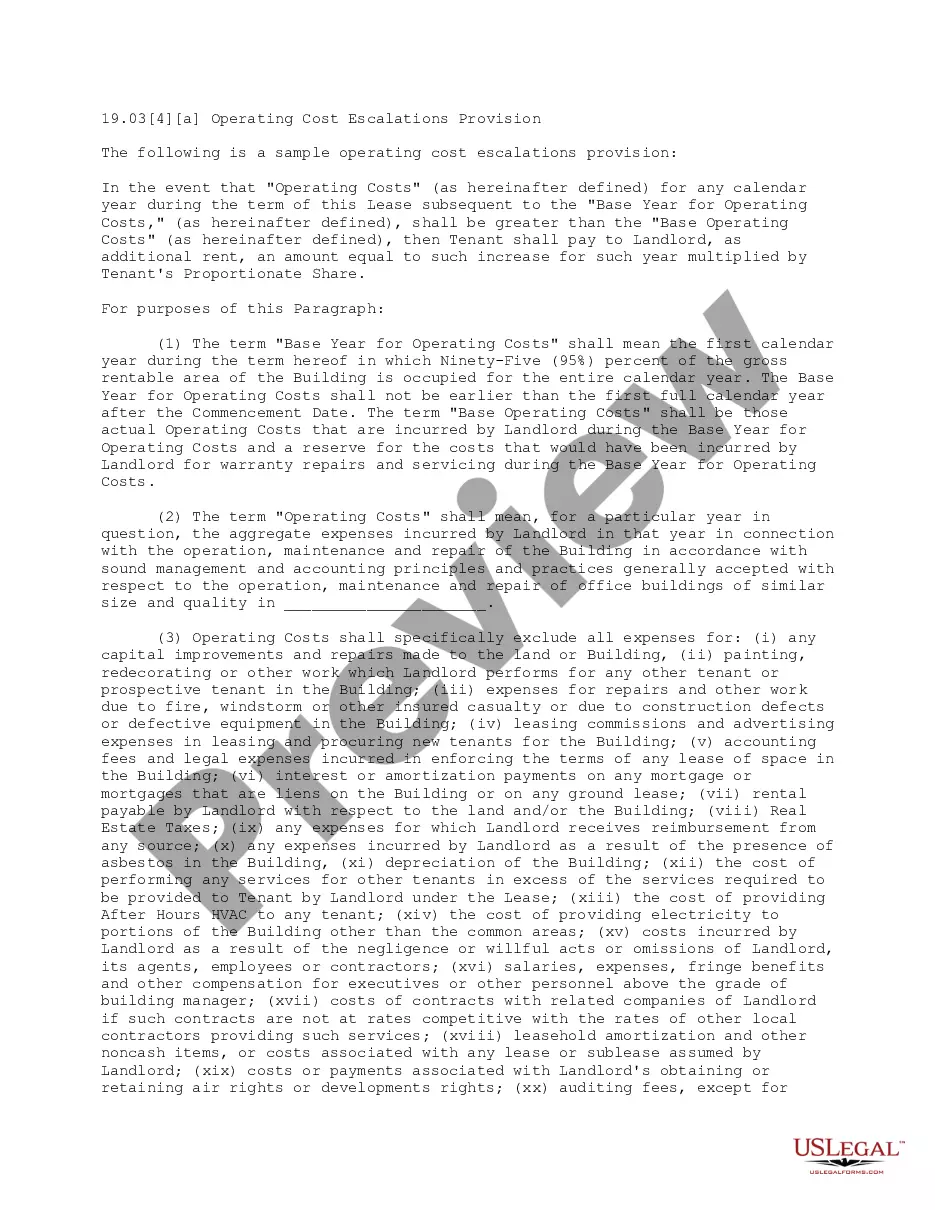
Connecticut Comprehensive Equipment Lease with Provision Regarding Investment Tax
Description
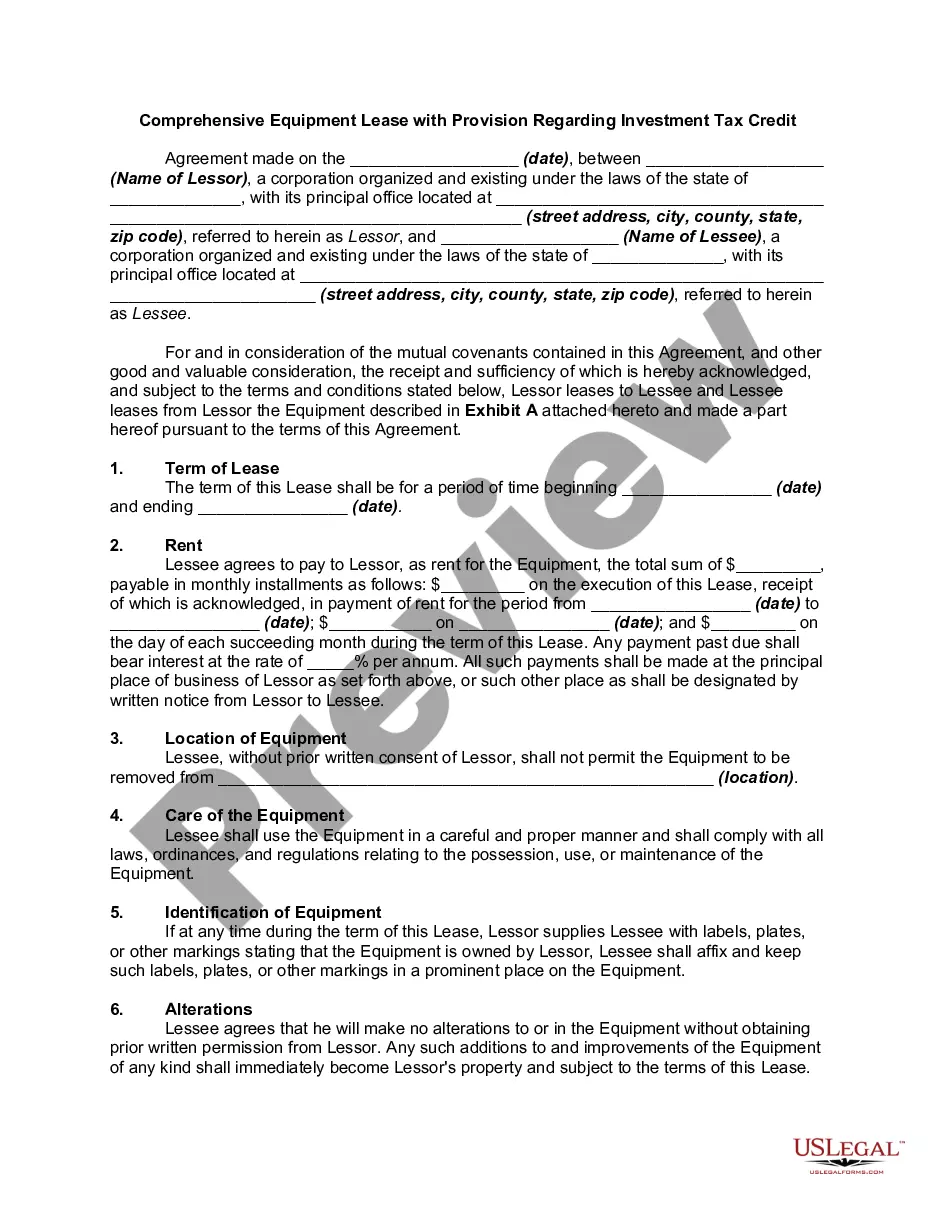
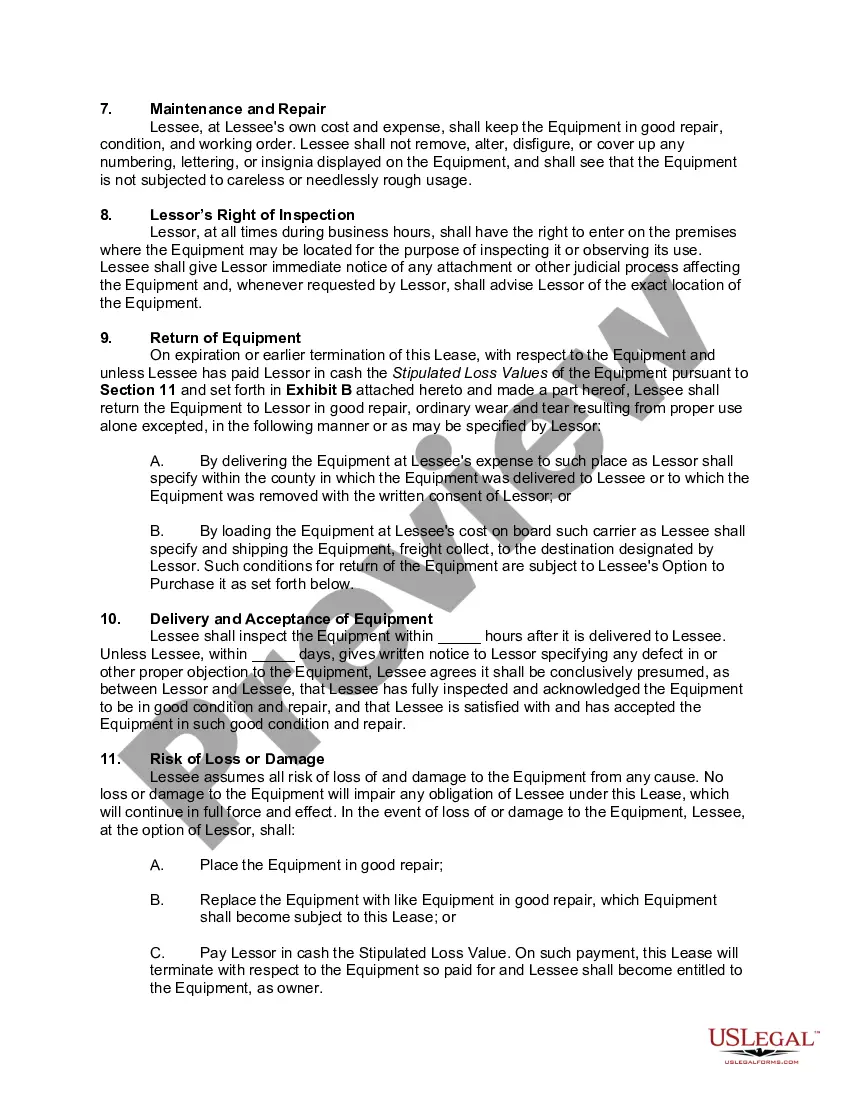
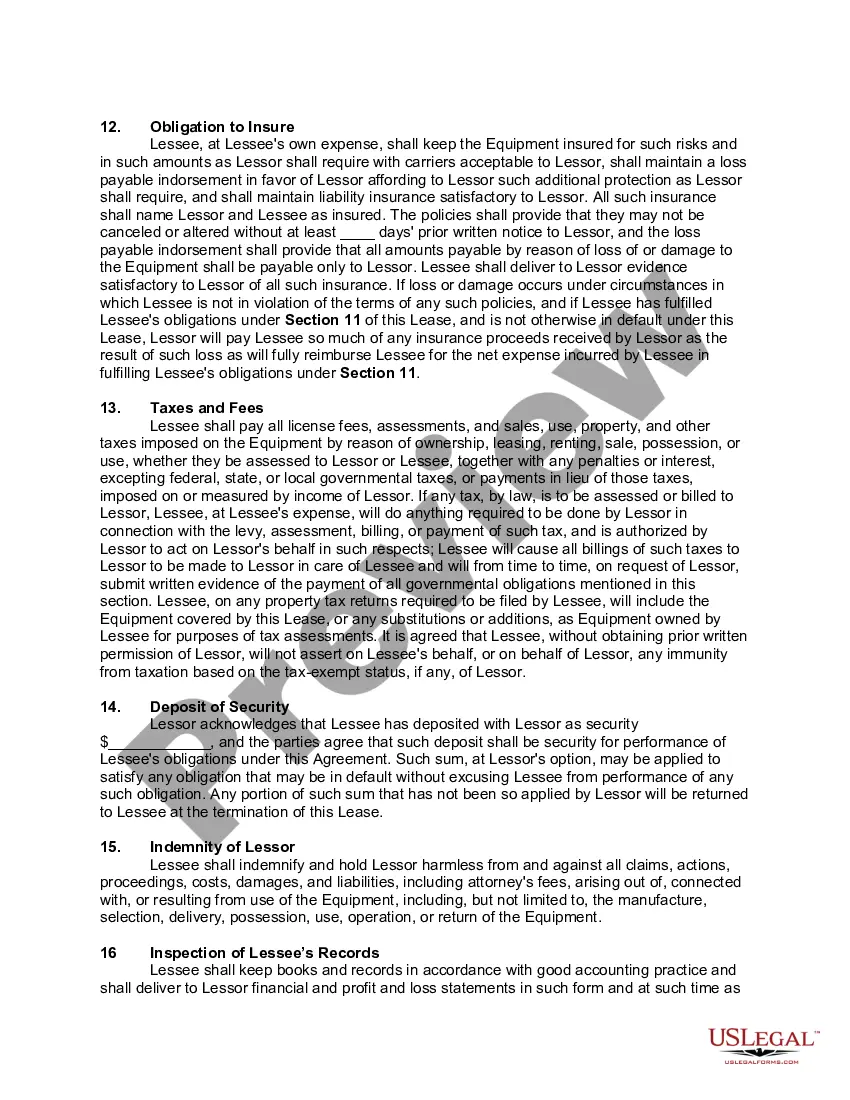
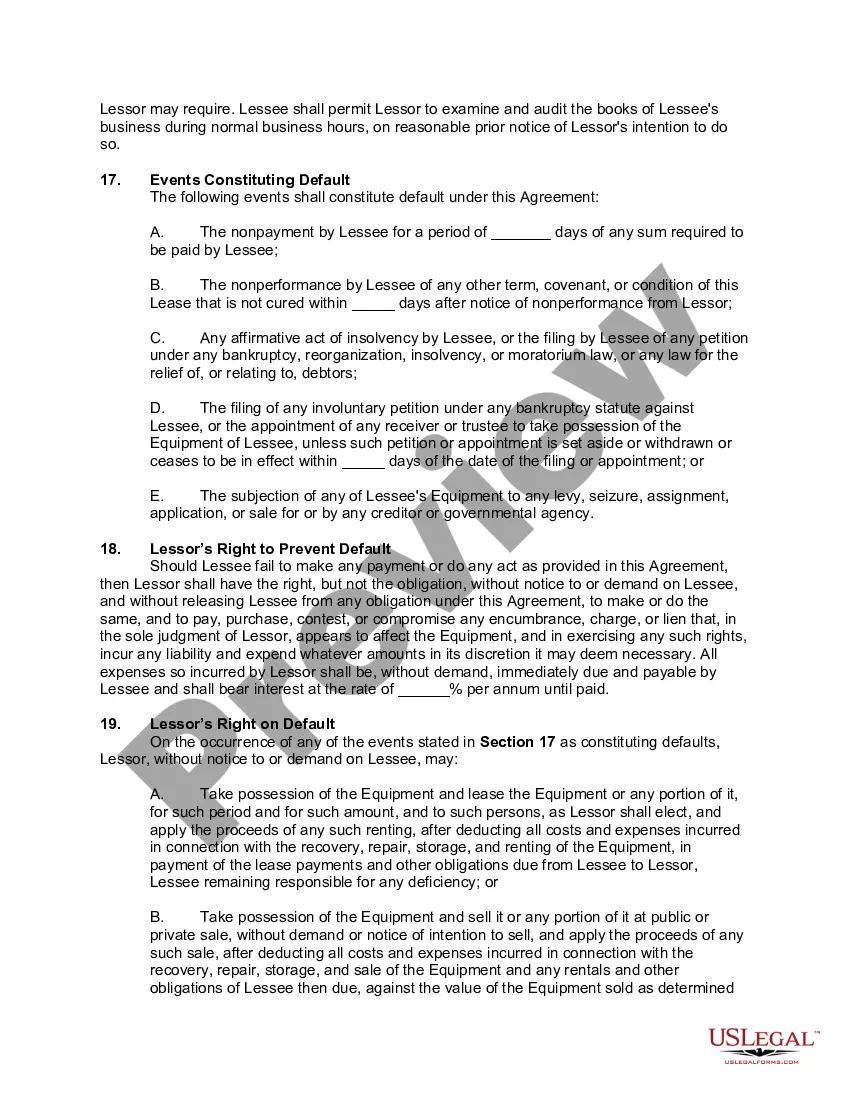
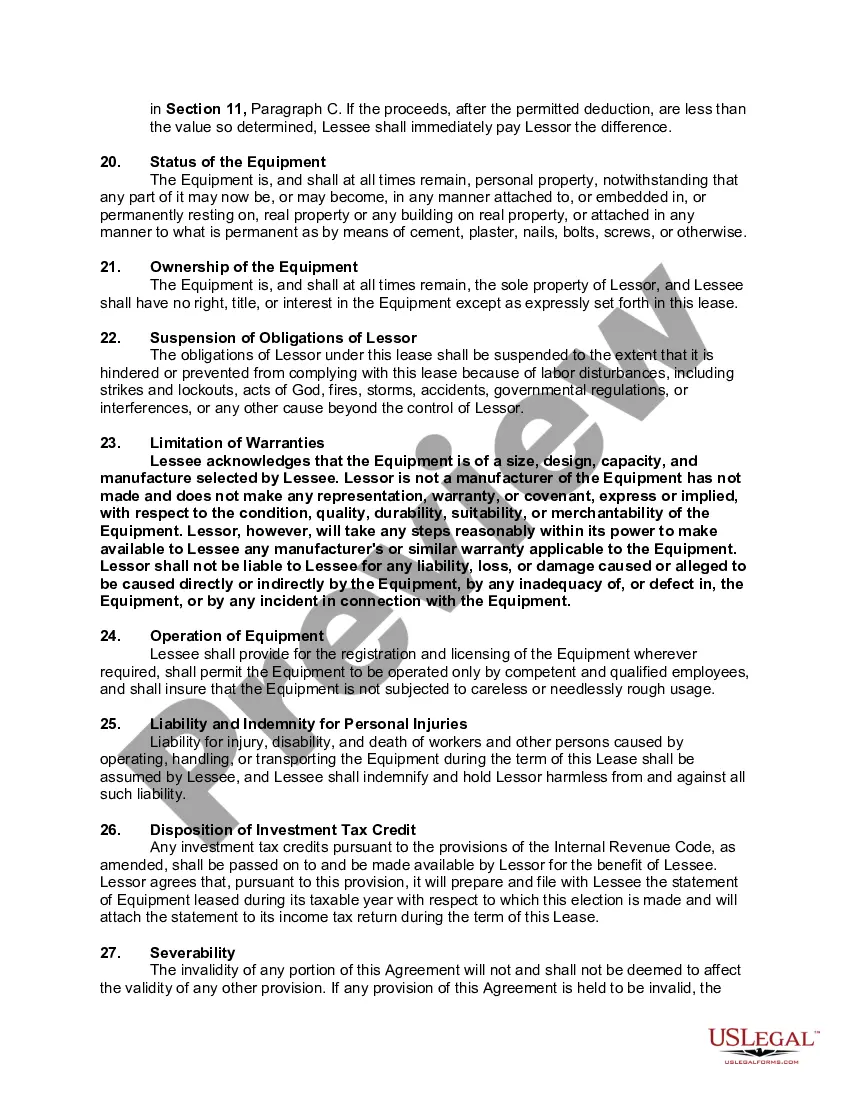
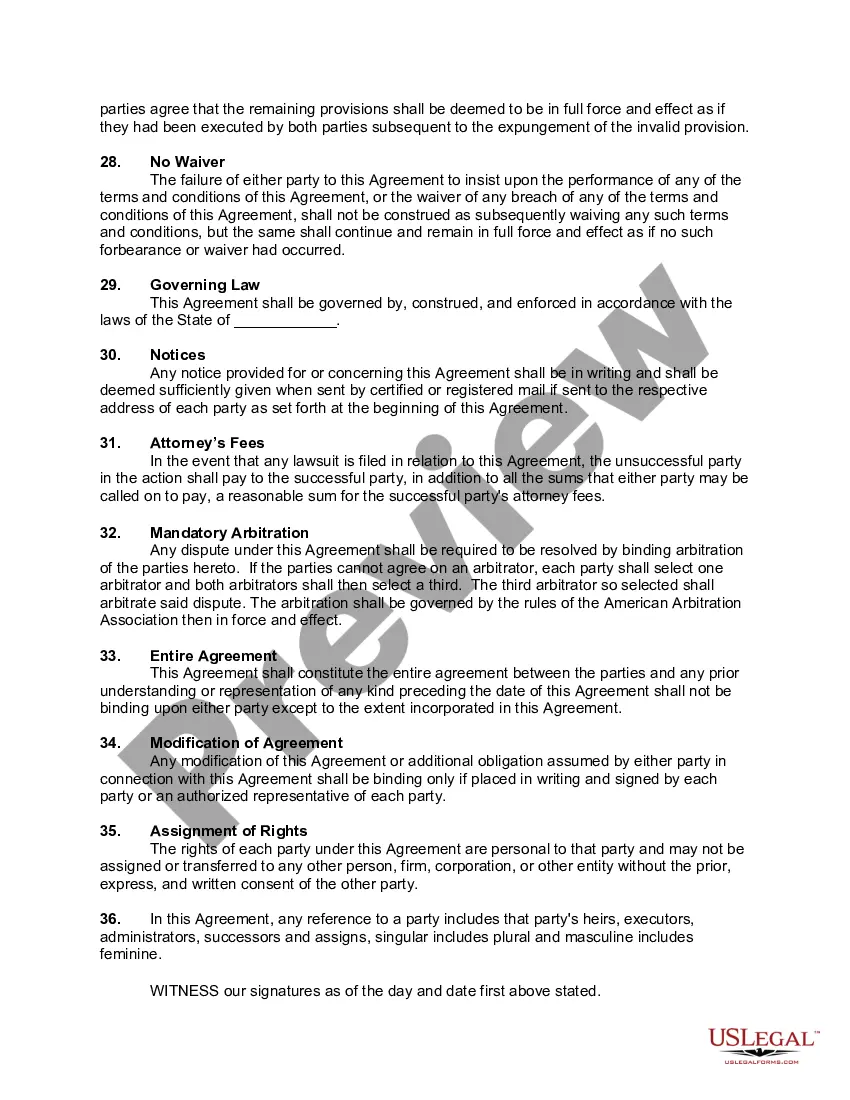
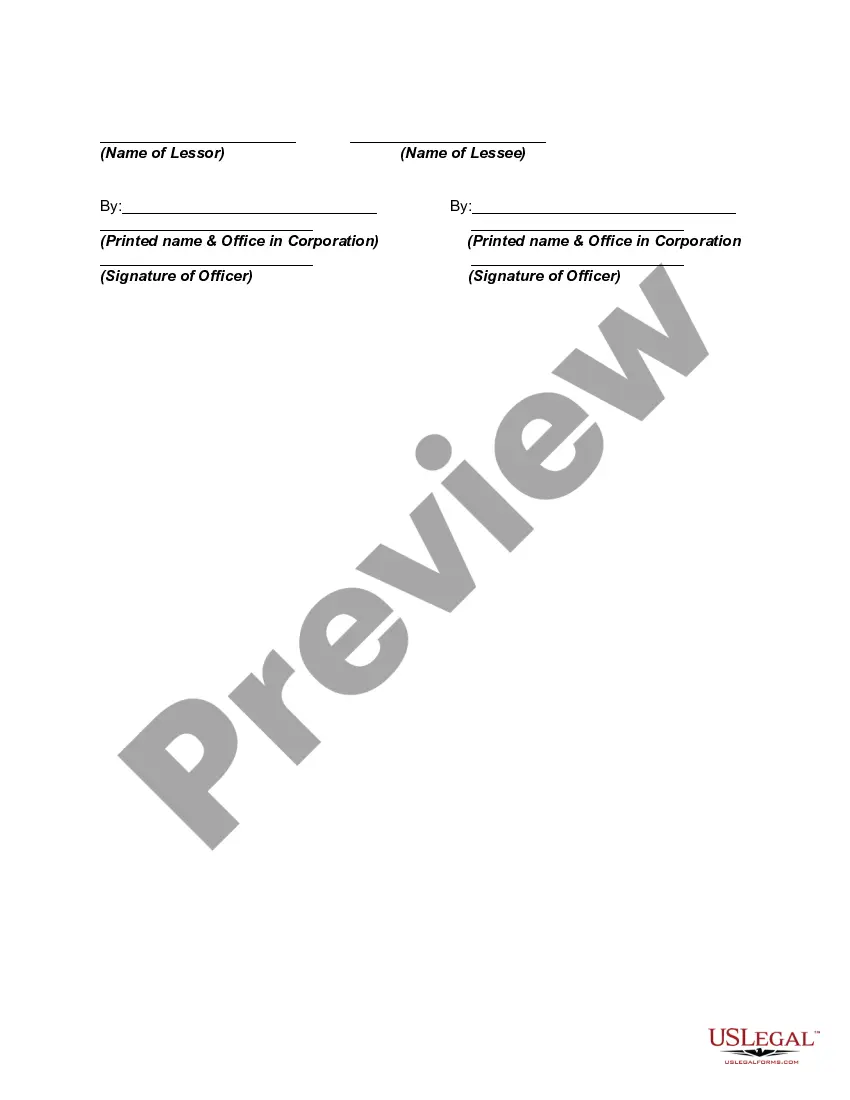
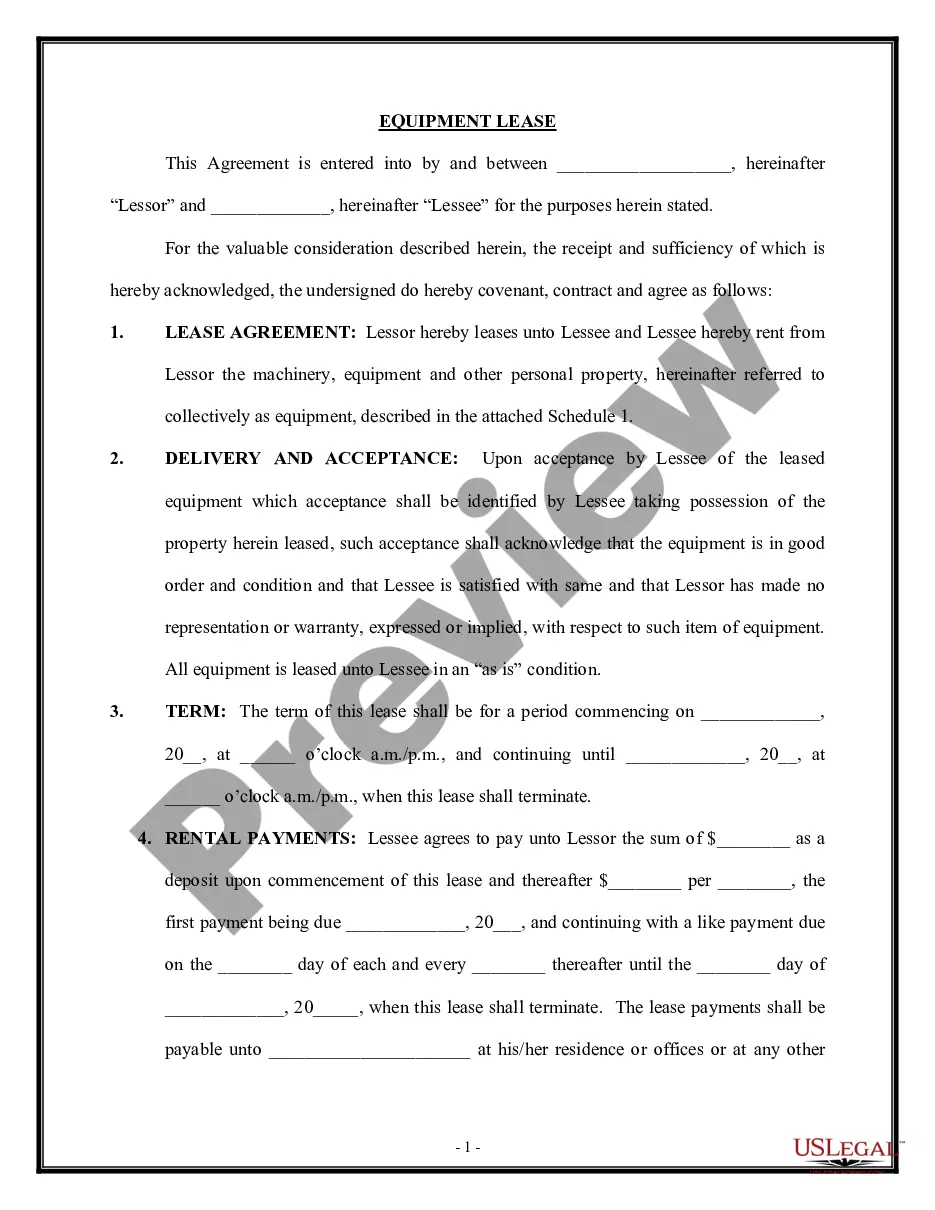
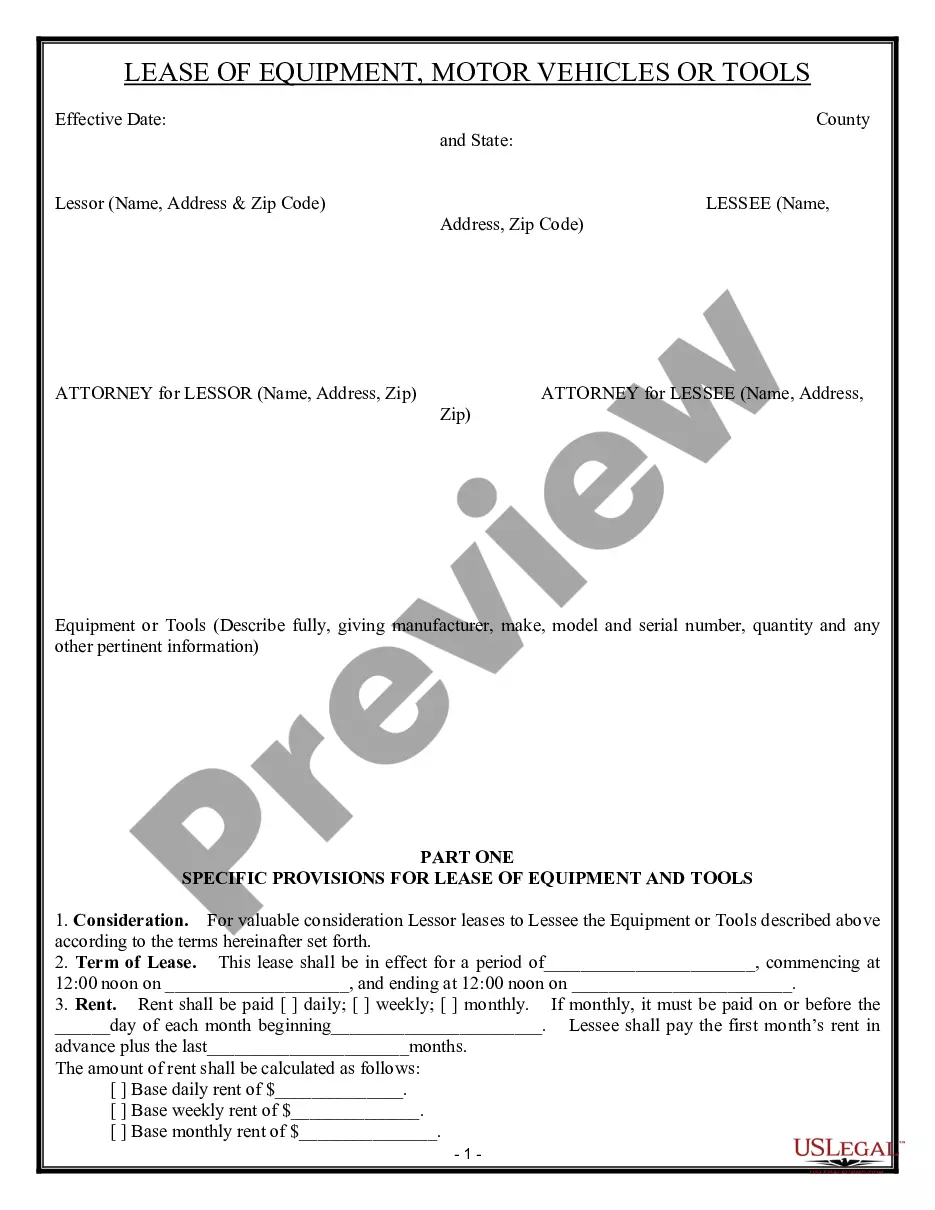
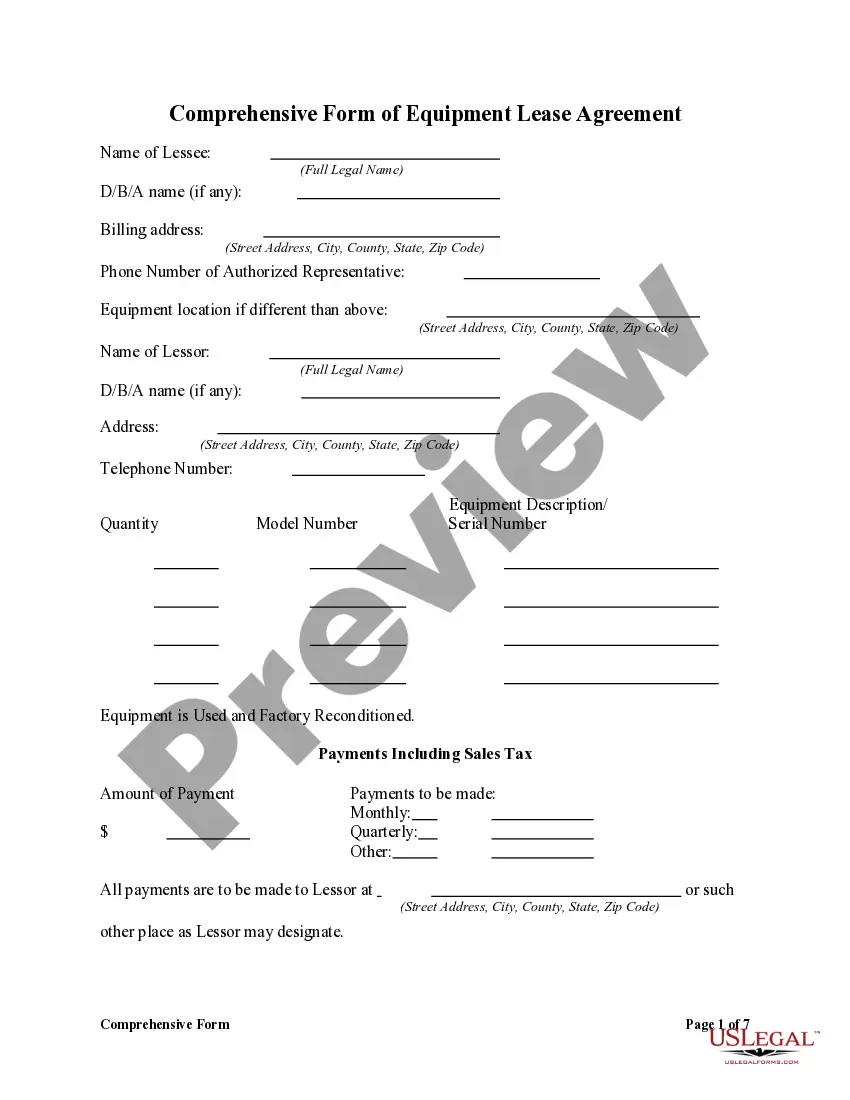
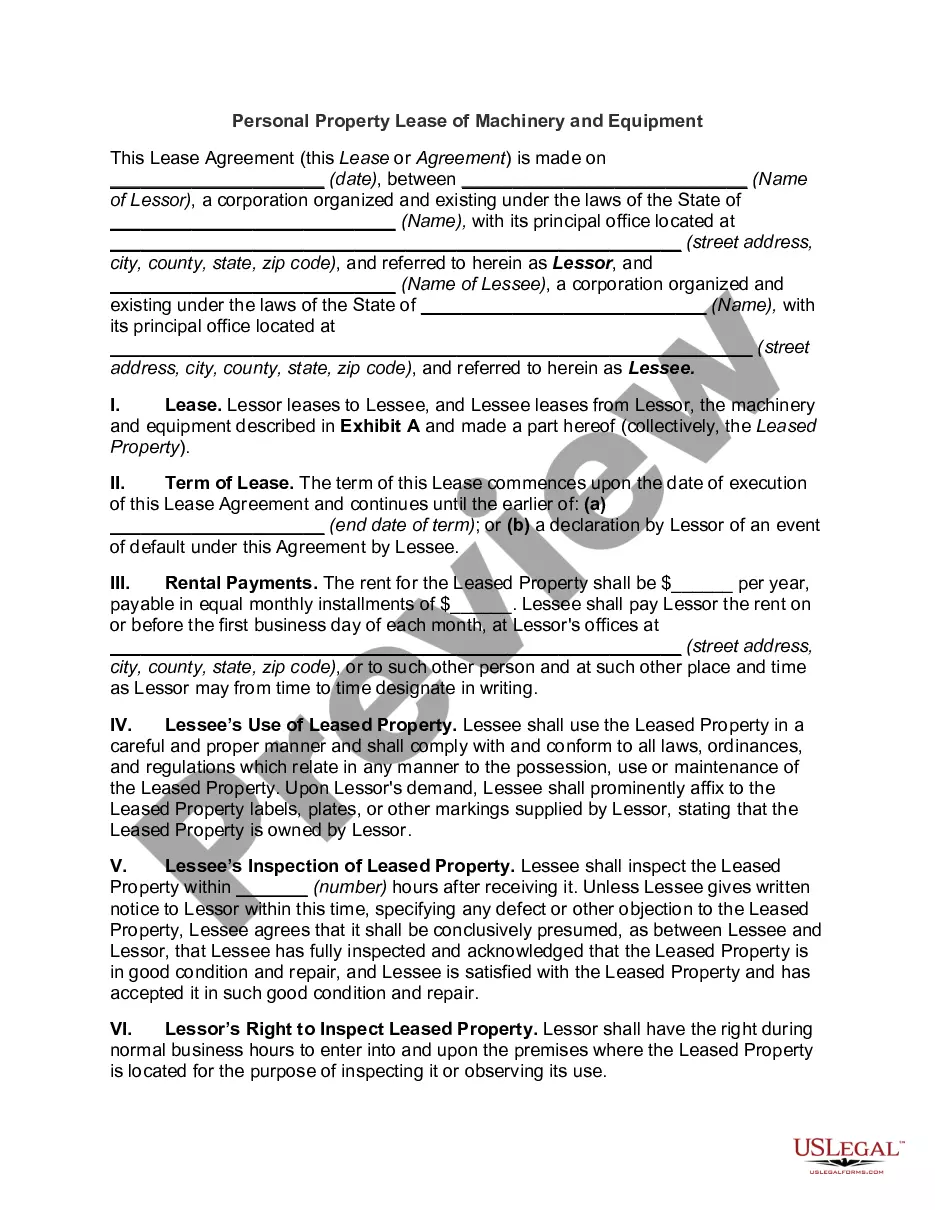

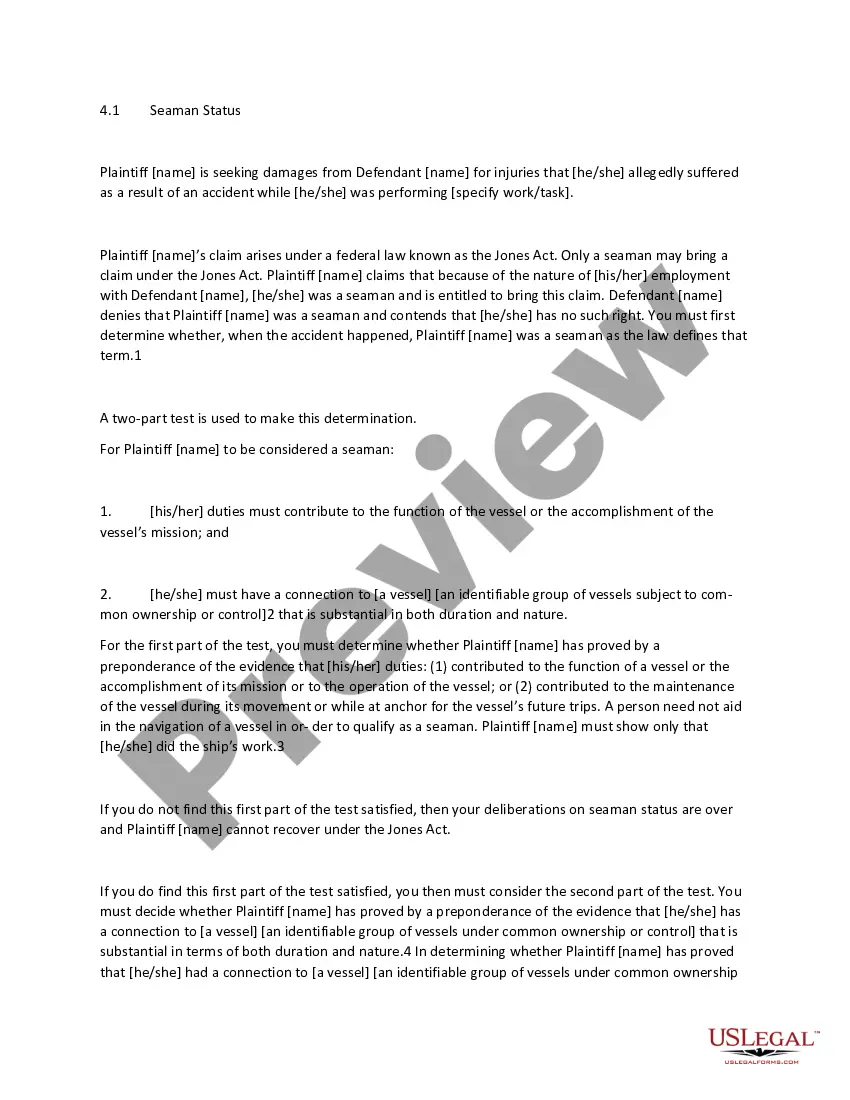
How to fill out Comprehensive Equipment Lease With Provision Regarding Investment Tax?
Are you presently in the location where you frequently need documents for both business or personal purposes.
There are numerous legal document templates available online, but locating reliable ones can be challenging.
US Legal Forms offers thousands of form templates, including the Connecticut Comprehensive Equipment Lease with Provision Regarding Investment Tax, designed to meet state and federal requirements.
Once you find the correct form, simply click Purchase now.
Choose a convenient file format and download your copy.
- If you are already familiar with the US Legal Forms website and have an account, simply Log In.
- Then, you can download the Connecticut Comprehensive Equipment Lease with Provision Regarding Investment Tax template.
- If you do not have an account and wish to start using US Legal Forms, follow these steps.
- Obtain the form you need and ensure it is for the correct city/state.
- Use the Preview button to check the form.
- Read the description to confirm that you have selected the right form.
- If the form isn't what you require, use the Research field to find the form that suits your needs.
Form popularity
FAQ
Generally, equipment rentals are not tax-exempt in Connecticut, as most rental agreements are taxable. However, certain exceptions may apply based on the type of equipment or the nature of its use. Understanding these nuances in relation to a Connecticut Comprehensive Equipment Lease with Provision Regarding Investment Tax can greatly enhance your financial strategy.
Yes, equipment rental falls under sales tax regulations in Connecticut. This means most equipment leases will incur taxes unless specifically exempted. Being informed about these tax implications helps when structuring a Connecticut Comprehensive Equipment Lease with Provision Regarding Investment Tax to ensure compliance and financial viability.
Yes, rental income is generally considered taxable in Connecticut. Landlords must report this income on their state tax returns. When managing your finances with a Connecticut Comprehensive Equipment Lease with Provision Regarding Investment Tax, it is valuable to understand how rental income affects your overall tax position.
To qualify for the Connecticut property tax credit, individuals must meet specific income thresholds and criteria set by the state. This program is designed to assist eligible homeowners and renters. Leveraging a Connecticut Comprehensive Equipment Lease with Provision Regarding Investment Tax may enhance your financial situation when considering property tax obligations.
Yes, equipment rental is typically subject to sales tax in Connecticut. This tax applies to most rental agreements unless specific exemptions exist. For those utilizing a Connecticut Comprehensive Equipment Lease with Provision Regarding Investment Tax, it's essential to ensure tax compliance to avoid penalties and maximize financial benefits.
In Connecticut, several items are exempt from sales tax, including certain types of food, prescription medications, and specific professional services. This exemption can significantly affect the structure of a Connecticut Comprehensive Equipment Lease with Provision Regarding Investment Tax. Knowing which items escape taxation allows businesses to optimize their leasing agreements and manage their tax liabilities.
The 7.35% tax in Connecticut refers to the state sales and use tax applicable on various goods and services. This tax can directly impact leasing agreements, particularly within a Connecticut Comprehensive Equipment Lease with Provision Regarding Investment Tax. Understanding this tax is crucial for businesses, as it affects overall costs and compliance.
Yes, leased equipment is typically considered an expense for your business. This means the payments can deduct against your business income, reducing your overall tax liability. With a Connecticut Comprehensive Equipment Lease with Provision Regarding Investment Tax, you can enjoy these financial benefits while ensuring you stay compliant with tax regulations.
Leases are classified as either operating leases or capital leases for tax purposes. The distinction matters because an operating lease usually treats payments as expenses, while a capital lease may allow for asset depreciation. By using a Connecticut Comprehensive Equipment Lease with Provision Regarding Investment Tax, you can navigate these classifications more smoothly to benefit your business.
A lease to own agreement typically offers different tax implications compared to regular leasing. With a Connecticut Comprehensive Equipment Lease with Provision Regarding Investment Tax, you can often treat the lease payments as an expense until you gain ownership of the equipment. At that point, depreciation and other tax considerations come into play, so it is vital to consult a tax advisor.