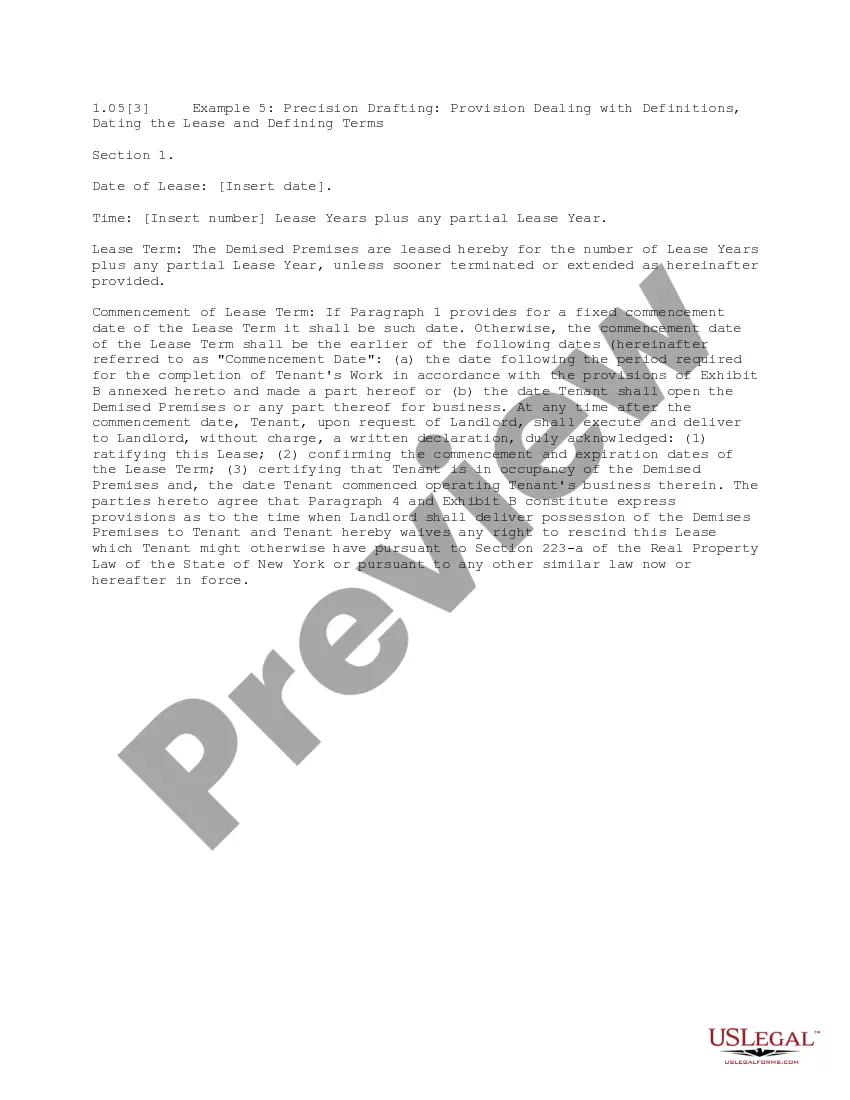
Connecticut Landscaping Agreement to Cut and Remove Foliage, Fill-in Erosion and Related Matters
Description
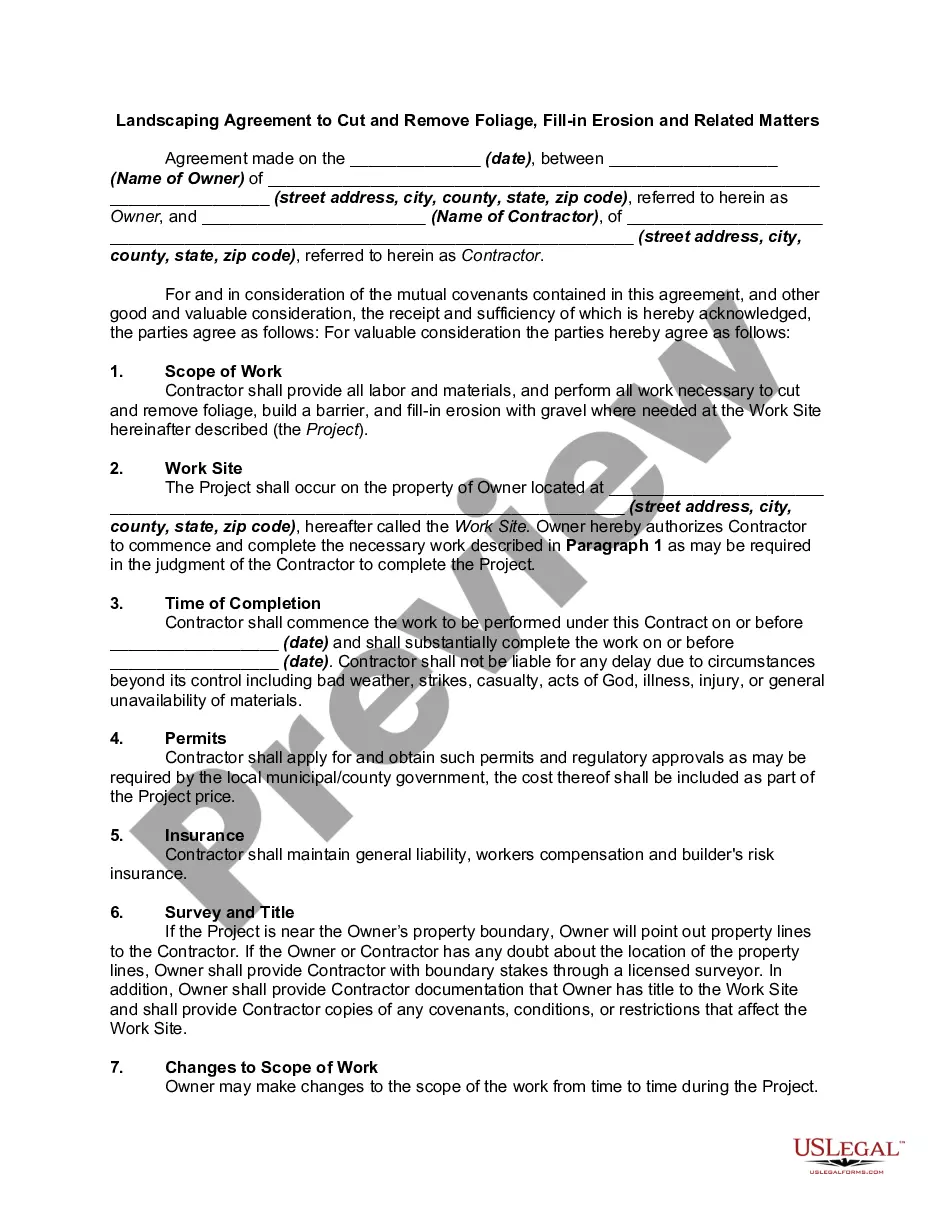
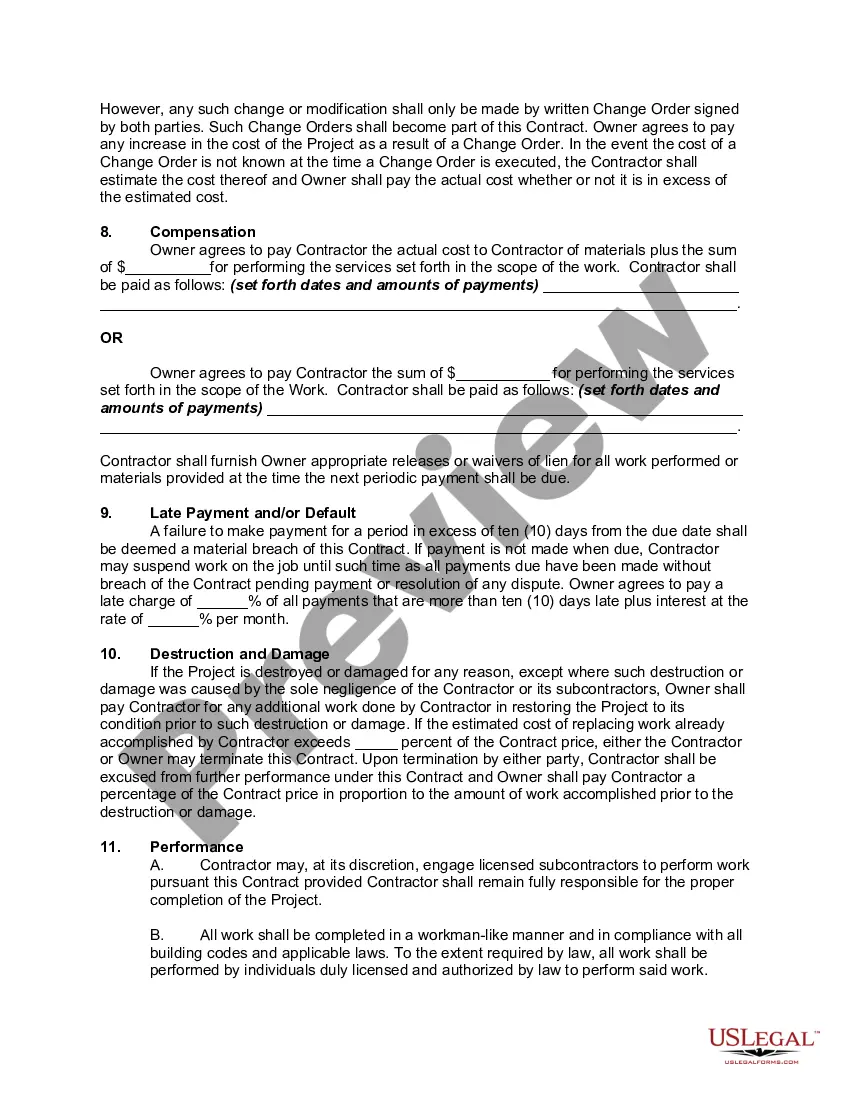
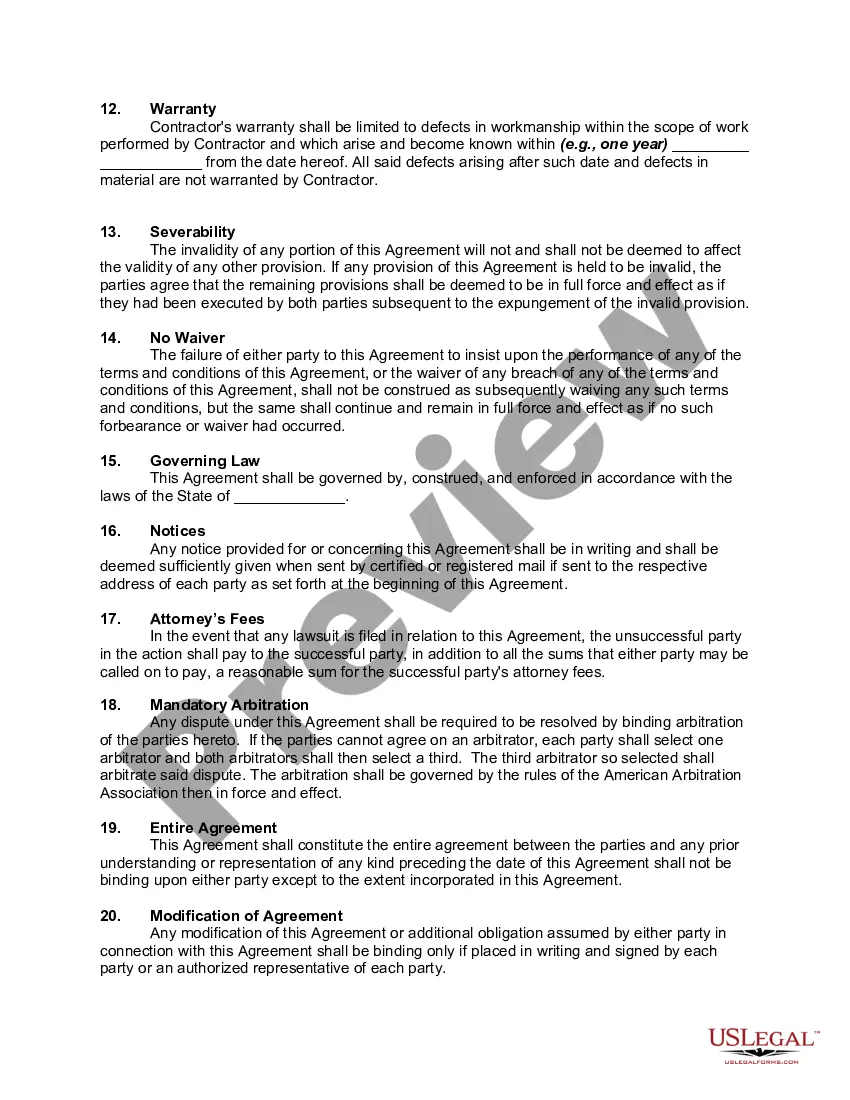
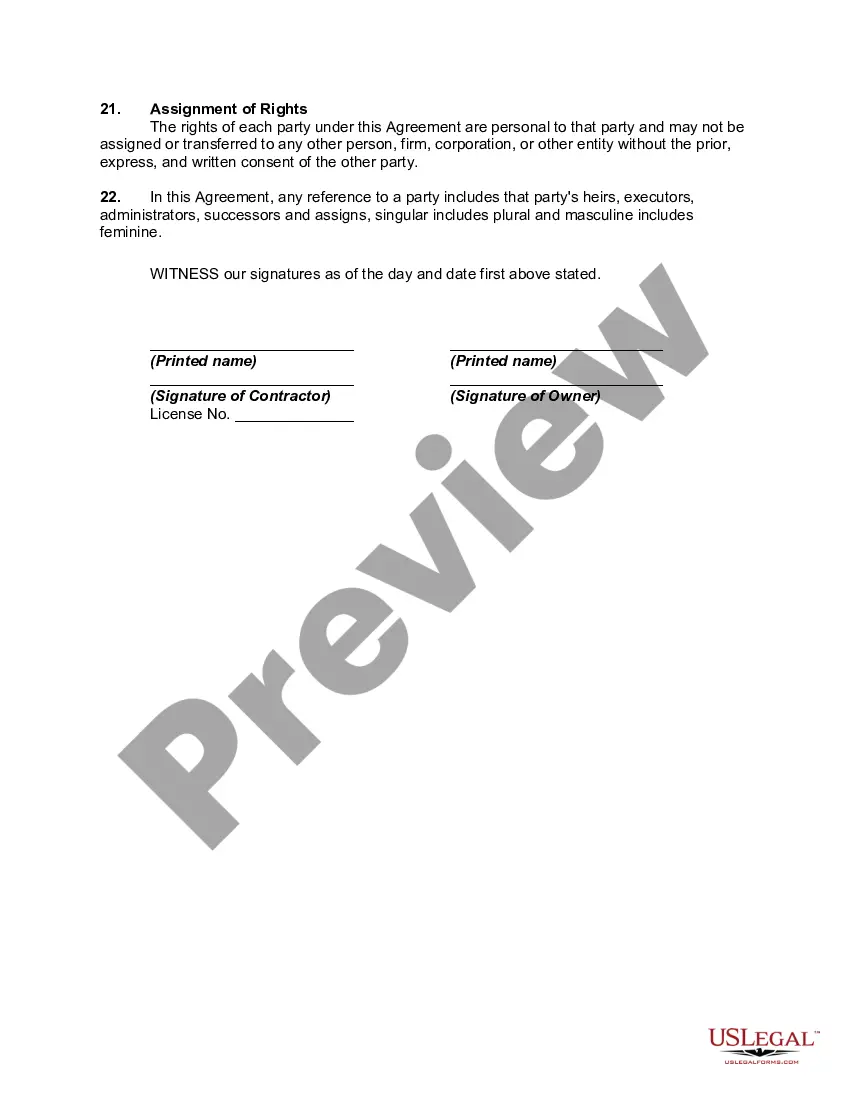
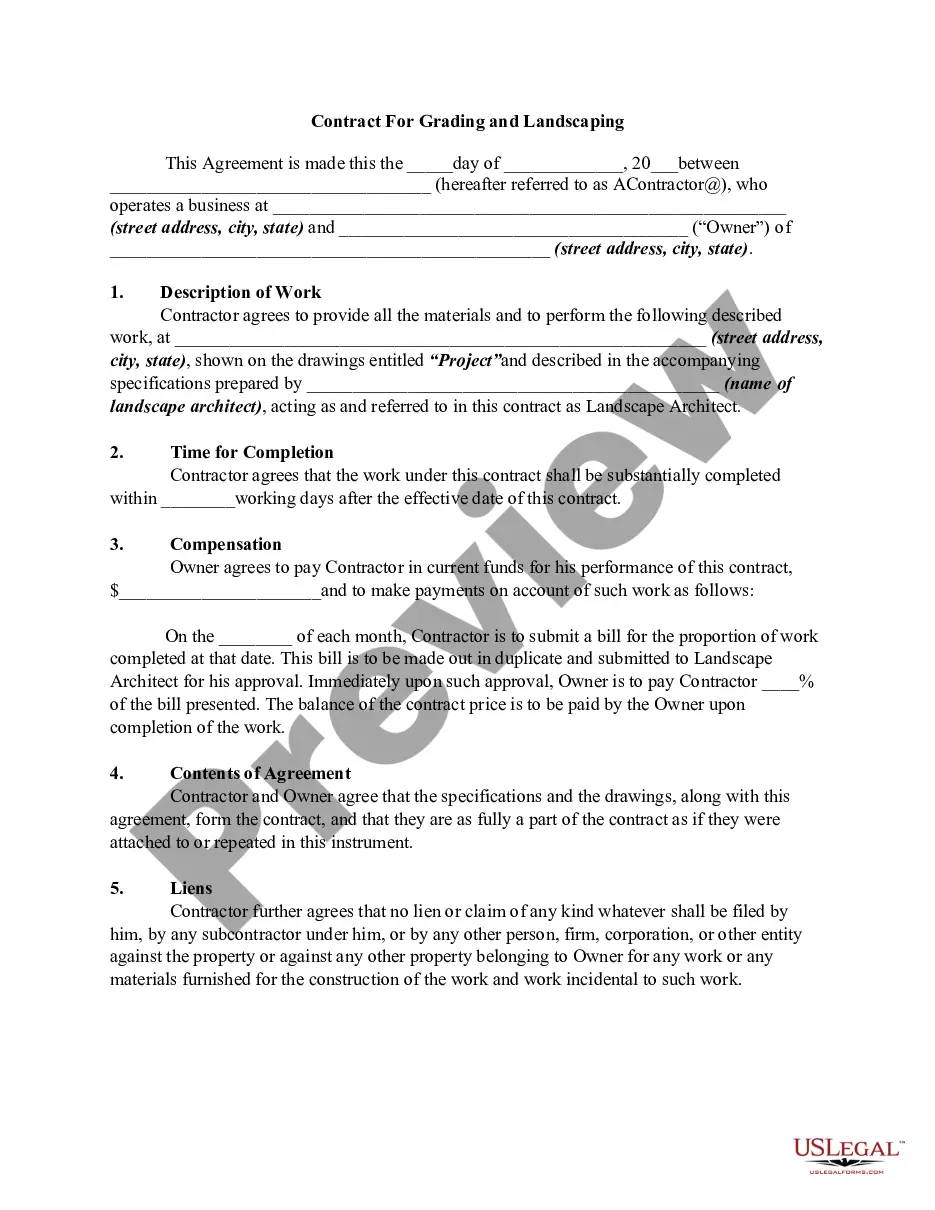
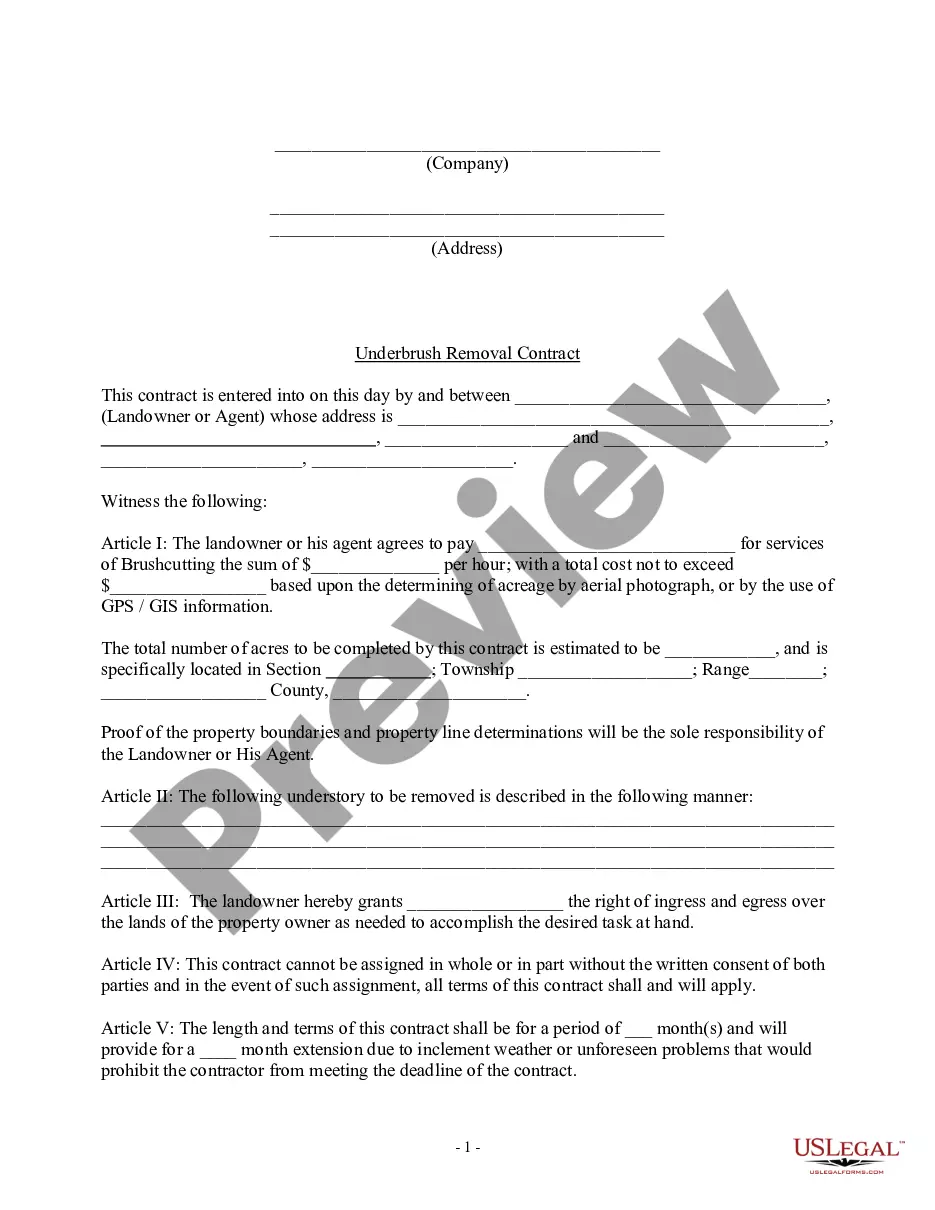
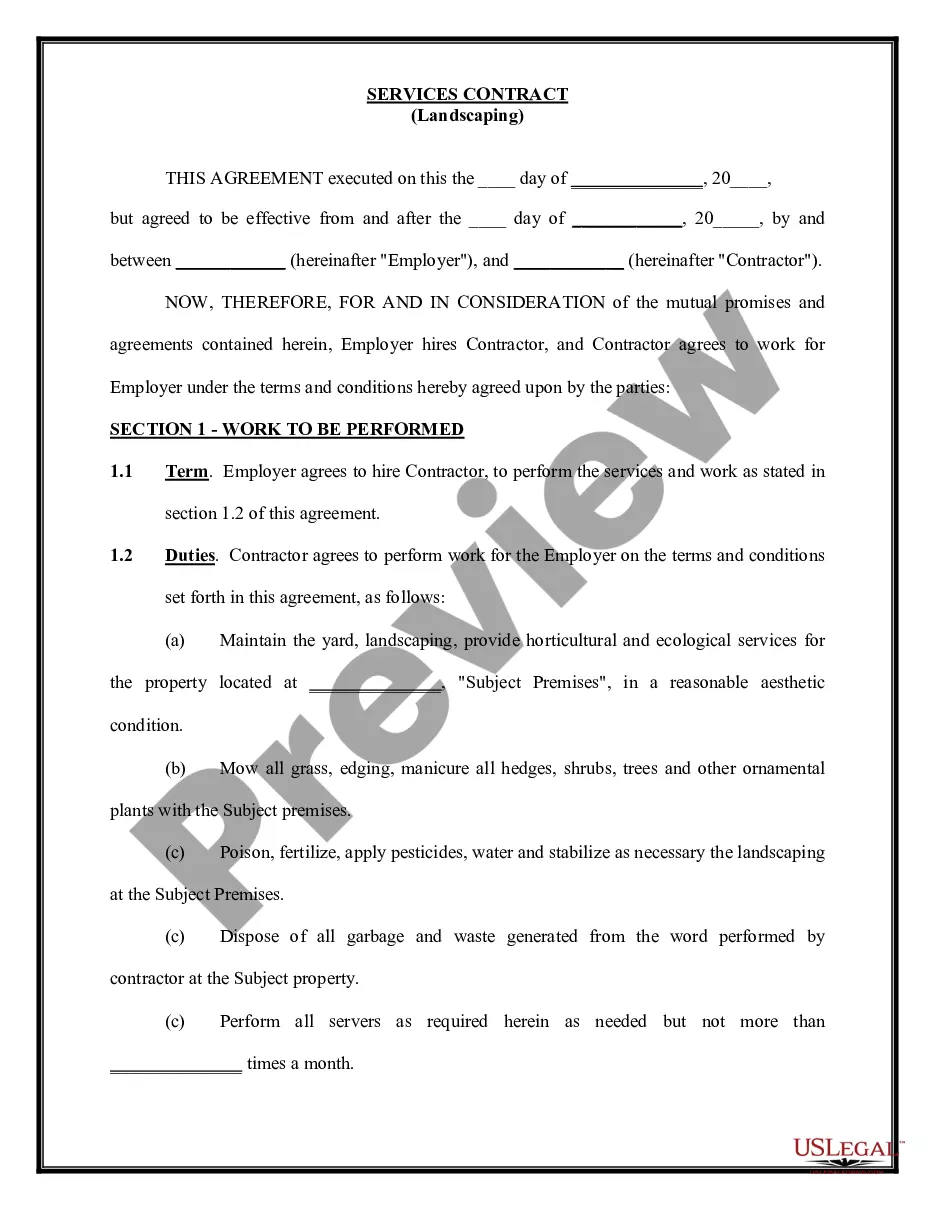
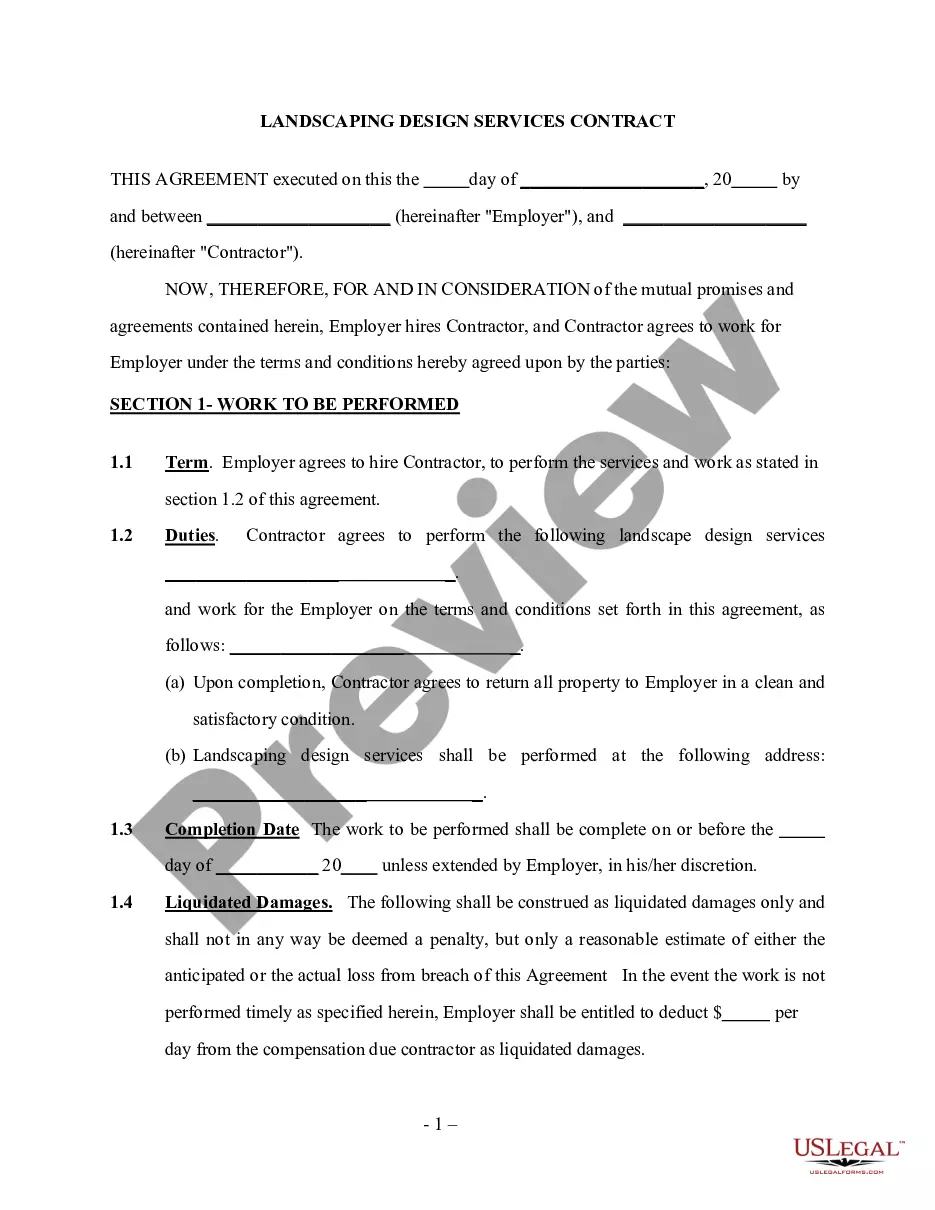

How to fill out Landscaping Agreement To Cut And Remove Foliage, Fill-in Erosion And Related Matters?
If you wish to finalize, obtain, or print legal document templates, utilize US Legal Forms, the largest selection of legal forms available online. Take advantage of the site's user-friendly and efficient search to locate the documents you need.
Numerous templates for business and personal purposes are categorized by type and claim, or by keywords. Use US Legal Forms to retrieve the Connecticut Landscaping Agreement for Cutting and Removing Vegetation, Filling Erosion, and Related Issues in just a few clicks.
If you are already a US Legal Forms customer, Log In to your account and click the Download button to access the Connecticut Landscaping Agreement for Cutting and Removing Vegetation, Filling Erosion, and Related Issues. You can also view forms you previously saved from the My documents tab in your account.
Every legal document format you purchase is yours indefinitely. You have access to every form you saved in your account. Click the My documents section and select a form to print or download again.
Stay competitive and acquire, and print the Connecticut Landscaping Agreement for Cutting and Removing Vegetation, Filling Erosion, and Related Issues with US Legal Forms. There are thousands of professional and state-specific forms available for your business or personal needs.
- Step 1. Ensure you have selected the form for the appropriate city/state.
- Step 2. Utilize the Review feature to examine the content of the form. Don’t forget to read the information.
- Step 3. If you are dissatisfied with the form, use the Lookup field at the top of the screen to find other variants in the legal form format.
- Step 4. Once you locate the form you need, click the Purchase now button. Choose the payment plan that suits you and enter your details to register for an account.
- Step 5. Complete the transaction. You can use your Visa or Mastercard or PayPal account to finalize the purchase.
- Step 6. Download the format of the legal form and save it to your device.
- Step 7. Complete, modify, and print or sign the Connecticut Landscaping Agreement for Cutting and Removing Vegetation, Filling Erosion, and Related Issues.
Form popularity
FAQ
Creating an erosion project involves several essential steps. First, assess the erosion site to identify the main issues and determine the necessary solutions. Next, develop a plan that may include vegetation planting and the installation of erosion control structures like silt fences or riprap. Utilizing a Connecticut Landscaping Agreement to Cut and Remove Foliage, Fill-in Erosion and Related Matters gives you a structured framework to ensure all legal and environmental considerations are met during the project.
Erosion control is vital for maintaining your landscape's integrity. Three effective methods include planting vegetation, using erosion control blankets, and constructing retaining walls. Planting vegetation significantly decreases soil erosion by establishing strong root systems. Meanwhile, erosion control blankets help stabilize the soil, and retaining walls provide physical barriers against soil movement, helping you effectively manage your landscaping efforts through a Connecticut Landscaping Agreement to Cut and Remove Foliage, Fill-in Erosion and Related Matters.
Typically, a licensed professional such as an engineer or landscape architect prepares erosion and sediment control plans. These experts assess the site, identify potential issues, and develop strategies that align with the Connecticut Landscaping Agreement to Cut and Remove Foliage, Fill-in Erosion and Related Matters. By engaging qualified professionals, property owners can ensure compliance with state regulations while effectively mitigating erosion risks.
In Connecticut, the Department of Energy and Environmental Protection (DEEP) oversees erosion and sediment control regulations. They provide guidance to ensure proper handling of erosion during landscaping activities, including those outlined in the Connecticut Landscaping Agreement to Cut and Remove Foliage, Fill-in Erosion and Related Matters. By following DEEP regulations, homeowners can maintain soil stability and protect water quality in their local environments.
Erosion control in landscaping encompasses a range of practices aimed at preventing soil loss and maintaining the integrity of your land. Techniques may include planting grass, installing geotextiles, and creating retaining walls or terraces. Through a Connecticut Landscaping Agreement to Cut and Remove Foliage, Fill-in Erosion and Related Matters, you can ensure that your landscaping is designed and maintained effectively, safeguarding your property against erosion and enhancing its overall aesthetic.
Controlling erosion in your yard involves various strategies, including planting vegetation, constructing barriers, and building terraces. Additionally, a Connecticut Landscaping Agreement to Cut and Remove Foliage, Fill-in Erosion and Related Matters can provide the necessary framework to implement these techniques professionally. Regular maintenance and proper drainage solutions also play key roles in preventing erosion's negative impact on your landscape.
Erosion refers to the process of soil and land materials being worn away and transported, often due to water, wind, or human activity. In landscaping, understanding erosion is crucial because it can lead to significant landscape degradation and loss of valuable topsoil. Addressing erosion through a Connecticut Landscaping Agreement to Cut and Remove Foliage, Fill-in Erosion and Related Matters ensures that your landscape remains healthy and sustainable.
The principles of erosion and sediment control focus on preventing soil disturbance, minimizing runoff, and using natural solutions when possible. These principles guide effective practices that protect landscapes and waterways. When following a Connecticut Landscaping Agreement to Cut and Remove Foliage, Fill-in Erosion and Related Matters, you can implement these principles to achieve sustainable results for your property.
Creating an erosion control plan involves assessing your site, identifying potential erosion risks, and selecting appropriate control measures. It's important to tailor the plan to your specific needs while considering local regulations and best practices. Engaging in a Connecticut Landscaping Agreement to Cut and Remove Foliage, Fill-in Erosion and Related Matters ensures that you have a structured approach to developing an effective control plan.
The principles of site planning for erosion and sediment control emphasize understanding the natural landscape and incorporating sustainable practices. This involves considering factors such as water flow, vegetation cover, and soil type in your design. Utilizing a Connecticut Landscaping Agreement to Cut and Remove Foliage, Fill-in Erosion and Related Matters helps you align these principles with your project objectives for optimal results.