Connecticut Sublease Agreement for Medical Office Space
Description
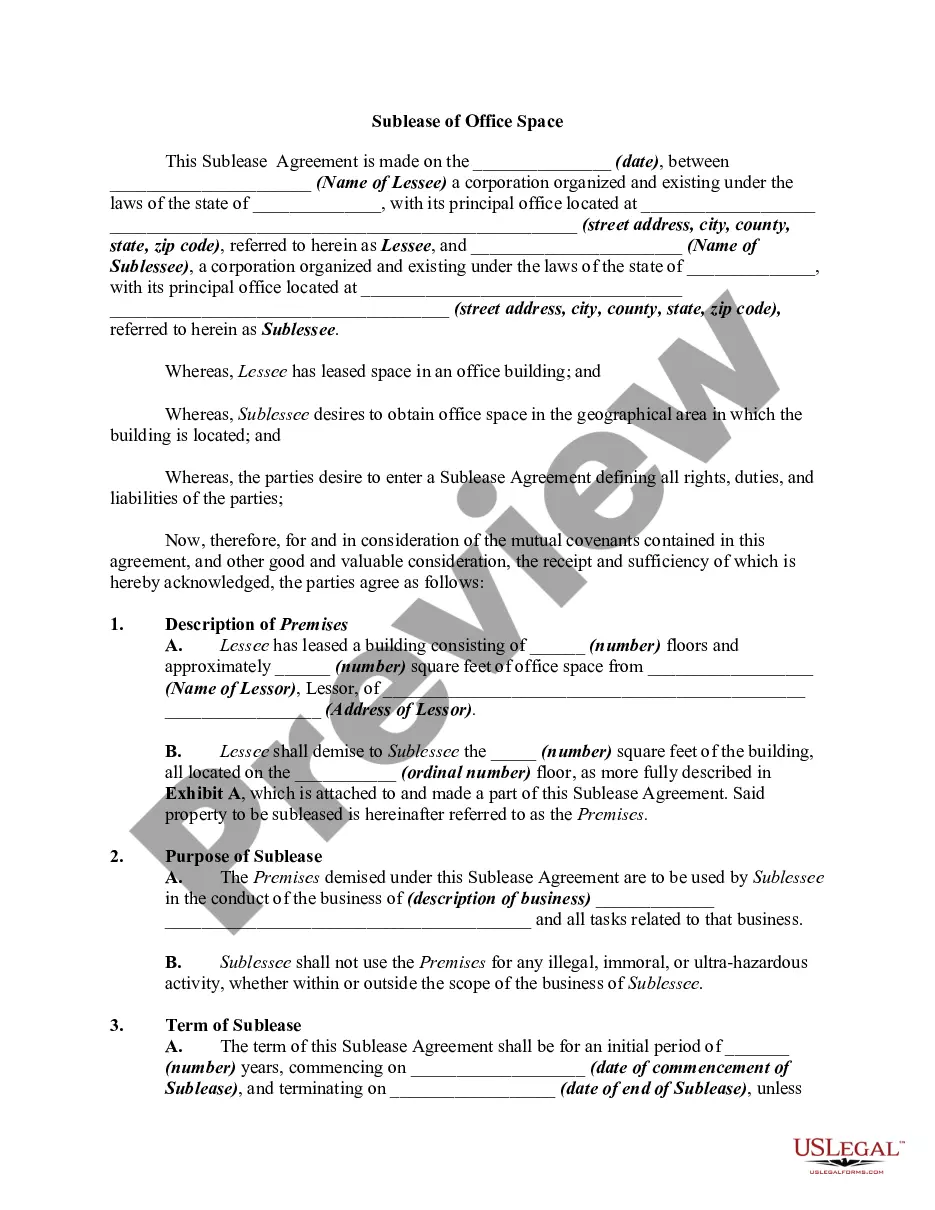
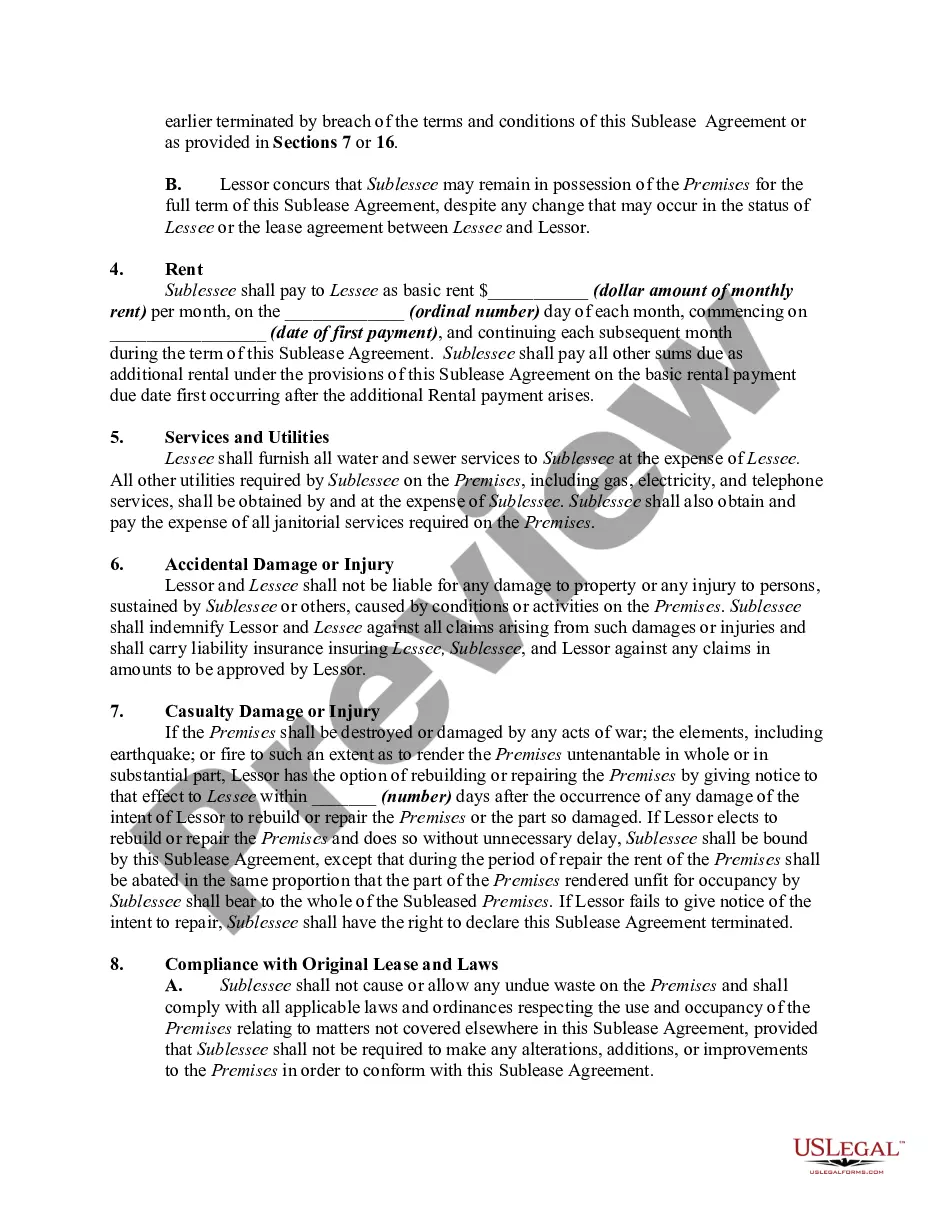
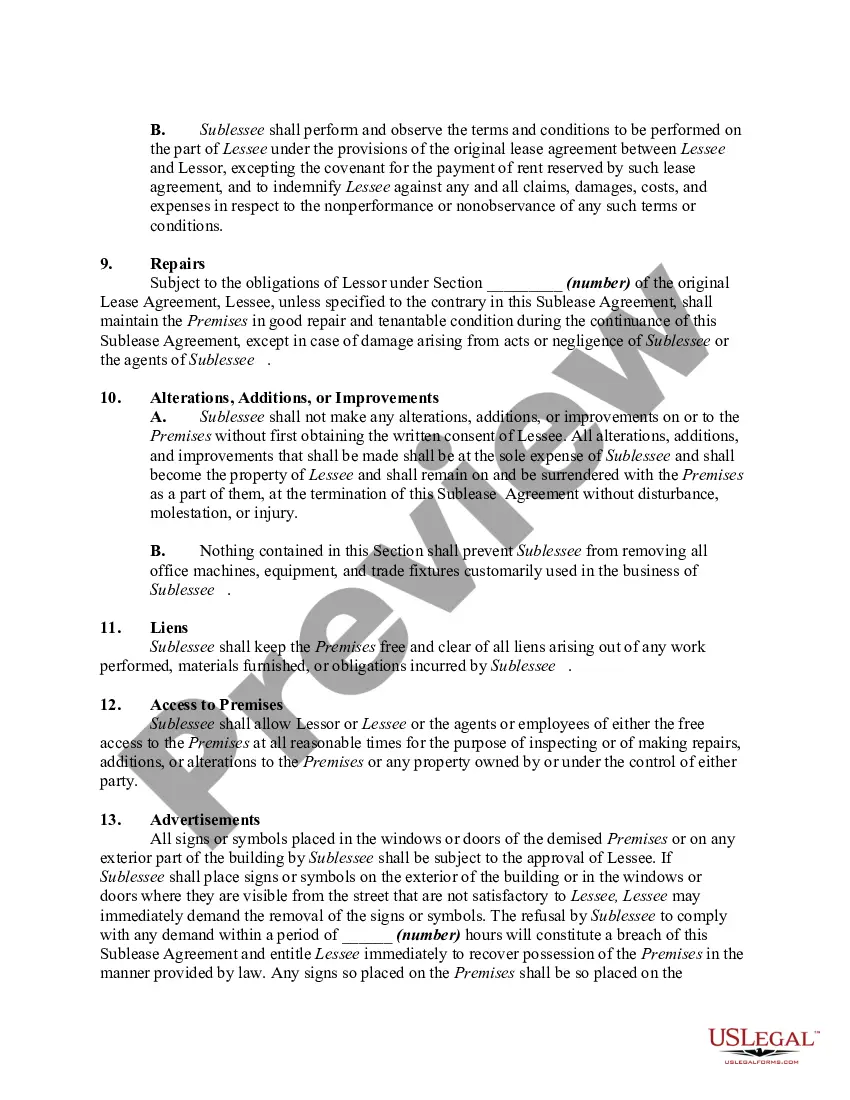
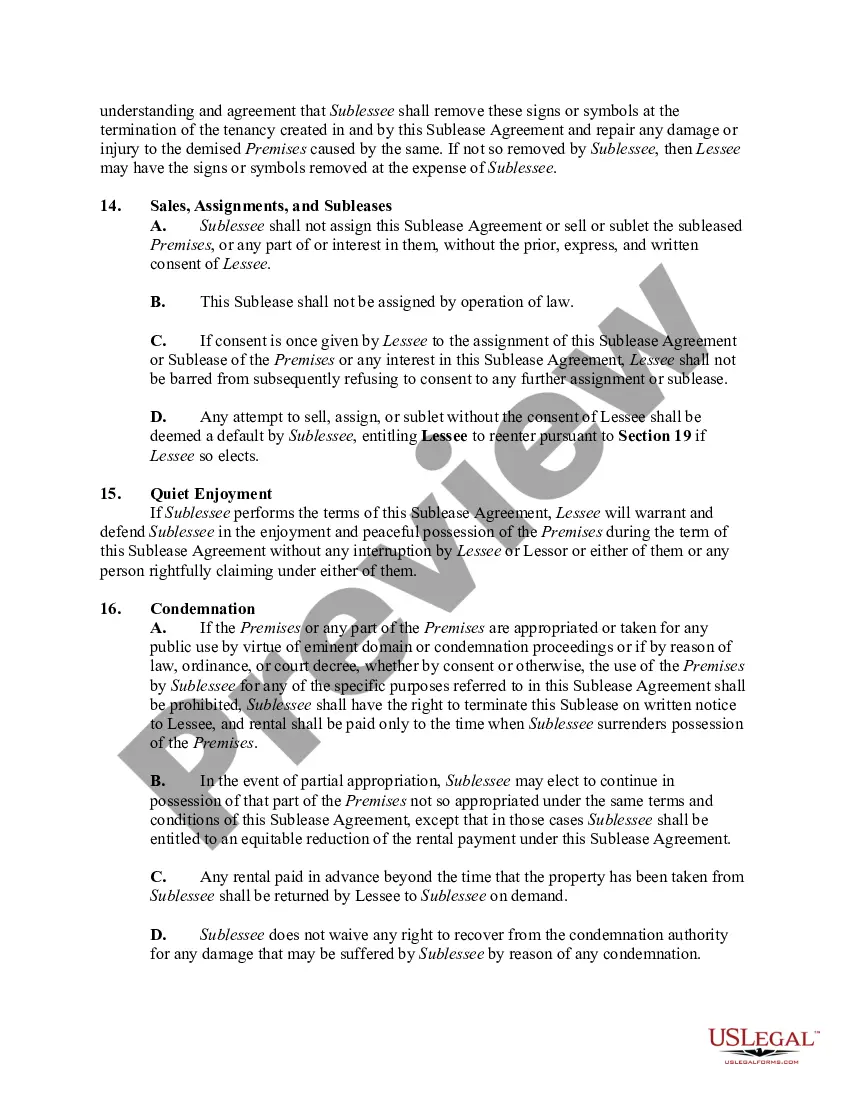
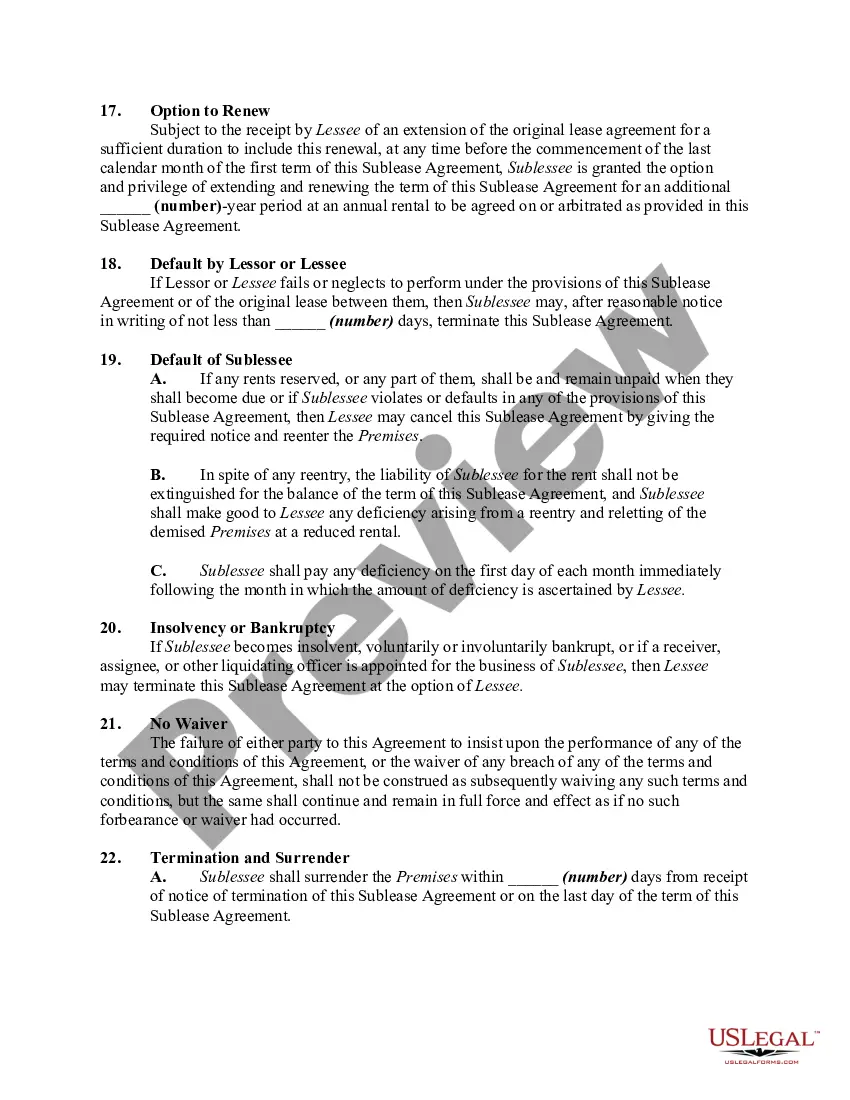
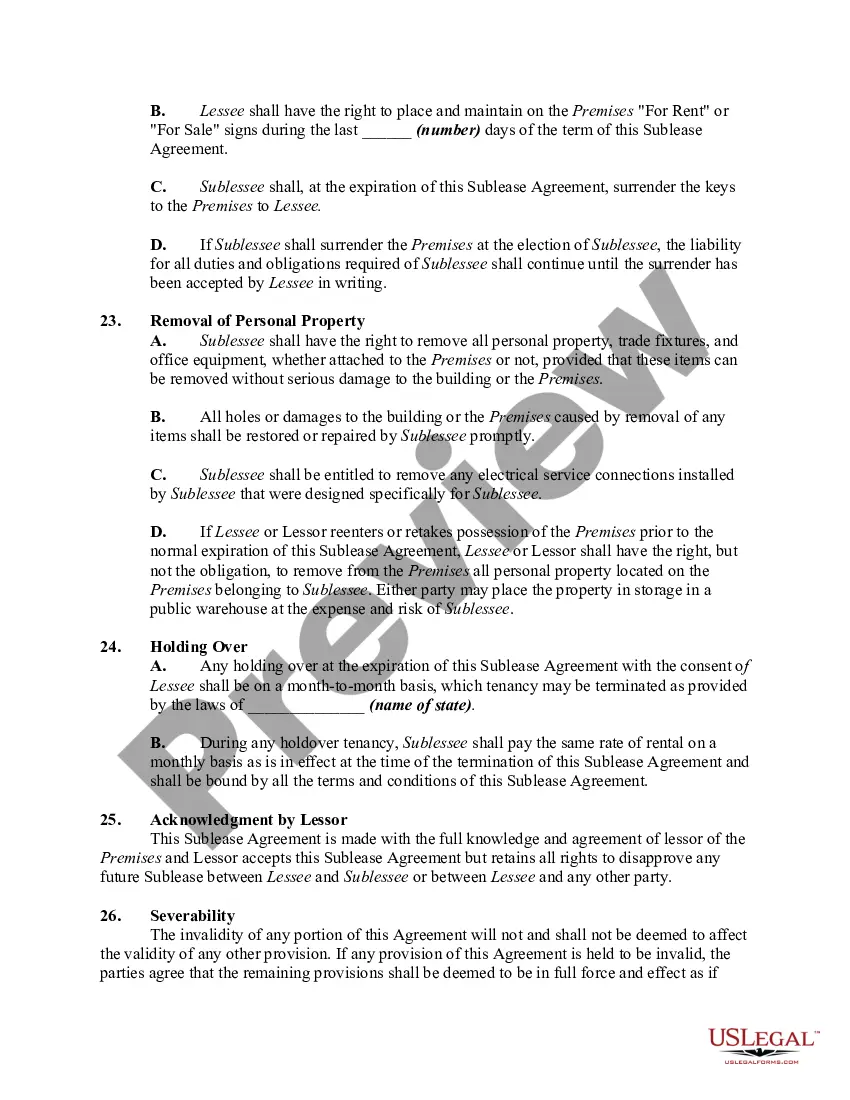
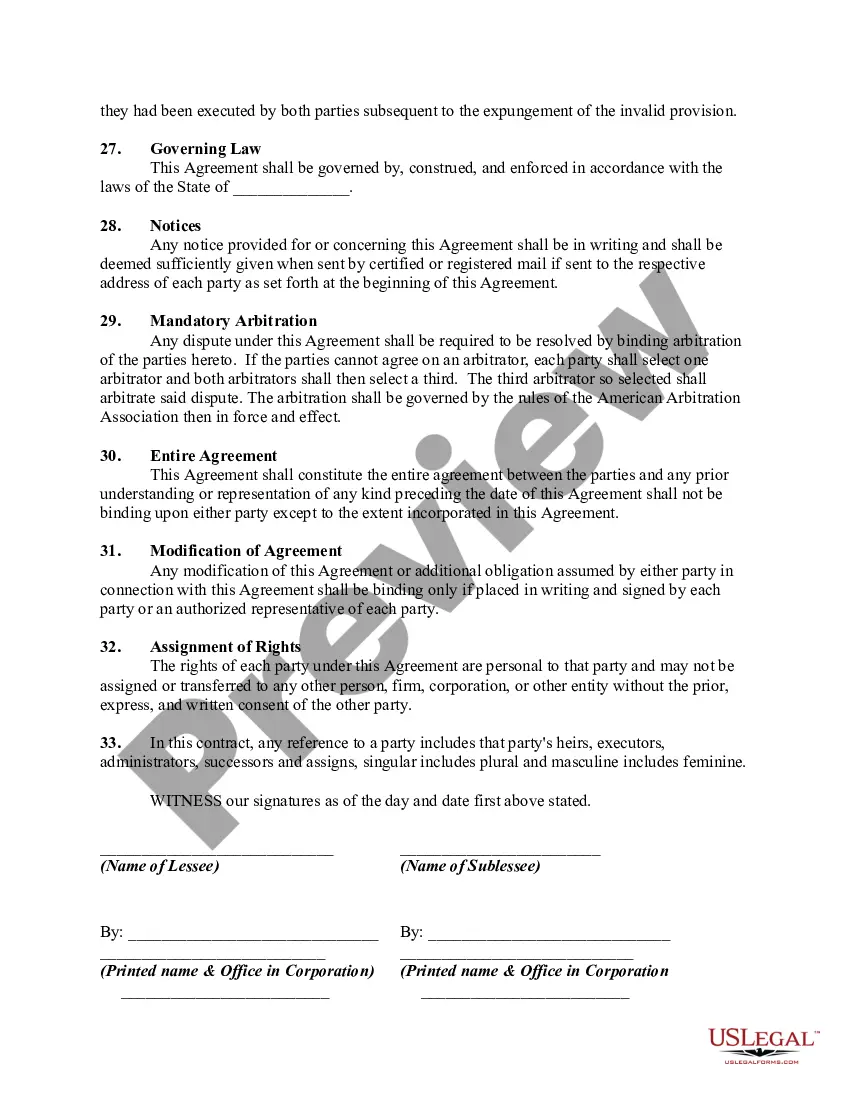

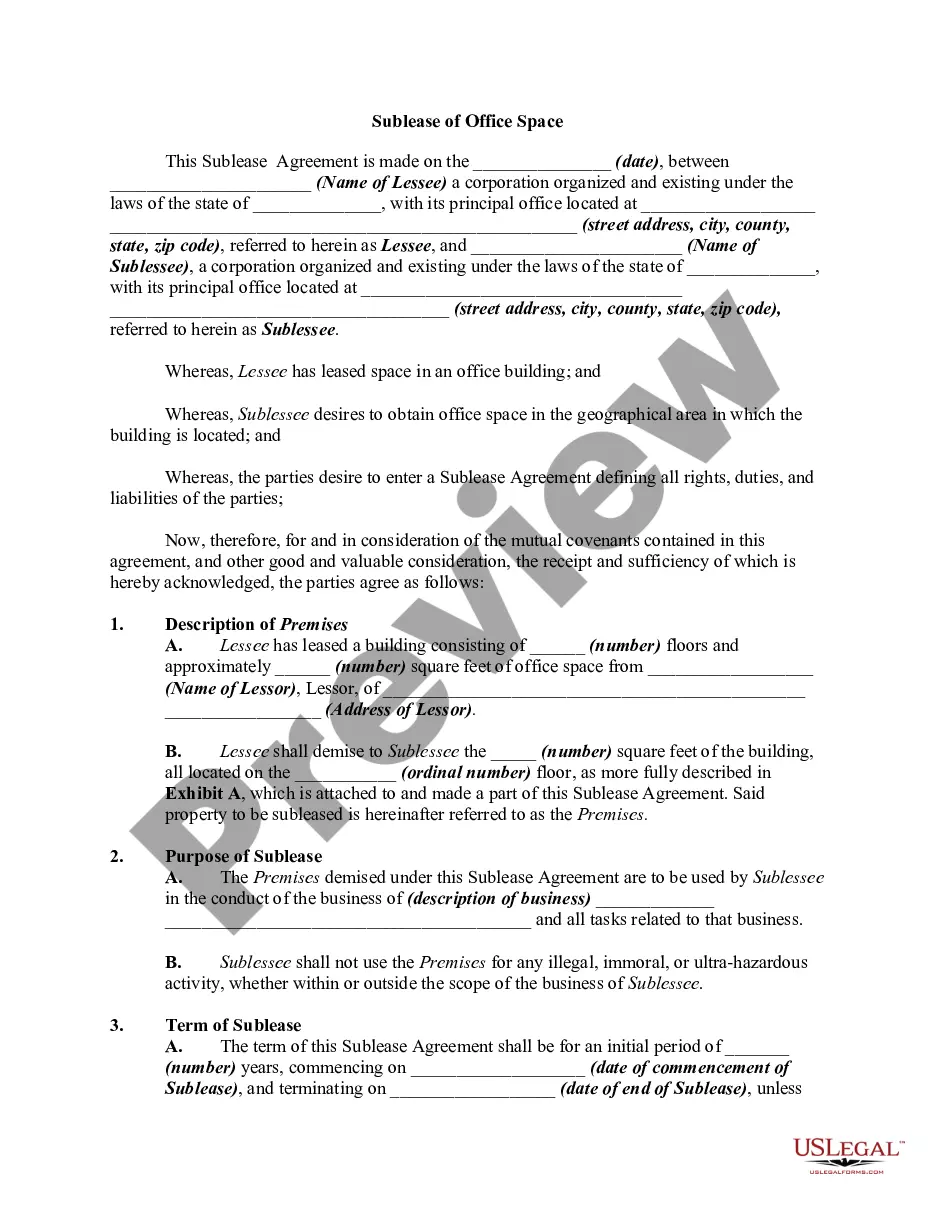
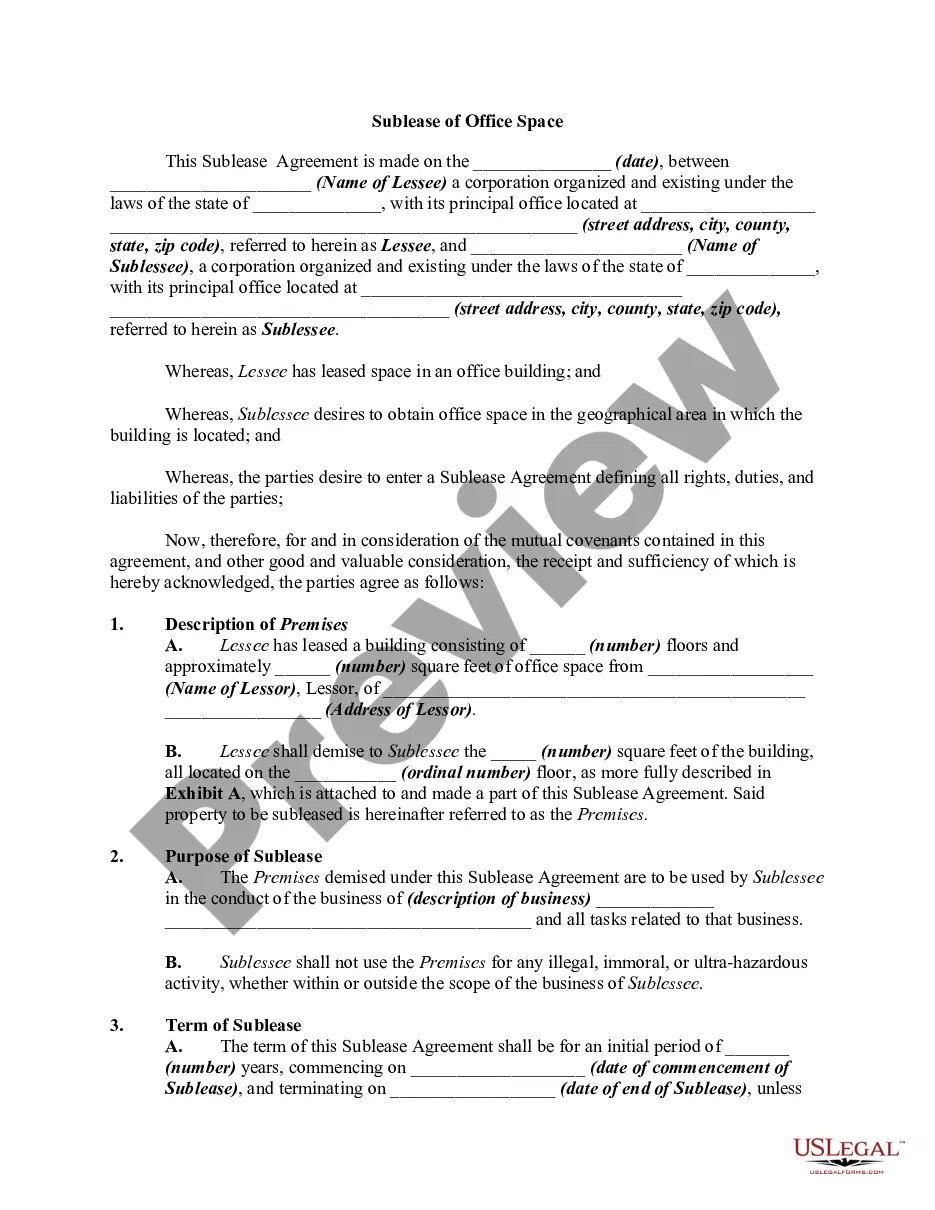
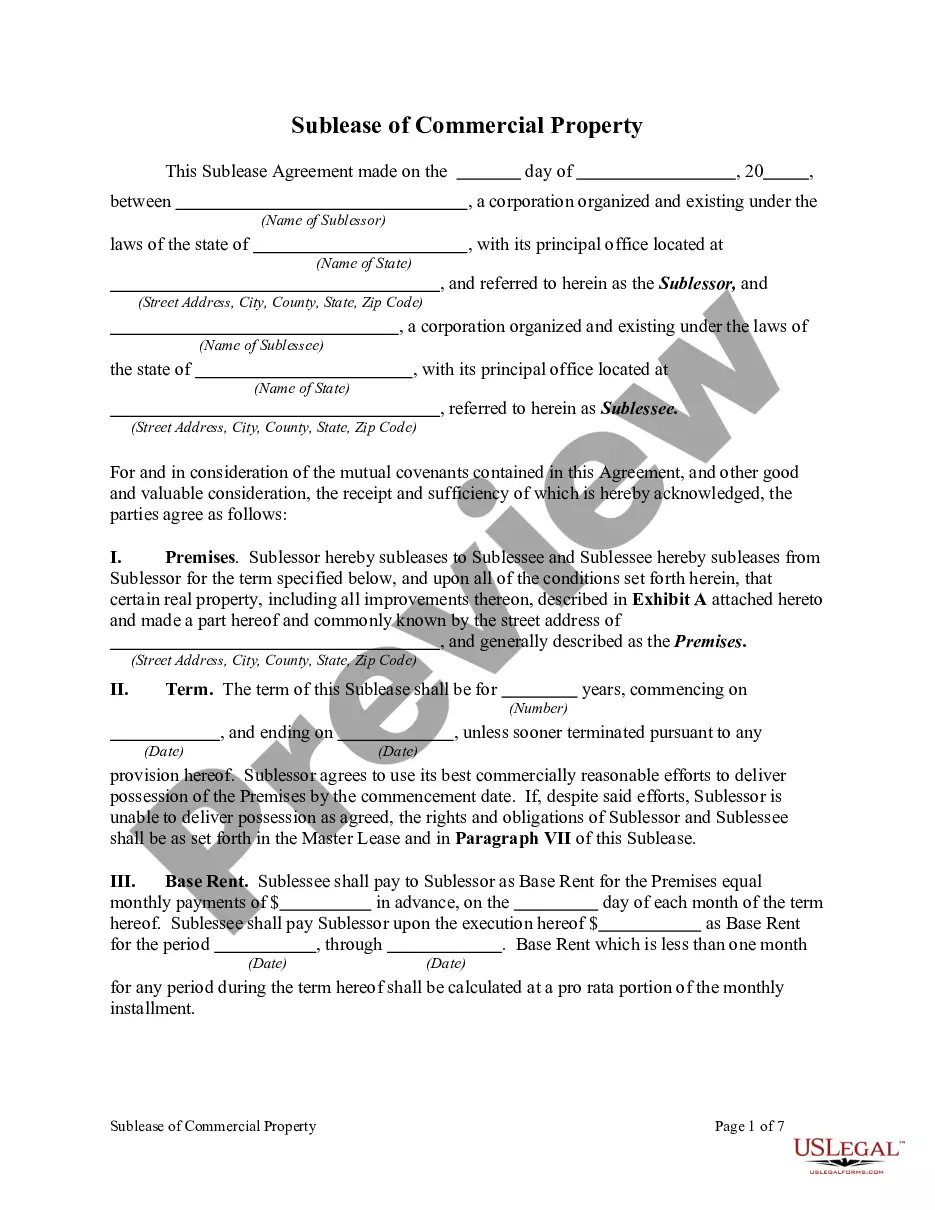
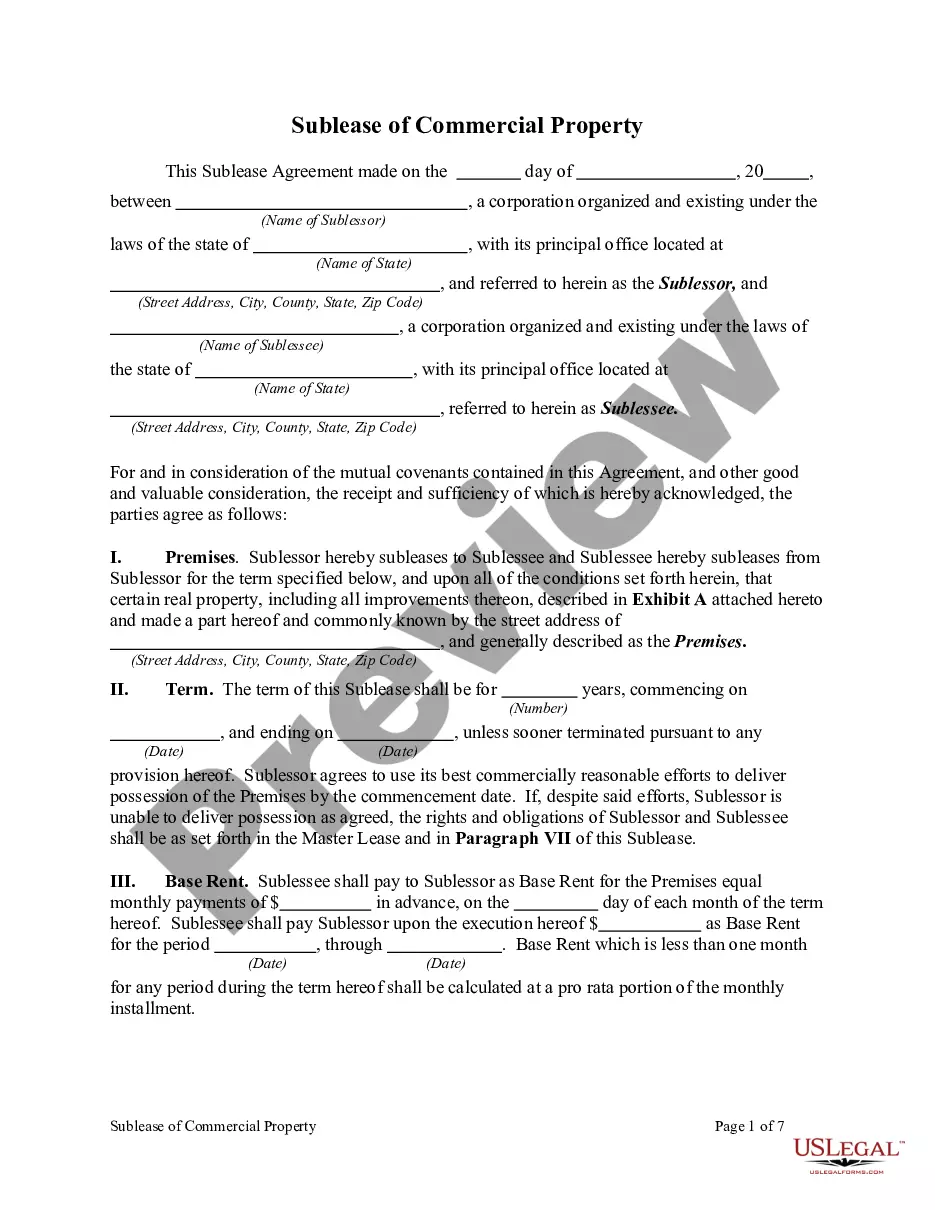
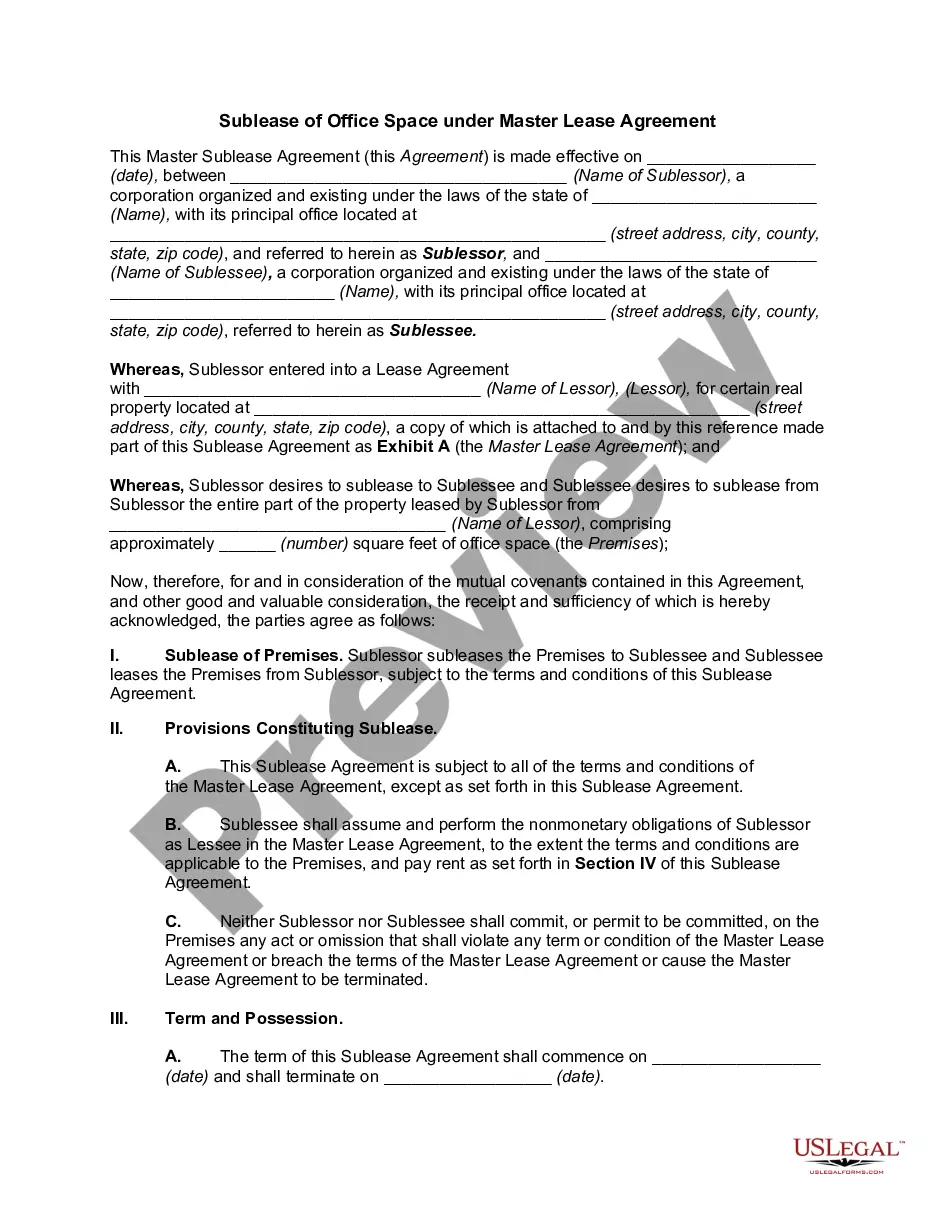

How to fill out Sublease Agreement For Medical Office Space?
It is feasible to spend hours online looking for the official document template that meets both state and federal requirements you have.
US Legal Forms provides thousands of legal documents that have been vetted by specialists.
You can acquire or print the Connecticut Sublease Agreement for Medical Office Space from my service.
If available, utilize the Preview button to review the document template as well.
- If you already possess a US Legal Forms account, you can Log In and hit the Acquire button.
- Then, you can fill out, modify, print, or sign the Connecticut Sublease Agreement for Medical Office Space.
- Each legal document template you obtain is yours permanently.
- To retrieve another copy of the downloaded form, visit the My documents tab and click the relevant button.
- If you are using the US Legal Forms site for the first time, follow the simple instructions outlined below.
- First, ensure that you have selected the correct document template for the state/city of your choice.
- Review the form description to confirm you have chosen the appropriate form.
Form popularity
FAQ
To write a commercial sublease, begin by reviewing your original lease for any restrictions on subleasing. Clearly outline the terms, including the rent amount, duration, and any responsibilities of the subtenant. A well-crafted Connecticut sublease agreement for medical office space should also include relevant details about the property and any legal obligations, which can be streamlined using platforms like uslegalforms.
The sublet clause in a commercial lease outlines the rights and obligations of both the landlord and tenant regarding subleasing the property. This clause can specify whether subleasing is allowed, any approval necessary from the landlord, and the process that must be followed. Understanding this clause is critical when considering a Connecticut sublease agreement for medical office space.
Yes, subleasing is legal in Connecticut, but it comes with specific legal considerations. You need to adhere to the terms of your lease, and it’s essential to follow any local laws governing subleasing. Consulting a Connecticut sublease agreement for medical office space can help clarify these terms and ensure you stay compliant.
No, it is not inherently illegal to sublease a commercial property, including a medical office space. However, you must review your original lease agreement to ensure that subleasing is permitted. Many leases contain specific clauses that outline the conditions under which you can sublease, especially in relation to Connecticut sublease agreements for medical office space.
To sublease your office space, first review your original lease for clauses regarding subleasing. Then, find a suitable candidate and draft a Connecticut Sublease Agreement for Medical Office Space that specifies all relevant terms. Once you have received the landlord's consent, you can finalize the arrangement, ensuring all parties are aware of their obligations.
Consent to a sublease typically takes the form of a written document from the landlord, allowing the original tenant to sublease the space. This document outlines the conditions under which the sublease can proceed. In a Connecticut Sublease Agreement for Medical Office Space, consent documentation becomes crucial to ensure the legitimacy of the arrangement.
Landlords often have concerns about subleasing because it can complicate property management. They may worry about the reliability of a new tenant and whether the sublessee will adhere to the original lease terms. By using a well-structured Connecticut Sublease Agreement for Medical Office Space, tenants can alleviate some of these concerns, promoting a smoother relationship with their landlord.
Creating a sublease contract requires clarity and specificity. Start by identifying all parties involved, and include terms like rent payment dates and utility responsibilities. A thorough Connecticut Sublease Agreement for Medical Office Space ensures that every detail is covered, minimizing potential disputes between the original tenant and the sublessee.
Writing a subleasing agreement involves several key steps. First, make sure to detail the rental terms, including the duration and amount of rent. Additionally, provide information about the responsibilities of the sublessee, as a solid Connecticut Sublease Agreement for Medical Office Space will protect both the original tenant and the sublessee.
A typical sublease clause outlines the terms under which the tenant can sublease the property. For instance, it may state that the original tenant must obtain written permission from the landlord before subleasing. In a Connecticut Sublease Agreement for Medical Office Space, this clause ensures that all parties understand their rights and responsibilities.