Connecticut Judgment
Description
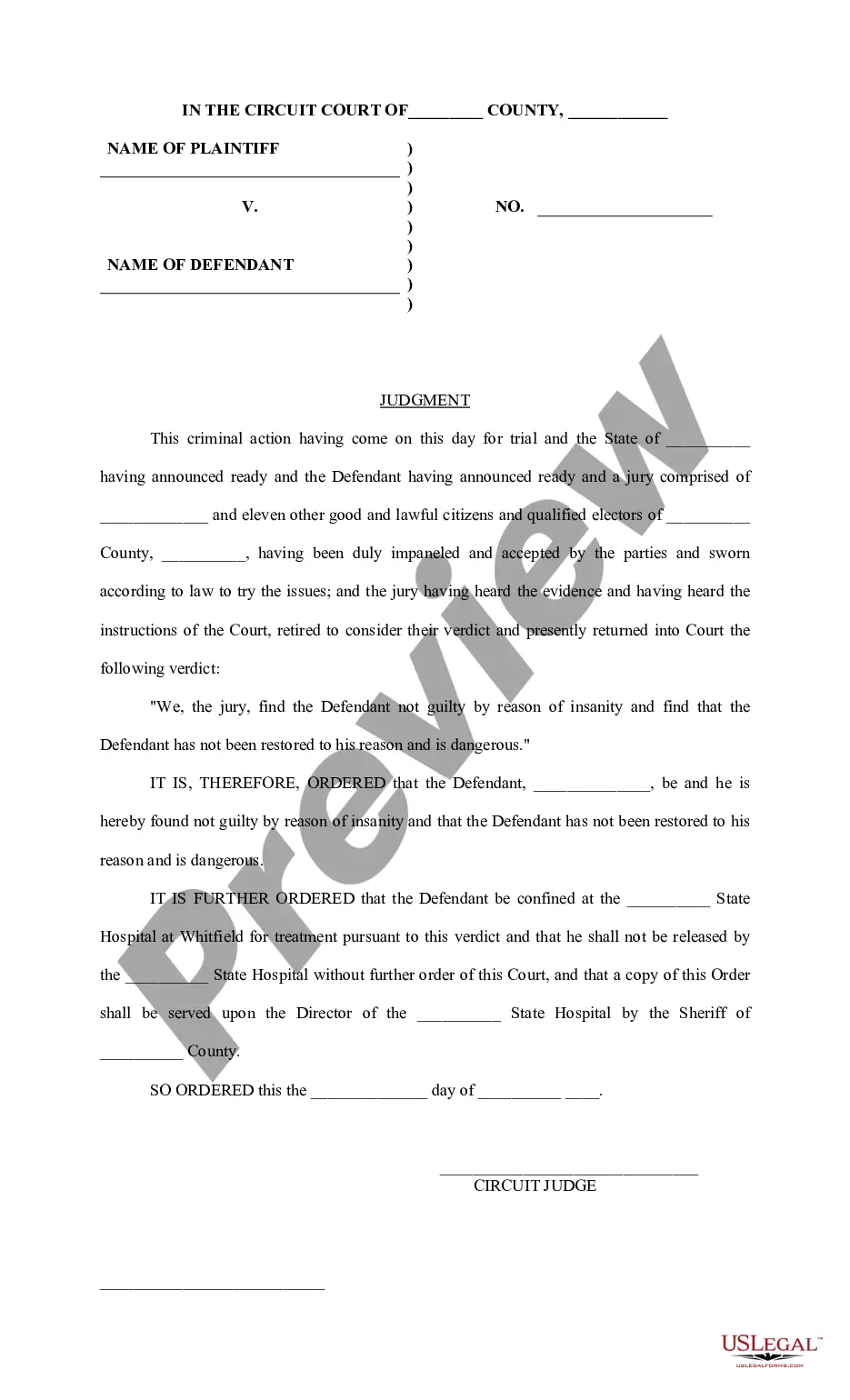
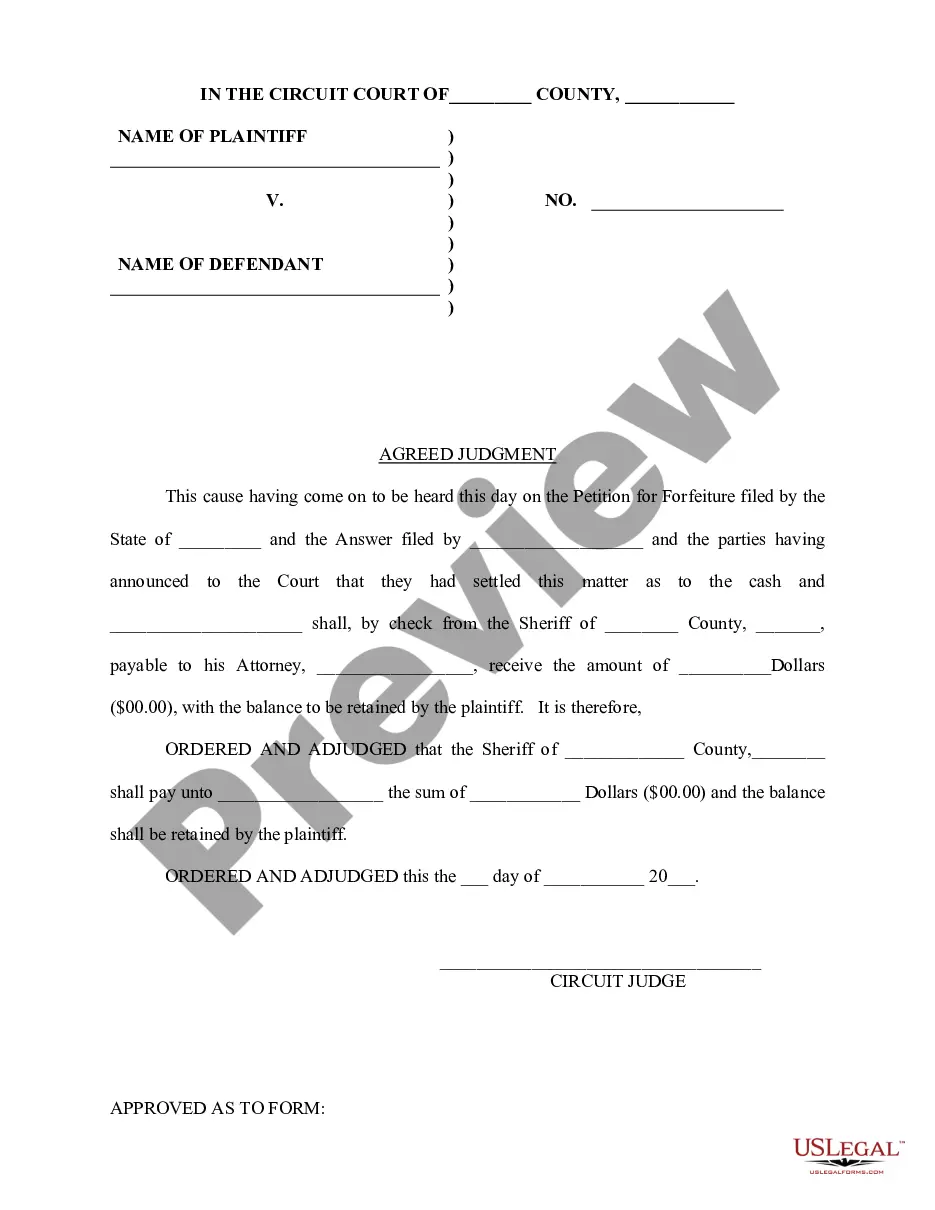
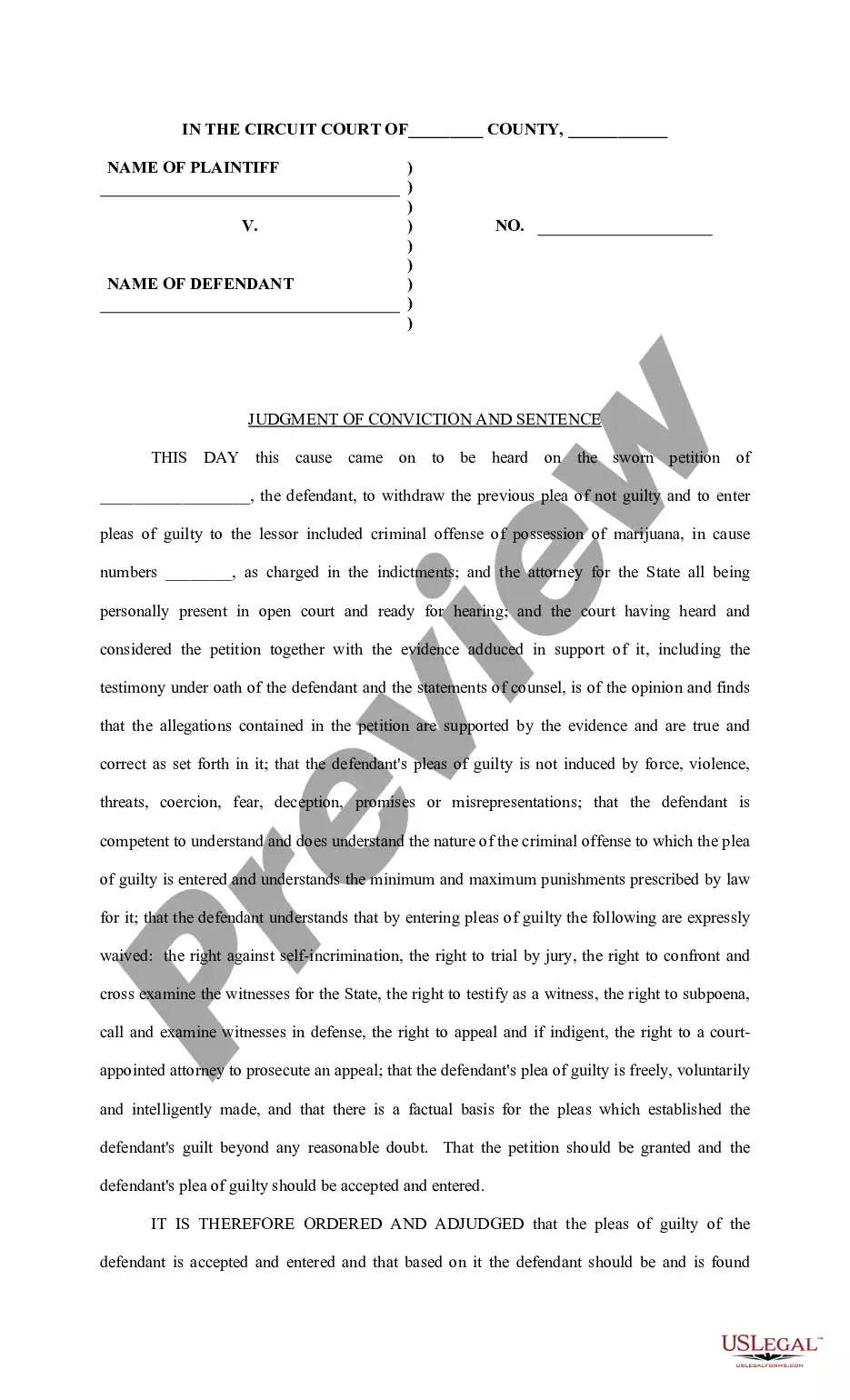
Get your form ready online
Our built-in tools help you complete, sign, share, and store your documents in one place.
Make edits, fill in missing information, and update formatting in US Legal Forms—just like you would in MS Word.
Download a copy, print it, send it by email, or mail it via USPS—whatever works best for your next step.
Sign and collect signatures with our SignNow integration. Send to multiple recipients, set reminders, and more. Go Premium to unlock E-Sign.
If this form requires notarization, complete it online through a secure video call—no need to meet a notary in person or wait for an appointment.
We protect your documents and personal data by following strict security and privacy standards.

Make edits, fill in missing information, and update formatting in US Legal Forms—just like you would in MS Word.

Download a copy, print it, send it by email, or mail it via USPS—whatever works best for your next step.

Sign and collect signatures with our SignNow integration. Send to multiple recipients, set reminders, and more. Go Premium to unlock E-Sign.

If this form requires notarization, complete it online through a secure video call—no need to meet a notary in person or wait for an appointment.

We protect your documents and personal data by following strict security and privacy standards.
Looking for another form?

How to fill out Judgment?
You can spend hours online searching for the valid document template that meets the federal and state requirements you need. US Legal Forms offers a vast array of legal templates that are reviewed by experts. It is easy to obtain or create the Connecticut Judgment through our service.
If you already possess a US Legal Forms account, you can Log In and click the Download button. After that, you can complete, modify, print, or sign the Connecticut Judgment. Every legal document template you purchase is yours permanently. To obtain another copy of any purchased form, visit the My documents tab and click the corresponding option.
If you are using the US Legal Forms website for the first time, follow the simple instructions below: First, ensure that you have chosen the correct document template for the county/town of your choice. Review the form description to confirm you have selected the right form. If available, utilize the Review option to examine the document template as well.
- If you wish to find another version of the form, use the Search section to locate the template that meets your needs and specifications.
- Once you have found the template you desire, click on Get now to continue.
- Select the pricing plan you prefer, enter your details, and register for an account on US Legal Forms.
- Complete the transaction. You can use your credit card or PayPal account to purchase the legal document.
- Choose the file format of the document and download it to your device.
- Make modifications to your document if necessary. You can complete, edit, sign, and print the Connecticut Judgment.
- Download and print a multitude of document templates using the US Legal Forms website, which offers the largest collection of legal forms. Utilize professional and state-specific templates to address your business or personal needs.
Form popularity
FAQ
Collection lawsuits have strict rules and if time deadlines are missed, a Default Judgment will be entered against you. Default Judgments can be reopened, but the procedures are precise and failure to act will leave you with no ability to challenge the Court Judgment in the future.
Money judgments entered in Connecticut can be secured by filing a Judgment Lien on Connecticut real estate owned by the judgment debtor. Recording judgment liens on real estate should be among the first steps taken by judgment creditors after obtaining a money judgment.
Money judgments entered in Connecticut can be secured by filing a Judgment Lien on Connecticut real estate owned by the judgment debtor.
(a) Any judgment rendered or decree passed upon a default or nonsuit in the Superior Court may be set aside, within four months following the date on which it was rendered or passed, and the case reinstated on the docket, on such terms in respect to costs as the court deems reasonable, upon the complaint or written ...
How long does a judgment lien last in Connecticut? A judgment lien in Connecticut will remain attached to the debtor's property (even if the property changes hands) for 20 years (for liens on real estate) or five years (liens on personal property).
If you don't pay the judgment, the plaintiff can ask the court for an order called an execution to collect the money from you. Some types of income and assets are protected by law. The plaintiff has 10 years to collect the judgment.