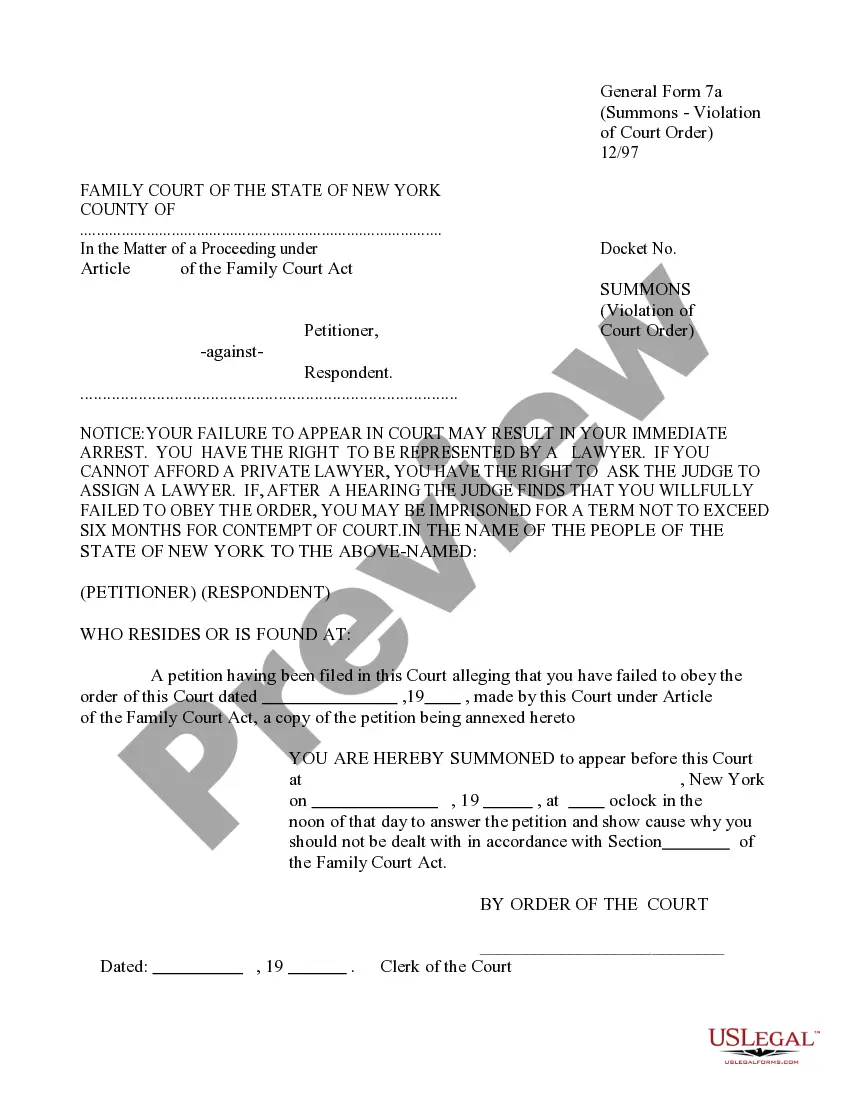
Connecticut Letter from Tenant to Landlord responding to Notice to Terminate for Noncompliance - Noncompliant condition caused by Landlord's own deliberate or negligent act
Overview of this form
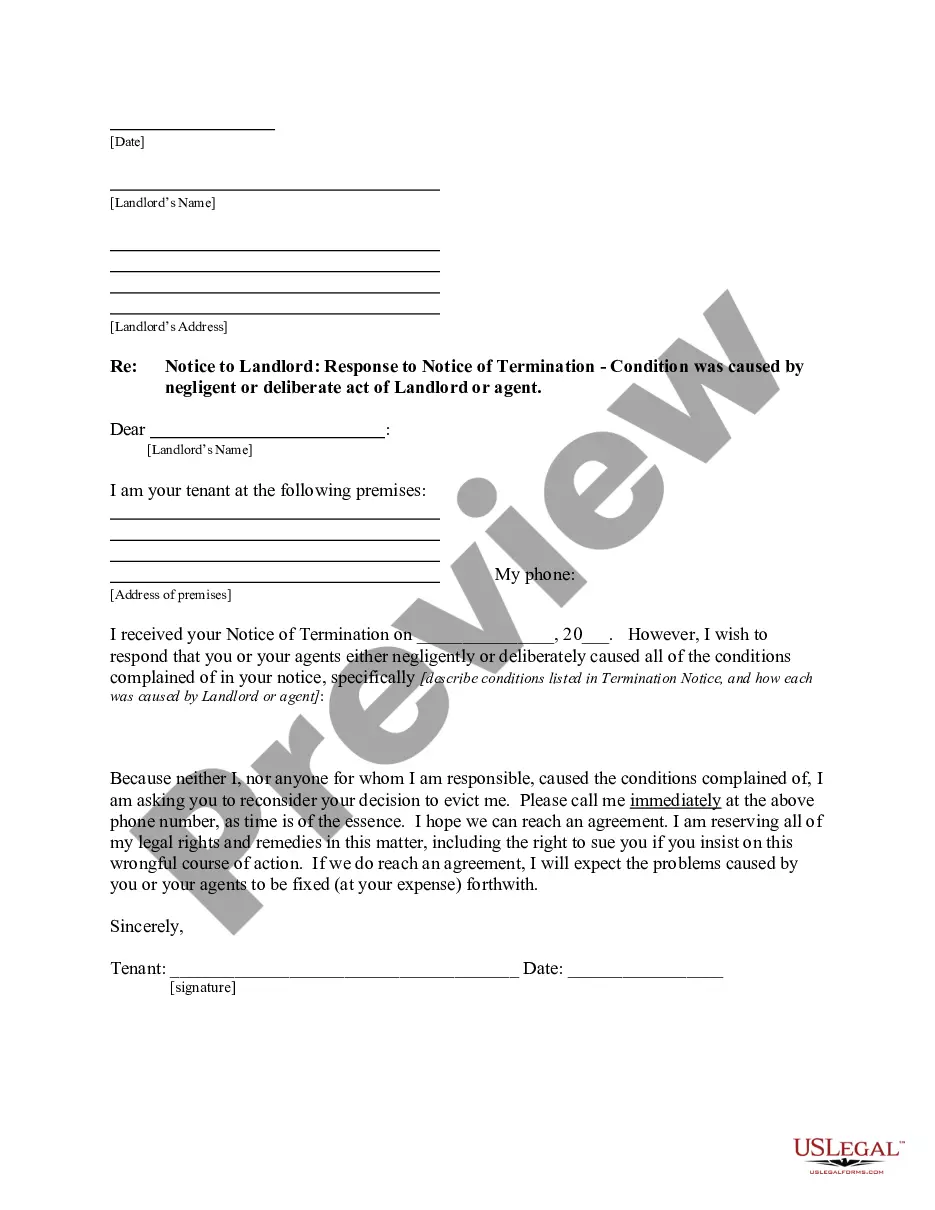
This form is a Letter from Tenant to Landlord responding to a Notice to Terminate for Noncompliance. It is specifically designed for situations where the tenant's noncompliance stems from the landlord's own actions, either deliberate or negligent. This letter allows the tenant to formally contest the eviction notice, asserting that the landlord is responsible for the issues leading to eviction. Unlike standard eviction response letters, this form emphasizes the landlord's faults and requests immediate repairs to the property while preserving the tenant's legal rights.
Key parts of this document
- Tenant's full name and contact information
- Landlord's name and contact information
- Date of the notice received
- Specific description of the noncompliant conditions
- Request for immediate repairs and non-eviction
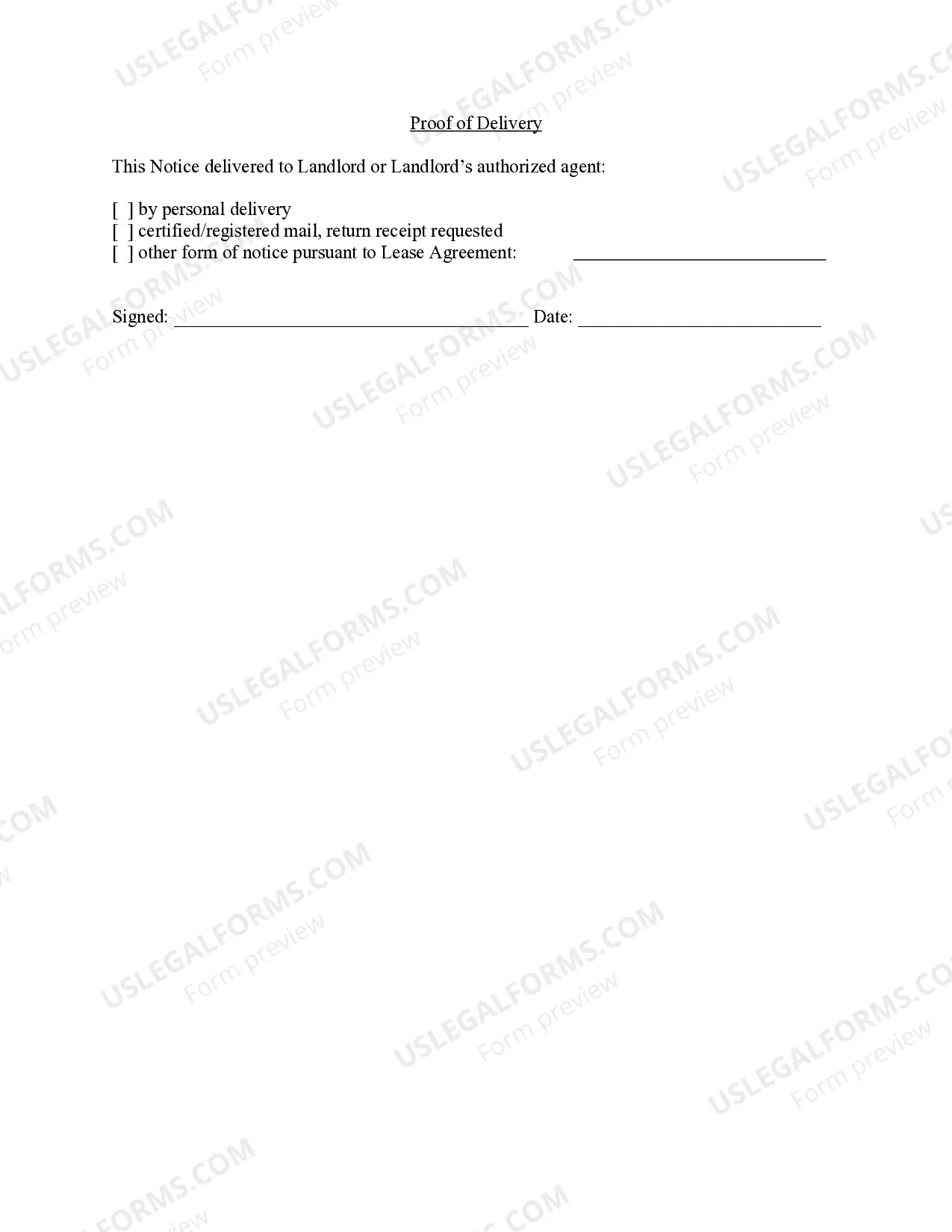
- Signature of the tenant and proof of delivery method




Common use cases
Use this form when you, as a tenant, have received a notice from your landlord indicating an eviction due to noncompliance. If the reasons for this notice directly relate to actions taken by the landlord or their agents, this letter will help you assert your rights, request necessary repairs, and challenge the eviction. It is crucial in situations where landlords fail to maintain the property or create conditions leading to complaints.
Who needs this form
This form is intended for:
- Tenants facing eviction notices due to alleged noncompliance.
- Individuals who can demonstrate that the landlord's actions have contributed to the noncompliance.
- Those seeking to formally communicate with their landlord about property issues and repairs.
Steps to complete this form
Follow these steps to complete this form:
- Identify the tenant and landlord by entering their full names and contact information.
- Note the date you received the eviction notice from the landlord.
- Clearly describe the noncompliant conditions caused by the landlordâs actions.
- State your request for immediate repairs and indicate your desire to avoid eviction.
- Sign and date the letter to validate it legally.
- Choose an appropriate delivery method for sending the letter (e.g., certified mail or personal delivery).
Does this form need to be notarized?
This form does not typically require notarization unless specified by local law. Always check your stateâs requirements or consult with a legal professional if you are unsure.
Get your form ready online
Our built-in tools help you complete, sign, share, and store your documents in one place.
Make edits, fill in missing information, and update formatting in US Legal Forms—just like you would in MS Word.
Download a copy, print it, send it by email, or mail it via USPS—whatever works best for your next step.
Sign and collect signatures with our SignNow integration. Send to multiple recipients, set reminders, and more. Go Premium to unlock E-Sign.
If this form requires notarization, complete it online through a secure video call—no need to meet a notary in person or wait for an appointment.
We protect your documents and personal data by following strict security and privacy standards.

Make edits, fill in missing information, and update formatting in US Legal Forms—just like you would in MS Word.

Download a copy, print it, send it by email, or mail it via USPS—whatever works best for your next step.

Sign and collect signatures with our SignNow integration. Send to multiple recipients, set reminders, and more. Go Premium to unlock E-Sign.

If this form requires notarization, complete it online through a secure video call—no need to meet a notary in person or wait for an appointment.

We protect your documents and personal data by following strict security and privacy standards.
Avoid these common issues
- Failing to provide specific details about the noncompliant conditions.
- Not keeping a copy of the letter and proof of delivery for personal records.
- Using vague language that does not clearly assert the tenant's position.
- Not signing the letter, which can render it ineffective.
Benefits of using this form online
- Convenience of downloading and filling out the form from home.
- Access to templates drafted by licensed attorneys with legal expertise.
- Editable formats allow you to customize the form as per your needs.
- Immediate access and saving time compared to visiting a legal office.
Looking for another form?
Form popularity
FAQ
If a landlord wants to evict a tenant for nonpayment of rent, then he or she must give the tenant a 3-day Notice to Vacate. For any other reason, the landlord must give the tenant at least a 15-day Notice to Vacate. If the tenant can repair the issue within 15 days, the landlord cannot evict the tenant.
If the tenant fails to cure the issue or vacate the premises at the end of the written time-frame, the landlord must file a Summons and either a Complaint for Lapse of Time or a Complaint for Non-Payment of Rent with The Court and include a fee in the amount of $175.
A landlord may file a Notice to Quit on August 22, since Connecticut law stipulates that an eviction can proceed three days after a Notice to Quit is served. Notices to Quit for nonpayment of rent must specify the months of past-due rent.
LANDLORD AND TENANT. You asked if any state bans winter evictions and for a comparison of Massachusetts' eviction laws to Connecticut's. No state bans winter evictions.
A landlord can only evict a tenant by going to court. It is illegal for a landlord to try to evict a tenant without a court order.
In most situations your landlord does not need to give you a reason (although acting on discriminatory or retaliatory motives is illegal). A landlord can simply give you a written notice to move, allowing you three days as required by Connecticut law and specifying the date on which your tenancy will end.
If a landlord wants to evict a tenant for nonpayment of rent, then he or she must give the tenant a 3-day Notice to Vacate. For any other reason, the landlord must give the tenant at least a 15-day Notice to Vacate. If the tenant can repair the issue within 15 days, the landlord cannot evict the tenant.
In most cases, you give the landlord/agent a written termination notice and vacate ('give vacant posession') move out and return the keys according to your notice. You can vacate before the date in your termination notice but keep paying rent until the end of the notice period.