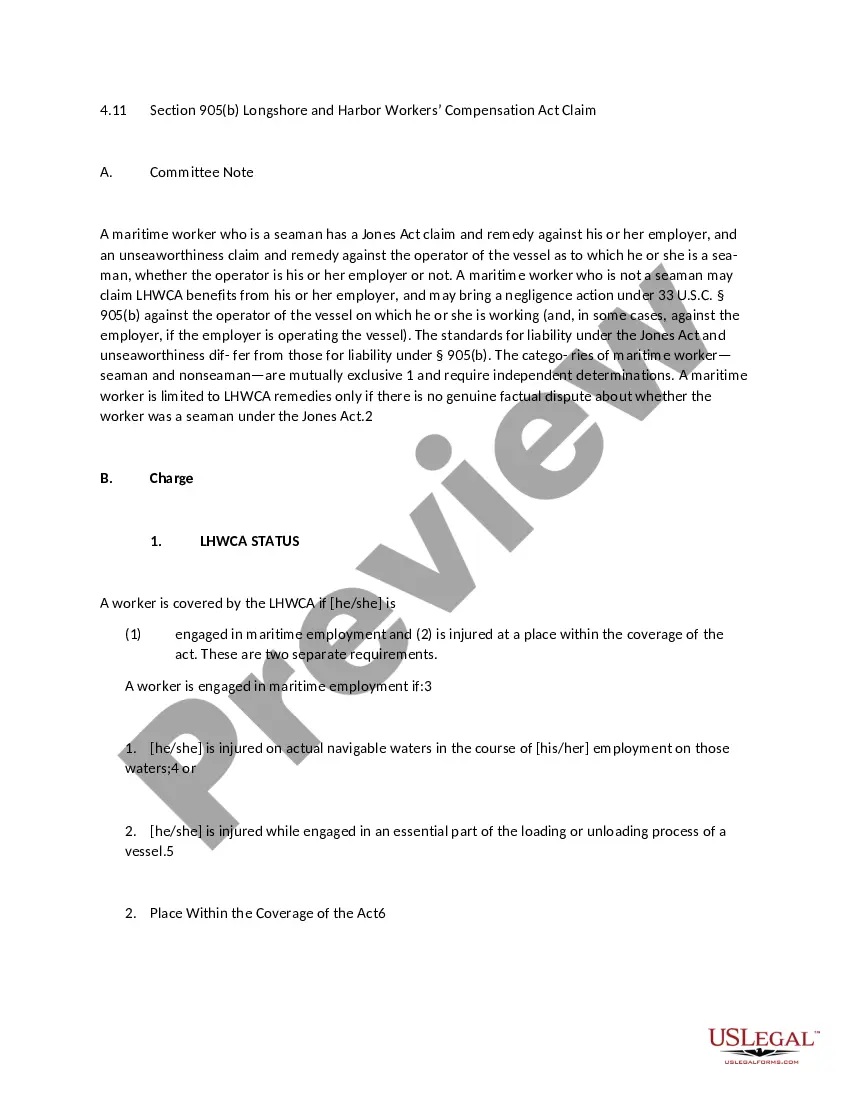
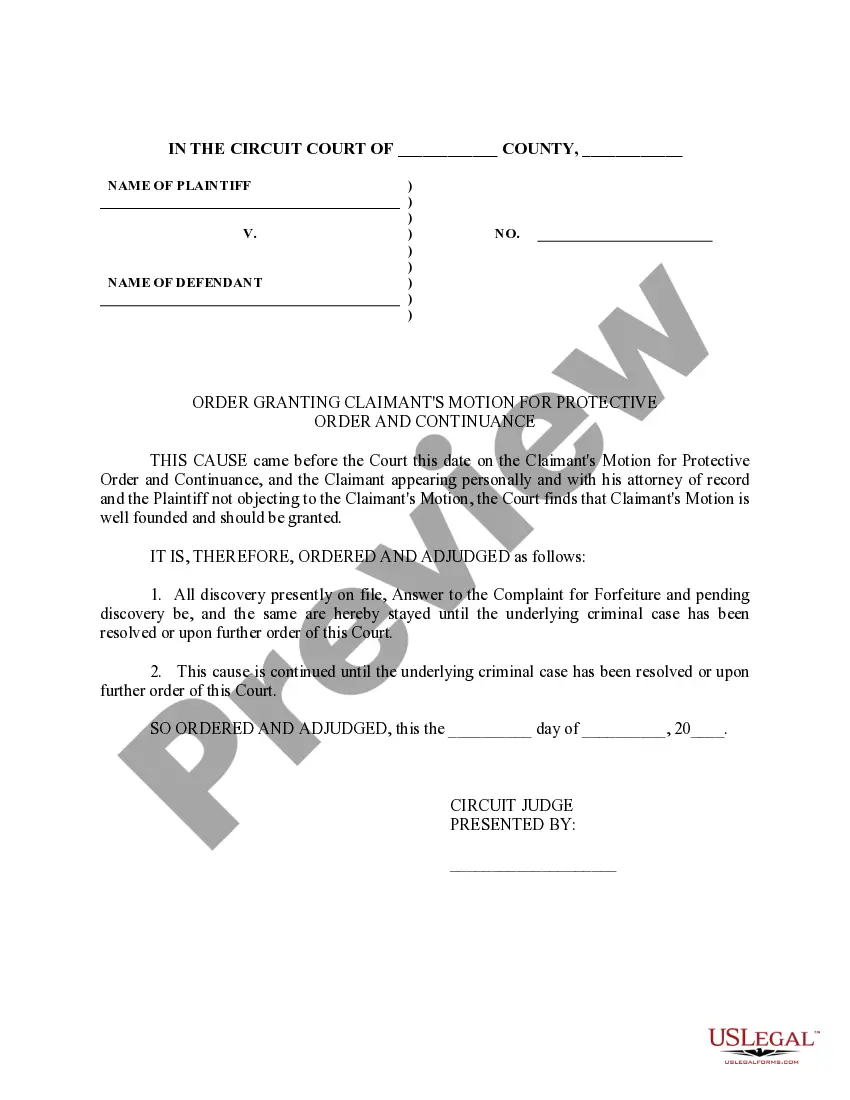
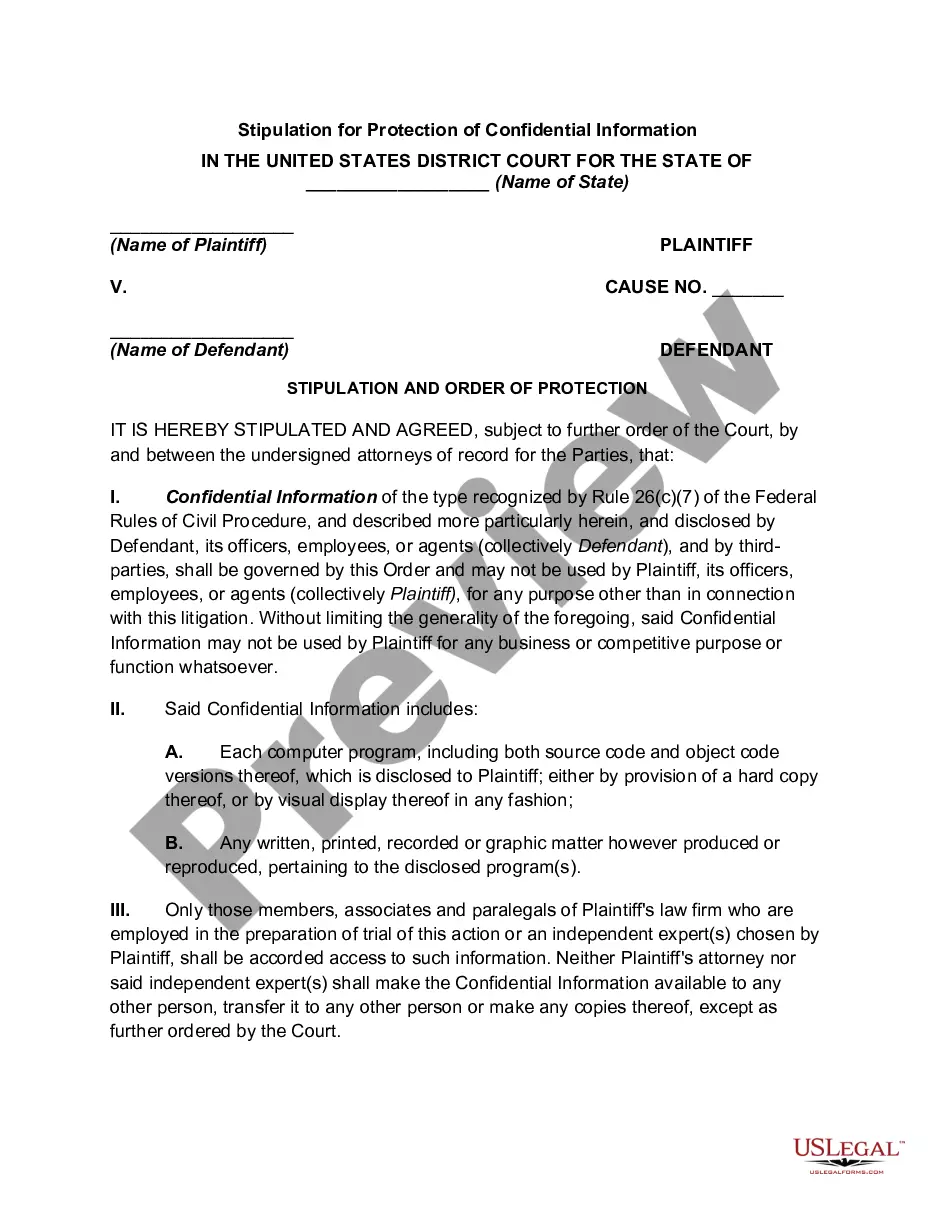
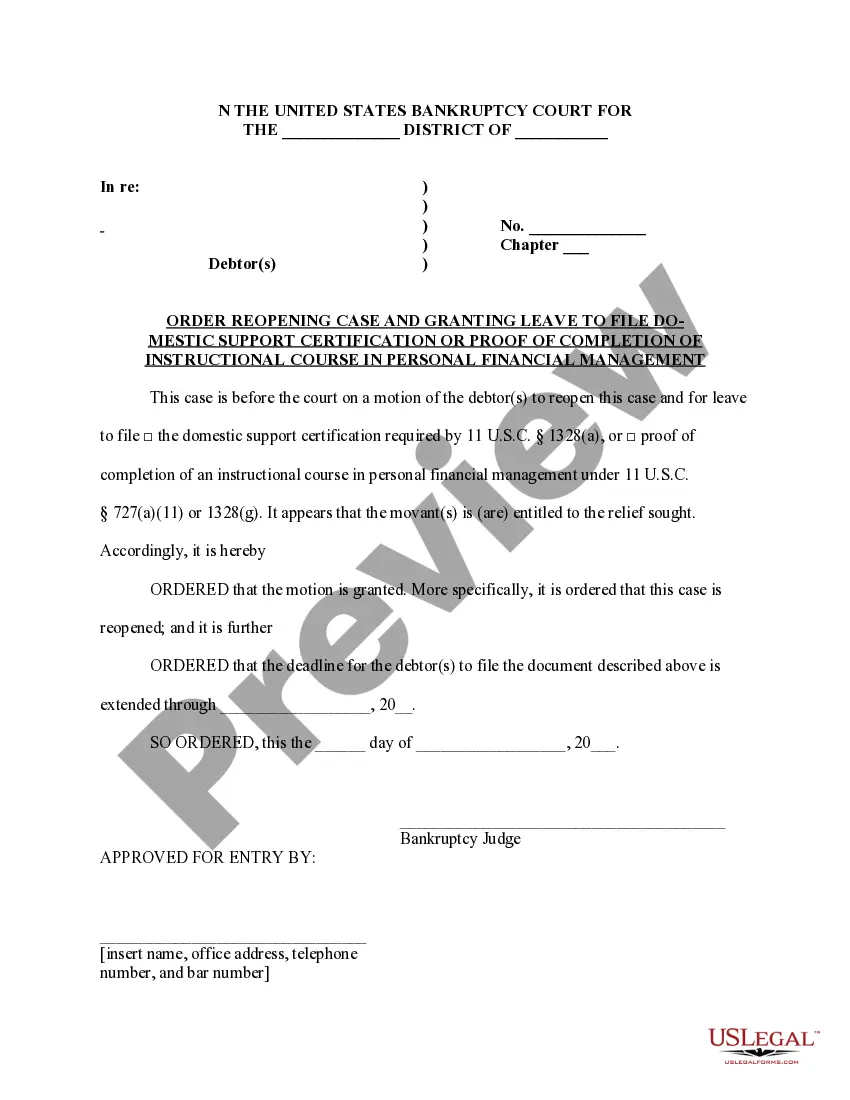
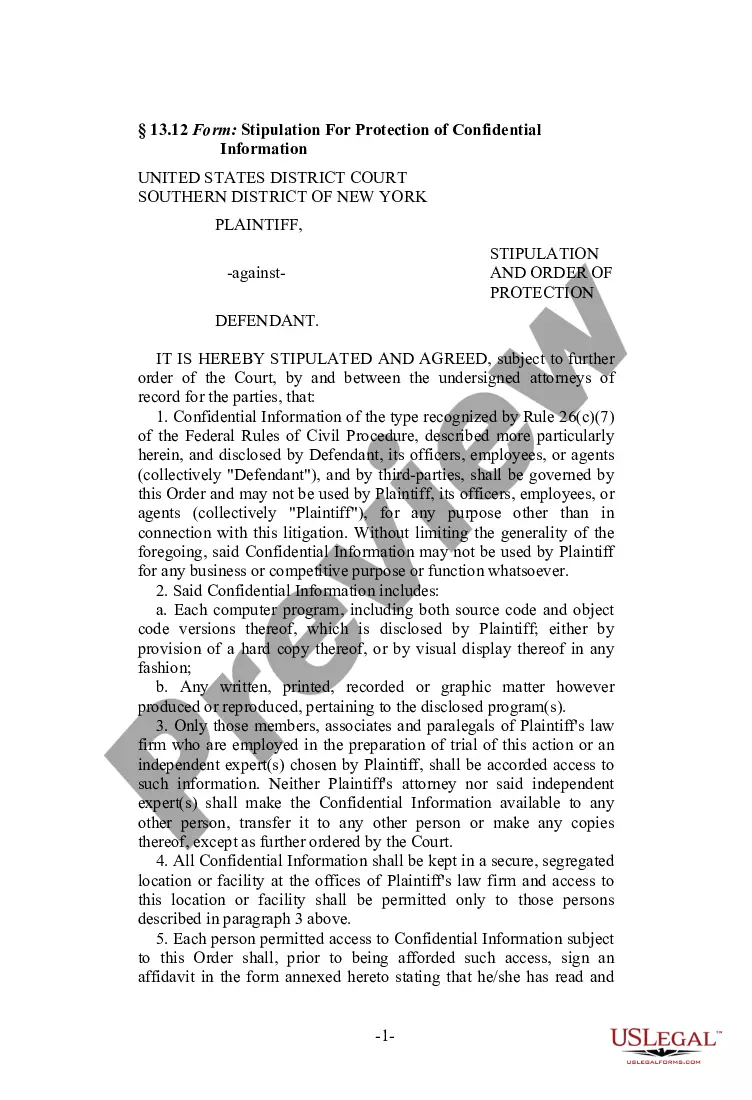
Colorado Order Granting Protective Order
Description
Get your form ready online
Our built-in tools help you complete, sign, share, and store your documents in one place.
Make edits, fill in missing information, and update formatting in US Legal Forms—just like you would in MS Word.
Download a copy, print it, send it by email, or mail it via USPS—whatever works best for your next step.
Sign and collect signatures with our SignNow integration. Send to multiple recipients, set reminders, and more. Go Premium to unlock E-Sign.
If this form requires notarization, complete it online through a secure video call—no need to meet a notary in person or wait for an appointment.
We protect your documents and personal data by following strict security and privacy standards.

Make edits, fill in missing information, and update formatting in US Legal Forms—just like you would in MS Word.

Download a copy, print it, send it by email, or mail it via USPS—whatever works best for your next step.

Sign and collect signatures with our SignNow integration. Send to multiple recipients, set reminders, and more. Go Premium to unlock E-Sign.

If this form requires notarization, complete it online through a secure video call—no need to meet a notary in person or wait for an appointment.

We protect your documents and personal data by following strict security and privacy standards.
Looking for another form?



How to fill out Order Granting Protective Order?
Are you presently in a scenario where you require documentation for either business or personal purposes nearly every day? There are numerous legal document templates available online, but finding ones that you can rely on isn't straightforward. US Legal Forms offers a vast array of form templates, including the Colorado Order Granting Protective Order, which is designed to comply with federal and state requirements.
If you are already familiar with the US Legal Forms website and possess an account, simply Log In. After that, you can download the Colorado Order Granting Protective Order template.
If you do not have an account and wish to start using US Legal Forms, follow these instructions: Obtain the form you need and ensure it is for the correct city/state. Use the Review option to evaluate the form. Check the details to confirm that you have selected the right form. If the form isn't what you are looking for, use the Search field to find the form that fits your needs and requirements. Once you find the correct form, click Purchase now. Select the pricing plan you prefer, fill in the necessary information to create your account, and pay for the transaction using your PayPal or credit card. Choose a suitable paper format and download your copy.
Refrain from altering or deleting any HTML tags. Only replace plain text outside of the HTML tags.
- Find all the document templates you have purchased in the My documents section.
- You can acquire an additional copy of the Colorado Order Granting Protective Order at any time, if necessary.
- Simply click the required form to download or print the document template.
- Utilize US Legal Forms, one of the most extensive collections of legal forms, to save time and avoid mistakes.
- The service offers professionally crafted legal document templates that you can use for various purposes.
- Create your account on US Legal Forms and start simplifying your life.
Form popularity
FAQ
A filing fee of $ 85.00 is required except when the Person seeking a protection order is a victim of domestic abuse, stalking, sexual assault or unlawful sexual contact. If you cannot afford the filing fee, you may fill out a motion to file without payment. If approved, your filing fee will be waived.
A Protection Order, also referred to as a restraining order, means ?any order that prohibits the Restrained Person from contacting, harassing, injuring, intimidating, molesting, threatening, touching, stalking, sexually assaulting or abusing any Protected Person, or from entering or remaining on premises, or from ...
The major differences between a civil protection order and a no-contact agreement pertain to enforcement and penalties. Violating a protection order can result in either an arrest or a citation. With a no-contact agreement, you only call the police if a criminal law has been violated.
Restraining orders are public record, so they are documented and accessible by the public. However, they are not criminal convictions, so an employer who checks only for convictions will probably not find out about the criminal restraining order.
You can file an opposition to the application or a motion asking the court to dissolve or modify the order, or you can appeal from the court's grant of an extended protection order.
Restraining orders are public record, so they are documented and accessible by the public. However, they are not criminal convictions, so an employer who checks only for convictions will probably not find out about the criminal restraining order.