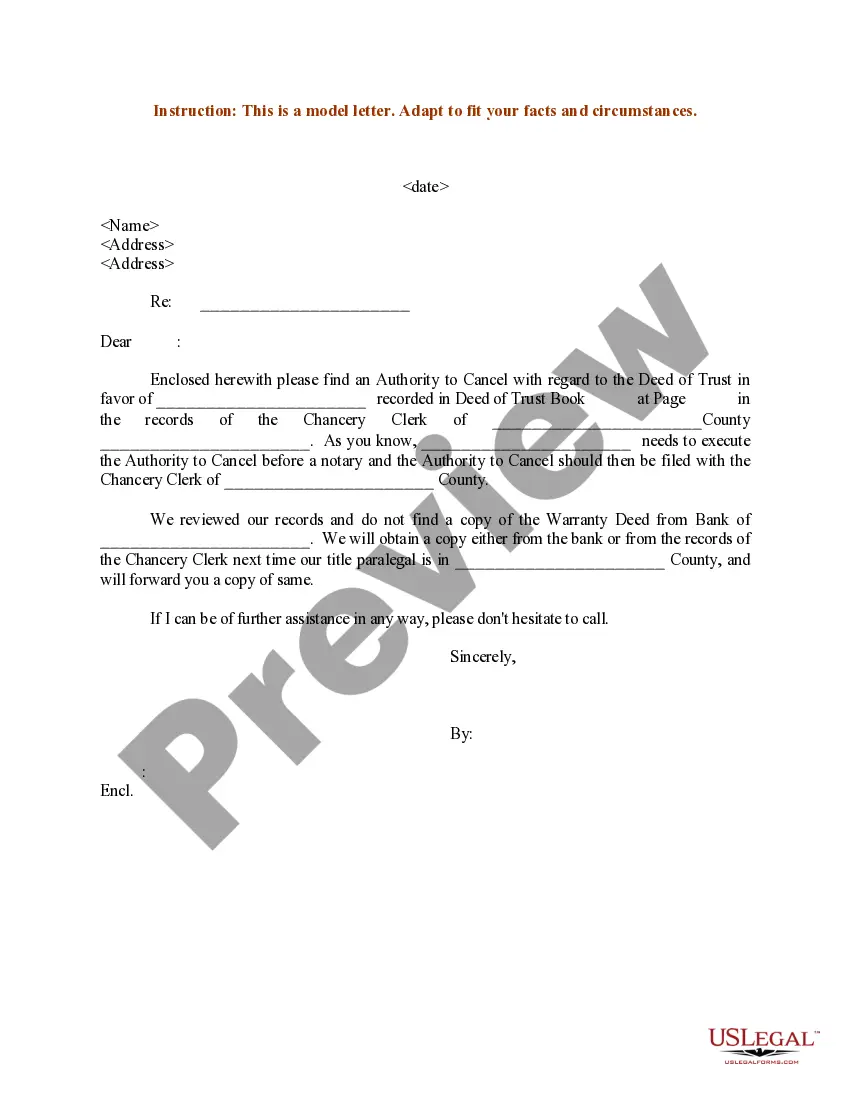
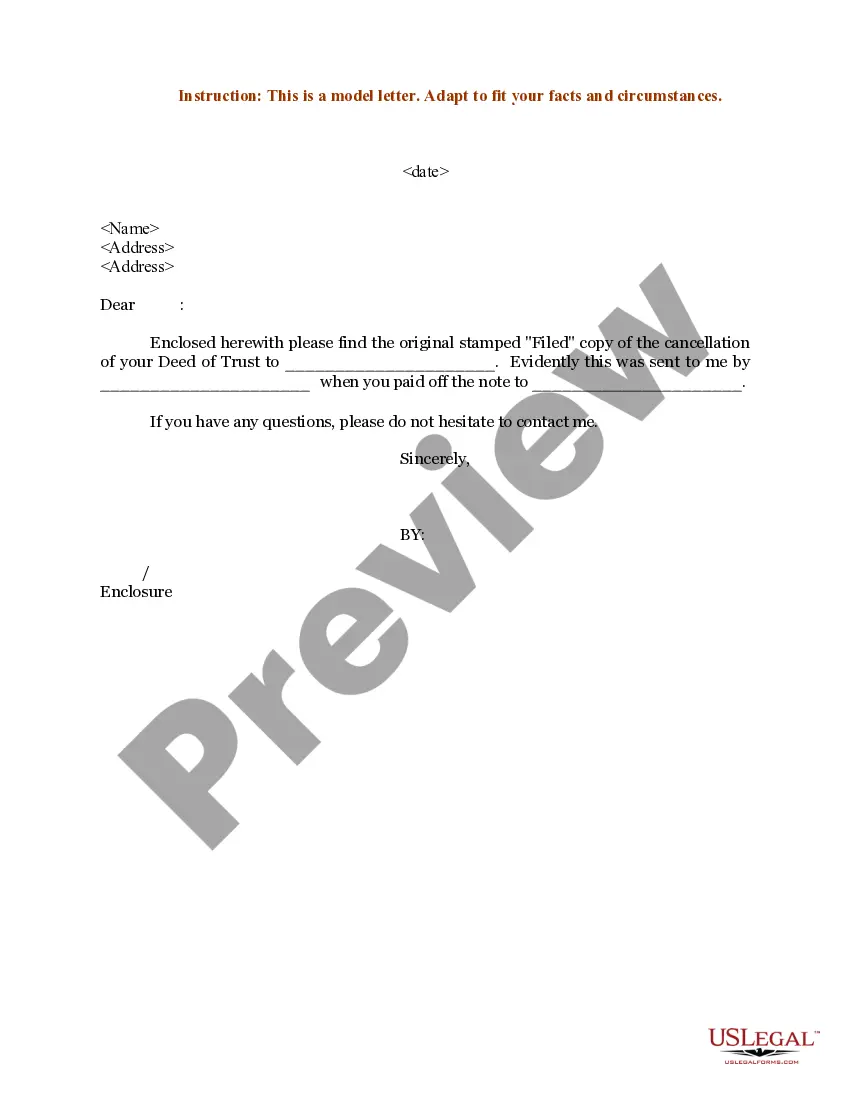
Colorado Sample Letter regarding Authority to Cancel Deed of Trust
Description
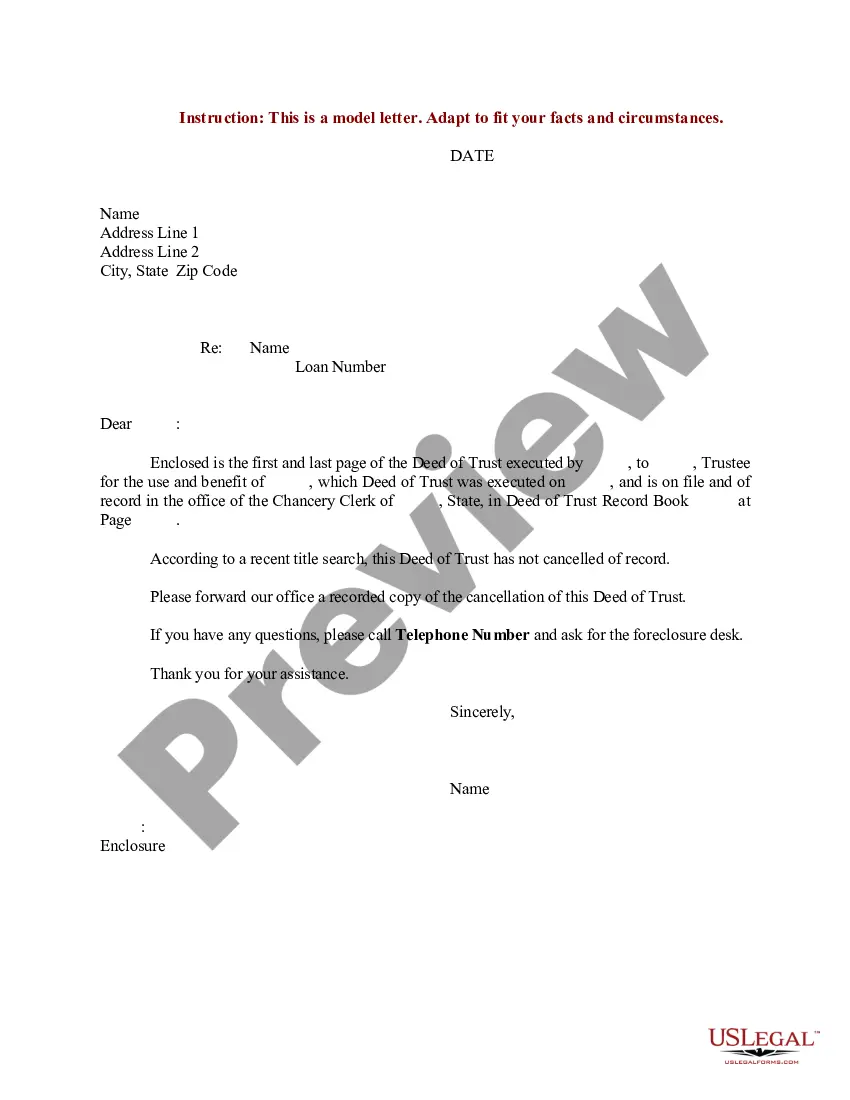
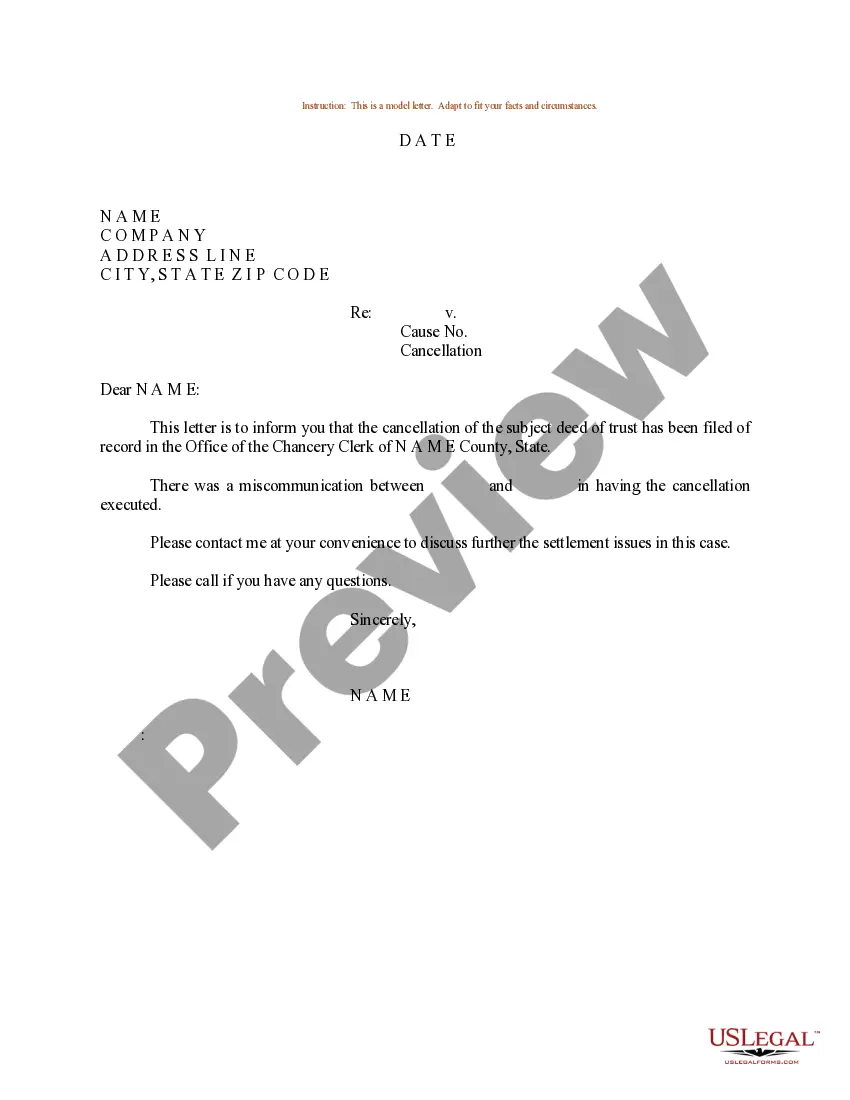
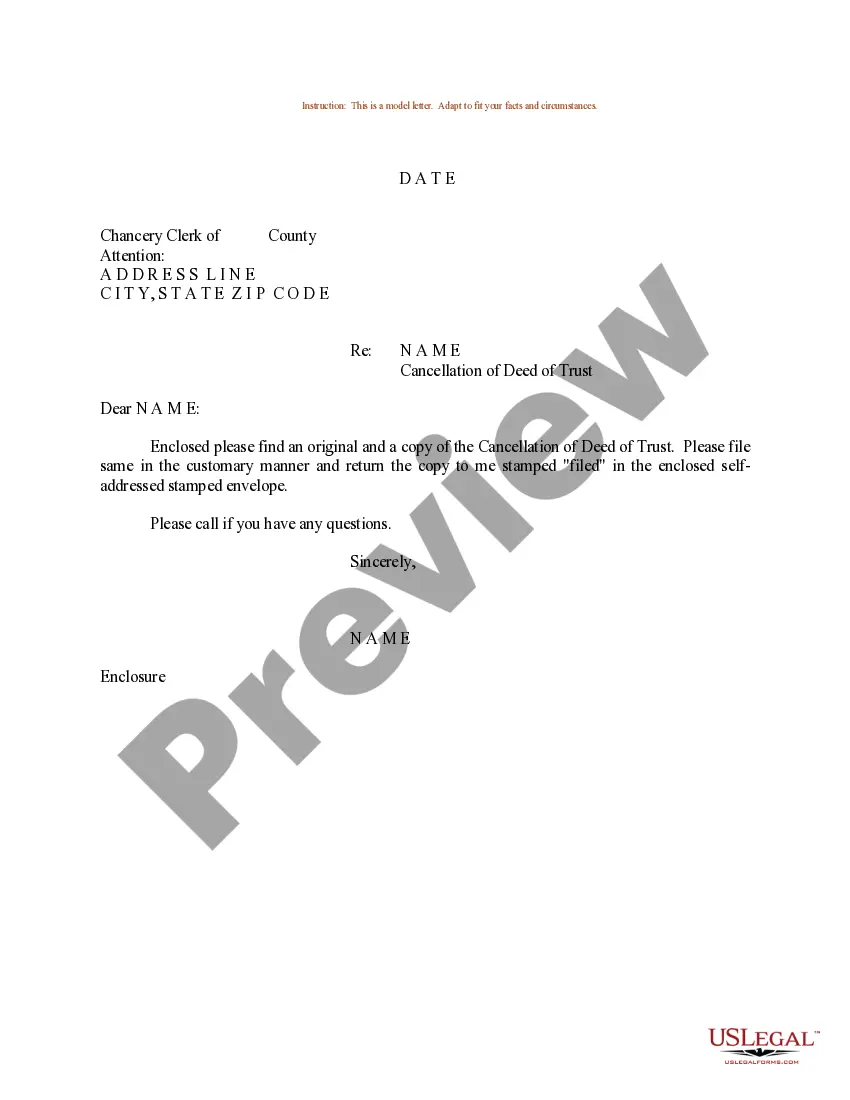

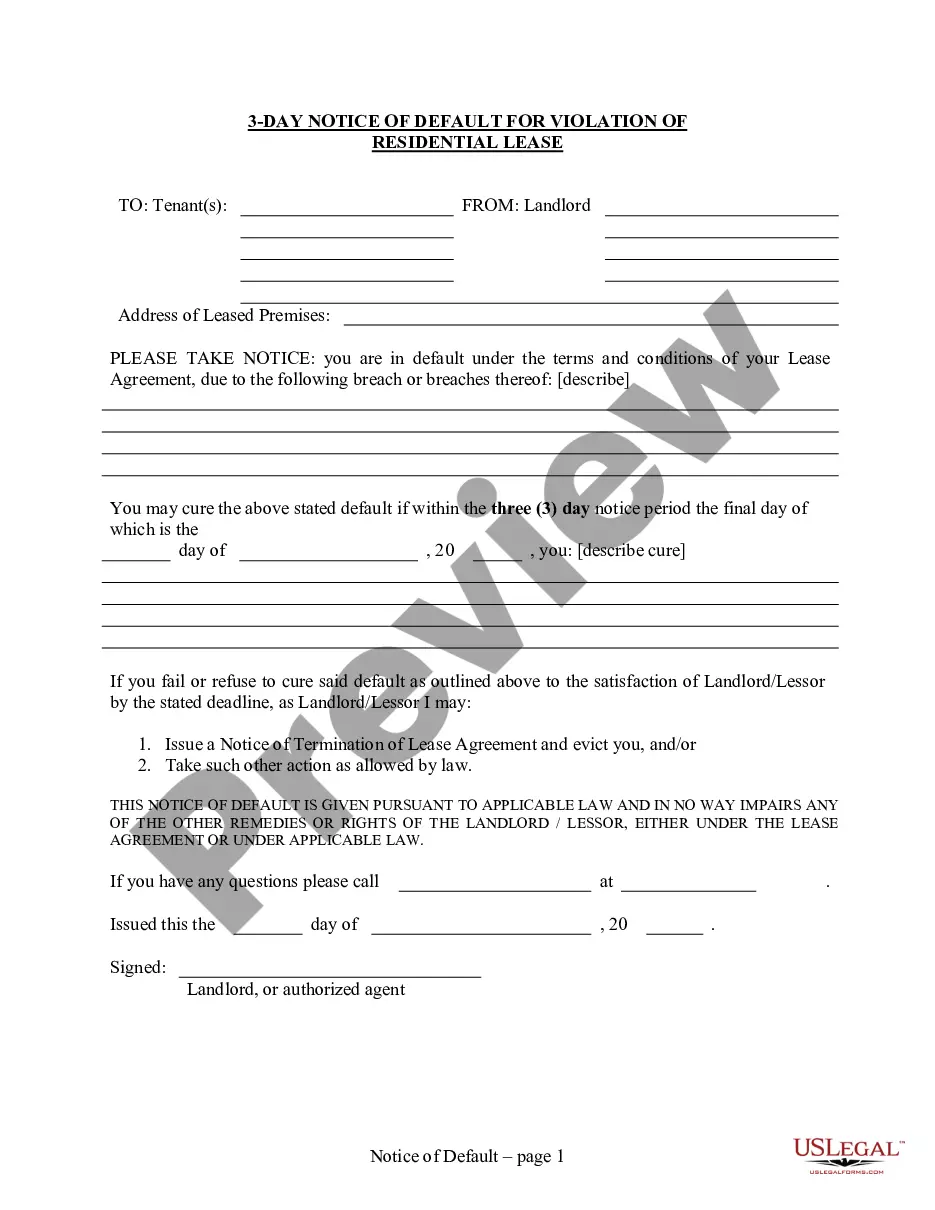



How to fill out Sample Letter Regarding Authority To Cancel Deed Of Trust?
Selecting the appropriate legal document design can be quite a challenge. Naturally, there are numerous templates available online, but how can you locate the legal type you desire? Utilize the US Legal Forms website. The service offers a vast array of templates, such as the Colorado Sample Letter concerning Authority to Cancel Deed of Trust, which can be used for both business and personal needs. All the documents are verified by experts and meet federal and state requirements.
If you are already registered, Log In to your account and click on the Acquire button to obtain the Colorado Sample Letter concerning Authority to Cancel Deed of Trust. Use your account to browse through the legal documents you have purchased previously. Proceed to the My documents section of your account and obtain another copy of the document you need.
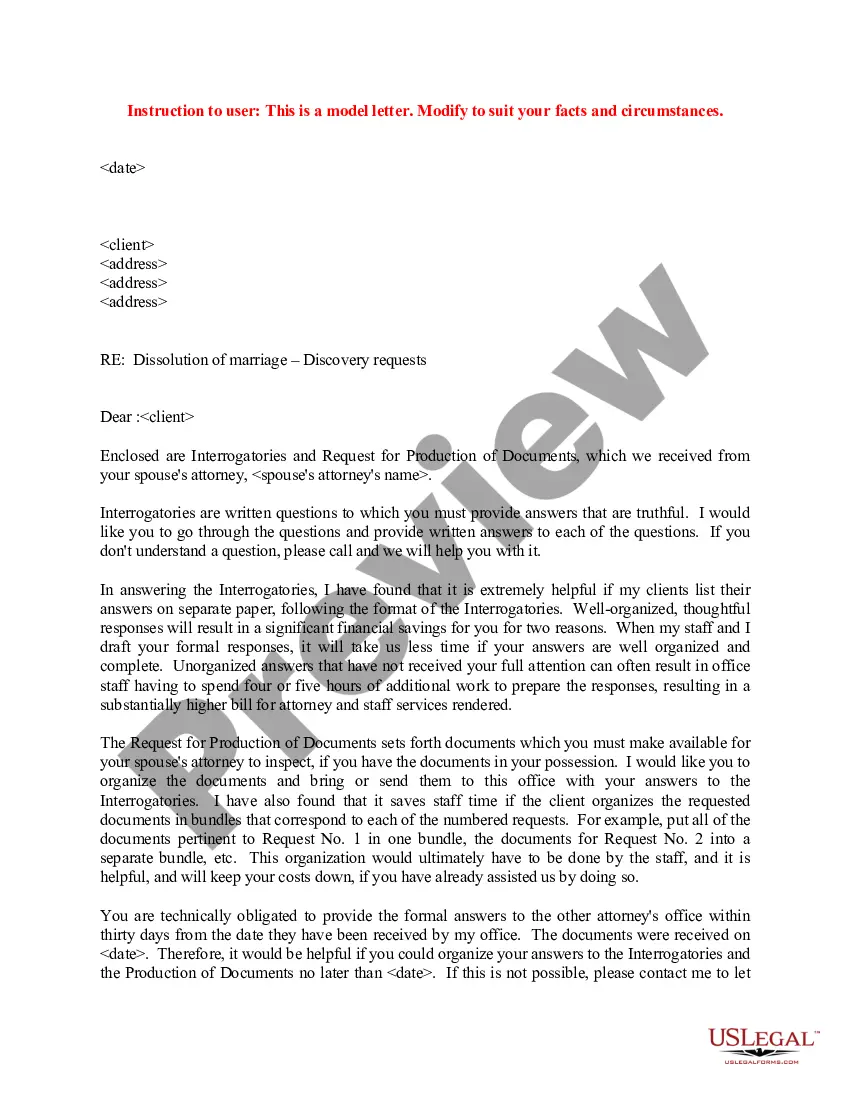
If you are a new user of US Legal Forms, here are simple instructions that you should follow: First, ensure you have selected the correct form for your city/state. You can review the form using the Preview button and read the form description to confirm this is the right one for you. If the form does not meet your expectations, utilize the Search field to find the suitable form. When you are confident that the form is appropriate, click the Get now button to acquire the form. Choose the pricing plan you want and enter the necessary information. Create your account and complete your purchase using your PayPal account or credit card. Select the file format and download the legal document template to your device. Complete, edit, print, and sign the obtained Colorado Sample Letter concerning Authority to Cancel Deed of Trust.
Take advantage of US Legal Forms to simplify your legal documentation process.
- US Legal Forms is the largest collection of legal forms where you can find a variety of document templates.
- Utilize the service to download professionally crafted paperwork that adhere to state regulations.
- Access a comprehensive range of templates tailored for different legal needs.
- Easily navigate through your account to manage previously acquired documents.
- Enjoy the convenience of online access to legal resources.
- Benefit from expert verification of documents to ensure compliance.
Form popularity
FAQ
Over to the Trustees mentioned hereunder, is hereby acknowledged by the Trustees, who hereby accept the appointment as such Trustees of the said Trust, under the terms and conditions, set out hereunder for the fulfillment of the objects of the Trust, more fully and particularly described and set out hereunder.
A deed of trust, also called a trust deed, is the functional equivalent of a mortgage. It does not transfer the ownership of real property, as the typical deed does. Like a mortgage, a trust deed makes a piece of real property security (collateral) for a loan.
A deed of trust will include the same type of information stated in a mortgage document, such as: The identities of the borrower, lender, and trustee. A full description of the property to be placed in trust. Any restrictions or requirements on the use of the property while it is in trust.
Some trusts are 20 to 40+ pages in length due to all of the provisions, definitions, and contingencies that align with the goals of the person making the trust which may not be able to accomplish these goals if they are not included.
A trust deed is a legal document that sets out the rules for establishing and operating your fund. It includes such things as the fund's objectives, who can be a member and whether benefits can be paid as a lump sum or income stream.
There are two basic types of Deeds of Trust, the Long Form and the Short Form. The Long Form, which could be 20-30 pages long, is the one used by institutional lenders. The Short Form is the one that is most usually prepared by your Escrow Officer.
You will usually be discharged after four years, but some trust deeds can last for longer. This information will be included in the terms of the trust deed. If the trust deed does not become protected, your discharge will only be binding on those creditors who agreed to the arrangement.
The cover/front page bearing the name of the Trust. The schedule page having the names of the trustees, the names of the beneficiaries and date of registration of the Trust.