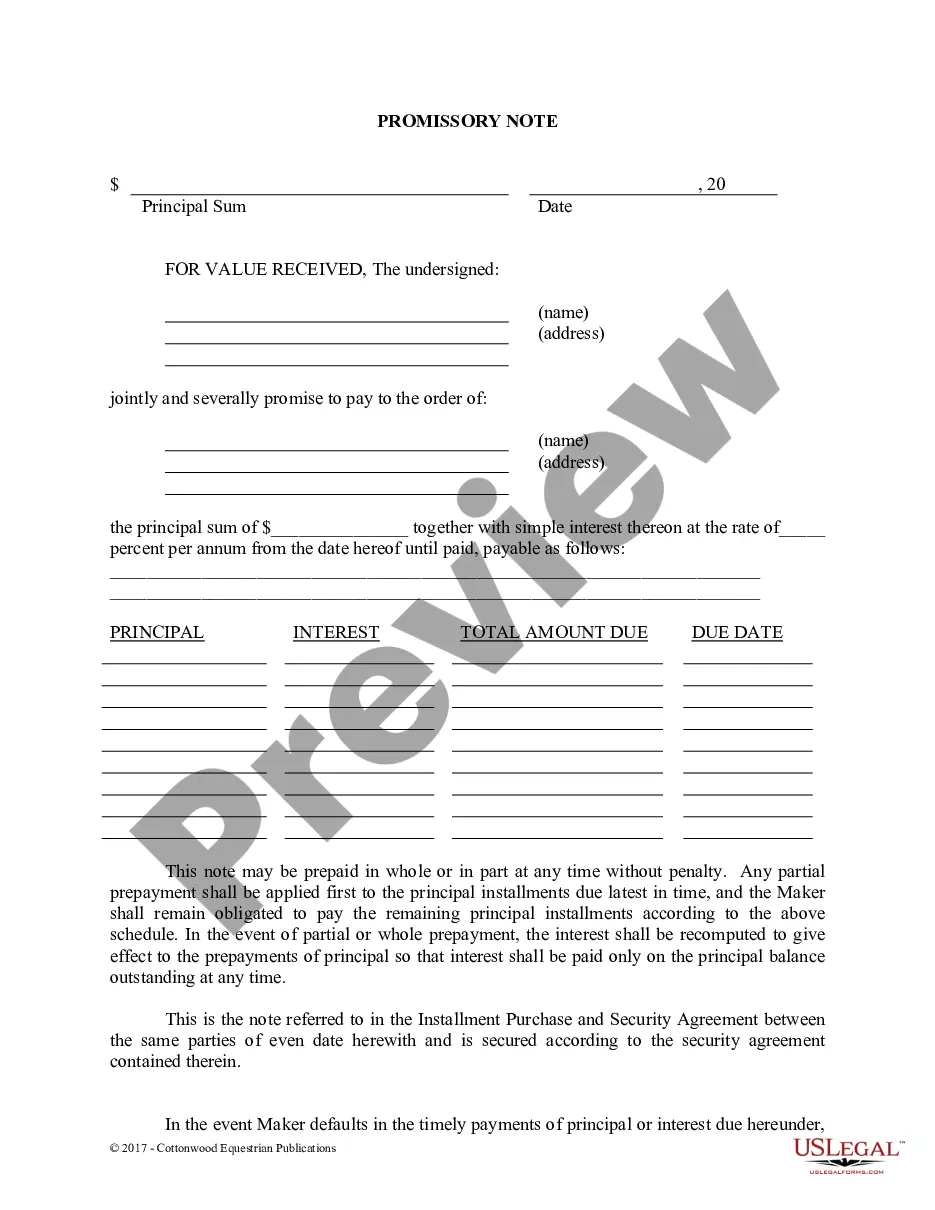
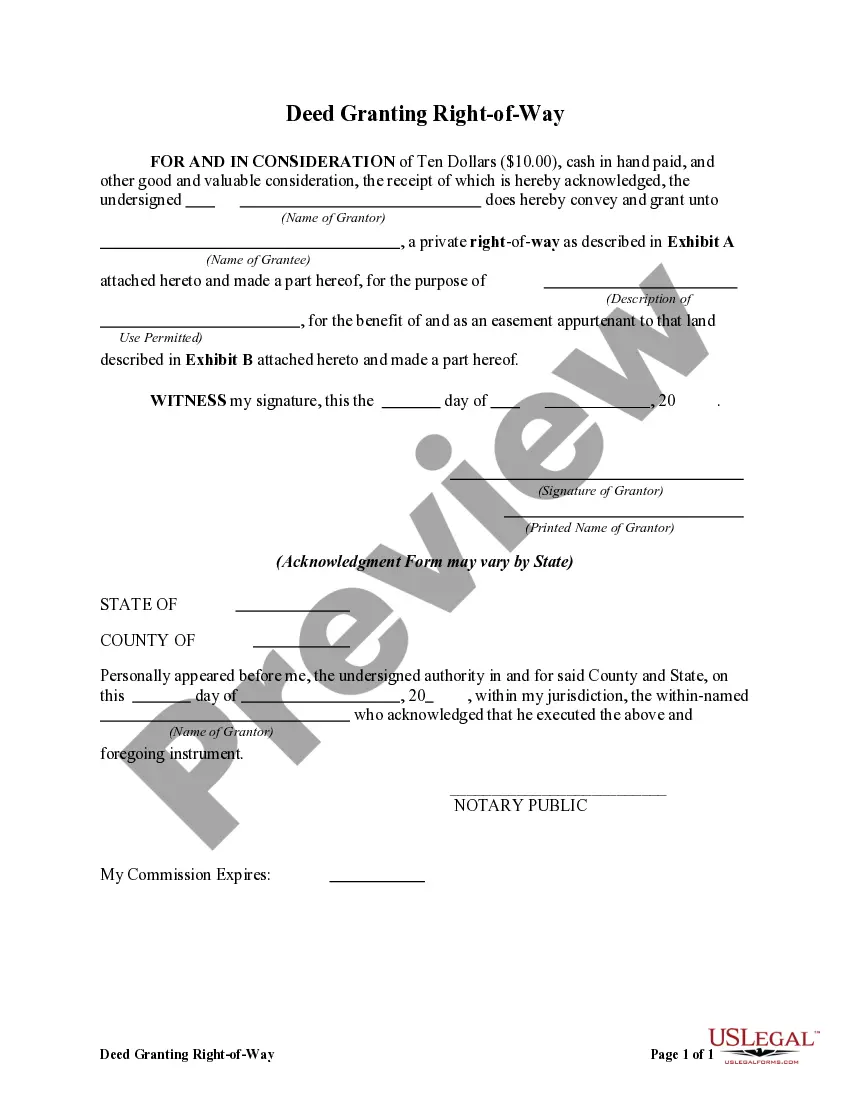
Colorado Grant of Easement
Understanding this form
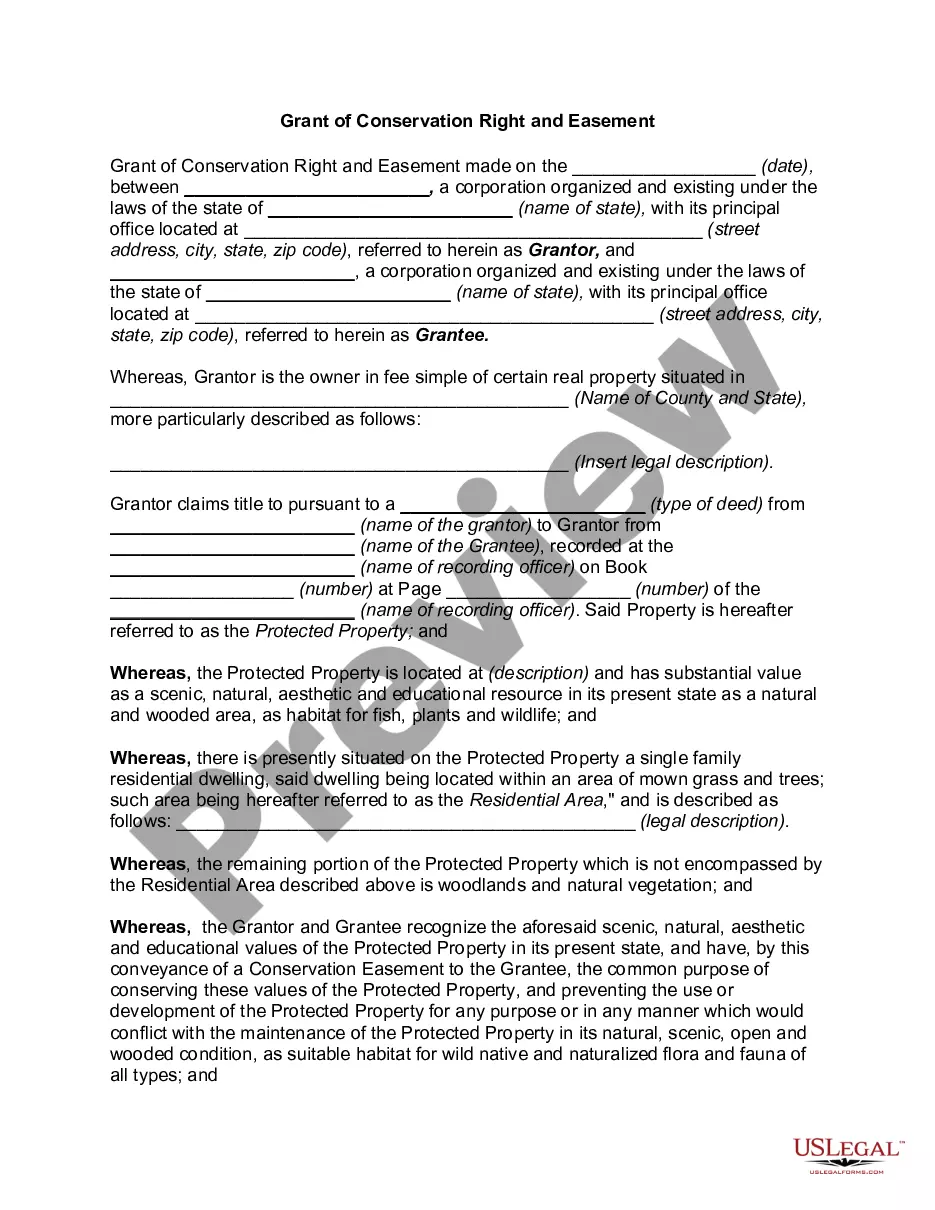
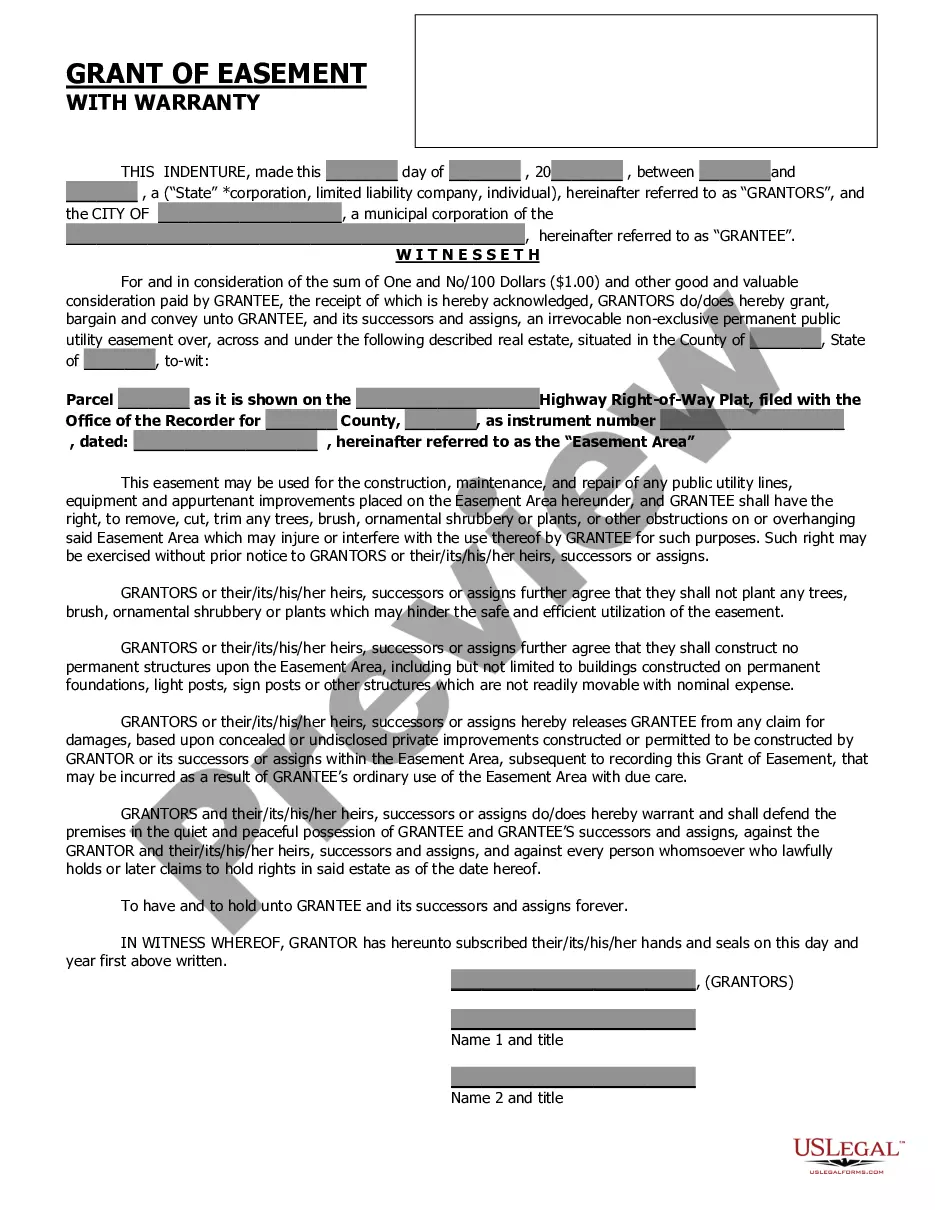
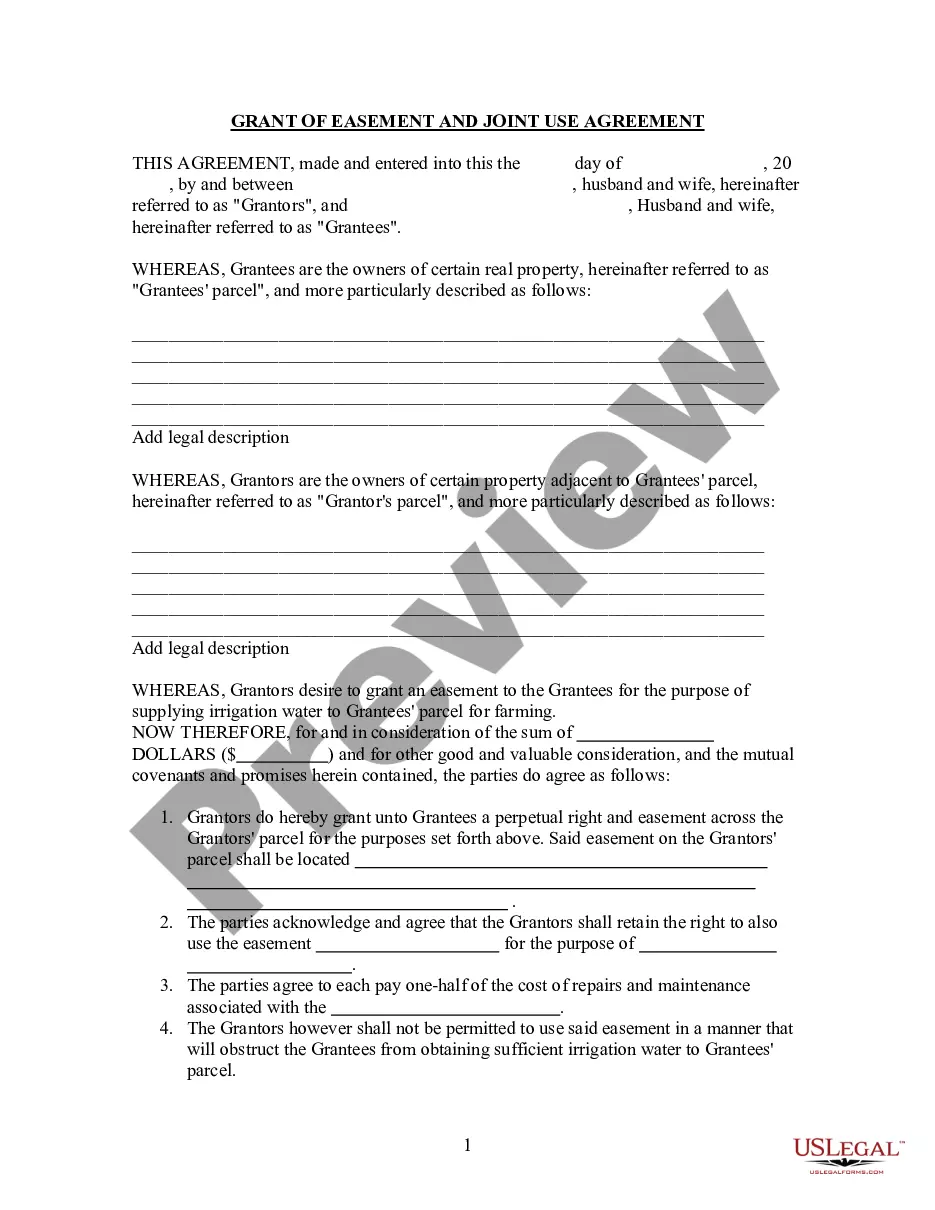
The Grant of Easement is a legal document that allows an individual or organization to use another person's land for a specific purpose without taking ownership. This form grants limited rights, such as access for utilities or pathways, while leaving the property owner's rights intact. Unlike a lease, it does not confer the right to occupy the land or profit from it. Understanding the nuances of this document is essential for anyone engaged in property transactions or land development.
Form components explained
- Recorder Information: Space for the name and address of the recorder for public record
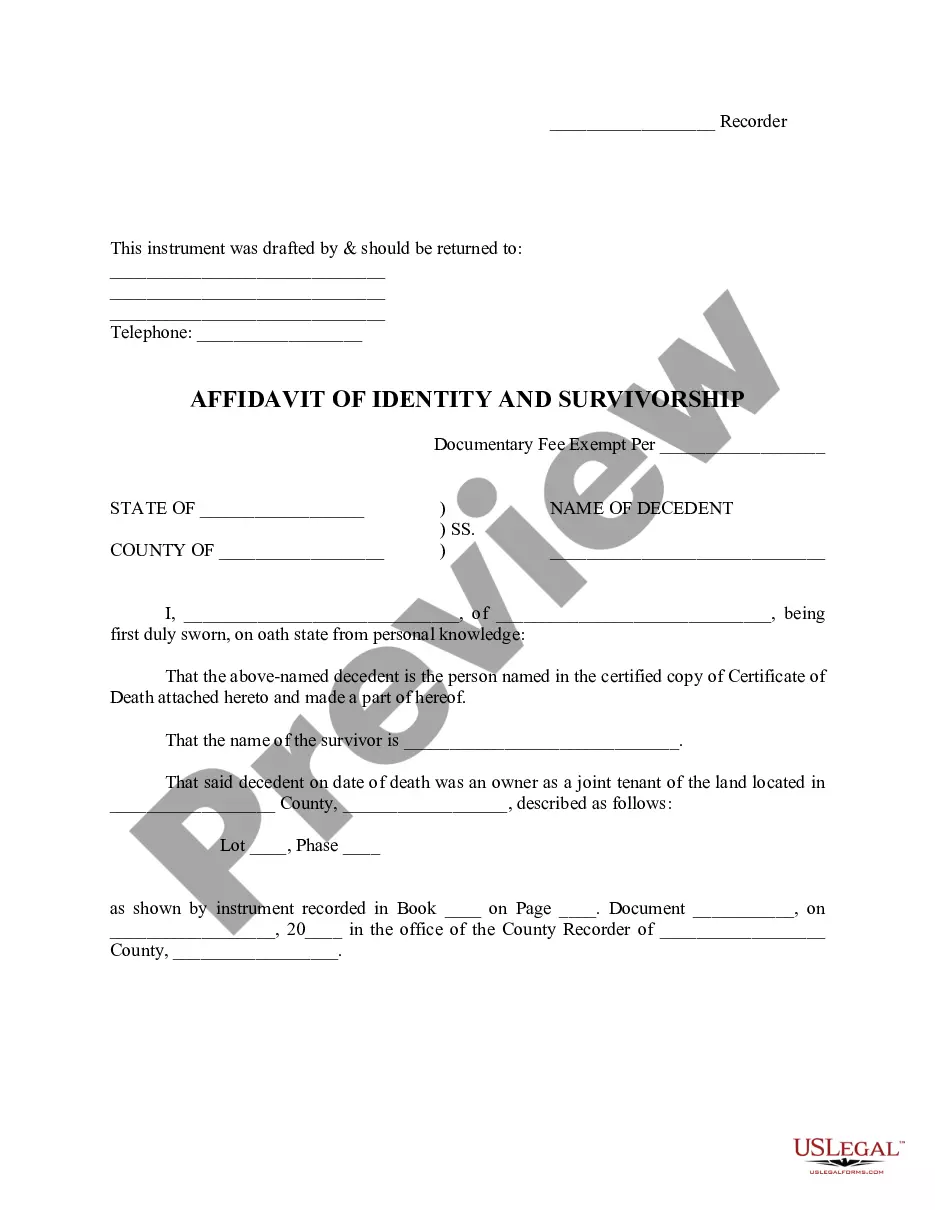
- Affidavit of Identity and Survivorship: Declaration affirming the identity of the decedent and joint tenant status
- Property Description: Specific details about the property being granted an easement
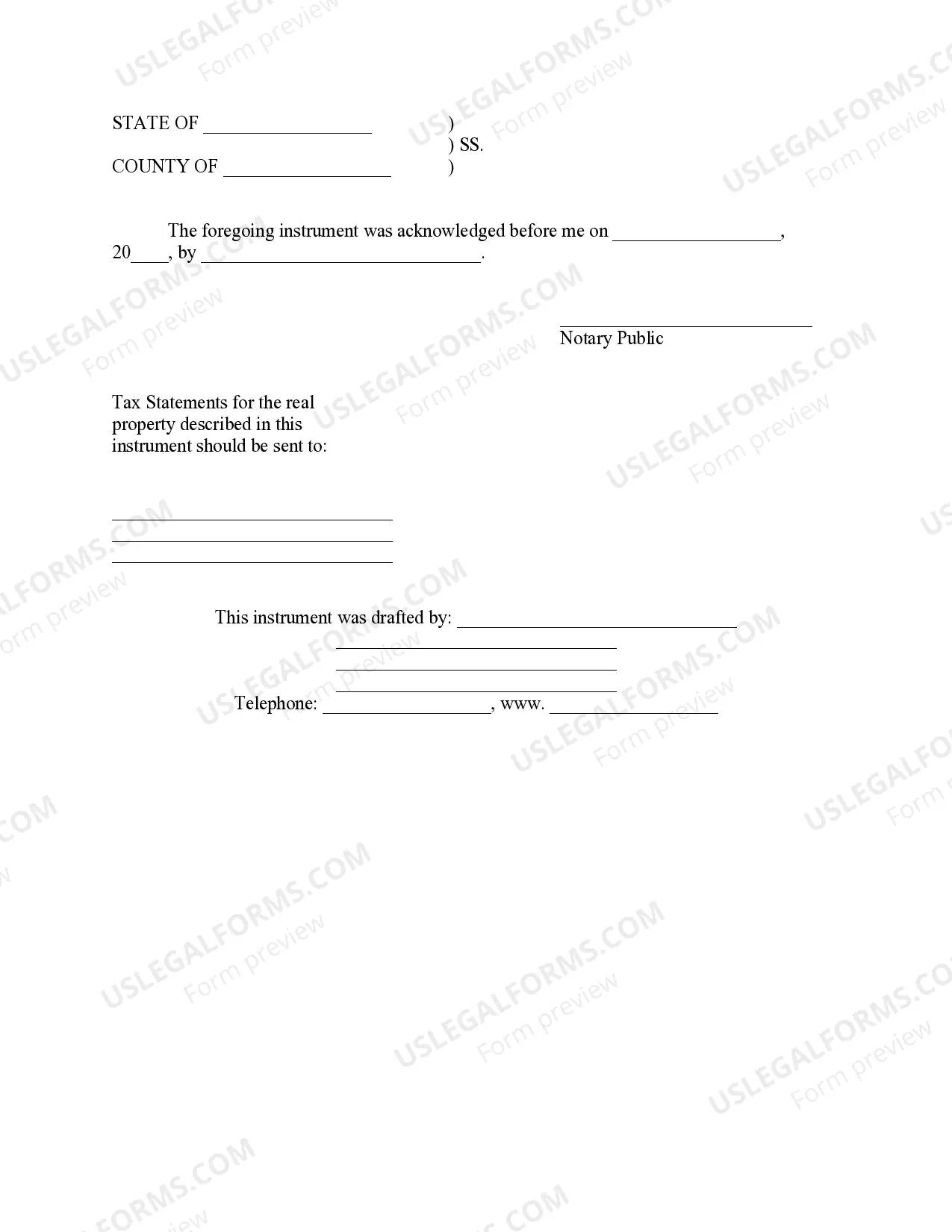
- Tax Statements: Information on where to send future tax statements for the property
- Notary Public Acknowledgment: Section for notarization to authenticate the document
Situations where this form applies
This form is typically used when a property owner wants to grant specific usage rights to another party. Common scenarios include allowing neighbors access for utility installations, creating right-of-way paths, or permitting access for maintenance. It serves to officially document the arrangement and protect both parties' interests by delineating the scope of use.
Who needs this form
- Property owners wanting to grant easement rights to another party
- Individuals or businesses requiring access across a neighbor's property
- Real estate professionals assisting clients with land development or property transactions
- Attorneys involved in real estate law or property agreements
How to complete this form
- Identify the parties involved, including the property owner and the individual receiving the easement.
- Provide a detailed description of the property where the easement will be applied.
- Enter the name of the decedent along with necessary details from the Certificate of Death if applicable.
- Fill out the date of notarization and include the notary publicâs signature and seal.
- Ensure that all required contact information for tax statements is clearly stated.
Does this form need to be notarized?
Yes, this form must be notarized to be legally valid. Having a notary public witness the signing ensures the authenticity of the document, which is crucial for it to be recognized in legal proceedings. US Legal Forms offers integrated online notarization services, where you can complete this process via a secure video call at any time.
Get your form ready online
Our built-in tools help you complete, sign, share, and store your documents in one place.
Make edits, fill in missing information, and update formatting in US Legal Forms—just like you would in MS Word.
Download a copy, print it, send it by email, or mail it via USPS—whatever works best for your next step.
Sign and collect signatures with our SignNow integration. Send to multiple recipients, set reminders, and more. Go Premium to unlock E-Sign.
If this form requires notarization, complete it online through a secure video call—no need to meet a notary in person or wait for an appointment.
We protect your documents and personal data by following strict security and privacy standards.

Make edits, fill in missing information, and update formatting in US Legal Forms—just like you would in MS Word.

Download a copy, print it, send it by email, or mail it via USPS—whatever works best for your next step.

Sign and collect signatures with our SignNow integration. Send to multiple recipients, set reminders, and more. Go Premium to unlock E-Sign.

If this form requires notarization, complete it online through a secure video call—no need to meet a notary in person or wait for an appointment.

We protect your documents and personal data by following strict security and privacy standards.
Mistakes to watch out for
- Not providing a clear and complete description of the easement area.
- Failing to specify the rights granted to the easement holder.
- Omitting necessary signatures or notary acknowledgment.
- Using vague language that could cause future disputes over the easement's use.
Advantages of online completion
- Immediate access to a professionally drafted form tailored to your needs.
- Easy customization options to include specific terms or conditions of use.
- Safe, secure downloads that ensure your information is protected.
- Convenience of completing the form at your own pace, without time constraints.
Summary of main points
- The Grant of Easement allows limited use of another person's property without transferring ownership.
- Clear details must be included to prevent disputes about the easement's scope.
- Notarization is essential for the document's legal validity.
- Utilizing an online service streamlines the process of obtaining and filling out the easement form.
Looking for another form?

Form popularity
FAQ
In some cases, an easement can be forced through legal action, especially if it serves a public need. However, the process involves specific legal criteria to be met. A Colorado Grant of Easement is often contested, so staying informed and proactive is essential. If you are concerned about forced easements, seeking legal guidance can help protect your property rights.
Refusing an easement is possible if it does not align with your property rights or personal interests. Understanding your situation is crucial, especially with a Colorado Grant of Easement in play. You can protect your property while ensuring that any necessary negotiations are handled correctly. Consulting with an expert can enhance your understanding and decision-making.
Yes, easements can typically be assigned to another party, depending on the original terms. When you create a Colorado Grant of Easement, consider the terms of assignment. This flexibility can be beneficial for property owners looking to transfer rights. Legal advice can help navigate assignments effectively.
You can refuse to grant an easement, especially if it does not serve your interests. However, it is vital to understand the potential consequences. A Colorado Grant of Easement may affect property value or access. If you face an easement request, consulting with a legal expert can provide clarity and options.
An easement by grant is a legal right where a property owner permits another individual to use a portion of their property for a specified purpose. This agreement is usually formalized through documentation to ensure clarity and legality. Understanding terms in a Colorado Grant of Easement can help clarify the obligations and rights involved in such agreements.
Deciding to grant an easement depends on your property's specific circumstances. Consider the benefits, such as potential financial compensation and the convenience for others, against any drawbacks, like loss of privacy. Consulting a legal expert or using resources such as a Colorado Grant of Easement form can provide more clarity on this decision.
Writing an easement agreement involves clearly outlining the rights and responsibilities of both parties. You should include essential details such as the type of easement, duration, and any financial arrangements. By utilizing a Colorado Grant of Easement template from uslegalforms, you can simplify this process and ensure that all legal aspects are properly addressed.
Filling out an easement form requires specific information, such as the details of both parties, the purpose of the easement, and the exact area affected. Make sure to use clear and precise language for accuracy. For guidance, platforms like uslegalforms can provide templates tailored to your needs, including for a Colorado Grant of Easement.
One significant disadvantage of an easement is that it can limit the property owner’s use of their land. For instance, granting an easement could restrict developments or modifications within the area of the easement. It's essential to weigh these factors carefully before agreeing to a Colorado Grant of Easement.
In Colorado, property owners may have the ability to block certain types of easements, particularly if they did not consent to their establishment. However, established easements can be difficult to revoke once they are in effect. To navigate these complexities, consider using a Colorado Grant of Easement as a reference to understand your rights.