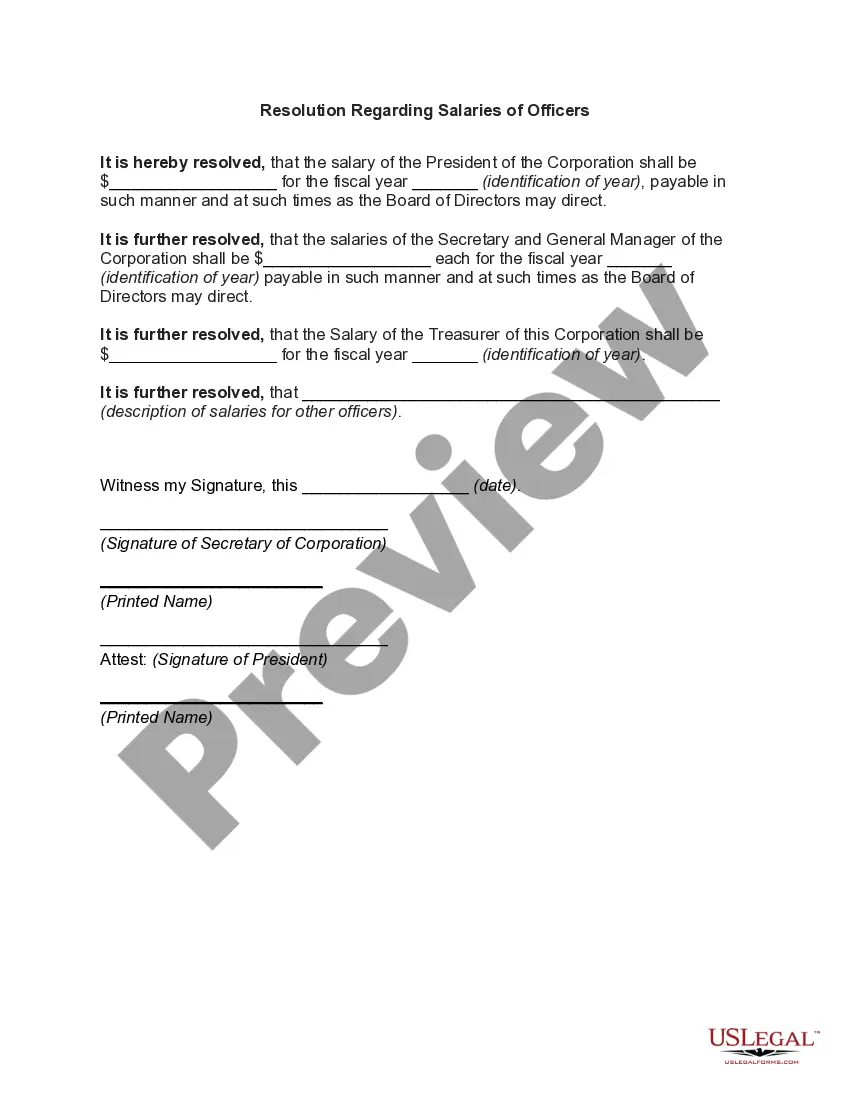
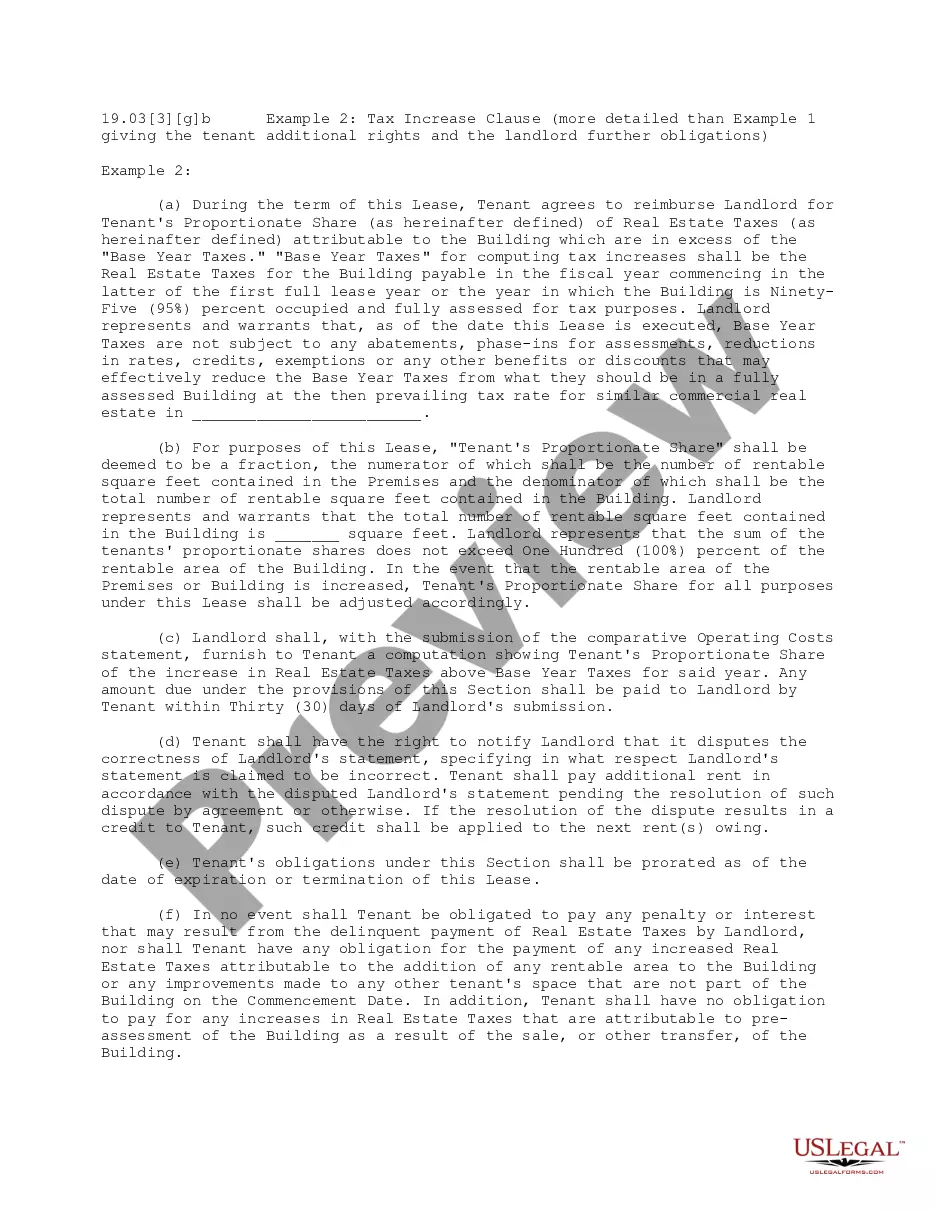
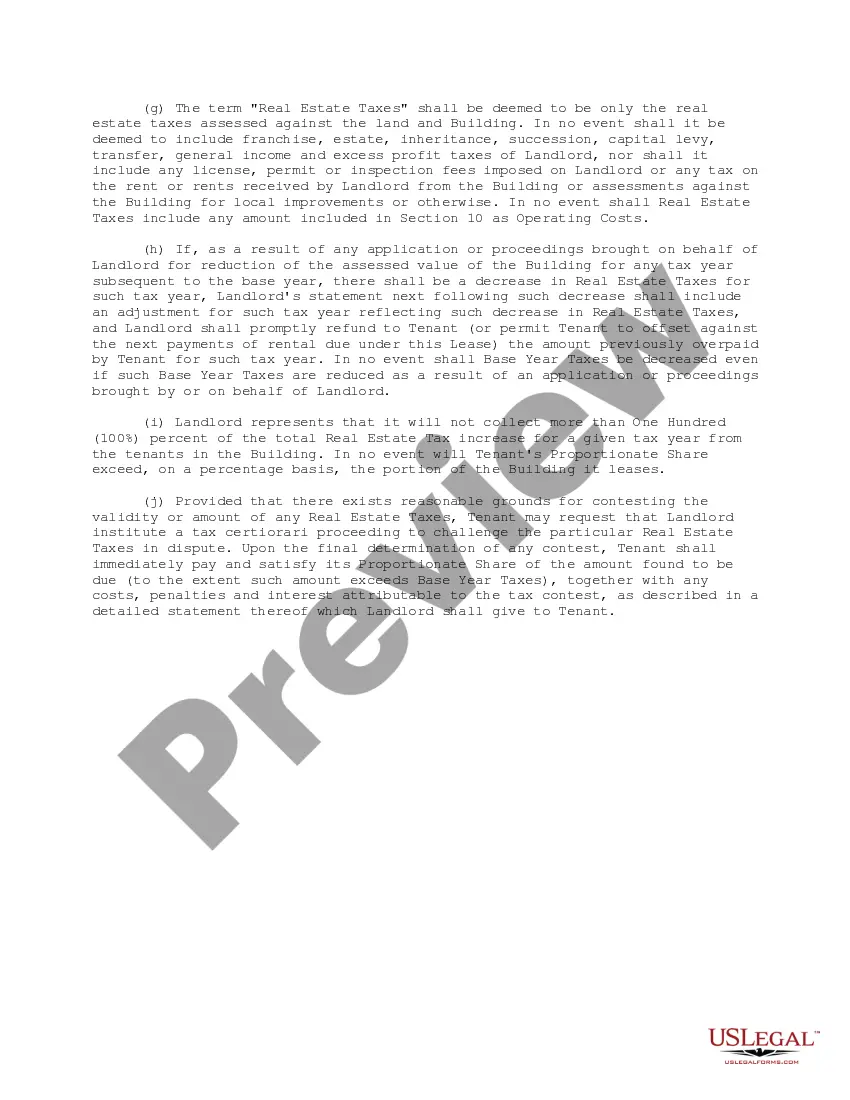
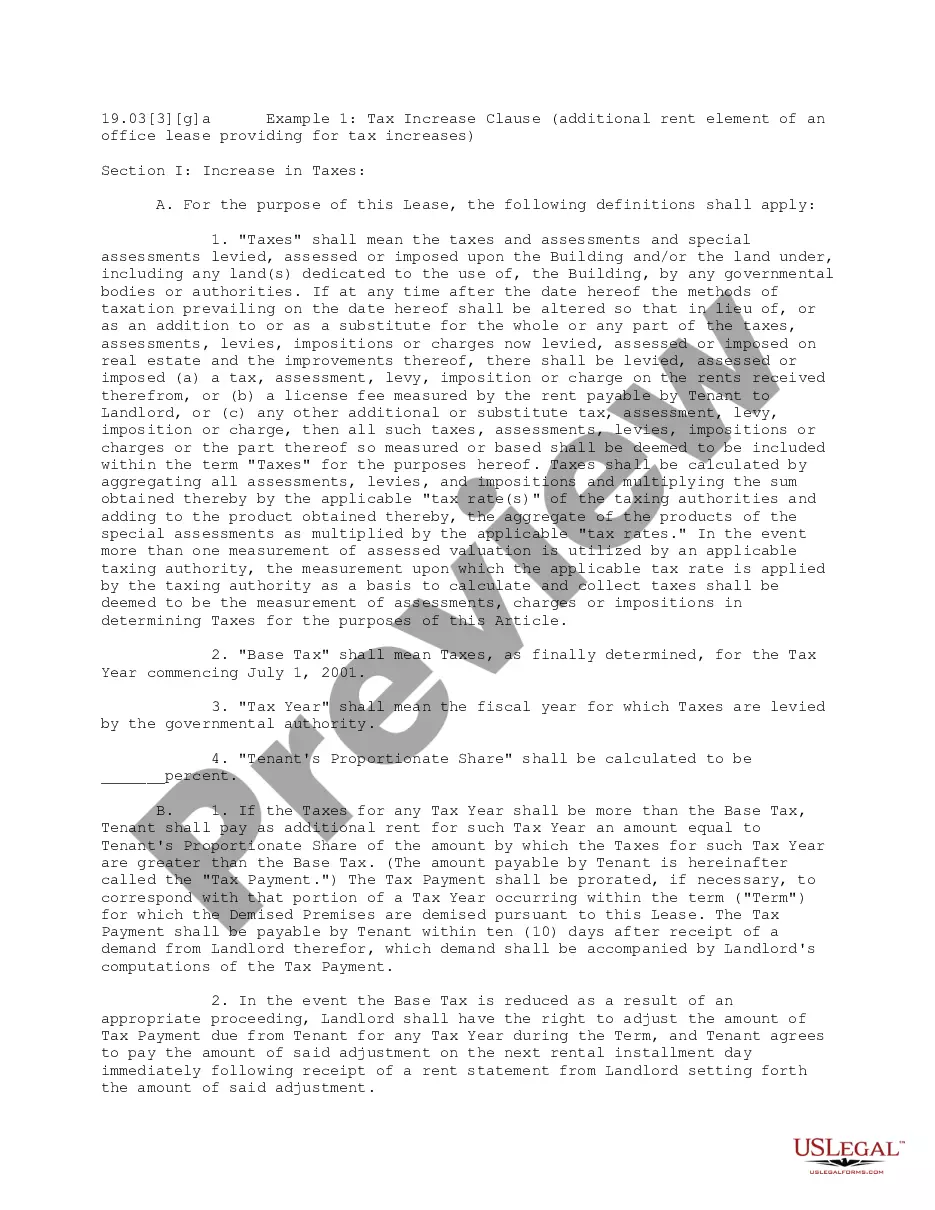
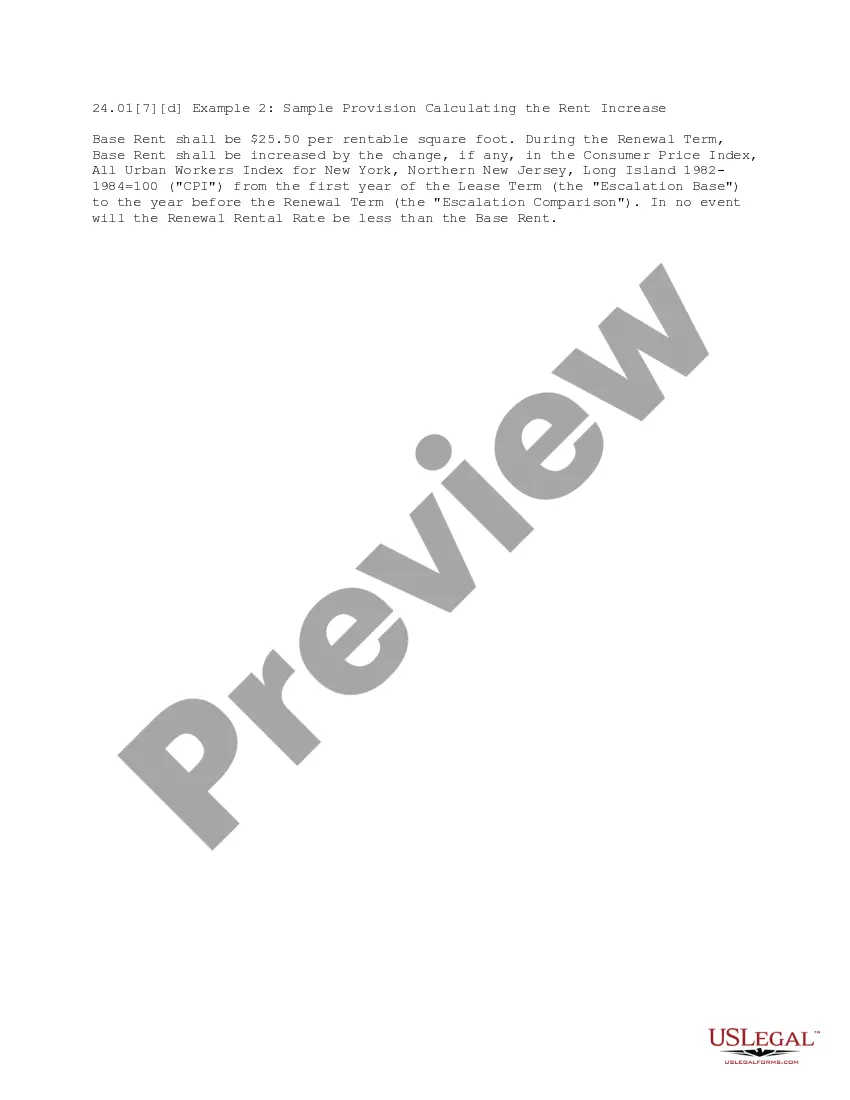
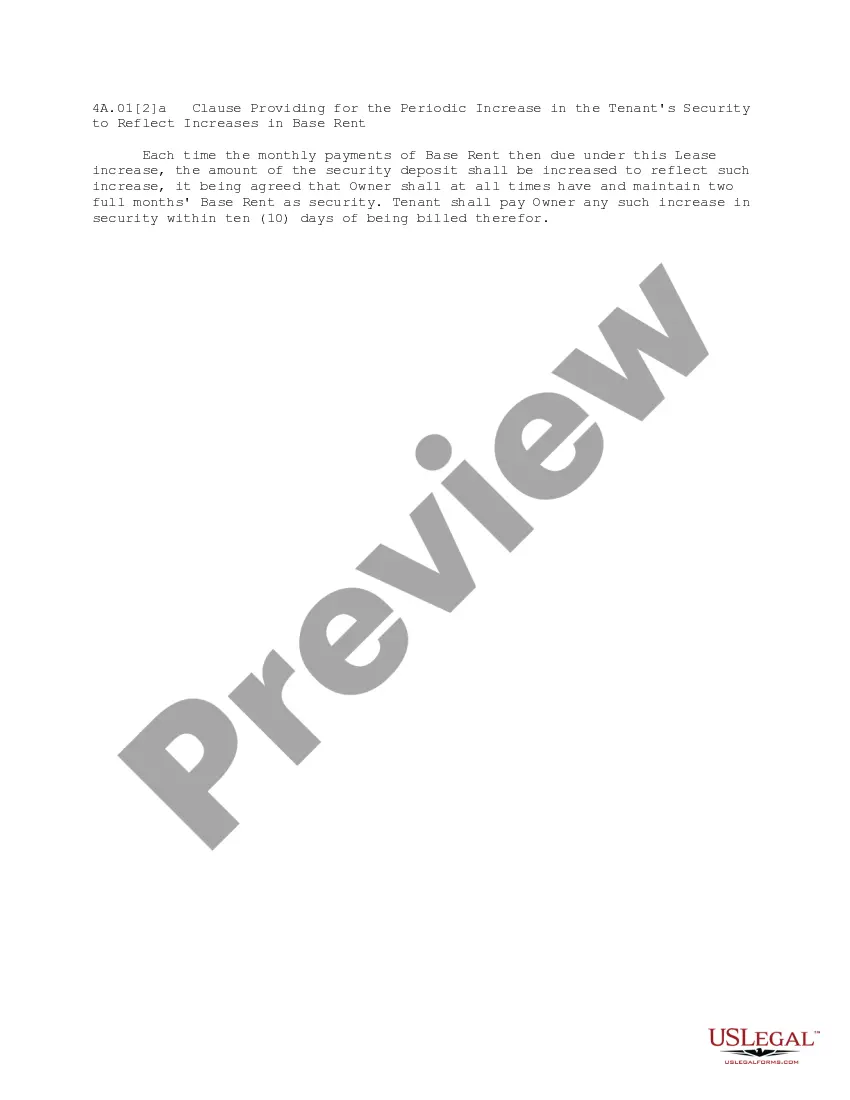
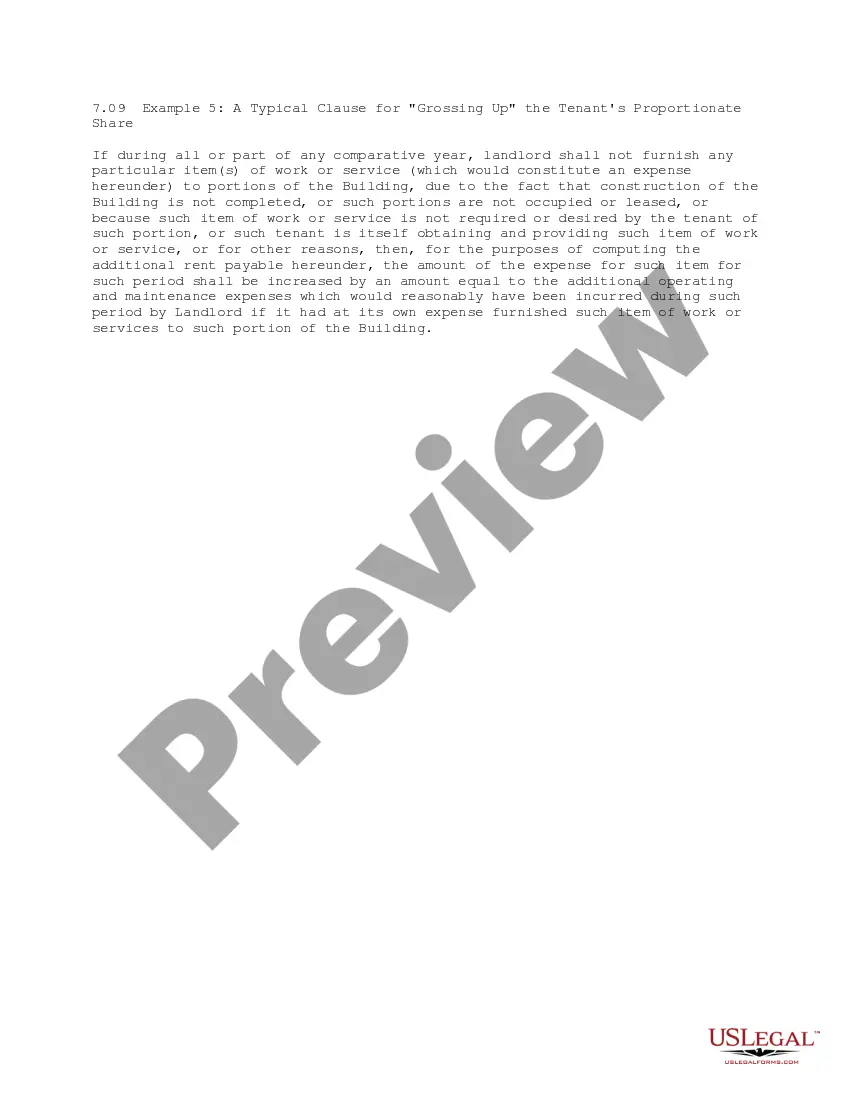
This office lease clause is a more detailed form giving the tenant additional rights and the landlord further obligations as it relates to tax increases.
California Detailed Tax Increase Clause
Category:
State:
Multi-State
Control #:
US-OL19033GB
Format:
Word;
PDF
Instant download
Description
Free preview
Get your form ready online
Our built-in tools help you complete, sign, share, and store your documents in one place.
Built-in online Word editor
Make edits, fill in missing information, and update formatting in US Legal Forms—just like you would in MS Word.
Export easily
Download a copy, print it, send it by email, or mail it via USPS—whatever works best for your next step.
E-sign your document
Sign and collect signatures with our SignNow integration. Send to multiple recipients, set reminders, and more. Go Premium to unlock E-Sign.
Notarize online 24/7
If this form requires notarization, complete it online through a secure video call—no need to meet a notary in person or wait for an appointment.
Store your document securely
We protect your documents and personal data by following strict security and privacy standards.

Make edits, fill in missing information, and update formatting in US Legal Forms—just like you would in MS Word.

Download a copy, print it, send it by email, or mail it via USPS—whatever works best for your next step.

Sign and collect signatures with our SignNow integration. Send to multiple recipients, set reminders, and more. Go Premium to unlock E-Sign.

If this form requires notarization, complete it online through a secure video call—no need to meet a notary in person or wait for an appointment.

We protect your documents and personal data by following strict security and privacy standards.
Looking for another form?




How to fill out Detailed Tax Increase Clause?
You are able to invest hours on the Internet attempting to find the legal record template that suits the federal and state demands you need. US Legal Forms provides a huge number of legal types which are examined by experts. You can actually acquire or produce the California Detailed Tax Increase Clause from my services.
If you have a US Legal Forms accounts, you may log in and click the Acquire button. Afterward, you may full, edit, produce, or signal the California Detailed Tax Increase Clause. Each legal record template you purchase is your own for a long time. To obtain one more copy of any acquired form, check out the My Forms tab and click the corresponding button.
If you use the US Legal Forms web site the first time, stick to the easy instructions below:
- Initial, make certain you have selected the proper record template for the county/town of your liking. Browse the form description to make sure you have picked out the appropriate form. If readily available, take advantage of the Review button to appear with the record template also.
- In order to get one more variation from the form, take advantage of the Research field to get the template that suits you and demands.
- Upon having located the template you need, click Get now to move forward.
- Choose the prices program you need, key in your references, and register for an account on US Legal Forms.
- Comprehensive the deal. You can use your Visa or Mastercard or PayPal accounts to fund the legal form.
- Choose the structure from the record and acquire it in your system.
- Make adjustments in your record if possible. You are able to full, edit and signal and produce California Detailed Tax Increase Clause.
Acquire and produce a huge number of record web templates using the US Legal Forms website, that offers the greatest selection of legal types. Use specialist and express-specific web templates to deal with your company or specific requirements.
Form popularity
FAQ
The tax rate is 1% of the total home value and the rate can only increase a max of 2% per year.
Summary. Effective February 16, 2021 Proposition 19 limits property tax increases on family homes used as a primary residence by allowing parents to pass on their family home to their children for continued use as a primary residence.
In 1978, the California Constitution was amended by the voters to restrict increases of property taxes. Proposition 13 requires assessment of each taxable property based on its fair market value and limits a property owner's general levy tax to 1 percent of the assessed value.
California's Proposition 13 caps the growth of a property's assessed value at no more than 2 percent a year unless the market value of a property falls lower. When that happens, Proposition 8, which also passed in 1978, allows the property to be temporarily reassessed at the lower value.
Under Prop 13, all real property has established base year values, a restricted rate of increase on assessments of no greater than 2% each year, and a limit on property taxes to 1% of the assessed value (plus additional voter-approved taxes).
Starting next year, the rate is expected to rise to 1.1%, resulting in a small tax increase for most employees. Someone making $85,000 a year would pay an extra $170. But the big change is that the wage ceiling will be abolished, so the tax will apply to an unlimited amount of pay in 2024 and beyond.
California's system of property taxation under Article XIIIA of the state Constitution, commonly referred to as Proposition 13, values property at its 1975 fair market value with annual increases limited to the inflation rate, as measured by the California Consumer Price Index, or 2%, whichever is less.
Proposition 60 allows for intra-county transfers (sell a home in Riverside County, purchase a home in Riverside County). Proposition 90 allows for inter-county transfers (sell a home in another California county, purchase a home in Riverside County).
Prop. 19 would allow a property owner to transfer their low property tax up to three times. Second, Prop. 19 would limit the transfer of low property tax assessments from deceased owners to their children or grandchildren (if all of their children have already died), which current law allows.
Reference: Section 2(b) of Article XIII A of the California Constitution and section 51 of the Revenue and Taxation Code. California's Proposition 13 caps the growth of a property's assessed value at no more than 2 percent a year unless the market value of a property falls lower.