California Reseller Distribution Agreement
Description
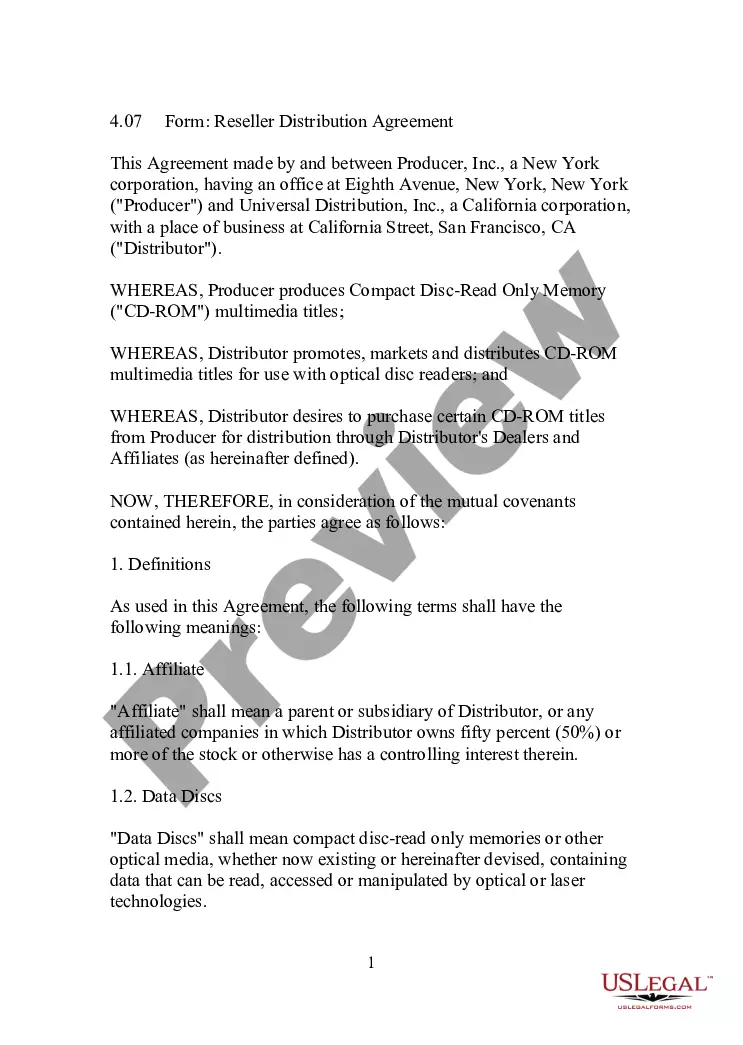
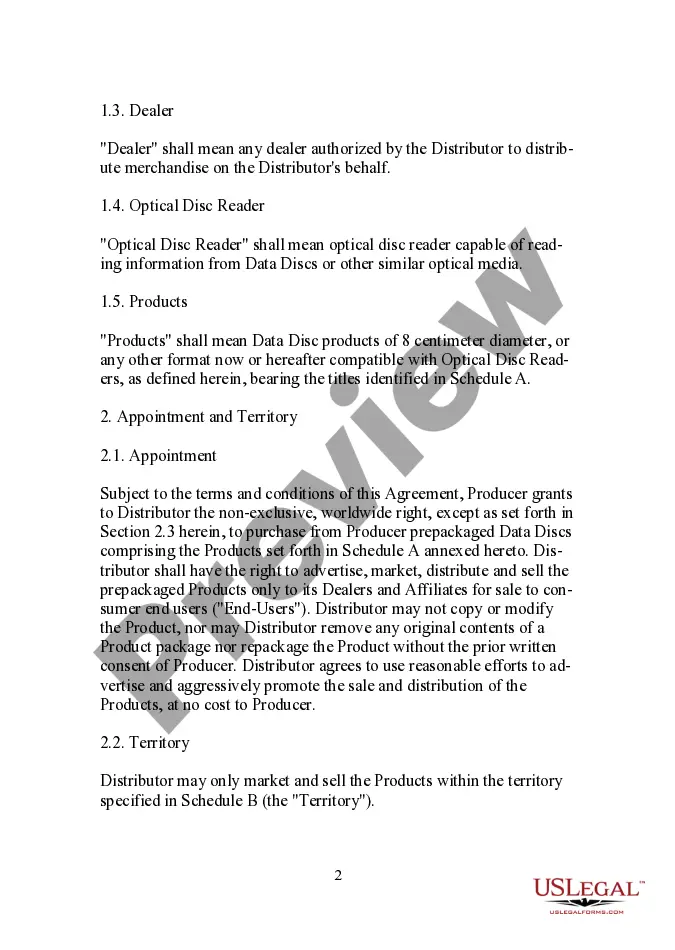
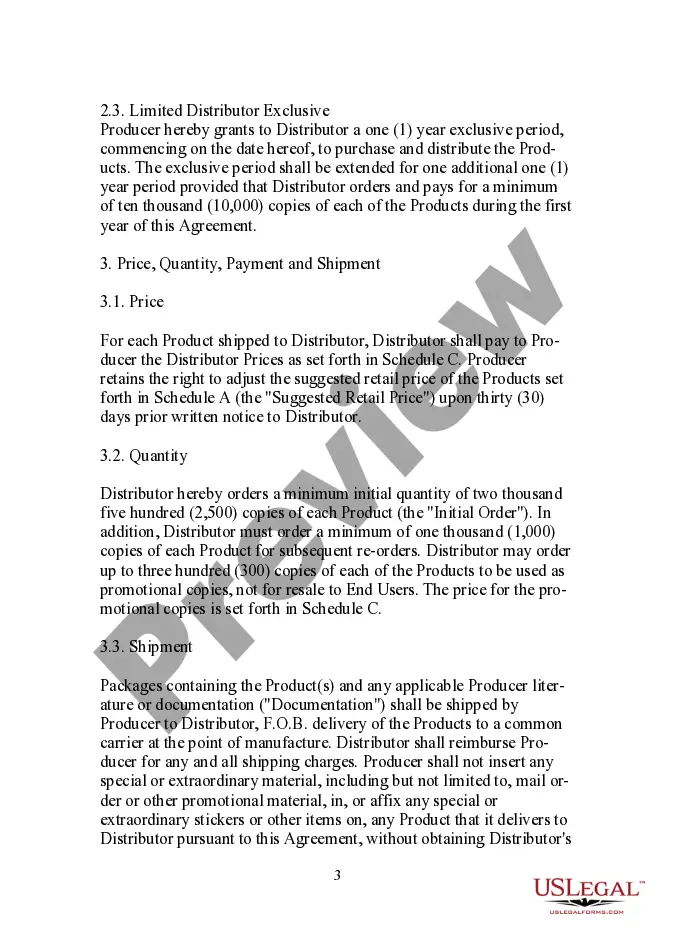
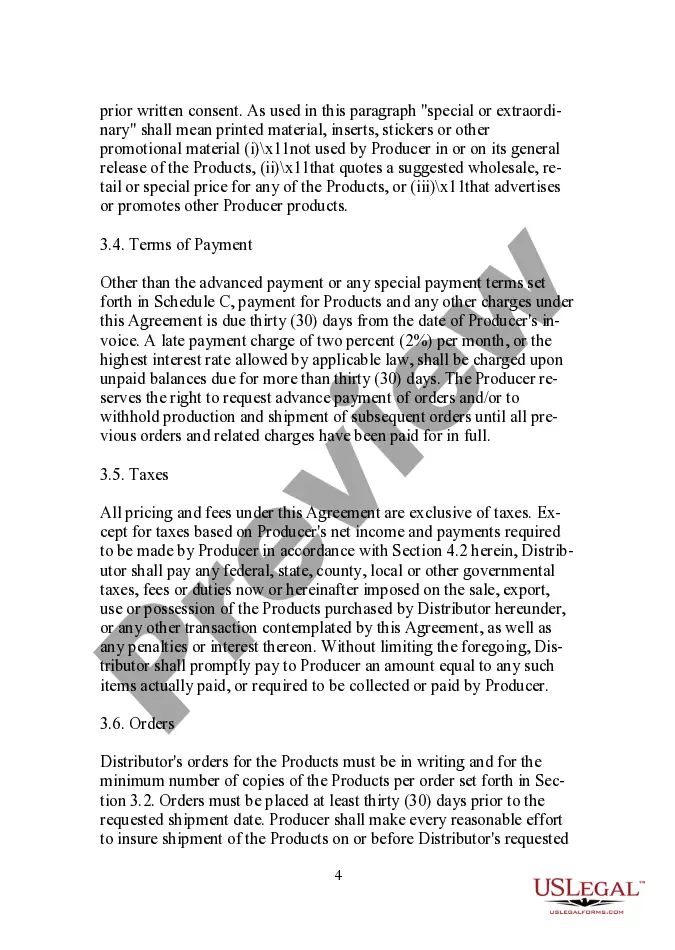
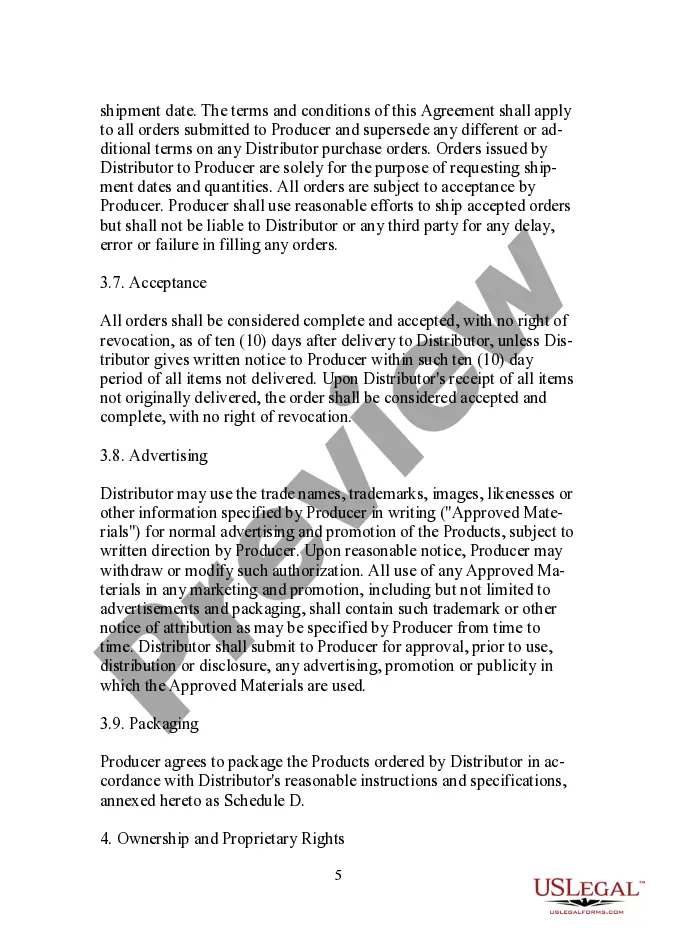
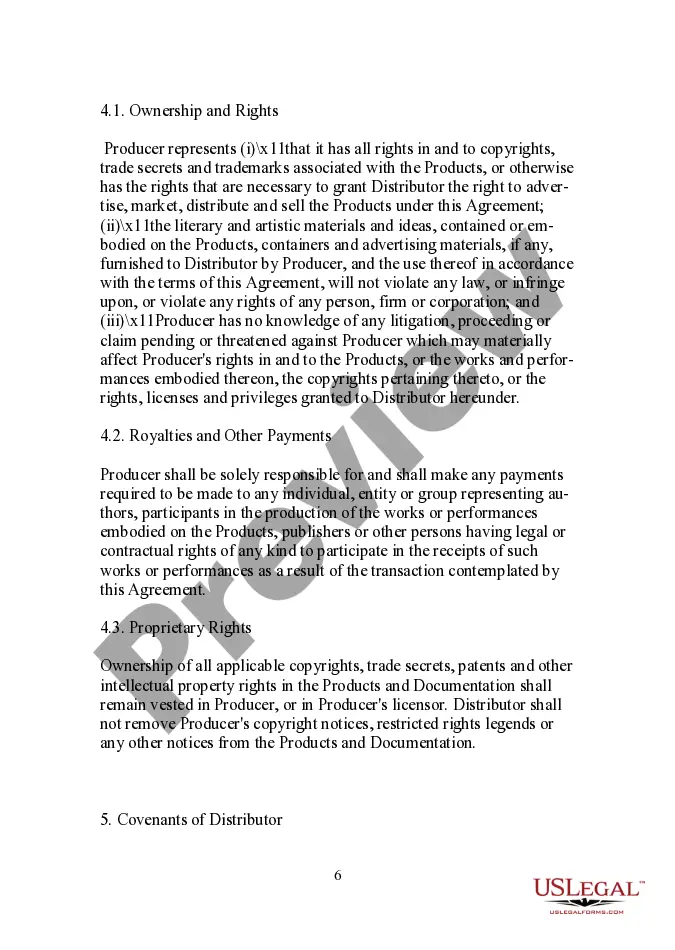
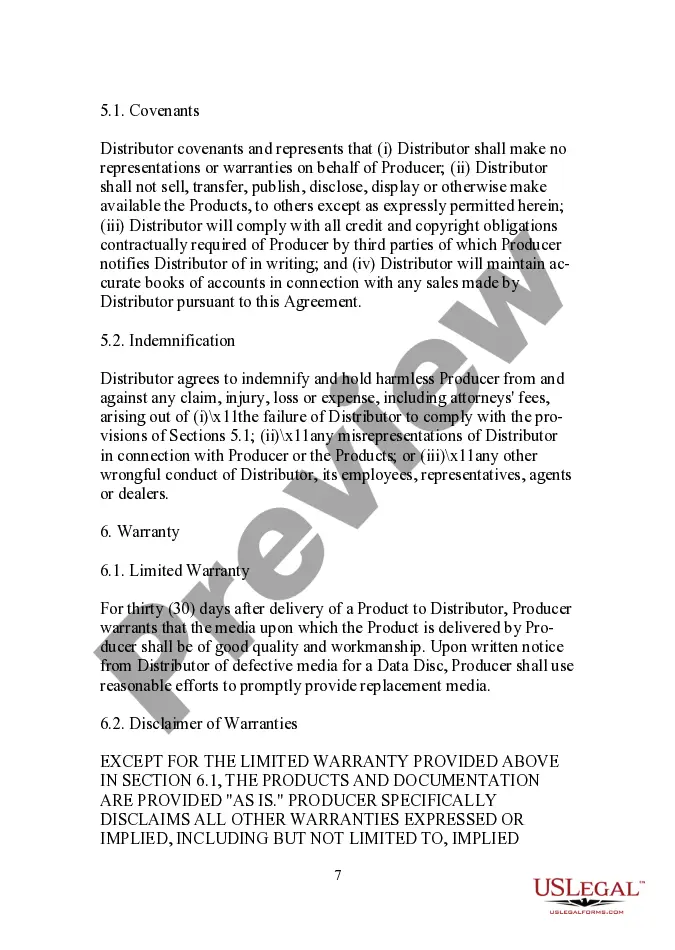
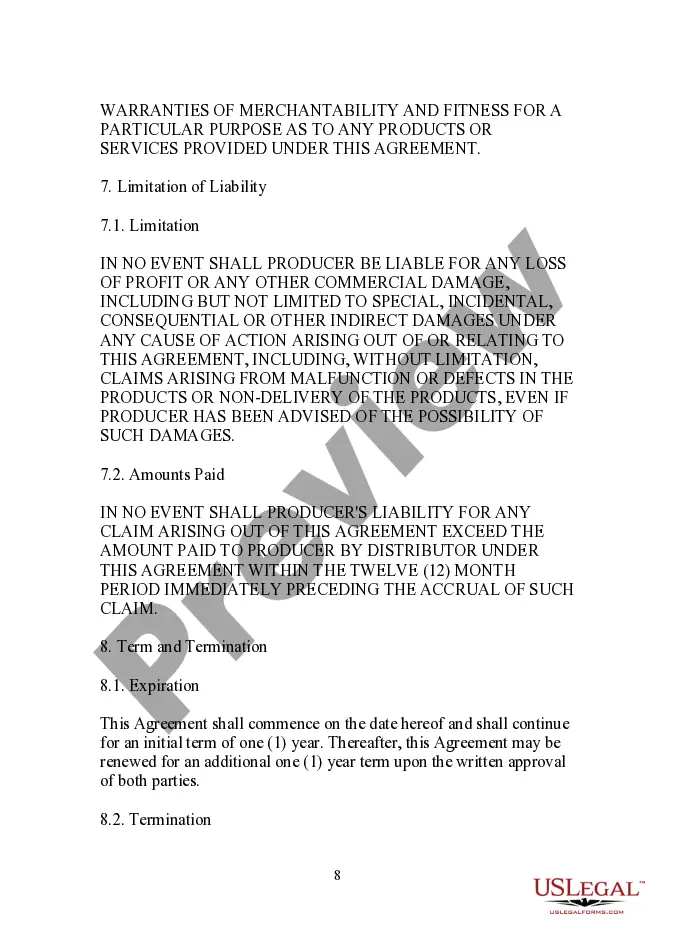
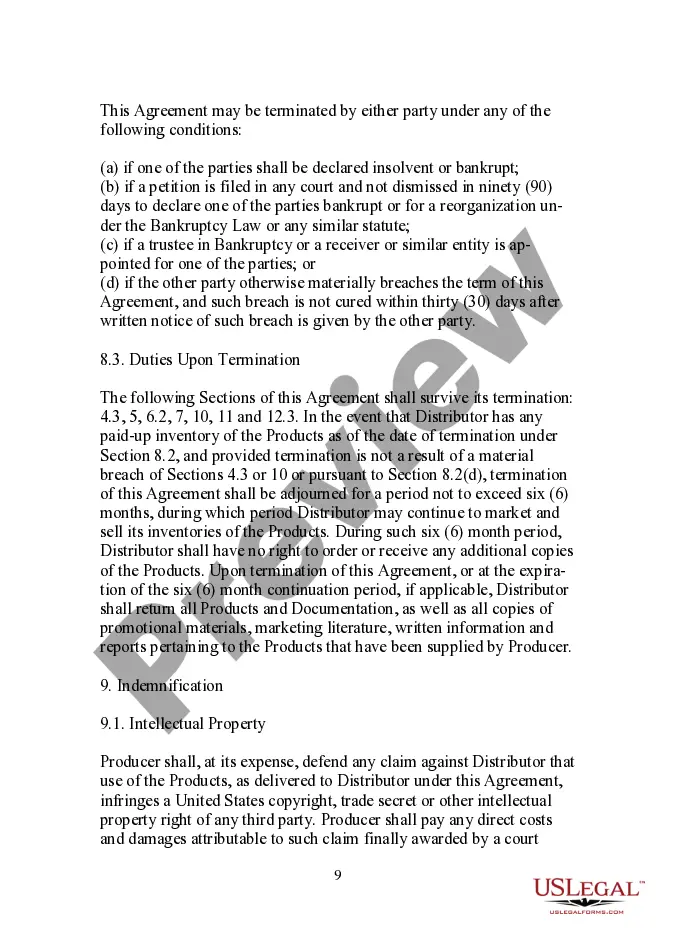
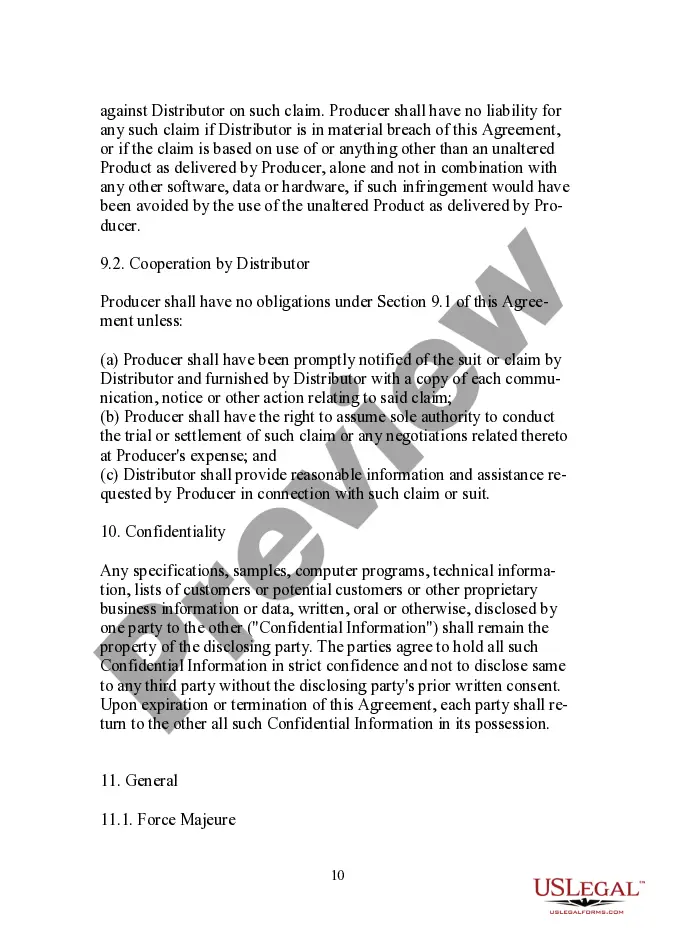

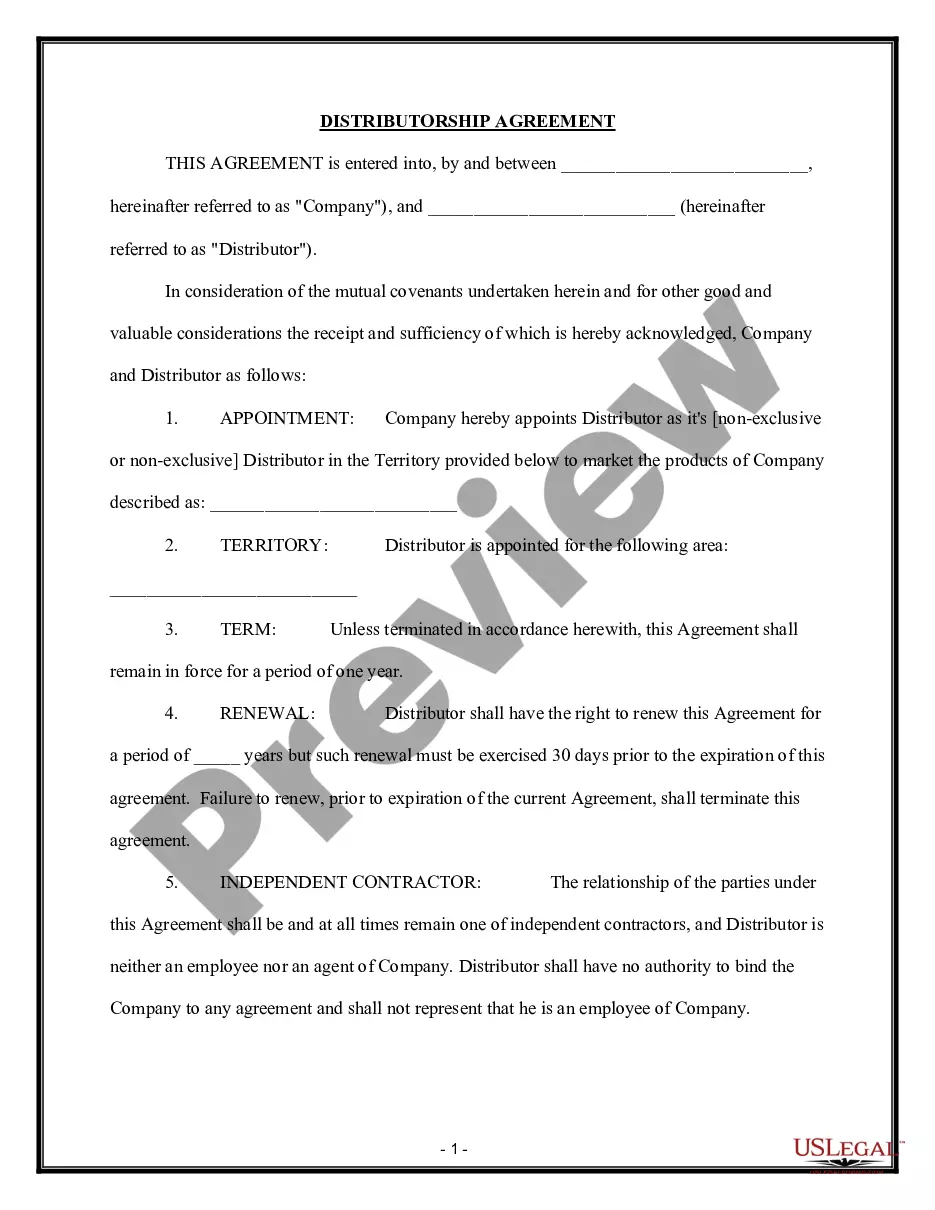
How to fill out Reseller Distribution Agreement?
US Legal Forms - among the most significant libraries of legal kinds in the USA - provides a variety of legal papers layouts you are able to download or printing. Making use of the site, you may get a huge number of kinds for enterprise and personal purposes, categorized by types, suggests, or keywords and phrases.You can get the most up-to-date variations of kinds just like the California Reseller Distribution Agreement in seconds.
If you already have a subscription, log in and download California Reseller Distribution Agreement from your US Legal Forms collection. The Acquire button will appear on each kind you view. You have access to all previously delivered electronically kinds from the My Forms tab of your own bank account.
If you wish to use US Legal Forms the very first time, listed below are straightforward instructions to help you get started:
- Be sure to have picked the right kind for your area/county. Click the Preview button to review the form`s content material. Browse the kind description to ensure that you have selected the proper kind.
- When the kind does not suit your needs, utilize the Lookup discipline at the top of the monitor to find the one which does.
- If you are happy with the shape, confirm your selection by simply clicking the Purchase now button. Then, select the pricing strategy you prefer and give your accreditations to sign up for the bank account.
- Approach the deal. Make use of your credit card or PayPal bank account to accomplish the deal.
- Pick the structure and download the shape on your own gadget.
- Make changes. Load, edit and printing and sign the delivered electronically California Reseller Distribution Agreement.
Each web template you included with your money does not have an expiry time and is also your own for a long time. So, if you would like download or printing another version, just proceed to the My Forms area and click on on the kind you need.
Get access to the California Reseller Distribution Agreement with US Legal Forms, by far the most comprehensive collection of legal papers layouts. Use a huge number of specialist and status-specific layouts that fulfill your organization or personal demands and needs.
Form popularity
FAQ
How Distribution Agreements Work Set an appointment with the manufacturer. Negotiate the distribution terms. Review specifics, such as promotional literature. Hire a business lawyer to help you draft the terms. Sign or renegotiate the contract. Begin executing the agreement as contained within provisions.
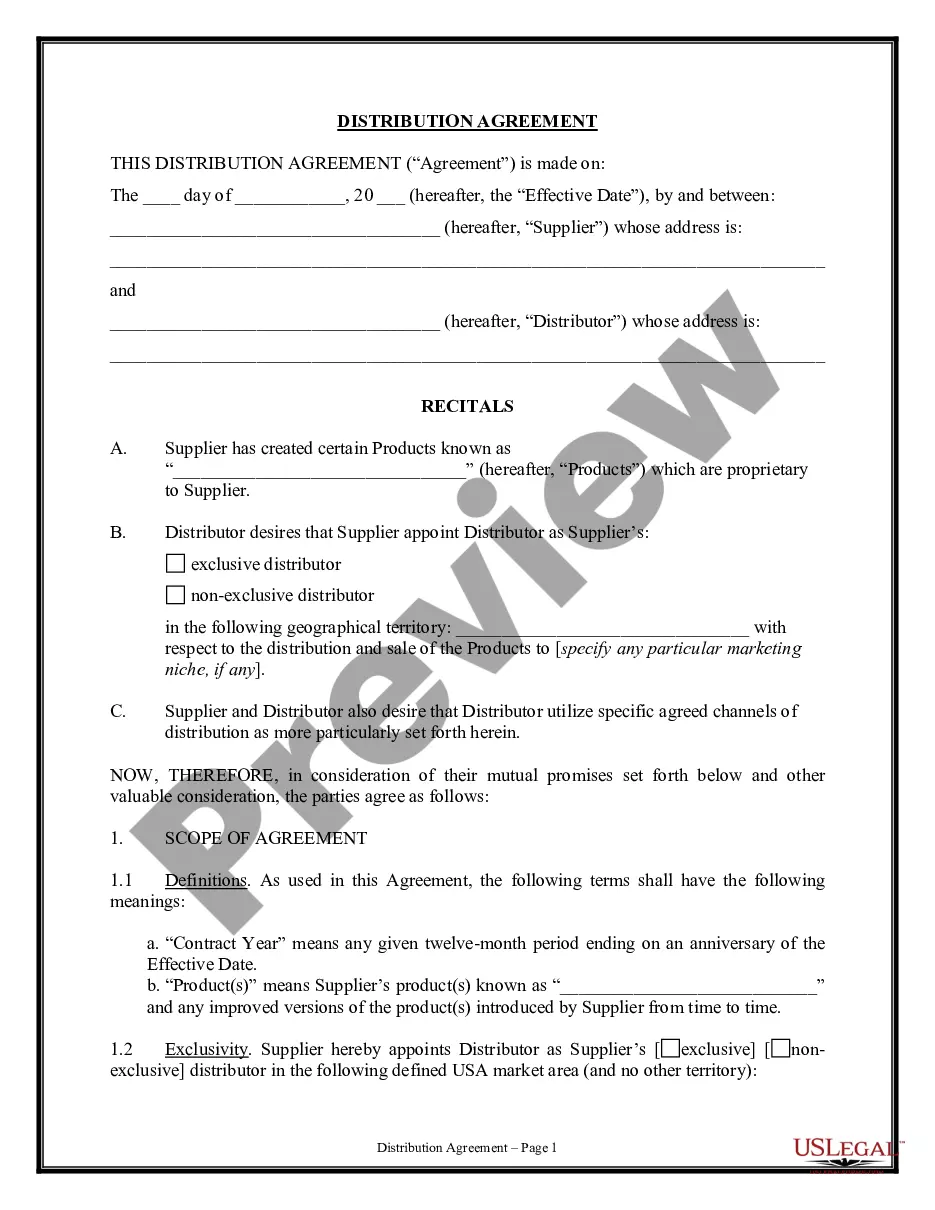
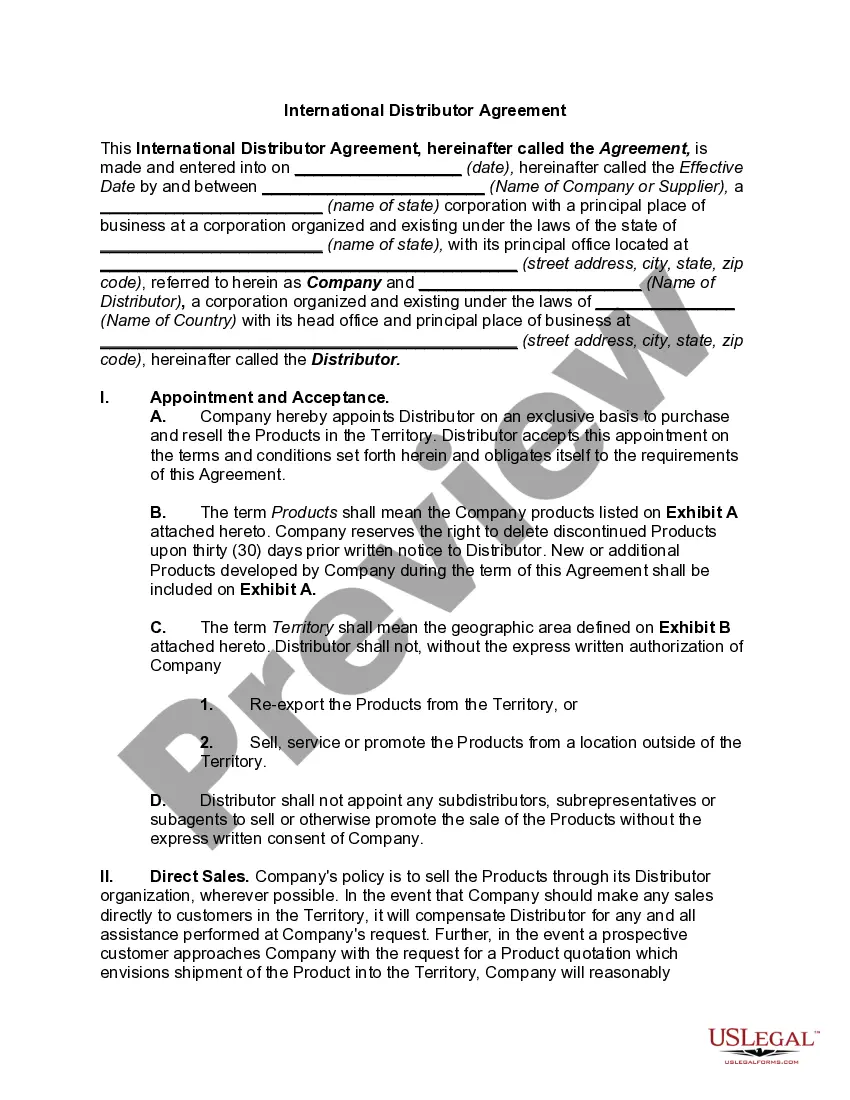
A distribution agreement is one under which a supplier or manufacturer of goods agrees that an independent third party will market and sell the goods. The distributor buys the goods on their own account and trades under their own name.
Unlike distributors, resellers don't purchase and store your product, ready to sell. Instead, they act as a middleman, taking a commission when they sell your product to a customer. You must often ship the product to the customer directly after receiving the reseller's purchase information and fee.
The following is a checklist of factors to be considered when drafting a distribution contract: terms and conditions of sale; term for which the contract is in effect; marketing rights; trademark licensing; geographical territory covered by the agreement; performance; reporting; and.
While similar to distribution agreements, reseller agreements differ in the way the product reaches the consumer. Unlike distributors, resellers don't purchase and store your product, ready to sell. Instead, they act as a middleman, taking a commission when they sell your product to a customer.
Distributors consist of order takers, and generally lack real product knowledge. On the other hand, there are VADs, which provide a broad range of products, stock inventory, operate their own warehouse(s), supply credit to re-sellers, and have dedicated sales teams trained in understanding your products.
What to include in your distribution agreement Duration of the contract (when it starts and when it ends) The supplier's products in question & how much they will cost the distributor. Relevant duties and responsibilities of either party. Minimum sales or quantity of goods. Whether or not the contract is exclusive.
Similar to a distributor, a reseller sells your products to customers. However, the main difference between a distributor and reseller is the lack of warehousing. Resellers won't purchase or hold your inventory.
While it is generally recommended to have a distribution agreement in place, it is not always a legal requirement. The need for a distribution agreement depends on various factors, including the nature of the products or services, the relationship between the parties, and applicable laws and regulations.
There are three types of distribution channels: direct, indirect and hybrid. Direct. With the direct channel, the company sells directly to the customer. For example, a brewery that brews its own beer and sells it to customers at its own brick-and-mortar location employs a direct channel of distribution.