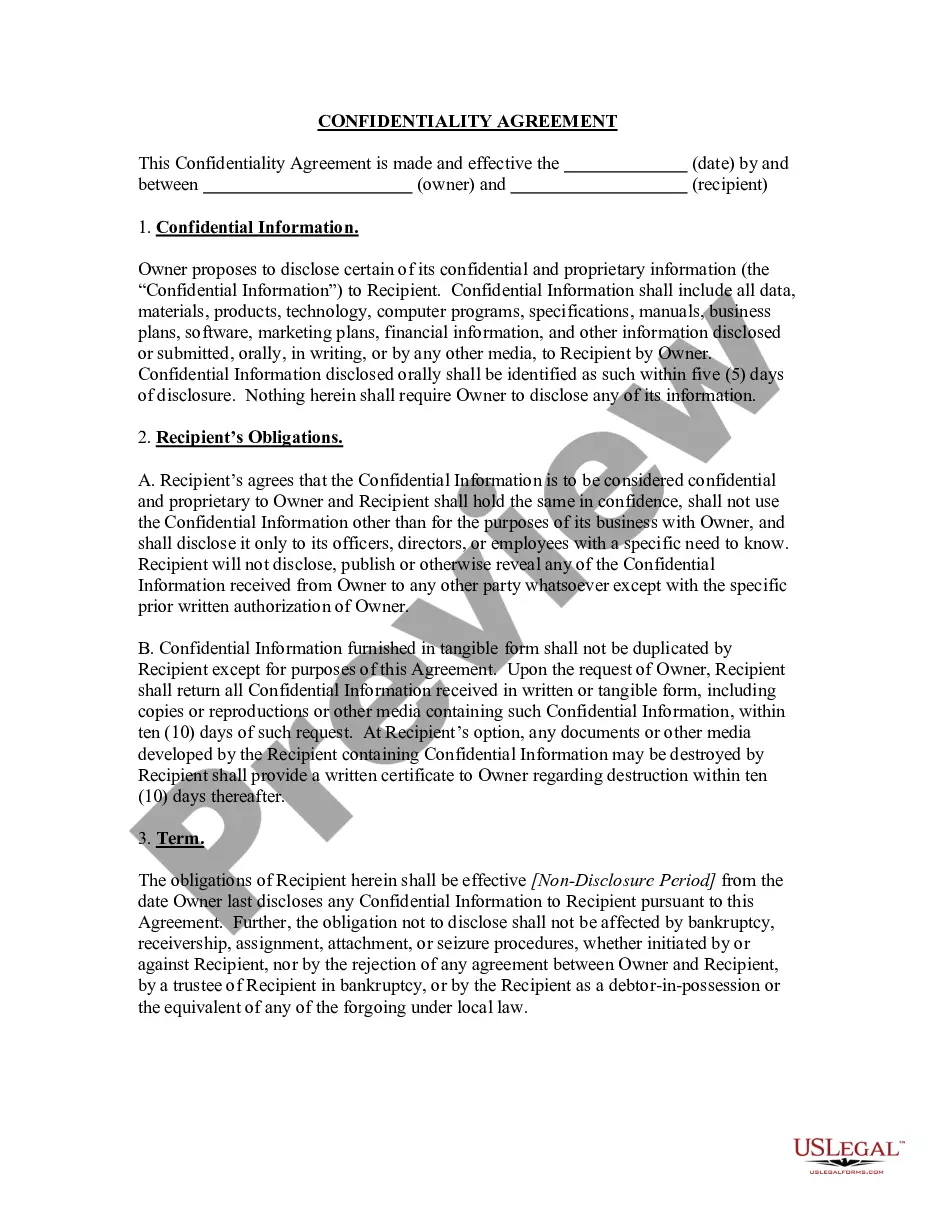
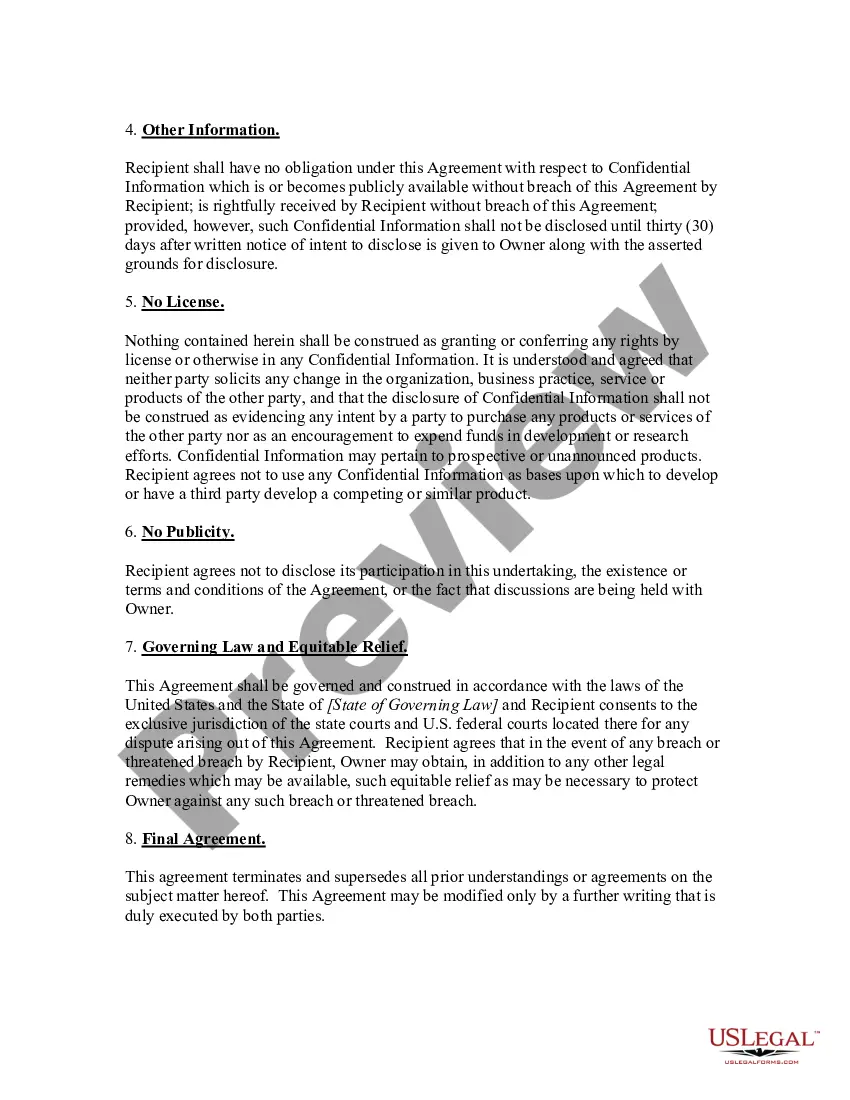
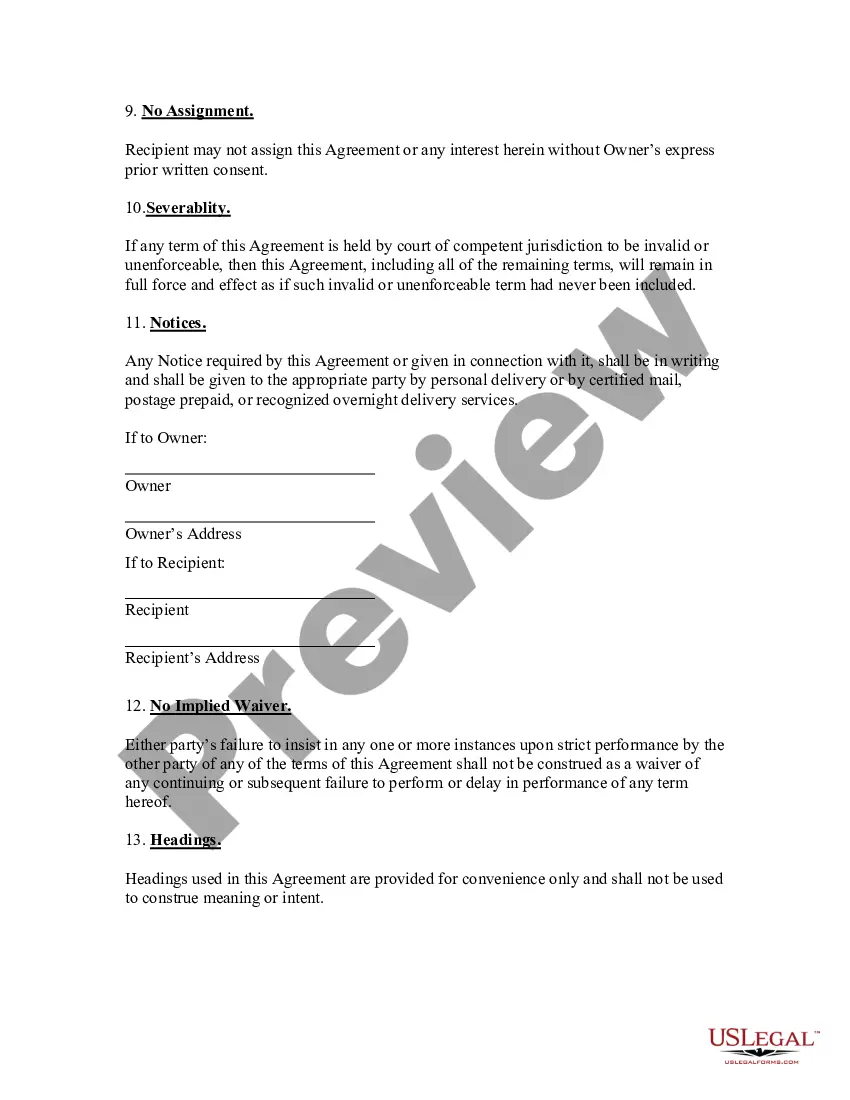
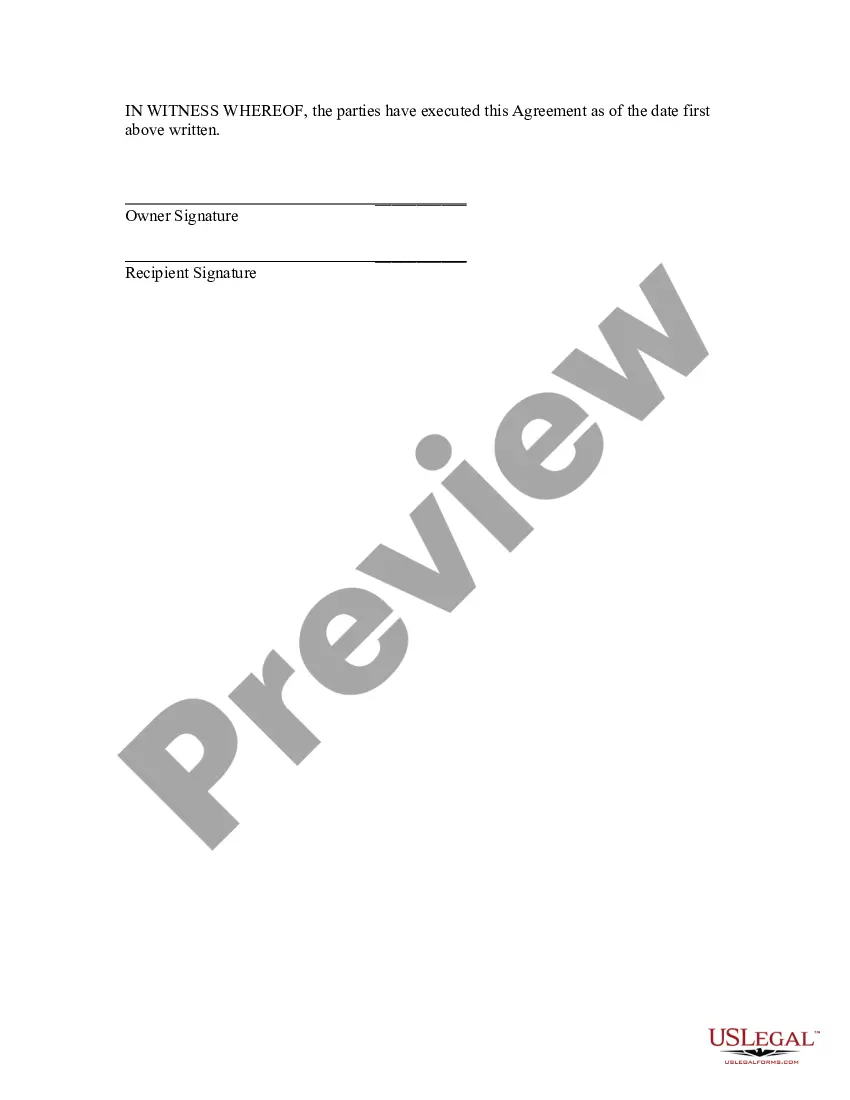
California Confidentiality Agreement for Therapists
Description
Get your form ready online
Our built-in tools help you complete, sign, share, and store your documents in one place.
Make edits, fill in missing information, and update formatting in US Legal Forms—just like you would in MS Word.
Download a copy, print it, send it by email, or mail it via USPS—whatever works best for your next step.
Sign and collect signatures with our SignNow integration. Send to multiple recipients, set reminders, and more. Go Premium to unlock E-Sign.
If this form requires notarization, complete it online through a secure video call—no need to meet a notary in person or wait for an appointment.
We protect your documents and personal data by following strict security and privacy standards.

Make edits, fill in missing information, and update formatting in US Legal Forms—just like you would in MS Word.

Download a copy, print it, send it by email, or mail it via USPS—whatever works best for your next step.

Sign and collect signatures with our SignNow integration. Send to multiple recipients, set reminders, and more. Go Premium to unlock E-Sign.

If this form requires notarization, complete it online through a secure video call—no need to meet a notary in person or wait for an appointment.

We protect your documents and personal data by following strict security and privacy standards.
Looking for another form?
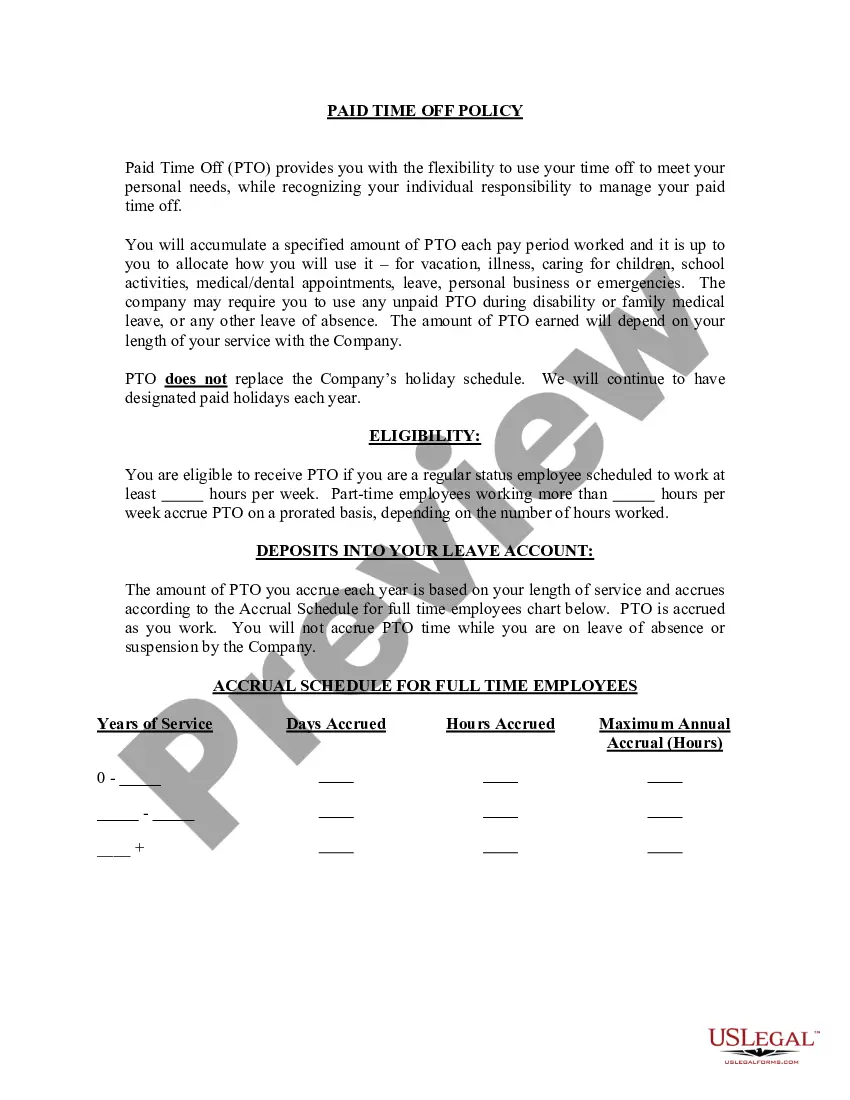




How to fill out Confidentiality Agreement For Therapists?
If you want to complete, download, or print legal document templates, utilize US Legal Forms, the top collection of legal forms, available online.
Utilize the site’s straightforward and convenient search to find the documents you require.
Various templates for business and personal purposes are organized by categories and regions, or keywords.
Step 4. Once you have located the form you need, click on the Buy now option. Select the pricing plan you prefer and enter your information to register for an account.
Step 5. Complete the transaction. You may use your credit card or PayPal account to finalize the purchase.
- Utilize US Legal Forms to acquire the California Confidentiality Agreement for Therapists with a few clicks.
- If you are already a US Legal Forms customer, Log In to your account and then select the Obtain option to receive the California Confidentiality Agreement for Therapists.
- You can also access forms you previously acquired in the My documents section of your account.
- If you are using US Legal Forms for the first time, follow the steps below.
- Step 1. Ensure you have chosen the form for your specific area/country.
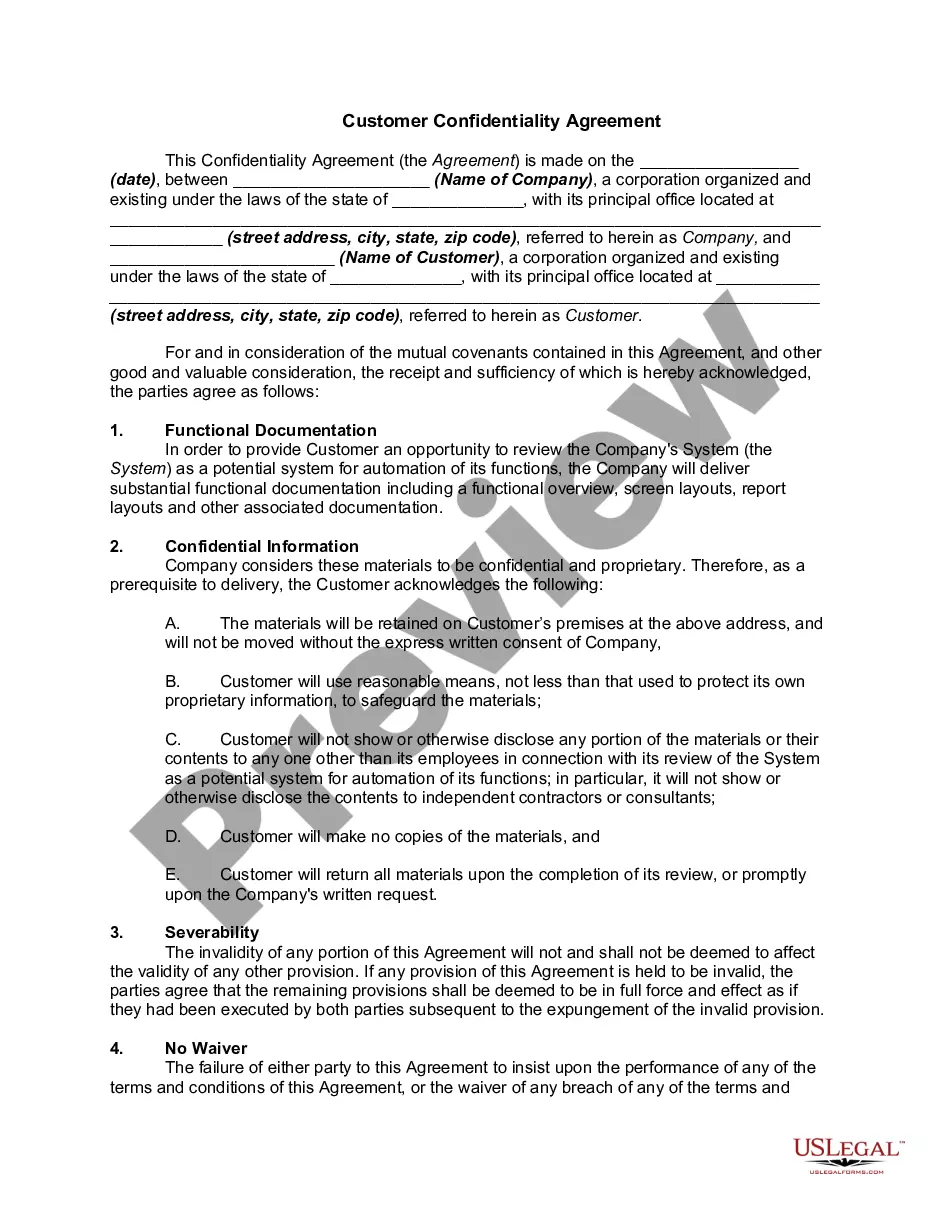
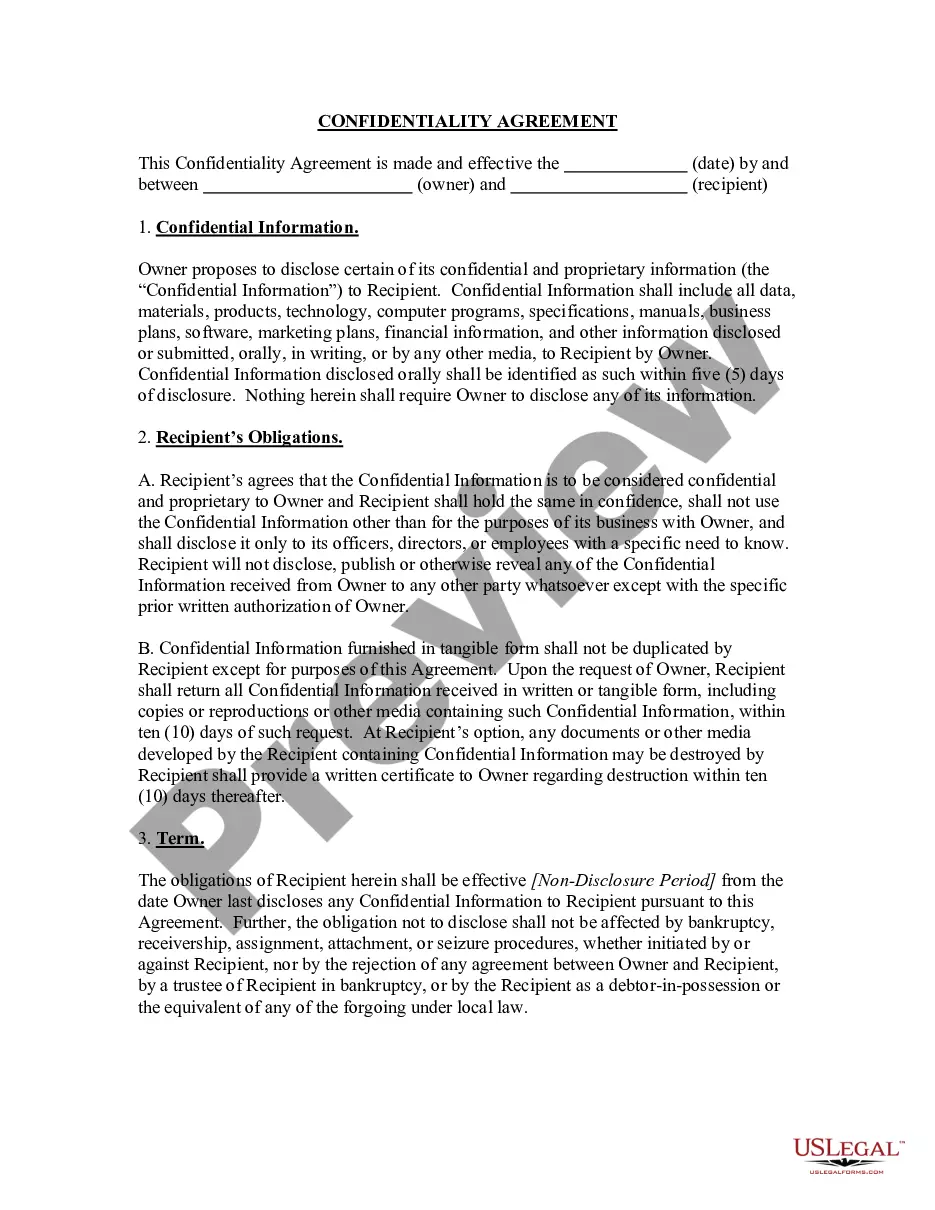
- Step 2. Utilize the Preview feature to inspect the form's content. Be sure to review the outline.
- Step 3. If you are not satisfied with the form, use the Search field at the top of the page to find other versions of the legal document template.
Form popularity
FAQ
An example of a confidentiality statement in therapy might read, 'All communications during our sessions will remain confidential unless otherwise agreed upon in writing.' This statement emphasizes the therapist's commitment to privacy, reinforcing trust between the therapist and client. Consistent use of such statements can enhance the therapeutic alliance.
They include reporting child, elder and dependent adult abuse, and the so-called "duty to protect." However, there are other, lesserknown exceptions also required by law. Each will be presented in turn.
You have the right not to disclose any confidential communications between you and your psychotherapist in a California criminal jury trial; and. You have the right to prevent your therapist from disclosing any such confidential communications.
The following situations typically legally obligate therapists to break confidentiality and seek outside assistance:Detailed planning of future suicide attempts.Other concrete signs of suicidal intent.Planned violence towards others.Planned future child abuse.Formerly committed child abuse.Experiencing child abuse.More items...?
Breaching Confidentiality.Confidentiality can be broken for the following reasons:Threat to Self.Threat to Others.Suspicion of Abuse.Duty to Warn.
Counseling is confidential The law in the State of California mandates that information may be appropriately shared when the following conditions exist: If you present an imminent threat of harm to yourself or others. When there is an indication of abuse of a child, dependent adult or elderly adult.
Mandatory Exceptions To Confidentiality They include reporting child, elder and dependent adult abuse, and the so-called "duty to protect." However, there are other, lesserknown exceptions also required by law.
Psychologists can (or must) break confidentiality, and take other appropriate actions, as warranted, if: 1. You are a danger to yourself and threaten to harm yourself (e.g., suicidal). 2.