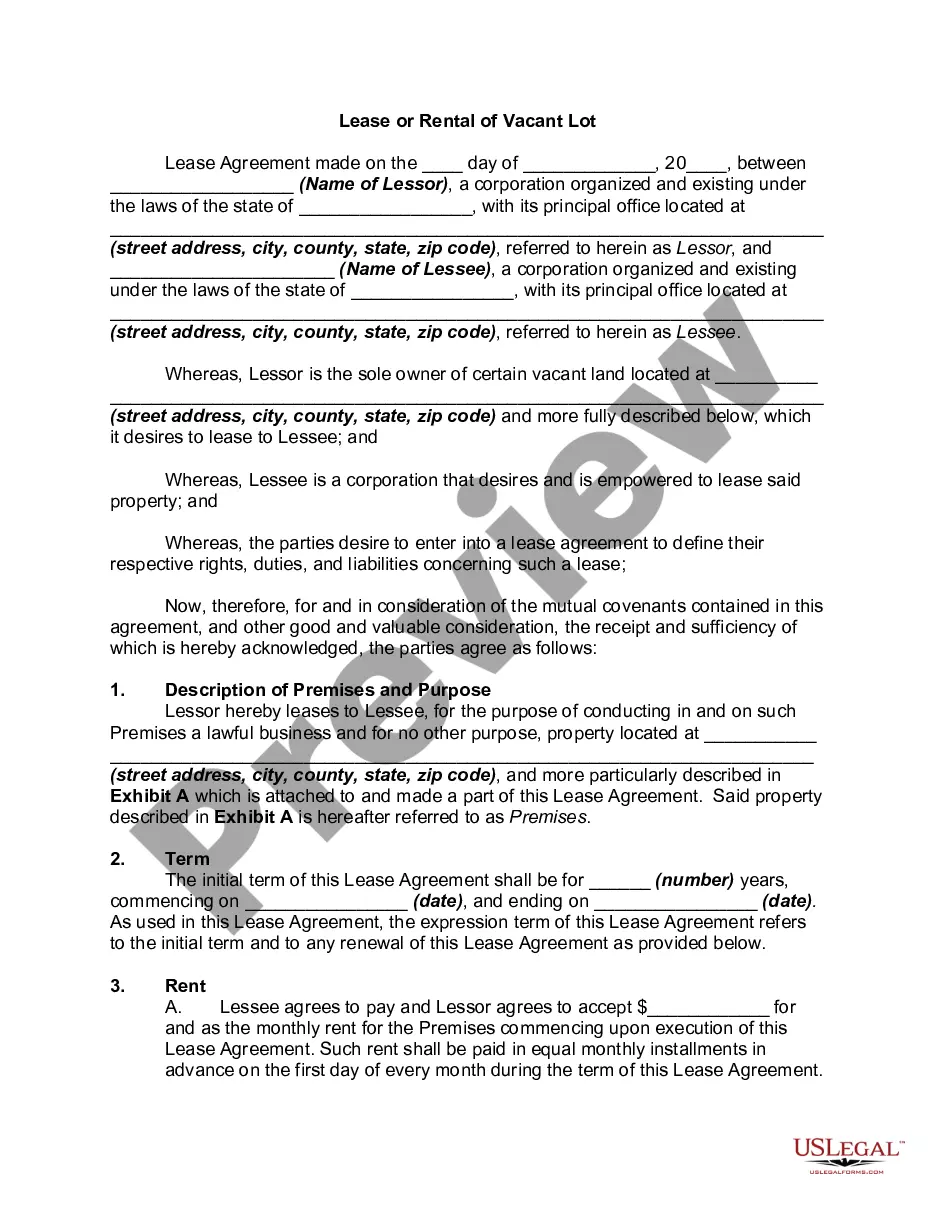
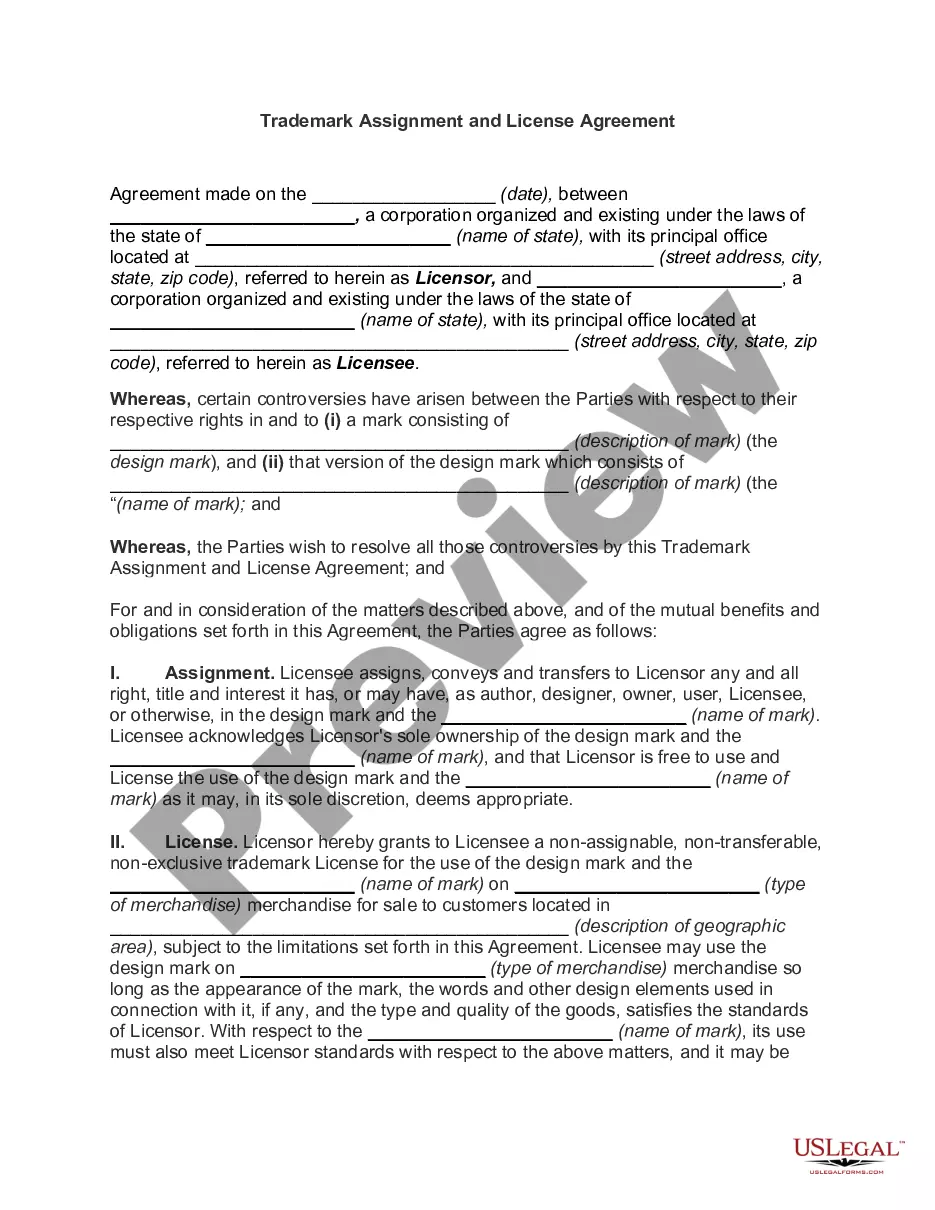
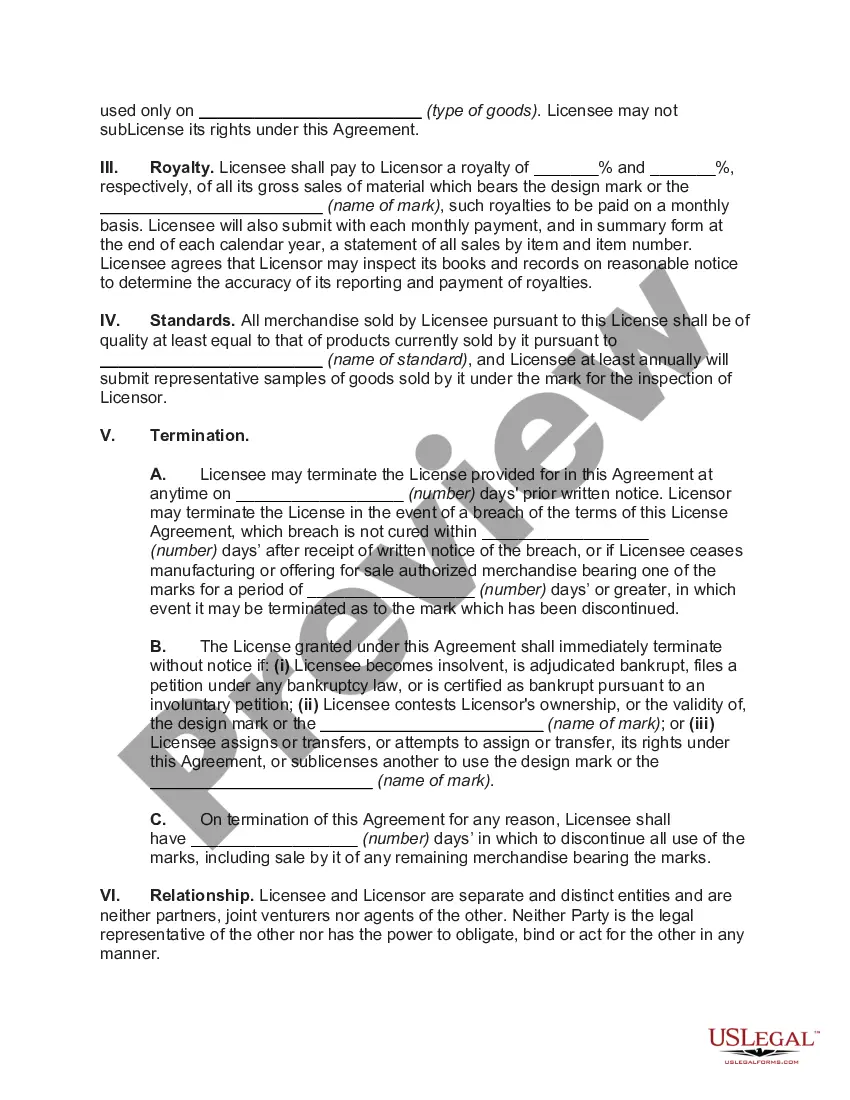
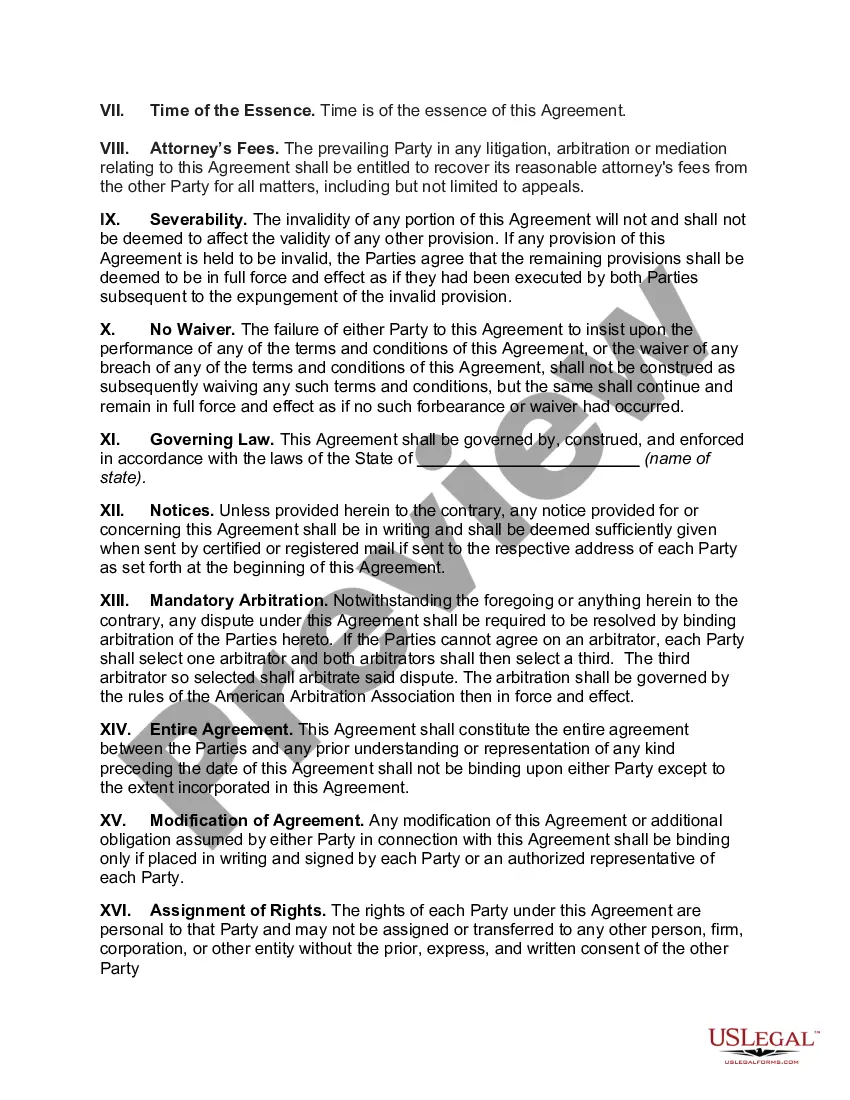
California Trademark Assignment and License Agreement
Description
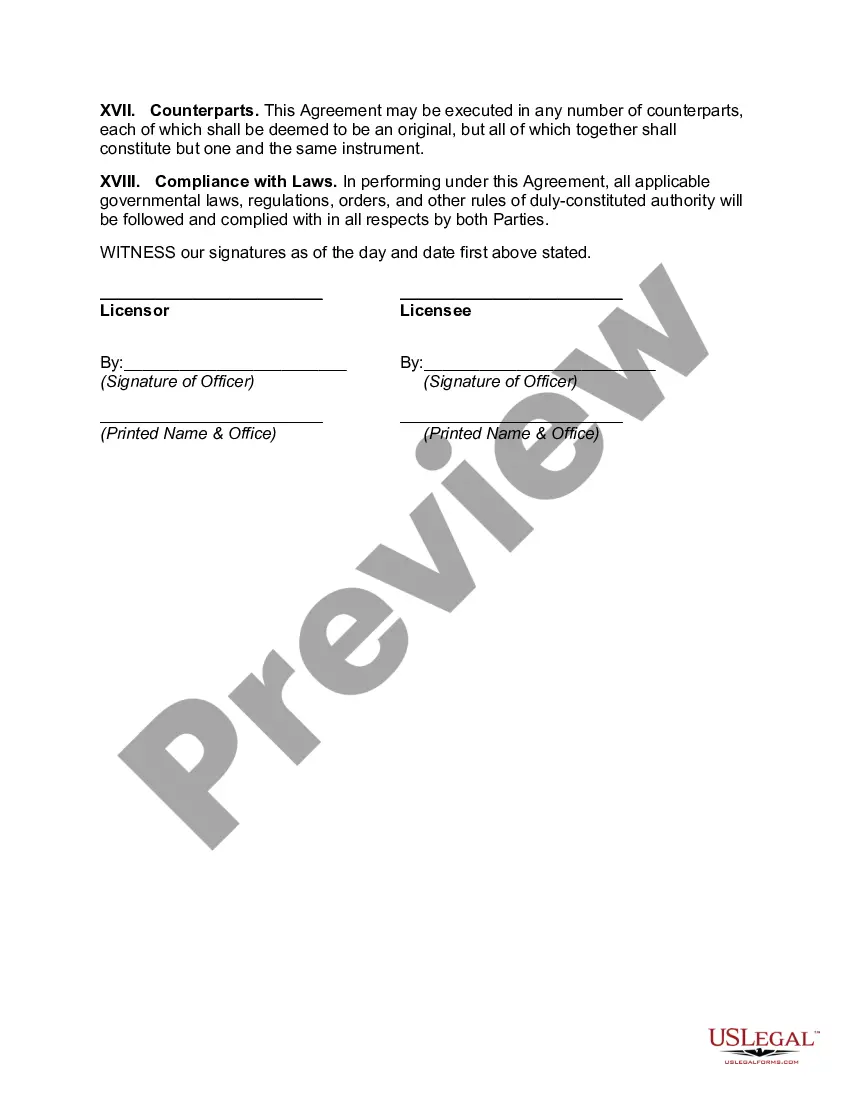
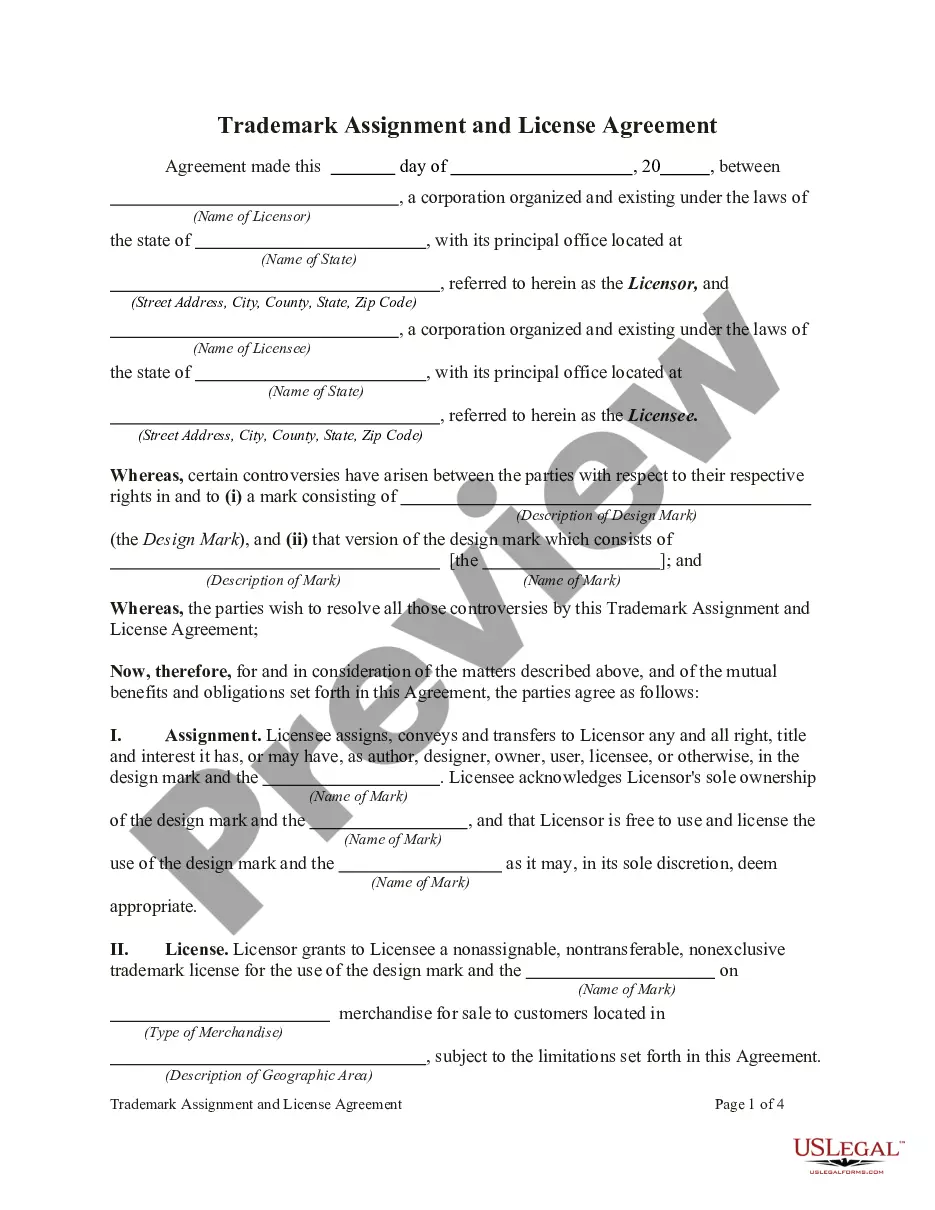
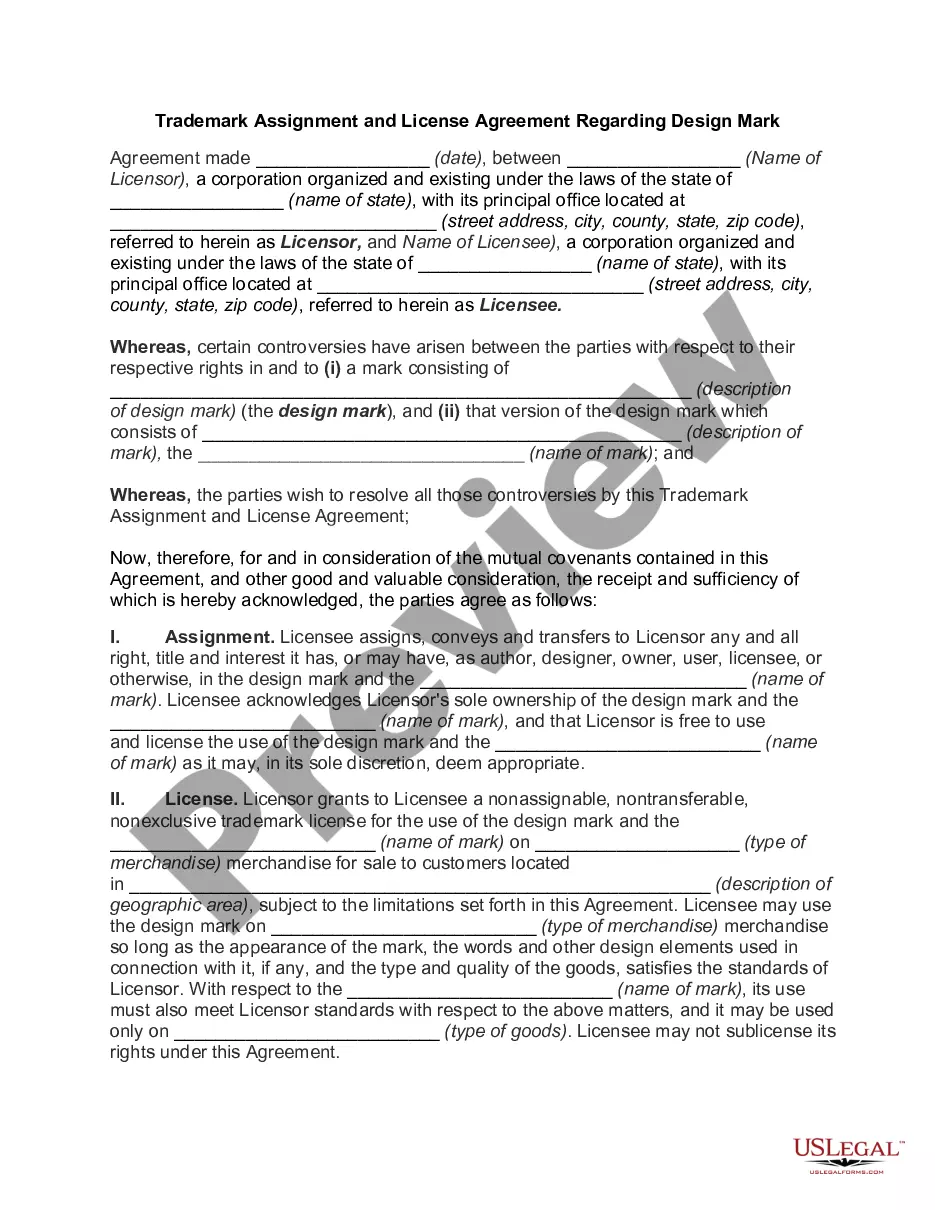
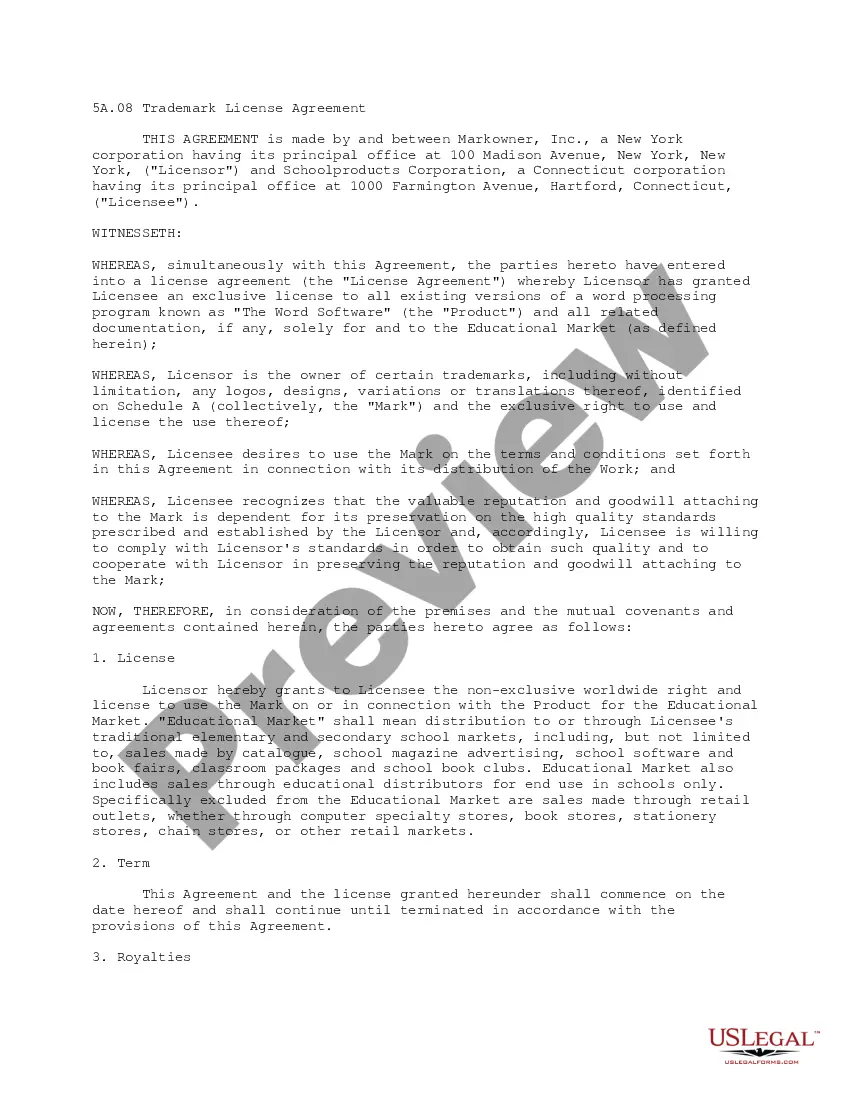
Get your form ready online
Our built-in tools help you complete, sign, share, and store your documents in one place.
Make edits, fill in missing information, and update formatting in US Legal Forms—just like you would in MS Word.
Download a copy, print it, send it by email, or mail it via USPS—whatever works best for your next step.
Sign and collect signatures with our SignNow integration. Send to multiple recipients, set reminders, and more. Go Premium to unlock E-Sign.
If this form requires notarization, complete it online through a secure video call—no need to meet a notary in person or wait for an appointment.
We protect your documents and personal data by following strict security and privacy standards.

Make edits, fill in missing information, and update formatting in US Legal Forms—just like you would in MS Word.

Download a copy, print it, send it by email, or mail it via USPS—whatever works best for your next step.

Sign and collect signatures with our SignNow integration. Send to multiple recipients, set reminders, and more. Go Premium to unlock E-Sign.

If this form requires notarization, complete it online through a secure video call—no need to meet a notary in person or wait for an appointment.

We protect your documents and personal data by following strict security and privacy standards.
Looking for another form?
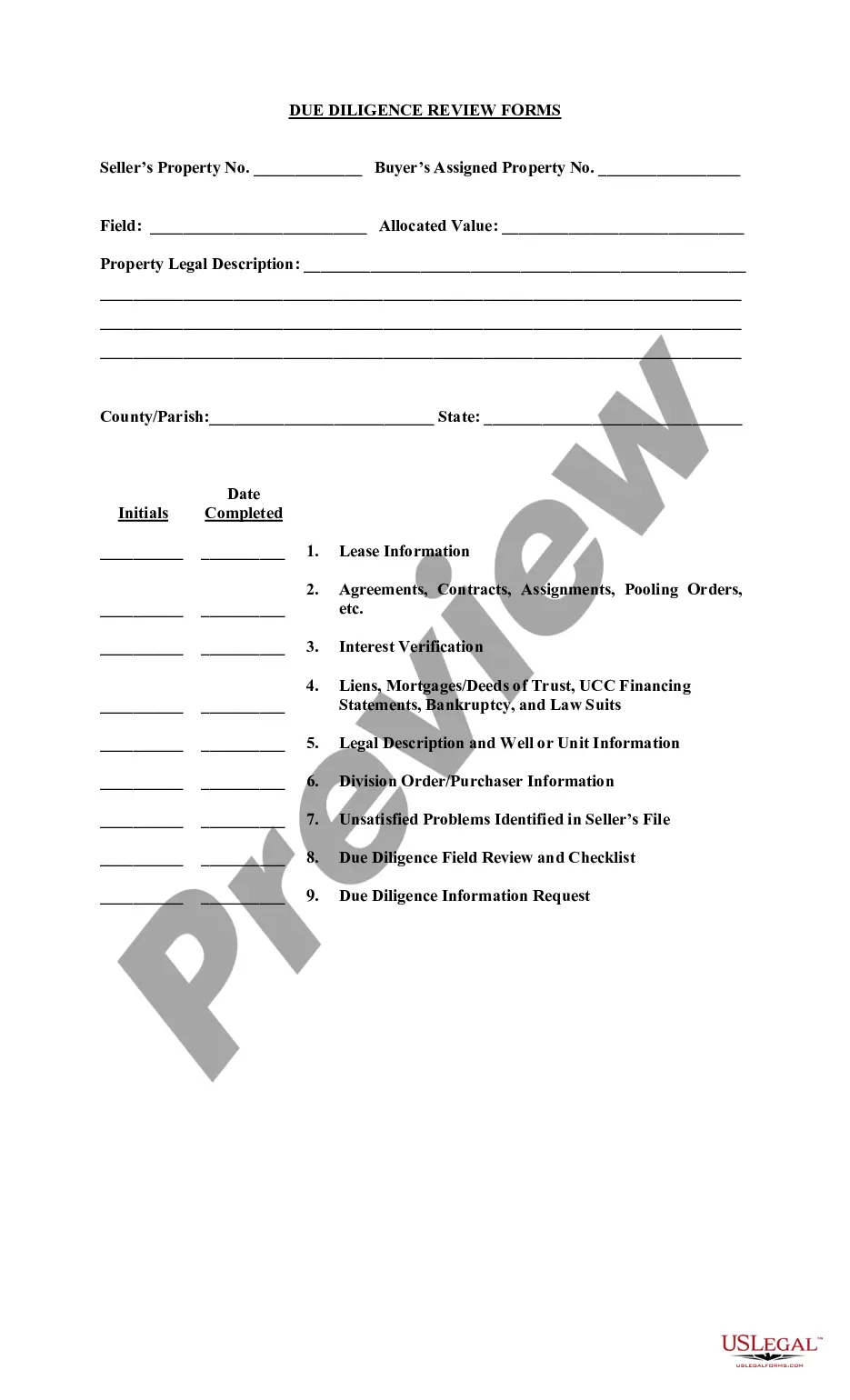


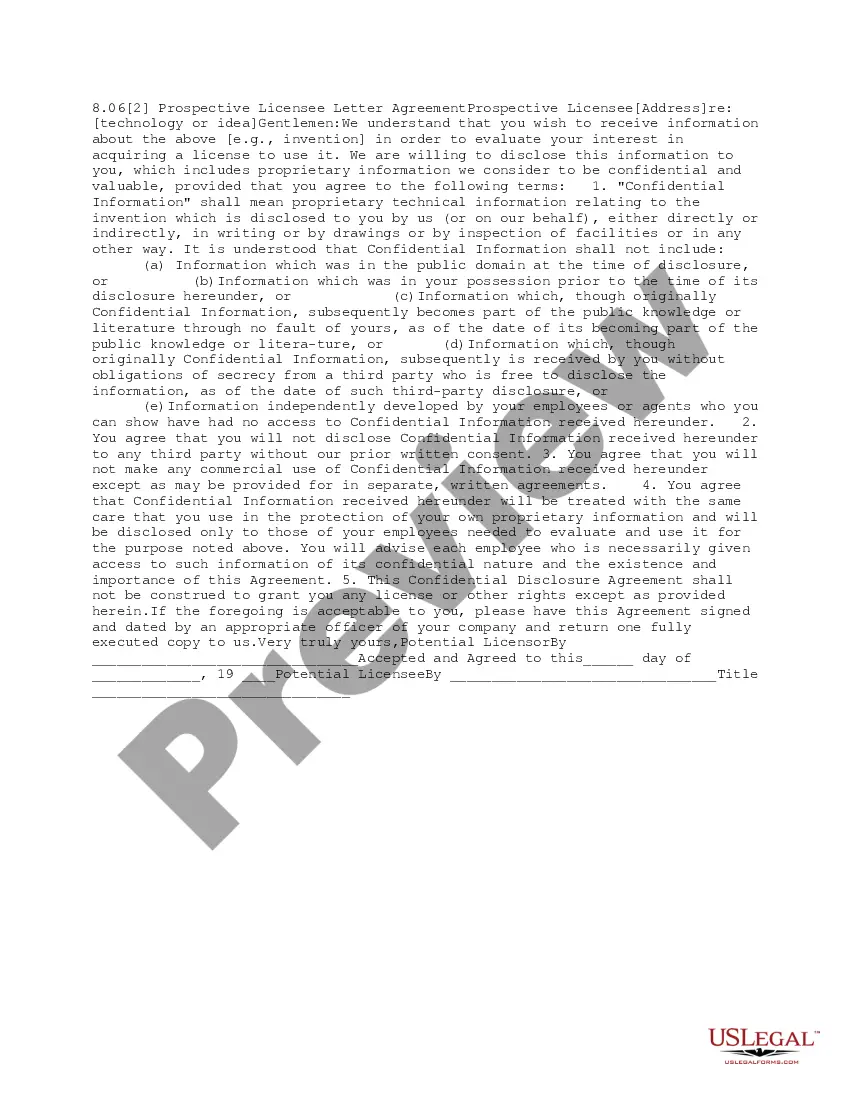



How to fill out Trademark Assignment And License Agreement?
Locating the appropriate legal document template can be a considerable challenge.
It goes without saying that there are numerous templates accessible online, but how can you obtain the legal document you need.
Utilize the US Legal Forms website. The platform offers an extensive range of templates, such as the California Trademark Assignment and License Agreement, suitable for business and personal uses.
You can review the document using the Review option and check the document description to confirm it is the appropriate one for your needs.
- All documents are verified by professionals and comply with state and federal regulations.
- If you are currently registered, Log In to your account and select the Download option to obtain the California Trademark Assignment and License Agreement.
- Use your account to search through the legal documents you have previously purchased.
- Access the My documents section of your account to retrieve another copy of the document you need.
- If you are a new user of US Legal Forms, here are some simple steps to follow.
- First, ensure you've chosen the correct form for your location.
Form popularity
FAQ
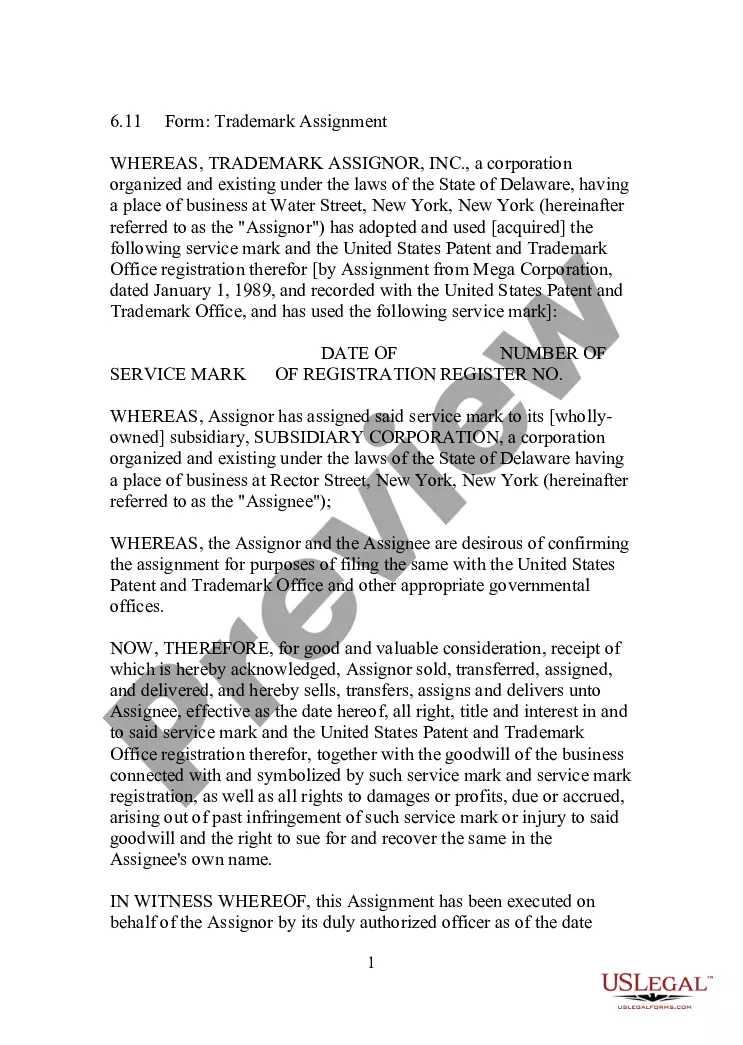
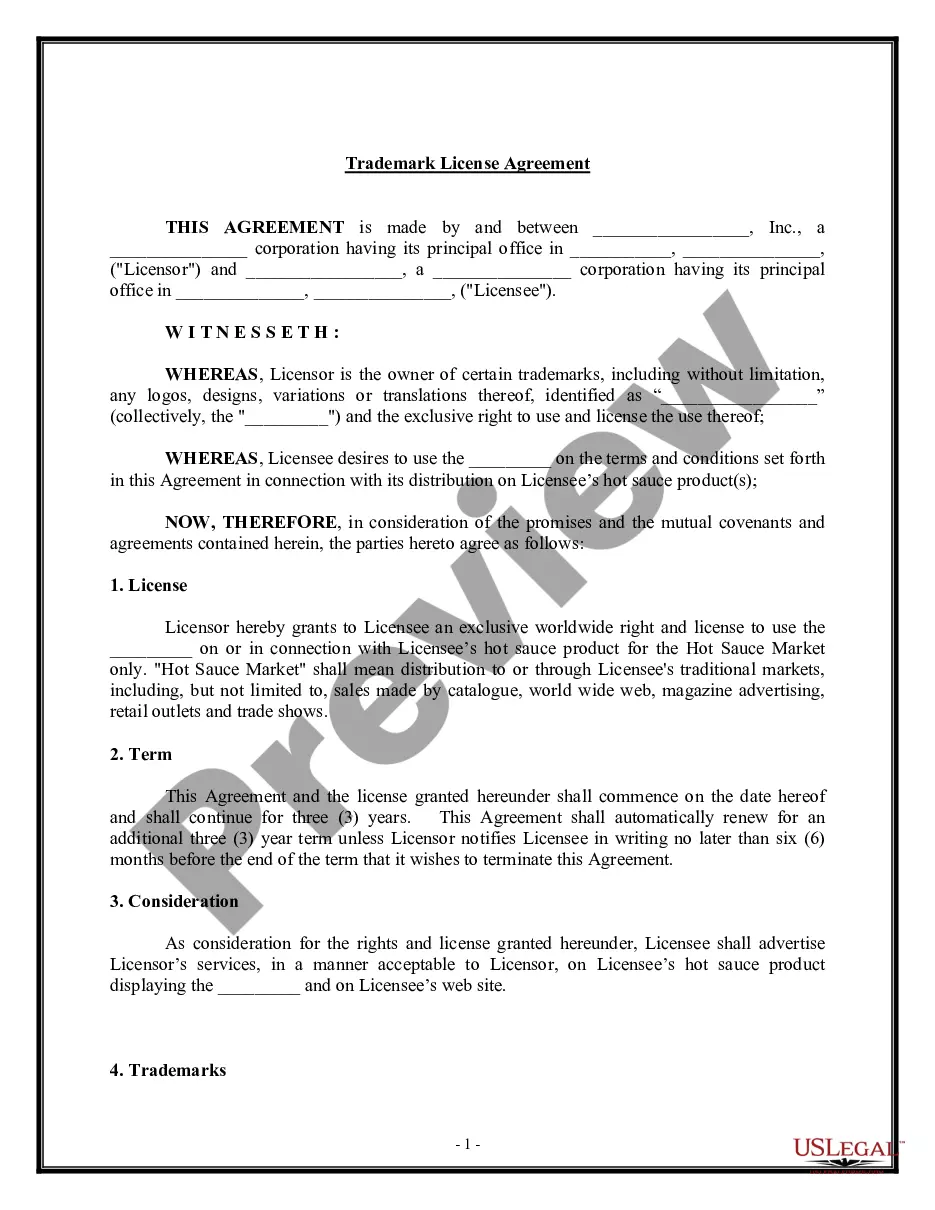
To put it summarily, in case of an assignment of a trademark, there is a change in the ownership of the registered brand and in case of licensing, the right in the trade mark continues to vest with the original owner but only few restricted rights to use the brand/mark are given to the third party.
The Act allows a registered proprietor to assign or license out the use of his trademark. The assignment and licensing can be made with or without the goodwill of the business concerned. A trademark need not be registered to be assigned or licensed.
Typically only the party assigning the intellectual property must sign the assignment, and while notarization is strongly preferred it is not strictly required. Once as assignment has been executed, it should be recorded.
There is no proscribed form for the assignment, but by statute it must be in writing and duly executed. The assignment will be checked for accuracy by the United States Patent and Trademark Office (PTO) so make sure the information in the application matches the assignment document.
Trademark Assignment Agreement is the transfer of a Trademark owner's rights, title or name, and interest in service mark/Trademark. The transferring party or assignor transfer property rights in the mark to the receiving party called the assignee.
The term 'assignment' and 'license' cannot be interchanged. A license is different from an agreement. Generally, in absence of any provision to the contrary, the assignee becomes the owner of the assigned work, whereas in case of a license the licensee gets the right to exercise particular rights only.
A licensed mark is a trademark that a franchisee, or other licensee, has obtained the right to display for a certain period of time. The licensee doesn't own the trademark, but the trademark owner has granted him the right to display the trademark for a limited time, and subject to certain conditions.
Instead, a trademark must be assigned through an Assignment of Rights. That Assignment must transfer not only the trademark and the registration, but must also transfer the goodwill behind the trademark to be valid.
A trademark license agreement allows the licensee to use (but not own) the licensor's trademark in connection with agreed-on products or services. Licensing can help a company expand into new markets effectively and easily while lending the licensee an established name and reputation.
By law, a trademark owner may transfer or sell his or her property rights to another through a legal document referred to as an assignment. An assignment is generally a written agreement in which the two parties have negotiated and agreed to a price. To be valid, the assignment must be signed by both parties.