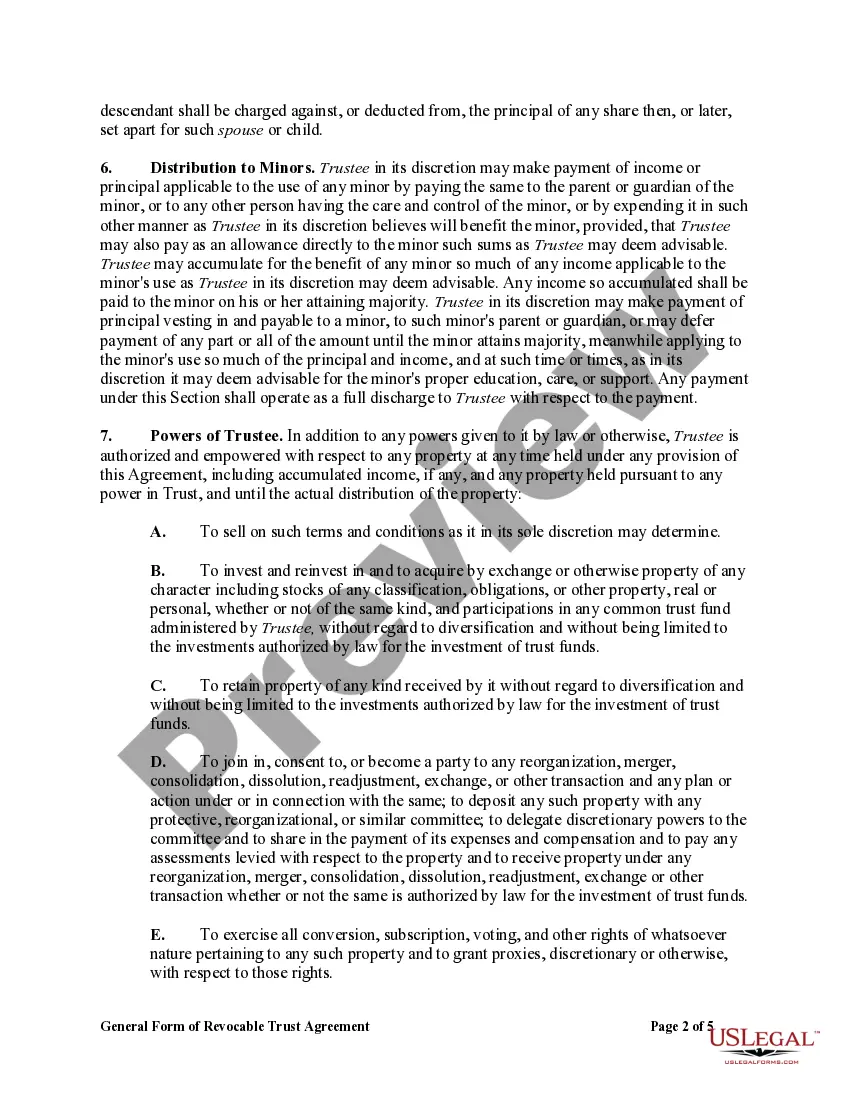
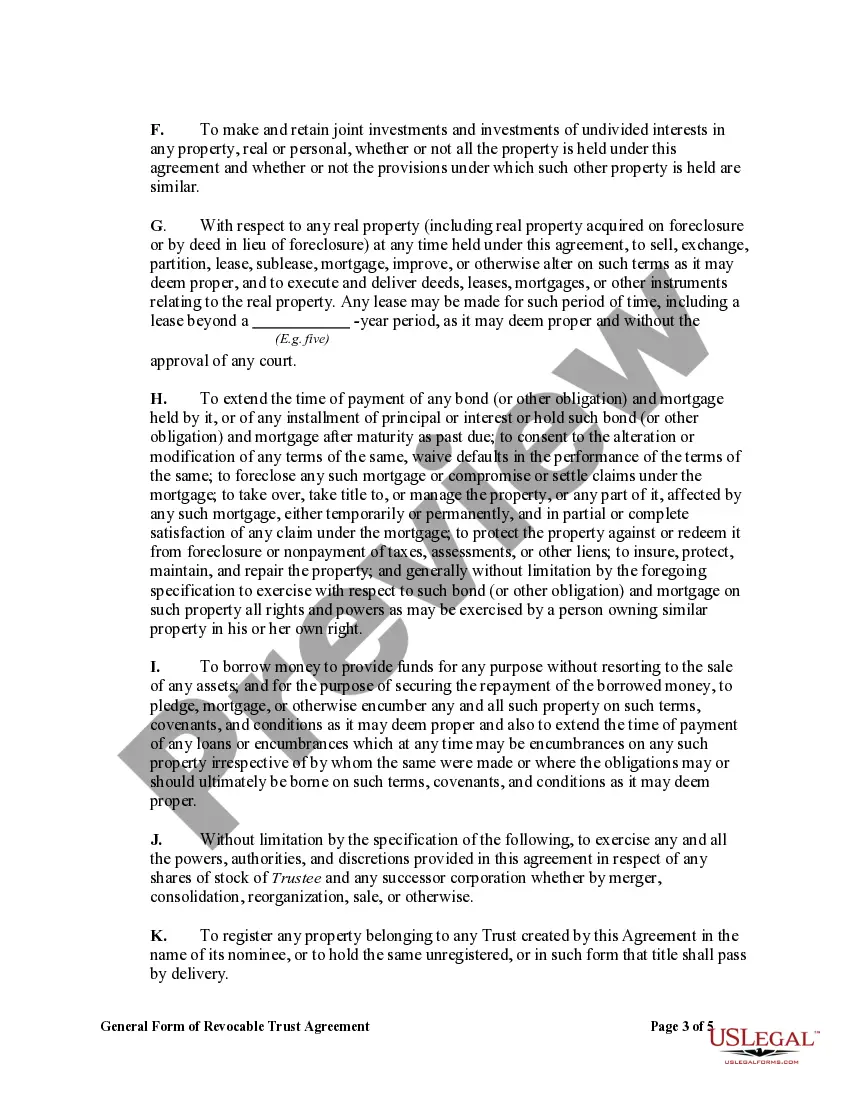
California Revocable Trust for Estate Planning
Description
Get your form ready online
Our built-in tools help you complete, sign, share, and store your documents in one place.
Make edits, fill in missing information, and update formatting in US Legal Forms—just like you would in MS Word.
Download a copy, print it, send it by email, or mail it via USPS—whatever works best for your next step.
Sign and collect signatures with our SignNow integration. Send to multiple recipients, set reminders, and more. Go Premium to unlock E-Sign.
If this form requires notarization, complete it online through a secure video call—no need to meet a notary in person or wait for an appointment.
We protect your documents and personal data by following strict security and privacy standards.

Make edits, fill in missing information, and update formatting in US Legal Forms—just like you would in MS Word.

Download a copy, print it, send it by email, or mail it via USPS—whatever works best for your next step.

Sign and collect signatures with our SignNow integration. Send to multiple recipients, set reminders, and more. Go Premium to unlock E-Sign.

If this form requires notarization, complete it online through a secure video call—no need to meet a notary in person or wait for an appointment.

We protect your documents and personal data by following strict security and privacy standards.
Looking for another form?








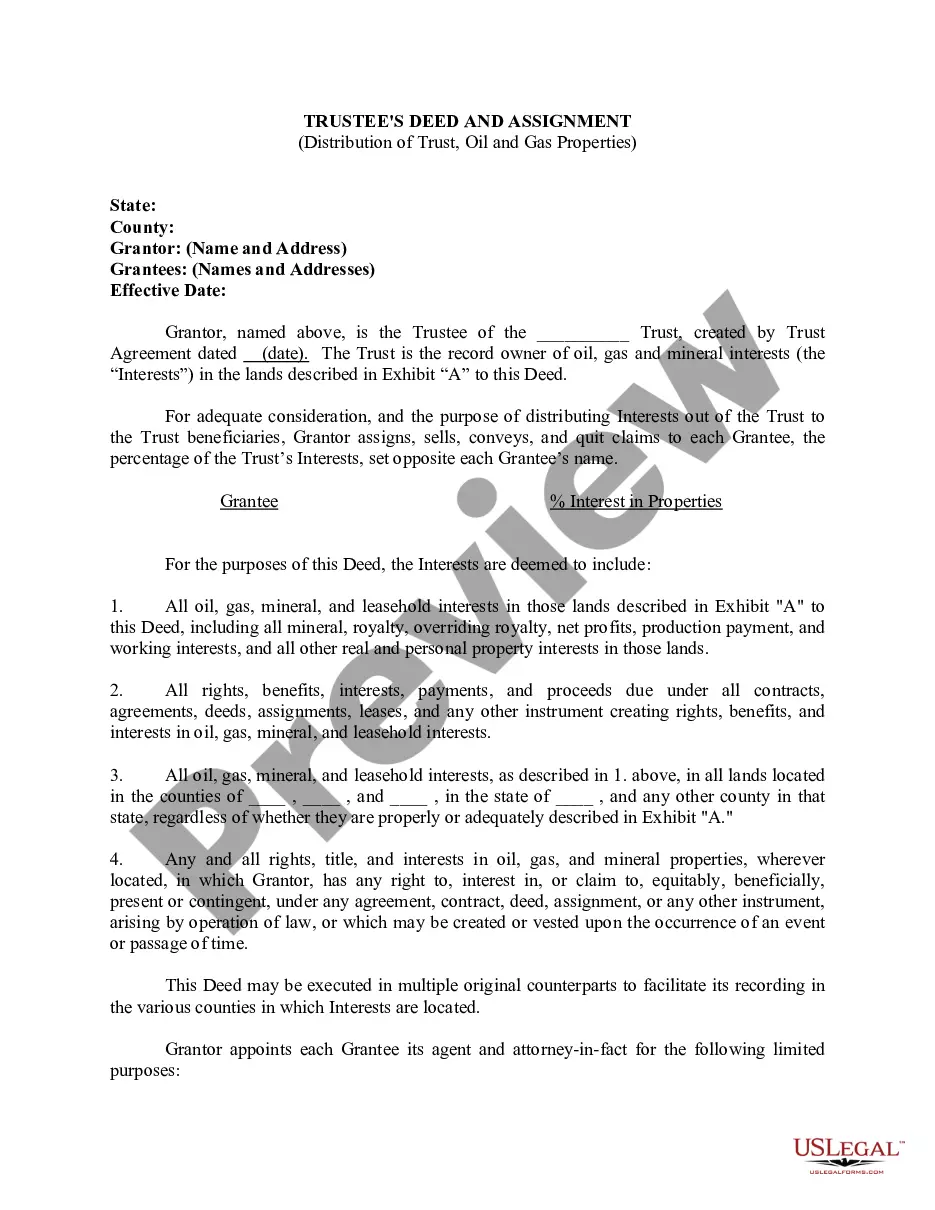
How to fill out Revocable Trust For Estate Planning?
Selecting the optimal legal document format can be quite a challenge.
Certainly, there are numerous templates accessible online, but how do you find the legal document you need.
Utilize the US Legal Forms website.
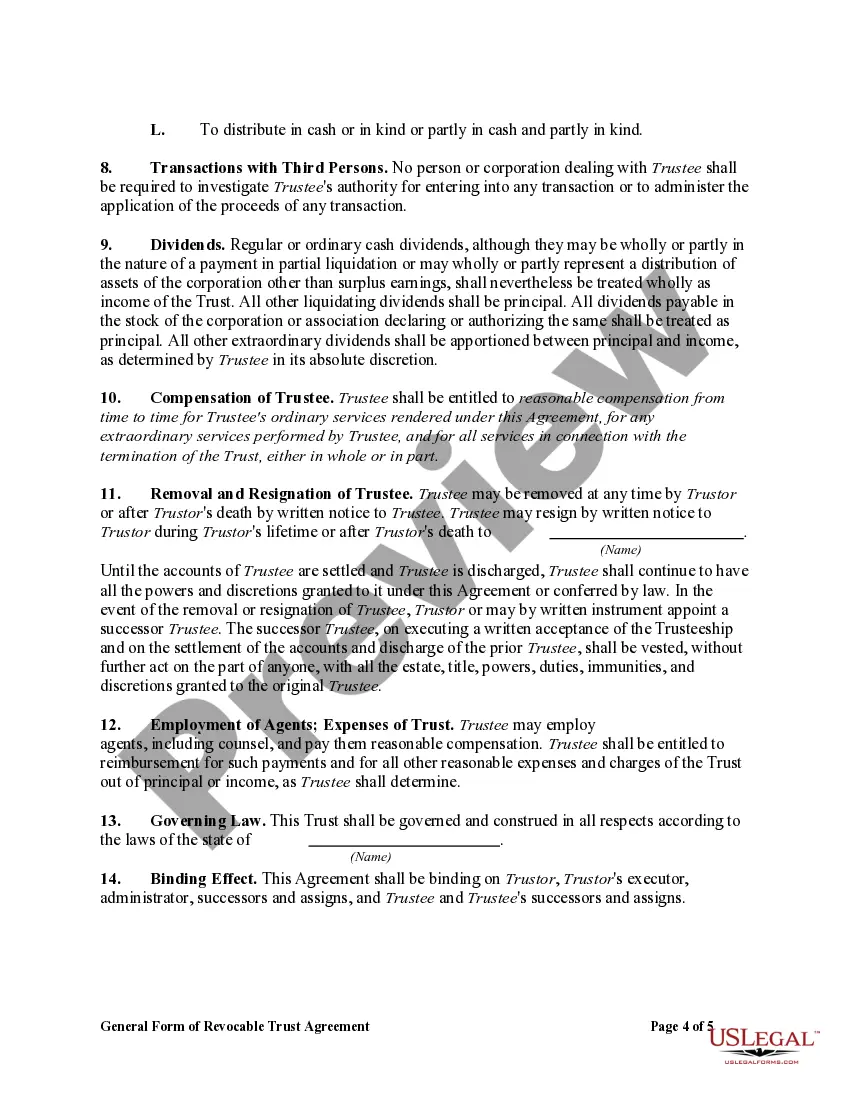
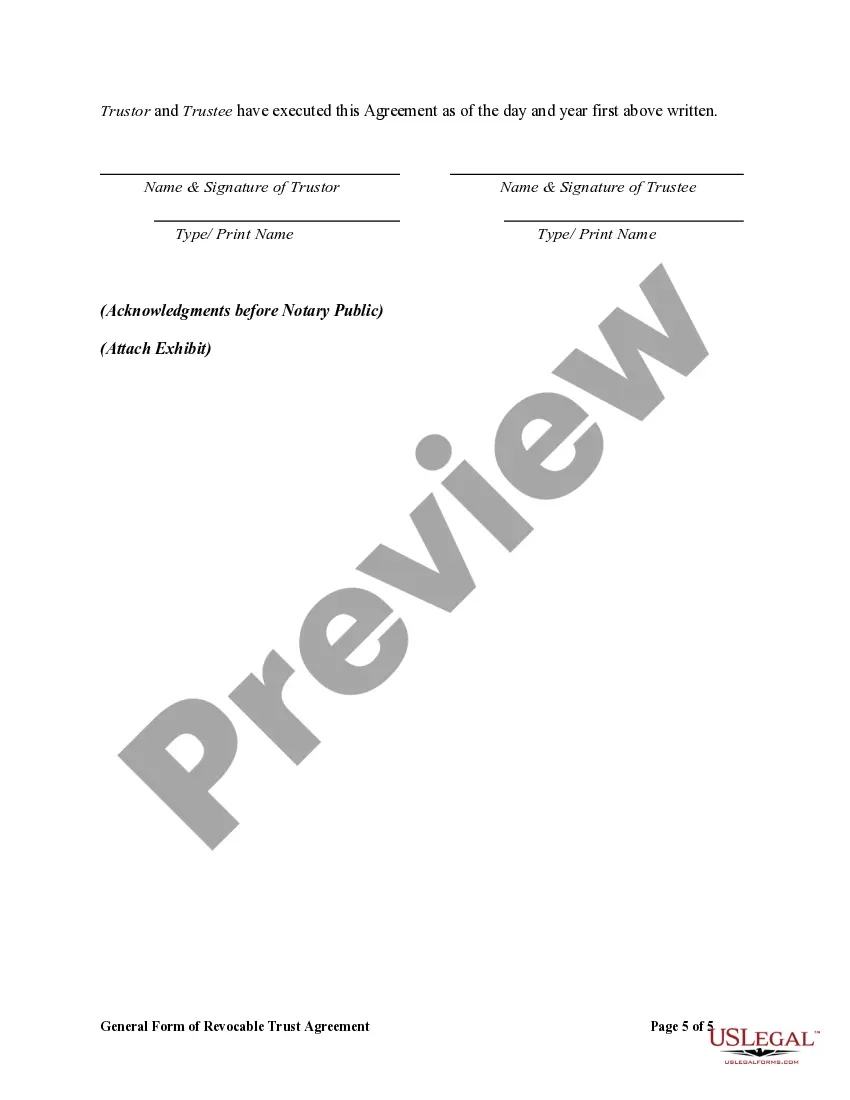
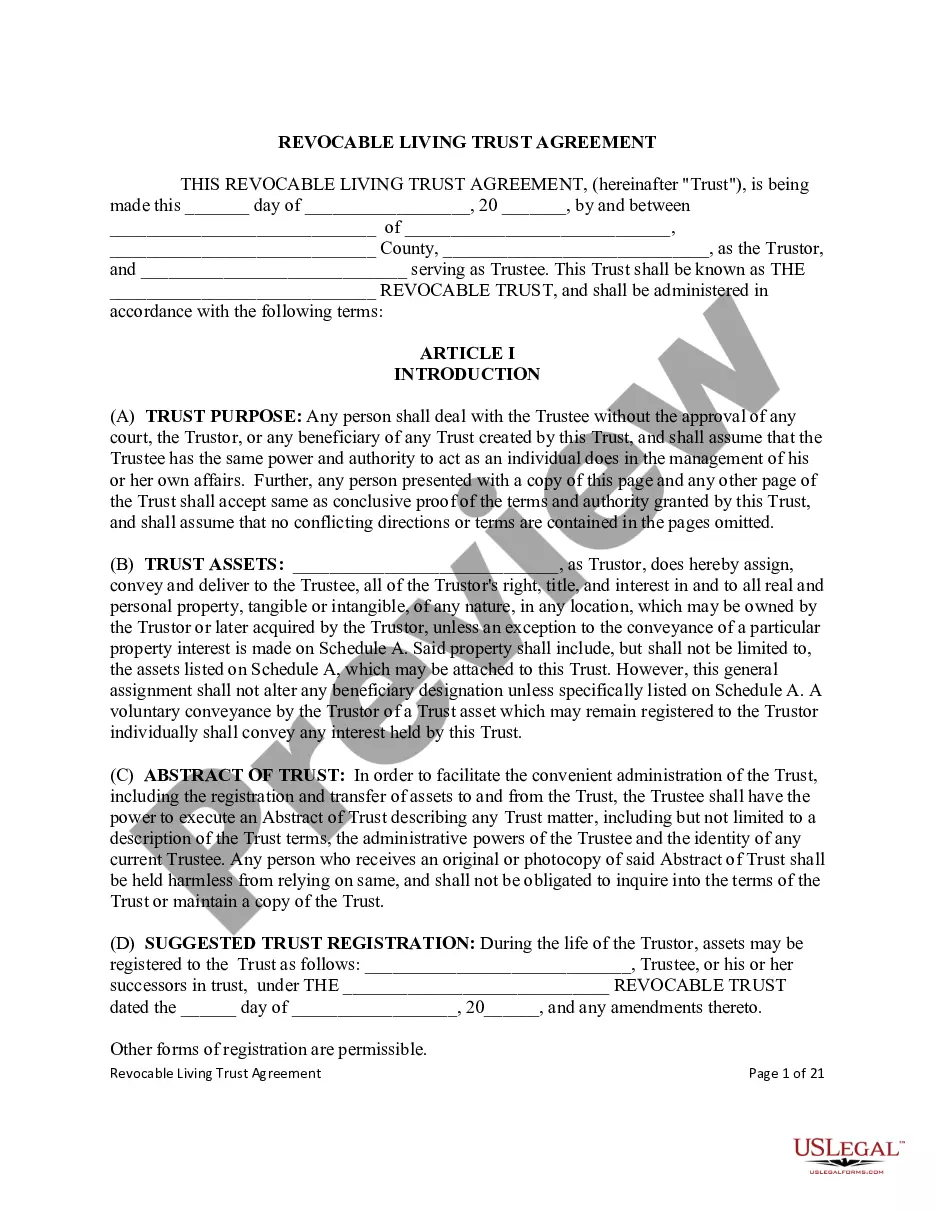
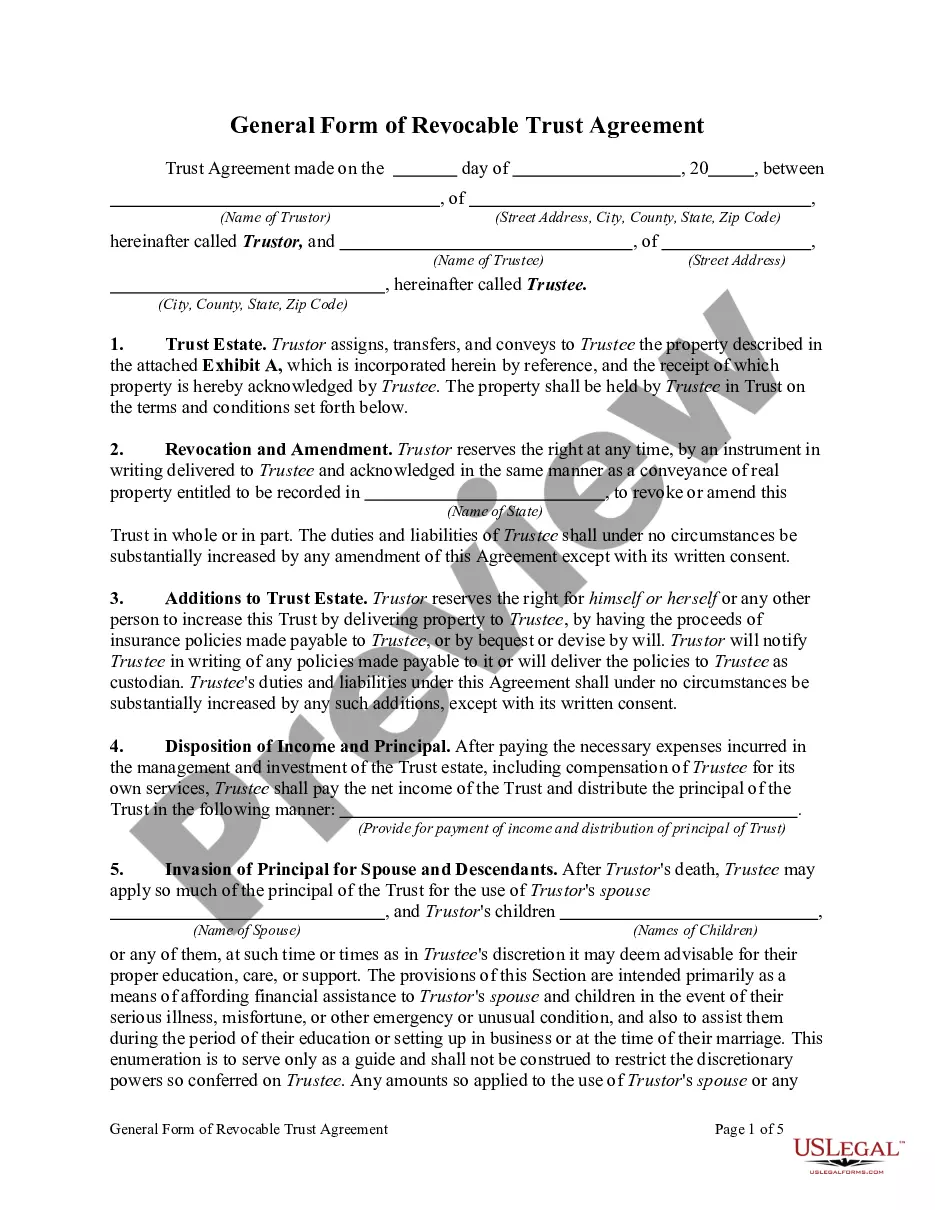
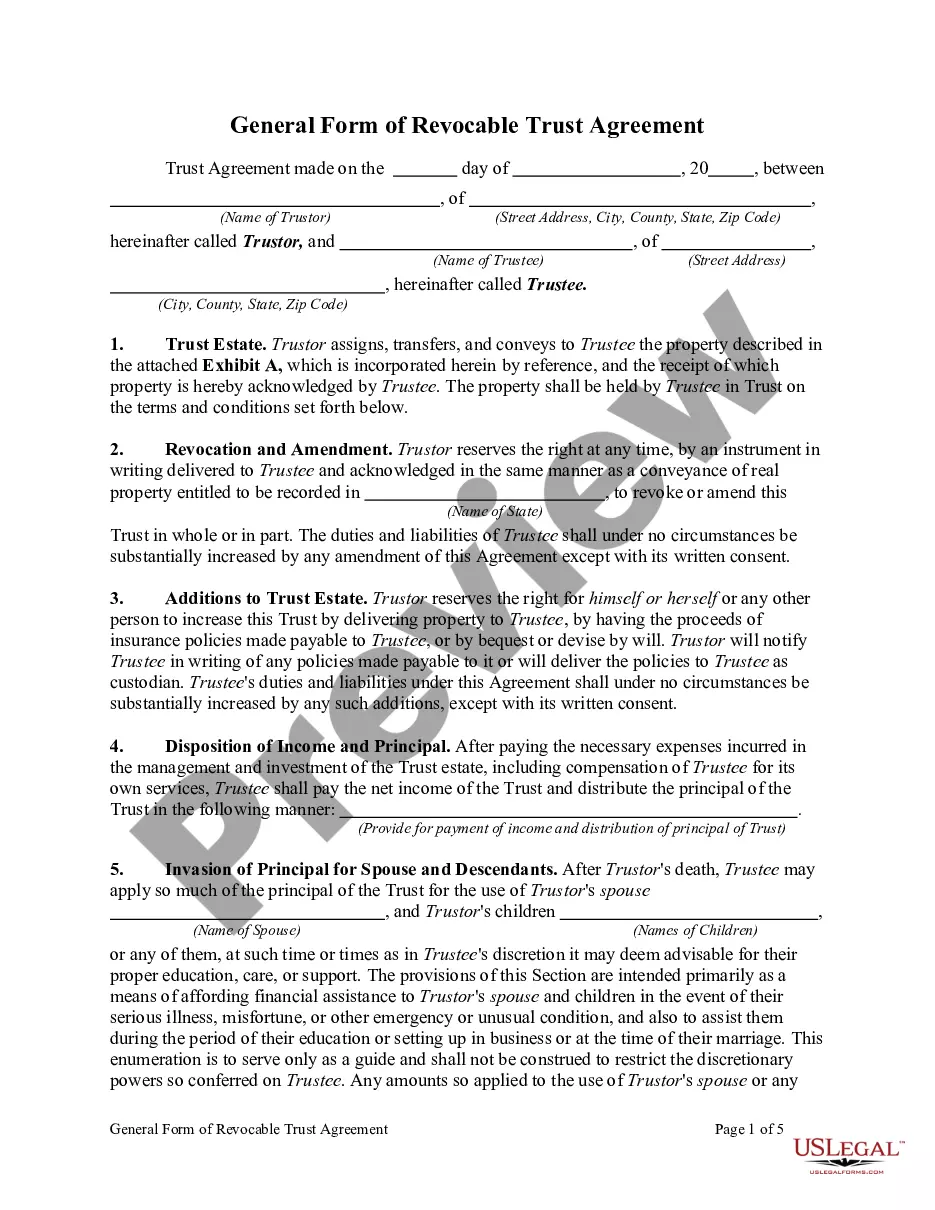
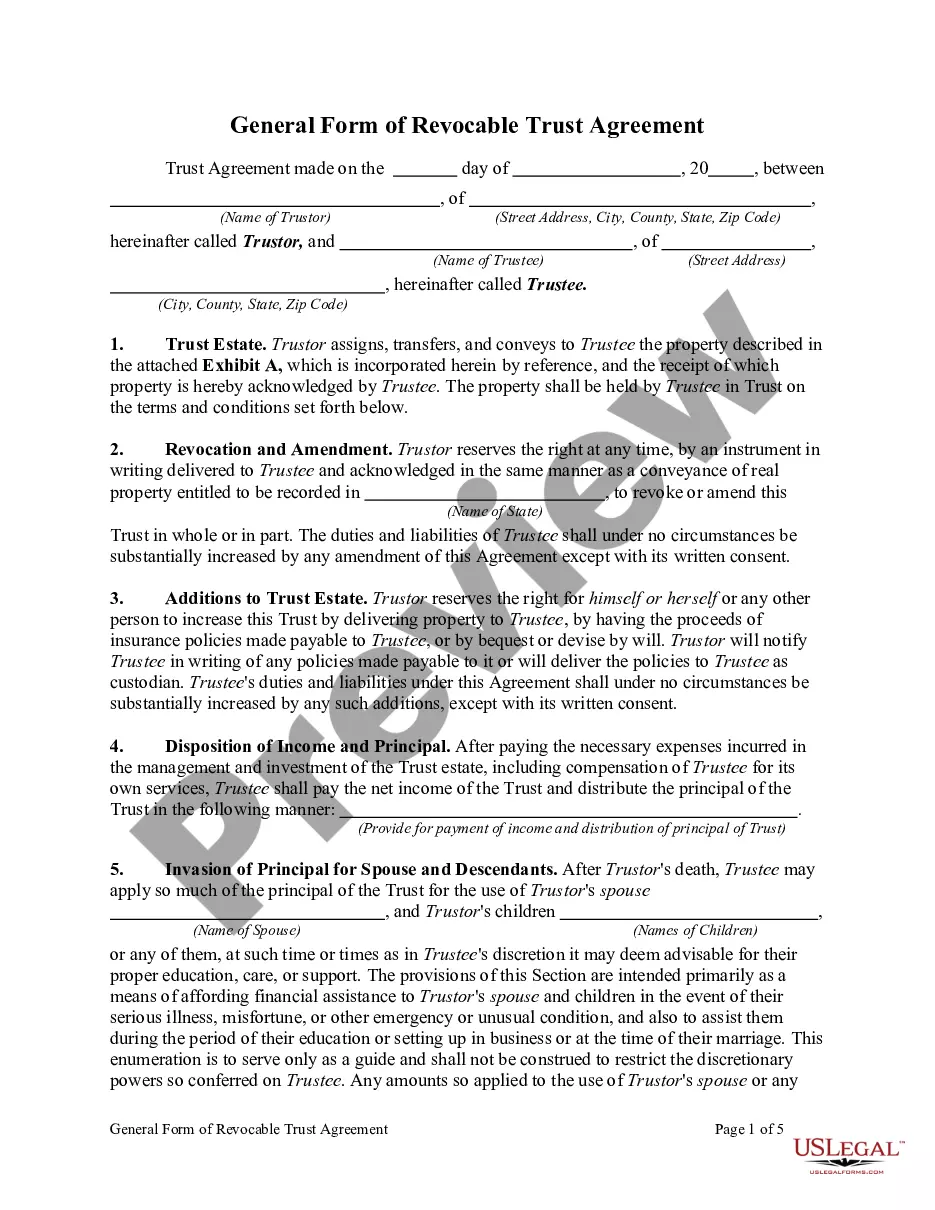
First, ensure you have chosen the correct document for your area/region. You can review the document using the Preview button and examine the document details to confirm it is the right one for you.
- The service offers a vast array of templates, including the California Revocable Trust for Estate Planning, suitable for both business and personal uses.
- All the documents are verified by professionals and comply with state and federal regulations.
- If you are already registered, Log In to your account and click the Download button to access the California Revocable Trust for Estate Planning.
- Use your account to browse the legal documents you have previously acquired.
- Visit the My documents section of your account to download another copy of the document you need.
- If you are a new US Legal Forms user, here are some straightforward steps you can follow.
Form popularity
FAQ
In a California revocable trust for estate planning, you, the grantor, maintain ownership of the property. Although the assets are titled in the name of the trust, you have the full right to use, manage, and alter them during your lifetime. This arrangement ensures that you retain complete control over your assets, while also simplifying the transfer process after your passing. Utilizing tools like uslegalforms can help you effectively create and manage your revocable trust.
A California revocable trust operates by allowing you to transfer ownership of your assets into the trust while retaining the right to alter or dissolve it at any time. As the trustee, you manage the trust and can direct how assets are used and distributed. Upon your passing, the successor trustee assumes control, facilitating a seamless transfer of assets to your beneficiaries without court intervention. This makes estate planning straightforward and efficient.
The greatest advantage of a California revocable trust for estate planning is its ability to provide control and flexibility. You can manage your assets while you're alive and make changes as needed, ensuring your wishes are respected. This feature eases the transition for your heirs, as they can bypass the complexities of probate. Ultimately, it empowers you to shape your estate plan according to your unique needs.
A California revocable trust for estate planning offers numerous benefits. One key advantage is that it allows you to avoid probate, making the distribution of your assets smoother and faster. Additionally, it provides flexibility, as you can modify the trust during your lifetime if your circumstances change. This strategy also helps maintain privacy, safeguarding your financial details from public exposure.
Setting up a revocable trust in California involves several clear steps. Begin by defining your goals and selecting the right successor trustee, then drafting the trust document with specific terms. After creating the trust, you must fund it by transferring assets into the trust. For a seamless process, consider using USLegalForms, which provides resources and templates to guide you through establishing a California Revocable Trust for Estate Planning.
While a revocable living trust offers flexibility, it also has disadvantages in California. One key downside is that it does not provide asset protection; creditors can still access assets within the trust if needed. Additionally, establishing a trust incurs legal costs and requires proper maintenance to ensure it aligns with your estate planning goals.
Parents often overlook the necessity of naming a trustworthy successor trustee when establishing a trust fund. This oversight can lead to mismanagement or conflicts during a critical time. A California Revocable Trust for Estate Planning must include a detailed plan for who will manage the trust, ensuring that the assets are handled according to your wishes.
When setting up a trust, various pitfalls can arise, particularly for a California Revocable Trust for Estate Planning. One common issue is the failure to review and update the trust regularly, especially after significant life events like marriage or the birth of a child. Additionally, some people assume that a trust will automatically avoid probate without understanding that proper funding is essential.
Trusts, including the California Revocable Trust for Estate Planning, can have negative aspects that individuals should consider. One significant downside is that they might not shield assets from creditors in certain situations. Furthermore, if not funded correctly, the trust may not function as intended, leaving your estate vulnerable to probate.
A family trust, including a California Revocable Trust for Estate Planning, can have disadvantages such as potential costs and complexities. Setting up and maintaining the trust might require legal assistance, which can accumulate fees over time. Additionally, if the trust is not managed properly, it may fail to achieve its intended purpose, leading to complications in distributing assets.