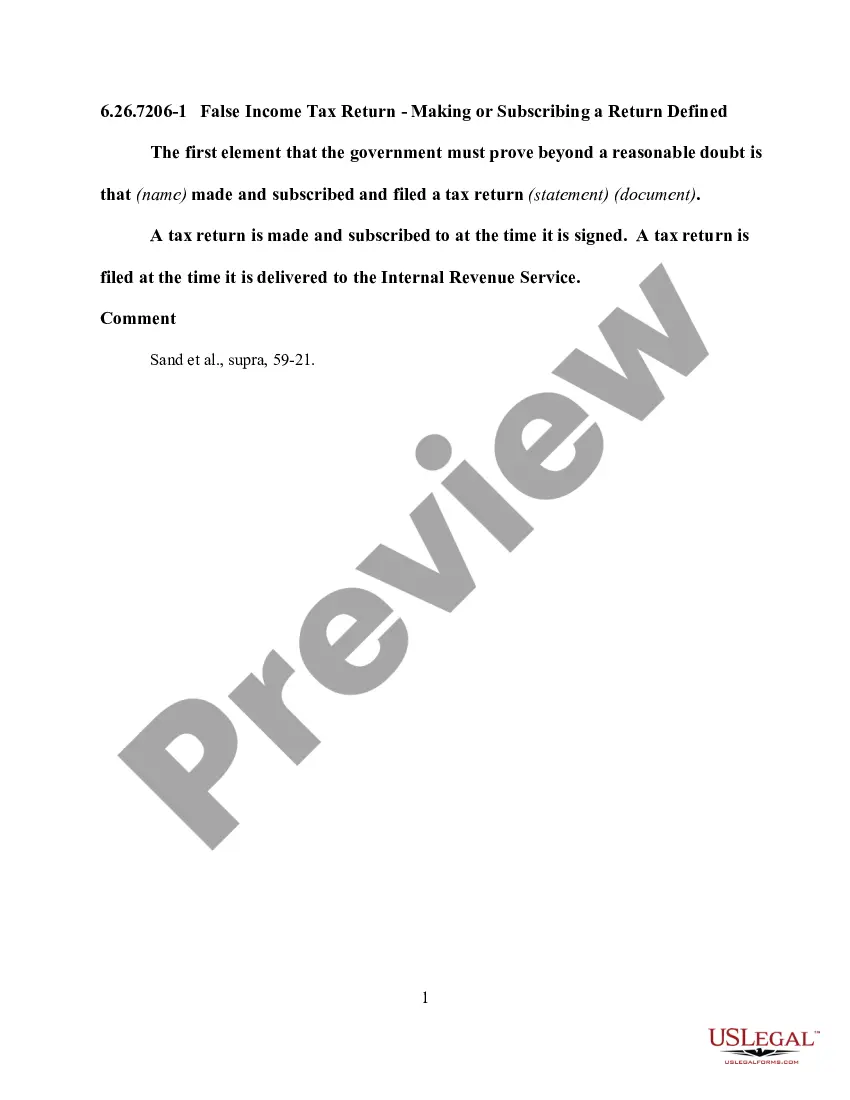
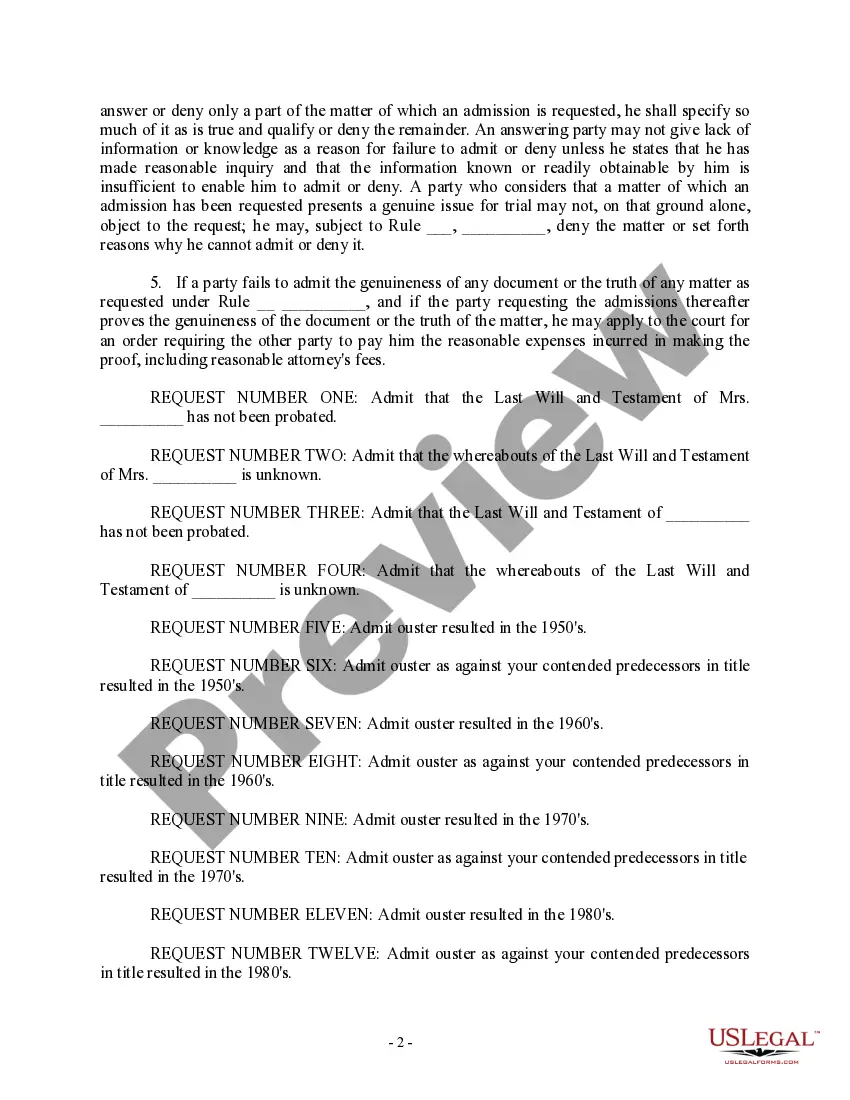
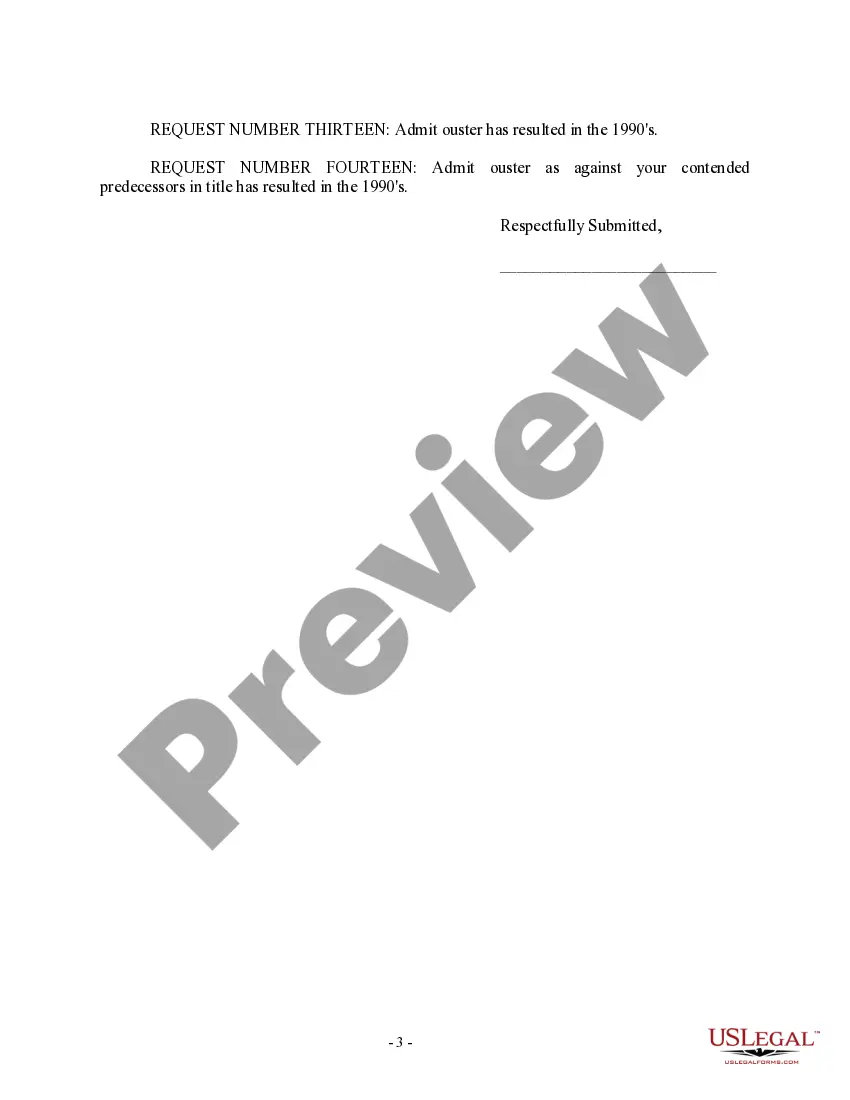
California Requests for Admissions
Description
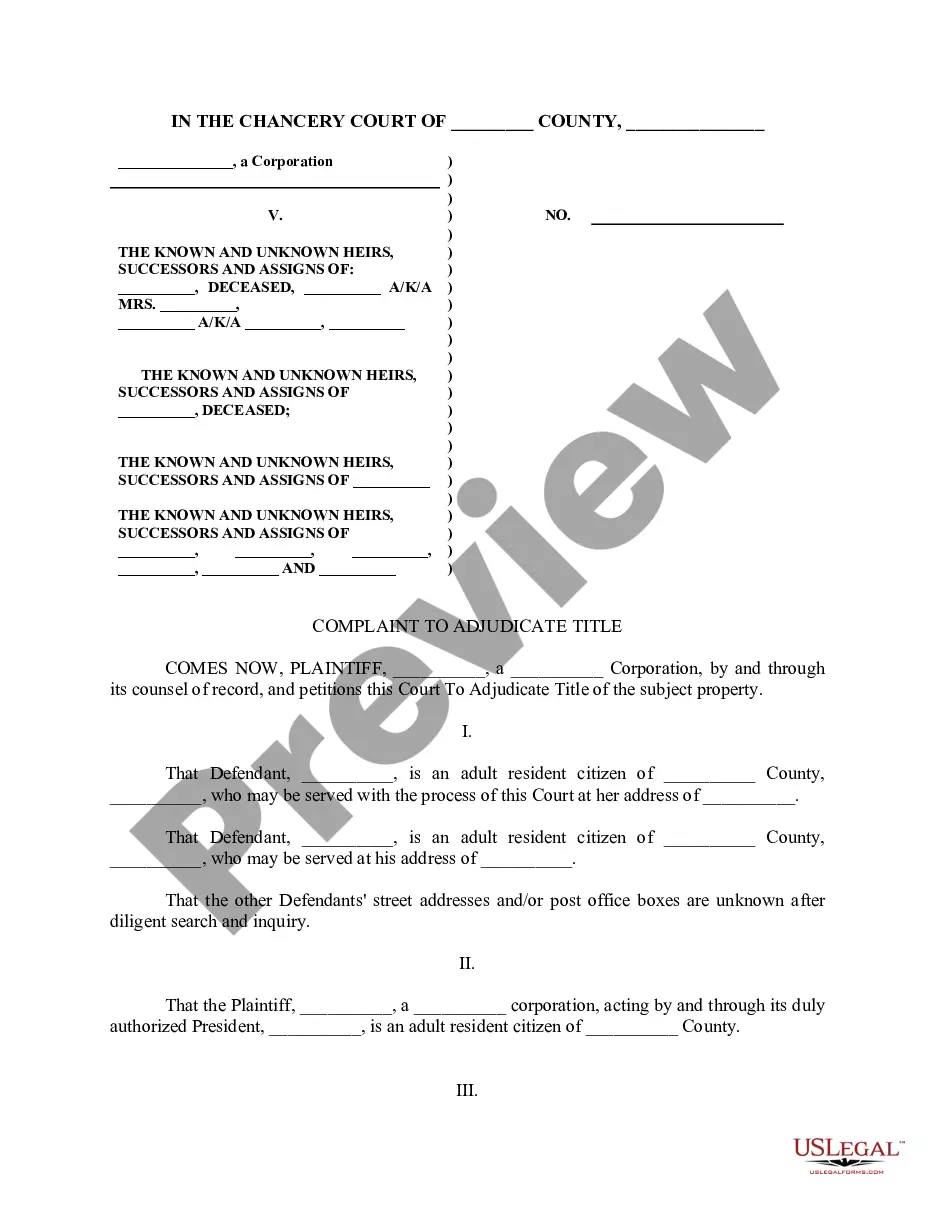
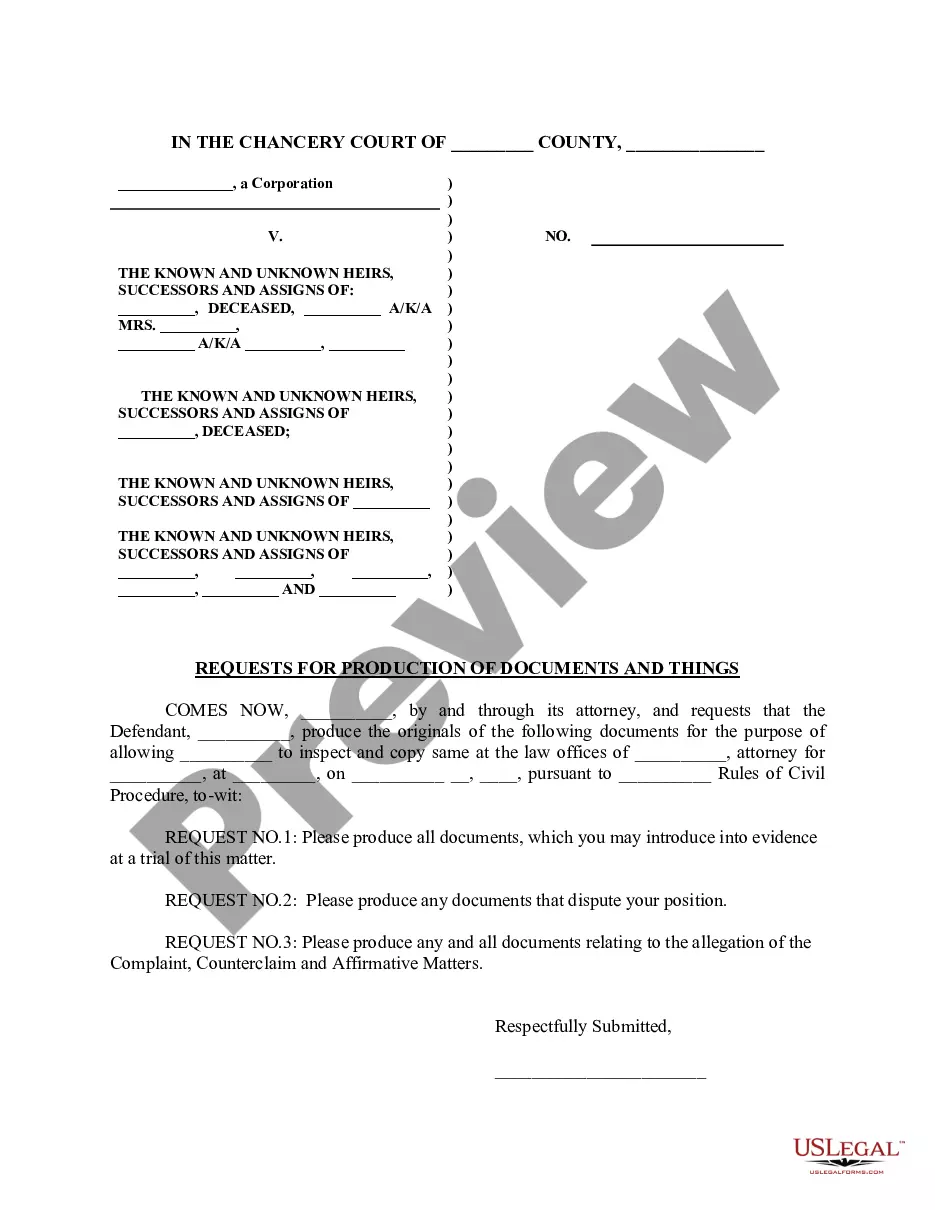
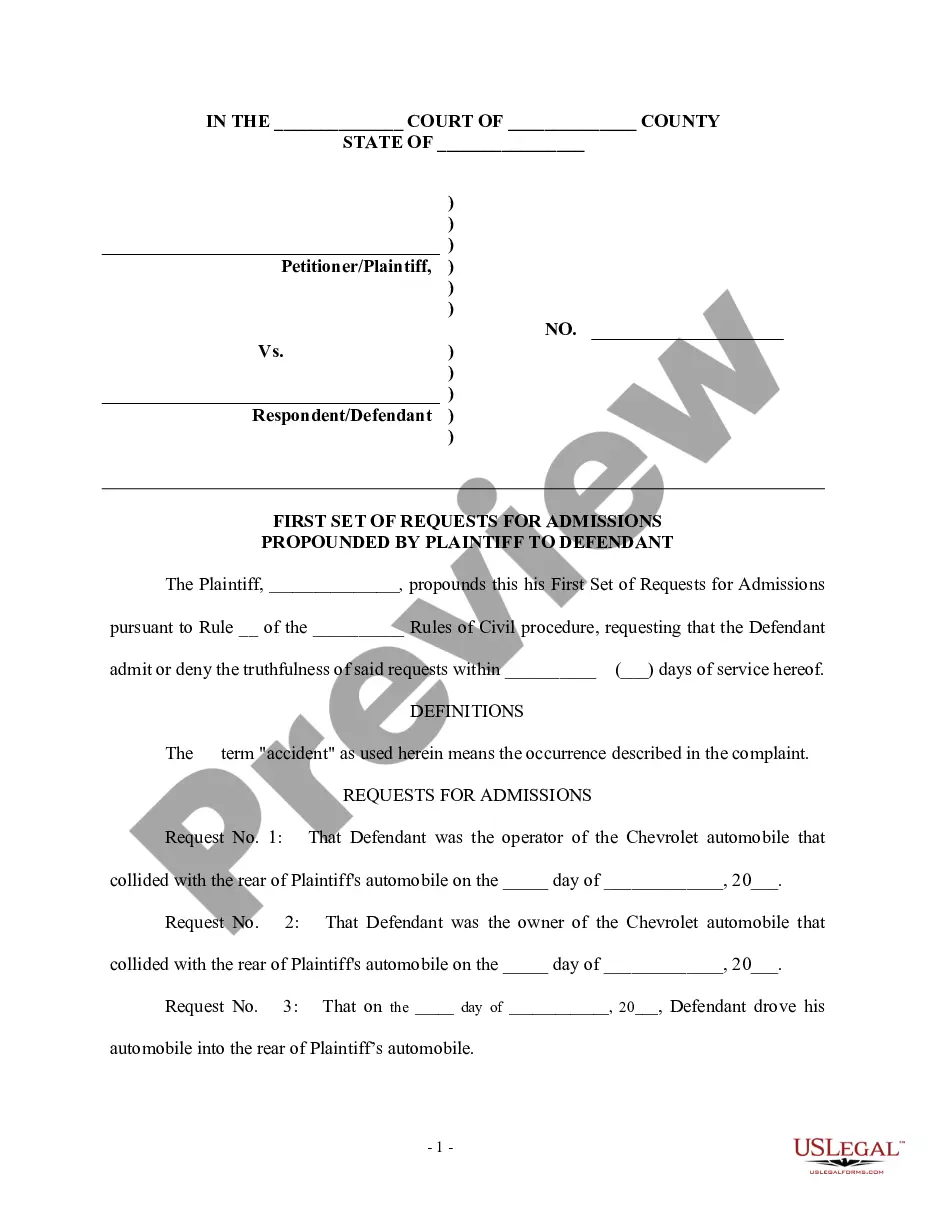
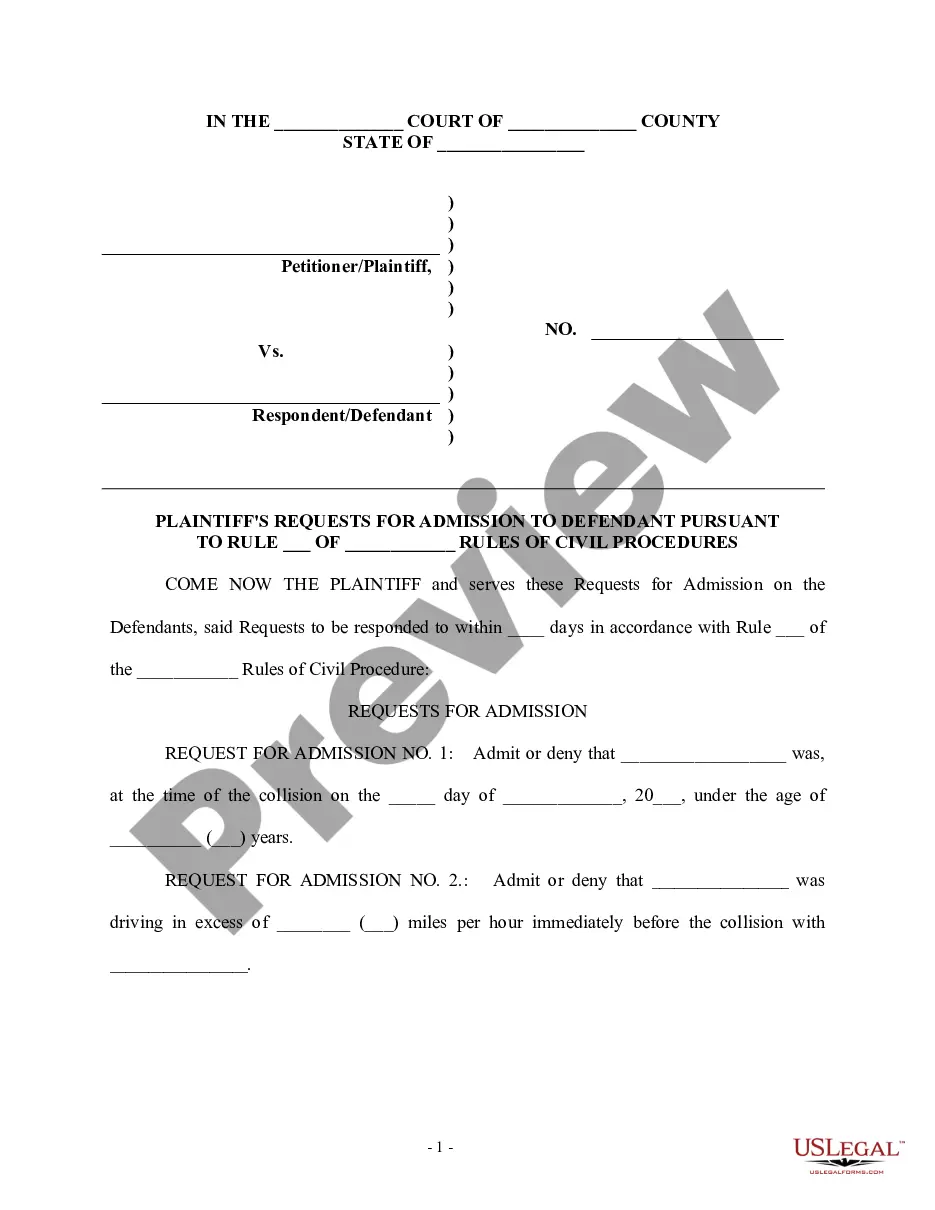
Get your form ready online
Our built-in tools help you complete, sign, share, and store your documents in one place.
Make edits, fill in missing information, and update formatting in US Legal Forms—just like you would in MS Word.
Download a copy, print it, send it by email, or mail it via USPS—whatever works best for your next step.
Sign and collect signatures with our SignNow integration. Send to multiple recipients, set reminders, and more. Go Premium to unlock E-Sign.
If this form requires notarization, complete it online through a secure video call—no need to meet a notary in person or wait for an appointment.
We protect your documents and personal data by following strict security and privacy standards.

Make edits, fill in missing information, and update formatting in US Legal Forms—just like you would in MS Word.

Download a copy, print it, send it by email, or mail it via USPS—whatever works best for your next step.

Sign and collect signatures with our SignNow integration. Send to multiple recipients, set reminders, and more. Go Premium to unlock E-Sign.

If this form requires notarization, complete it online through a secure video call—no need to meet a notary in person or wait for an appointment.

We protect your documents and personal data by following strict security and privacy standards.
Looking for another form?



How to fill out Requests For Admissions?
Are you in a circumstance where you frequently require documents for either business or personal reasons almost every day? There is a multitude of legal document templates accessible online, but locating ones you can rely on is not easy. US Legal Forms offers thousands of template documents, such as the California Requests for Admissions, which are designed to comply with federal and state requirements.
If you are already familiar with the US Legal Forms website and have an account, simply Log In. After that, you can download the California Requests for Admissions template.
If you do not possess an account and wish to start utilizing US Legal Forms, follow these steps: Obtain the template you need and ensure it is for the correct city/region. Use the Review feature to evaluate the document. Check the description to confirm that you have selected the correct template. If the document does not meet your needs, utilize the Search field to find the template that fits your requirements. Once you have found the right template, click Get now. Choose the pricing plan you prefer, complete the necessary information to create your account, and pay for the order using your PayPal or Visa or Mastercard. Select a convenient file format and download your copy.
Avoid altering or removing any HTML tags. Only synonymize plain text outside of the HTML tags.
- Access all of the document templates you have purchased in the My documents menu.
- You can download another copy of California Requests for Admissions anytime, if needed.
- Simply click on the required template to download or print the document template.
- Utilize US Legal Forms, the most extensive collection of legal forms, to save time and avoid mistakes.
- The service provides well-crafted legal document templates that can be used for a variety of purposes.
- Create an account on US Legal Forms and start making your life easier.
Form popularity
FAQ
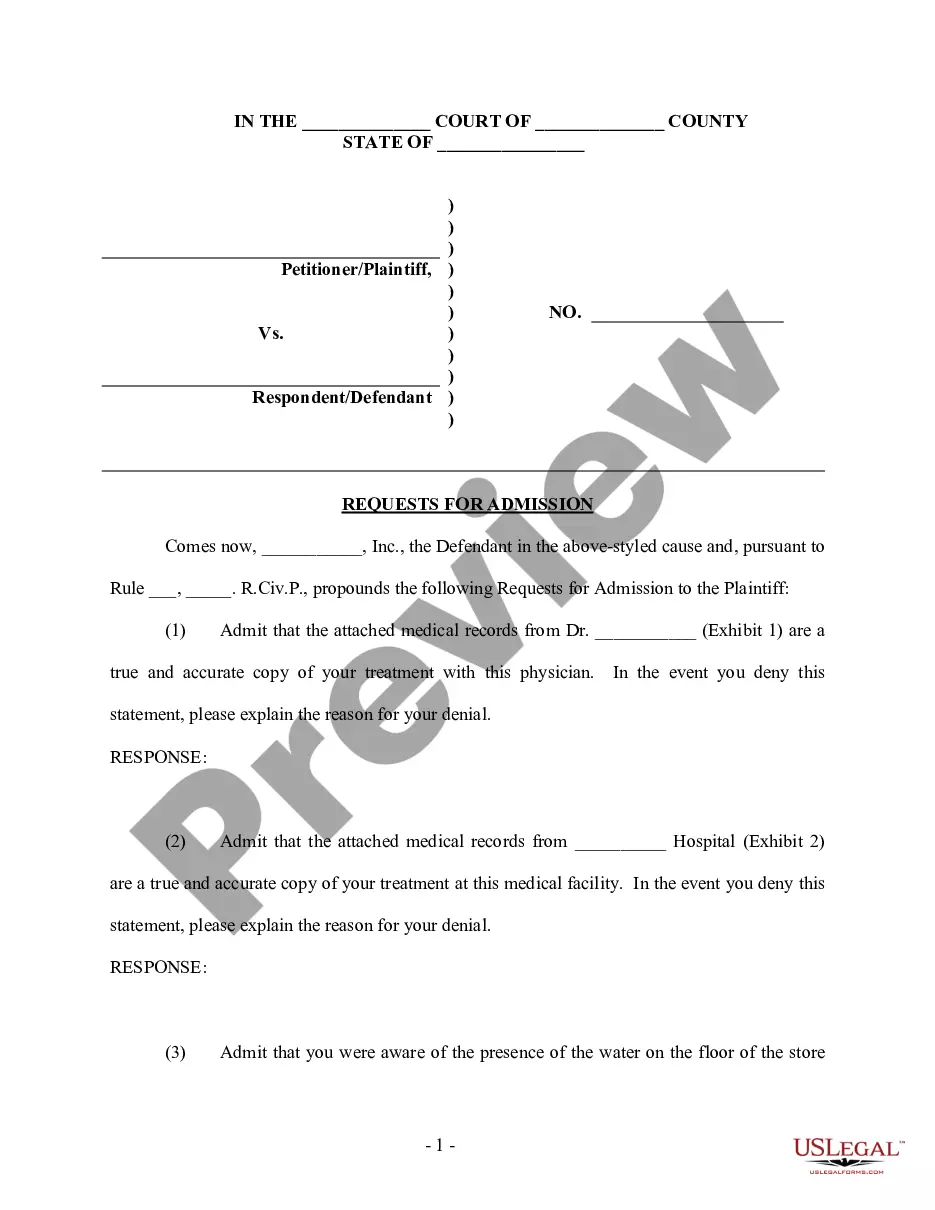
If the Plaintiff does not respond to your request for admissions within 30 days, then they have admitted each of the statements in your requests. The court considers that the plaintiff admits all the statements are true if they do not deny or object to them.
(a) A defendant may make requests for admission by a party without leave of court at any time. (b) A plaintiff may make requests for admission by a party without leave of court at any time that is 10 days after the service of the summons on, or appearance by, that party, whichever occurs first.
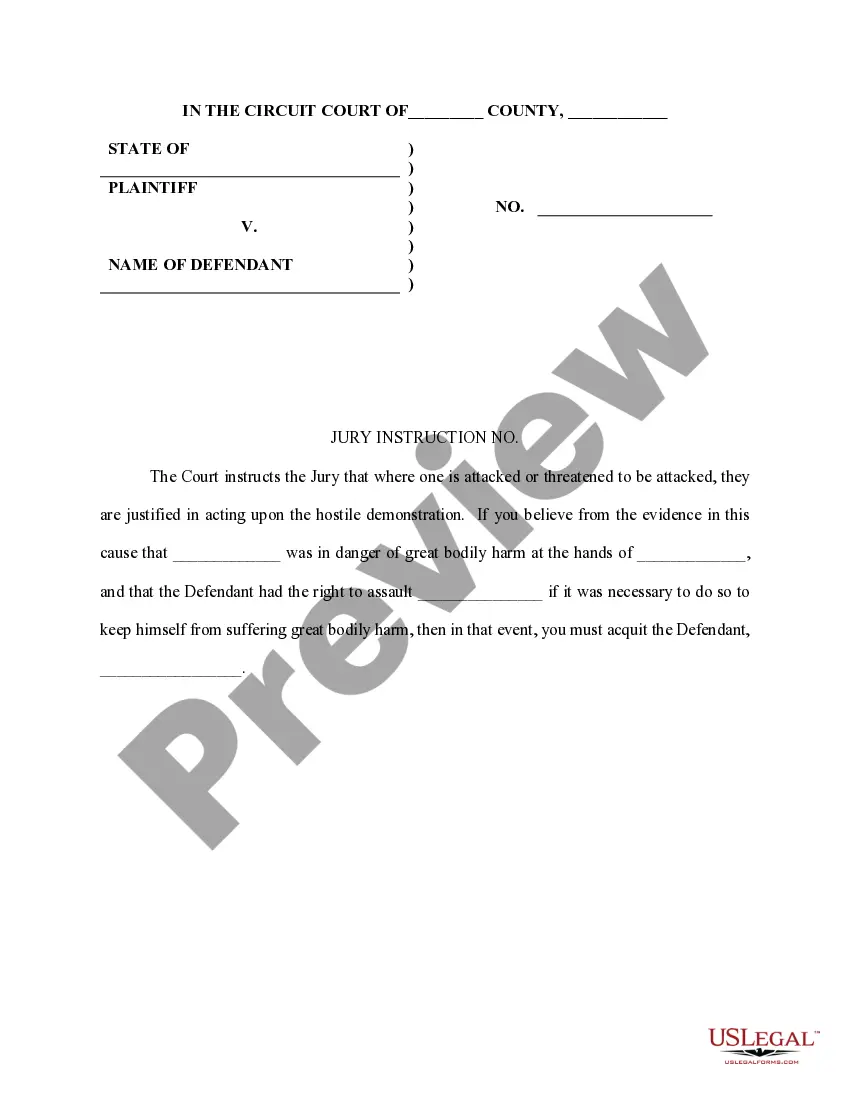
If your case is a limited civil case ($25,000 or less) you can request up to a total of 35 combined request for admissions, form interrogatories , special interrogatories, and requests for production.
Common objections to requests for admission include: The request is impermissibly compound. The propounding party may ask you to admit only one fact per statement. You may object to any request that asks you to admit two or more different facts in a single request.
For example, Plaintiff may send Defendant a request for admission that states, ?Admit that the front of the vehicle you were operating struck the front of the vehicle the Plaintiff was operating on the date of the car crash.? Both parties may send each other requests for admission.
California law places strict limits on the number of discovery requests a party can make. In a limited civil case (cases less than $25,000) you may ask each party only 35 questions total, whether they are form interrogatories, special interrogatories, requests for admission, or requests for production of documents.
Common objections to requests for admission include: The request is impermissibly compound. The propounding party may ask you to admit only one fact per statement. You may object to any request that asks you to admit two or more different facts in a single request.