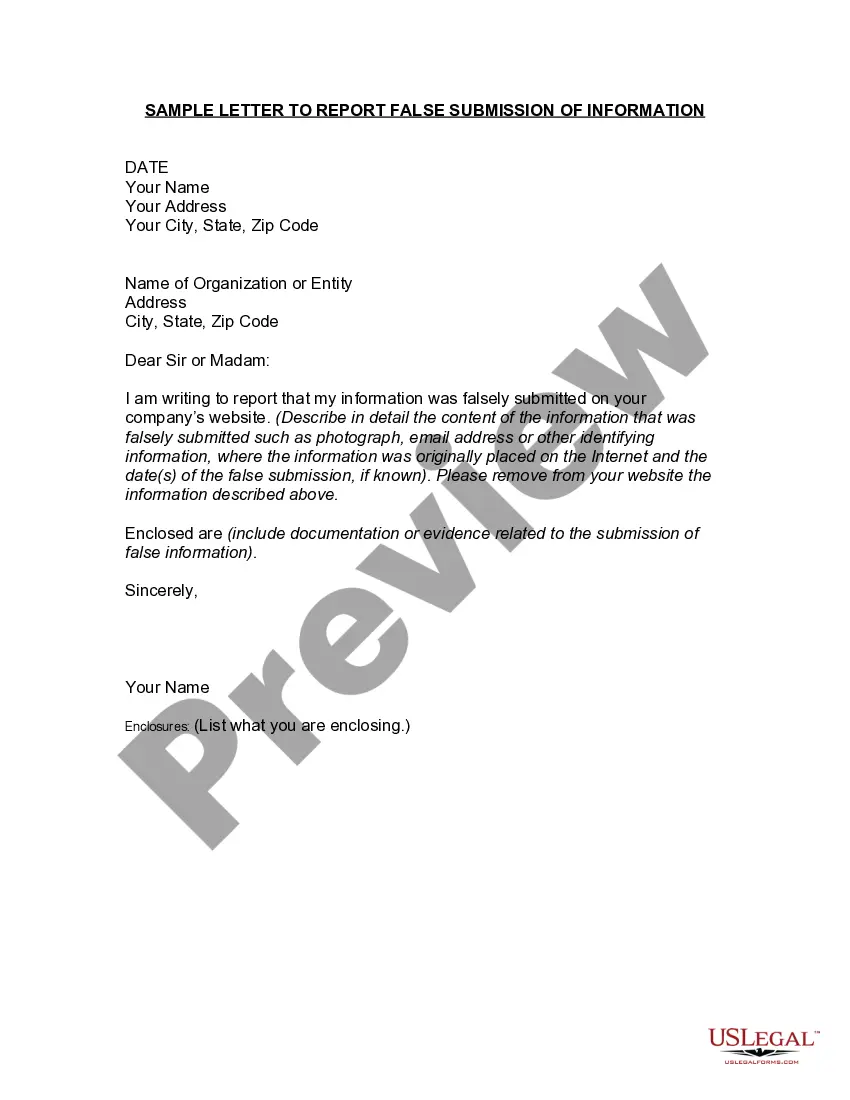
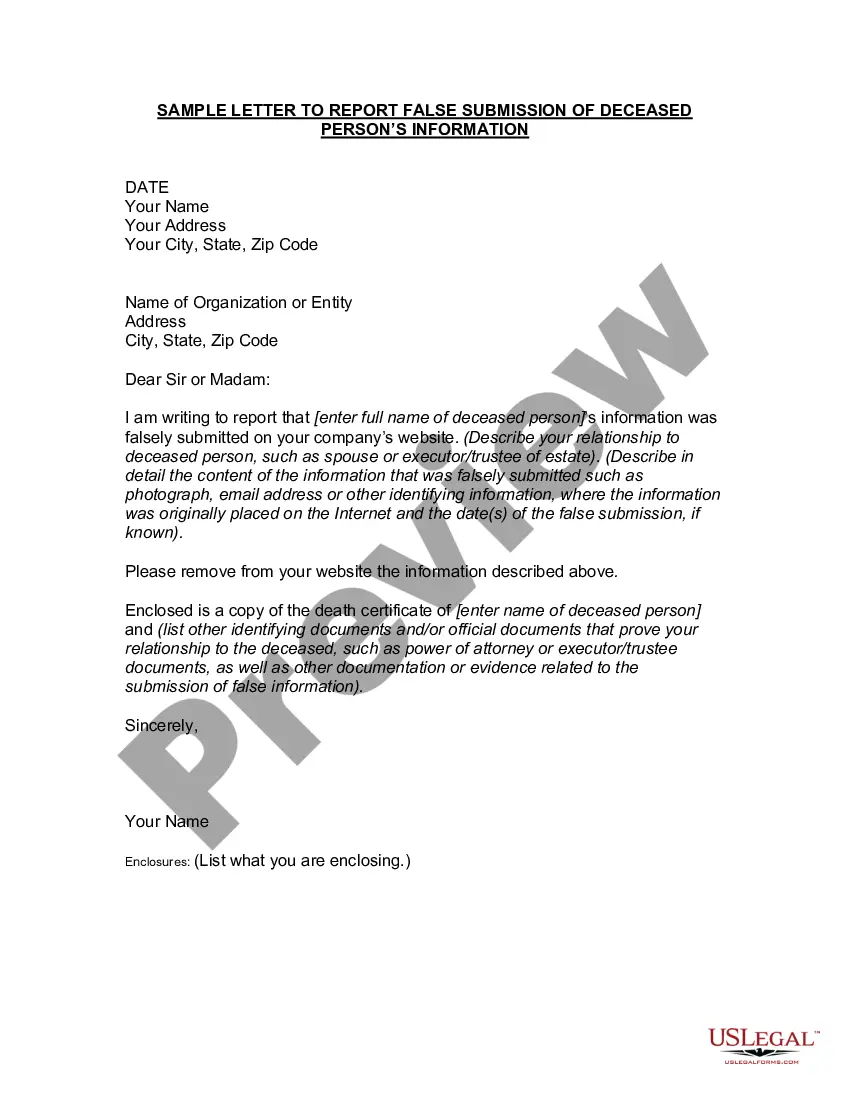
California Sample Letter to Report False Submission of Information
Description
Get your form ready online
Our built-in tools help you complete, sign, share, and store your documents in one place.
Make edits, fill in missing information, and update formatting in US Legal Forms—just like you would in MS Word.
Download a copy, print it, send it by email, or mail it via USPS—whatever works best for your next step.
Sign and collect signatures with our SignNow integration. Send to multiple recipients, set reminders, and more. Go Premium to unlock E-Sign.
If this form requires notarization, complete it online through a secure video call—no need to meet a notary in person or wait for an appointment.
We protect your documents and personal data by following strict security and privacy standards.

Make edits, fill in missing information, and update formatting in US Legal Forms—just like you would in MS Word.

Download a copy, print it, send it by email, or mail it via USPS—whatever works best for your next step.

Sign and collect signatures with our SignNow integration. Send to multiple recipients, set reminders, and more. Go Premium to unlock E-Sign.

If this form requires notarization, complete it online through a secure video call—no need to meet a notary in person or wait for an appointment.

We protect your documents and personal data by following strict security and privacy standards.
Looking for another form?
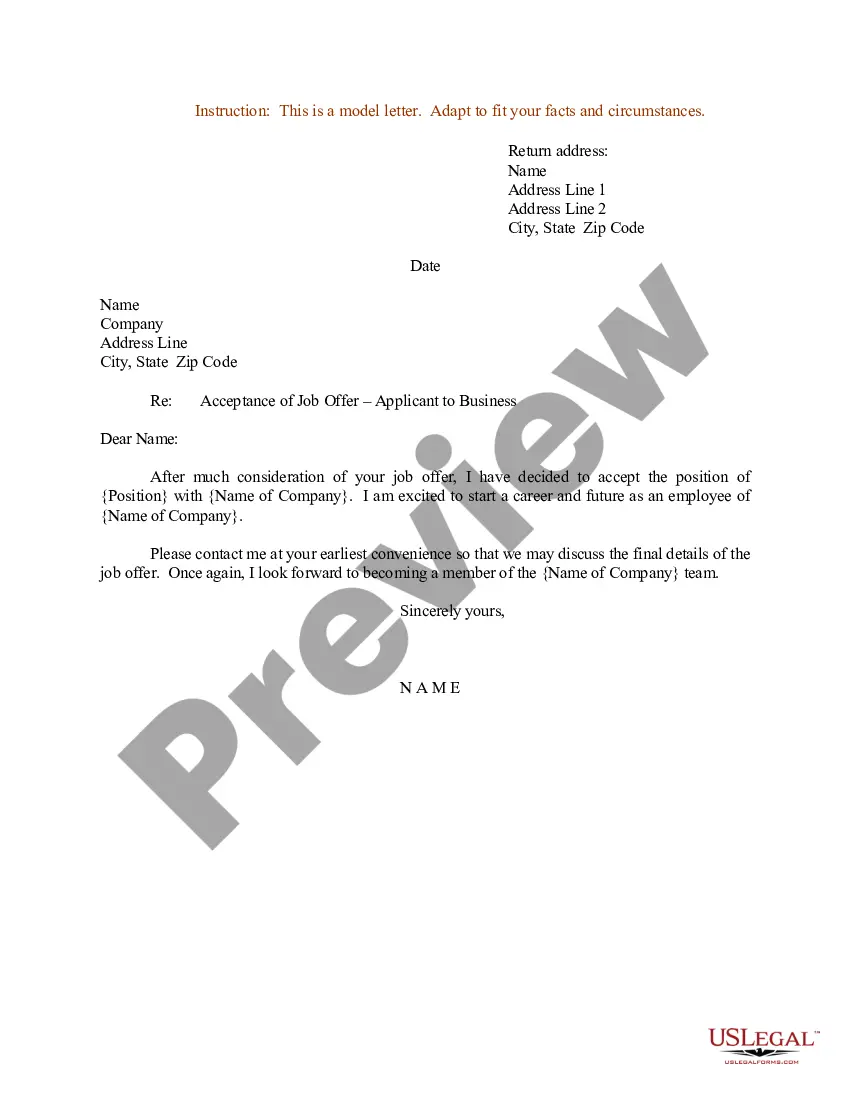
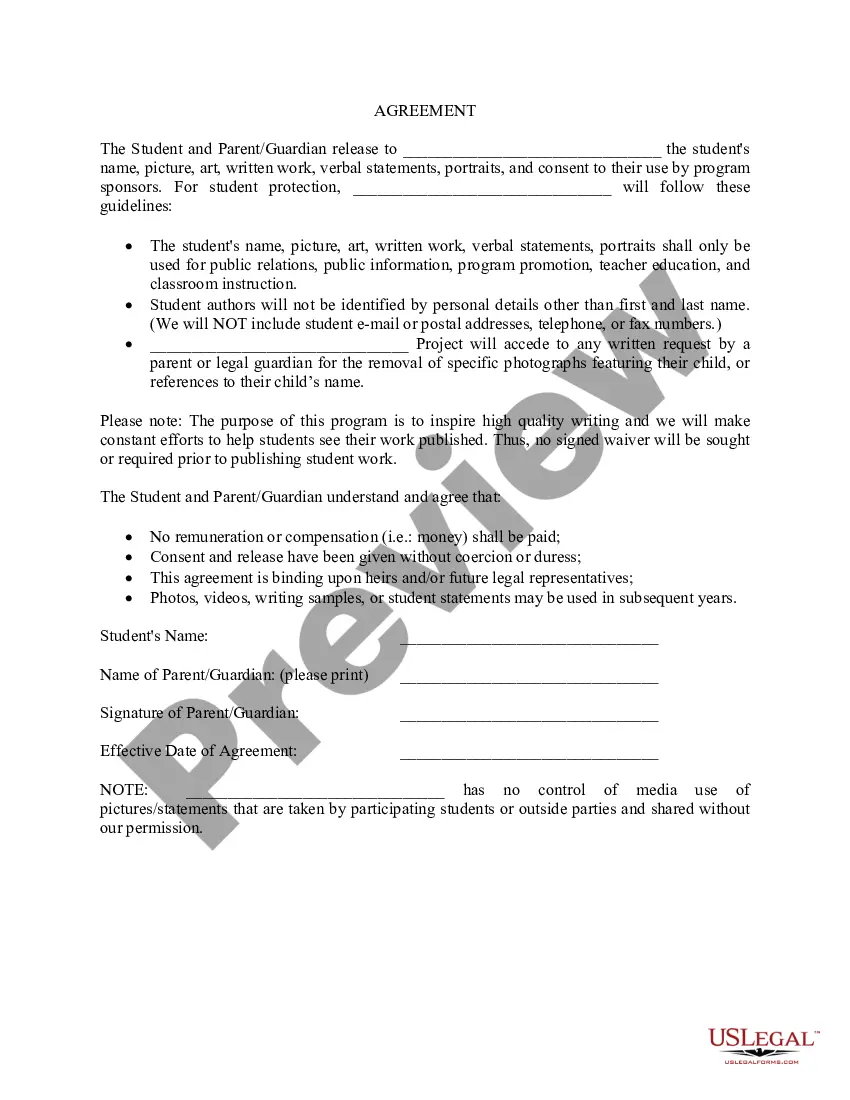

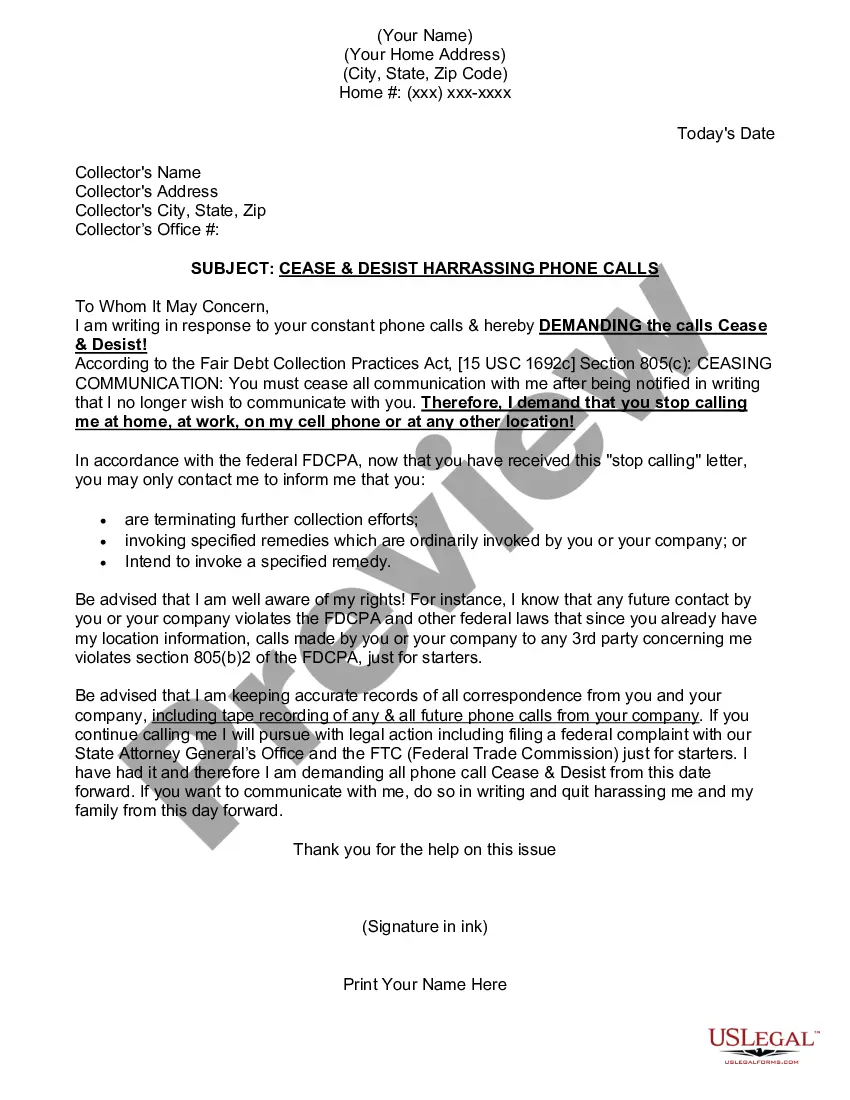
How to fill out Sample Letter To Report False Submission Of Information?
You can spend hours online searching for the legal document template that meets the federal and state requirements you need.
US Legal Forms provides thousands of legal forms that are evaluated by experts.
You can download or print the California Sample Letter to Report False Submission of Information from my services.
If available, use the Review button to view the document template as well.
- If you already have a US Legal Forms account, you can Log In and click the Acquire button.
- After that, you can fill out, modify, print, or sign the California Sample Letter to Report False Submission of Information.
- Every legal document template you obtain is yours permanently.
- To get another copy of the purchased form, go to the My documents tab and click the appropriate button.
- If you are using the US Legal Forms site for the first time, follow the simple instructions below.
- First, make sure you have selected the correct document template for the state/city of your choice.
- Check the form description to ensure you have chosen the right form.
Form popularity
FAQ
You should dispute a debt if you believe you don't owe it or the information and amount is incorrect. While you can submit your dispute at any time, sending it in writing within 30 days of receiving a validation notice, which can be your initial communication with the debt collector.
Your letter should identify each item you dispute, state the facts, explain why you dispute the information, and ask that the business that supplied the information take action to have it removed or corrected. You may want to enclose a copy of your report with the item(s) in question circled.
A 609 letter (also called a credit dispute letter) is a credit repair method that requests credit bureaus to remove erroneous negative entries from your credit report. It's named after section 609 of the Fair Credit Reporting Act (FCRA), a federal law that protects consumers from unfair credit and collection practices.
The 623 dispute method allows you to dispute any inaccurate information on your credit report directly with the original creditor.
A factual dispute letter is necessary if there's an error in your credit report. It's your responsibility to find and dispute any inaccurate information in your credit report.
Your letter should clearly identify each item in your report you dispute, state the facts, explain why you dispute the information, and request that it be removed or corrected. You may want to enclose a copy of your credit report with the items in question circled.
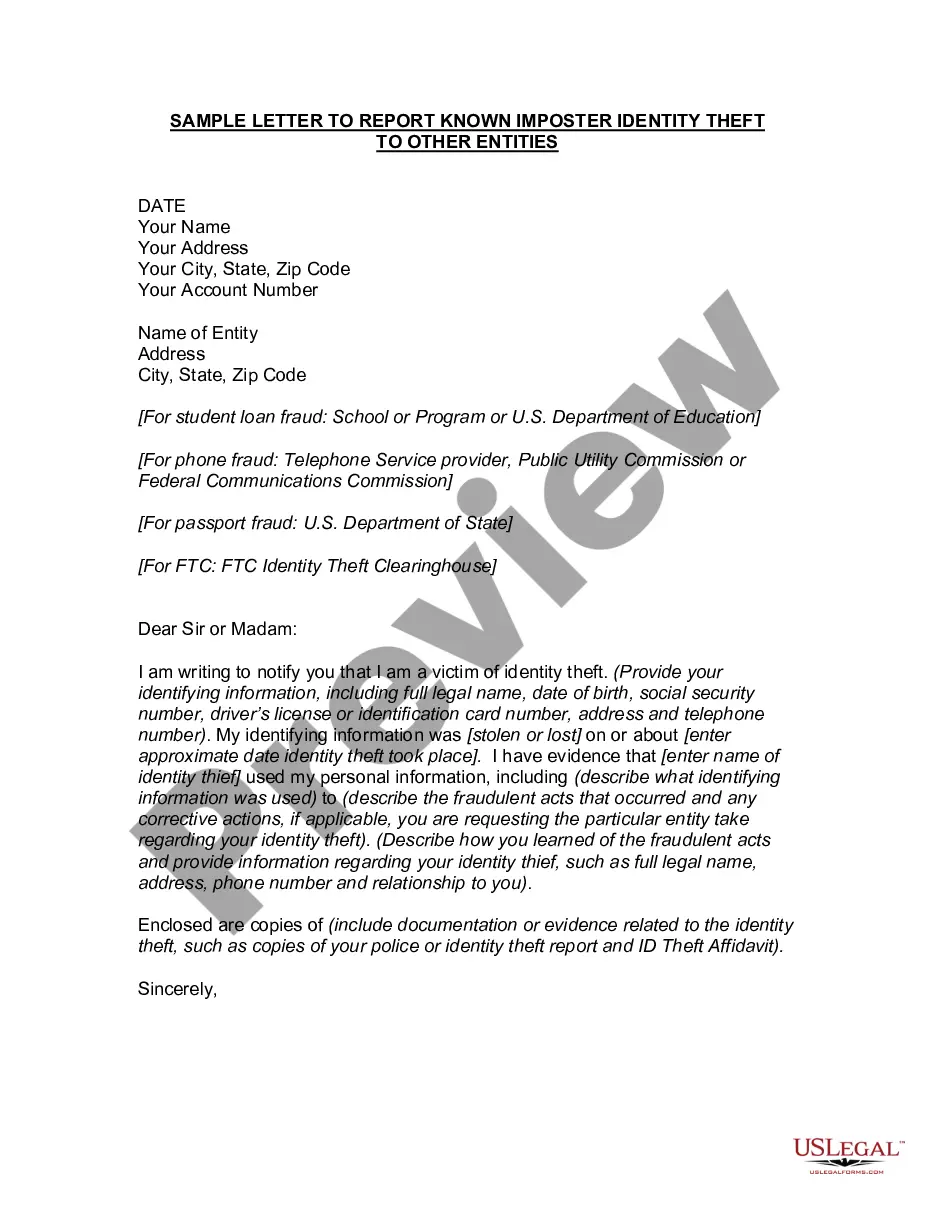
To whom this may concern, I am writing to request the removal of unauthorized credit inquiries on my (name of the credit bureau?Equifax, Experian and/or TransUnion) credit report. My latest credit report shows (number of hard inquiries you are disputing) credit inquiries that I did not authorize.
2) Do dispute letters work? Dispute letters are the most effective way to correct errors on your credit report. It also makes the credit bureau obligated by law to investigate your issue. Yet, a dispute letter doesn't ensure that your credit score will improve unless you have strong evidence backing your claim.