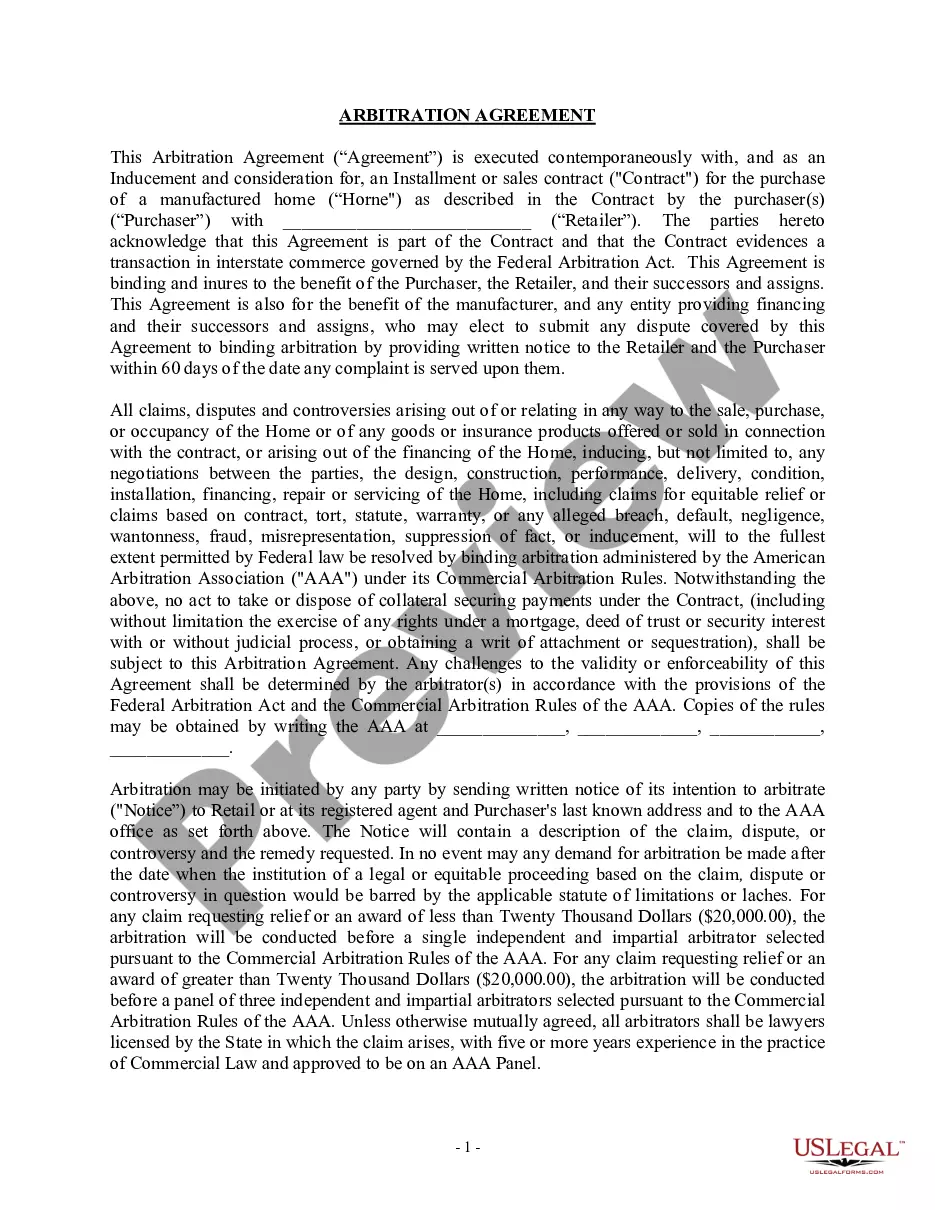
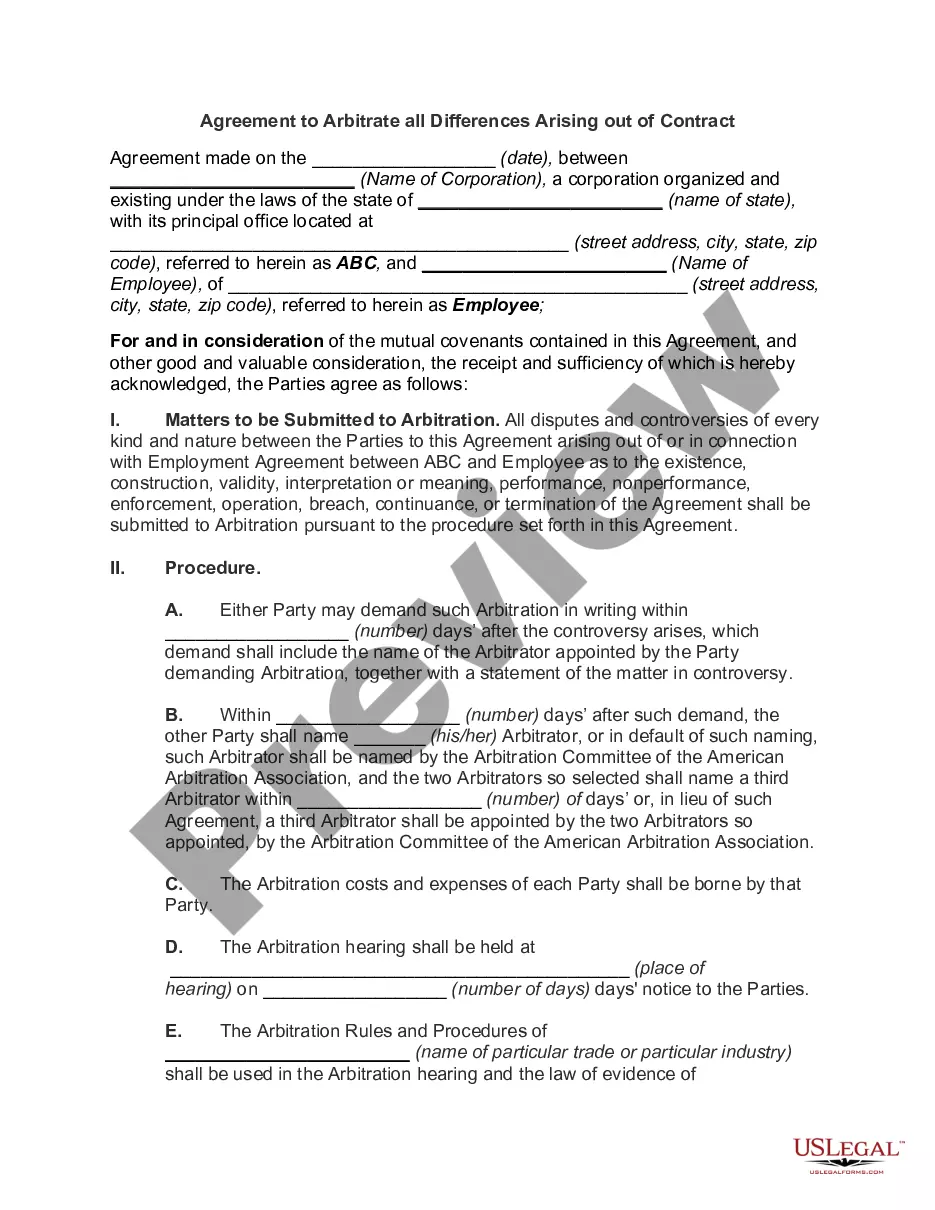
California Arbitration Agreement for Insurance
Description


Get your form ready online
Our built-in tools help you complete, sign, share, and store your documents in one place.
Make edits, fill in missing information, and update formatting in US Legal Forms—just like you would in MS Word.
Download a copy, print it, send it by email, or mail it via USPS—whatever works best for your next step.
Sign and collect signatures with our SignNow integration. Send to multiple recipients, set reminders, and more. Go Premium to unlock E-Sign.
If this form requires notarization, complete it online through a secure video call—no need to meet a notary in person or wait for an appointment.
We protect your documents and personal data by following strict security and privacy standards.

Make edits, fill in missing information, and update formatting in US Legal Forms—just like you would in MS Word.

Download a copy, print it, send it by email, or mail it via USPS—whatever works best for your next step.

Sign and collect signatures with our SignNow integration. Send to multiple recipients, set reminders, and more. Go Premium to unlock E-Sign.

If this form requires notarization, complete it online through a secure video call—no need to meet a notary in person or wait for an appointment.

We protect your documents and personal data by following strict security and privacy standards.
Looking for another form?
How to fill out Arbitration Agreement For Insurance?
Selecting the correct authentic document format can be a challenge.
Certainly, there are numerous templates accessible online, but how do you find the genuine form you require.
Utilize the US Legal Forms website.
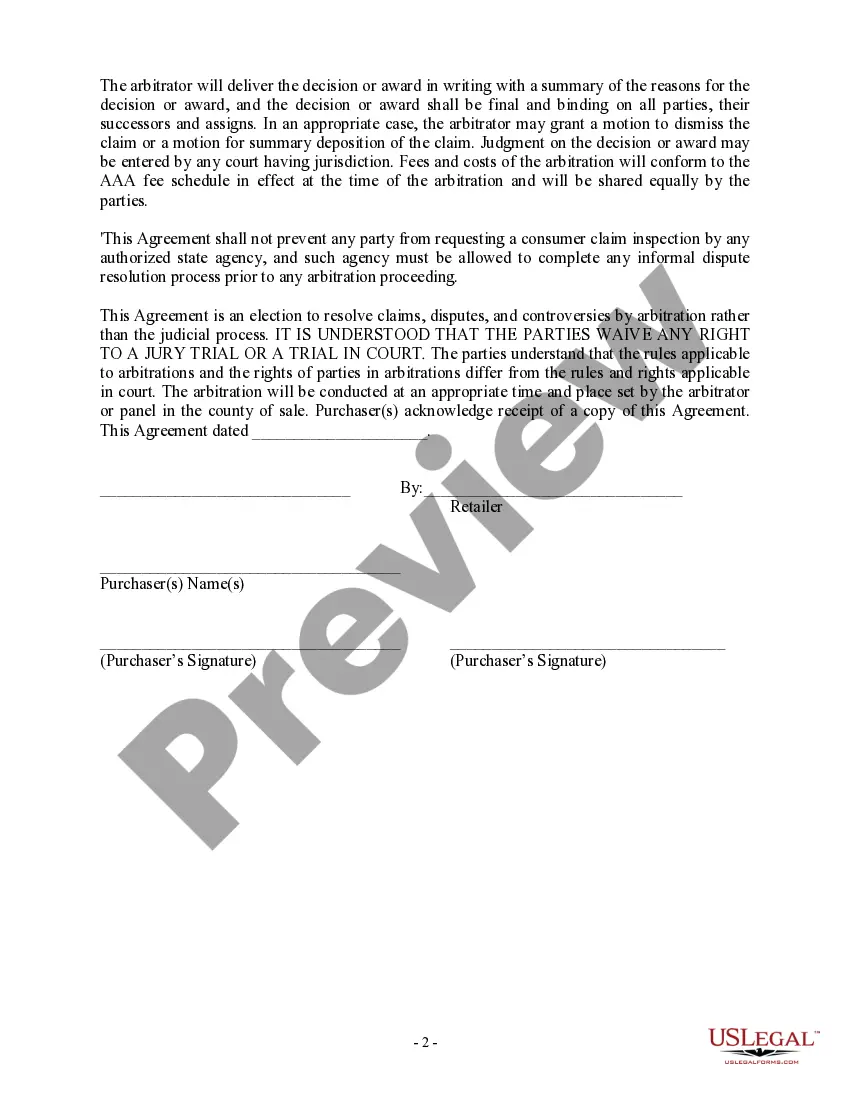
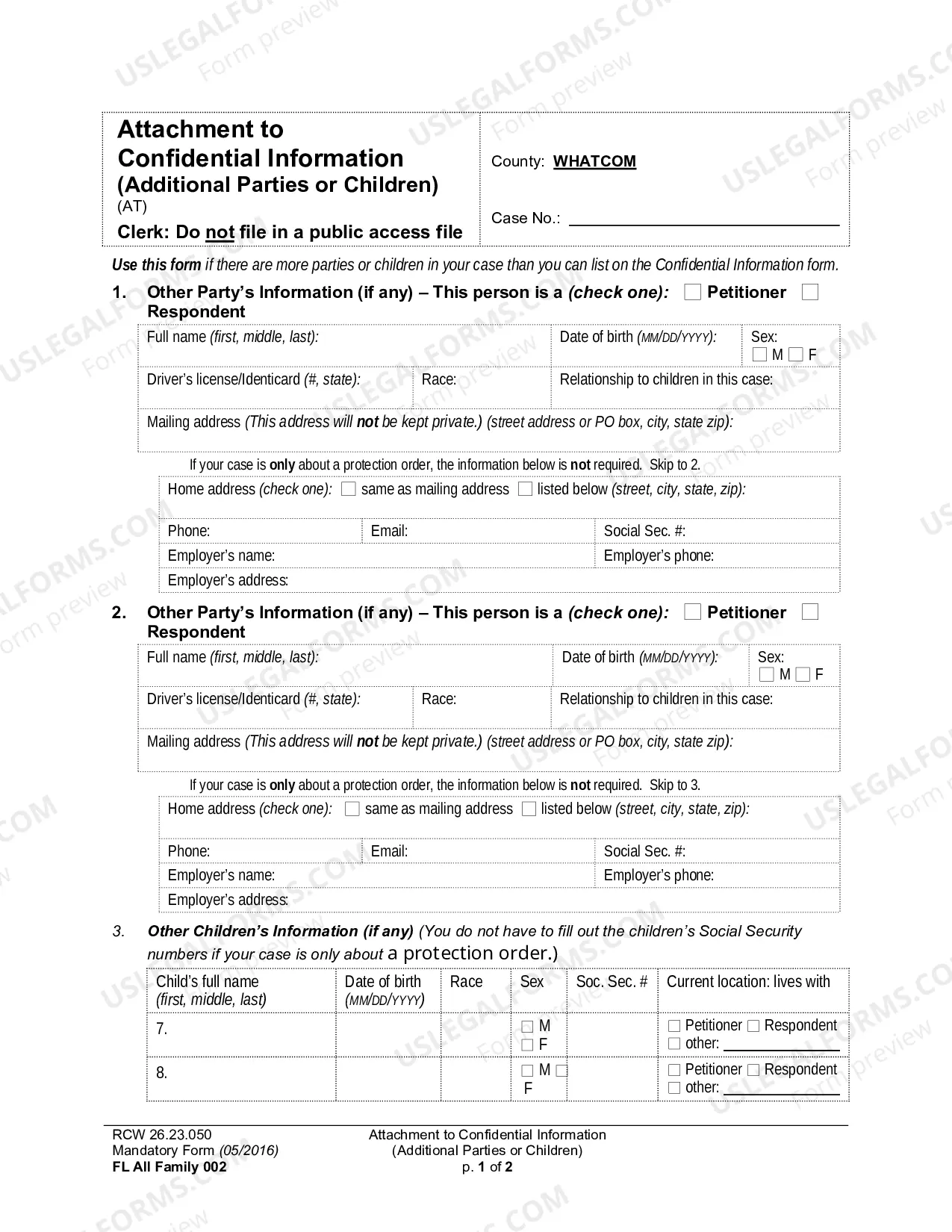
First, ensure you have chosen the correct form for your specific city/state. You can review the form using the Preview button and read the form description to verify that this is suitable for you.
- The service offers thousands of templates, including the California Arbitration Agreement for Insurance, that can be utilized for business and personal needs.
- All the forms are reviewed by experts and comply with federal and state regulations.
- If you are already registered, Log In to your account and click the Acquire button to get the California Arbitration Agreement for Insurance.
- Use your account to search through the legal forms you have previously purchased.
- Go to the My documents tab of your account and download another copy of the document you need.
- If you are a new user of US Legal Forms, here are some simple instructions for you to follow.
Form popularity
FAQ
The panel's decision holds that courts, pursuant to the Federal Arbitration Act (FAA), must still enforce signed arbitration agreements; however, an employer still violates the California Labor Code if it conditions employment upon the execution of an arbitration agreement.
Arbitration may be used to settle an insurance dispute between an insurance provider and a policyholder. Instead of filing a lawsuit, the insurer and the policyholder both present their case to the arbitrator. The arbitrator reviews the facts and comes to a decision about how to resolve the dispute.
As previously mentioned, an arbitration clause is a contract provision which states when arbitration is necessary for dispute resolution. It is a section of a contract that addresses the parties' rights and options in the event of a legal dispute over the contract.
Binding arbitration means that the parties waive their right to a trial and agree to accept the arbitrator's decision as final. Generally, there is no right to appeal an arbitrator's decision. Non-binding arbitration means that the parties are free to request a trial if they do not accept the arbitrator's decision.
To make the agreement appear more fair, some companies include a provision that allows you to opt out of the arbitration clause by sending them a letter, usually within a short time after you enter the contract.
However, in 2019, California's legislature passed a law prohibiting employers from requiring employees to sign arbitration agreements as a condition of employment. The law was set to take effect on January 1, 2020, but the law was challenged in court and its effective date was put on holdleaving employers in the dark.
Employer to Pay Arbitration Fees. The Court, therefore, concluded that the employer should be required to pay all types of costs that are unique to arbitration. 3.
In states that have no statutes or regulations prohibiting arbitration provisions in insurance contracts, such as California (with an exception for HMO contracts) and New York, arbitration provisions are enforceable.
When there is an arbitration clause in the contract, that usually means you will not be able to sue but instead must resolve your disagreement before an arbitrator. The Federal Arbitration Act (FAA) has largely preempted state law to ensure arbitration agreements are enforced in almost all cases.
Only when both parties agree, it becomes mandatory for the parties to choose arbitration and therefore, there is no other option except referring their dispute to arbitration. This rule has a downfall since it forces one of the parties to use arbitration in order to resolve their dispute.