California List of Personnel Forms
What this document covers
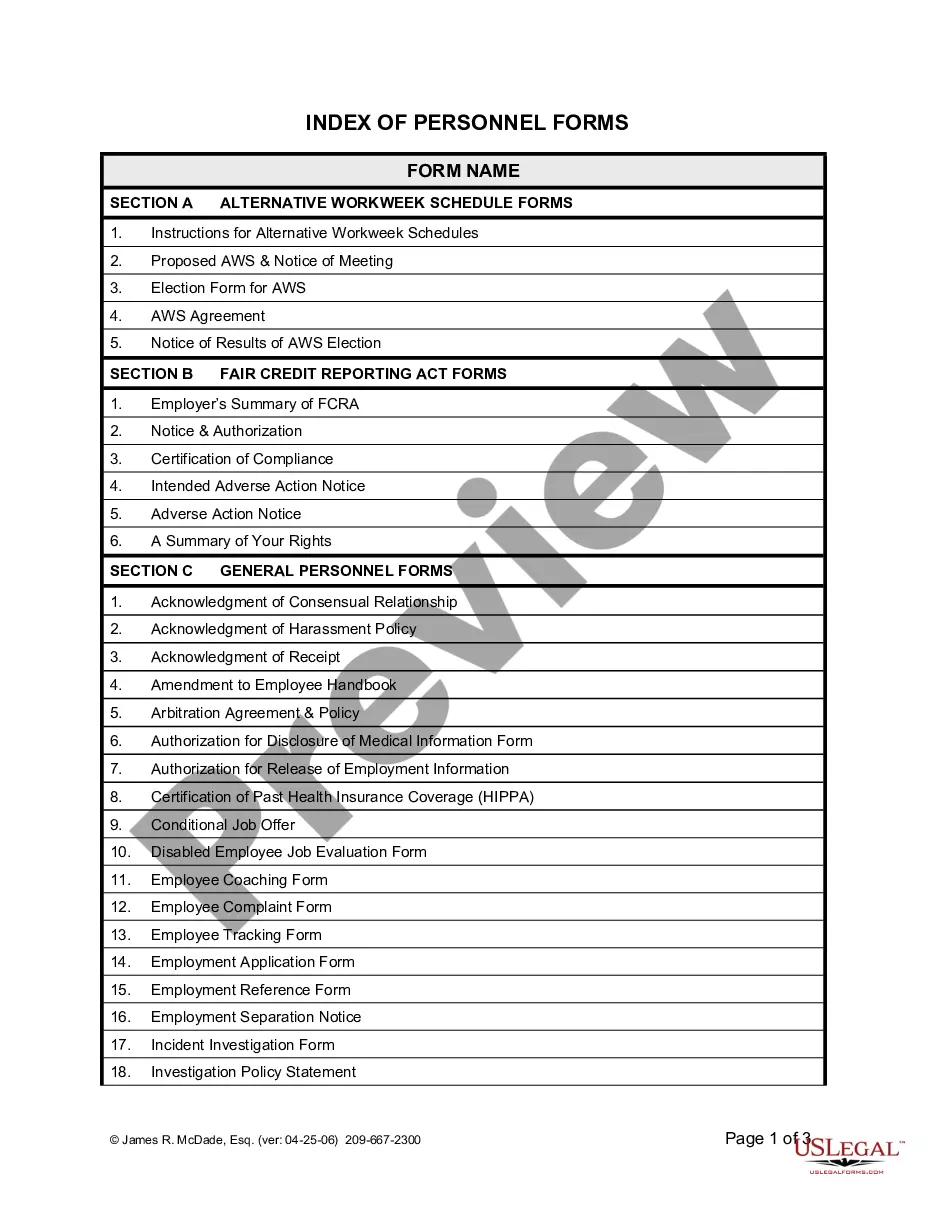
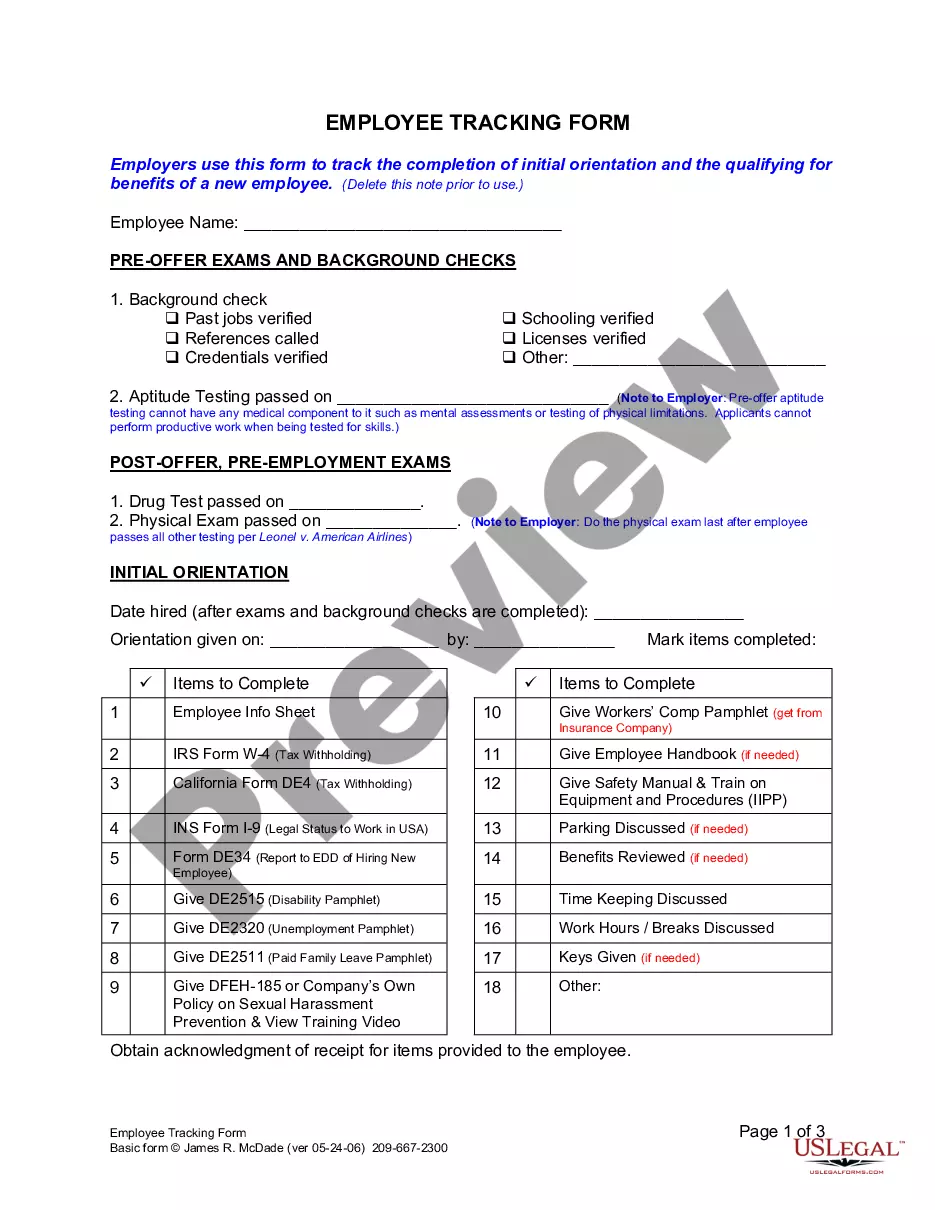
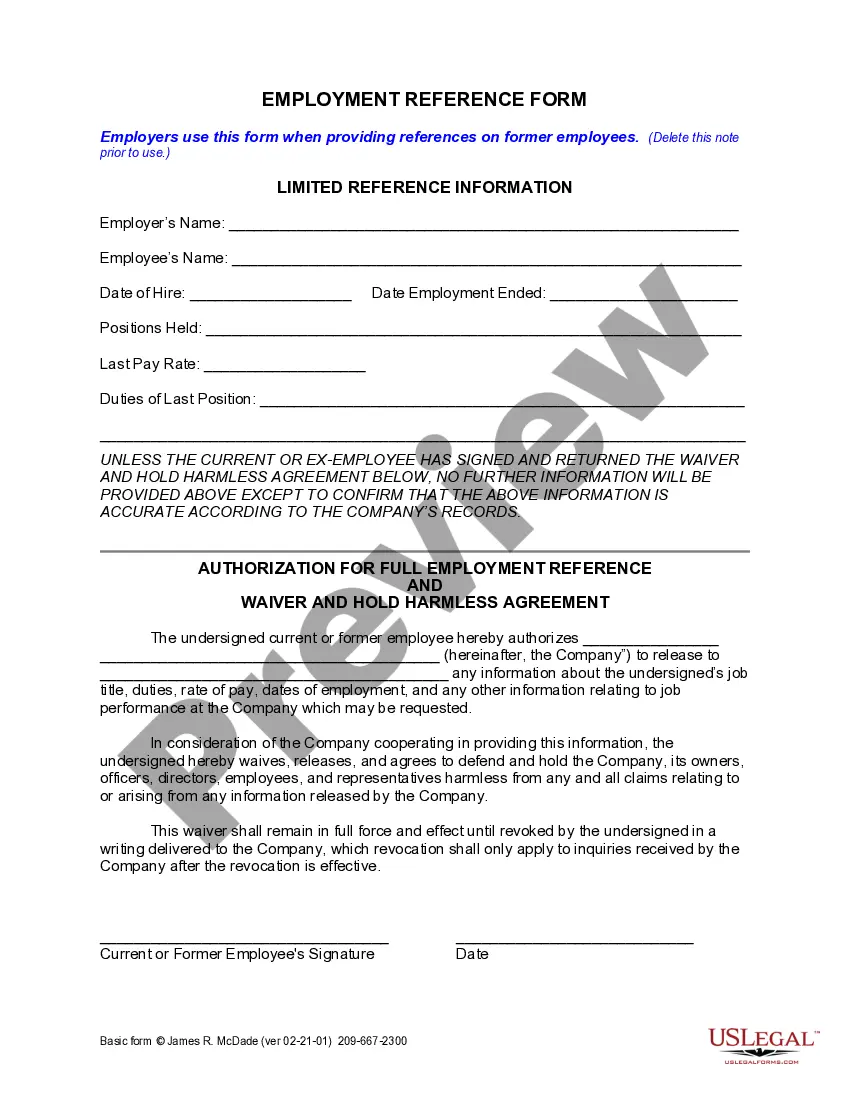
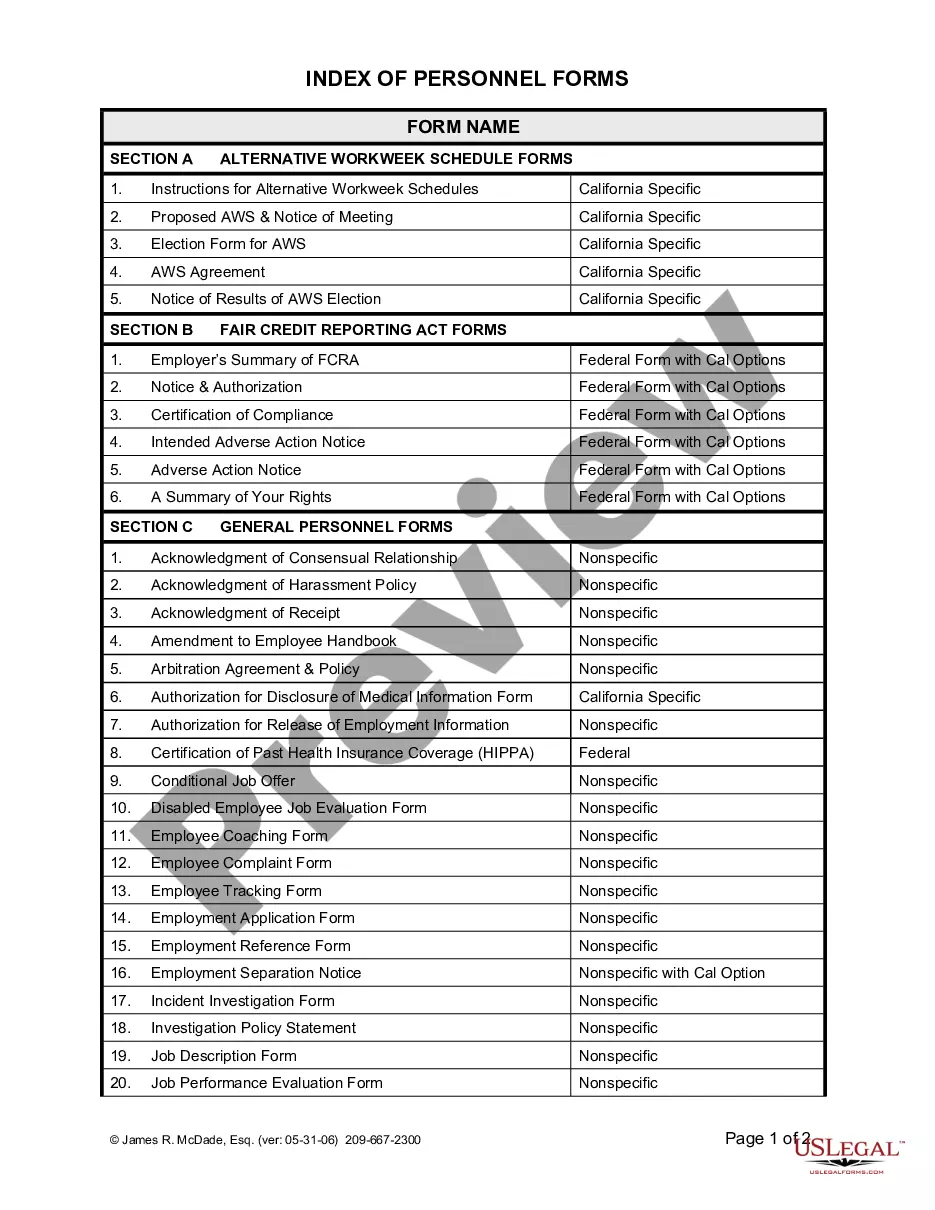
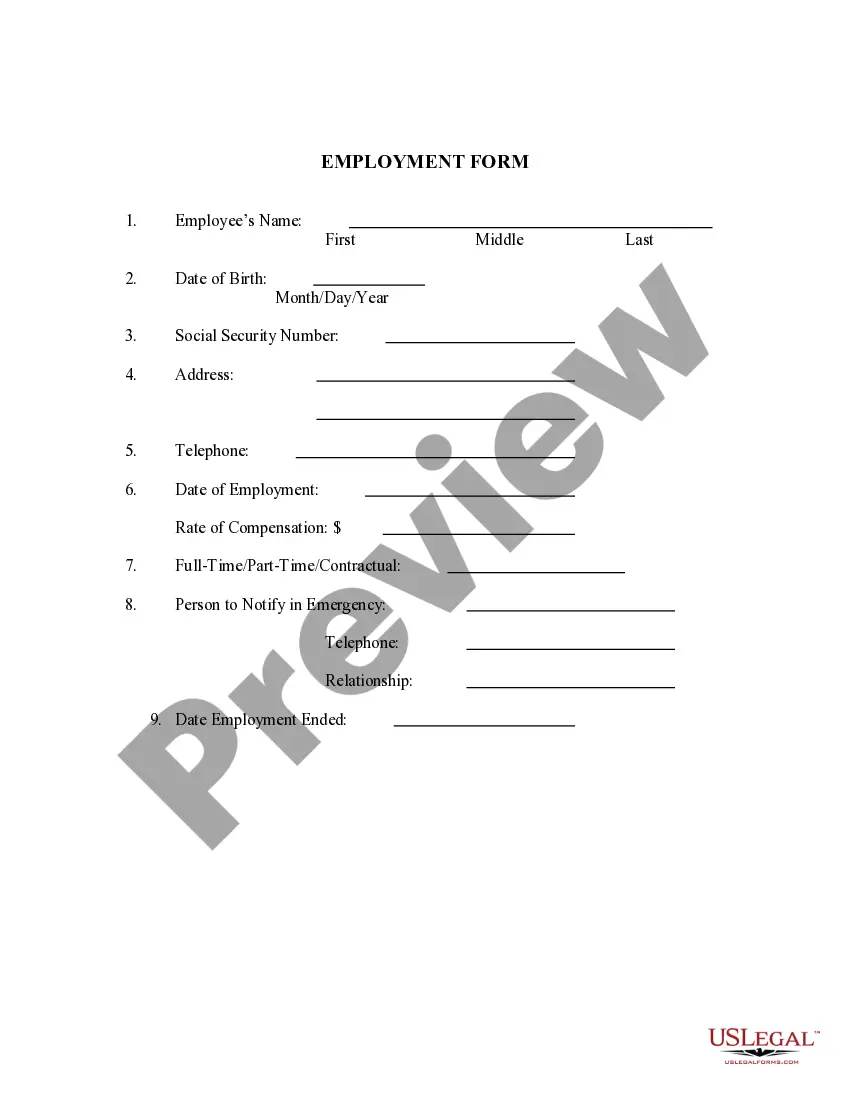
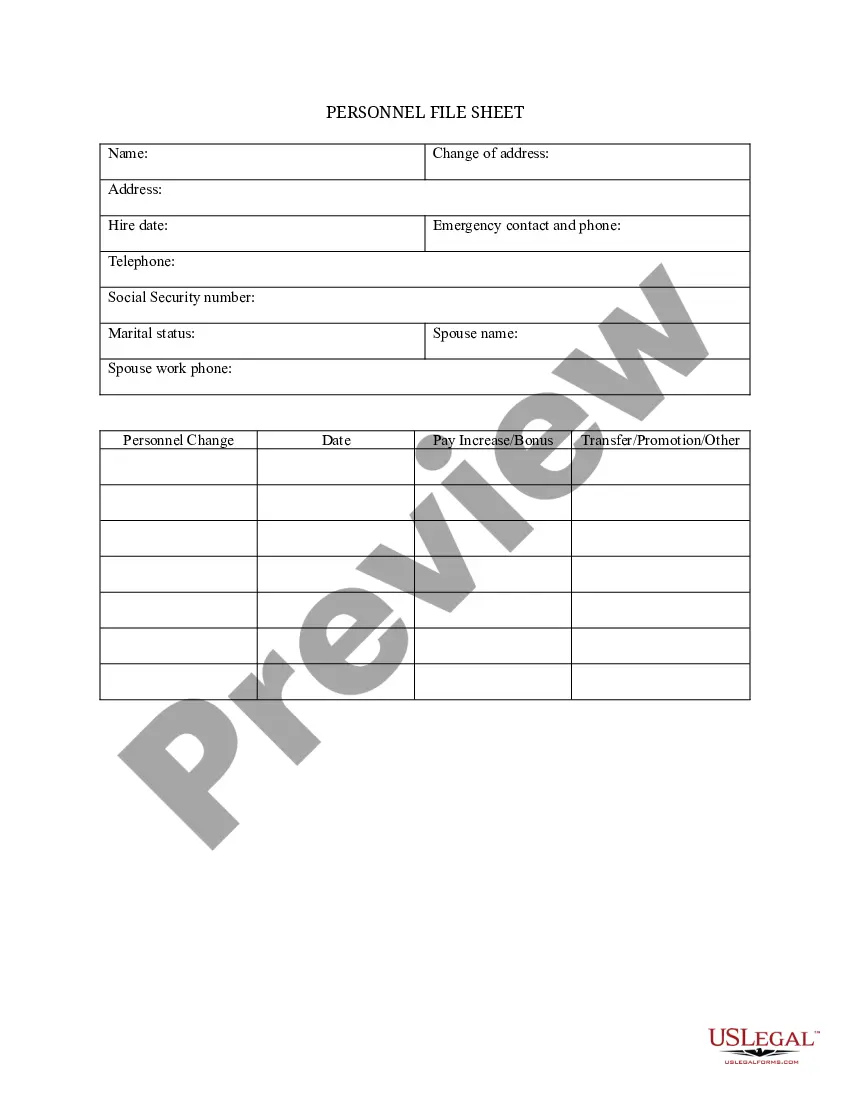
The list of personnel forms provides a comprehensive collection of various templates that employers may need to manage employee relations and meet legal requirements. Unlike other generic forms, this collection is specifically designed to address the unique aspects of personnel management, ensuring that employers can find the right form for every situation.
Main sections of this form
- Alternative Workweek Schedule Forms: Includes proposals and agreements related to alternative work hours.
- Fair Credit Reporting Act Forms: Covers compliance notices and authorization related to credit checks.
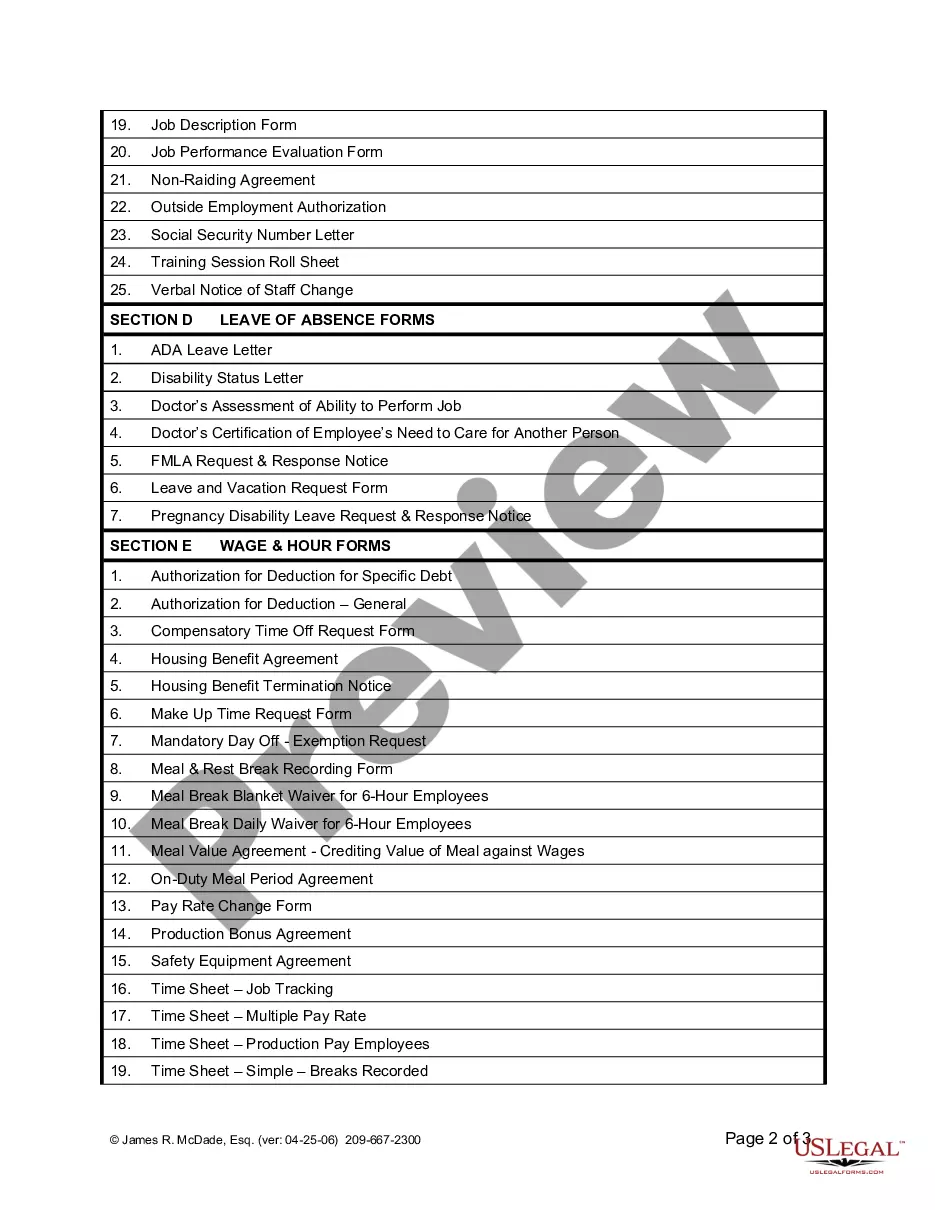
- General Personnel Forms: Features a variety of templates for employee acknowledgment, handbooks, and evaluations.
- Leave of Absence Forms: Contains letters and requests related to ADA, FMLA, and other leave types.
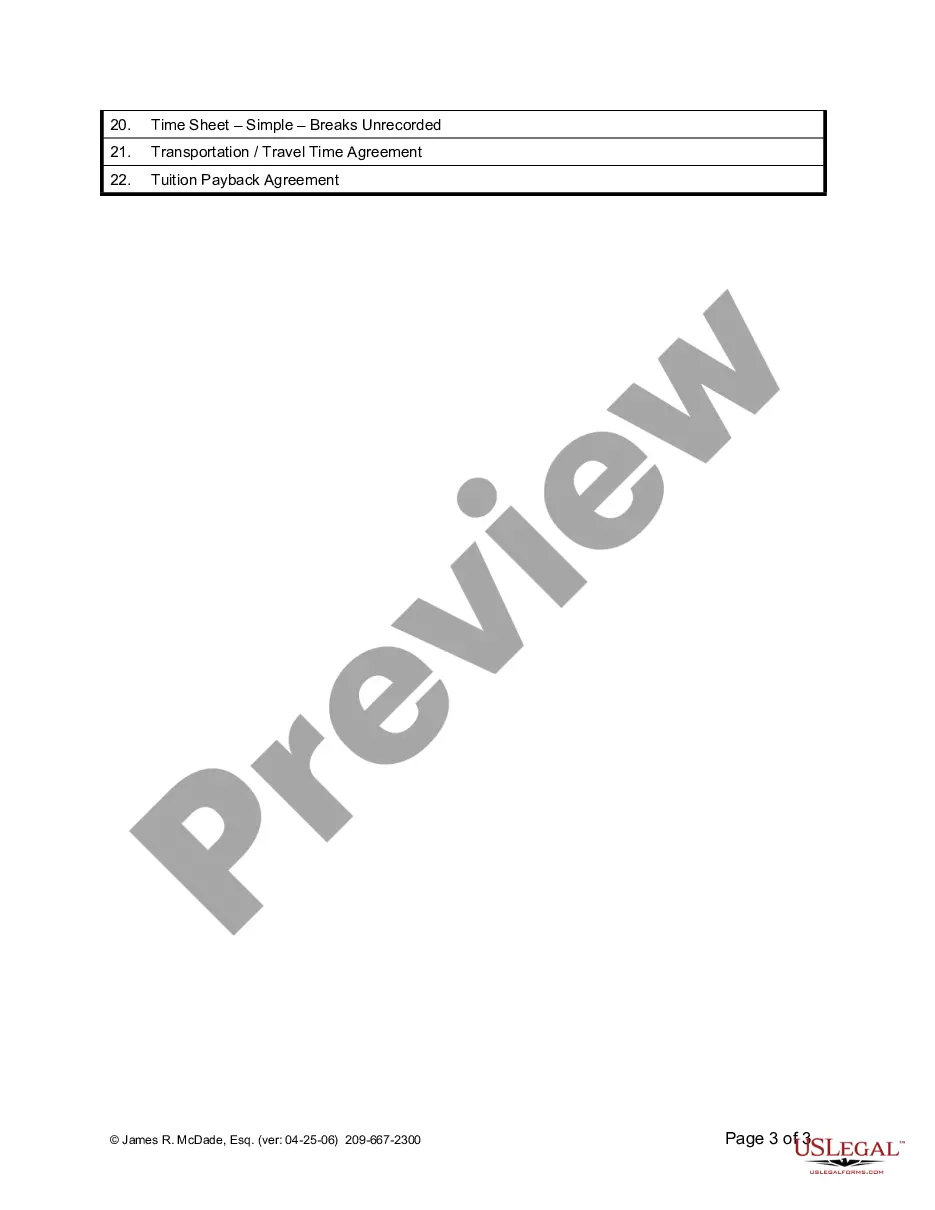
- Wage & Hour Forms: Encompasses agreements and forms related to employee working hours and wage adjustments.
Common use cases
This collection should be used whenever an employer needs to formalize employee-related decisions or policies. For example, if an employer wants to implement a new work schedule or needs to conduct employee evaluations, this list provides the necessary templates to ensure legal compliance and clear communication.
Who should use this form
This form is intended for:
- Employers who need to manage personnel-related documentation.
- HR professionals seeking standardized templates for employee management.
- Small business owners looking to implement formal personnel policies.
- Supervisors tasked with employee evaluations and disciplinary actions.
Steps to complete this form
- Identify the specific form needed from the list of personnel forms.
- Fill in the required information, such as employee names, dates, and reasons for any requests.
- Ensure all relevant parties review and sign where necessary.
- Keep copies of completed forms for company records and employee files.
- Update forms as needed to reflect any changes in policies or regulations.
Is notarization required?
This form does not typically require notarization to be legally valid. However, some jurisdictions or document types may still require it. US Legal Forms provides secure online notarization powered by Notarize, available 24/7 for added convenience.
Get your form ready online
Our built-in tools help you complete, sign, share, and store your documents in one place.
Make edits, fill in missing information, and update formatting in US Legal Forms—just like you would in MS Word.
Download a copy, print it, send it by email, or mail it via USPS—whatever works best for your next step.
Sign and collect signatures with our SignNow integration. Send to multiple recipients, set reminders, and more. Go Premium to unlock E-Sign.
If this form requires notarization, complete it online through a secure video call—no need to meet a notary in person or wait for an appointment.
We protect your documents and personal data by following strict security and privacy standards.

Make edits, fill in missing information, and update formatting in US Legal Forms—just like you would in MS Word.

Download a copy, print it, send it by email, or mail it via USPS—whatever works best for your next step.

Sign and collect signatures with our SignNow integration. Send to multiple recipients, set reminders, and more. Go Premium to unlock E-Sign.

If this form requires notarization, complete it online through a secure video call—no need to meet a notary in person or wait for an appointment.

We protect your documents and personal data by following strict security and privacy standards.
Avoid these common issues
- Not keeping updated copies of forms on hand.
- Failing to obtain necessary signatures before finalizing forms.
- Using outdated templates that may not comply with current laws.
- Neglecting to provide employees with necessary documentation regarding policies or changes.
Advantages of online completion
- Instant access to a variety of personnel forms without the need for physical storage.
- Ability to easily edit and customize forms according to specific needs.
- Reliable templates drafted by licensed attorneys for legal accuracy.
Legal use & context
- Forms provide essential documentation needed for compliance with labor laws.
- Proper use can protect employers from legal disputes related to employee management.
- Maintaining accurate records using these forms supports organizational integrity.
Key takeaways
- The list of personnel forms offers comprehensive resources for managing employee documentation.
- Employers can streamline compliance and communication within their organizations using these templates.
- Correctly completing forms is essential to avoid common pitfalls and maintain legal integrity.
Looking for another form?

Form popularity
FAQ
Yes, personnel records are generally considered confidential in California. Employers are responsible for safeguarding this information, making sure it is disclosed only to authorized parties. The California List of Personnel Forms is an essential resource for understanding how confidentiality works and what your rights are.
Yes, you can request a copy of your personnel file in California. Employers must provide this information within a reasonable time frame, usually 30 days. Utilizing the California List of Personnel Forms ensures that you follow the correct procedures when making your request.
In California, employees have the right to access their personnel records upon request. This includes information regarding your job performance, wages, and any disciplinary actions. Familiarizing yourself with the California List of Personnel Forms can provide clarity on how to exercise this right effectively.
Access to personnel files is typically limited to specific individuals within the company. This includes the HR department, managers, and sometimes the employee themselves. Understanding who can access your information within the framework of the California List of Personnel Forms is important for maintaining privacy and ensuring your data is secure.
Yes, employee personal records are considered private data in California. This means employers must handle these records with care and ensure that only authorized personnel access them. Protecting the privacy of your records is essential, and understanding the California List of Personnel Forms can help you navigate this area with confidence.
For a California workers' comp policy, certain forms are essential to ensure compliance and coverage. Businesses must complete the Application for Workers' Compensation Insurance, which documents policy details and business information. Additionally, they should provide the Employer's Report of Occupational Injury or Illness form to report any workplace incidents. Referencing the California list of personnel forms can help you navigate these requirements and protect your employees effectively.
New employees in California need to complete key tax forms to manage their tax obligations correctly. Primarily, they must fill out the W-4 form, which helps employers determine the amount of federal income tax to withhold. In addition, the DE 4 form is necessary for California state withholding. Having the right forms from the California list of personnel forms simplifies the taxing process for both employees and employers.
To hire an employee in California, you must complete several necessary personnel forms. Firstly, the I-9 form verifies the employee’s identity and work authorization. Additionally, you should prepare the W-4 form for federal tax withholding and the DE 4 form for California state withholding. This California list of personnel forms ensures that you comply with all legal requirements while streamlining the hiring process.
Setting up employee personnel files requires careful attention to detail and organization. Start by gathering all necessary documents as outlined in the California List of Personnel Forms, such as job applications, tax forms, and performance reviews. Next, create a consistent filing system that categorizes documents logically, making it easier for you and your HR team to locate records. Utilizing a platform like uslegalforms can help streamline this process by providing templates and guidance tailored to comply with all necessary regulations.
Certain sensitive forms should not be stored in the official personnel folder. For example, documents like medical records, disciplinary actions, or personal references should be kept separate to protect employee privacy. Following the guidelines set by the California List of Personnel Forms helps you identify which forms belong in the official folder versus those that should be stored elsewhere. This practice promotes confidentiality and can shield your organization from potential legal issues.