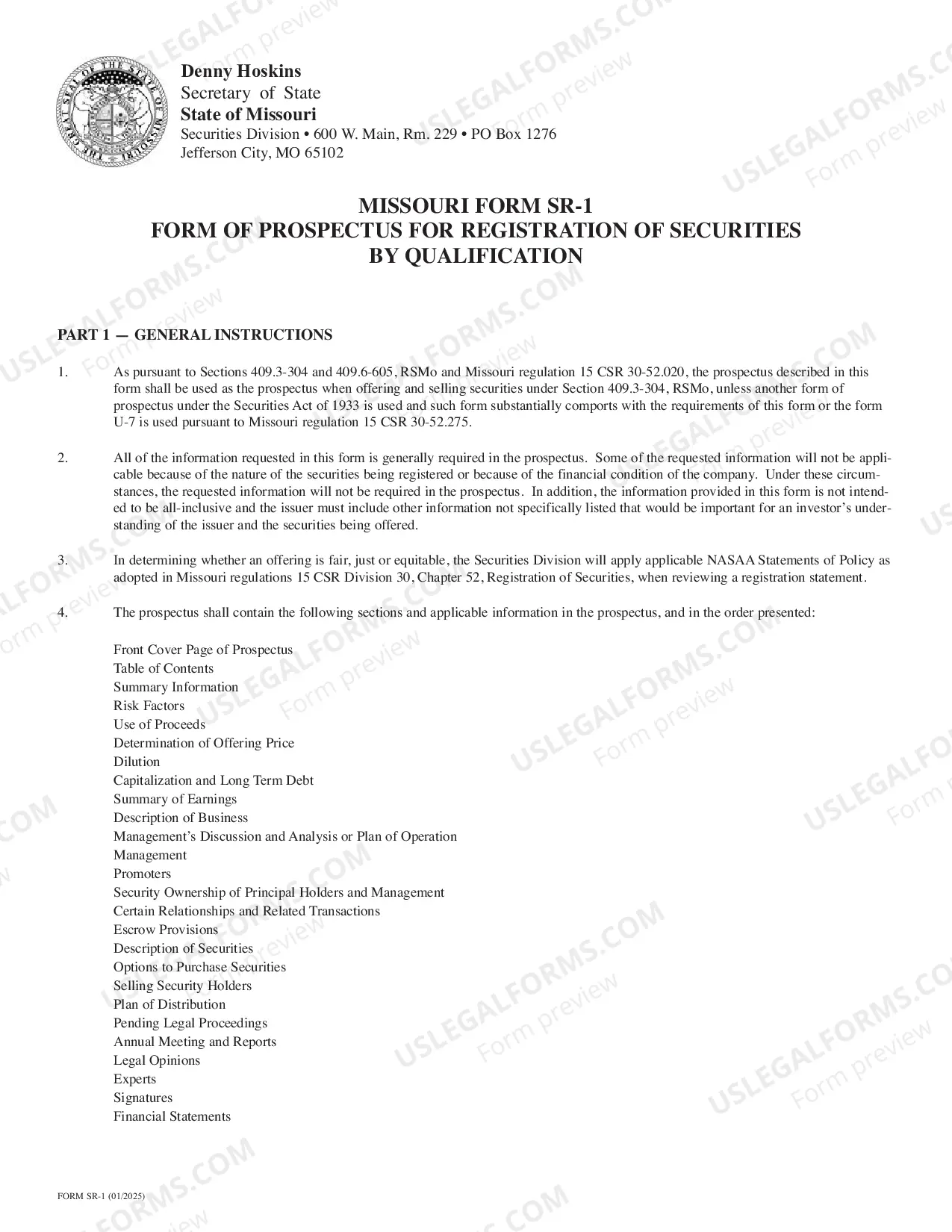
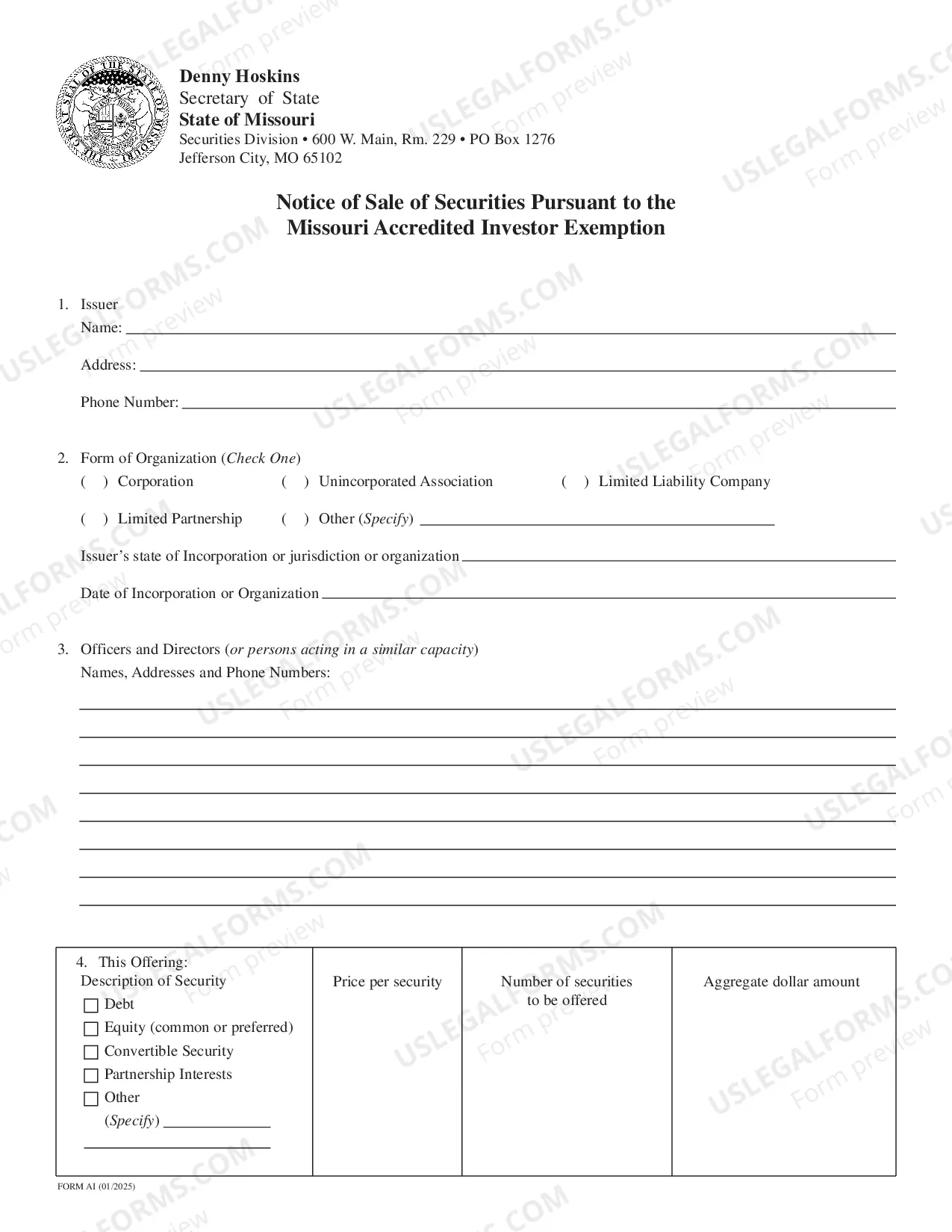
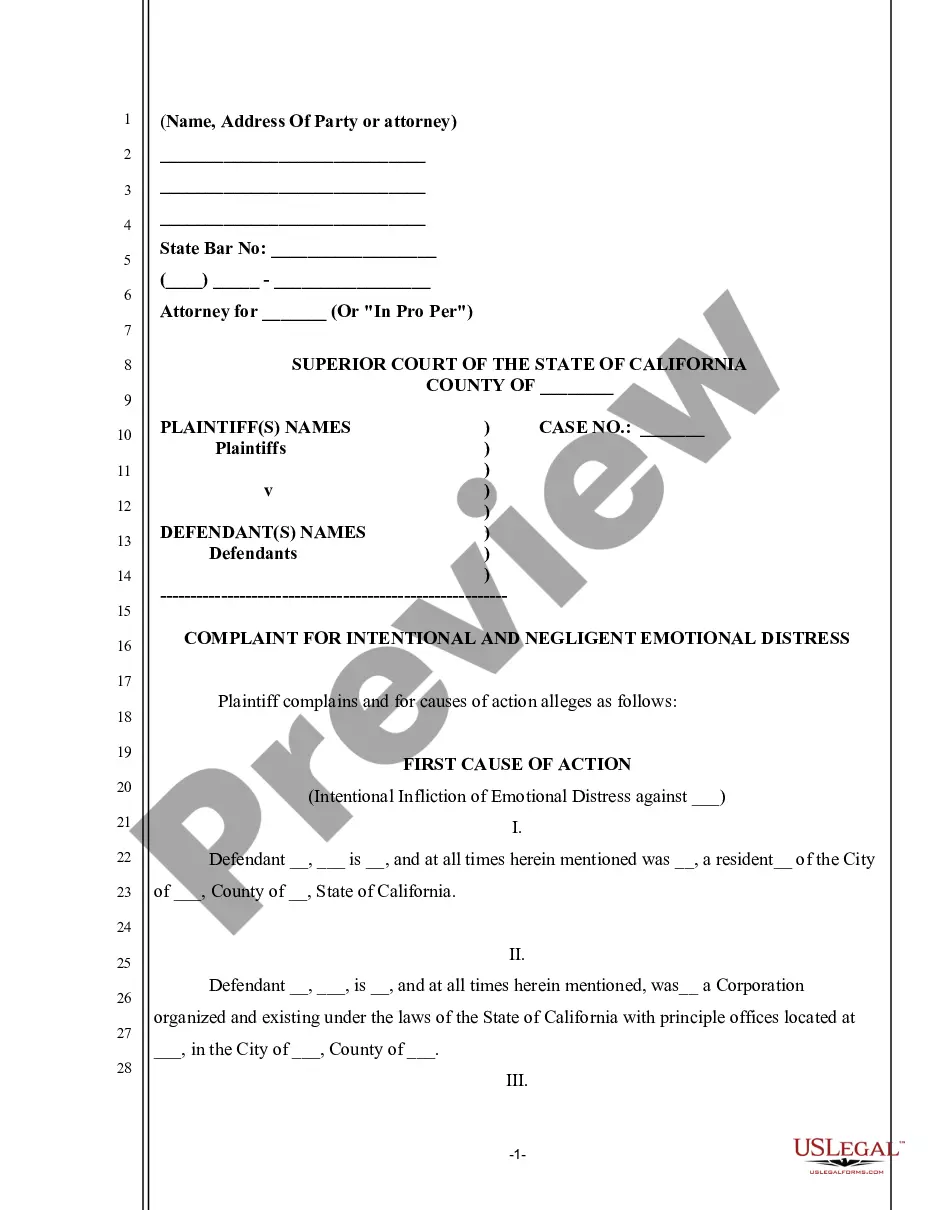
California Complaint for Intentional and Negligent Emotional Distress
What this document covers
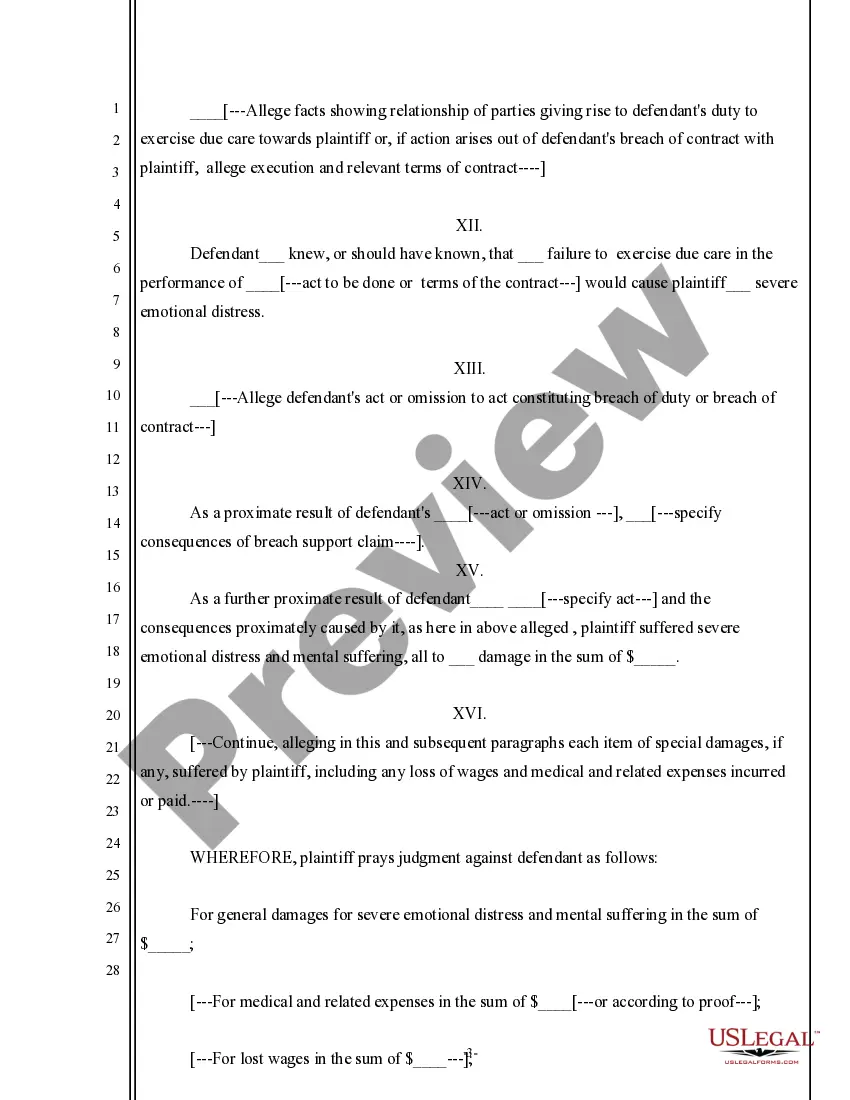
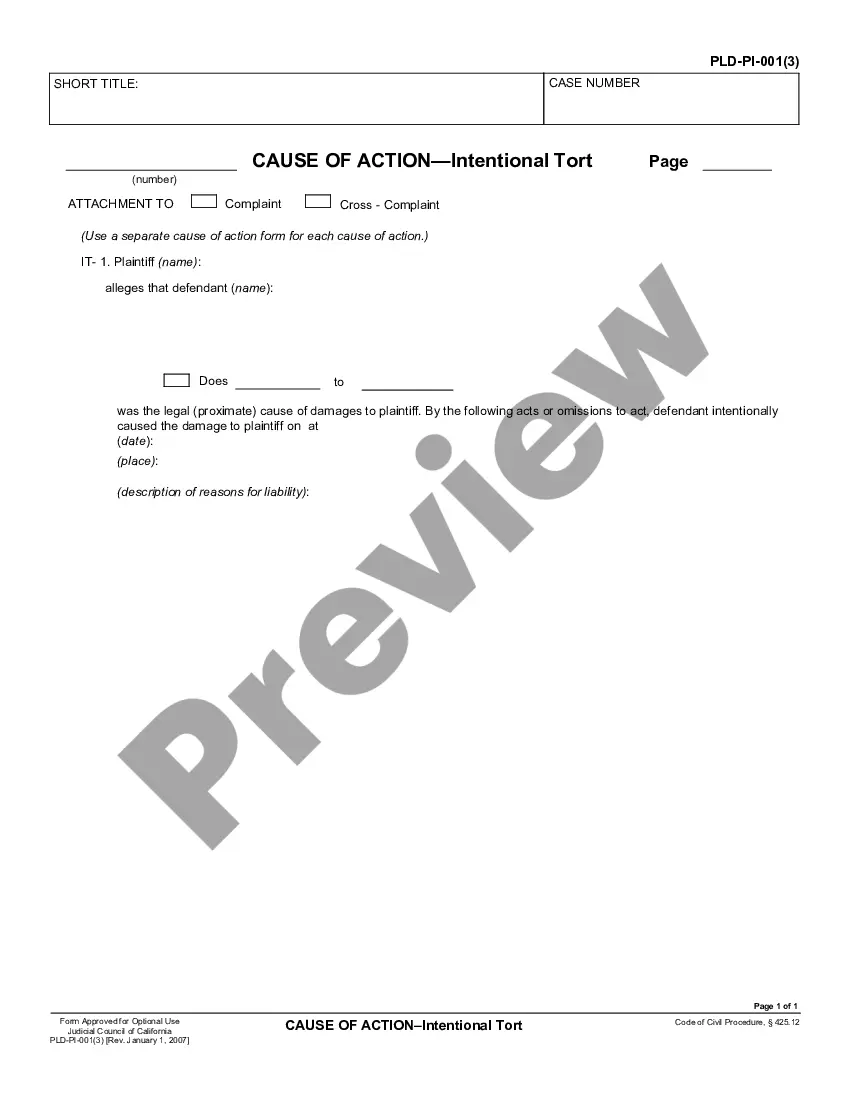
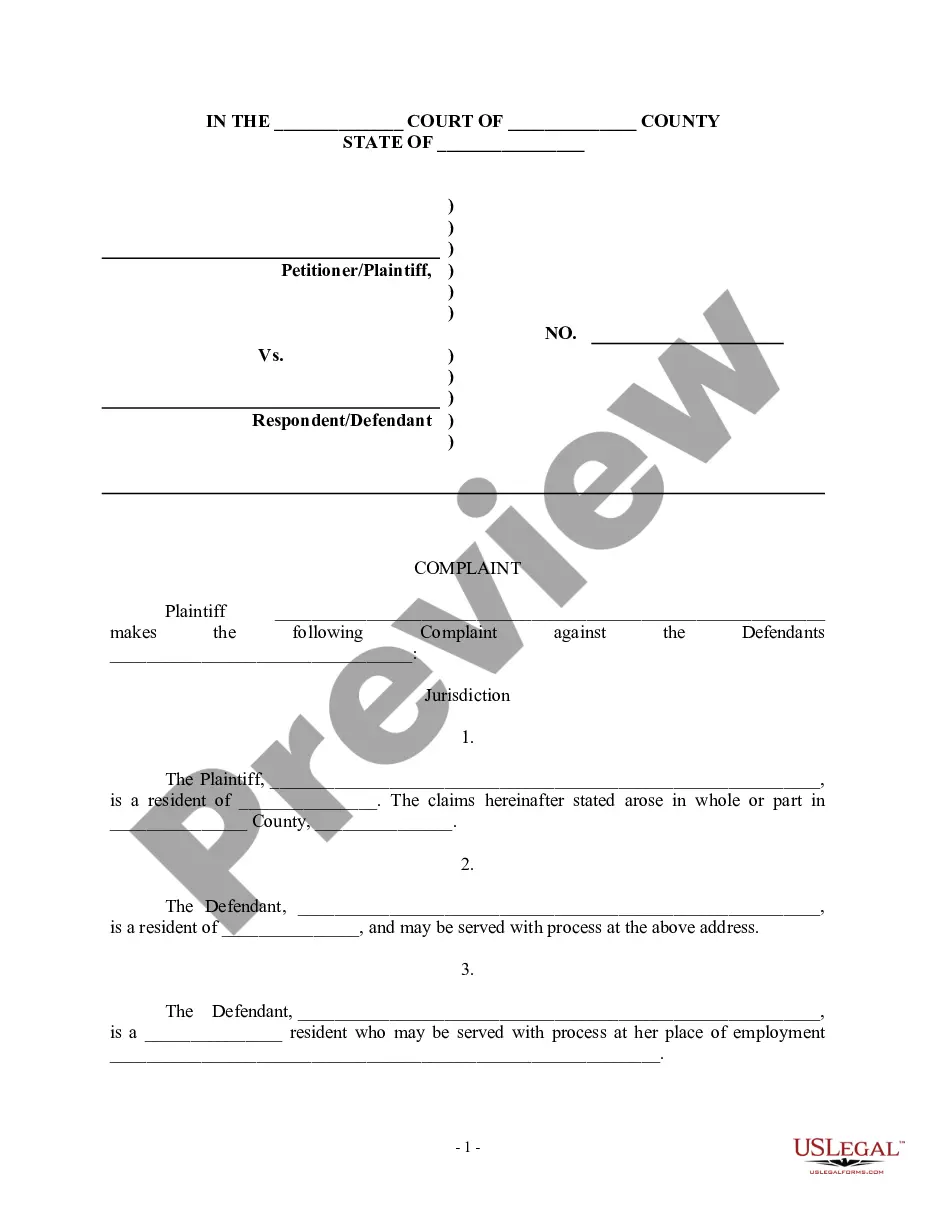
This Complaint for Intentional and Negligent Emotional Distress is a legal document used to claim damages for emotional harm caused by the actions or omissions of another party. It differs from other complaints in that it specifically addresses both intentional infliction and negligence related to emotional distress, allowing plaintiffs to seek restitution for mental anguish, humiliation, medical expenses, and lost wages.
What’s included in this form
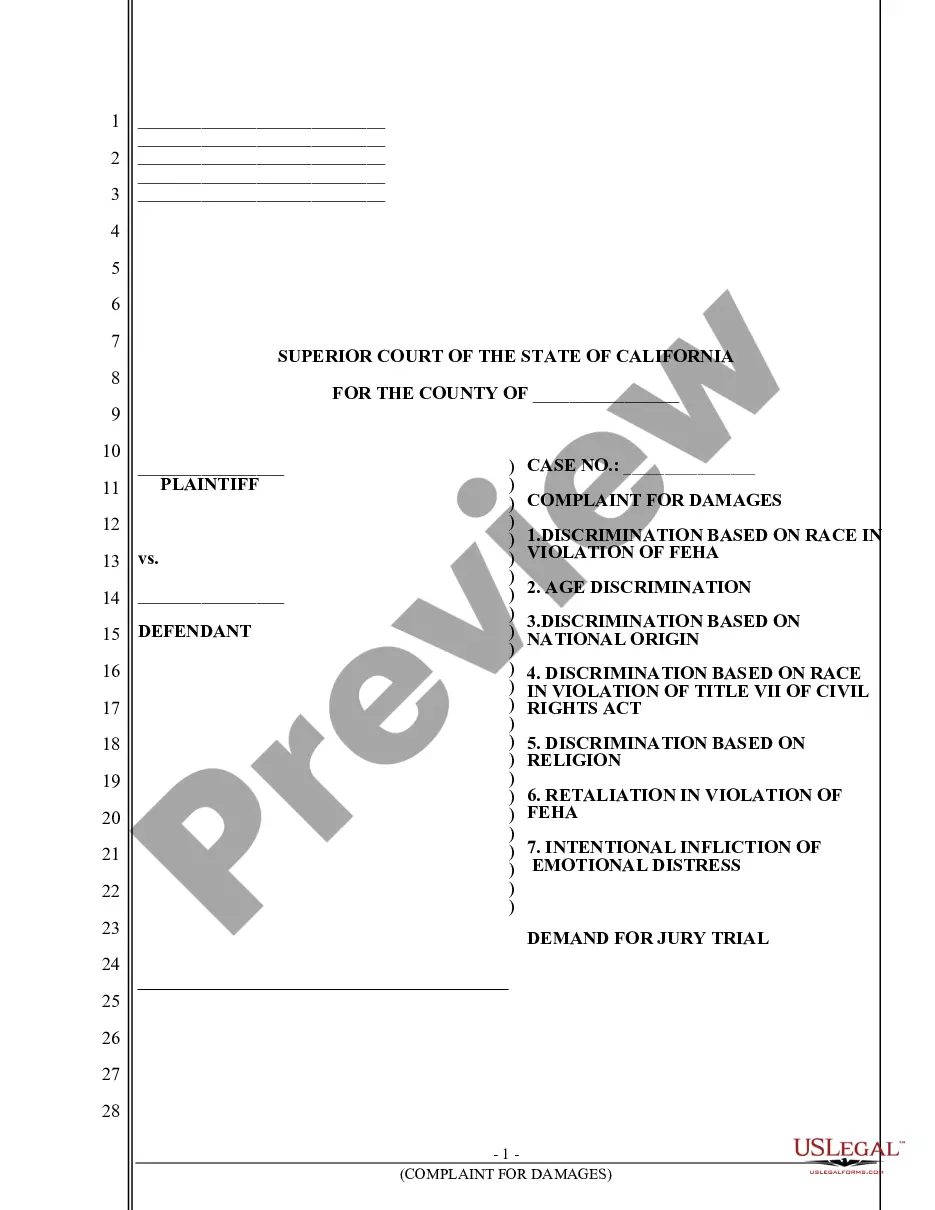
- Identification of the plaintiff and defendants, including their roles and relationships.
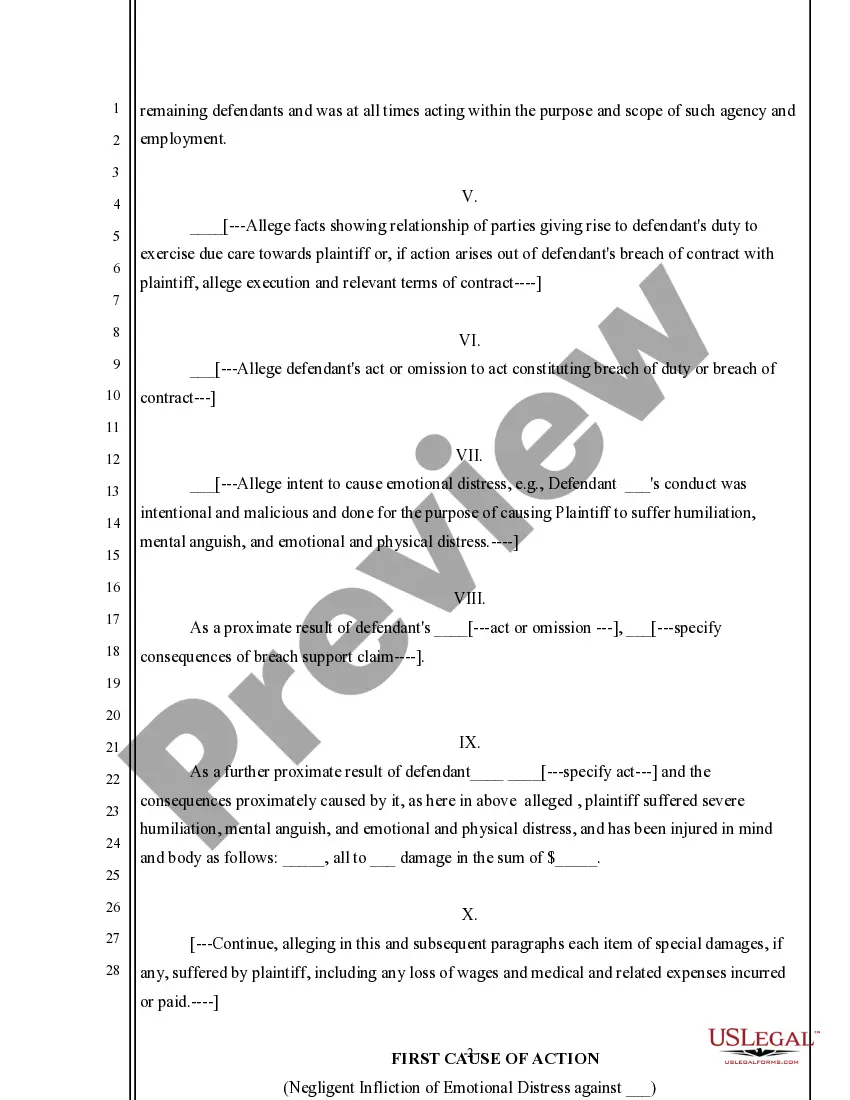
- Allegations demonstrating intentional or negligent actions causing emotional distress.
- Details on the severity of the emotional suffering, including mental and physical consequences.
- Specification of damages sought, such as general damages, medical expenses, and lost wages.
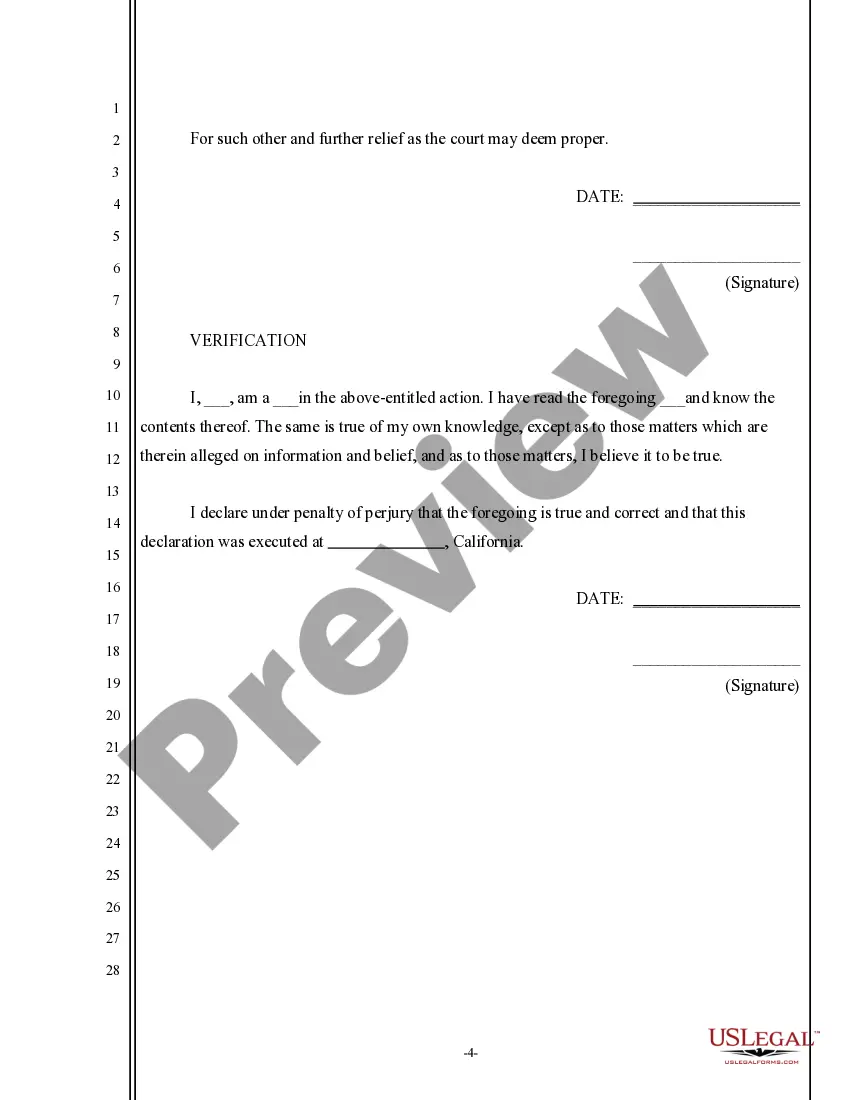
- Verification section to affirm the truth of the statements made in the complaint.

Common use cases
This form should be used when an individual believes they have suffered emotional distress due to someone else's intentional actions or negligent behavior. Common scenarios include workplace harassment, defamation, or emotional abuse, where the emotional impact is significant and has led to financial losses or medical treatment.
Intended users of this form
This form is intended for:
- Individuals who have experienced intentional infliction of emotional distress.
- Those who have suffered emotional harm due to another's negligence.
- People seeking to recover damages for medical expenses or lost wages related to emotional distress.
- Claimants who wish to formally outline their grievances in a legal framework.
How to prepare this document
- Identify the parties involved in the case, providing their names and relevant details.
- State the facts that led to the claim, including specific acts and omissions of the defendants.
- Describe the emotional distress suffered, detailing how it has impacted your life and well-being.
- Specify the damages you are seeking, including general damages and any applicable medical expenses or lost wages.
- Sign and date the verification section, ensuring all information is accurate and truthful.
Notarization requirements for this form
Notarization is generally not required for this form. However, certain states or situations might demand it. You can complete notarization online through US Legal Forms, powered by Notarize, using a verified video call available anytime.
Get your form ready online
Our built-in tools help you complete, sign, share, and store your documents in one place.
Make edits, fill in missing information, and update formatting in US Legal Forms—just like you would in MS Word.
Download a copy, print it, send it by email, or mail it via USPS—whatever works best for your next step.
Sign and collect signatures with our SignNow integration. Send to multiple recipients, set reminders, and more. Go Premium to unlock E-Sign.
If this form requires notarization, complete it online through a secure video call—no need to meet a notary in person or wait for an appointment.
We protect your documents and personal data by following strict security and privacy standards.

Make edits, fill in missing information, and update formatting in US Legal Forms—just like you would in MS Word.

Download a copy, print it, send it by email, or mail it via USPS—whatever works best for your next step.

Sign and collect signatures with our SignNow integration. Send to multiple recipients, set reminders, and more. Go Premium to unlock E-Sign.

If this form requires notarization, complete it online through a secure video call—no need to meet a notary in person or wait for an appointment.

We protect your documents and personal data by following strict security and privacy standards.
Common mistakes
- Failing to provide sufficient details about the defendants and their actions.
- Neglecting to outline the emotional and physical effects experienced.
- Requesting damages without proper documentation or justification.
- Omitting to sign the verification, which could render the complaint invalid.
Benefits of using this form online
- Instant access to a legally vetted template that meets state requirements.
- Easy customization options to adapt the form to your specific situation.
- Elimination of guesswork with clear instructions on completion.
- Convenience of downloading and printing the form when ready to file.
Looking for another form?
Form popularity
FAQ
If you are experiencing emotional distress from your work environment, you need to gather specific evidence for a strong California Complaint for Intentional and Negligent Emotional Distress. Document instances of harassment, discrimination, or other adverse actions you faced at work. Keep records of your emotional symptoms and seek professional help to validate your claims. Using a platform like USLegalForms can assist you in structuring your complaint accurately and effectively.
To support your claim in a California Complaint for Intentional and Negligent Emotional Distress, various types of evidence can be useful. Documenting your emotional state through medical records, therapy notes, and testimonies from family or friends can strengthen your case. Additionally, providing correspondence or records that reflect the defendant's conduct enhances the credibility of your claims. Effective evidence is vital in illustrating the impact of emotional distress on your life.
To establish a claim for intentional infliction of emotional distress in California, you must show that the defendant's conduct was outrageous and intended to cause you distress. Moreover, you need to demonstrate that the distress you experienced was severe. In your California Complaint for Intentional and Negligent Emotional Distress, detailing specific actions taken by the defendant can bolster your case. Collecting evidence that illustrates the defendant's intent is also crucial.
Emotional distress refers to the mental suffering or anguish that a person experiences due to the actions of another. In the context of a California Complaint for Intentional and Negligent Emotional Distress, you must demonstrate that the distress caused by the defendant's conduct was severe and unreasonable. Common symptoms include anxiety, depression, and other psychological ailments. Recognizing these symptoms is essential for anyone considering a legal claim.
To sue for emotional distress in California, you should first gather all relevant evidence related to your claim. This includes documentation of events, medical records, and witness statements that support your case. It's advisable to prepare a California Complaint for Intentional and Negligent Emotional Distress, outlining the facts and legal basis for your claim. Engaging with professionals on platforms like uslegalforms can streamline the creation of this complaint and guide you through the legal process.
In California, the amount you can sue for emotional distress varies based on the specifics of your case. Courts consider factors such as the severity of the distress, the impact on your daily life, and any economic losses incurred. While there are no set limits, successful claims can result in compensation that reflects the harm experienced. Utilizing a California Complaint for Intentional and Negligent Emotional Distress can help you articulate your damages more effectively.
To prove emotional distress damages in California, you typically need to establish that the defendant engaged in extreme or outrageous conduct. You must also show that this conduct caused you severe emotional distress. This process often includes providing medical records, expert testimony, or personal testimony that clearly connects the defendant's actions to your emotional suffering. Using a California Complaint for Intentional and Negligent Emotional Distress can effectively lay out your case.
In California, the statute of limitations for negligent infliction of emotional distress generally falls within two years. This time frame starts from the date of the incident that caused the emotional harm. It's important to be aware of these time constraints to ensure you file your California Complaint for Intentional and Negligent Emotional Distress within the allowed period.
Winning an emotional distress case requires you to present strong evidence, including details of the defendant’s outrageous behavior and the impact on your mental health. Establishing your claim through clear documentation and witness testimony can significantly support your case. Additionally, crafting a well-structured California Complaint for Intentional and Negligent Emotional Distress will enhance your chances of success.
Proof of emotional distress can include a variety of evidence, such as medical records, therapist evaluations, and witness testimony that corroborates your mental state. Demonstrating a clear link between the defendant's actions and your emotional pain is crucial. The more comprehensive and organized your evidence, the stronger your California Complaint for Intentional and Negligent Emotional Distress will be.