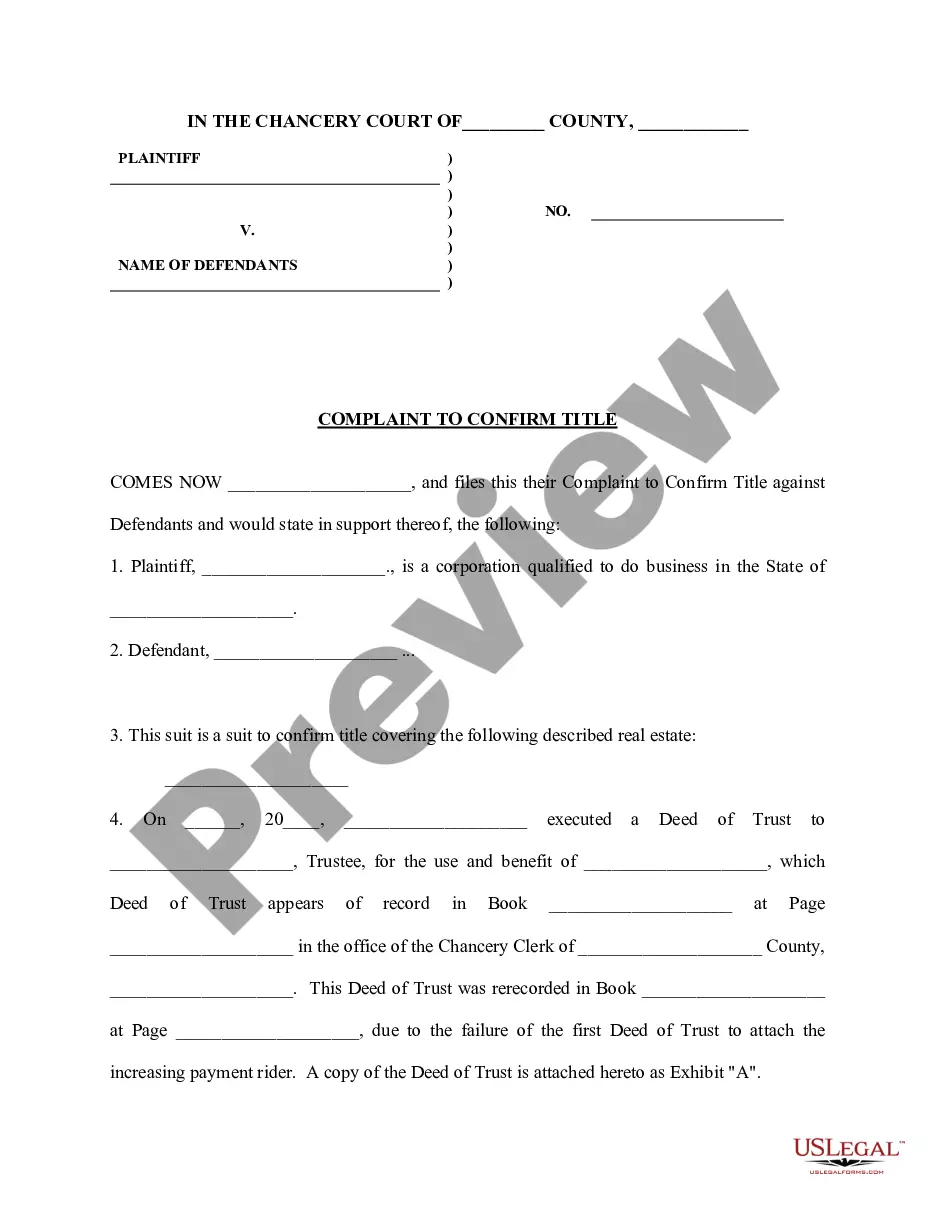
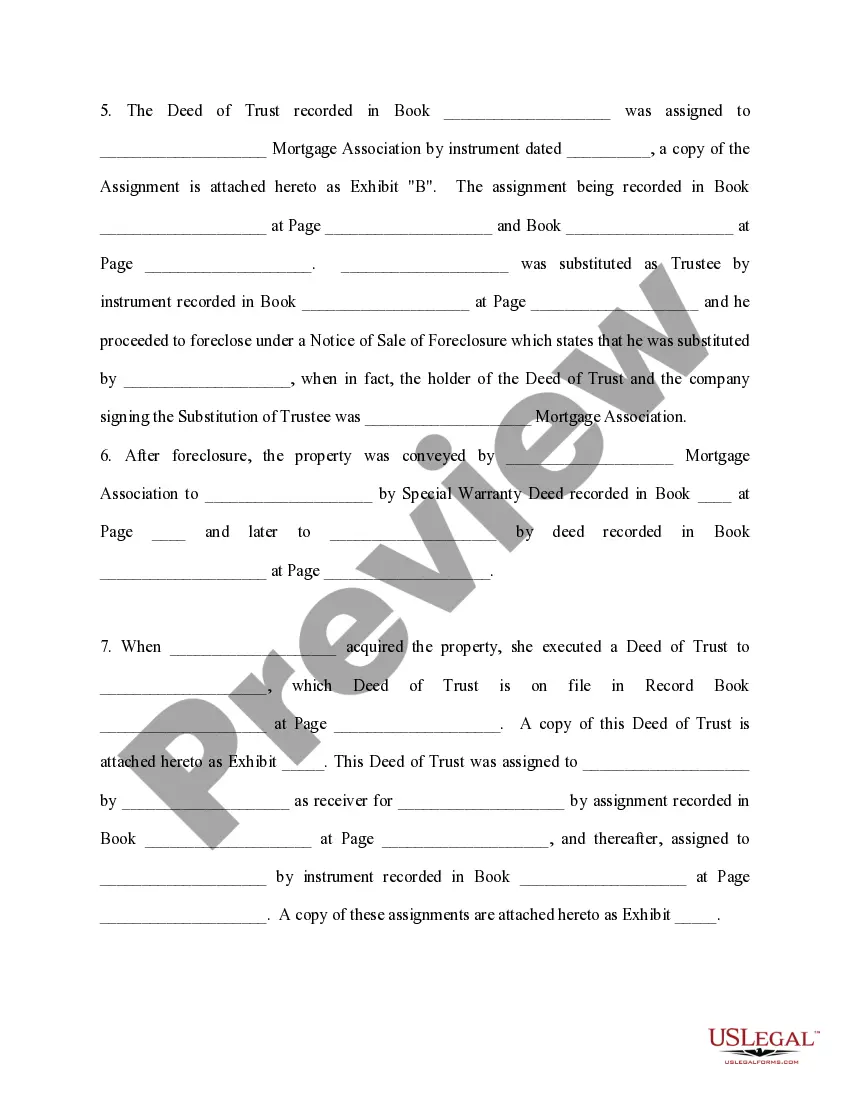
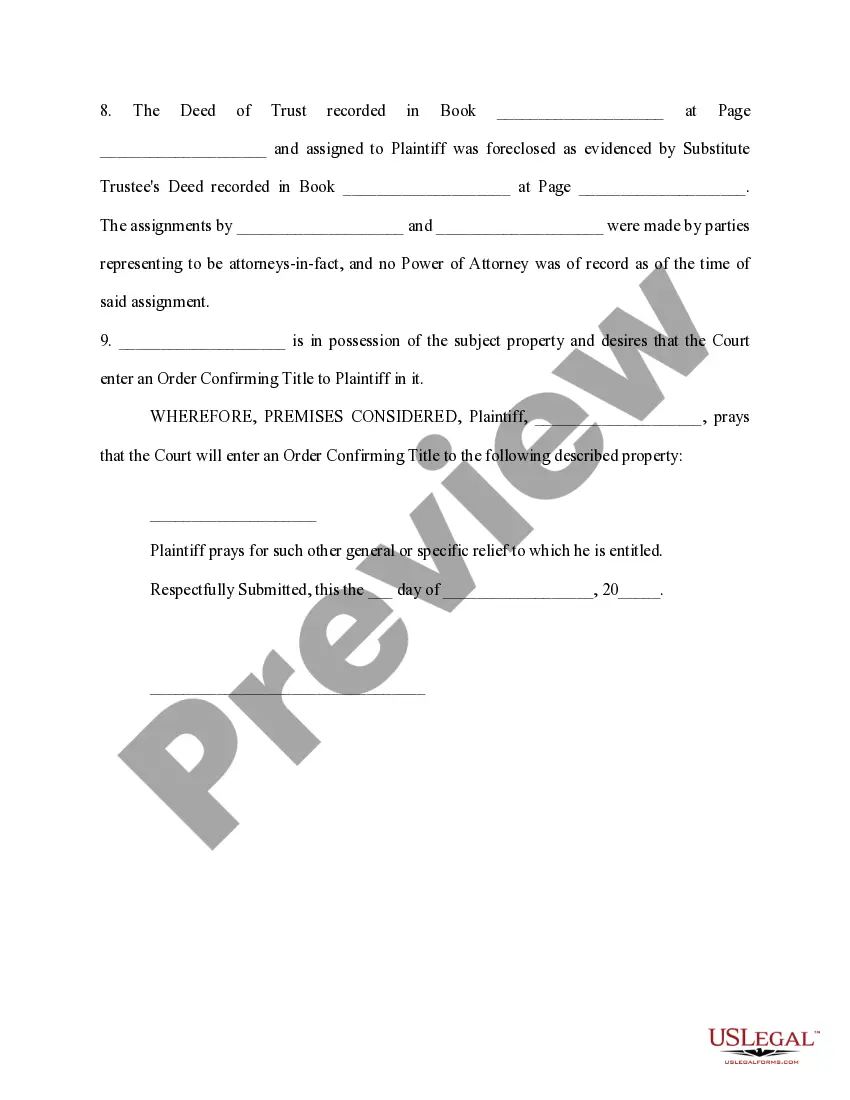
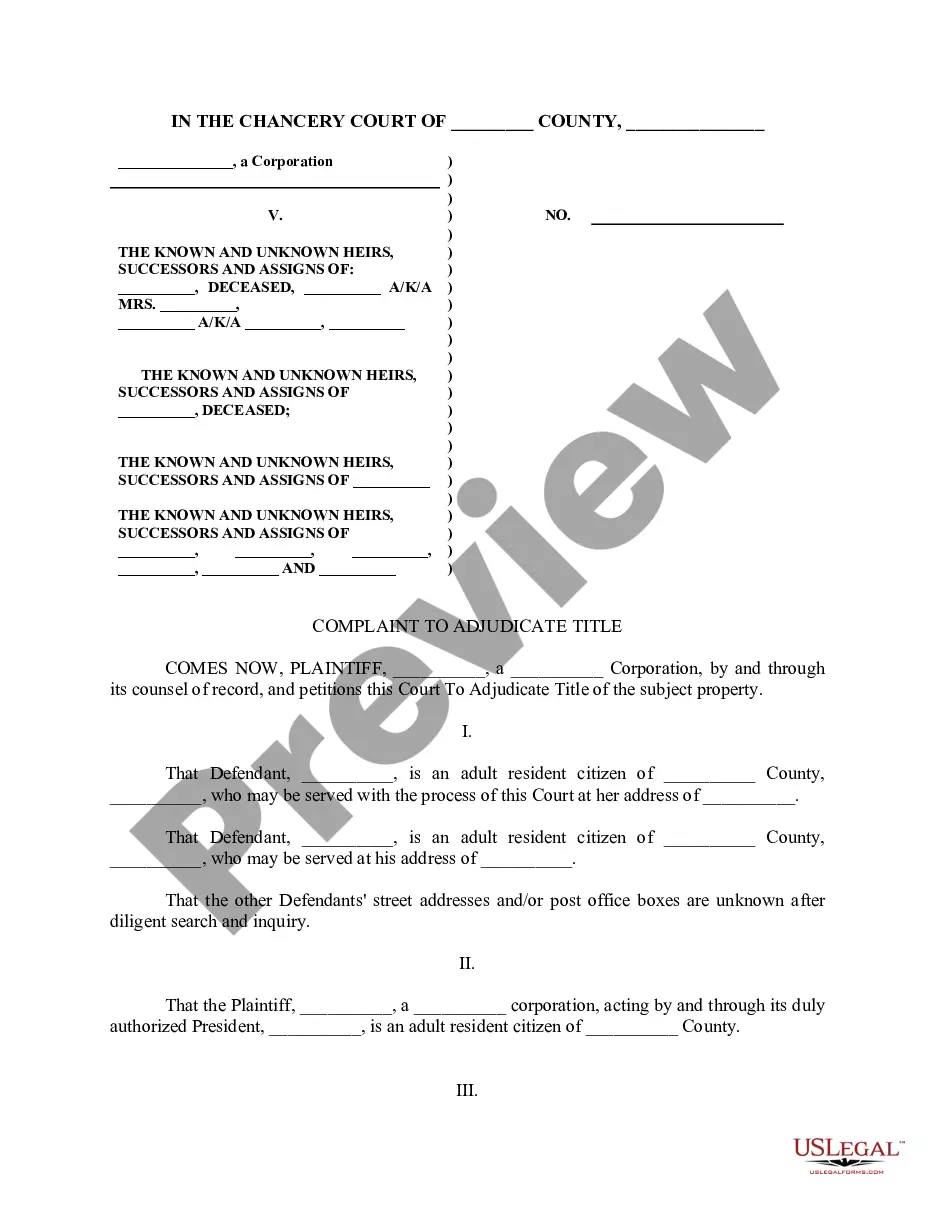
Arizona Complaint to Confirm Title
Description
Get your form ready online
Our built-in tools help you complete, sign, share, and store your documents in one place.
Make edits, fill in missing information, and update formatting in US Legal Forms—just like you would in MS Word.
Download a copy, print it, send it by email, or mail it via USPS—whatever works best for your next step.
Sign and collect signatures with our SignNow integration. Send to multiple recipients, set reminders, and more. Go Premium to unlock E-Sign.
If this form requires notarization, complete it online through a secure video call—no need to meet a notary in person or wait for an appointment.
We protect your documents and personal data by following strict security and privacy standards.

Make edits, fill in missing information, and update formatting in US Legal Forms—just like you would in MS Word.

Download a copy, print it, send it by email, or mail it via USPS—whatever works best for your next step.

Sign and collect signatures with our SignNow integration. Send to multiple recipients, set reminders, and more. Go Premium to unlock E-Sign.

If this form requires notarization, complete it online through a secure video call—no need to meet a notary in person or wait for an appointment.

We protect your documents and personal data by following strict security and privacy standards.
Looking for another form?



How to fill out Complaint To Confirm Title?
US Legal Forms - one of the largest collections of legal documents in the United States - offers a variety of legal document templates that you can download or print. By using the site, you can access thousands of forms for business and personal purposes, organized by categories, states, or keywords. You can find the latest versions of forms like the Arizona Complaint to Confirm Title in just minutes.
If you have a subscription, Log In to download the Arizona Complaint to Confirm Title from the US Legal Forms library. The Download button will appear on every form you view. You can find all previously saved forms in the My documents section of your account.
If you are using US Legal Forms for the first time, here are simple guidelines to help you get started: Ensure you have selected the correct form for your city/state. Click on the Preview button to review the form's content. Check the form description to verify that you have chosen the right form. If the form does not meet your needs, use the Search box at the top of the screen to find one that does. If you are satisfied with the form, confirm your selection by clicking the Buy Now button. Then, choose your preferred pricing plan and provide your details to create an account. Process the payment. Use your credit card or PayPal account to complete the transaction. Select the format and download the form to your device. Make modifications. Fill out, edit, print, and sign the saved Arizona Complaint to Confirm Title. Each template you add to your account has no expiration date and is yours permanently. So, if you want to download or print another copy, simply go to the My documents section and click on the form you need.
- Access the Arizona Complaint to Confirm Title with US Legal Forms, the most extensive library of legal document templates.
- Utilize thousands of professional and state-specific templates that meet your business or personal needs and requirements.
Form popularity
FAQ
Why would a property owner file a quiet title suit? A buyer has signed a contract to purchase a property but is uncertain of the condition of the title.
Quiet title actions are common following mortgage lender disputes, the death of title owners, cases of adverse possession, and long periods of time where the property is unoccupied. A quiet title action may not give the new owner the same level of protection against the previous owner.
In law, slander of title is normally a claim involving real estate in which one entity publishes a false statement that disparages or clouds another entity's title to property, causing a financial loss.
An answer in a quiet title action must also be verified, and must describe any claim that the defendant has to the real property, as well as any facts tending to controvert the material allegations of the complaint and new matter constituting a defense. See Cal. Code of Civil Procedure section 761.030.
A complaint to quiet title must be verified and must contain all of the following information [Code Civ. Proc. §761.020]: 1. a description of the property that is the subject of the action.
Special Requirements for Bringing a Quiet Title Action in California Description of the issue property. Title of the Plaintiff that requires determination. Adverse claims to the title held by the Plaintiff. Date as of which the quiet title determination is sought.
Generally, Superior Courts where the subject property is located have jurisdiction to hear quiet title cases. Court venue is assigned by the zip code of the property. In certain limited circumstances, Family law courts may take jurisdiction of quiet title actions if the claim relates to a dissolution action.
A defective title is ownership of property or assets that cannot be legally transferred due to claims by someone else. While the seller has an obligation to present marketable title to real property, the buyer is also responsible for examining any title defects and giving notice of any defect to the seller.