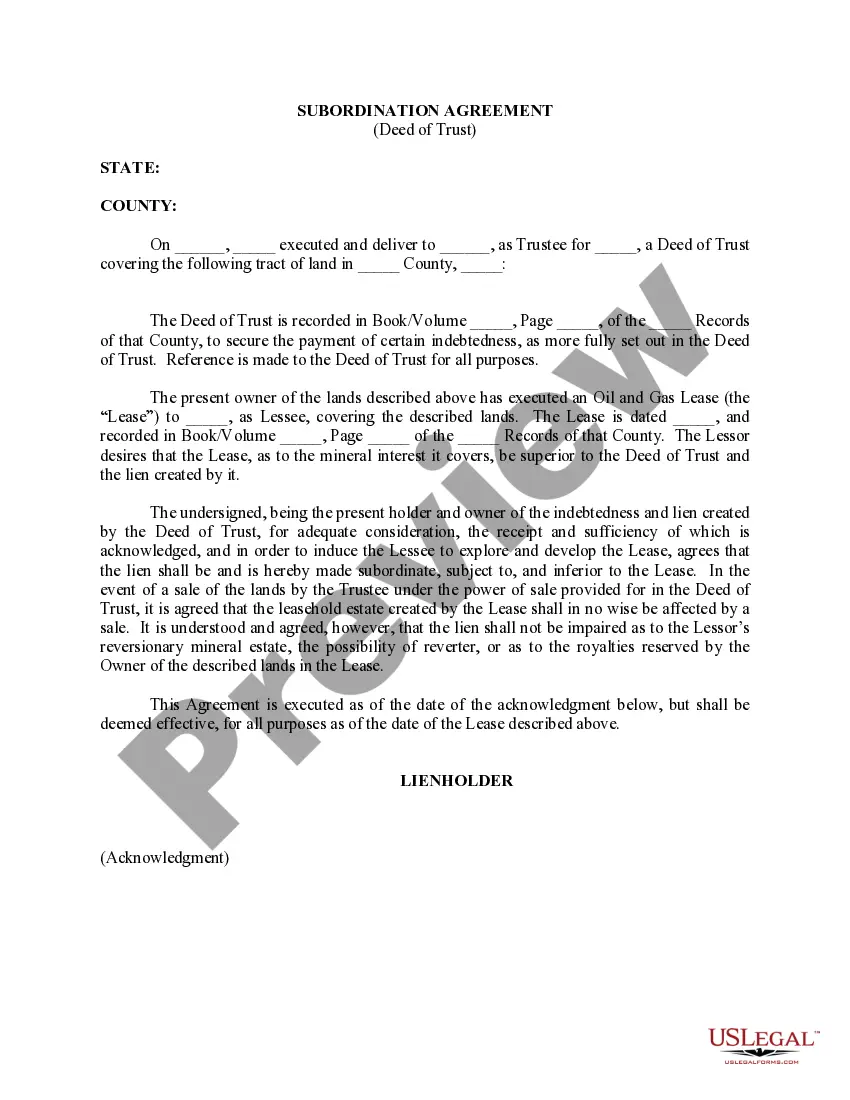
This agreement allows one lien holder to subordinate its deed of trust to the lien of another lien holder. For valuable consideration, a particular deed of trust will at all times be prior and superior to the subordinate lien.
Arizona Subordination Agreement of Deed of Trust
State:
Multi-State
Control #:
US-00185
Format:
Word;
Rich Text
Instant download
Description
Free preview
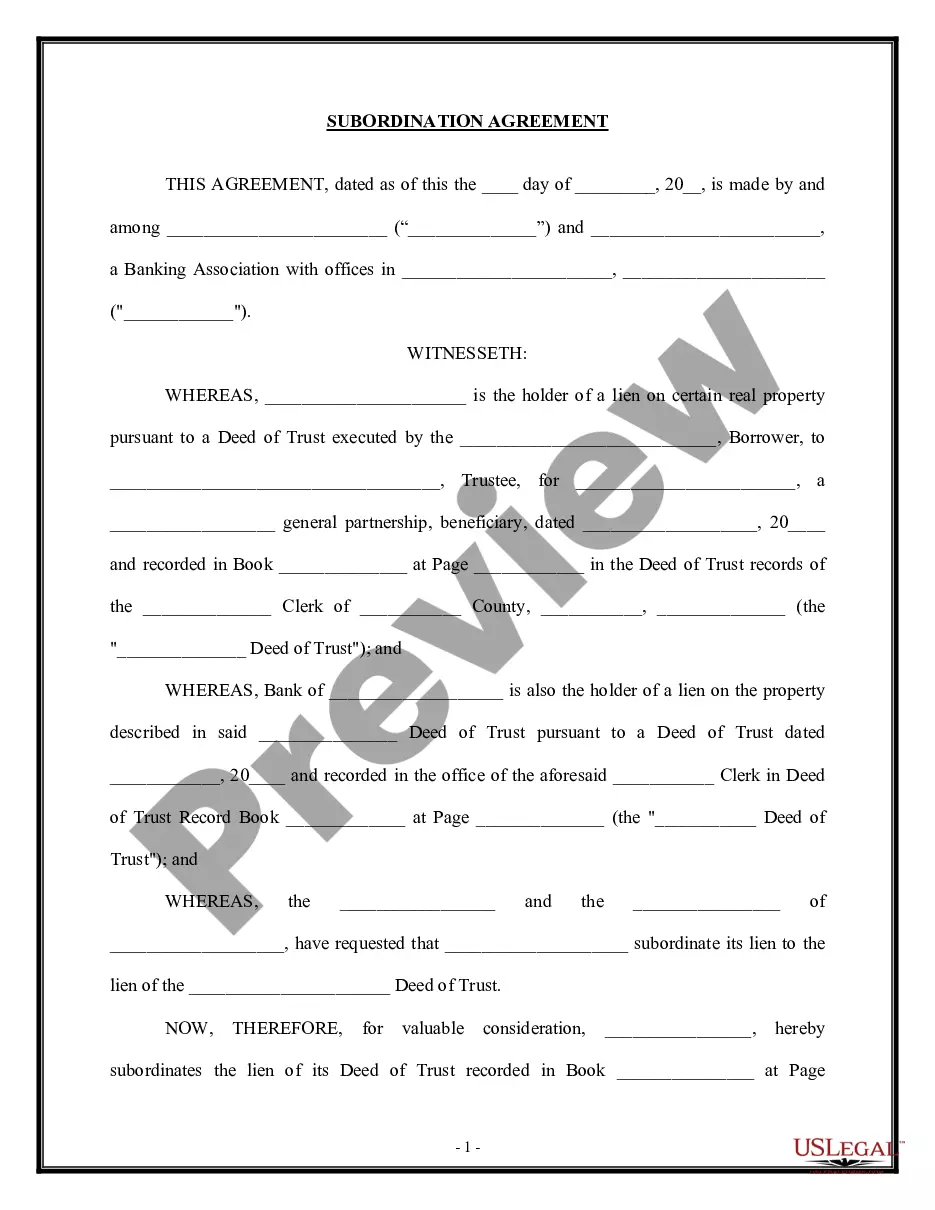
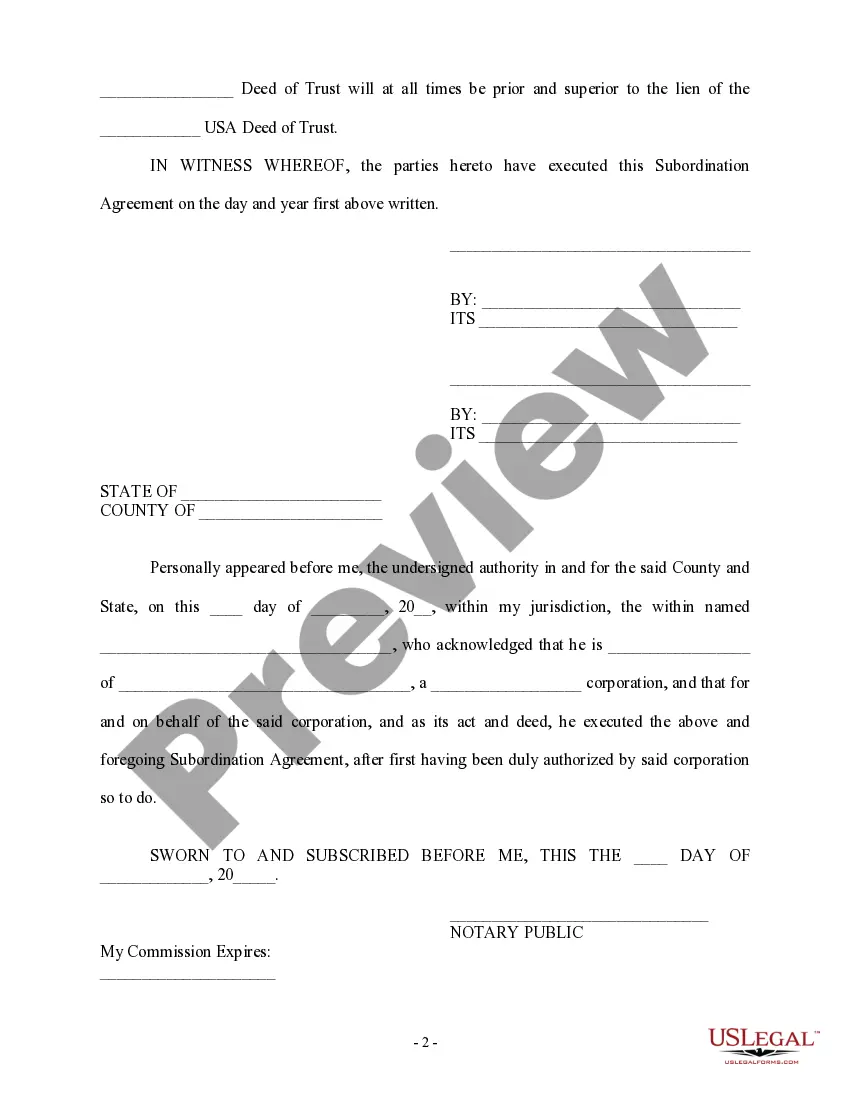
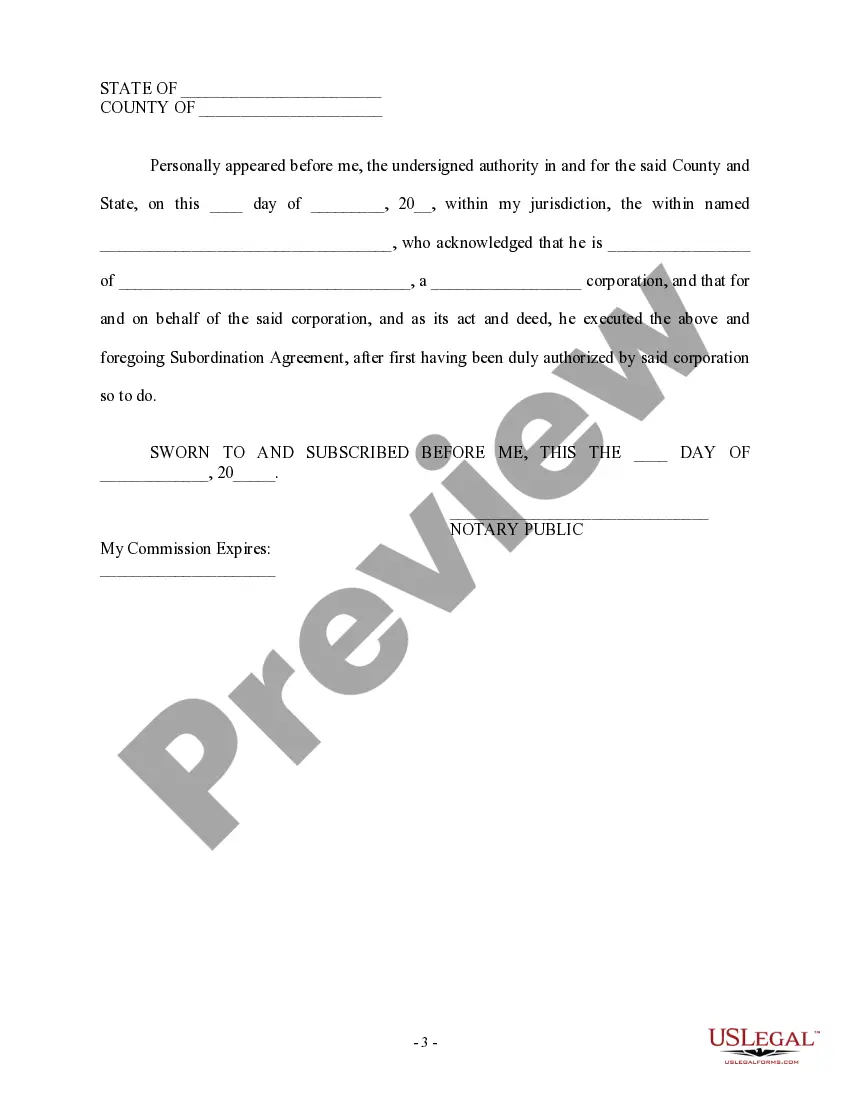
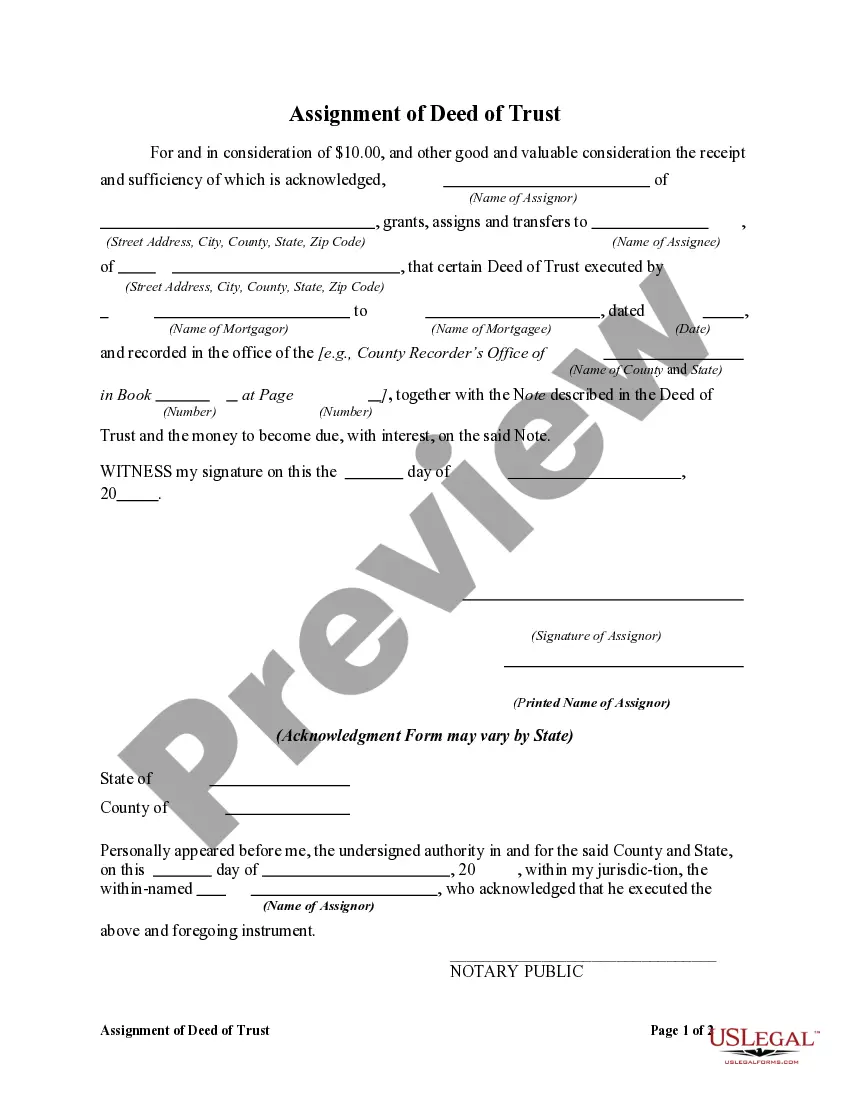



How to fill out Subordination Agreement Of Deed Of Trust?
US Legal Forms - one of the largest collections of official documents in the United States - offers a broad selection of official document templates you can download or print.
While using the website, you can find a vast number of documents for business and personal purposes, organized by categories, states, or keywords.
You can access the latest versions of documents such as the Arizona Subordination Agreement of Deed of Trust within moments.
Check the form details to ensure you have chosen the right template.
If the form does not meet your needs, utilize the Search field at the top of the screen to find one that does.
- If you currently hold a membership, Log In and download the Arizona Subordination Agreement of Deed of Trust from the US Legal Forms library.
- The Download option will appear on each template you view.
- You can access all previously downloaded documents from the My documents section of your account.
- If you are using US Legal Forms for the first time, here are some simple instructions to help you get started.
- Ensure you have selected the correct template for your city/state.
- Click the Preview option to review the form's content.
Form popularity
FAQ
Transferring a deed to a trust in Arizona involves drafting a new deed that specifies the trust as the grantee. You will need to sign the deed in front of a notary and then file it with the county recorder's office. This process ensures that your property is held in the trust, providing benefits like asset protection and easier transfer upon death. For assistance with the Arizona Subordination Agreement of Deed of Trust and other legal documents, visit USLegalForms.
Yes, Arizona is a deed of trust state. In Arizona, a deed of trust serves as a security instrument for loans, allowing lenders to take possession of the property if the borrower defaults. This process is typically faster than foreclosure under a mortgage, providing benefits to both lenders and borrowers. To understand more about the Arizona Subordination Agreement of Deed of Trust, consider exploring resources on USLegalForms.
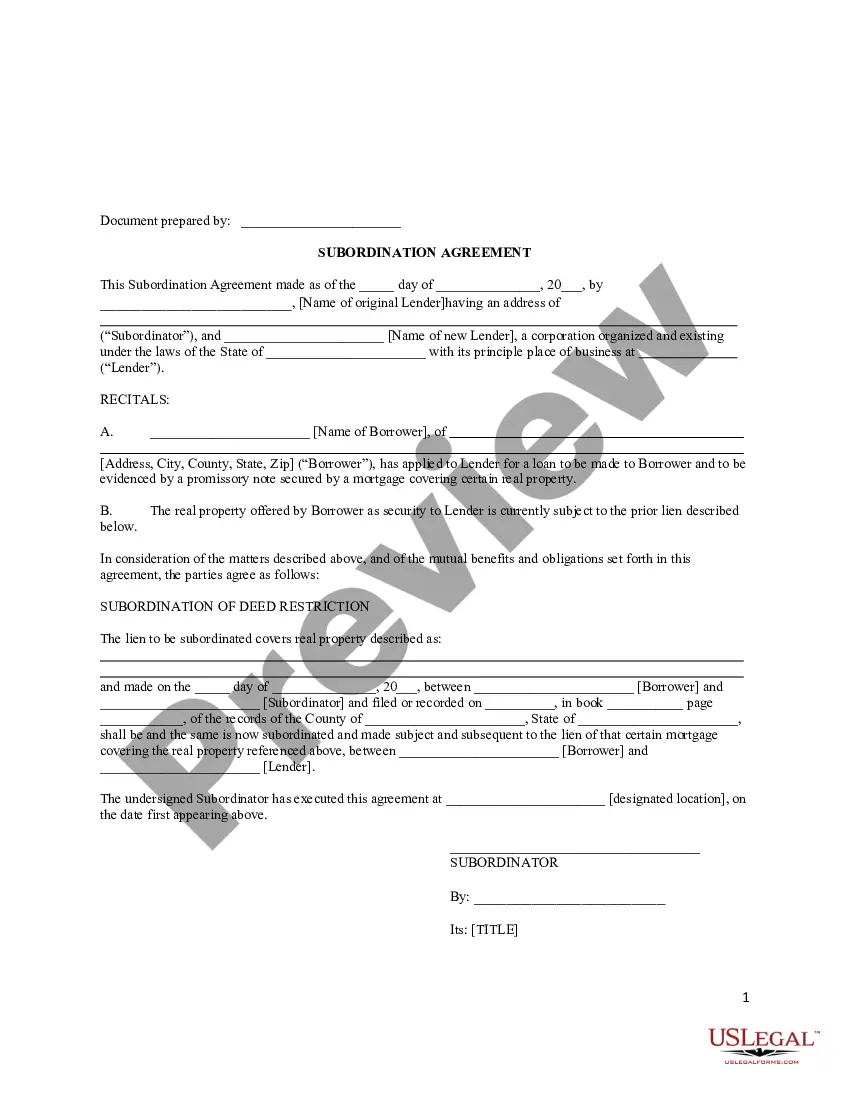
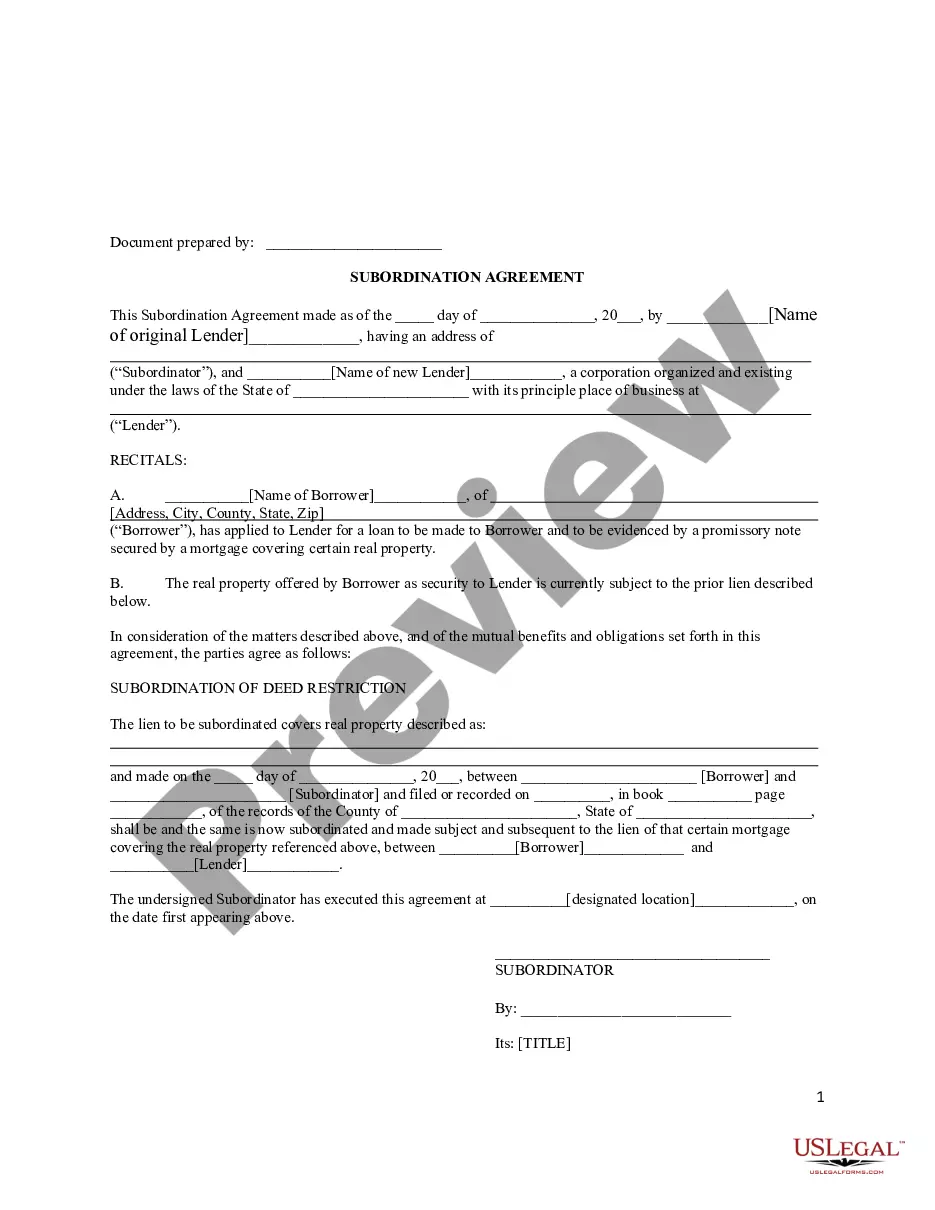
A subordination agreement can be prepared by an attorney or a qualified legal service provider. In Arizona, it is often beneficial to consult with a professional familiar with real estate law to ensure compliance with all regulations. If you prefer a more straightforward approach, platforms like US Legal Forms offer templates that can help you create a valid agreement tailored to your needs. This way, you can focus on other important aspects of your property financing.
Yes, recording a subordination agreement is necessary to make it effective against third parties. In Arizona, when you record the agreement, it becomes part of the public record, allowing others to see the updated priority of liens. This step is crucial for protecting your rights and interests in the property. Consider using US Legal Forms to ensure that your agreement is properly recorded.
Yes, a subordination agreement typically needs to be notarized to ensure its validity and enforceability. Notarization adds a layer of legal protection by verifying the identities of the parties involved. In Arizona, this step is essential, as it helps prevent disputes over the authenticity of the agreement. Using US Legal Forms can guide you through the notarization process smoothly.
A subordination of a deed of trust involves changing the priority of a lien on a property. This means that one lender agrees that their claim on the property will take a back seat to another lender's claim. In Arizona, this process is formalized through a subordination agreement, which is crucial for refinancing or obtaining additional financing. Understanding this concept can help you navigate your financial options effectively.
Yes, you should record a subordination agreement to provide public notice of the change in priority between debts. In Arizona, recording the agreement ensures that it is enforceable against third parties. By doing this, you protect your interests and clarify the terms for all involved. Using a platform like US Legal Forms can simplify this process and ensure you meet all legal requirements.