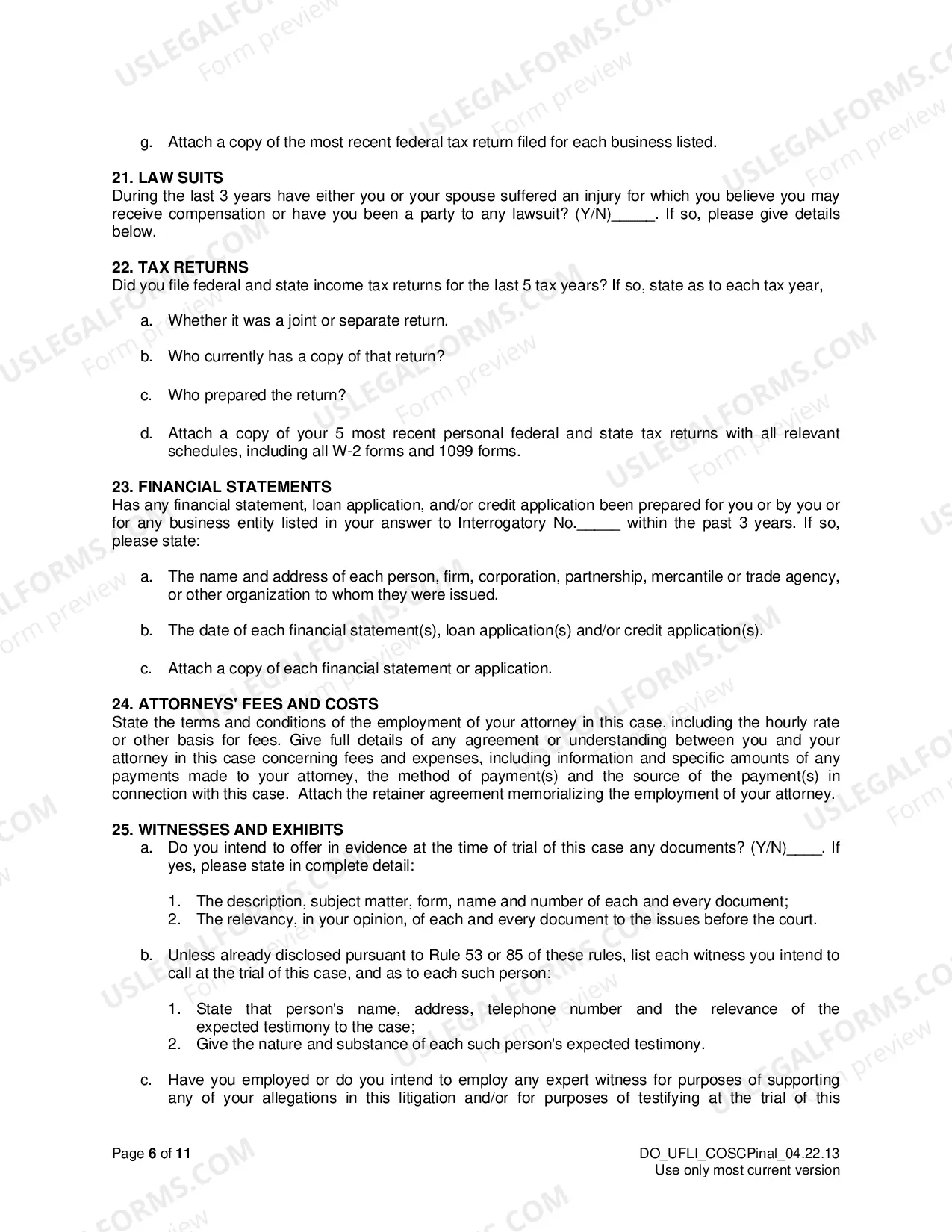
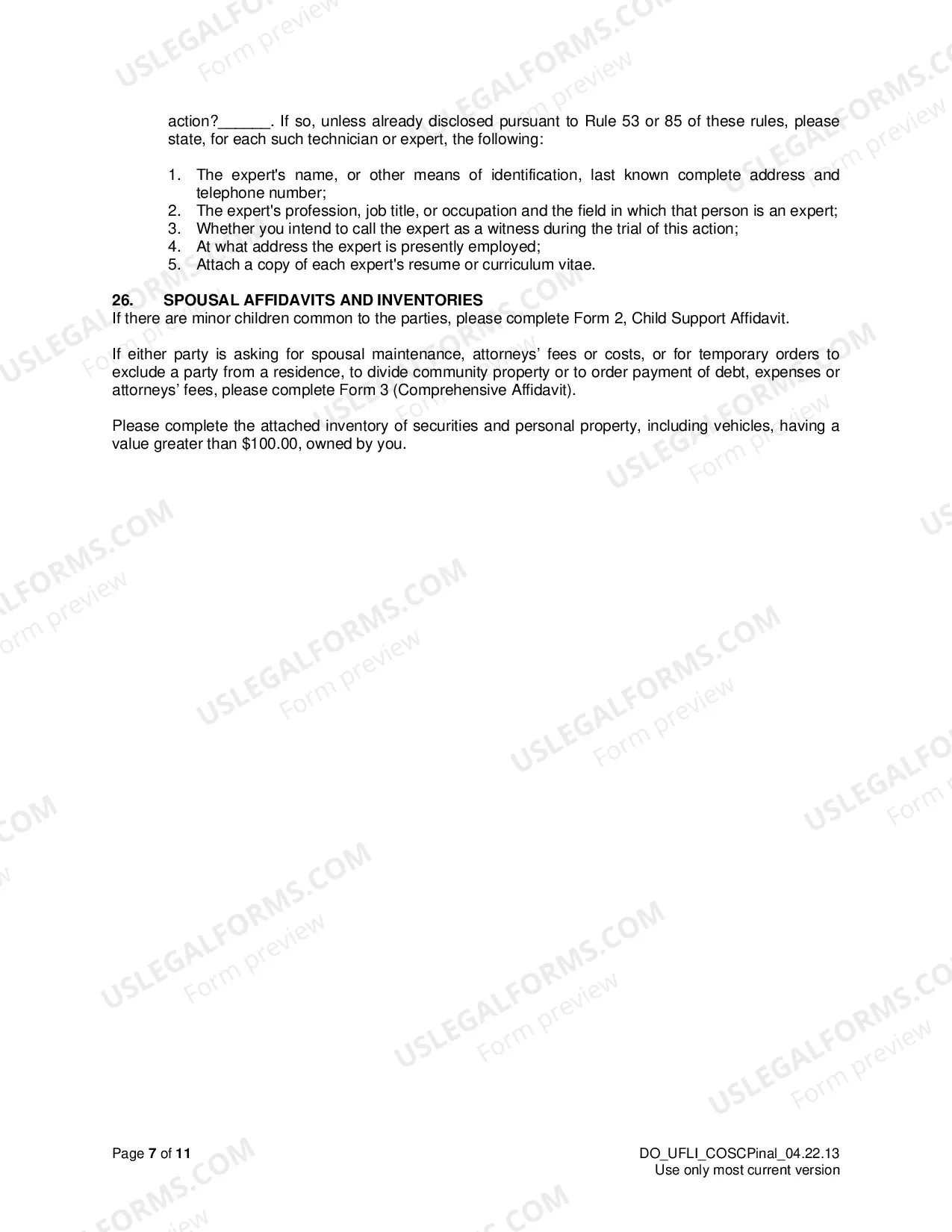
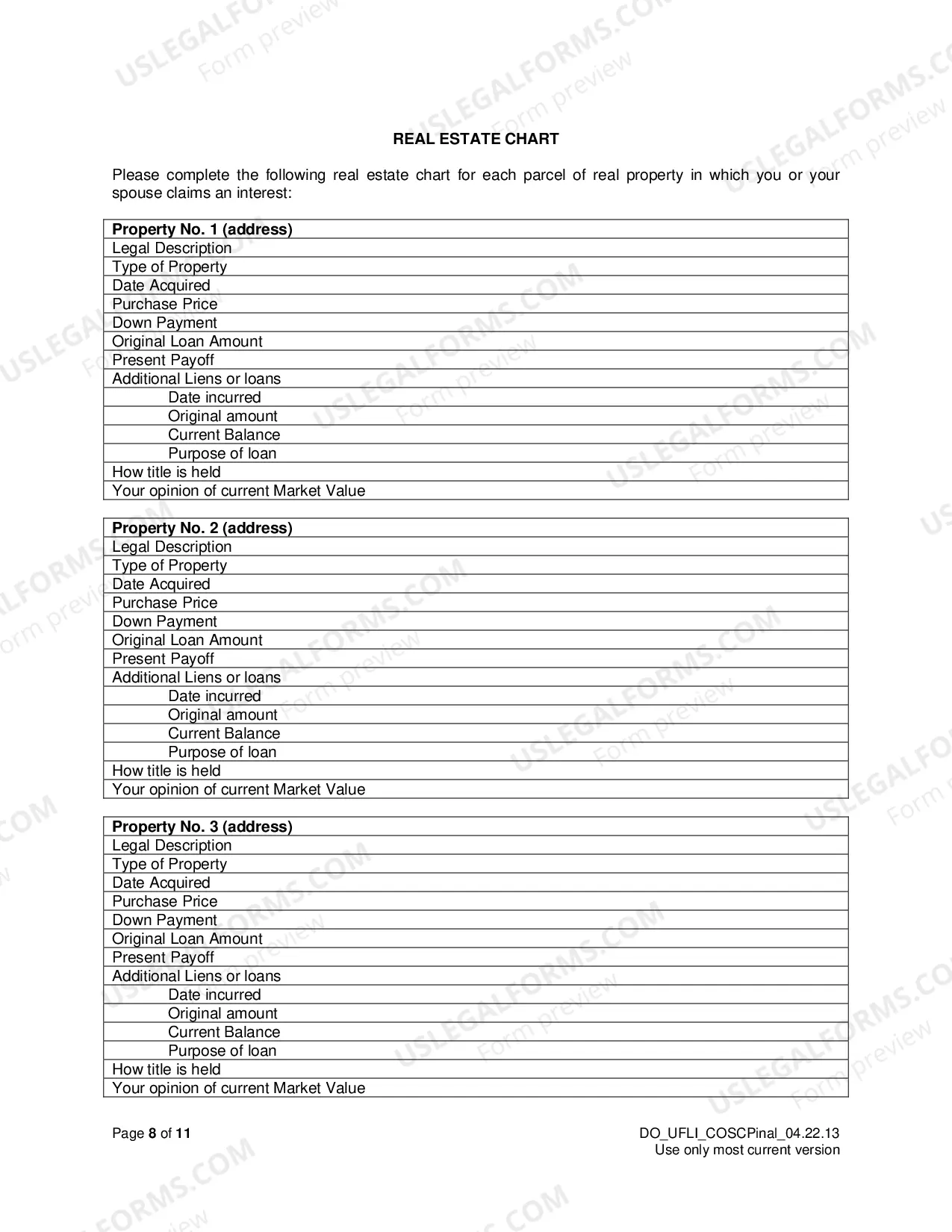
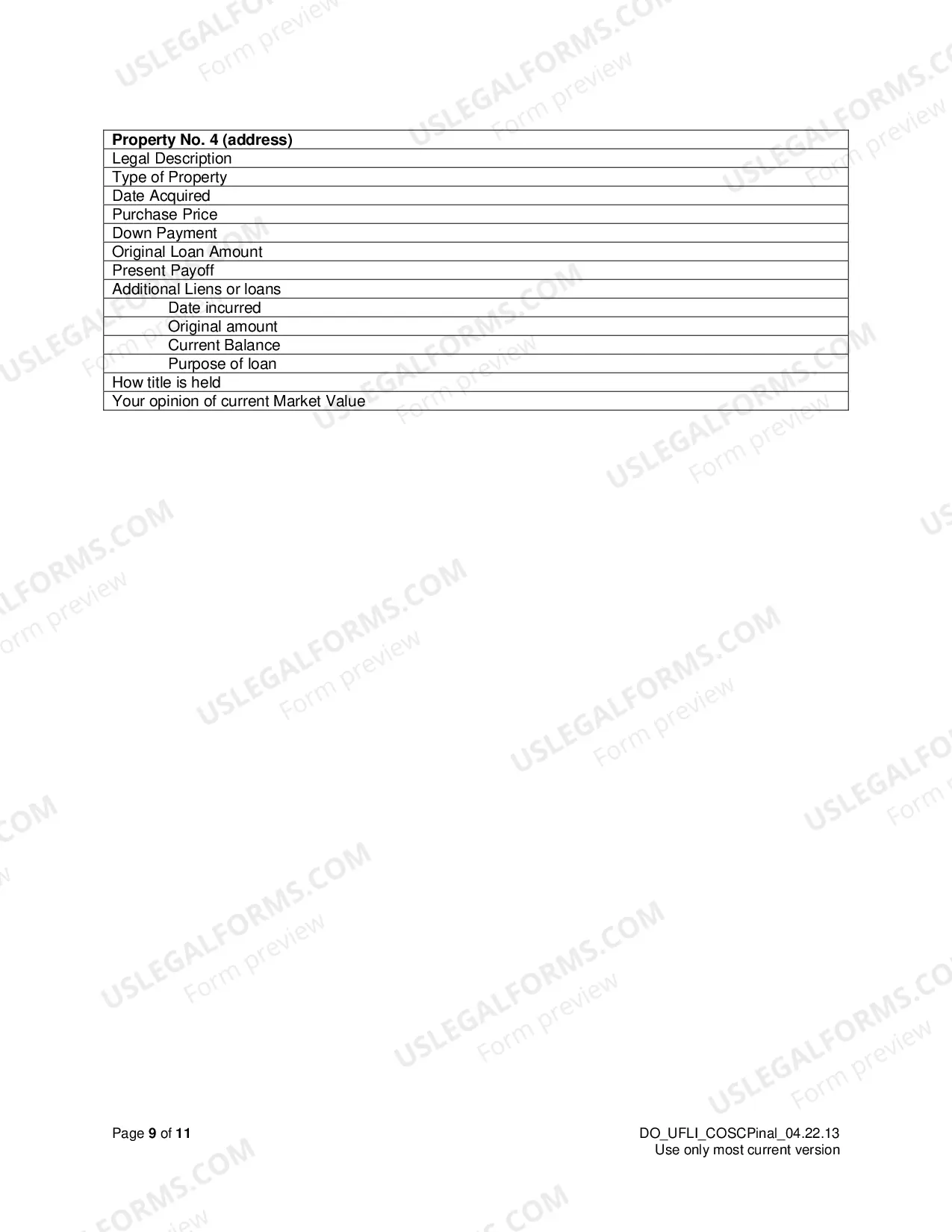
Arizona Uniform Family Law Interrogatories
Description

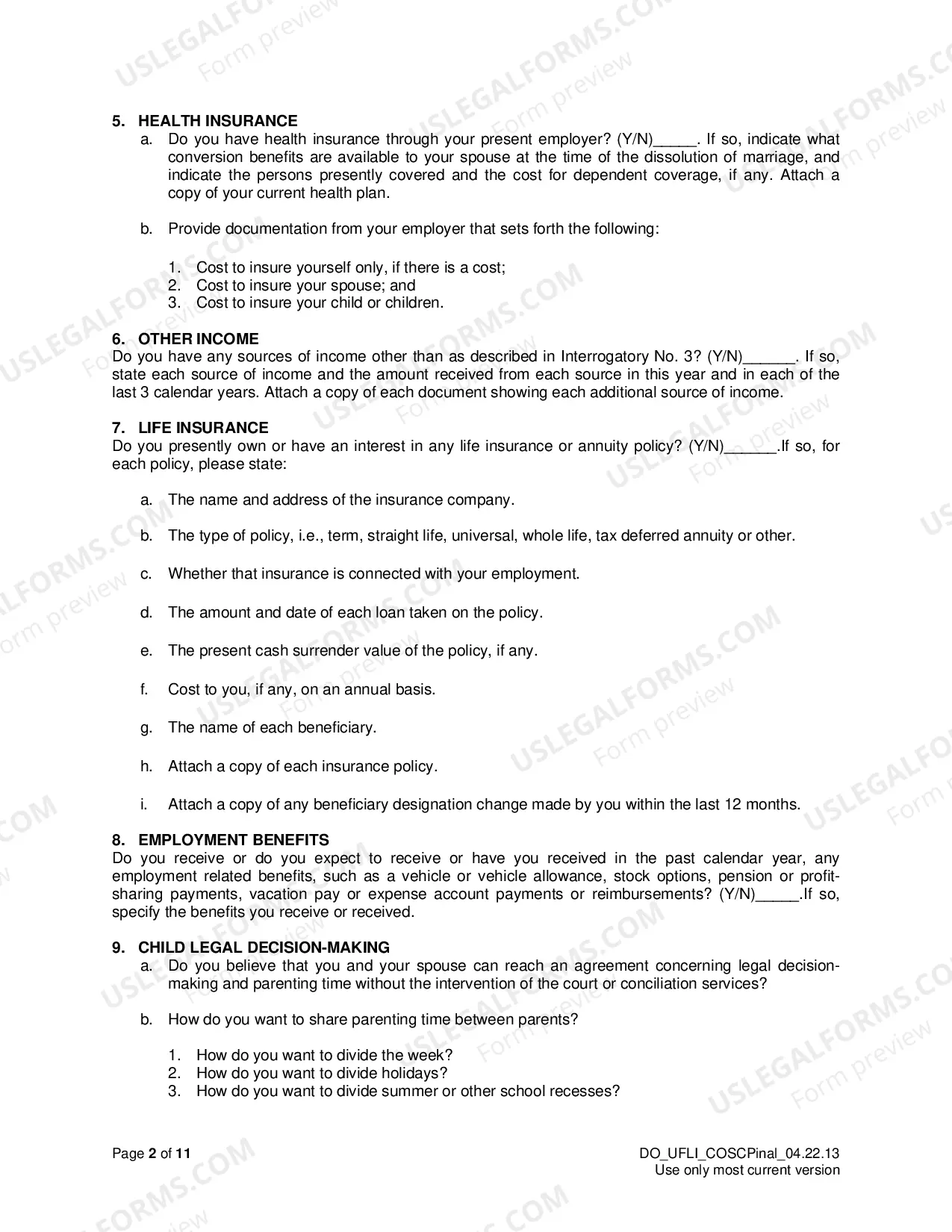
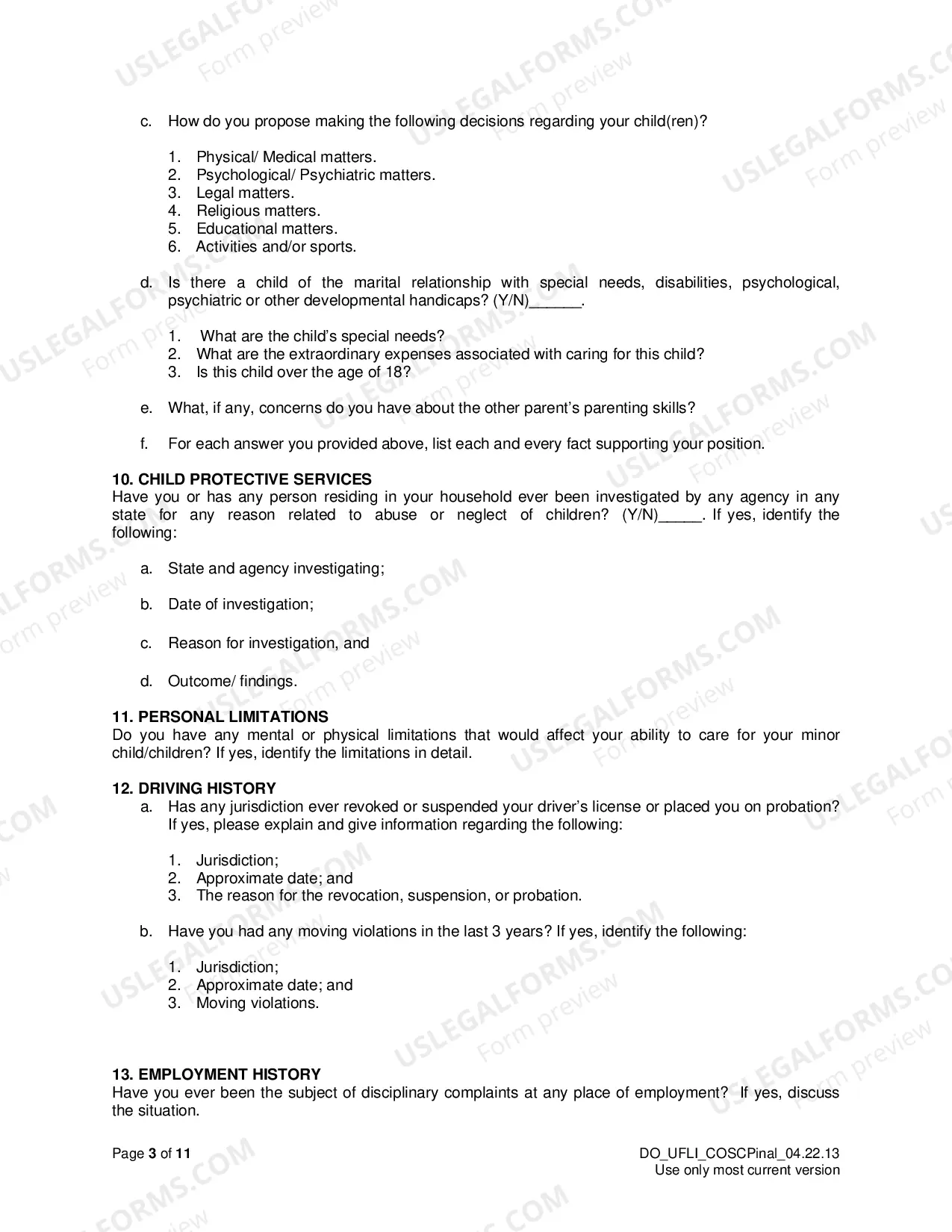
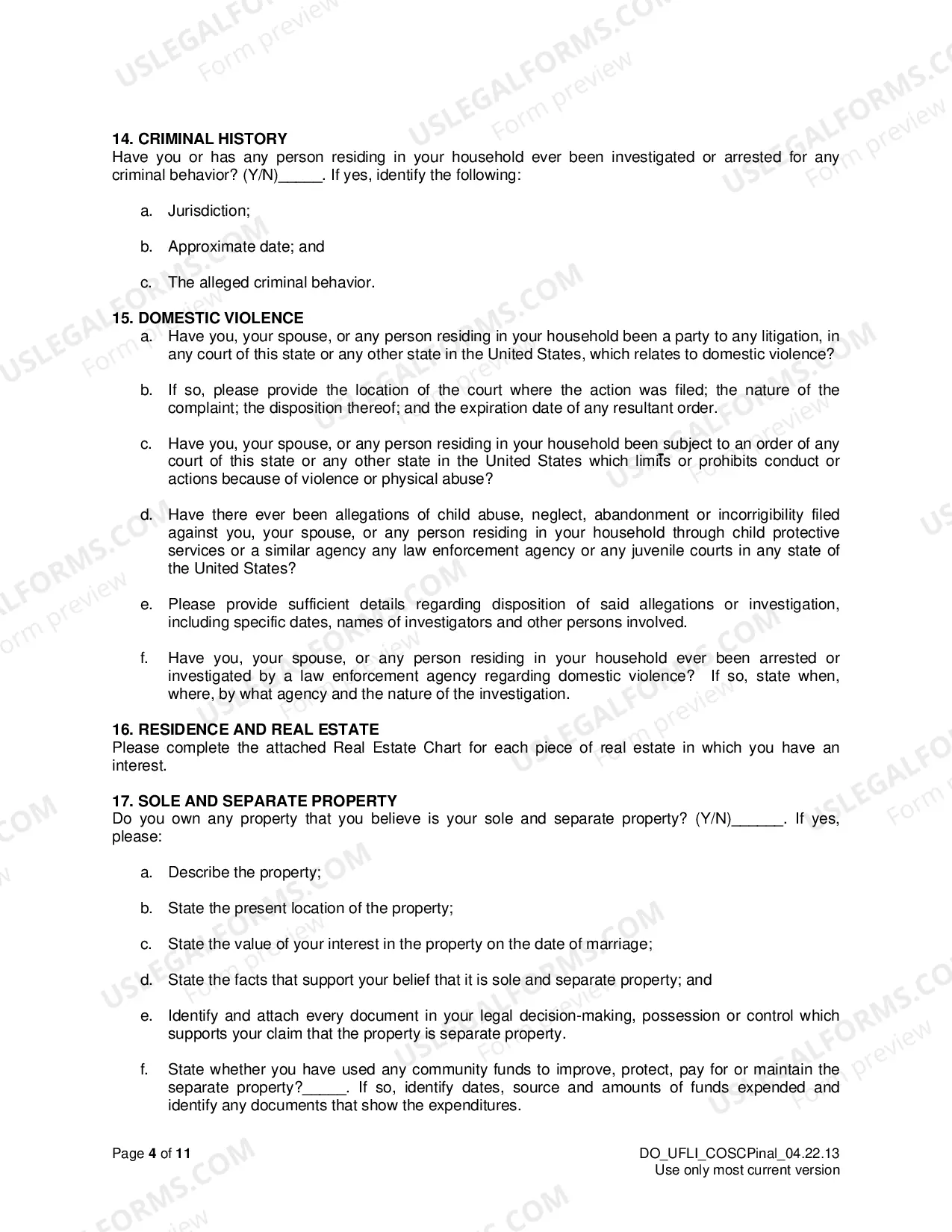
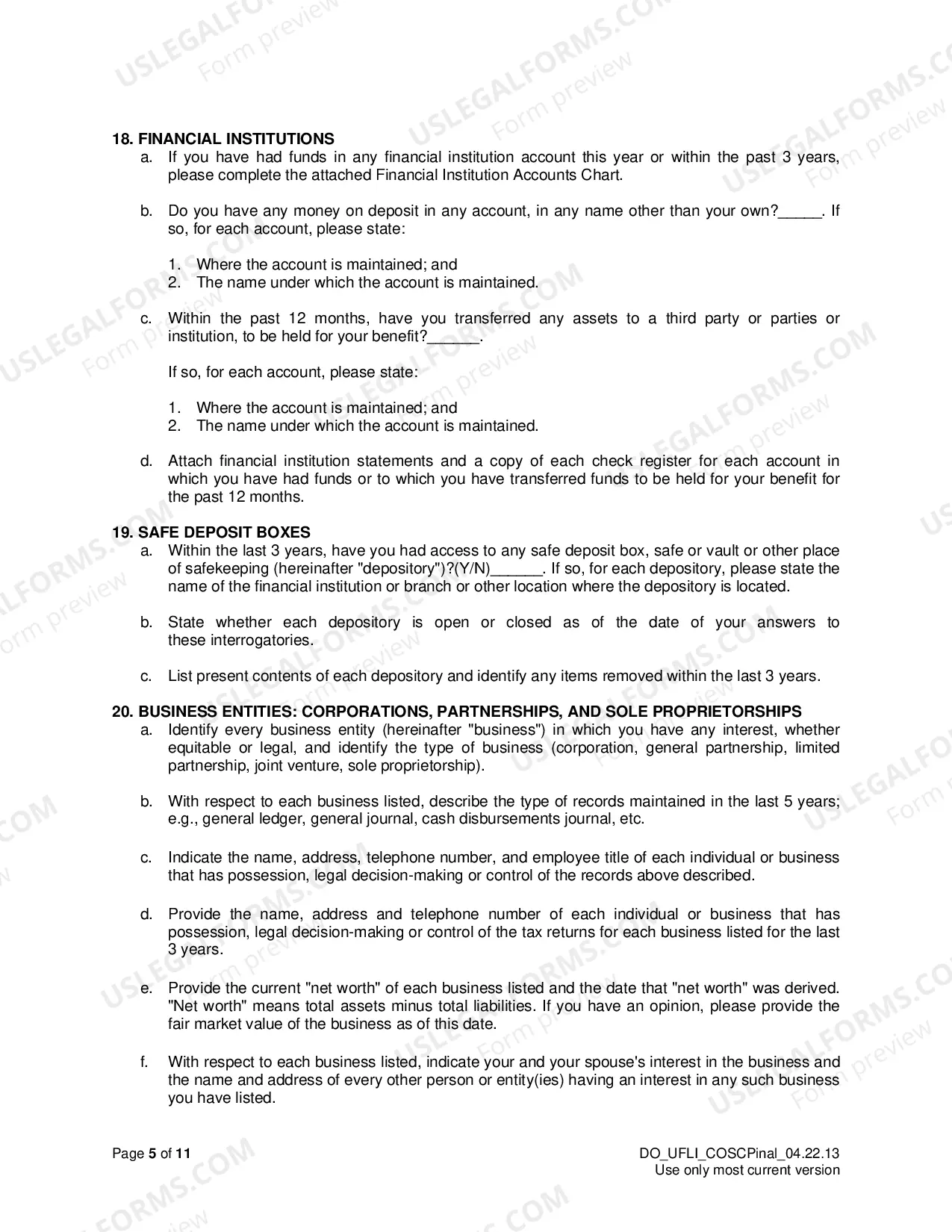

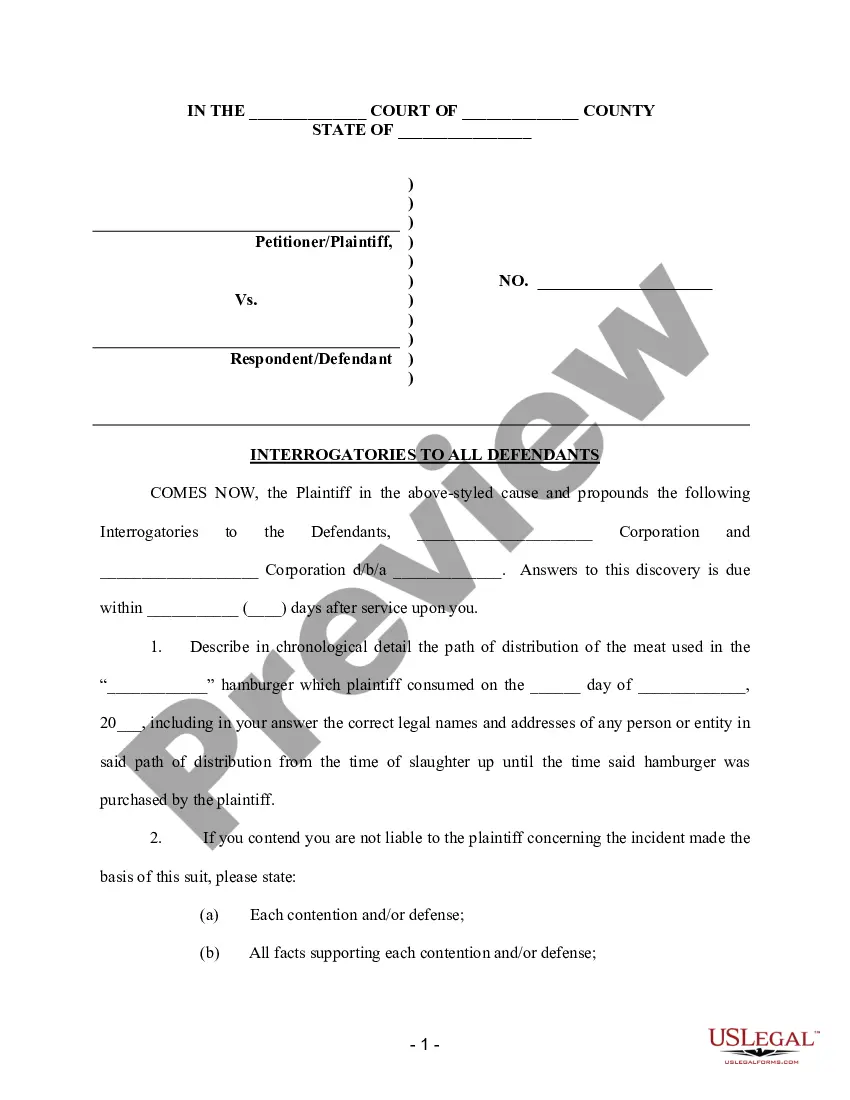
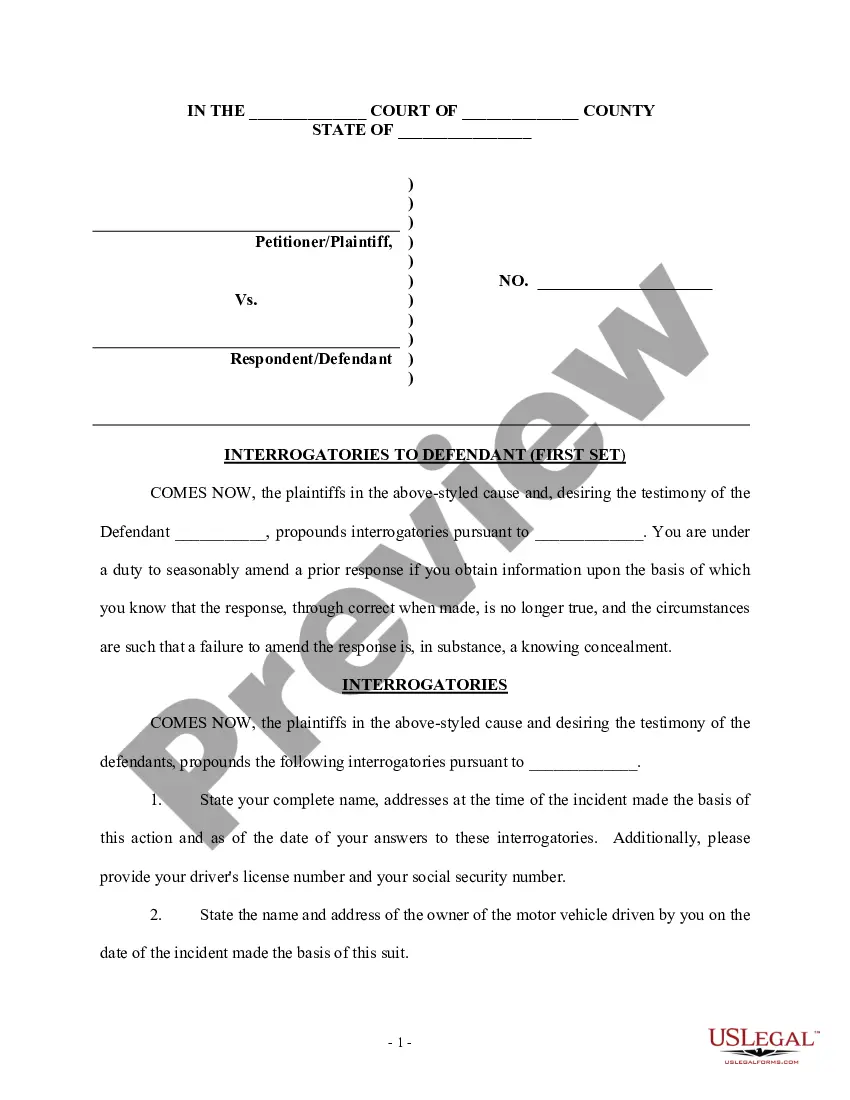
Get your form ready online
Our built-in tools help you complete, sign, share, and store your documents in one place.
Make edits, fill in missing information, and update formatting in US Legal Forms—just like you would in MS Word.
Download a copy, print it, send it by email, or mail it via USPS—whatever works best for your next step.
Sign and collect signatures with our SignNow integration. Send to multiple recipients, set reminders, and more. Go Premium to unlock E-Sign.
If this form requires notarization, complete it online through a secure video call—no need to meet a notary in person or wait for an appointment.
We protect your documents and personal data by following strict security and privacy standards.

Make edits, fill in missing information, and update formatting in US Legal Forms—just like you would in MS Word.

Download a copy, print it, send it by email, or mail it via USPS—whatever works best for your next step.

Sign and collect signatures with our SignNow integration. Send to multiple recipients, set reminders, and more. Go Premium to unlock E-Sign.

If this form requires notarization, complete it online through a secure video call—no need to meet a notary in person or wait for an appointment.

We protect your documents and personal data by following strict security and privacy standards.
Looking for another form?

How to fill out Arizona Uniform Family Law Interrogatories?
If you’re searching for a method to suitably finalize the Arizona Uniform Family Law Interrogatories without the assistance of a legal expert, then you’re precisely in the correct place.
US Legal Forms has established itself as the most comprehensive and trustworthy repository of official templates for every person and business scenario. Every document available on our online platform is crafted in compliance with federal and state regulations, ensuring that your paperwork is organized.
Another great advantage of US Legal Forms is that you never misplace the documents you obtained - you can access any of your downloaded templates in the My documents section of your profile whenever you require it.
- Verify that the document displayed on the page aligns with your legal circumstances and state regulations by reviewing its text description or exploring the Preview mode.
- Type the form title into the Search tab at the top of the page and select your state from the dropdown to find another template if there are any discrepancies.
- Repeat the content review process and click Buy now when you are confident that the documentation meets all the requirements.
- Sign in to your account and click Download. Register for the service and choose a subscription plan if you do not already have one.
- Utilize your credit card or the PayPal method to purchase your US Legal Forms subscription. The form will be available for download immediately afterwards.
- Choose the format you wish to receive your Arizona Uniform Family Law Interrogatories in and download it by clicking the corresponding button.
- Upload your template to an online editor to fill it out and sign it swiftly, or print it to prepare your physical copy manually.
Form popularity
FAQ
Rule 50 in Arizona family law pertains to motions for summary judgment. This rule allows parties to request a court decision based on the evidence presented, without proceeding to a full trial. Understanding Rule 50 is vital, as it can simplify the legal process, especially when dealing with Arizona Uniform Family Law Interrogatories and seeking to resolve disputes efficiently.
Family law Rule 45 in Arizona outlines the procedures for subpoenas, particularly regarding the production of documents and evidence in family law cases. It promotes transparency and cooperation between parties involved in legal disputes. By following this rule, individuals can ensure they provide necessary information, which is beneficial when working with Arizona Uniform Family Law Interrogatories.
The 85% law in Arizona relates to sentencing and parole eligibility. This law states that individuals must serve at least 85% of their sentence before becoming eligible for parole. While it may not directly connect to Arizona Uniform Family Law Interrogatories, understanding state regulations can provide helpful context for your family law situation.
In Arizona, the general limit for interrogatories is 25 questions per party, excluding subparts. This limit is designed to ensure that the discovery process remains efficient and manageable. By adhering to this limit, you can effectively use Arizona Uniform Family Law Interrogatories to gather pertinent information without overwhelming your case.
Rule 45 addresses the issuance of subpoenas in family law cases in Arizona. It outlines how parties can compel the attendance of witnesses or the production of documents during legal proceedings. Familiarity with this rule can enhance your strategy when utilizing Arizona Uniform Family Law Interrogatories to gather necessary information.
Rule 83 in Arizona family law focuses on the discovery process and the exchanges of information between parties. This rule encompasses various methods, including interrogatories, to obtain essential facts for a case. Knowing how Rule 83 operates can significantly benefit you during your family law proceedings, especially when navigating Arizona Uniform Family Law Interrogatories.
Rule 85 in Arizona family law pertains to the guidelines for responding to interrogatories. Interrogatories are written questions that one party sends to another in a legal case. This rule helps streamline the process of gathering information and ensures that both parties provide clear and complete answers. Understanding this rule is essential for effectively navigating Arizona Uniform Family Law Interrogatories.
Rule 33 in Arizona specifically governs interrogatories in civil procedures, including family law. It sets forth the guidelines on the maximum number of questions and how they should be served. By following Arizona Uniform Family Law Interrogatories, you can adhere to Rule 33 while effectively collecting crucial information.
Rule 61 in Arizona family law pertains to the conditions under which evidence can be admitted during family law proceedings. This rule plays a vital role in how cases are argued and decided. Utilizing Arizona Uniform Family Law Interrogatories can support your legal strategy by ensuring that relevant evidence is properly addressed.
Typically, Arizona allows up to 25 interrogatories per side in family law cases. Parties can agree on more or seek court permission for additional questions. When you use Arizona Uniform Family Law Interrogatories, you can efficiently navigate these limits and gather necessary information for your case.