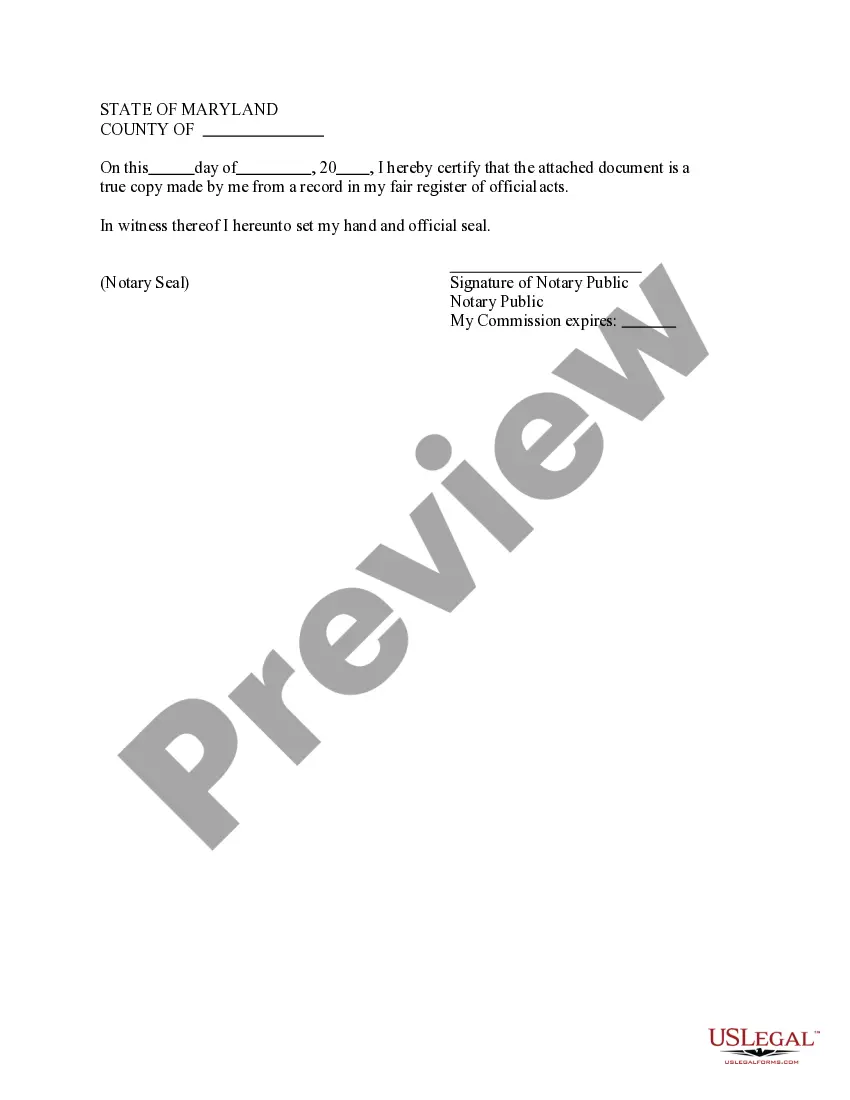
Arizona Motion to Appeal
About this form
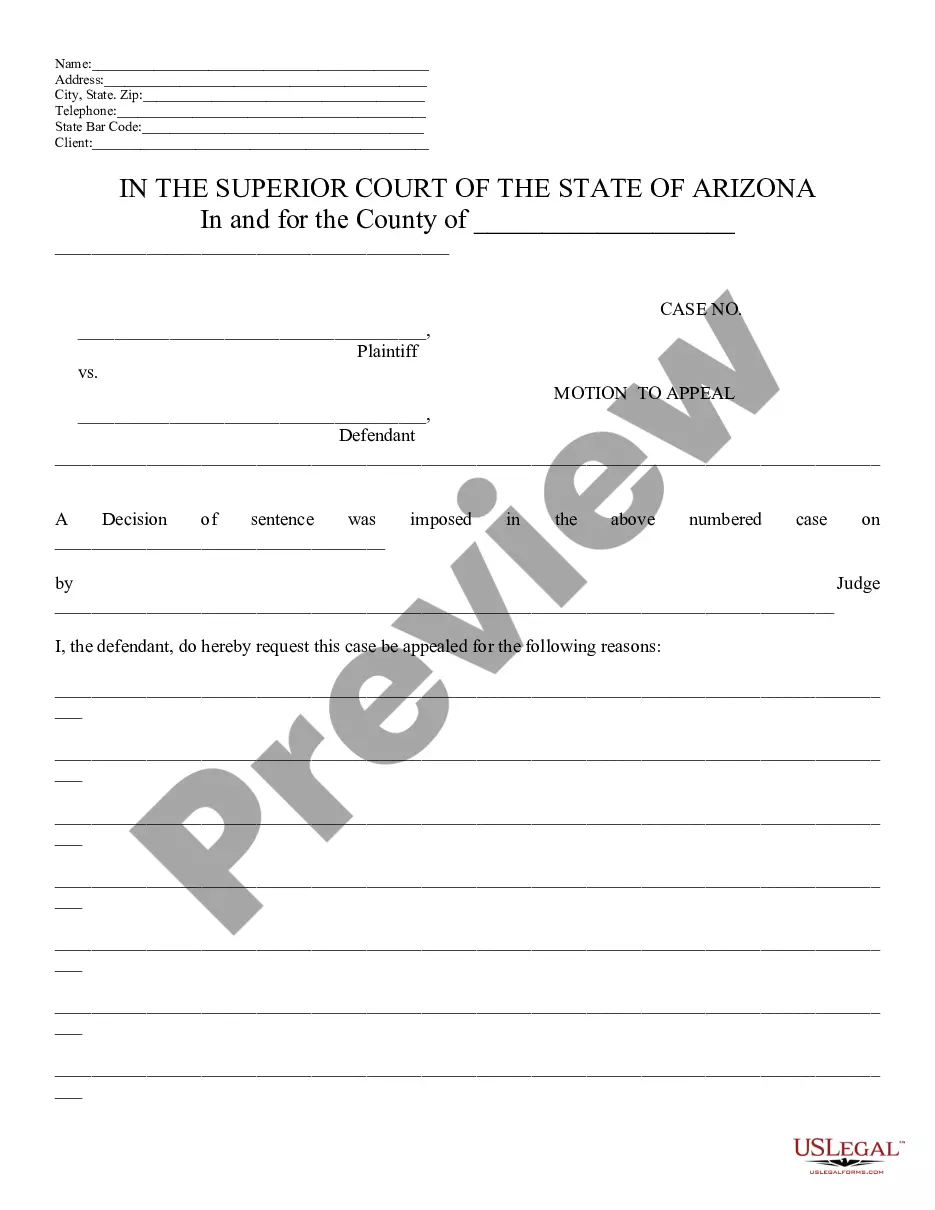
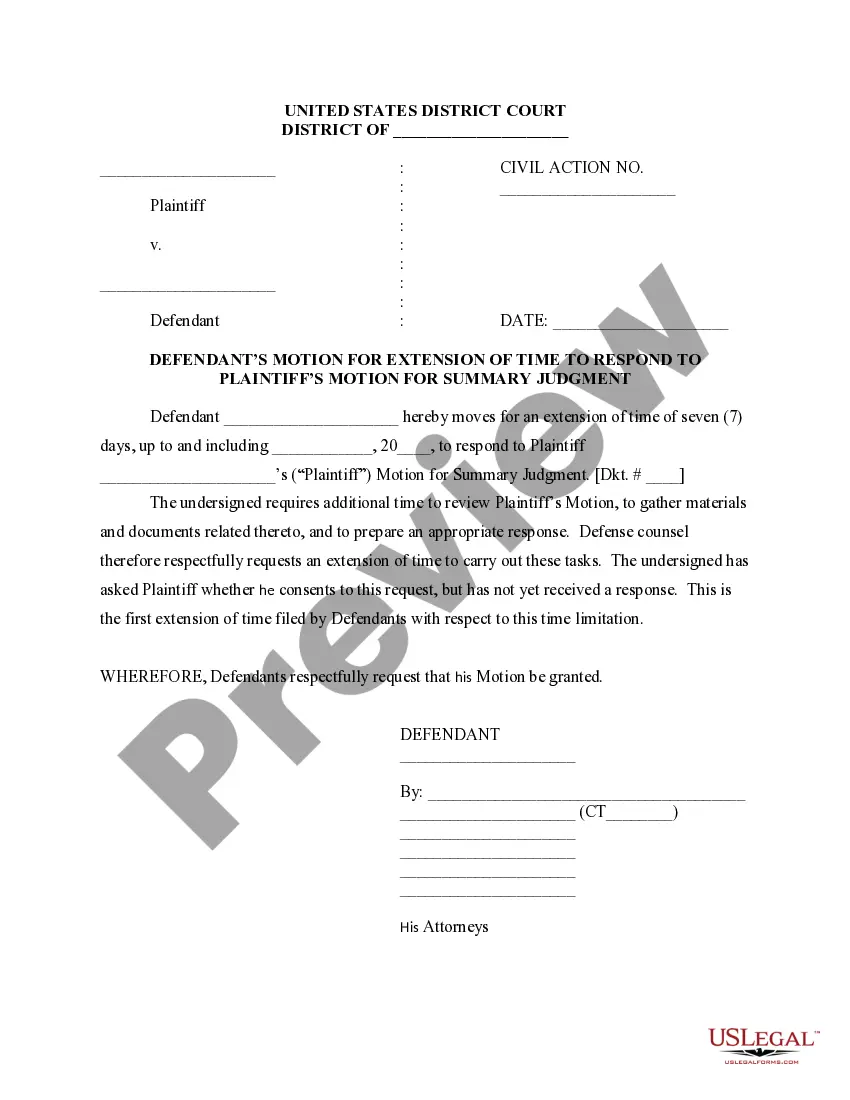
A Motion to Appeal is a formal written request submitted to a court, asking for the decision rendered in a case to be reviewed and potentially changed by a higher court. This form is used after a trial or legal proceeding, allowing the party who is not satisfied with the outcome to present their reasons for an appeal. Unlike other legal documents, the Motion to Appeal specifically aims to challenge a judicial decision based on legal grounds.
Key parts of this document
- Address and contact information of the defendant
- Case details, including court and judge information
- Statements articulating the reasons for the appeal
- Signature lines for the defendant and their attorney
- Date of submission

Situations where this form applies
This form should be used when a defendant wishes to appeal a decision made by a lower court. Common scenarios include dissatisfaction with a ruling on guilt or innocence, sentencing decisions, or interpretations of law that may have affected the case's outcome. Filing this motion can initiate the appellate process, allowing the case to be reviewed for errors or legal misinterpretations.
Who can use this document
- Defendants seeking to appeal a court decision
- Individuals with legal representation (attorneys) guiding them through the appeals process
- Anyone involved in a case where a legal judgment has been rendered inappropriately
How to prepare this document
- Enter your address and contact information at the top of the form.
- Provide the case number and details about the court and judge involved.
- Clearly state the reasons for your appeal in the designated section.
- Sign and date the form to confirm your request.
- If applicable, have your attorney sign the form as well.
Does this form need to be notarized?
Notarization is generally not required for this form. However, certain states or situations might demand it. You can complete notarization online through US Legal Forms, powered by Notarize, using a verified video call available anytime.
Get your form ready online
Our built-in tools help you complete, sign, share, and store your documents in one place.
Make edits, fill in missing information, and update formatting in US Legal Forms—just like you would in MS Word.
Download a copy, print it, send it by email, or mail it via USPS—whatever works best for your next step.
Sign and collect signatures with our SignNow integration. Send to multiple recipients, set reminders, and more. Go Premium to unlock E-Sign.
If this form requires notarization, complete it online through a secure video call—no need to meet a notary in person or wait for an appointment.
We protect your documents and personal data by following strict security and privacy standards.

Make edits, fill in missing information, and update formatting in US Legal Forms—just like you would in MS Word.

Download a copy, print it, send it by email, or mail it via USPS—whatever works best for your next step.

Sign and collect signatures with our SignNow integration. Send to multiple recipients, set reminders, and more. Go Premium to unlock E-Sign.

If this form requires notarization, complete it online through a secure video call—no need to meet a notary in person or wait for an appointment.

We protect your documents and personal data by following strict security and privacy standards.
Common mistakes
- Failing to timely file the motion according to court deadlines.
- Not clearly articulating the reasons for the appeal.
- Omitting required signatures or dates.
- Using incorrect case details or identifiers.
- Neglecting to check state-specific requirements for appeal.
Advantages of online completion
- Convenient access to a legally vetted document.
- Ability to download and edit the form as needed.
- Time-saving element of having forms ready for immediate use.
- Reduces the likelihood of errors compared to self-drafted motions.
Looking for another form?





Form popularity
FAQ
In Arizona, you generally have 30 days to appeal a decision after the entry of the judgment or order you wish to challenge. This period is critical, as failing to file within this timeframe can result in losing your right to appeal. Consider preparing a clear Arizona Motion to Appeal to ensure your argument is presented effectively. U.S. Legal Forms provides valuable tools and templates that simplify the process and help you meet all crucial deadlines.
In Arizona, you typically have 15 days from the date of the court's decision to file a motion to reconsider. This timeline is crucial because it establishes your chance to present your case for reconsideration. A well-prepared Arizona Motion to Appeal may strengthen your position and lead to a favorable outcome. By utilizing resources like U.S. Legal Forms, you can find templates and guidance to assist with your filing.
A Rule 50 motion in Arizona allows a party to request the court to dismiss a case after the opposing party has presented their evidence. Essentially, this motion argues that there is not enough evidence for a reasonable jury to find in favor of the opposing party. It is an important aspect of litigation, particularly when considering a potential Arizona Motion to Appeal. Understanding how to effectively file such motions can significantly impact your case outcome.
To file a motion in Arizona, start by determining the specific type of motion you need to file, such as an Arizona Motion to Appeal. Prepare your motion document, including a clear statement of your case and relevant legal arguments. Then, submit the completed motion to the court’s clerk and ensure you serve a copy to the opposing party, following all local rules and guidelines.
A Rule 11 motion in Arizona is a request asking the court to impose sanctions for violations of court rules or for filing frivolous lawsuits. It aims to promote fairness and discourage unnecessary litigation. If you find yourself needing to file an Arizona Motion to Appeal due to such violations, a Rule 11 motion is a necessary tool in your legal arsenal.
In Arizona, you generally have 10 days to respond to a motion once it has been served to you. This timeframe is crucial, especially when dealing with an Arizona Motion to Appeal, as timely responses can significantly impact your case. Ensure you adhere to this deadline to maintain your rights and interests in the legal process.
To file a notice of appeal in Arizona, you should prepare the notice and submit it to the appropriate appellate court. Include your case information, the judgment being appealed, and any court fees required. After filing, ensure you serve a copy to the opposing party. For assistance with the required documents and procedures, USLegalForms offers templates to streamline this process.
Yes, when you file a notice of appeal in Arizona, you must serve a copy of this notice to the opposing party. This requirement ensures that all parties involved are aware of the appeal and can prepare accordingly. By following this procedure, you support transparency in the legal process. Utilizing tools available on USLegalForms can help you ensure proper compliance with these requirements.
In Arizona, you generally have 30 days from the date of the judgment or order to file your notice of appeal. For specific cases, such as post-conviction relief, different timelines might apply, so be sure to check your circumstances. Adhering to this timeline is vital to ensure your Arizona Motion to Appeal is considered valid. Prompt action can significantly influence the outcome of your appeal.
Filing Rule 83 in Arizona specifies how parties should handle appeals, ensuring consistency and clarity in procedures. This rule establishes a new timeline for filing appeals, which typically requires you to act within 30 days of a decision. Understanding this timeline is crucial for your Arizona Motion to Appeal, as missing deadlines may jeopardize your case. It streamlines processes and encourages timely resolutions.