Arizona Letter to Lienholder to Notify of Trust
What is this form?
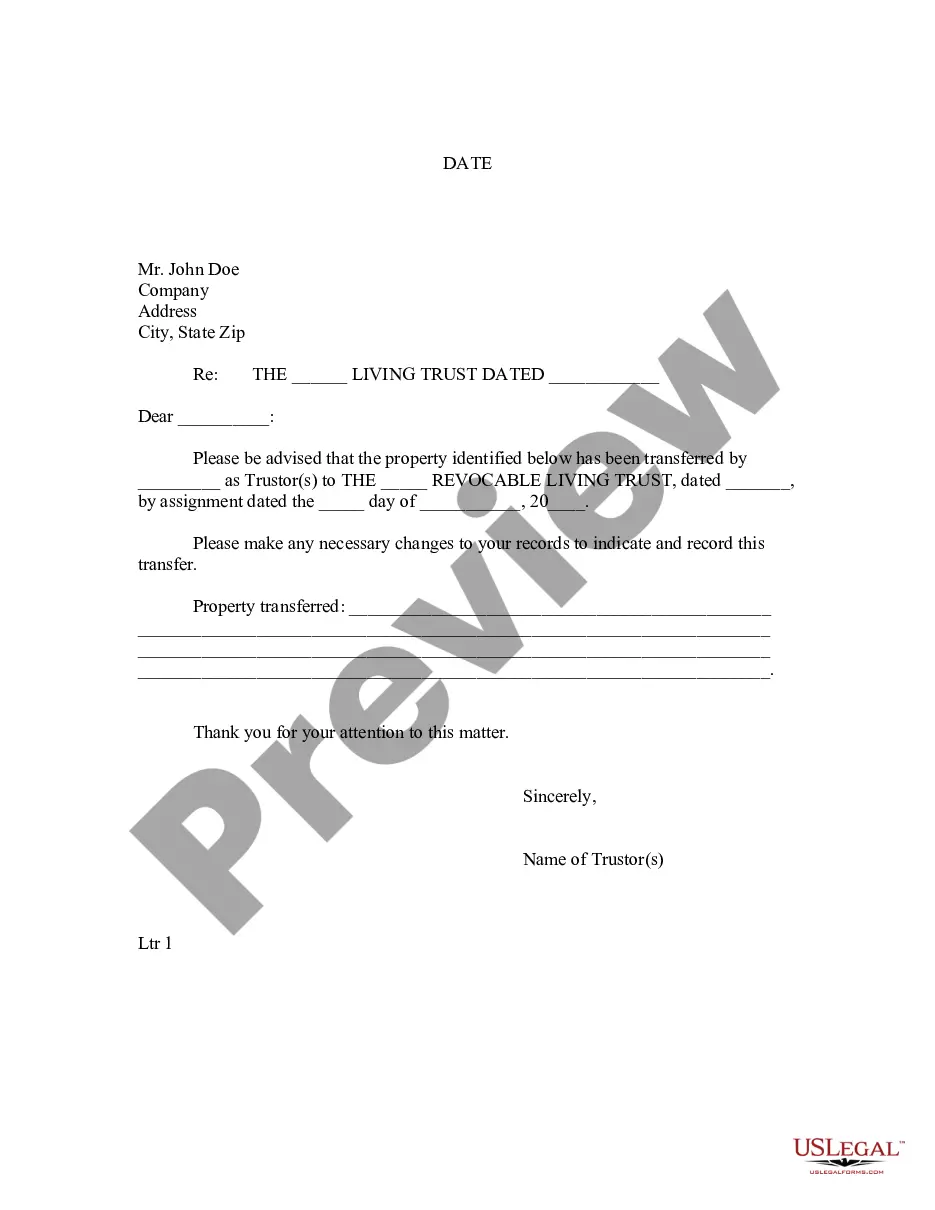
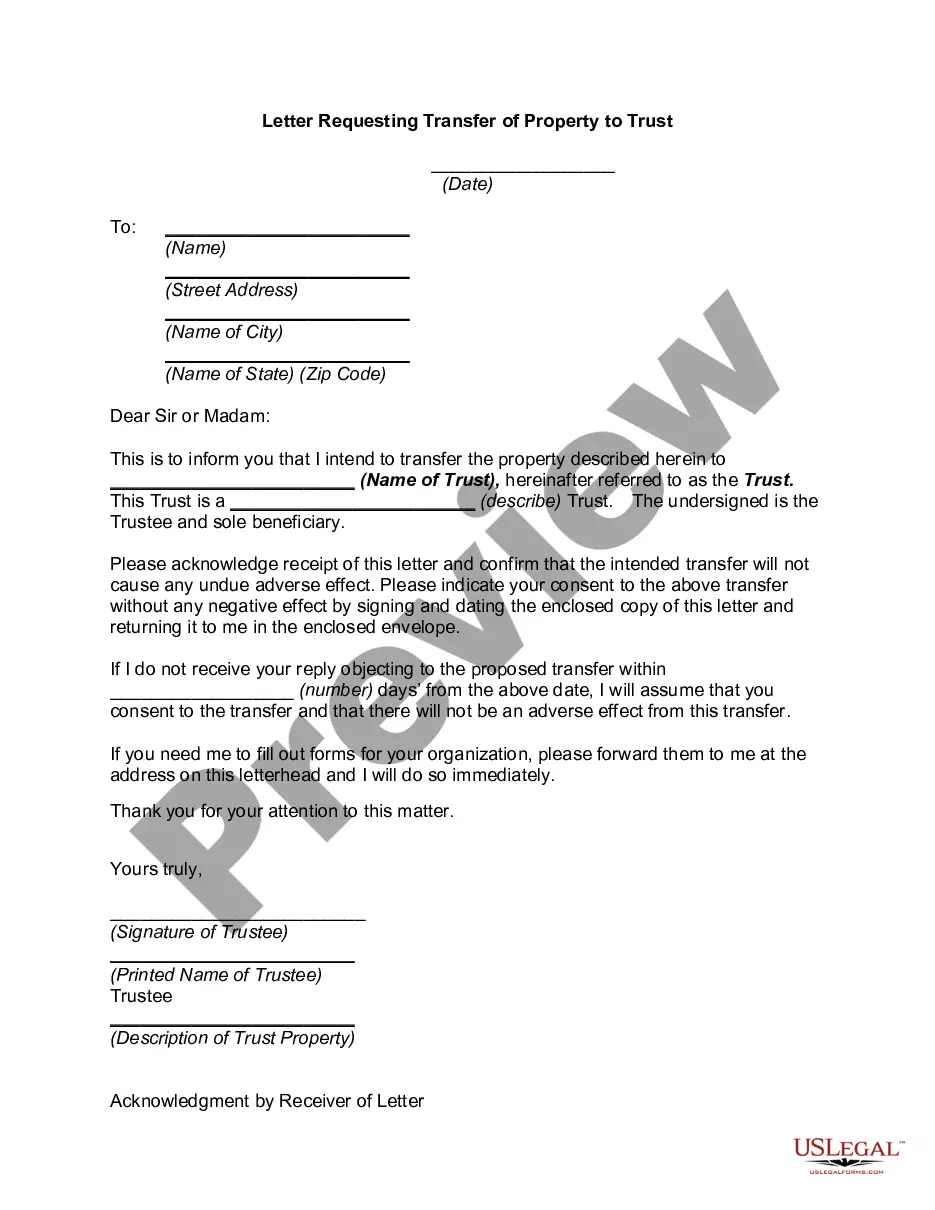
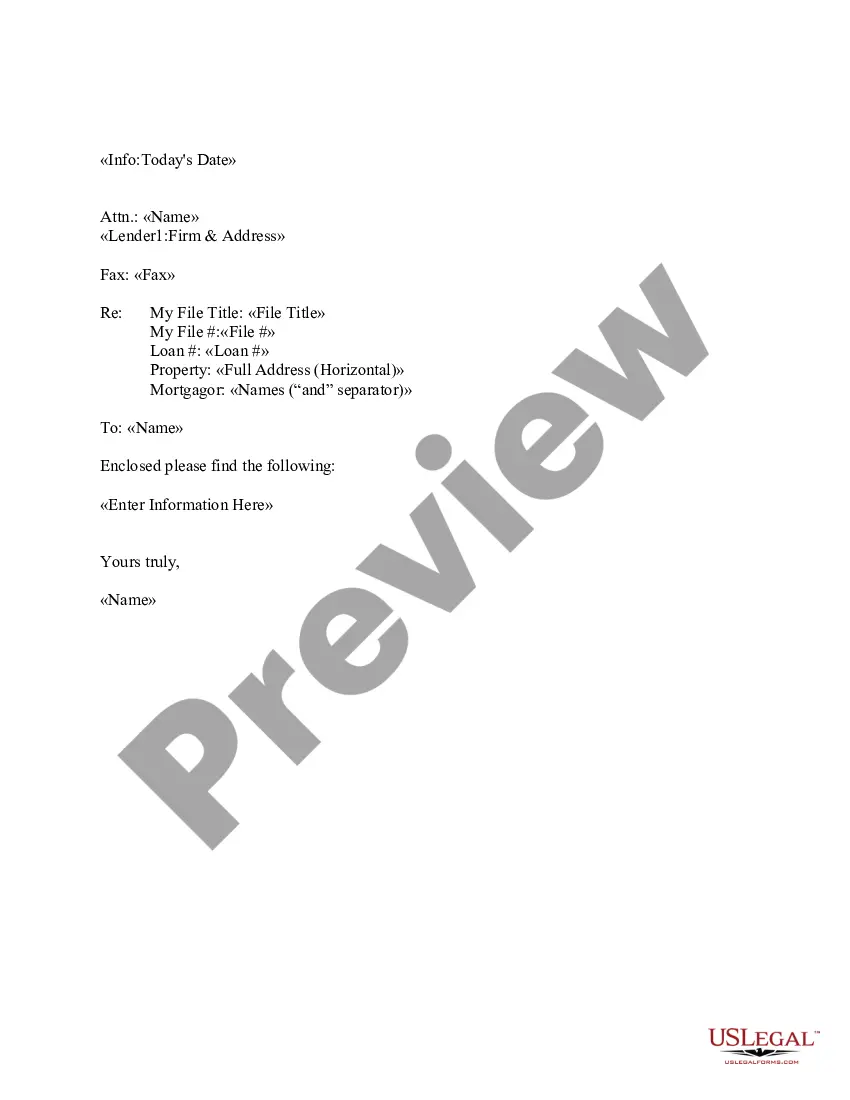
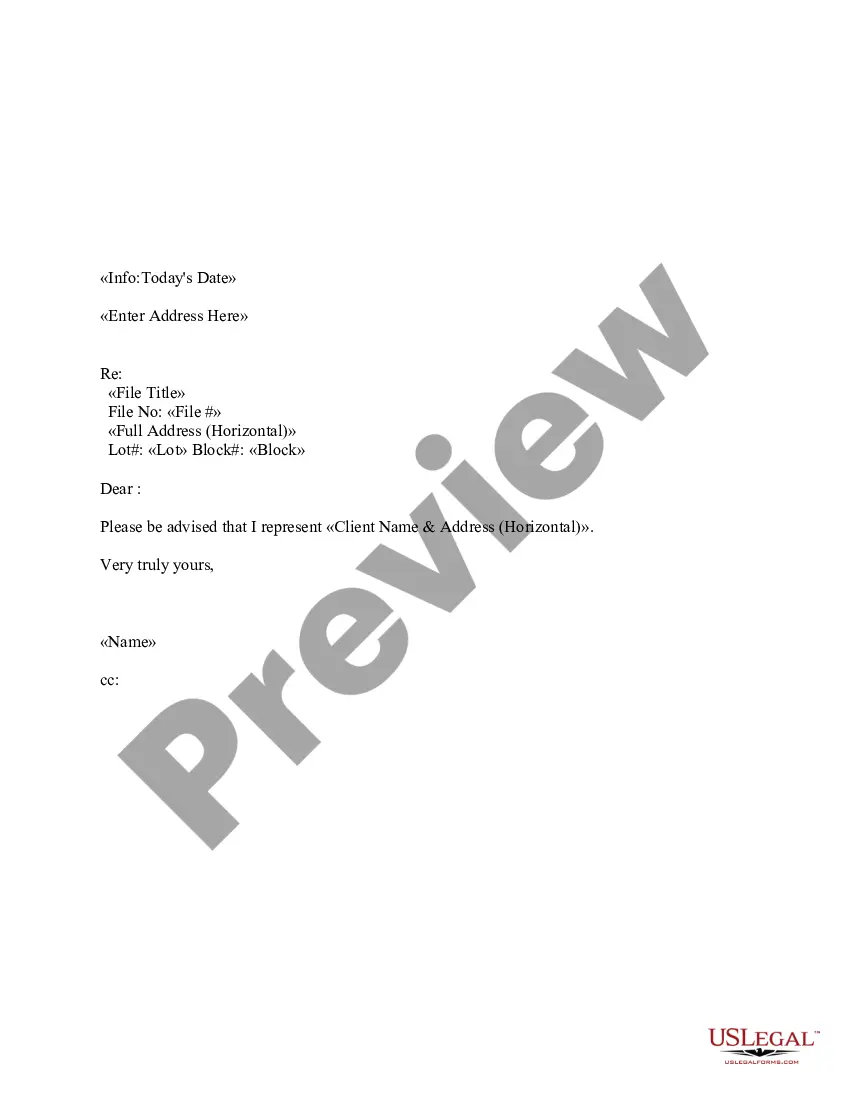
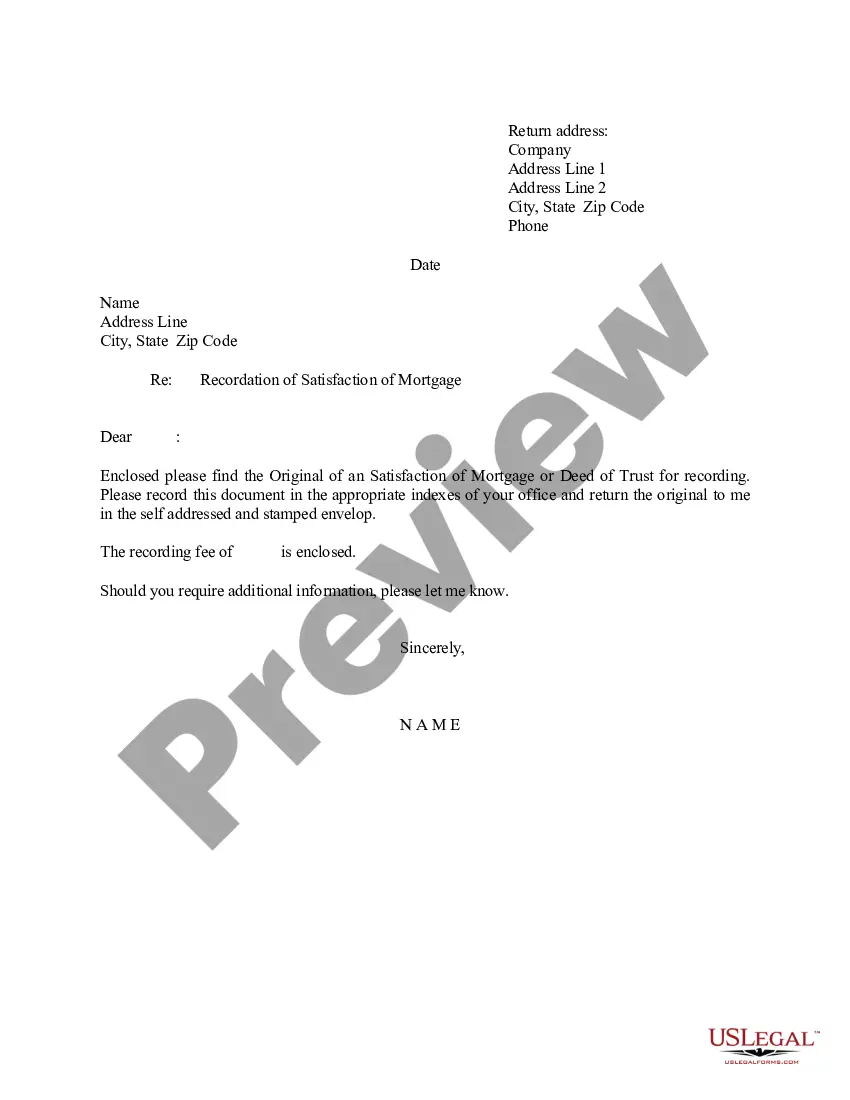
The Letter to Lienholder to Notify of Trust is a legal document used to inform a lienholder that a property has been transferred into a living trust. This form serves the purpose of officially notifying the lienholder of the change in ownership status as part of estate planning. Unlike basic transfer notices, this letter specifically addresses the establishment of a trust, clarifying the arrangement for the lienholder's records.
Form components explained
- Date of the letter
- Identification of the lienholder
- Details of the living trust (name and date)
- Identification of the property being transferred
- Trustor's name and signature
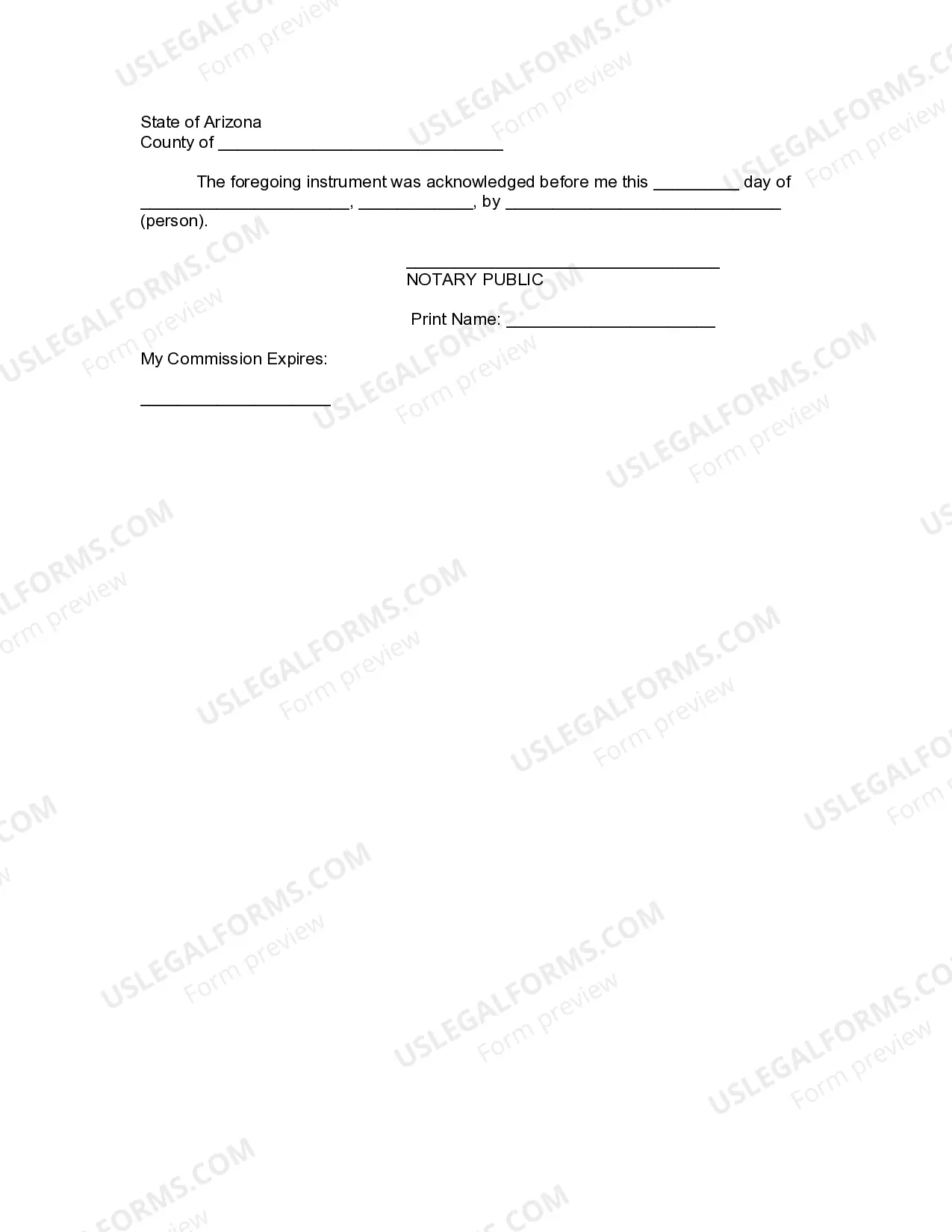
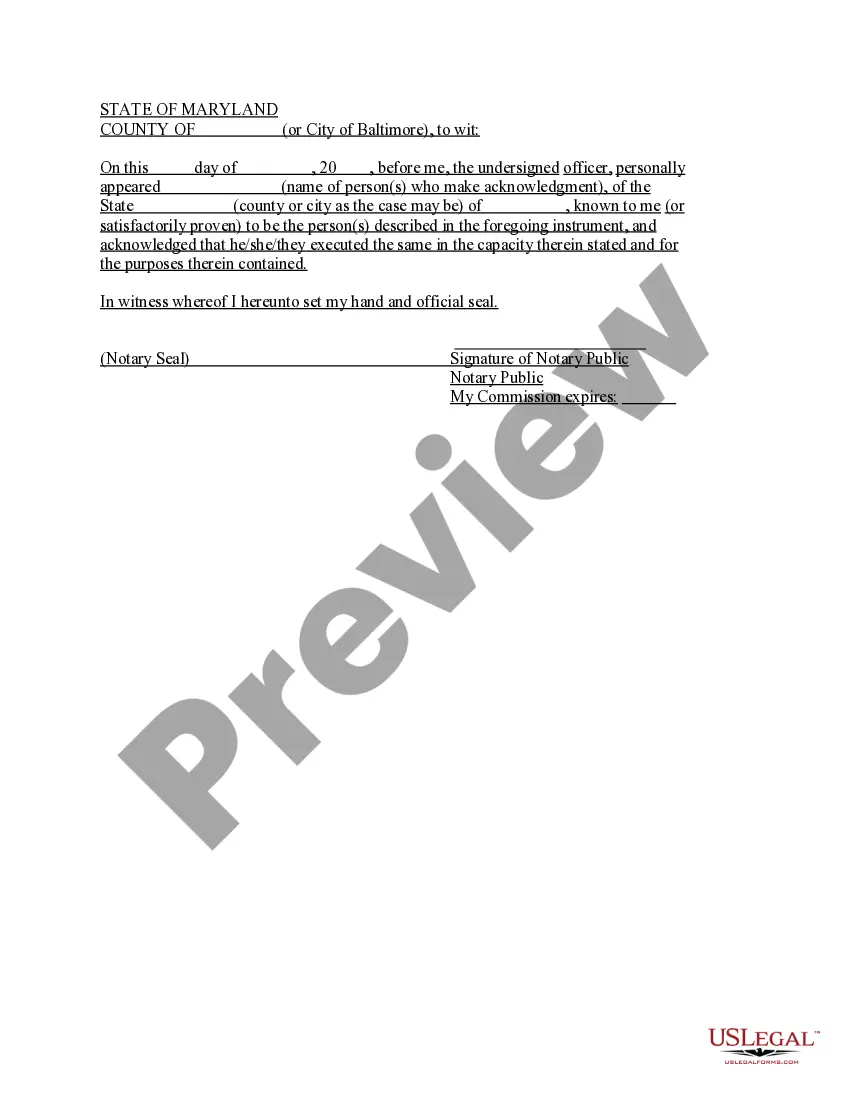
- Notary acknowledgment section
Common use cases
This letter should be used when a property owner decides to transfer their property to a living trust. This scenario is common during estate planning to avoid probate and manage assets during the owner's lifetime. Sending this notification can also help ensure that the lienholder properly updates their records to reflect the change in ownership.
Intended users of this form
- Property owners who have established a living trust
- Trustors looking to notify lienholders of property transfers
- Individuals involved in estate planning
- Attorneys assisting clients with trust and estate matters
Steps to complete this form
- Identify the date on which you are sending the letter.
- Fill in the lienholder's name and address.
- Specify the name and date of the living trust.
- List the property being transferred, including complete details.
- Sign the letter and include the names of all trustors.
- Complete the notary section, if required.
Notarization requirements for this form
This form does not typically require notarization unless specified by local law. It is recommended to check state-specific requirements to ensure compliance with legal standards.
Get your form ready online
Our built-in tools help you complete, sign, share, and store your documents in one place.
Make edits, fill in missing information, and update formatting in US Legal Forms—just like you would in MS Word.
Download a copy, print it, send it by email, or mail it via USPS—whatever works best for your next step.
Sign and collect signatures with our SignNow integration. Send to multiple recipients, set reminders, and more. Go Premium to unlock E-Sign.
If this form requires notarization, complete it online through a secure video call—no need to meet a notary in person or wait for an appointment.
We protect your documents and personal data by following strict security and privacy standards.

Make edits, fill in missing information, and update formatting in US Legal Forms—just like you would in MS Word.

Download a copy, print it, send it by email, or mail it via USPS—whatever works best for your next step.

Sign and collect signatures with our SignNow integration. Send to multiple recipients, set reminders, and more. Go Premium to unlock E-Sign.

If this form requires notarization, complete it online through a secure video call—no need to meet a notary in person or wait for an appointment.

We protect your documents and personal data by following strict security and privacy standards.
Common mistakes
- Failing to include accurate property details.
- Not signing the document before sending.
- Neglecting to notify all lienholders associated with the property.
- Using incorrect dates for the living trust.
Why use this form online
- Convenient access to downloadable templates.
- Edit and customize the form according to specific needs.
- Reliability and peace of mind knowing it is drafted by licensed attorneys.
- Instant availability; no waiting for paperwork to arrive.
Legal use & context
- This form acts as an official notice to the lienholder, preventing future disputes.
- Proper completion and submission can enhance the enforceability of the trust transfer.
- Failing to notify lienholders may complicate property management and estate planning.
Summary of main points
- The letter informs lienholders of property transfers to a living trust.
- Accurate completion is essential for legal validity.
- Know whether notarization is required in your state.
- Utilizing online forms provides convenience and professional accuracy.
Looking for another form?
Form popularity
FAQ
A deed of assignment transfers the specific rights or benefits associated with a contract or agreement, while a deed of transfer encompasses the complete ownership of property or interests. Understanding this difference is vital, particularly in estate planning and trust management. Utilizing an Arizona Letter to Lienholder to Notify of Trust can clarify these transitions, aiding all parties in understanding their rights and responsibilities.
An assignment to a trust refers to transferring property or assets into a trust for management and distribution according to specific rules. This mechanism provides security and ensures the property is managed as per your wishes. Using an Arizona Letter to Lienholder to Notify of Trust helps communicate these changes effectively to lienholders, safeguarding the interests of all involved parties.
In Arizona, the statute of limitations for enforcing a deed of trust is typically six years. This means the lender has six years from the date of default to initiate foreclosure proceedings. Understanding this time frame is crucial for both borrowers and lenders. For clarity on your obligations, the Arizona Letter to Lienholder to Notify of Trust may be a useful tool.
In Arizona, a deed must include specific elements such as the names of grantor and grantee, a legal description of the property, and the signature of the grantor. Additionally, it should be notarized and recorded with the county recorder. Ensuring these requirements are met protects your property rights. For added assurance, you might consider sending an Arizona Letter to Lienholder to Notify of Trust.
To transfer a deed to a trust in Arizona, you need to prepare a new deed that names the trust as the grantee. Both the existing property owner and a trustee should sign the new deed. Once signed, you must record the deed with the county recorder’s office. To streamline your transfer, consider drafting an Arizona Letter to Lienholder to Notify of Trust.
Arizona primarily uses a deed of trust for securing loans. This legal document serves as a security instrument, allowing the lender to take possession of the property if the borrower defaults. In contrast to a traditional mortgage, a deed of trust offers a faster foreclosure process. If you need guidance with the process, consider utilizing an Arizona Letter to Lienholder to Notify of Trust.
In Arizona, the borrower and the lender sign the deed of trust. The borrower is also known as the trustor, while the lender is the beneficiary. Importantly, having both parties sign ensures the document is valid and enforceable. To further protect your interests, you may consider submitting an Arizona Letter to Lienholder to Notify of Trust.