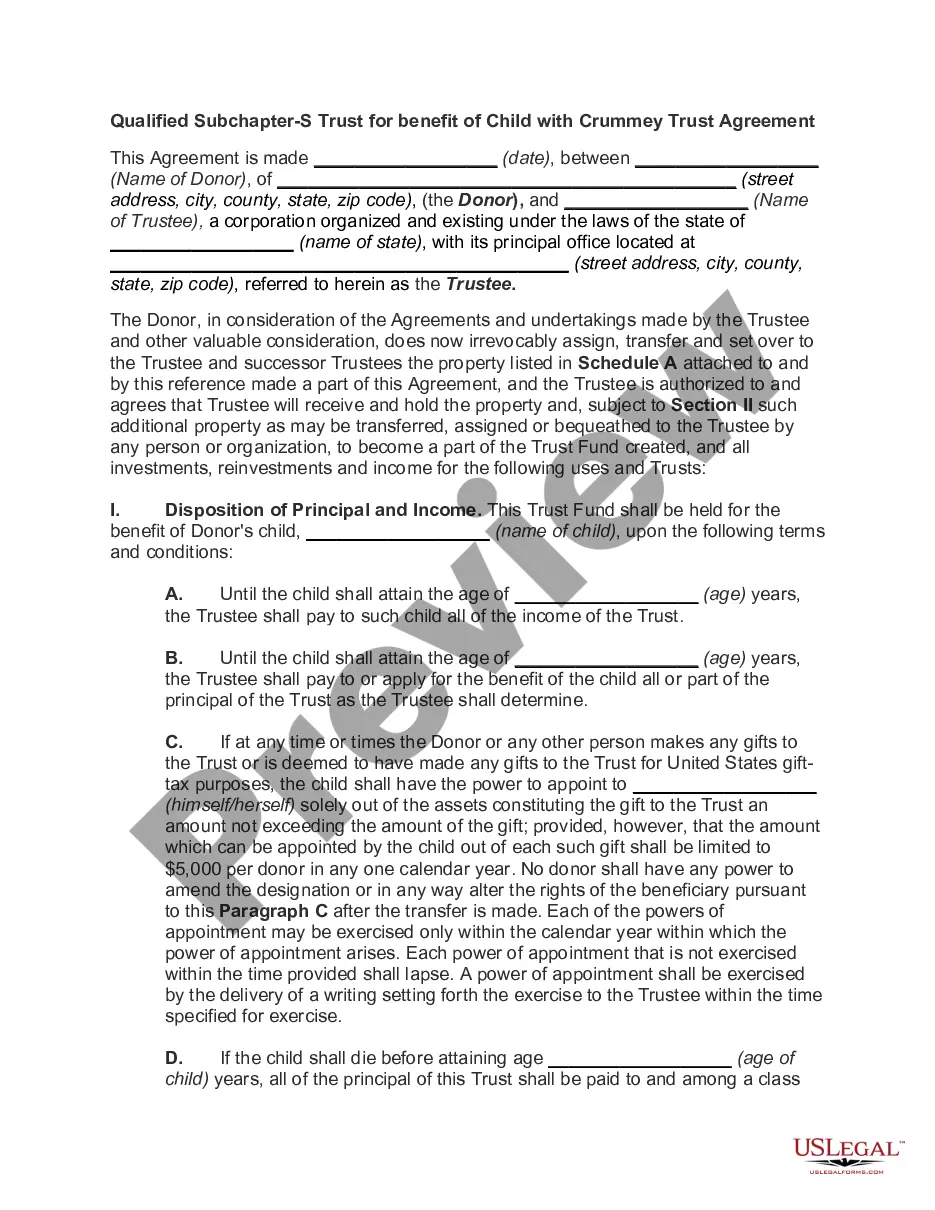
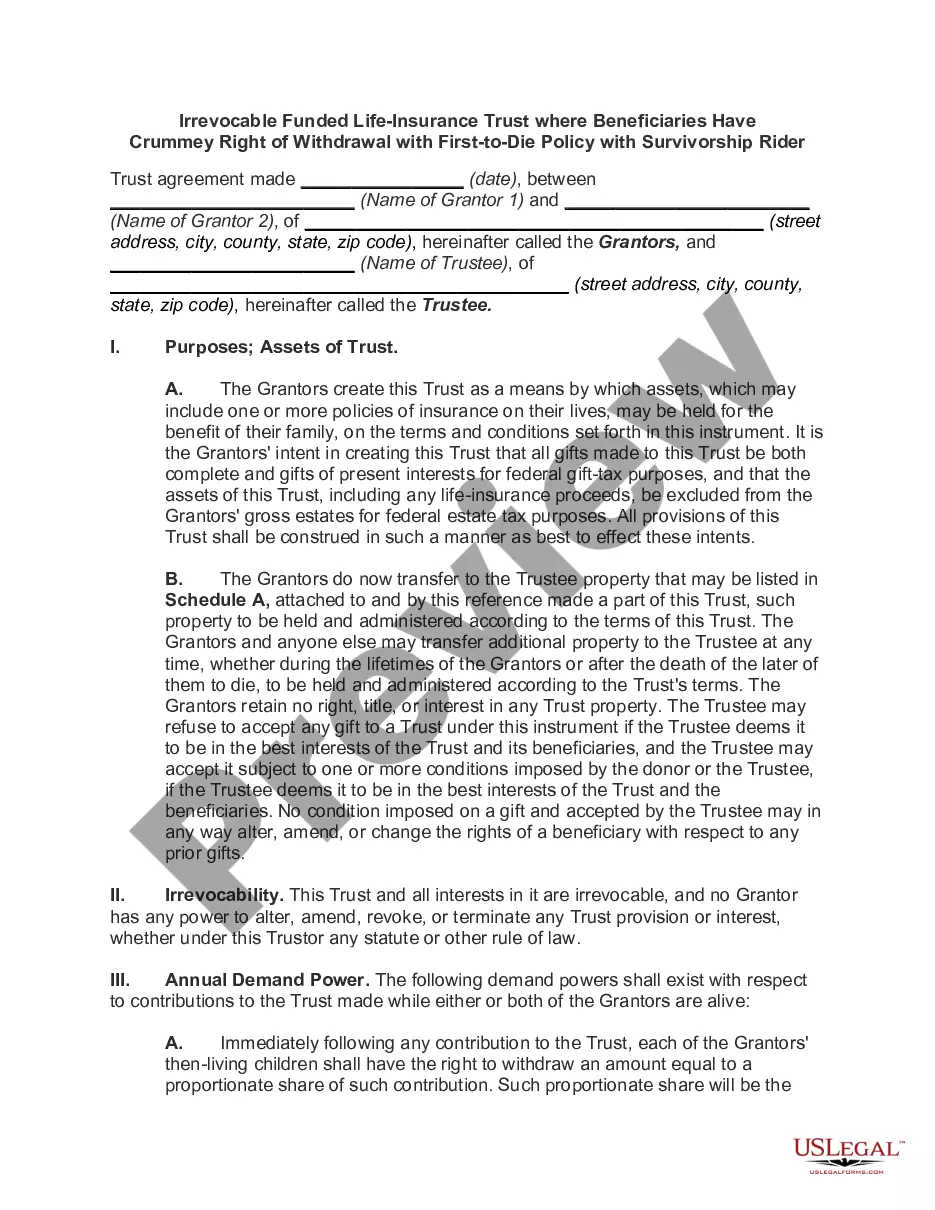
Arkansas Irrevocable Life Insurance Trust - Beneficiaries Have Crummey Right of Withdrawal
Description
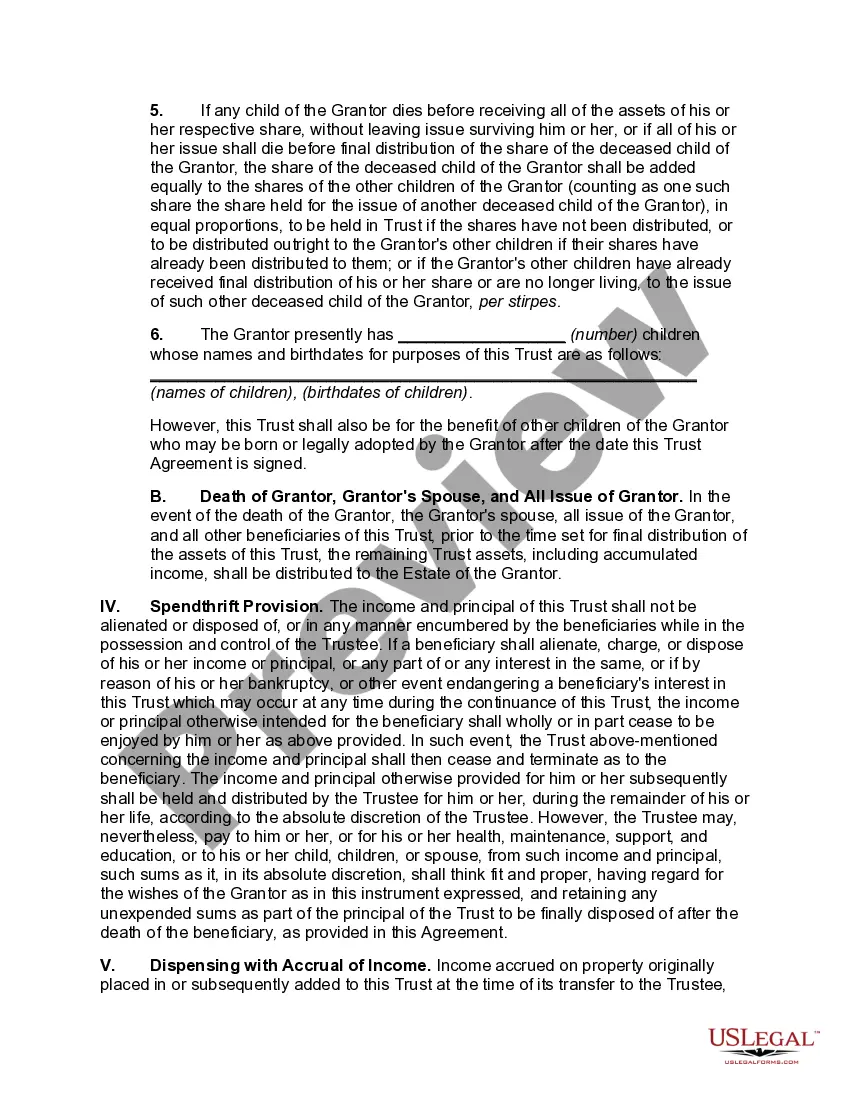
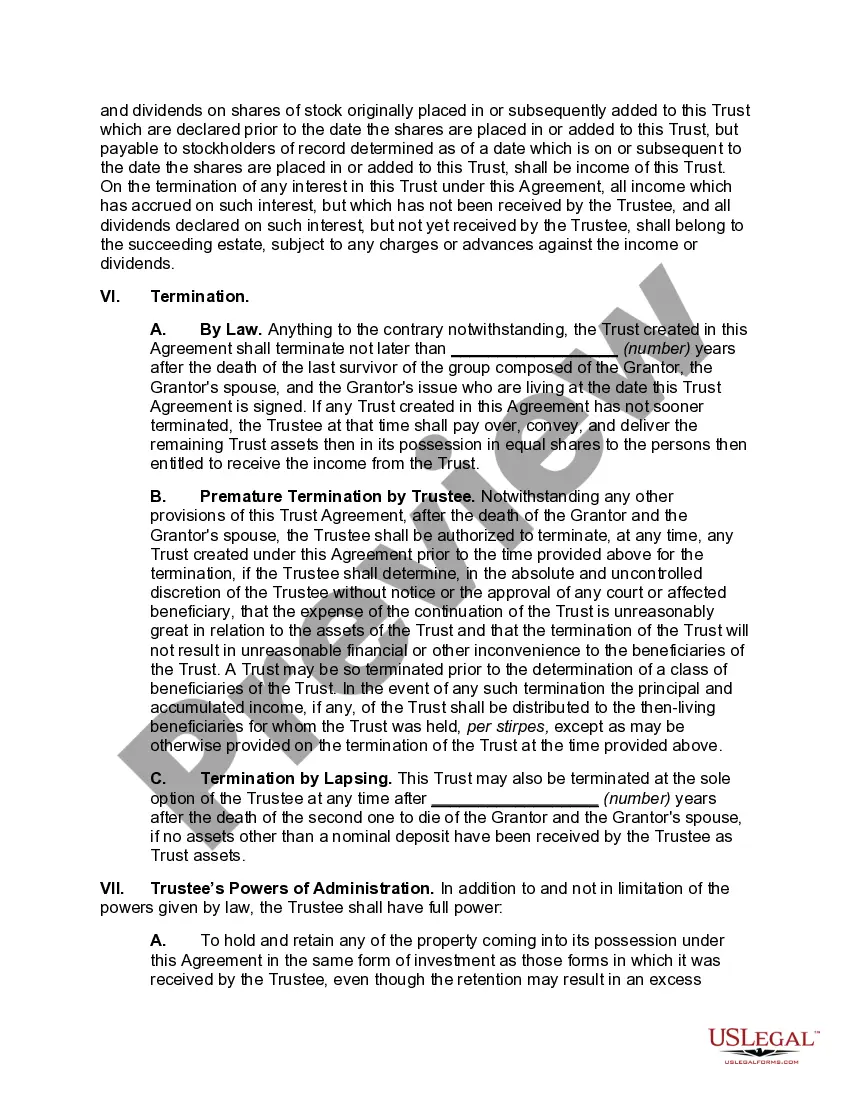
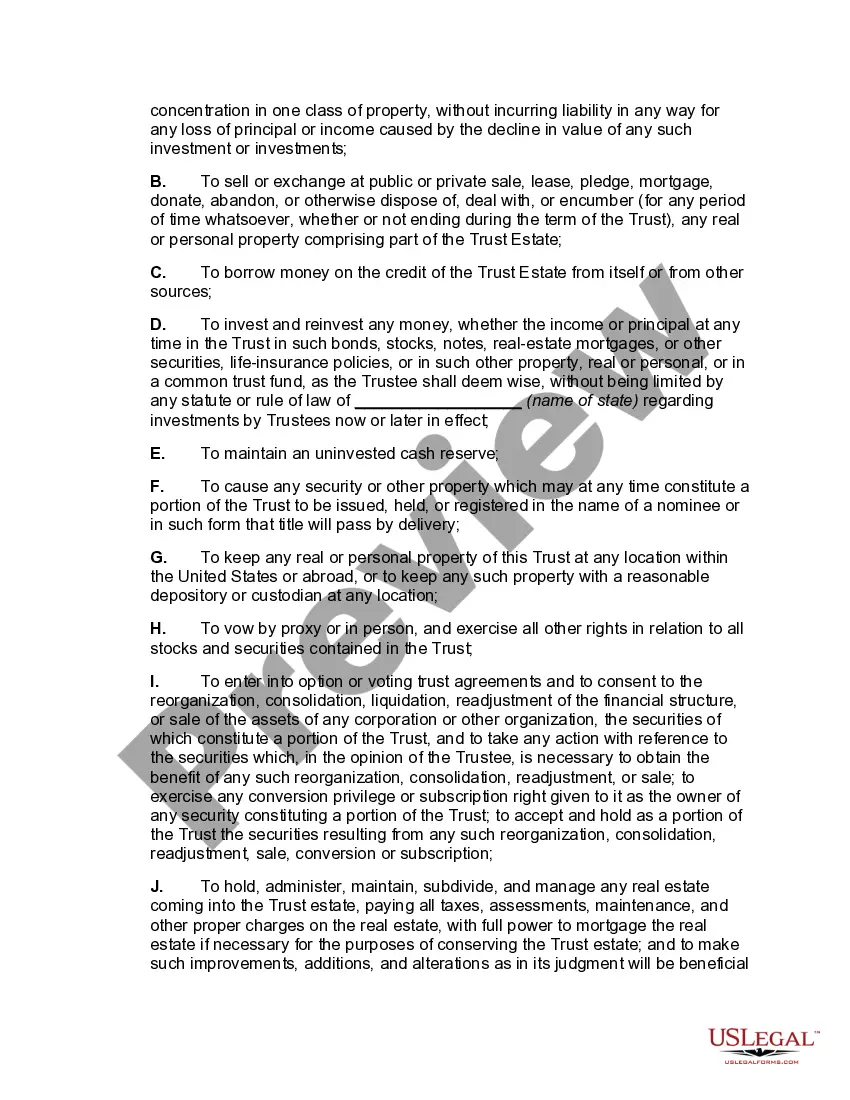

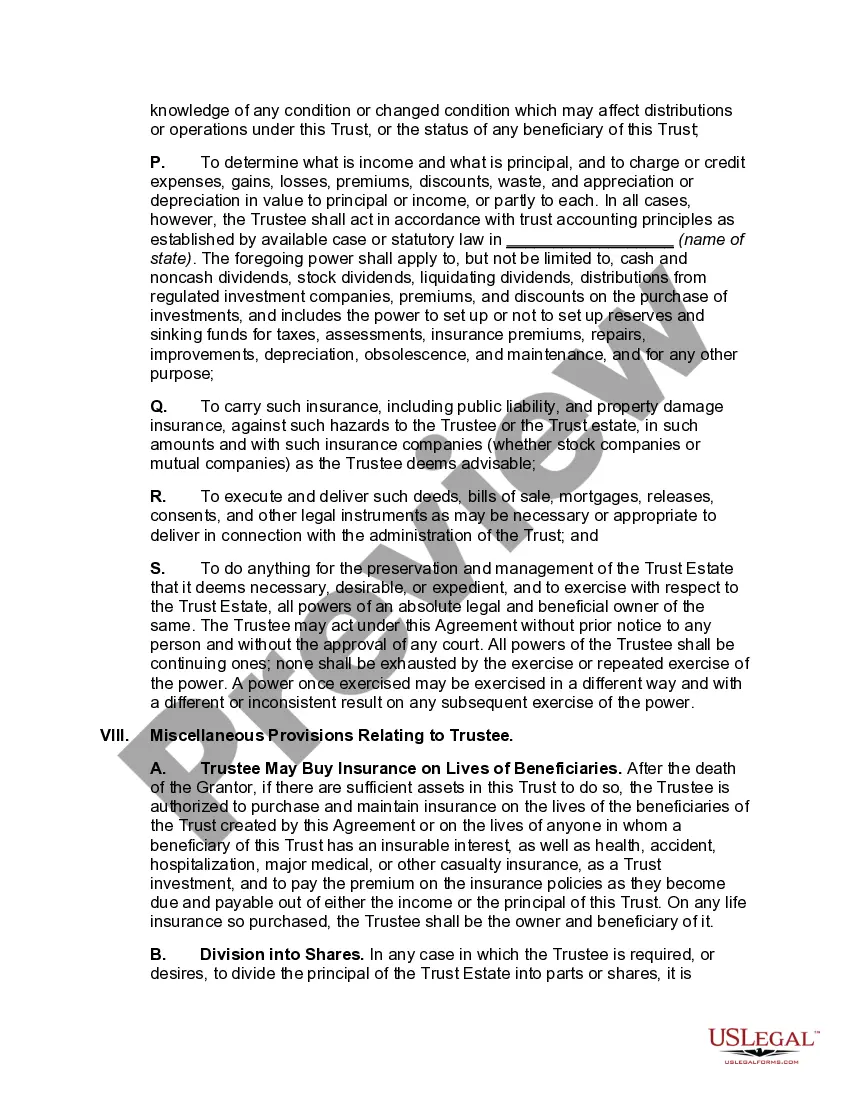
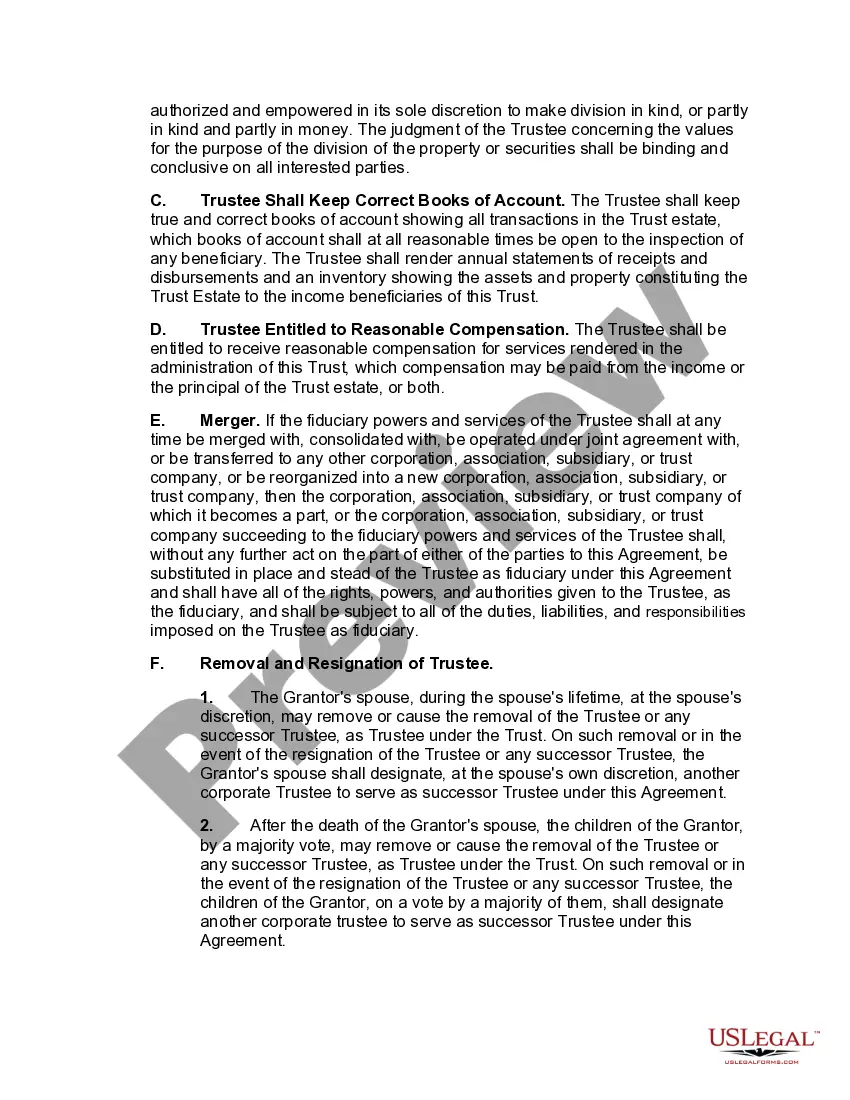

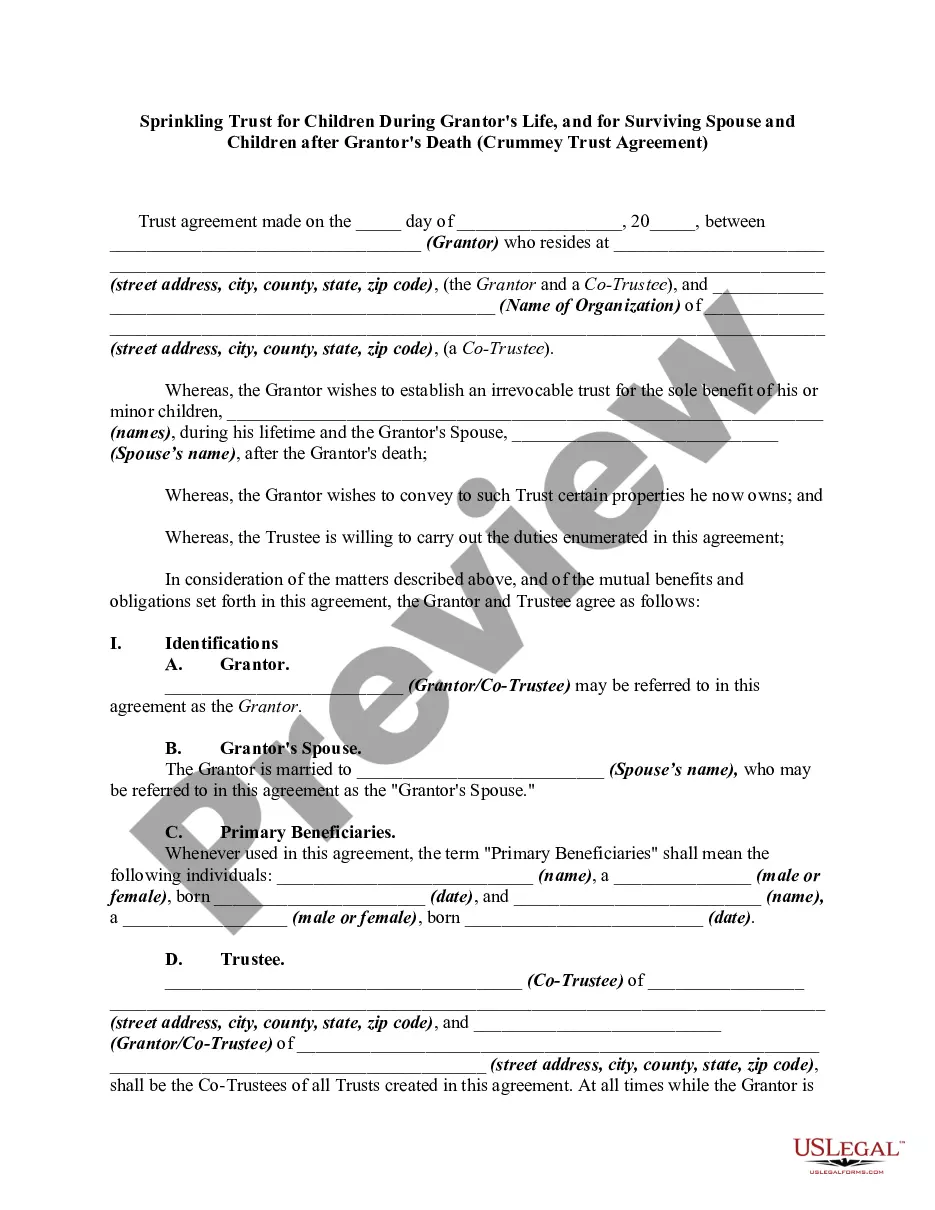
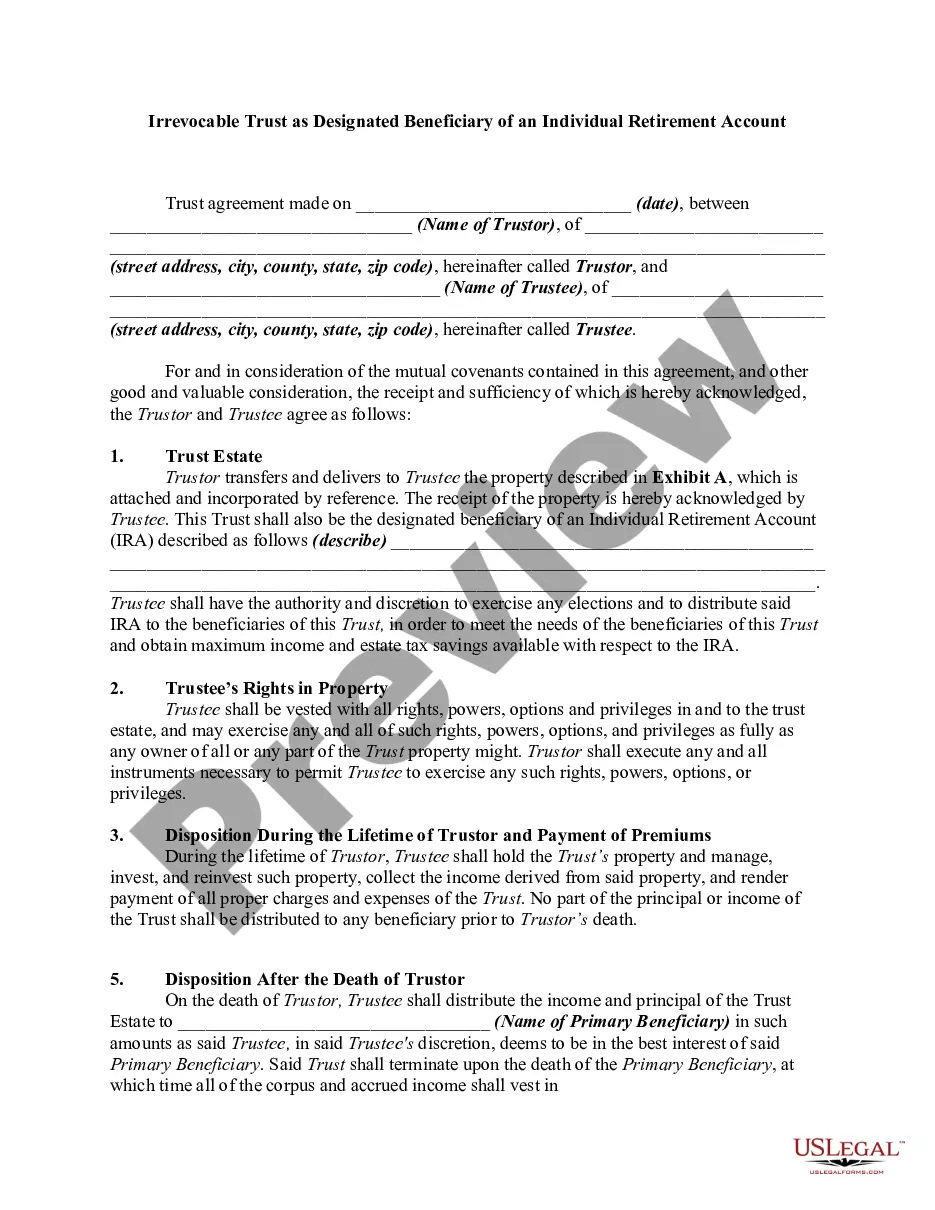
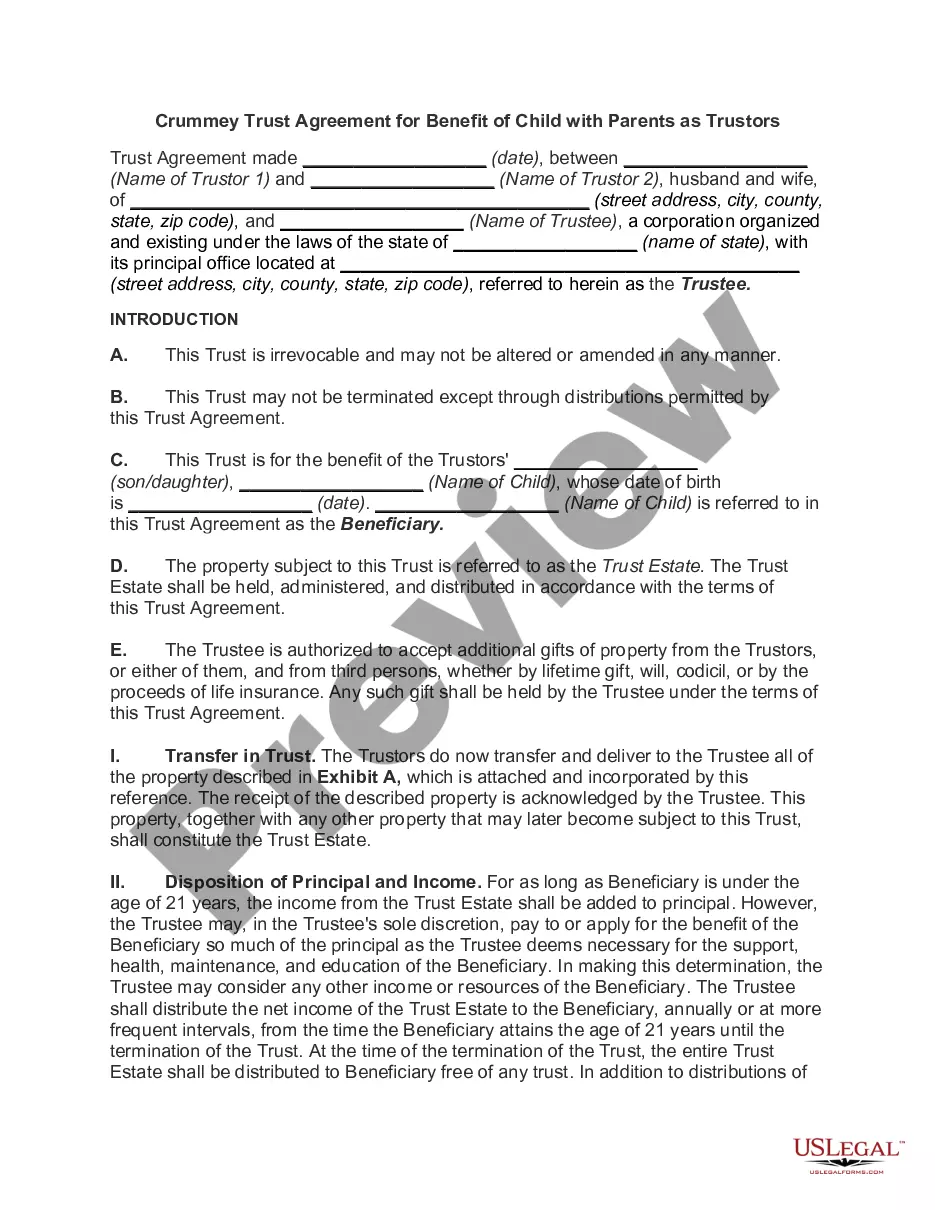
Get your form ready online
Our built-in tools help you complete, sign, share, and store your documents in one place.
Make edits, fill in missing information, and update formatting in US Legal Forms—just like you would in MS Word.
Download a copy, print it, send it by email, or mail it via USPS—whatever works best for your next step.
Sign and collect signatures with our SignNow integration. Send to multiple recipients, set reminders, and more. Go Premium to unlock E-Sign.
If this form requires notarization, complete it online through a secure video call—no need to meet a notary in person or wait for an appointment.
We protect your documents and personal data by following strict security and privacy standards.

Make edits, fill in missing information, and update formatting in US Legal Forms—just like you would in MS Word.

Download a copy, print it, send it by email, or mail it via USPS—whatever works best for your next step.

Sign and collect signatures with our SignNow integration. Send to multiple recipients, set reminders, and more. Go Premium to unlock E-Sign.

If this form requires notarization, complete it online through a secure video call—no need to meet a notary in person or wait for an appointment.

We protect your documents and personal data by following strict security and privacy standards.
Looking for another form?

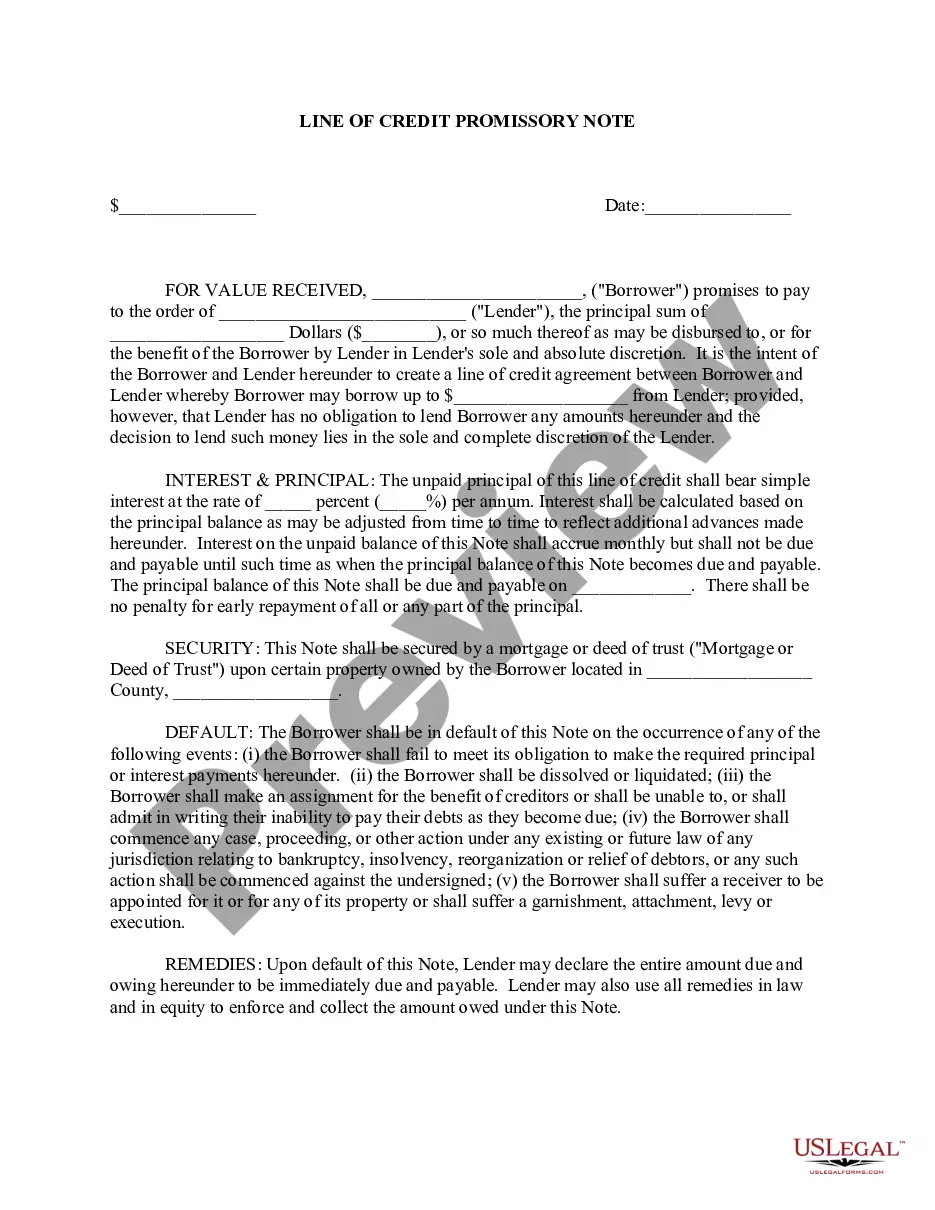




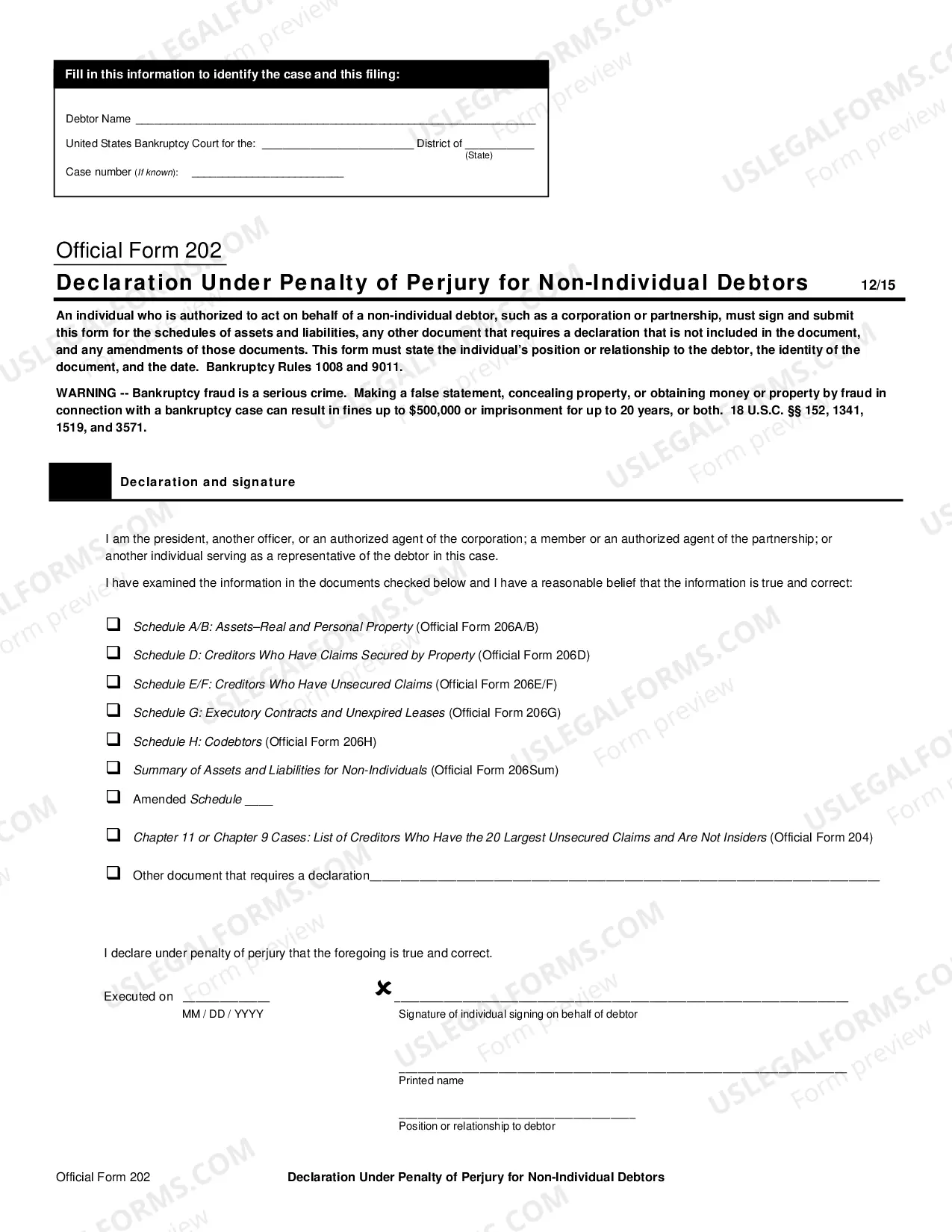
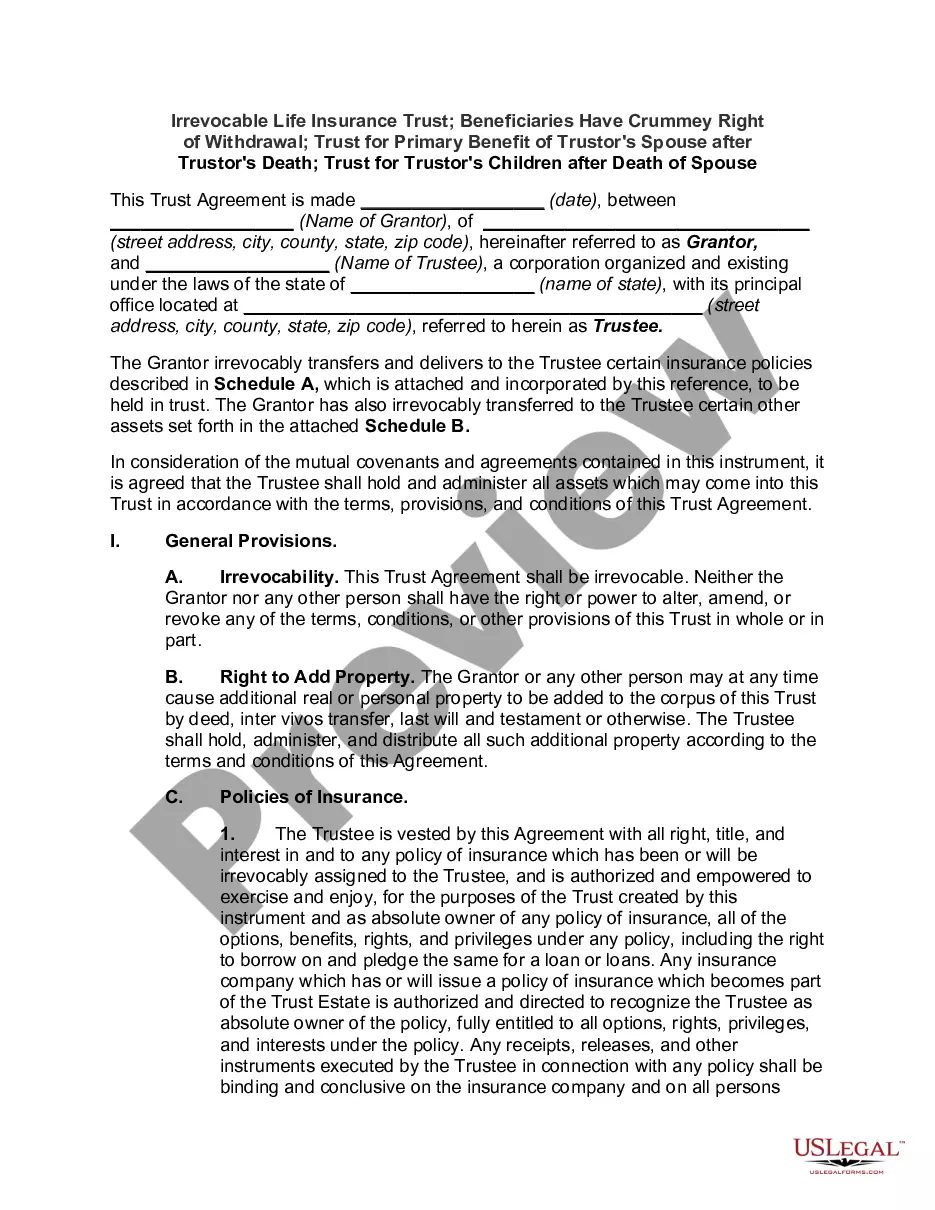
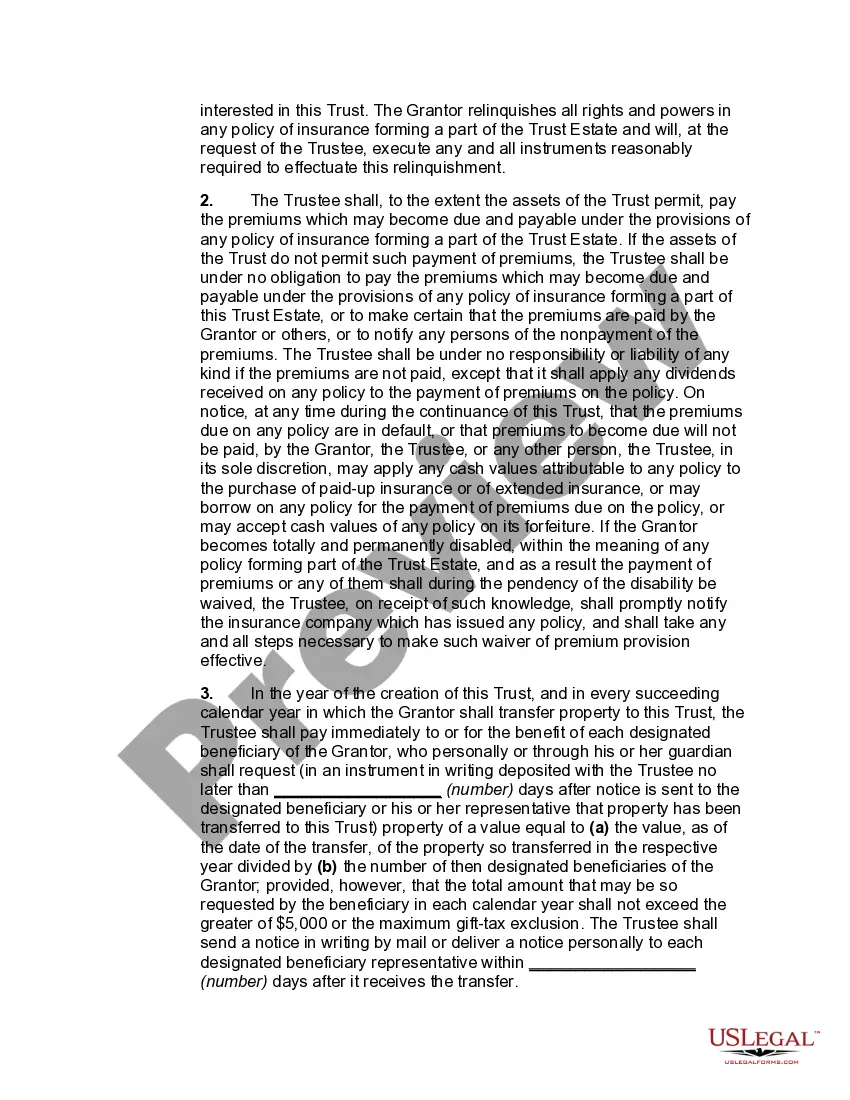
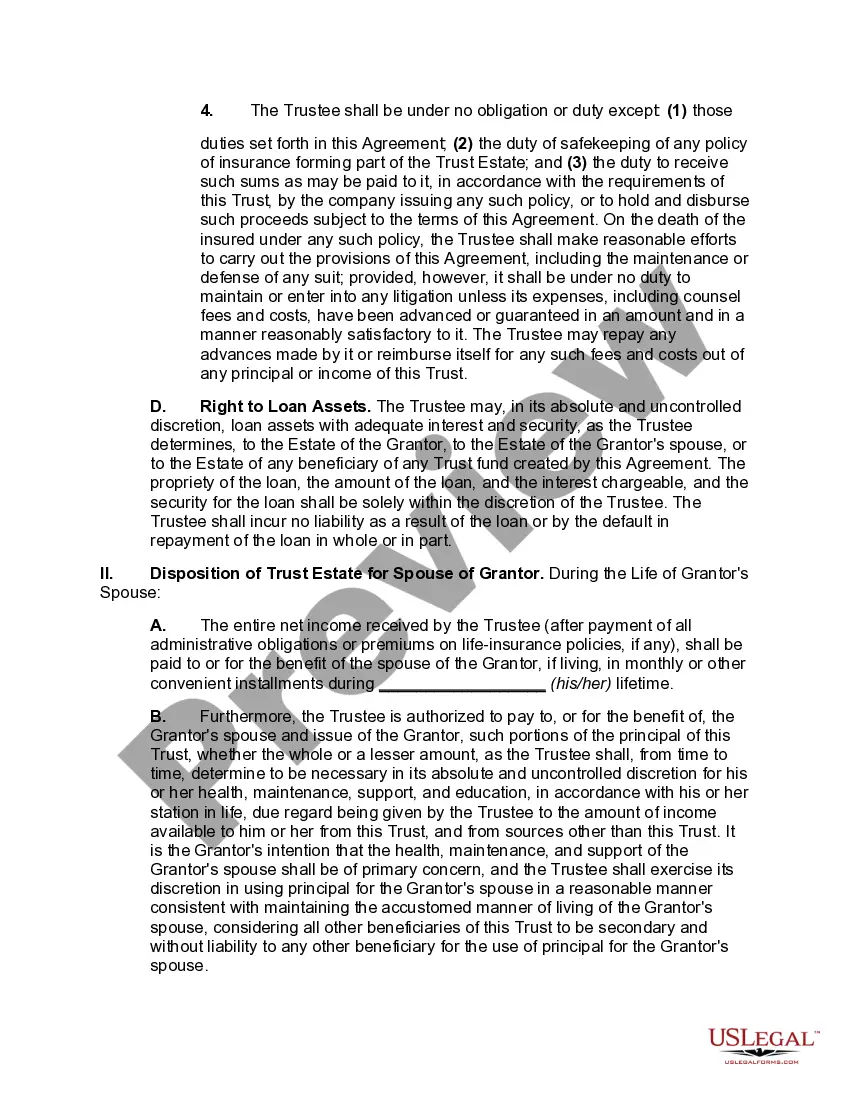
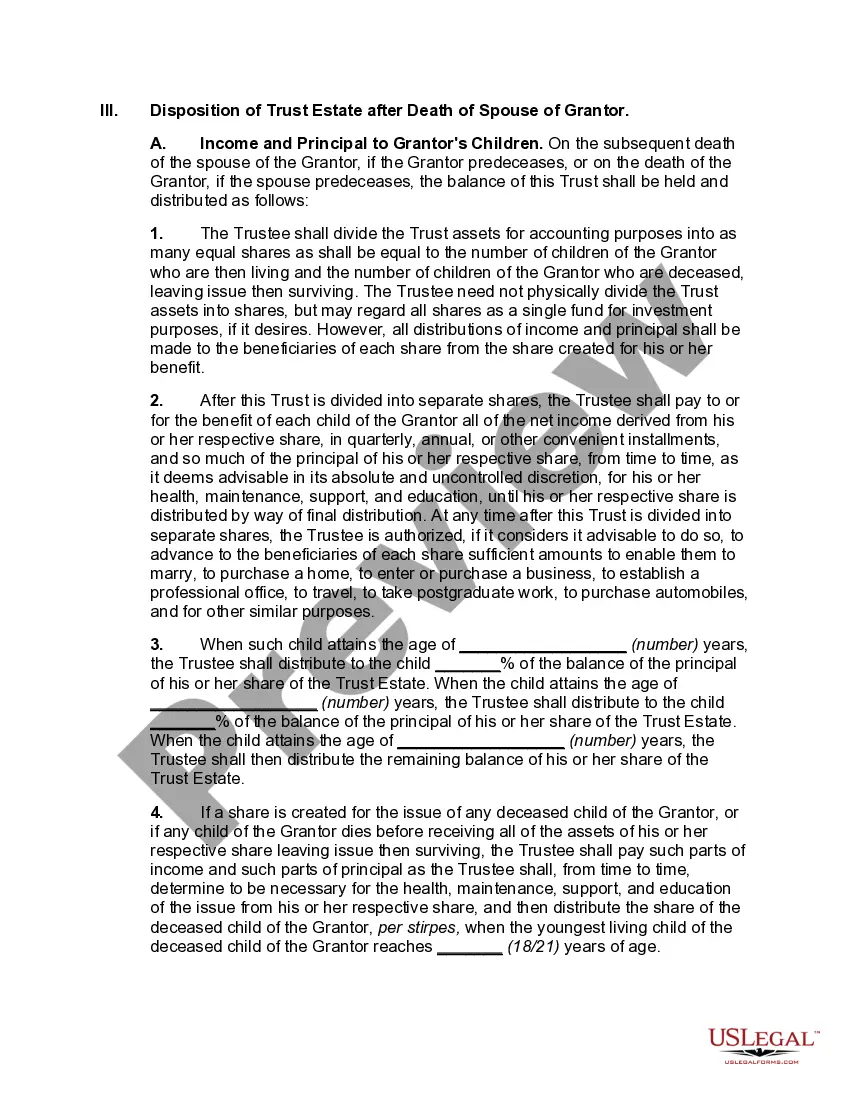
How to fill out Irrevocable Life Insurance Trust - Beneficiaries Have Crummey Right Of Withdrawal?
US Legal Forms - one of the largest collections of legal documents in the USA - provides a diverse selection of legal document templates available for download or printing.
By using the website, you can access thousands of templates for business and personal use, organized by categories, states, or keywords.
You can find the most recent versions of forms such as the Arkansas Irrevocable Life Insurance Trust - Beneficiaries Have Crummey Right of Withdrawal in just moments.
Check the form description to confirm that you have chosen the correct document.
If the form does not meet your requirements, utilize the Search bar at the top of the screen to find one that does.
- If you already have an account, Log In and access the Arkansas Irrevocable Life Insurance Trust - Beneficiaries Have Crummey Right of Withdrawal from your US Legal Forms repository.
- The Download button will appear on every form you view.
- You can retrieve all previously stored forms in the My documents section of your profile.
- If you are using US Legal Forms for the first time, here are simple guidelines to help you get started.
- Ensure you have selected the correct form for your location/region.
- Click the Preview button to review the content of the form.
Form popularity
FAQ
The trustee of an irrevocable trust can only withdraw money to use for the benefit of the trust according to terms set by the grantor, like disbursing income to beneficiaries or paying maintenance costs, and never for personal use.
As the Trustor of a trust, once your trust has become irrevocable, you cannot transfer assets into and out of your trust as you wish. Instead, you will need the permission of each of the beneficiaries in the trust to transfer an asset out of the trust.
A special type of irrevocable life insurance trust, called a Crummey trust (aka irrevocable gift trust), allows a wealthy grantor to fund the trust in such a way that payments are treated as gifts of present interest to the trust's beneficiaries, thereby qualifying for the annual gift exclusion, then using the payments
Crummey powers give the beneficiary a limited time (often 30, 45 or 60 days) to withdraw contributions to a trust at will, converting the future interest gift to a present interest gift. This withdrawal right is generally limited to an amount equal to the current annual gift tax exclusion.
Irrevocable Trusts Generally, a trustee is the only person allowed to withdraw money from an irrevocable trust. But just as we mentioned earlier, the trustee must follow the rules of the legal document and can only take out income or principal when it's in the best interest of the trust.
The right of withdrawal is limited in duration and scope usually available for 30 days after you have made the annual payment to the trust. Even though this option is carefully crafted into an ILIT, the intention is that the beneficiaries of the ILIT will not actually exercise the power to make a withdrawal.
An irrevocable trust is a very powerful tool for Medicaid Asset Protection, as it allows you to shelter assets from a nursing home after they have been in the trust for five years.
Crummey power allows a person to receive a gift that is not eligible for a gift-tax exclusion and then effectively transform the status of that gift into one that is eligible for a gift-tax exclusion. For Crummey power to work, individuals must stipulate that the gift is part of the trust when it is drafted.
Advantages of a Crummey TrustYou do not have to provide an opportunity for the beneficiary to withdraw the entire balance of the trust until a certain age. A Crummey trust can have multiple beneficiaries. Unlike some college savings plans, there are no penalties if the funds are not used for higher education.
Can Creditors Garnish a Trust? Yes, judgment creditors may be able to garnish assets in some situations. However, the amount they can collect in California is limited to the distributions the debtor/beneficiary is entitled to receive from the trust.