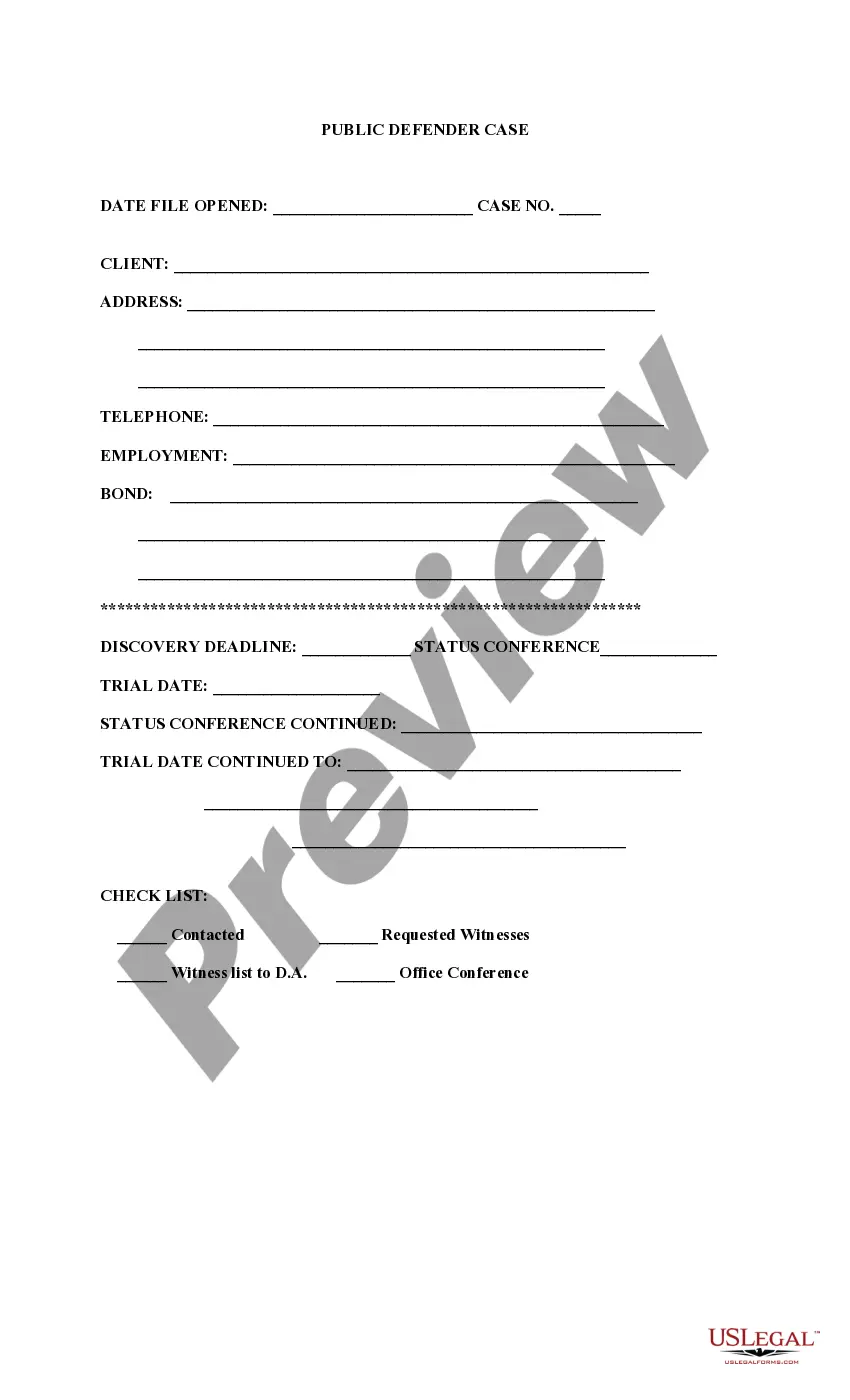
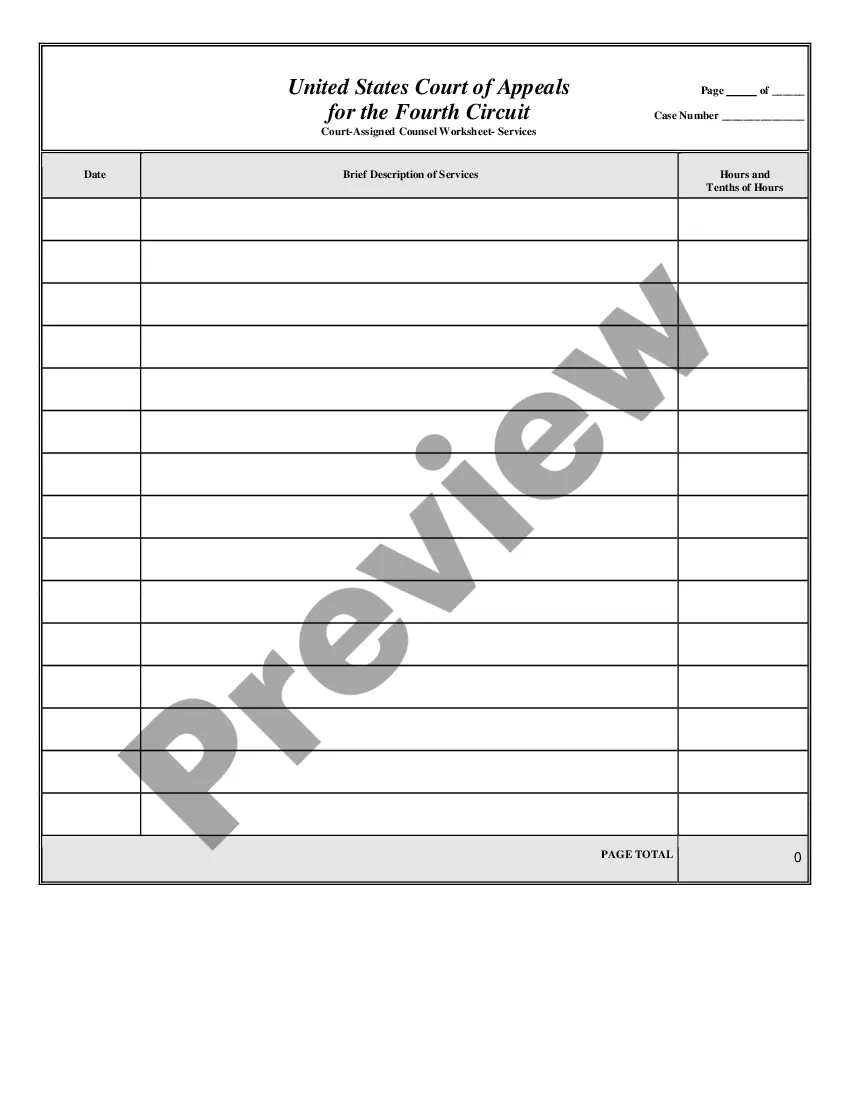
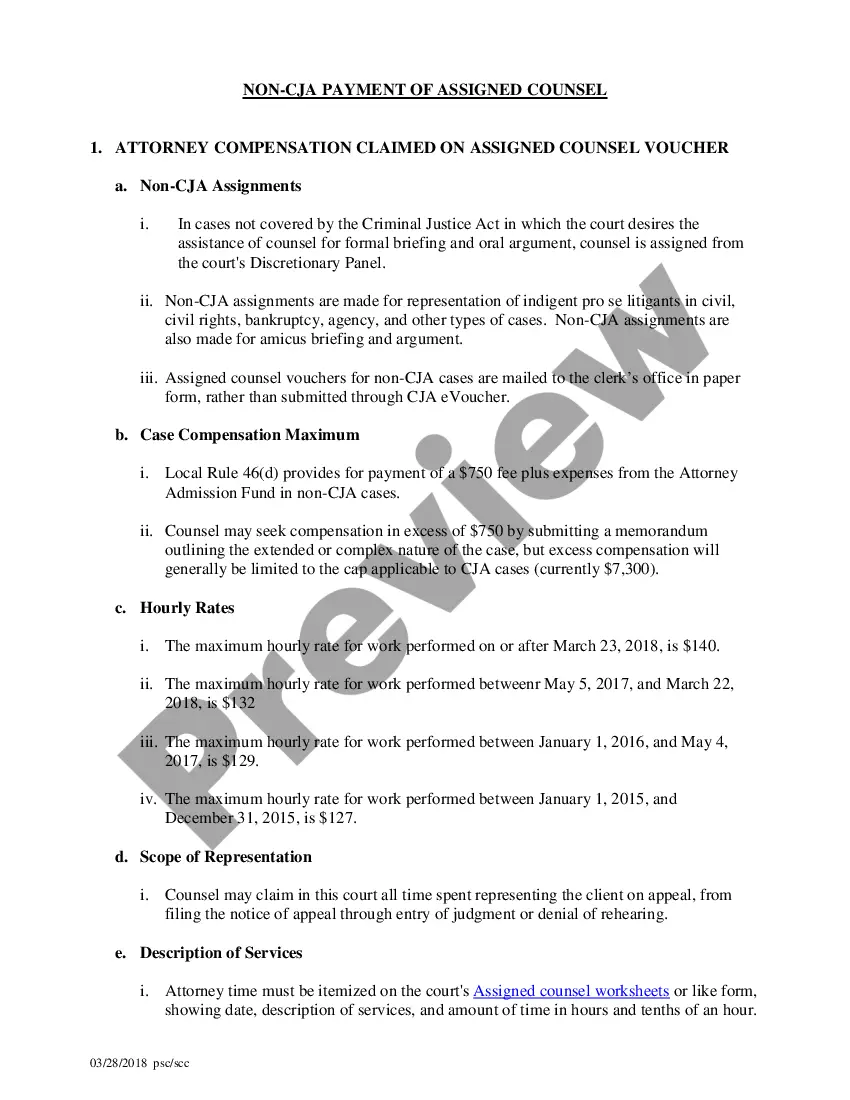
Arkansas Public Defender Case
Description
Get your form ready online
Our built-in tools help you complete, sign, share, and store your documents in one place.
Make edits, fill in missing information, and update formatting in US Legal Forms—just like you would in MS Word.
Download a copy, print it, send it by email, or mail it via USPS—whatever works best for your next step.
Sign and collect signatures with our SignNow integration. Send to multiple recipients, set reminders, and more. Go Premium to unlock E-Sign.
If this form requires notarization, complete it online through a secure video call—no need to meet a notary in person or wait for an appointment.
We protect your documents and personal data by following strict security and privacy standards.

Make edits, fill in missing information, and update formatting in US Legal Forms—just like you would in MS Word.

Download a copy, print it, send it by email, or mail it via USPS—whatever works best for your next step.

Sign and collect signatures with our SignNow integration. Send to multiple recipients, set reminders, and more. Go Premium to unlock E-Sign.

If this form requires notarization, complete it online through a secure video call—no need to meet a notary in person or wait for an appointment.

We protect your documents and personal data by following strict security and privacy standards.
Looking for another form?






How to fill out Public Defender Case?
If you need to finalize, acquire, or print sanctioned document templates, utilize US Legal Forms, the largest selection of legal forms available online. Take advantage of the site's straightforward and convenient search to find the documents you need. Various templates for business and individual purposes are organized by categories, states, or keywords. Use US Legal Forms to locate the Arkansas Public Defender Case with just a few clicks.
If you are already a US Legal Forms user, Log In to your account and click the Download button to access the Arkansas Public Defender Case. You can also find forms you have previously acquired in the My documents tab of your account.
If you are using US Legal Forms for the first time, follow the steps outlined below: Step 1. Ensure you have selected the form for the correct city/state. Step 2. Use the Preview option to review the form's details. Don't forget to read the description. Step 3. If you are not satisfied with the form, use the Search field at the top of the screen to find other versions of the legal form template. Step 4. Once you have found the form you need, click the Acquire now button. Choose the pricing plan you prefer and enter your details to register for an account. Step 5. Complete the purchase. You can use your credit card or PayPal account to finalize the transaction. Step 6. Select the format of your legal form and download it to your device. Step 7. Fill out, edit, and print or sign the Arkansas Public Defender Case.
Avoid altering or removing any HTML tags. Only synonymize plain text outside of the HTML tags.
- Every legal document template you acquire is yours indefinitely.
- You will have access to every form you obtained in your account.
- Go to the My documents section and select a form to print or download again.
- Compete and obtain, and print the Arkansas Public Defender Case with US Legal Forms.
- There are numerous professional and state-specific forms available for your business or personal needs.
Form popularity
FAQ
Additionally, each sheriff, keeper of the jail, or bail bond company shall charge and collect twenty dollars ($20.00) as a nonrefundable fee for the Arkansas Public Defender Commission, $3 of which is remitted to the counties by the Commission to defray the operating expenses of each public defender's office.
You need pay only what you can afford, which may be nothing. The court cannot bill you for attorney costs, unless it determines that you are able to pay.
In 1963, the Supreme Court ruled unanimously in favor of Gideon, guaranteeing the right to legal counsel for criminal defendants in federal and state courts. Following the decision, Gideon was given another trial with an appointed lawyer and was acquitted of the charges.
In Gideon v. Wainwright, the U.S. Supreme Court held that this means the State must provide an attorney to any criminal defendant who cannot afford to hire one.
In Gideon v. Wainwright (1963), the Supreme Court ruled that the Constitution requires the states to provide defense attorneys to criminal defendants charged with serious offenses who cannot afford lawyers themselves. The case began with the 1961 arrest of Clarence Earl Gideon.
1963 ? The United States Supreme Court decides Gideon v. Wainwright, ruling that the Sixth Amendment creates a right to court appointed counsel in felony cases in all criminal proceedings.
Sixth Amendment Right to Counsel The right to an attorney has applied in federal prosecutions for most of the nation's history, but it did not extend to all state-level felony cases, based on the Fourteenth Amendment, until the U.S. Supreme Court decided Gideon v. Wainwright, 372 U.S. 335 (1963).
Public defenders are only appointed for criminal cases including felonies, misdemeanors, and mental health hearings.