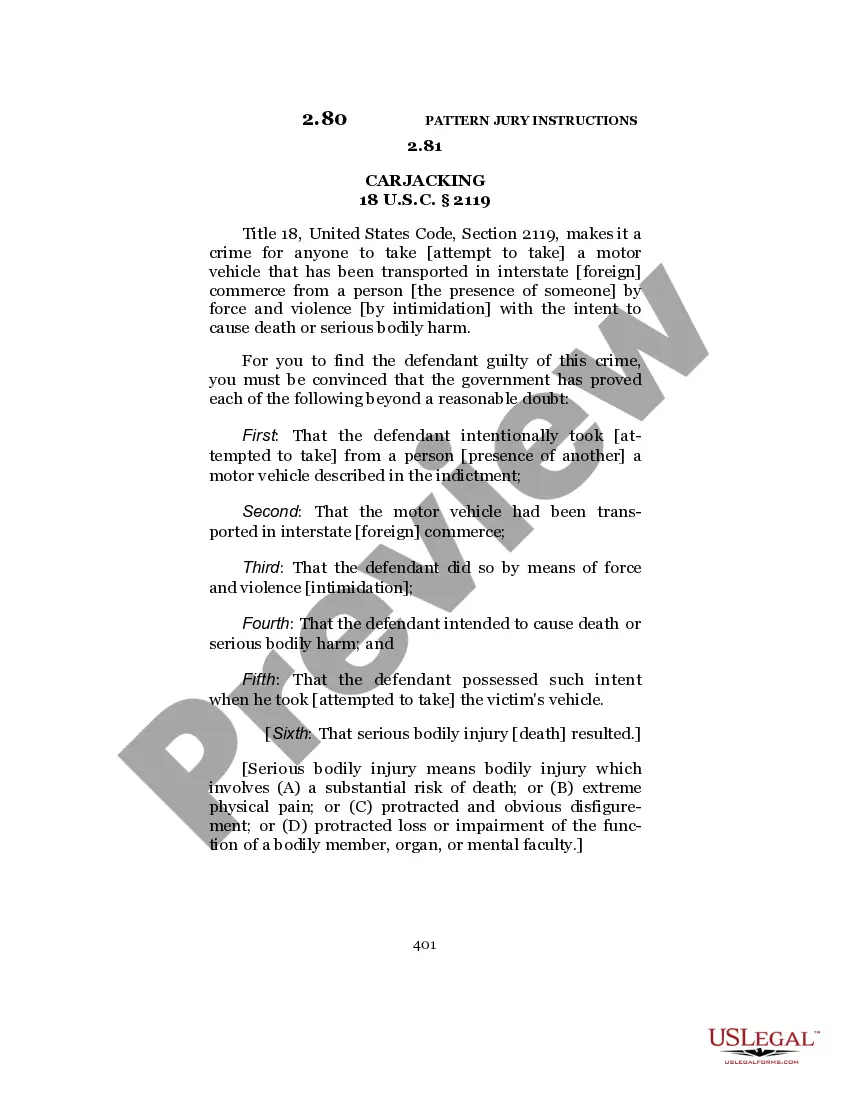
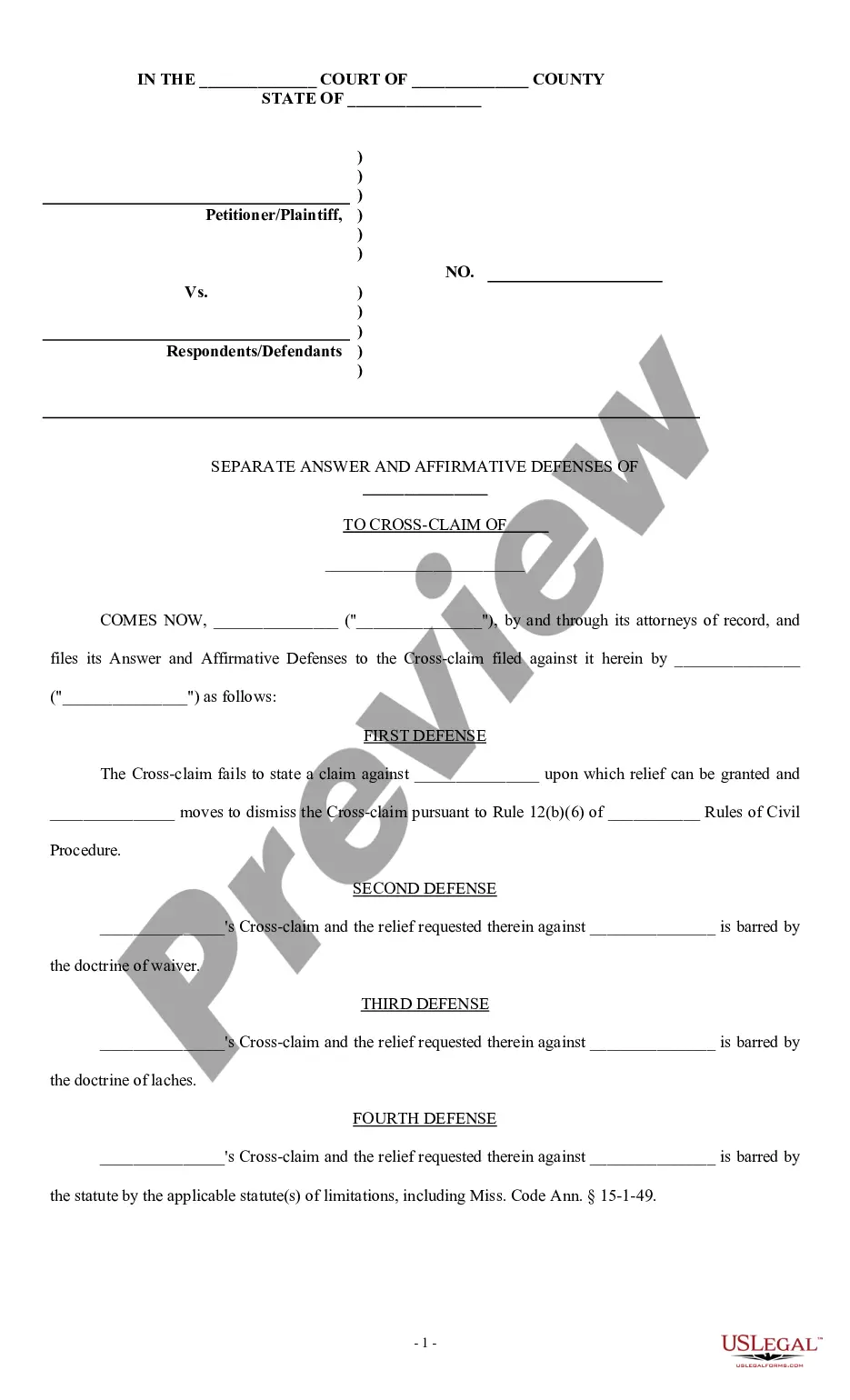
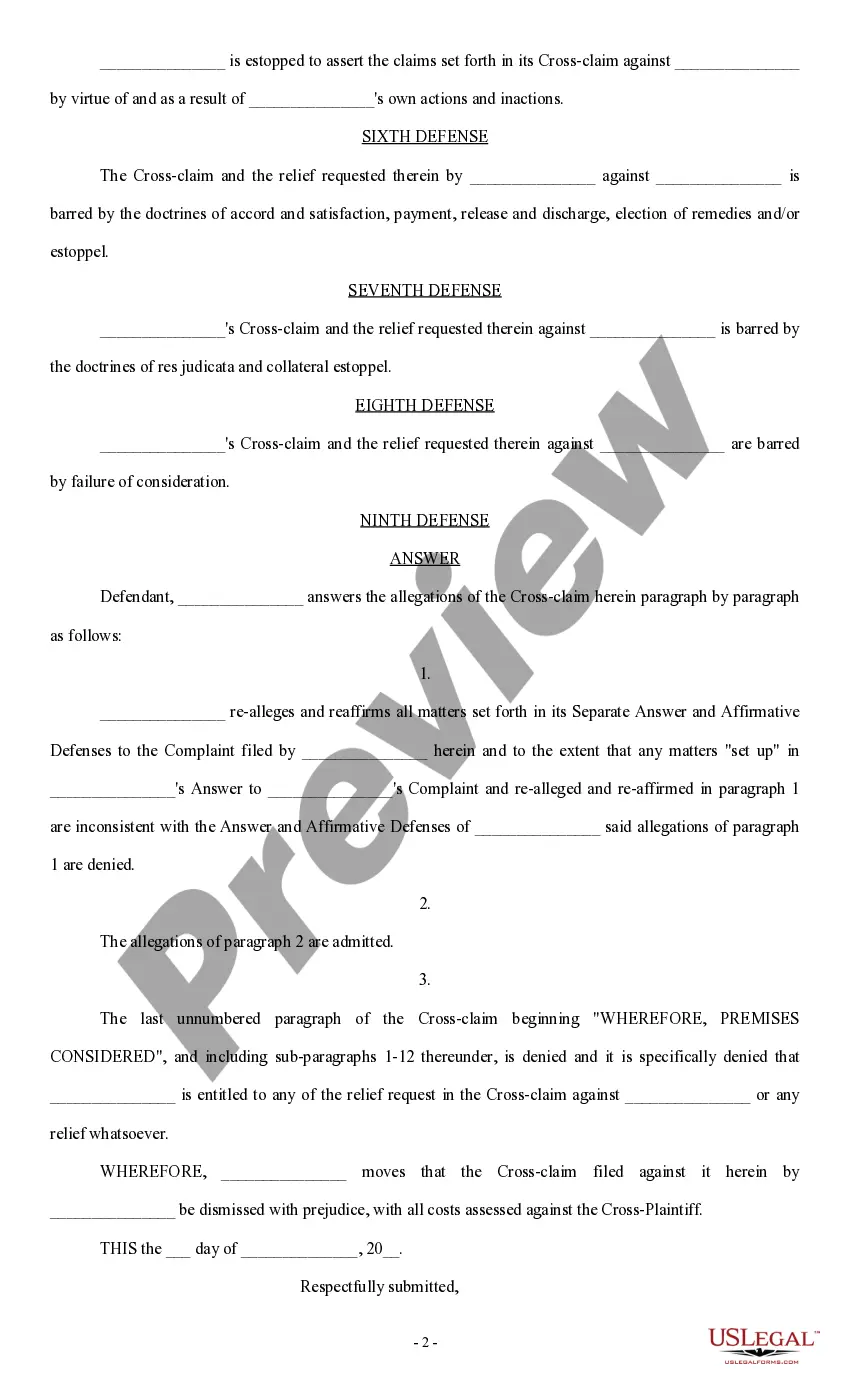
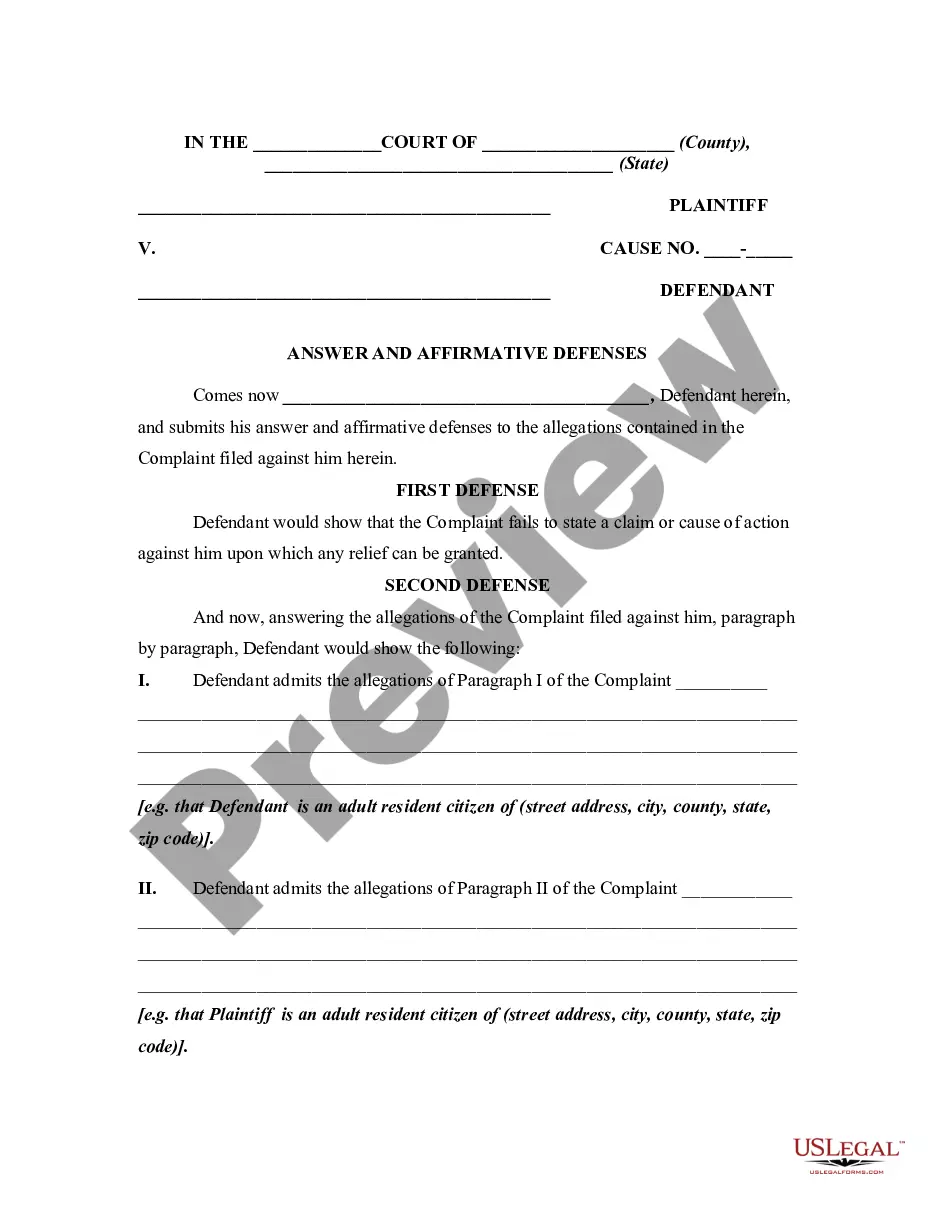
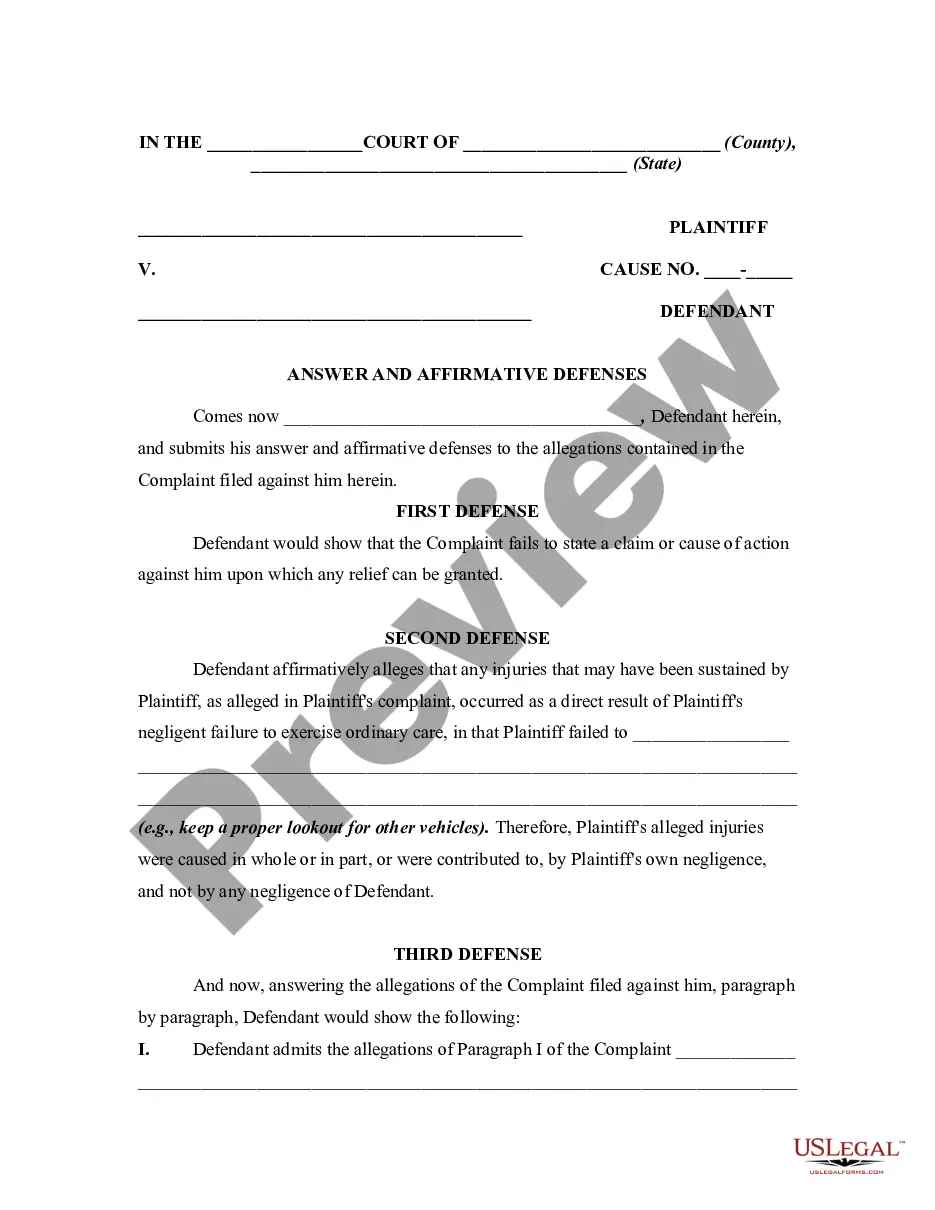
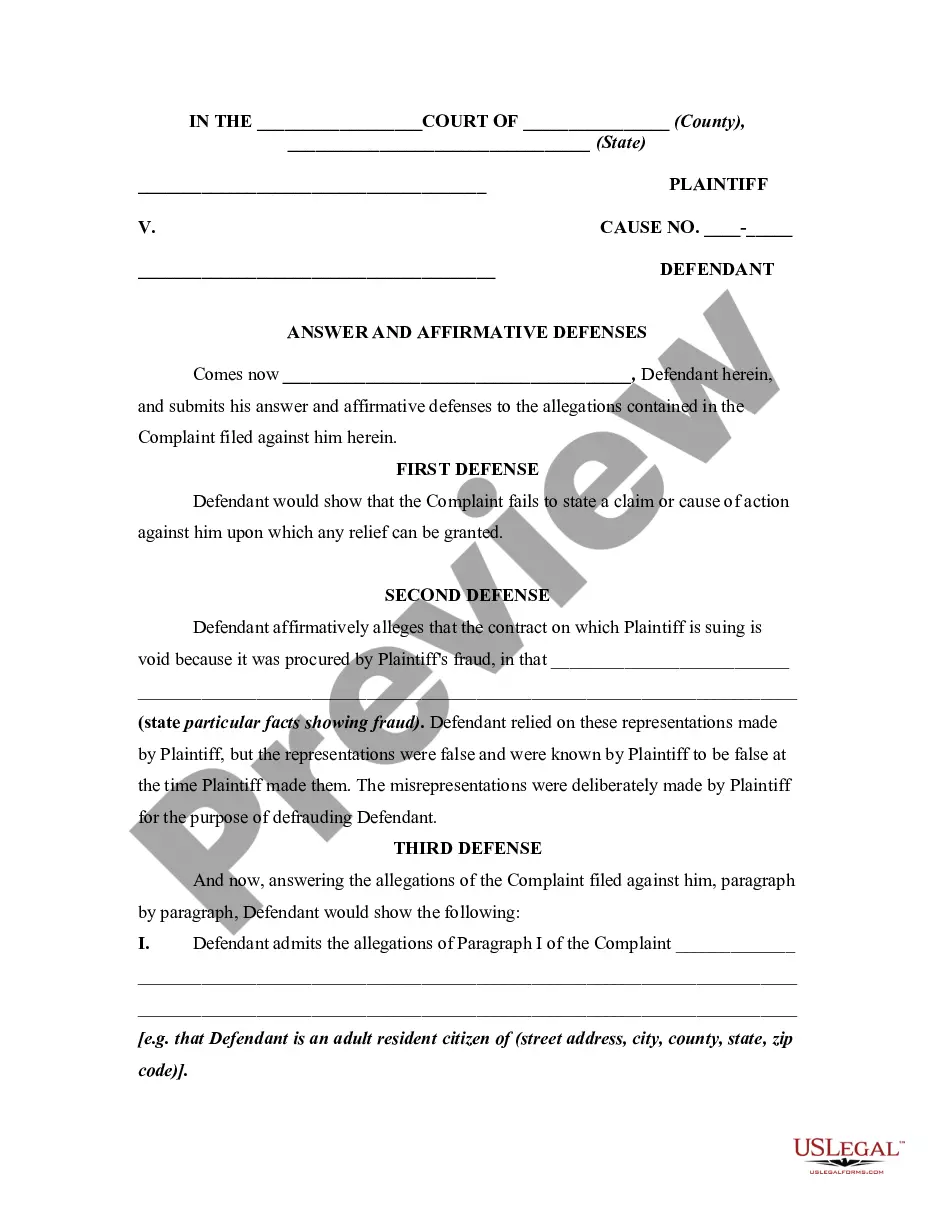
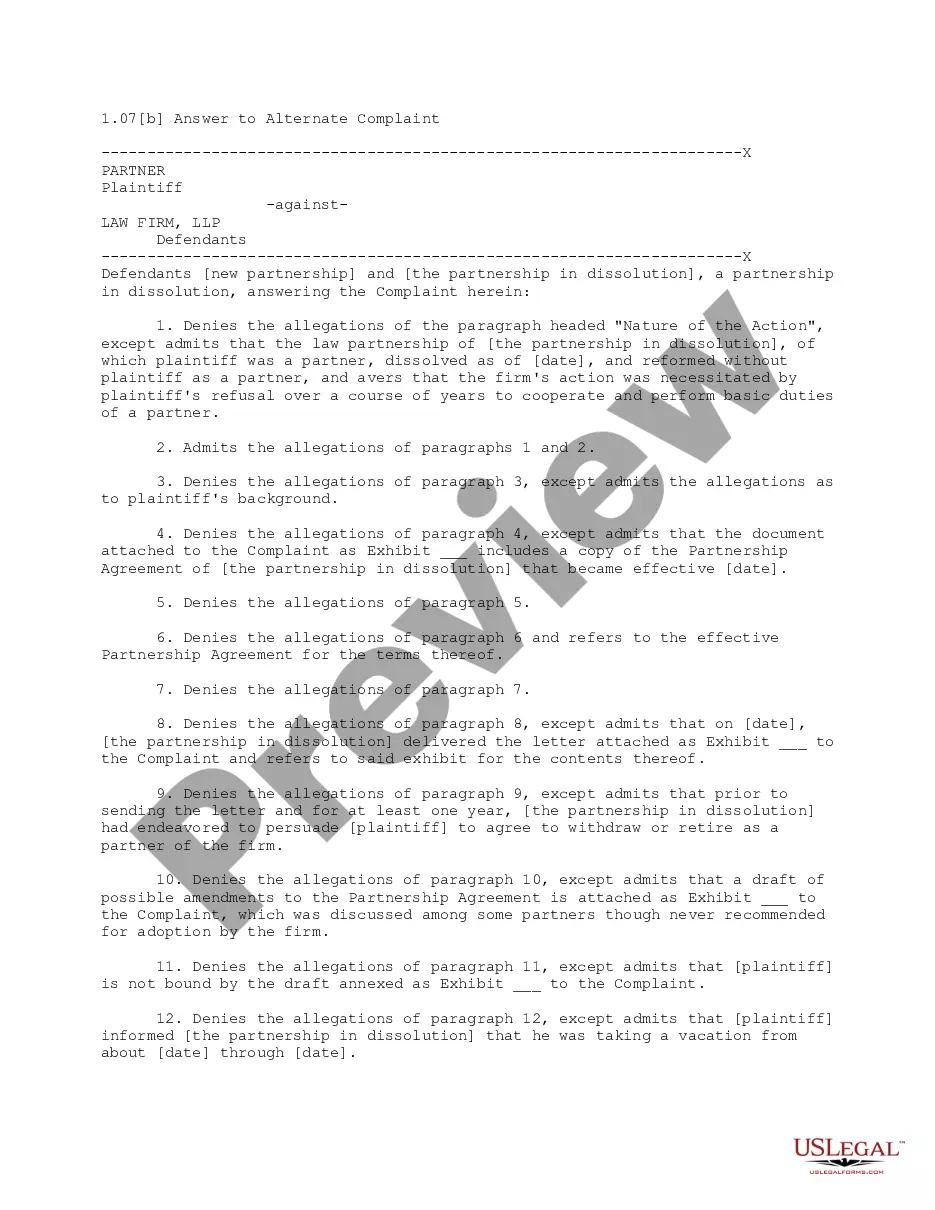
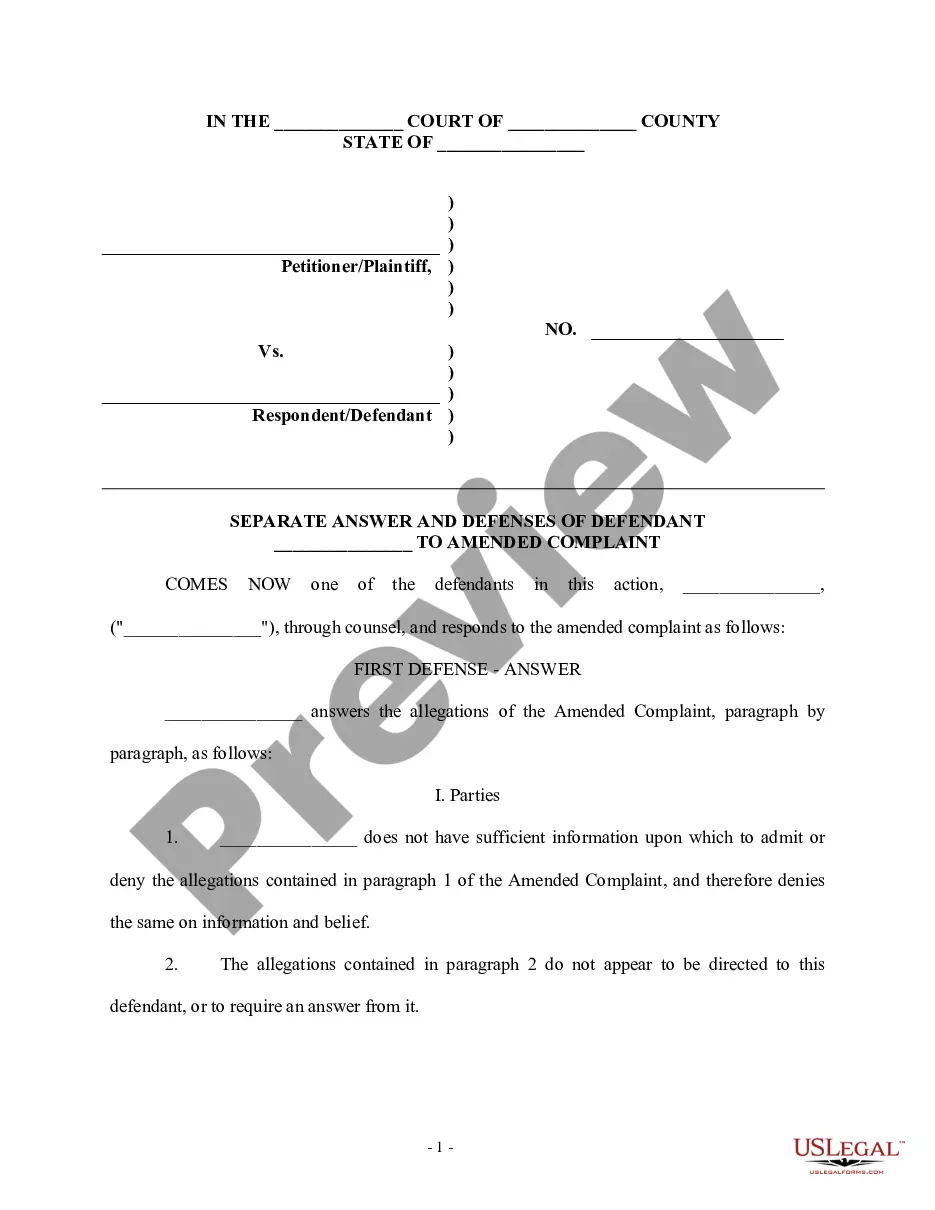
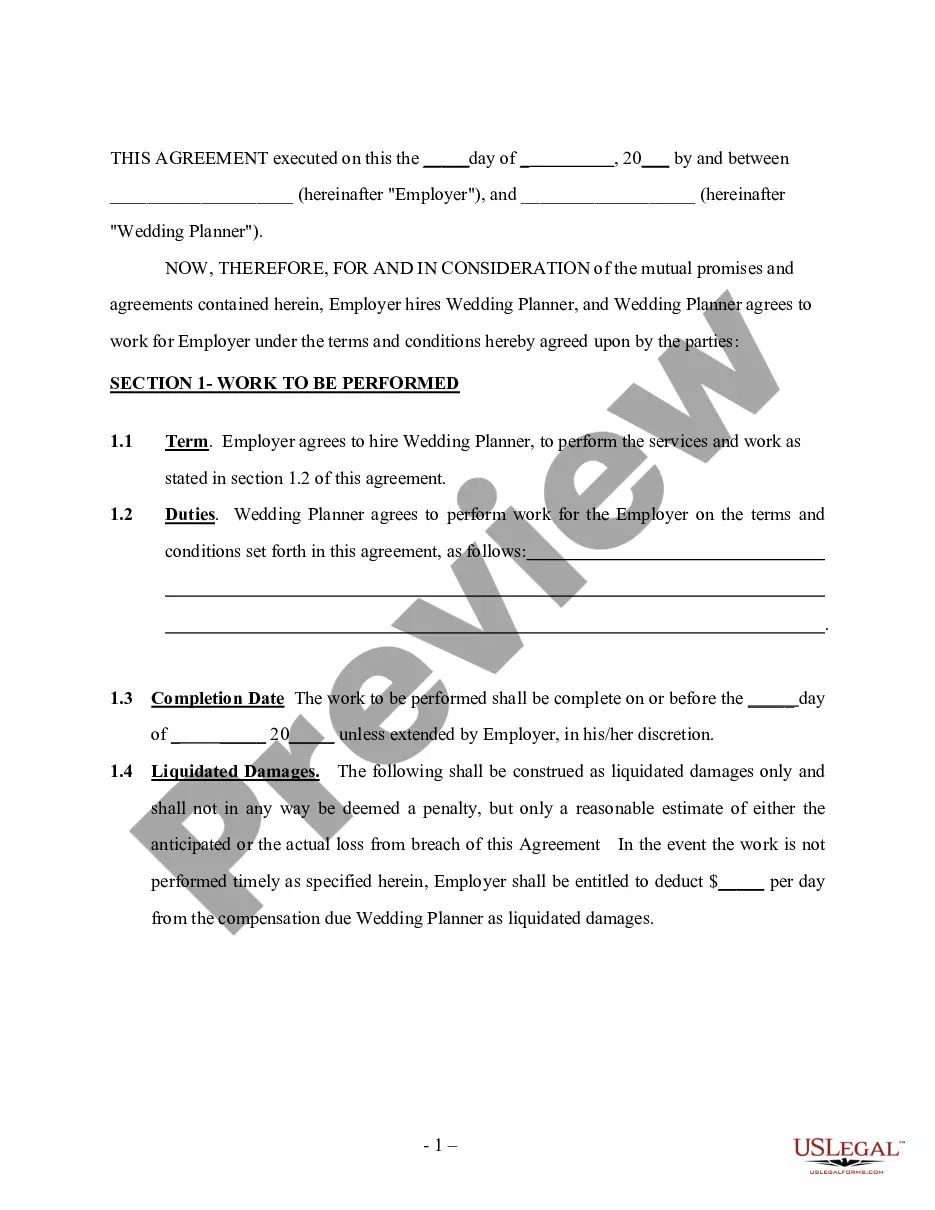
This form is a Separate Answer and Affirmative Defense to a Cross-Claim. The form provides that the cross-claim fails to state a claim upon which relief can be granted. Therefore, it is requested that the cross-claim be dismissed with prejudice, with all costs assessed against the cross-plaintiff.
Arkansas Separate Answer and Affirmative Defenses to Crossclaim
Instant download
Description
Free preview

Get your form ready online
Our built-in tools help you complete, sign, share, and store your documents in one place.
Built-in online Word editor
Make edits, fill in missing information, and update formatting in US Legal Forms—just like you would in MS Word.
Export easily
Download a copy, print it, send it by email, or mail it via USPS—whatever works best for your next step.
E-sign your document
Sign and collect signatures with our SignNow integration. Send to multiple recipients, set reminders, and more. Go Premium to unlock E-Sign.
Notarize online 24/7
If this form requires notarization, complete it online through a secure video call—no need to meet a notary in person or wait for an appointment.
Store your document securely
We protect your documents and personal data by following strict security and privacy standards.

Make edits, fill in missing information, and update formatting in US Legal Forms—just like you would in MS Word.

Download a copy, print it, send it by email, or mail it via USPS—whatever works best for your next step.

Sign and collect signatures with our SignNow integration. Send to multiple recipients, set reminders, and more. Go Premium to unlock E-Sign.

If this form requires notarization, complete it online through a secure video call—no need to meet a notary in person or wait for an appointment.

We protect your documents and personal data by following strict security and privacy standards.
Looking for another form?
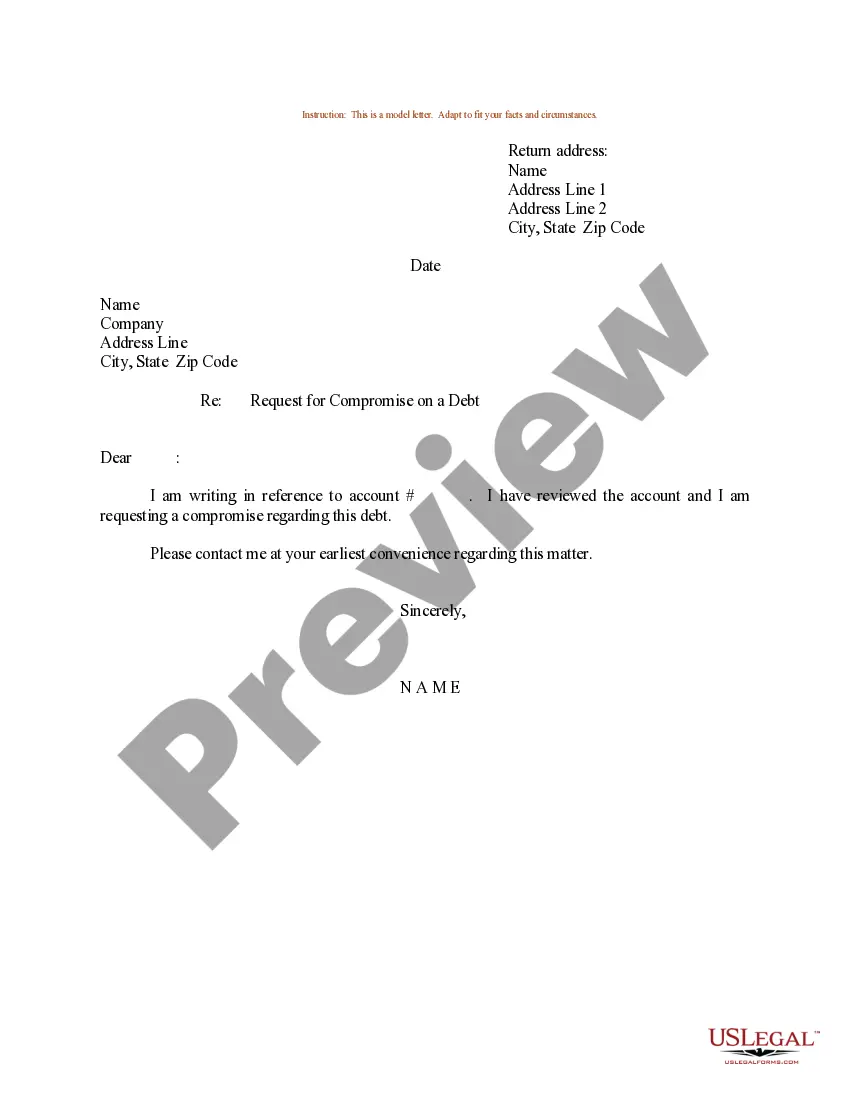



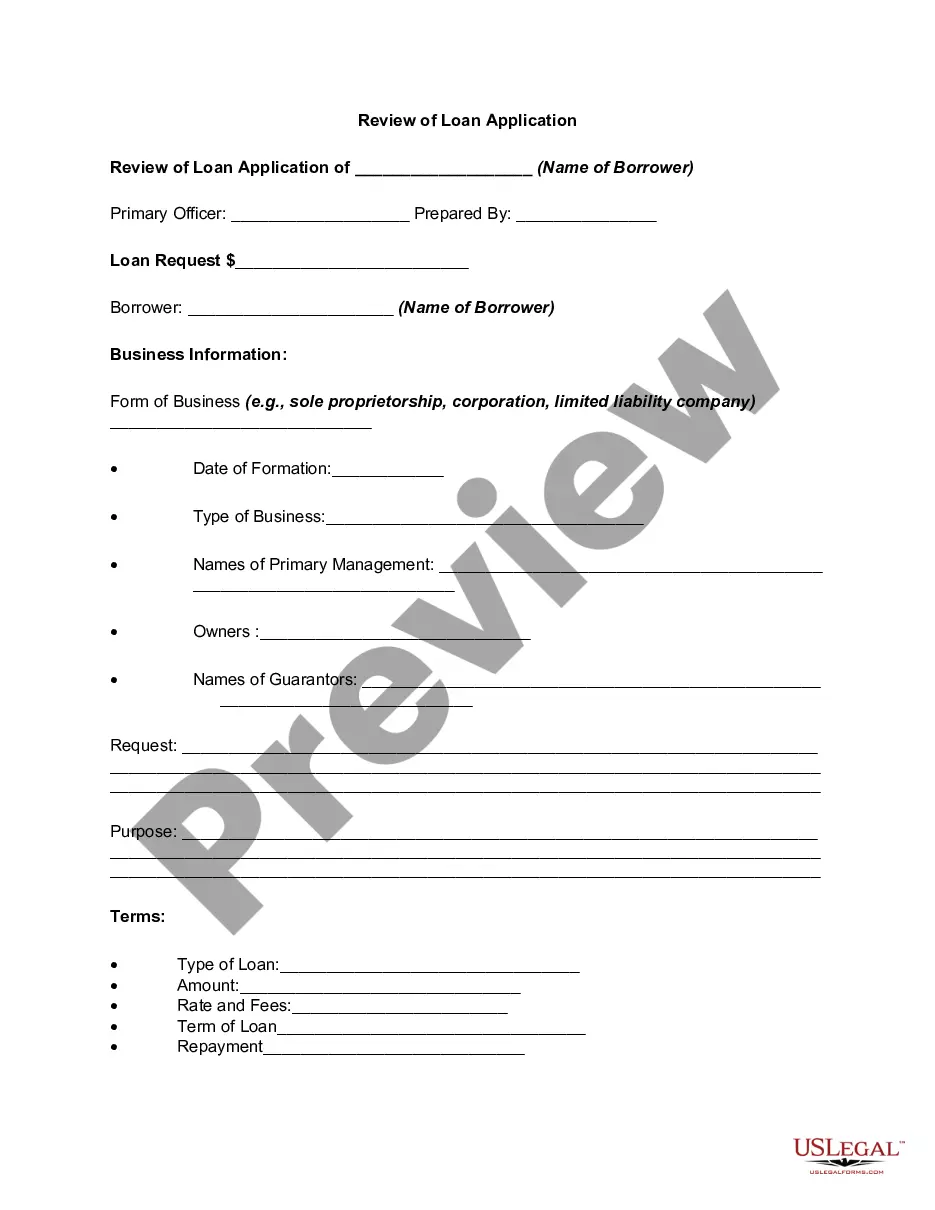
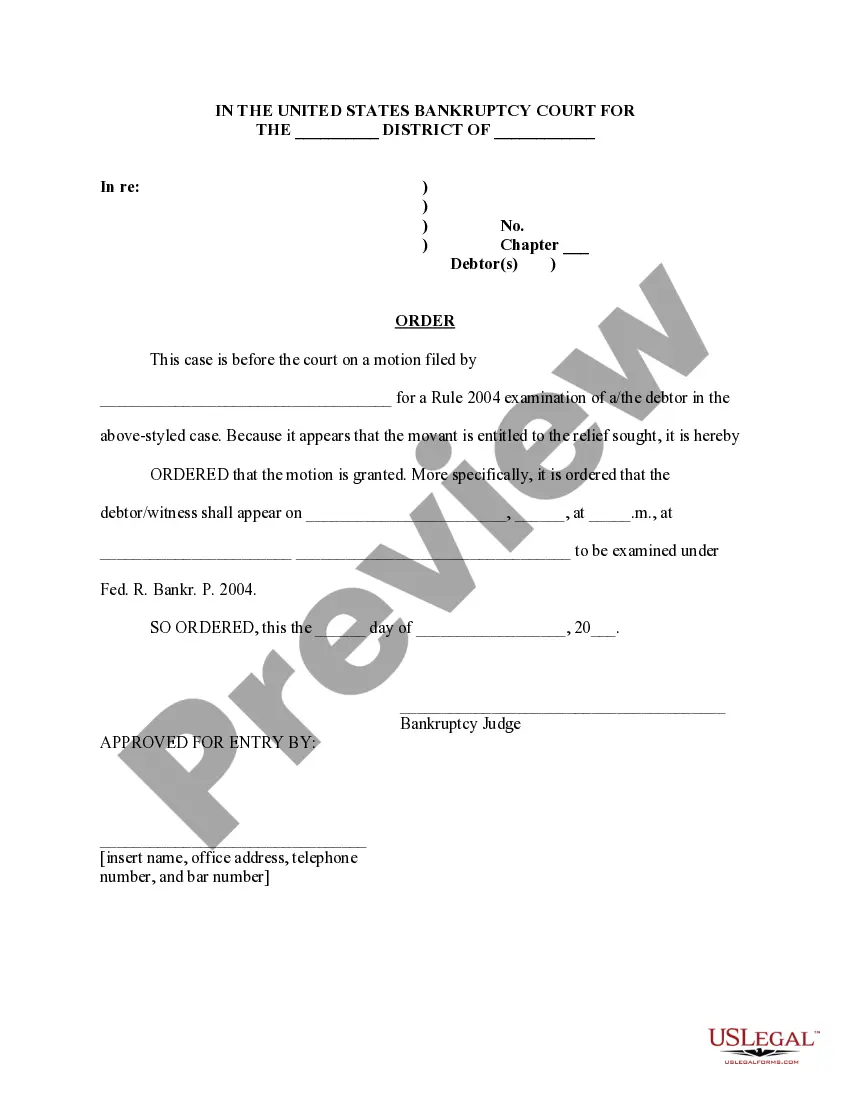


How to fill out Separate Answer And Affirmative Defenses To Crossclaim?
If you want to total, download, or print legal document templates, utilize US Legal Forms, the largest collection of legal forms accessible online.
Employ the site's simple and convenient search to find the documents you require.
Various templates for organizations and specific purposes are categorized by types and jurisdictions, or keywords. Use US Legal Forms to locate the Arkansas Separate Answer and Affirmative Defenses to Crossclaim with just a few clicks.
Step 5. Process the transaction. You can use your credit card or PayPal account to complete the transaction.
Step 6. Choose the format of the legal form and download it to your device. Step 7. Complete, revise, and print or sign the Arkansas Separate Answer and Affirmative Defenses to Crossclaim. Every legal document template you obtain is yours indefinitely. You have access to every single form you acquired within your account. Check the My documents section and select a form to print or download again. Stay competitive and download, and print the Arkansas Separate Answer and Affirmative Defenses to Crossclaim with US Legal Forms. There are numerous professional and state-specific forms you can utilize for your personal business or specific needs.
- If you are currently a US Legal Forms customer, Log In to your account and click the Download button to obtain the Arkansas Separate Answer and Affirmative Defenses to Crossclaim.
- You can also access forms you previously acquired in the My documents section of your account.
- If you are using US Legal Forms for the first time, follow the steps outlined below.
- Step 1. Ensure you have selected the form for the correct area/nation.
- Step 2. Utilize the Preview option to view the form's details. Remember to read the summary.
- Step 3. If you are not satisfied with the form, use the Lookup section at the top of the screen to find alternative versions of the legal form template.
- Step 4. Once you have found the form you need, click the Get now button. Choose the pricing plan you prefer and enter your credentials to register for the account.
Form popularity
FAQ
A crossclaim seeks affirmative relief against a co-party in the lawsuit such as a co- defendant. Crossclaims are generally permissive in that they may be brought in the same suit if they arise out of the same transaction or occurrence, but some state courts allow cross claims to be brought in a sep- arate suit.
Rule 12 substitutes the word "file" for serve and requires that the responsive pleading be filed within the time prescribed by this rule as opposed to serving the pleading as is the case under FRCP 12. By using this terminology, it is believed that arguments can be avoided as to when a pleading was served.
In a crossclaim one plaintiff sues another plaintiff or one defendant sues another defendant. Crossclaims are permissive. A party can assert a crossclaim if the claim arises out of the same transaction or occurrence as a claim already asserted in the action, that is, the original claim or any counterclaim.
What is an affirmative defense. An affirmative defense is a defense that brings up new facts or issues not in the Complaint that, if true, would be a legal reason why the plaintiff should not win, or should win less than they're asking for. It is not a denial that you did what the plaintiff says you did.
Rule 8.1, "Prompt First Appearance," provides that "an arrested person who is not released by citation or by other lawful manner shall be taken before a judicial officer without unnecessary delay."z7 At the first appearance, the judicial officer must inform the defendant that: (1) he is not required to say anything, ...
Rule 12(b)(6), permitting a motion to dismiss for failure of the complaint to state a claim on which relief can be granted, is substantially the same as the old demurrer for failure of a pleading to state a cause of action.
Self-defense, entrapment, insanity, necessity, and respondeat superior are some examples of affirmative defenses. Under the Federal Rules of Civil Procedure Rule 56, any party may make a motion for summary judgment on an affirmative defense.
In an affirmative defense, the defendant may concede that they committed the alleged acts, but they prove other facts which, under the law, either justify or excuse their otherwise wrongful actions, or otherwise overcomes the plaintiff's claim.