Arkansas Conditions of Bond
What this document covers
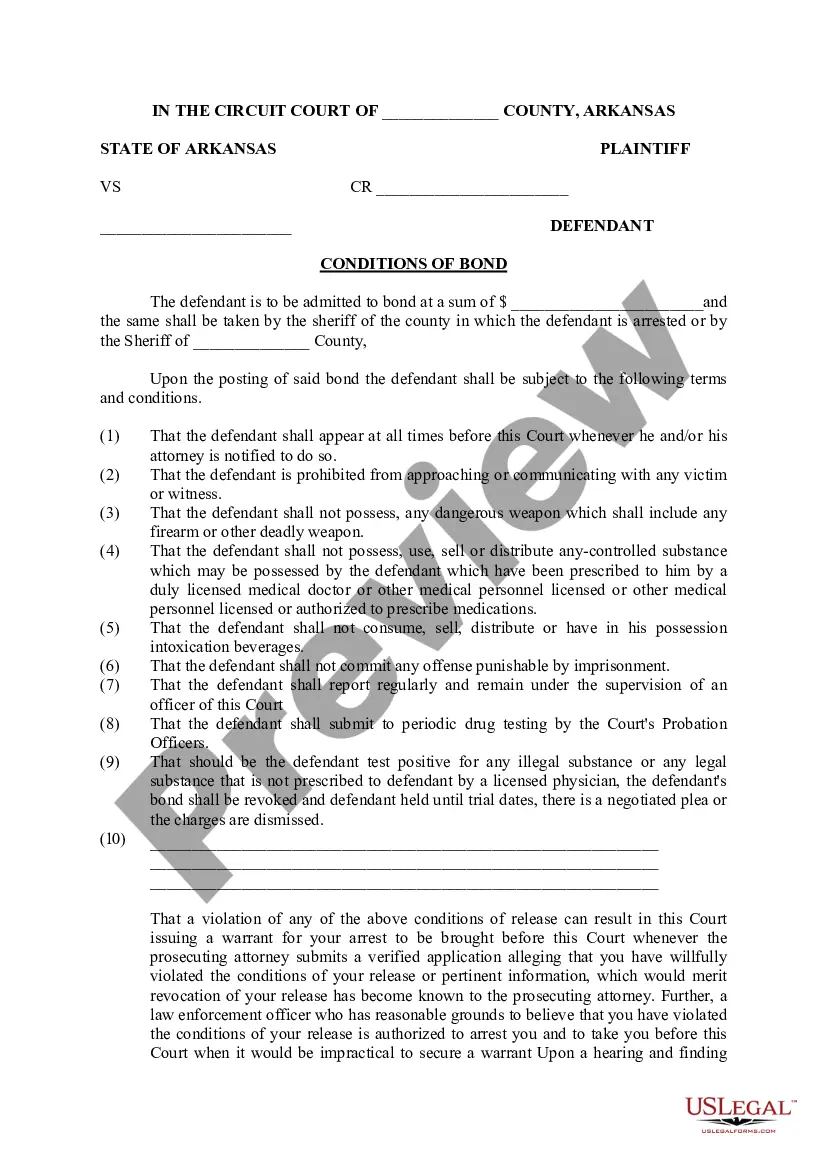
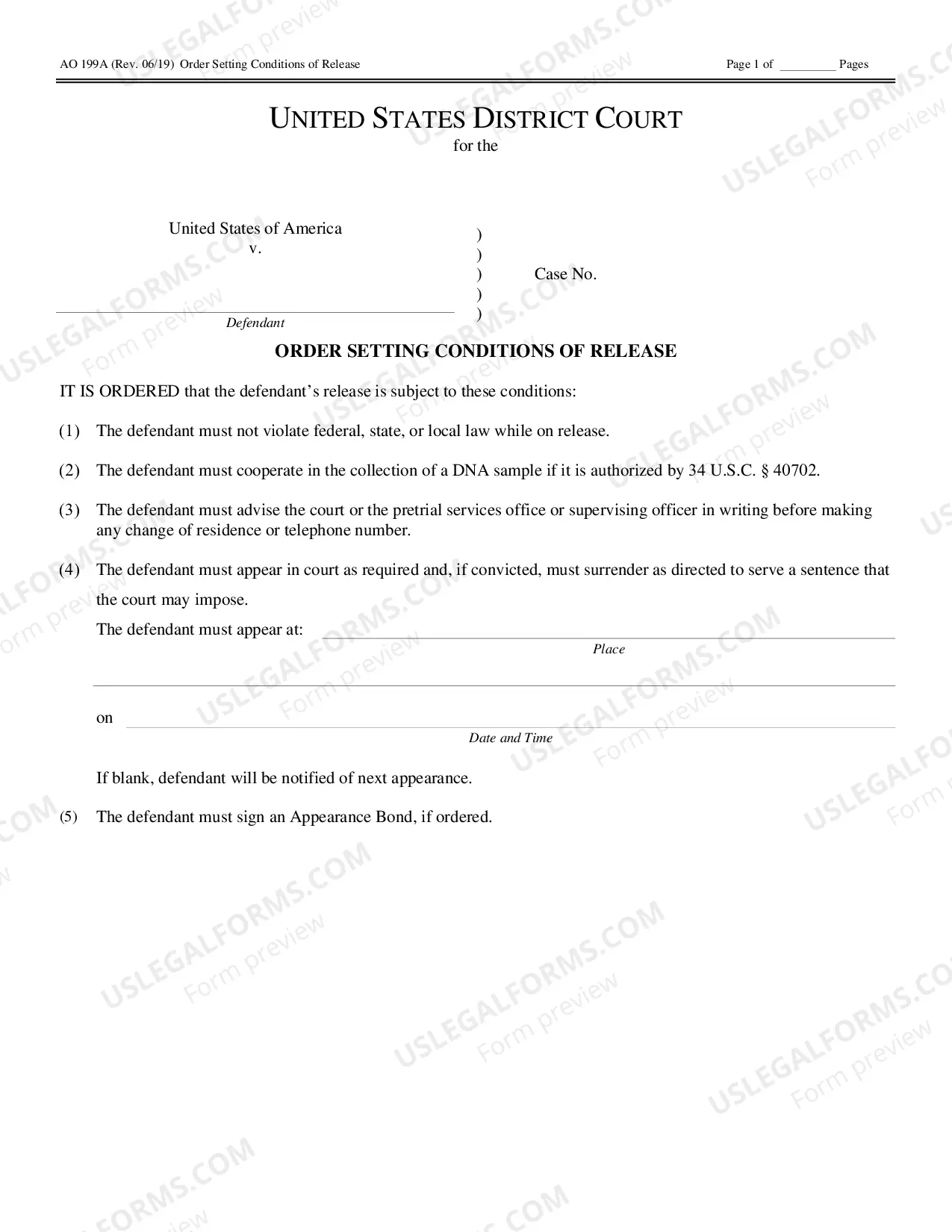
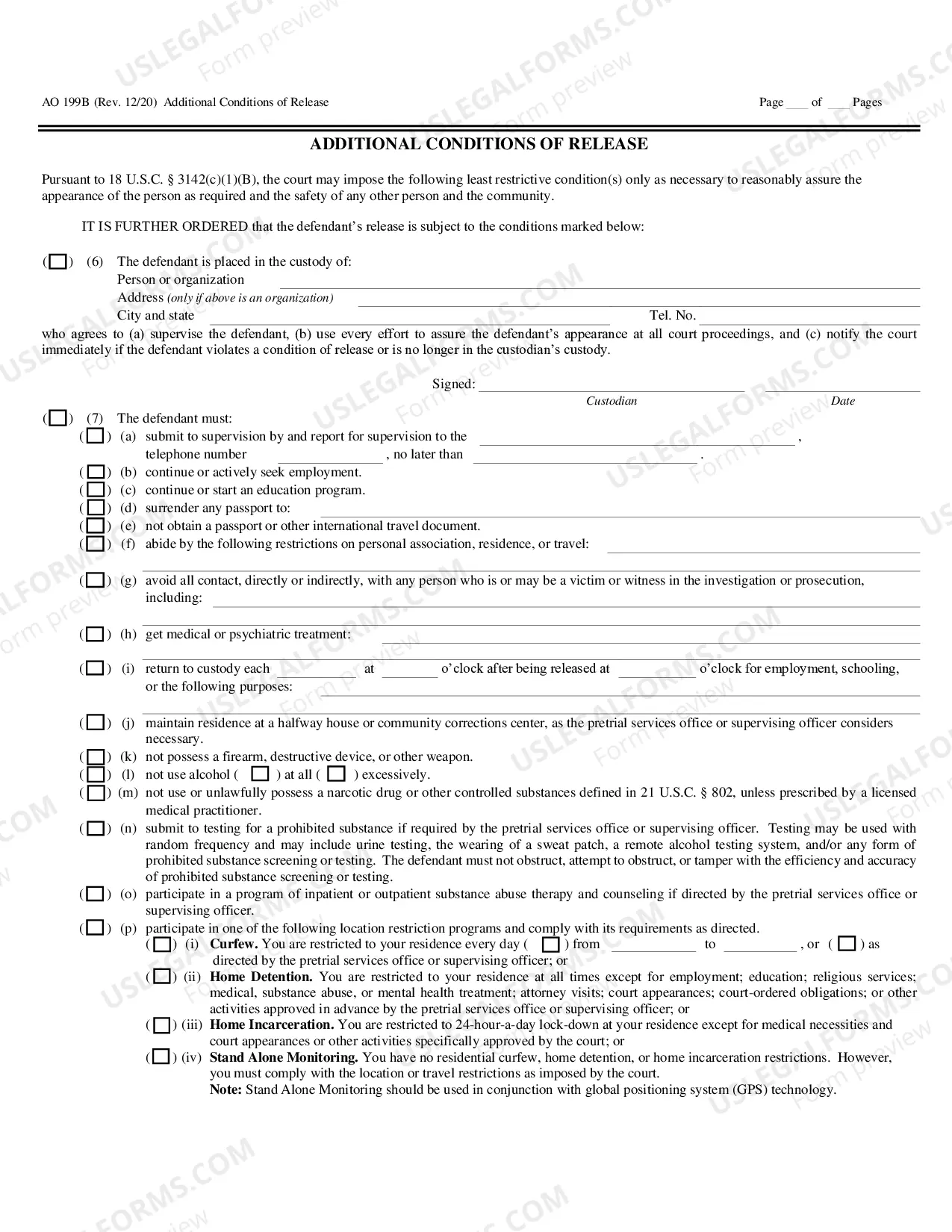
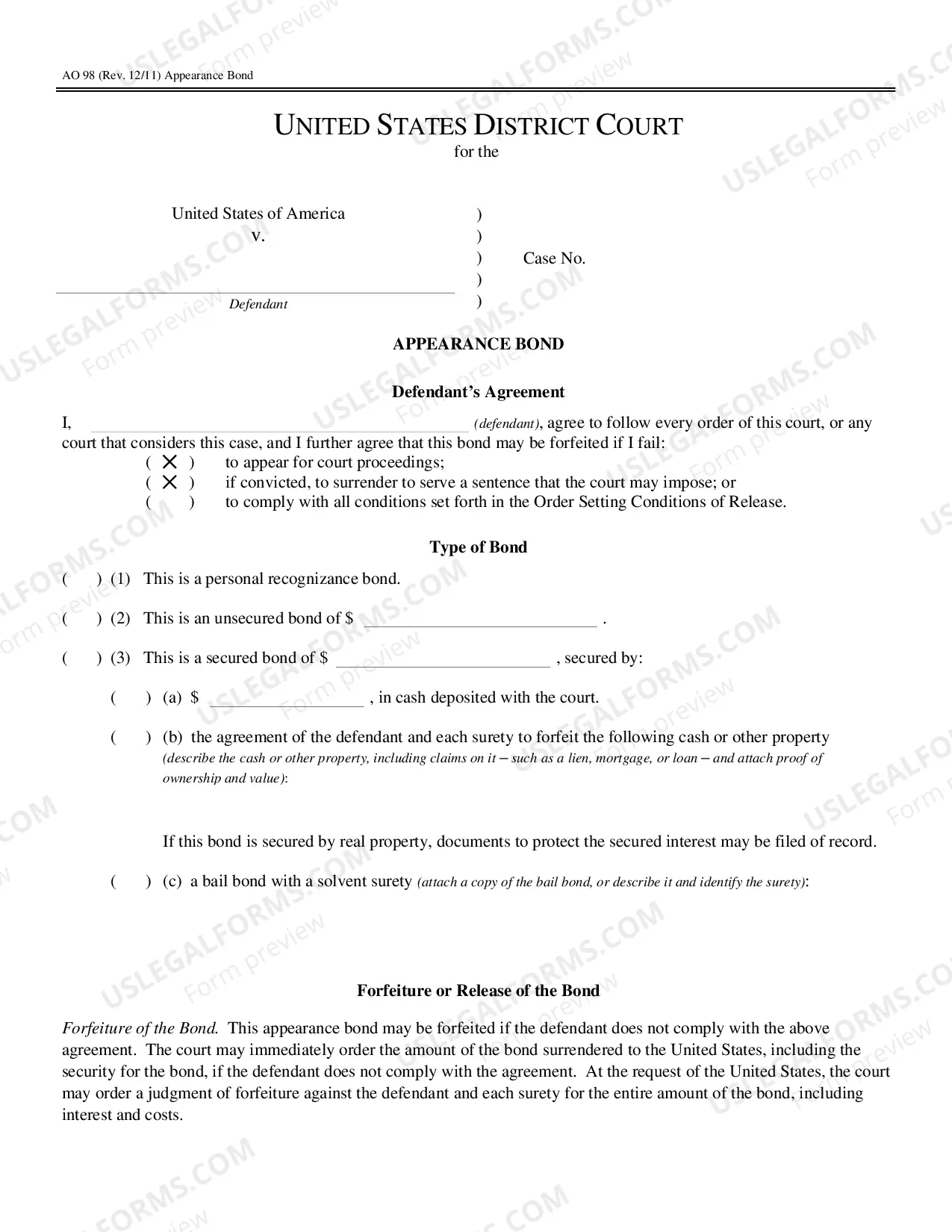
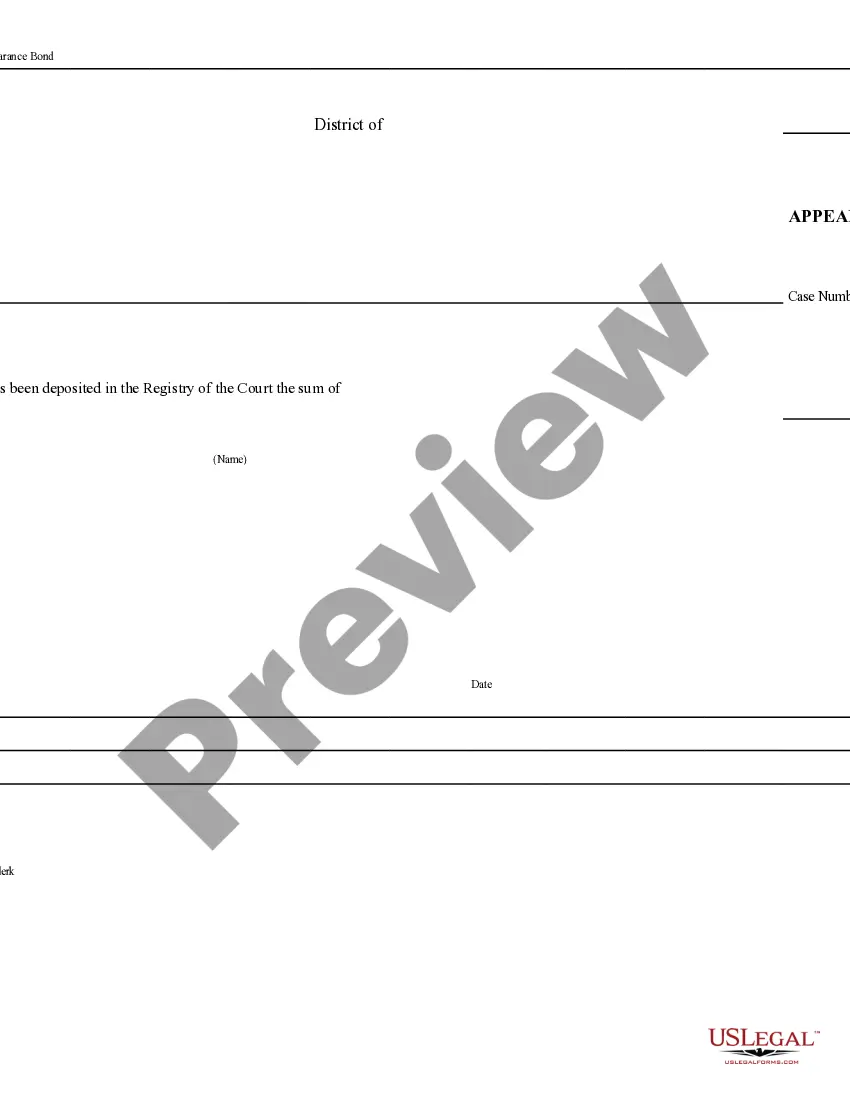
The Conditions of Bond form outlines specific terms and conditions that a defendant must follow after being granted release on bond. This legal document differs from other release forms by detailing obligations like court appearances, restrictions on weapon possession, and substance use, ensuring the defendant's compliance until their court date or trial.
What’s included in this form
- Identification of the Circuit Court and County in Arkansas.
- Details of the bond amount and who will take the bond.
- Conditions regarding court appearance and communication with victims or witnesses.
- Prohibitions on possession of weapons and controlled substances.
- Requirements for reporting to the Court and periodic drug testing.
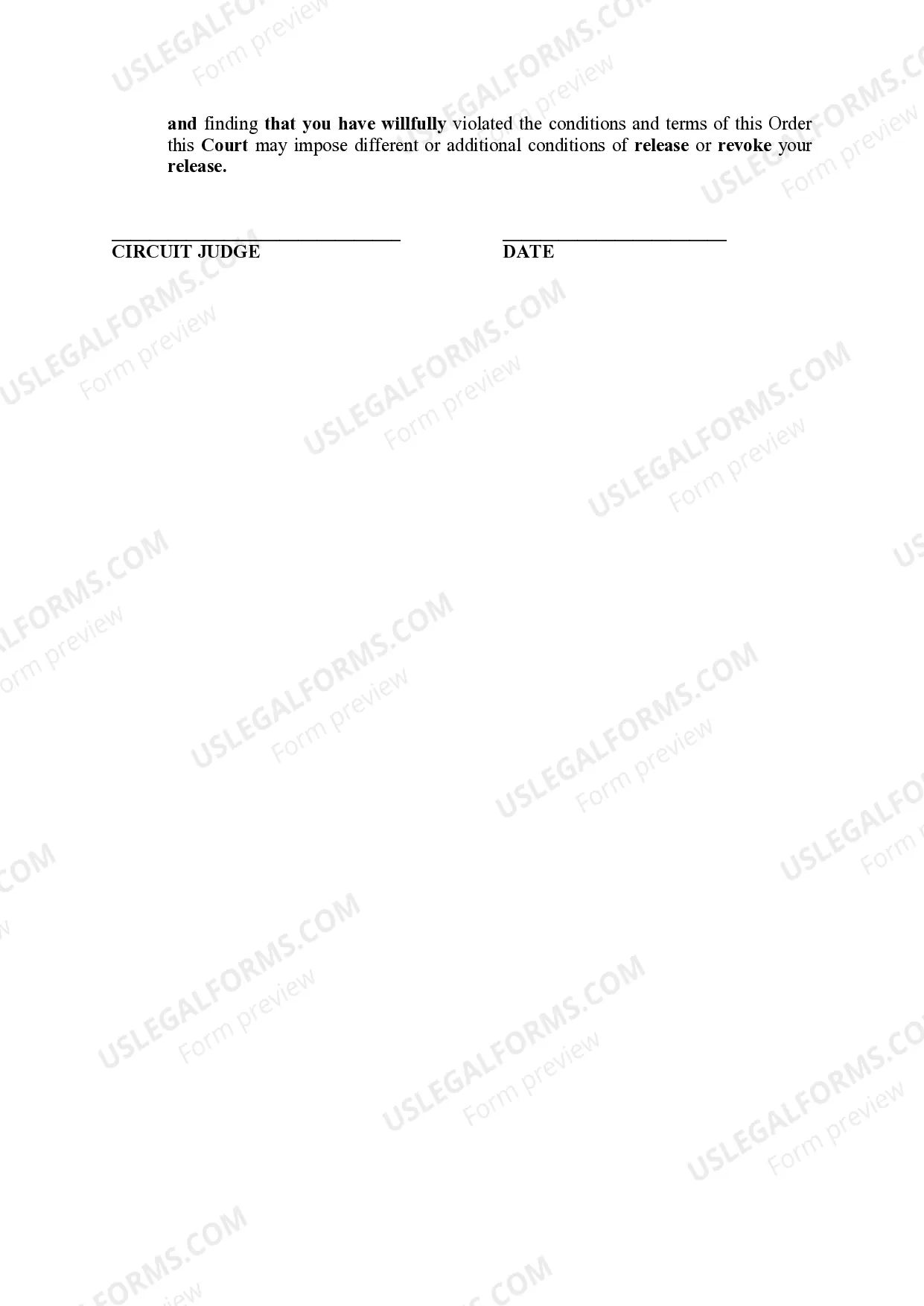
- Consequences of violating any condition of the bond.
When this form is needed
This form is necessary when a defendant is being released on bond following an arrest. It ensures that the defendant understands their obligations and restrictions while awaiting trial. This form is typically used in criminal cases where the defendant is granted conditional release to ensure compliance with the court's requirements.
Who this form is for
This form is intended for:
- Defendants who are awaiting trial after an arrest.
- Legal professionals assisting defendants in navigating the bonding process.
- Family members or associates of the defendant who may facilitate the bond posting.
Steps to complete this form
- Fill in the name of the Circuit Court and the County.
- Enter the full name of the defendant and the bond amount required.
- Review the list of conditions and ensure understanding of each obligation.
- Sign the form to acknowledge acceptance of the conditions.
- Submit the completed form to the designated sheriff or court official as directed.
Does this document require notarization?
This form does not typically require notarization unless specified by local law. It is important to check with the court or legal counsel to determine if notarization is needed in specific circumstances.
Get your form ready online
Our built-in tools help you complete, sign, share, and store your documents in one place.
Make edits, fill in missing information, and update formatting in US Legal Forms—just like you would in MS Word.
Download a copy, print it, send it by email, or mail it via USPS—whatever works best for your next step.
Sign and collect signatures with our SignNow integration. Send to multiple recipients, set reminders, and more. Go Premium to unlock E-Sign.
If this form requires notarization, complete it online through a secure video call—no need to meet a notary in person or wait for an appointment.
We protect your documents and personal data by following strict security and privacy standards.

Make edits, fill in missing information, and update formatting in US Legal Forms—just like you would in MS Word.

Download a copy, print it, send it by email, or mail it via USPS—whatever works best for your next step.

Sign and collect signatures with our SignNow integration. Send to multiple recipients, set reminders, and more. Go Premium to unlock E-Sign.

If this form requires notarization, complete it online through a secure video call—no need to meet a notary in person or wait for an appointment.

We protect your documents and personal data by following strict security and privacy standards.
Avoid these common issues
- Leaving fields blank, especially critical information like bond amounts and defendant's name.
- Failing to understand or acknowledge the conditions set forth in the document.
- Not signing the form, which may render it invalid.
Advantages of online completion
- Convenience of completing the form from home without the need for in-person visits.
- Editable fields to ensure all information can be accurately entered before printing.
- Access to reliable legal templates drafted by licensed attorneys, ensuring compliance with legal standards.
Legal use & context
- This form is legally binding once completed and submitted.
- Defendants must comply with all conditions to avoid revocation of bond.
- Violations can lead to arrest and additional legal consequences.
What to keep in mind
- The Conditions of Bond form outlines essential obligations for defendants released on bond.
- Understanding and complying with these conditions is critical to avoid further legal issues.
- Using this form online offers benefits like convenience and legal reliability.
Looking for another form?



Form popularity
FAQ
Rule 9.2 in Arkansas specifically addresses the conditions for obtaining a bond. This rule outlines the requirements that must be satisfied when a defendant seeks to be released from custody. Understanding the Arkansas Conditions of Bond is crucial for navigating this legal process effectively. By following these guidelines, individuals can ensure compliance and potentially secure their release under the right terms.
To get bonded in Arkansas, start by understanding the Arkansas Conditions of Bond relevant to your situation. Generally, you will need to visit a reliable bonding agency and provide necessary personal information along with any documentation required. The bonding agency will assess your situation and guide you through the application process. Using platforms like US Legal Forms can simplify your experience by providing essential forms and knowledge to help you secure your bond efficiently.
Filling out a bond in Arkansas requires attention to detail to ensure compliance with legal requirements. You must gather all relevant information and complete the bond form accurately. Familiarizing yourself with the Arkansas Conditions of Bond is crucial, as it outlines the terms and conditions you must adhere to. If you find this process challenging, platforms like US Legal Forms can provide the necessary templates and guidance.
Bonding yourself in Arkansas involves several steps that can be straightforward with the right guidance. First, you need to understand the specific Arkansas Conditions of Bond that apply to your situation. Usually, this process entails filling out the necessary paperwork, providing any required collateral, and making a payment if required. For assistance, consider using platforms like US Legal Forms to help streamline the process.
In Arkansas, bond works as a means for individuals to secure their release from jail while awaiting trial, based on assessed conditions. The courts can set bond amounts based on factors such as the severity of the charges, prior criminal history, and flight risk. Familiarity with Arkansas Conditions of Bond can aid you in understanding how bonds are determined and what options you have for securing your release. For additional insights, consider exploring USLegalForms for comprehensive information.
The new bond law in Arkansas emphasizes fair allocation of bail based on individualized assessments of defendants' situations. This law aims to prevent unnecessary pre-trial detention by ensuring that bond conditions reflect a person's risk, rather than their economic status. Understanding the nuances of the Arkansas Conditions of Bond becomes vital for individuals navigating this landscape. Utilize resources such as USLegalForms for further assistance in understanding these changes.
The 9 month rule in Arkansas relates to the duration within which a defendant must be tried for certain offenses. If a defendant is not tried within nine months from the date of arrest, they may be entitled to bond release or dismissal of charges in specific cases. This rule plays a significant role in understanding the Arkansas Conditions of Bond, as timely trials can greatly impact your legal situation. Platforms like USLegalForms can help clarify these timelines.
'No bond' in Arkansas signifies that a judge has determined that an individual cannot be released from custody before their trial. This decision usually arises from concerns regarding flight risk, danger to the community, or severe charges. If you find yourself facing this situation, understanding the Arkansas Conditions of Bond is essential for assessing your next steps. Resources such as USLegalForms can guide you through these complex legal waters.
The new bail bond law in Arkansas aims to improve the bail system by addressing issues related to pre-trial detention. This law emphasizes ensuring fair and equitable treatment for all defendants, balancing public safety with a defendant's right to freedom before trial. Familiarizing yourself with the Arkansas Conditions of Bond can help you understand how this new law might affect your situation. Consulting platforms like USLegalForms can provide additional support.
In Arkansas, individuals cannot bond themselves out of jail unless they qualify to do so under specific conditions. Individuals typically need to rely on a bail bondsman or a co-signer to secure their release. It's essential to check the Arkansas Conditions of Bond to see if you meet the requirements for self-bonding, as procedures may vary. Accessing resources like USLegalForms can offer clearer guidance in such circumstances.