Arkansas Living Will and Durable Power of Attorney for Health Care
About this form
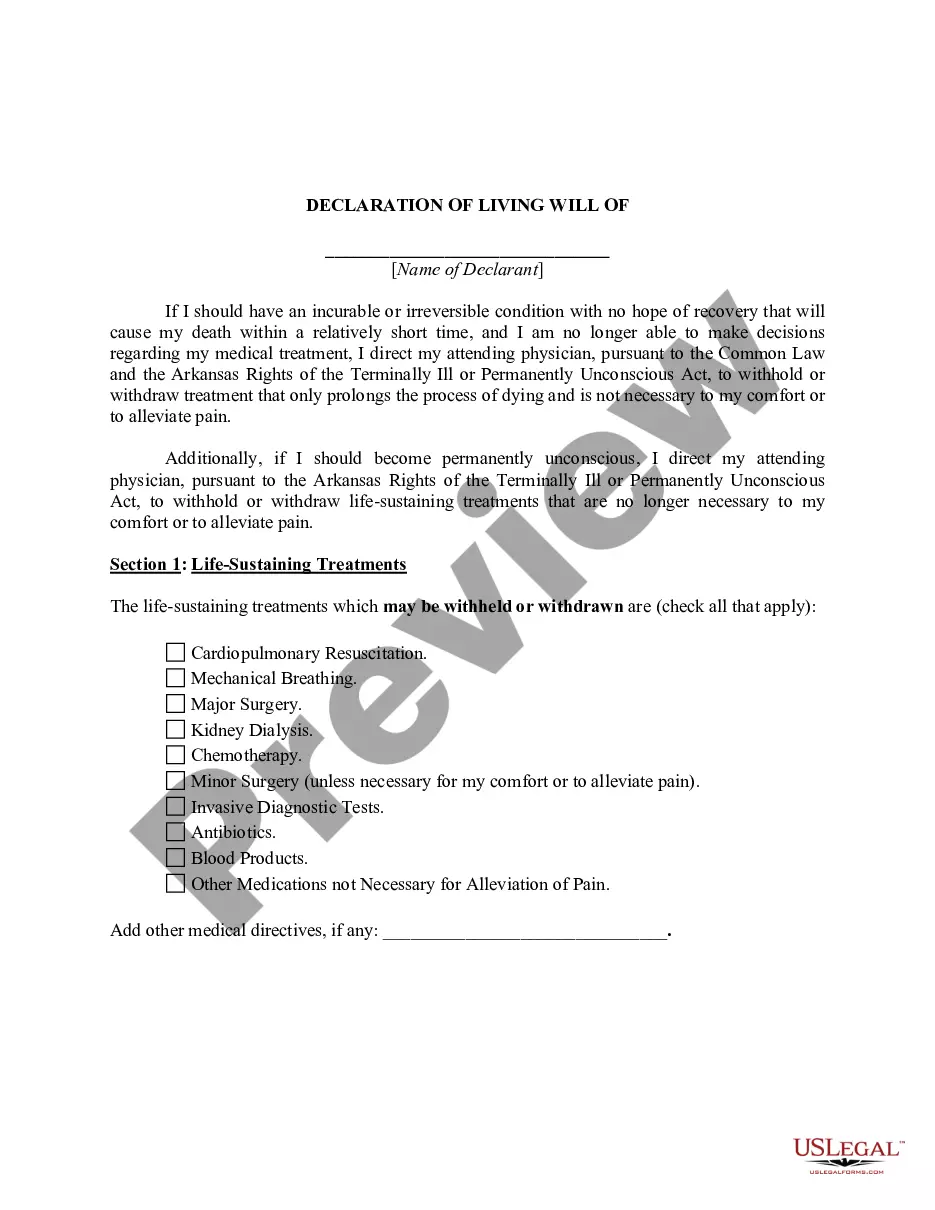
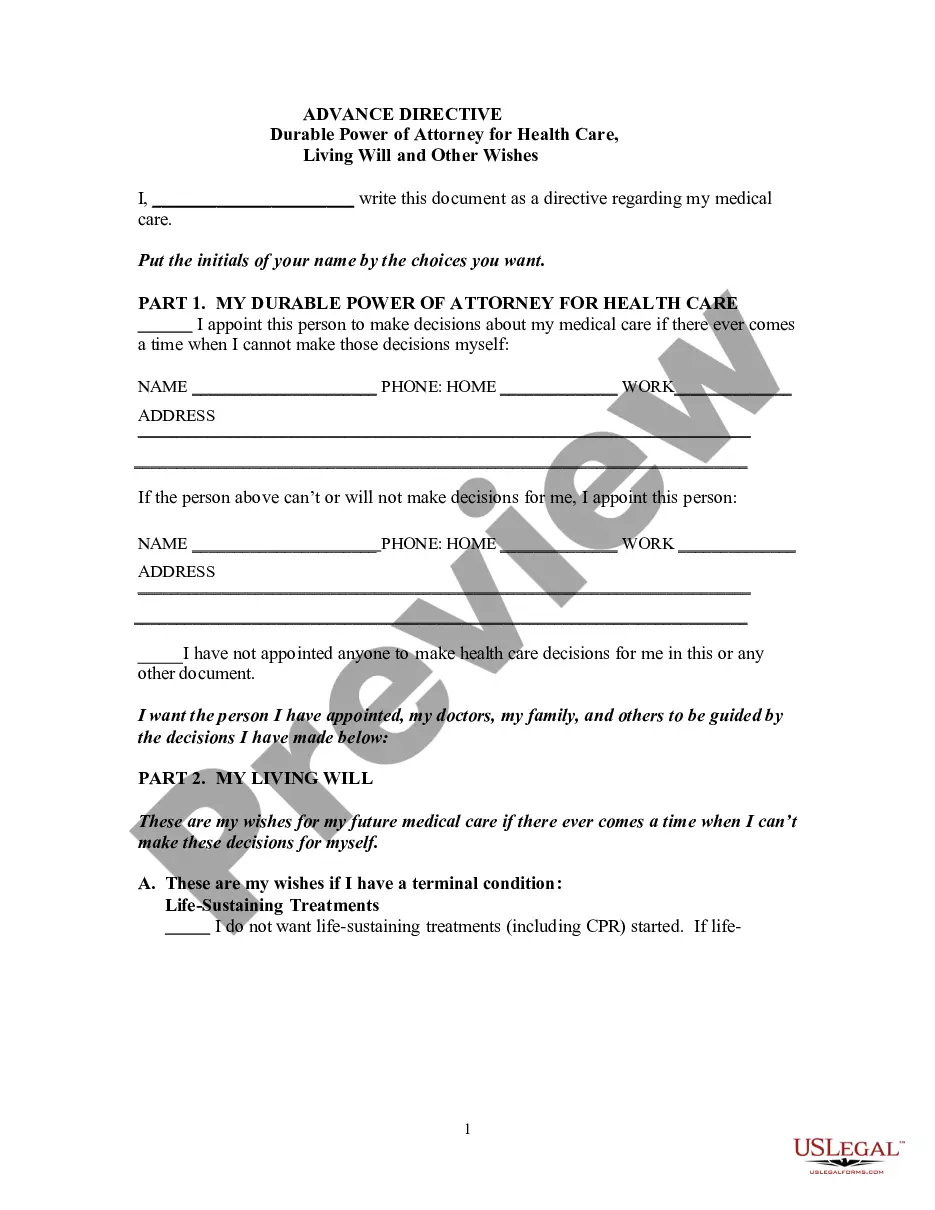
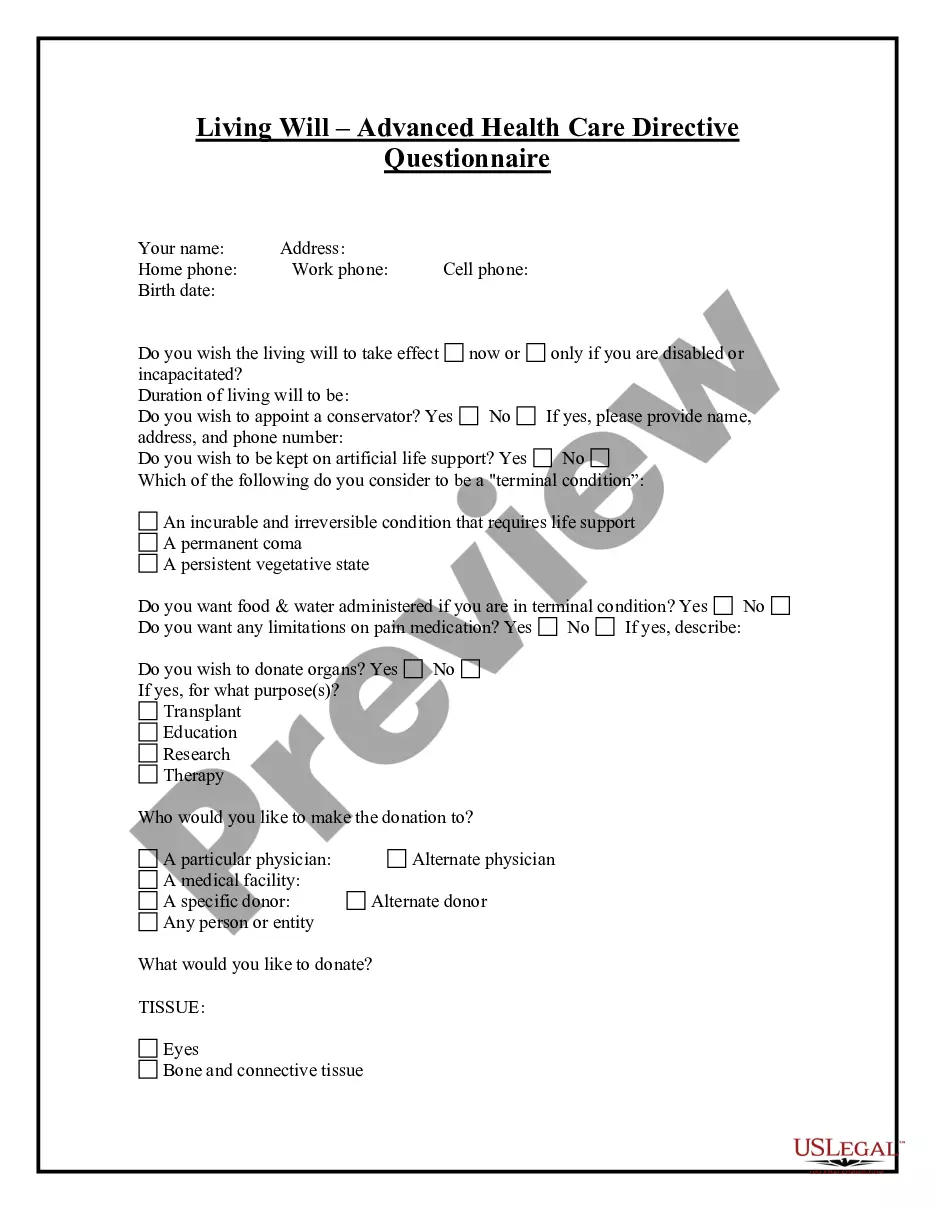
The Living Will and Durable Power of Attorney for Health Care is a crucial legal document comprising two parts. The first part, the living will, allows you to communicate your preferences about life-sustaining treatments if you face terminal illness or permanent unconsciousness. Unlike statutory forms, this is a non-statutory version, meaning while it has legal validity, the phrasing may differ from specific state laws. The second part designates an agent through the durable power of attorney for health care, empowering them to make health care decisions on your behalf if you are unable to do so. This agent has the authority to access your medical records, make treatment decisions, and act in accordance with your wishes as laid out in the living will.
Form components explained
- Declaration of Living Will: Specifies your wishes regarding life-sustaining treatments in case of terminal illness or permanent unconsciousness.
- Specification of Life-Sustaining Treatments: Lists which treatments you may wish to withhold or withdraw.
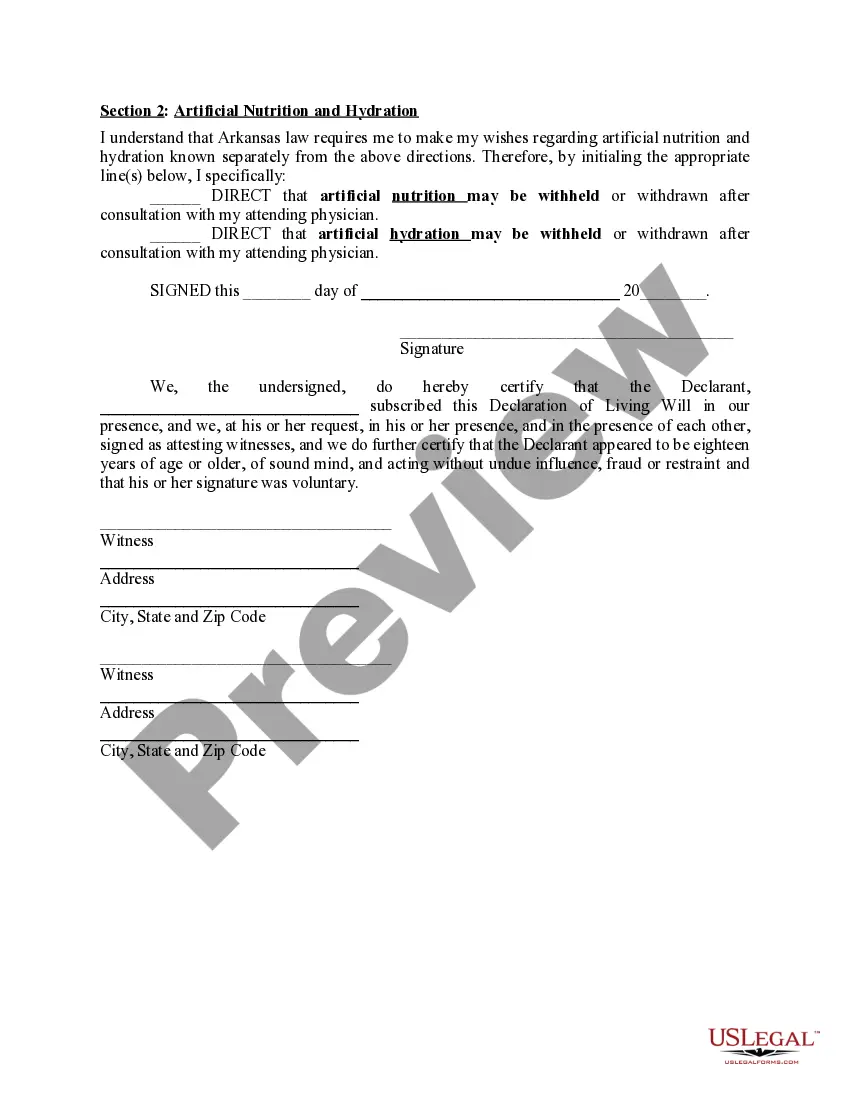
- Artificial Nutrition and Hydration Decisions: Clearly states your preferences for artificial nutrition and hydration.
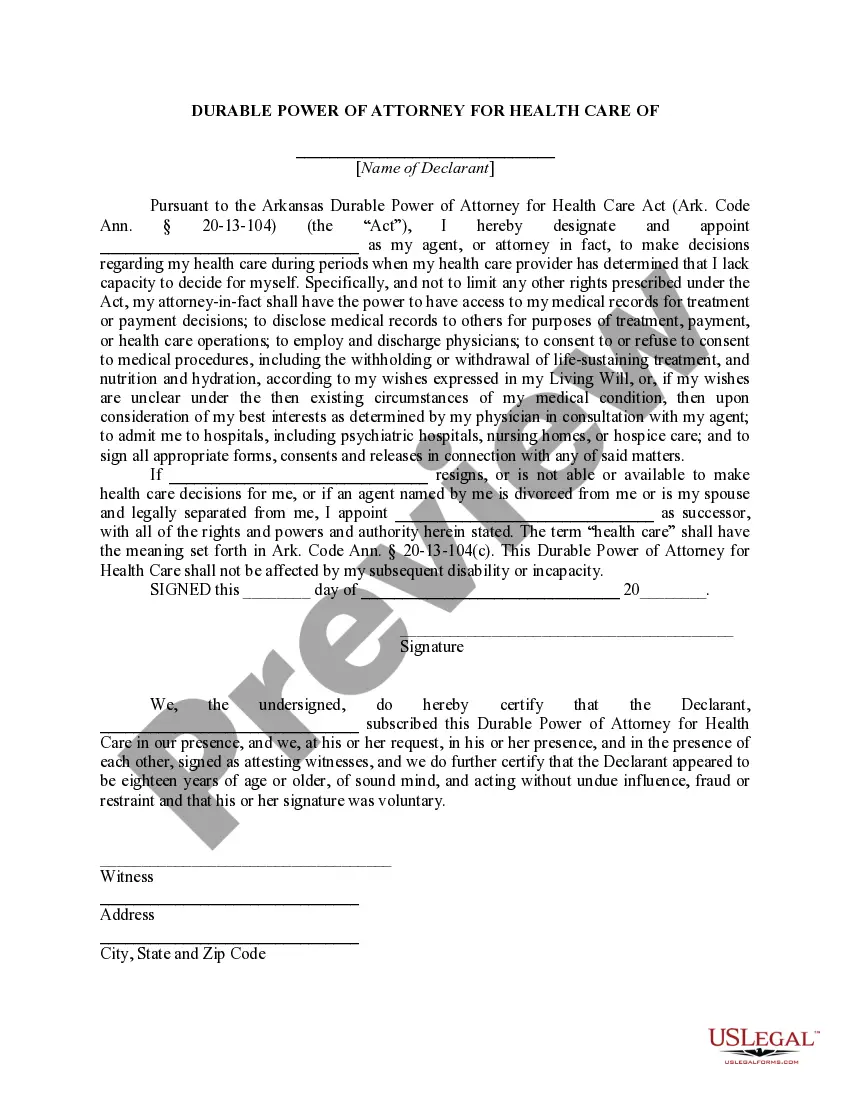
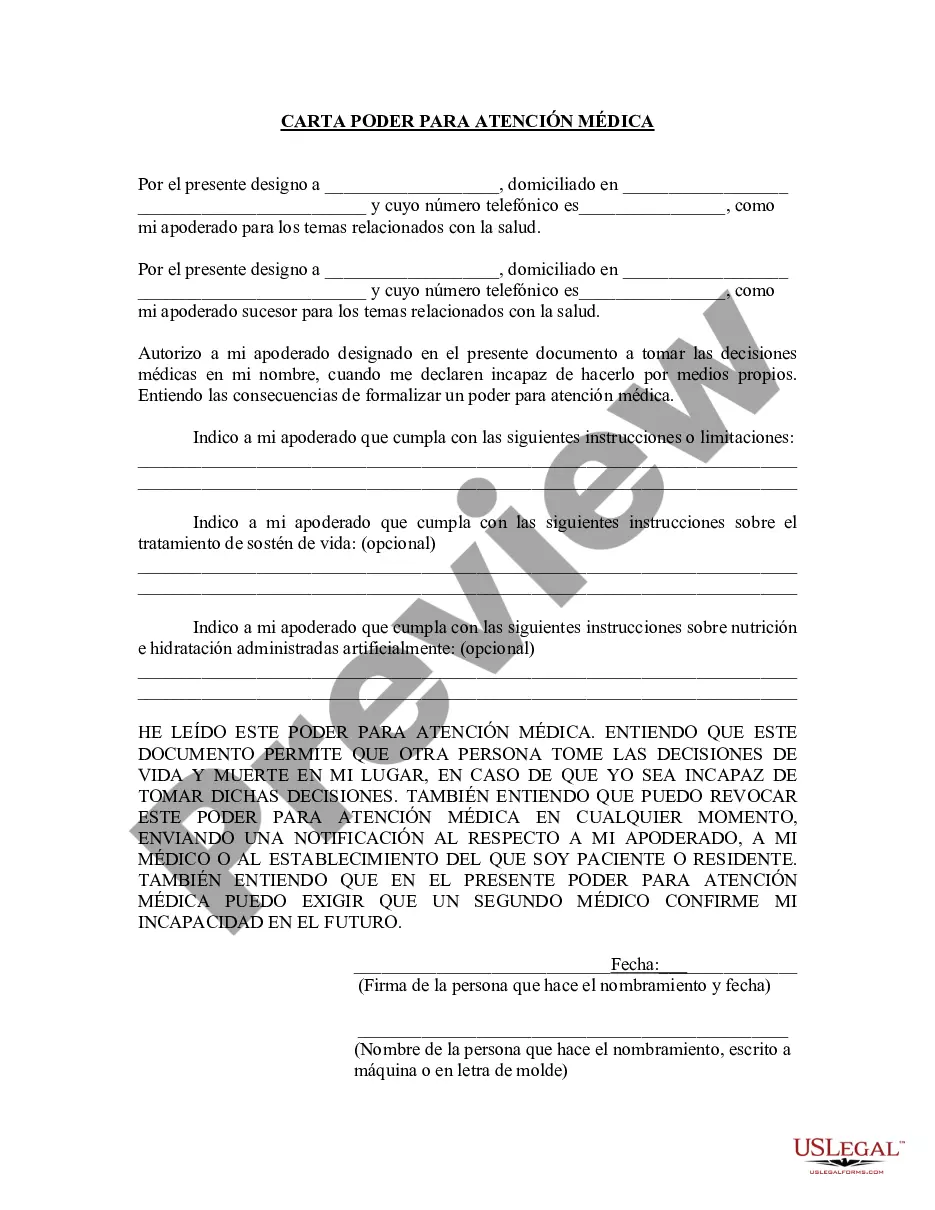
- Durable Power of Attorney: Appoints a health care agent to make medical decisions on your behalf when you are incapacitated.
- Successor Agent Designation: Provides a plan for succession in case your initial agent is unable to serve.
- Authorization for Medical Records Access: Grants your agent access to necessary medical records for treatment and decision-making.

When to use this document
This form is essential for anyone wanting to ensure their health care preferences are respected in situations where they cannot communicate their wishes. It is particularly relevant for individuals facing serious health conditions, older adults wishing to plan for the future, or anyone concerned about potential incapacitation due to medical emergencies. It provides peace of mind that your preferences regarding medical treatment will be followed by your health care providers and your chosen agent.
Who should use this form
This form is suitable for:
- Adults aged eighteen or older who wish to communicate their health care preferences.
- Individuals with specific health concerns who want legal documentation of their wishes.
- People seeking to designate a trusted person to make health care decisions for them.
- Anyone planning for potential incapacitation and wanting to ensure their health care directives are understood and honored.
How to prepare this document
- Start by entering your name and any specific wishes regarding life-sustaining treatments in the living will section.
- Select the life-sustaining treatments you wish to withhold or withdraw by checking the appropriate boxes.
- Initial the lines related to artificial nutrition and hydration to clarify your preferences for these treatments.
- Designate a health care agent by filling in their name and ensuring they are agreeable to this responsibility.
- Include a successor agent if desired, providing their name in case your primary agent is unable to serve.
- Sign and date the document in the presence of two witnesses, who must also provide their information and signatures.
Notarization requirements for this form
This form does not typically require notarization to be legally valid. However, some jurisdictions or document types may still require it. US Legal Forms provides secure online notarization powered by Notarize, available 24/7 for added convenience.
Get your form ready online
Our built-in tools help you complete, sign, share, and store your documents in one place.
Make edits, fill in missing information, and update formatting in US Legal Forms—just like you would in MS Word.
Download a copy, print it, send it by email, or mail it via USPS—whatever works best for your next step.
Sign and collect signatures with our SignNow integration. Send to multiple recipients, set reminders, and more. Go Premium to unlock E-Sign.
If this form requires notarization, complete it online through a secure video call—no need to meet a notary in person or wait for an appointment.
We protect your documents and personal data by following strict security and privacy standards.
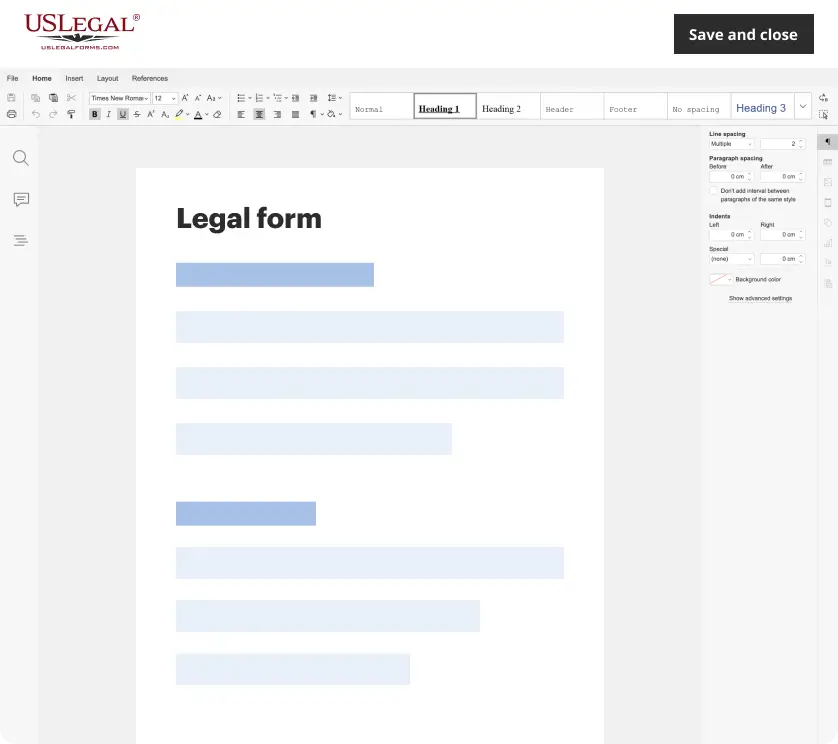
Make edits, fill in missing information, and update formatting in US Legal Forms—just like you would in MS Word.
Download a copy, print it, send it by email, or mail it via USPS—whatever works best for your next step.
Sign and collect signatures with our SignNow integration. Send to multiple recipients, set reminders, and more. Go Premium to unlock E-Sign.

If this form requires notarization, complete it online through a secure video call—no need to meet a notary in person or wait for an appointment.

We protect your documents and personal data by following strict security and privacy standards.
Typical mistakes to avoid
- Failing to include a successor agent if the primary agent cannot serve.
- Not properly witnessing the document, making it invalid.
- Leaving blank sections that should specify health care preferences or designation of agents.
- Not discussing wishes in advance with appointed agents, leading to uncertainty during critical moments.
Benefits of using this form online
- Convenience of downloading and filling out the form at your own pace.
- Editability allows you to customize your preferences easily.
- Access to forms drafted by licensed attorneys ensures legal compliance and clarity.
- Immediate availability means you can complete and act on your health directives without delay.
Looking for another form?
Form popularity
FAQ
A durable power of attorney grants you authority over your designated person's financial, legal, and health care decisions. This authority can include managing finances, making medical choices, and handling legal matters. When establishing an Arkansas Living Will and Durable Power of Attorney for Health Care, it's vital to communicate your wishes clearly to the appointed individual.
Generally, a power of attorney cannot make themselves a joint owner of a bank account without explicit permission from the account owner. Their role is to manage the affairs of the individual who grants them power, not to benefit themselves financially. If you want to ensure clarity and prevent misuse, consider using a durable power of attorney alongside an Arkansas Living Will and Durable Power of Attorney for Health Care.
One downside of being a power of attorney includes the heavy responsibility of making significant decisions on someone else's behalf. This role often involves emotional weight, especially when health care choices may be controversial or challenging. If you are appointed, familiarize yourself with the patient’s wishes to ensure you are prepared for the job, particularly when it pertains to the Arkansas Living Will and Durable Power of Attorney for Health Care.
A legal power of attorney cannot make decisions regarding the right to vote, initiate a divorce, or create or change a will. These decisions require the individual's direct involvement due to their personal nature. Therefore, if you're considering establishing an Arkansas Living Will and Durable Power of Attorney for Health Care, it's essential to understand these limitations.
The key difference between an Arkansas Living Will and a Durable Power of Attorney for Health Care lies in their function. A living will outlines your wishes for medical treatment if you become unable to communicate them. In contrast, a durable power of attorney for health care allows you to designate someone to make medical decisions on your behalf. Both documents serve crucial roles in ensuring your healthcare preferences are respected.
A durable power of attorney for healthcare in Arkansas is a legal document that allows you to designate someone to make healthcare decisions on your behalf if you become unable to communicate your wishes. This document works in conjunction with your Arkansas Living Will and Durable Power of Attorney for Health Care to ensure your healthcare preferences are honored. It provides peace of mind for you and clarity for your family during critical moments.
In Arkansas, a power of attorney can generally be overridden by the principal, which is the person who created it, as long as they are mentally competent. Additionally, some legal authorities may intervene if they believe that the agent is not acting in the principal's best interests. Understanding the nuances of your Arkansas Living Will and Durable Power of Attorney for Health Care is important for ensuring your wishes are followed.
Yes, a medical power of attorney also needs to be notarized in Arkansas. Notarization provides an added layer of legal protection, ensuring that your wishes are recognized and respected. You should have your Arkansas Living Will and Durable Power of Attorney for Health Care notarized when you create it, to facilitate smoother use in medical situations.
In Arkansas, a power of attorney does require notarization to ensure its legal validity. Notarization helps confirm the identities of the parties involved and protects against fraud. You can create your Arkansas Living Will and Durable Power of Attorney for Health Care, then have it notarized by a licensed notary public.
Yes, a bank can notarize a medical power of attorney in Arkansas. Banks typically have notaries on staff who can witness and notarize signatures. It is recommended to call ahead to check the availability of a notary at your bank and to bring identification along with your Arkansas Living Will and Durable Power of Attorney for Health Care documents for the process.