Alabama Non Employee Technology Transfer And Protection Agreement
Description
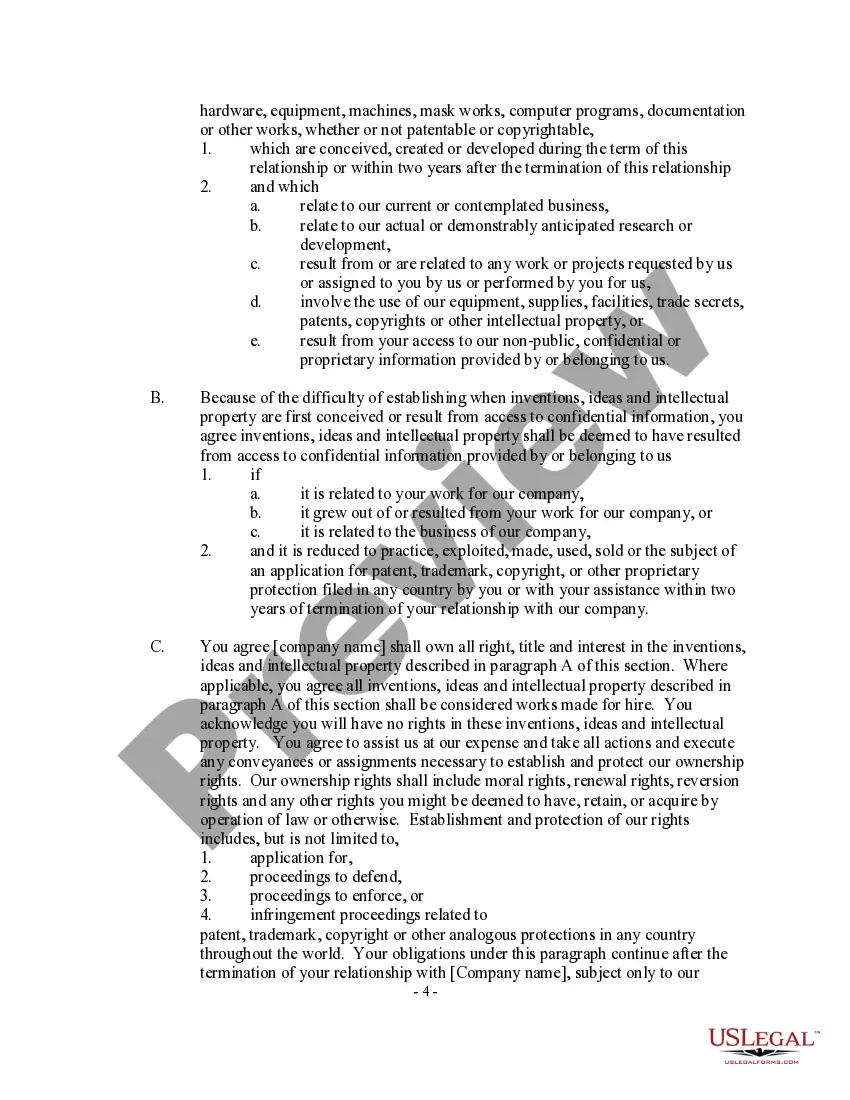
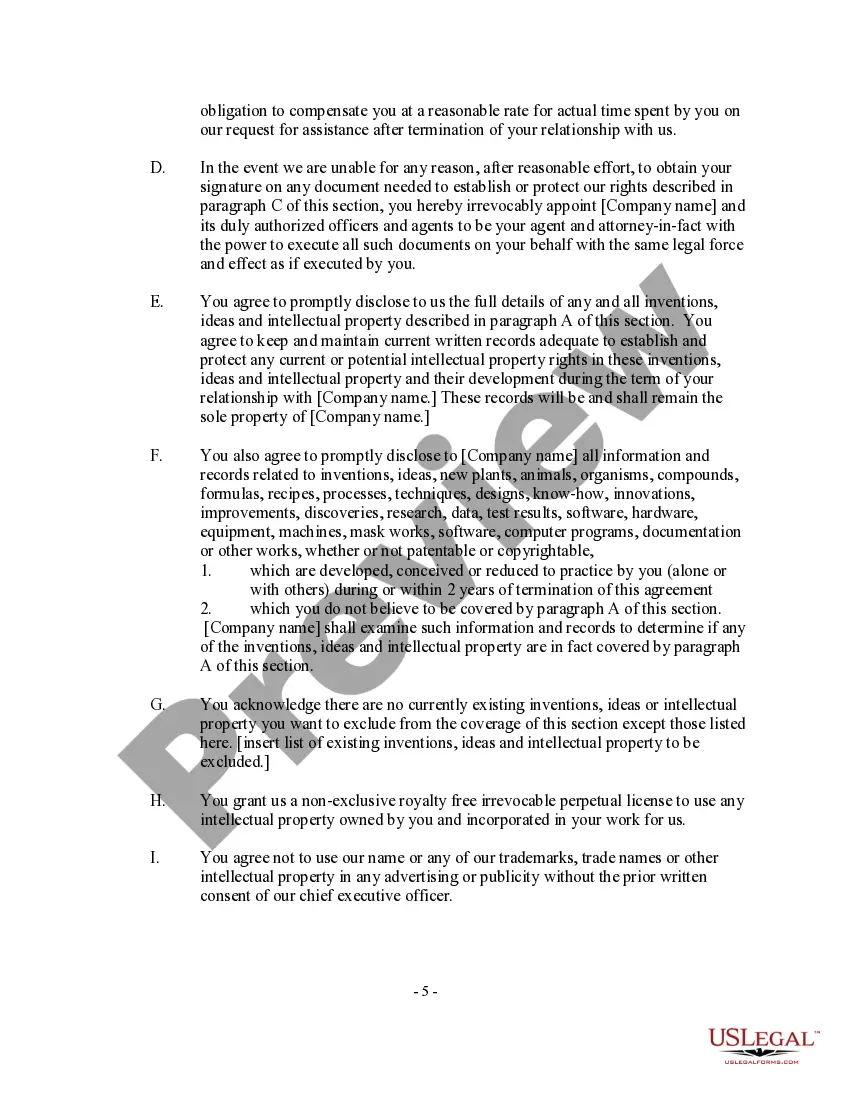
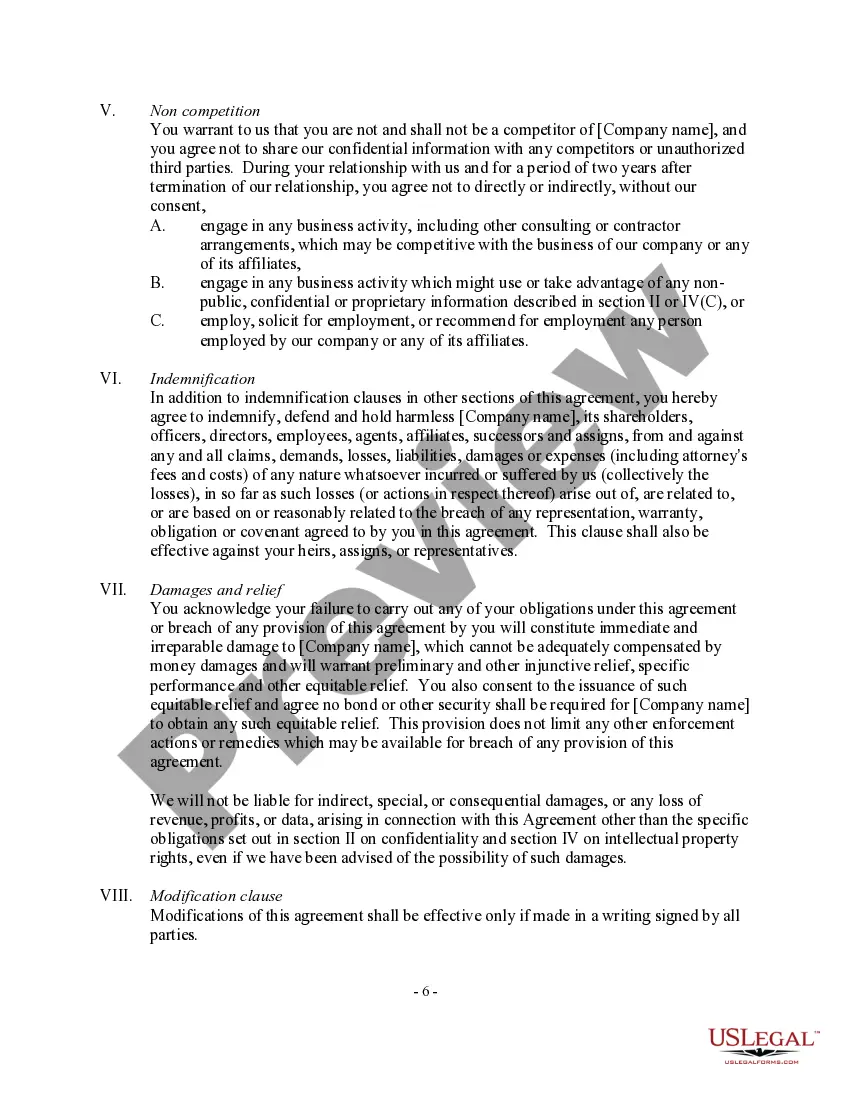
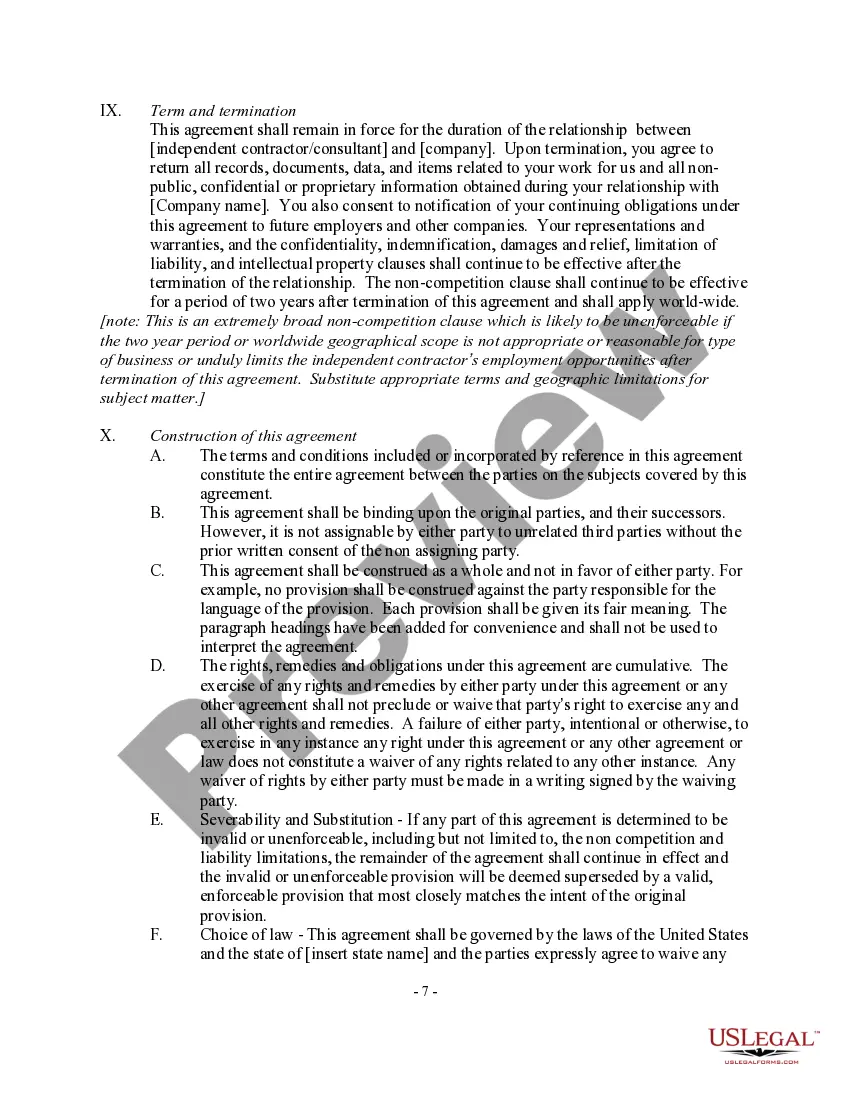
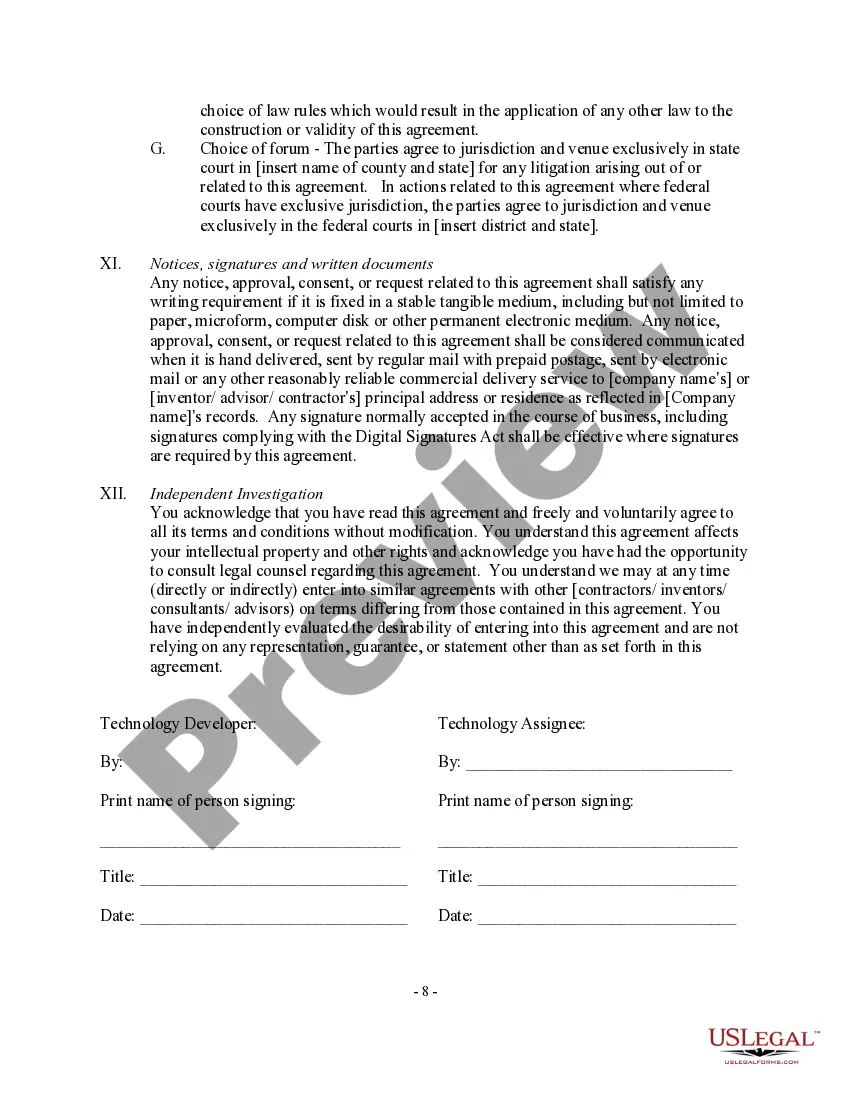
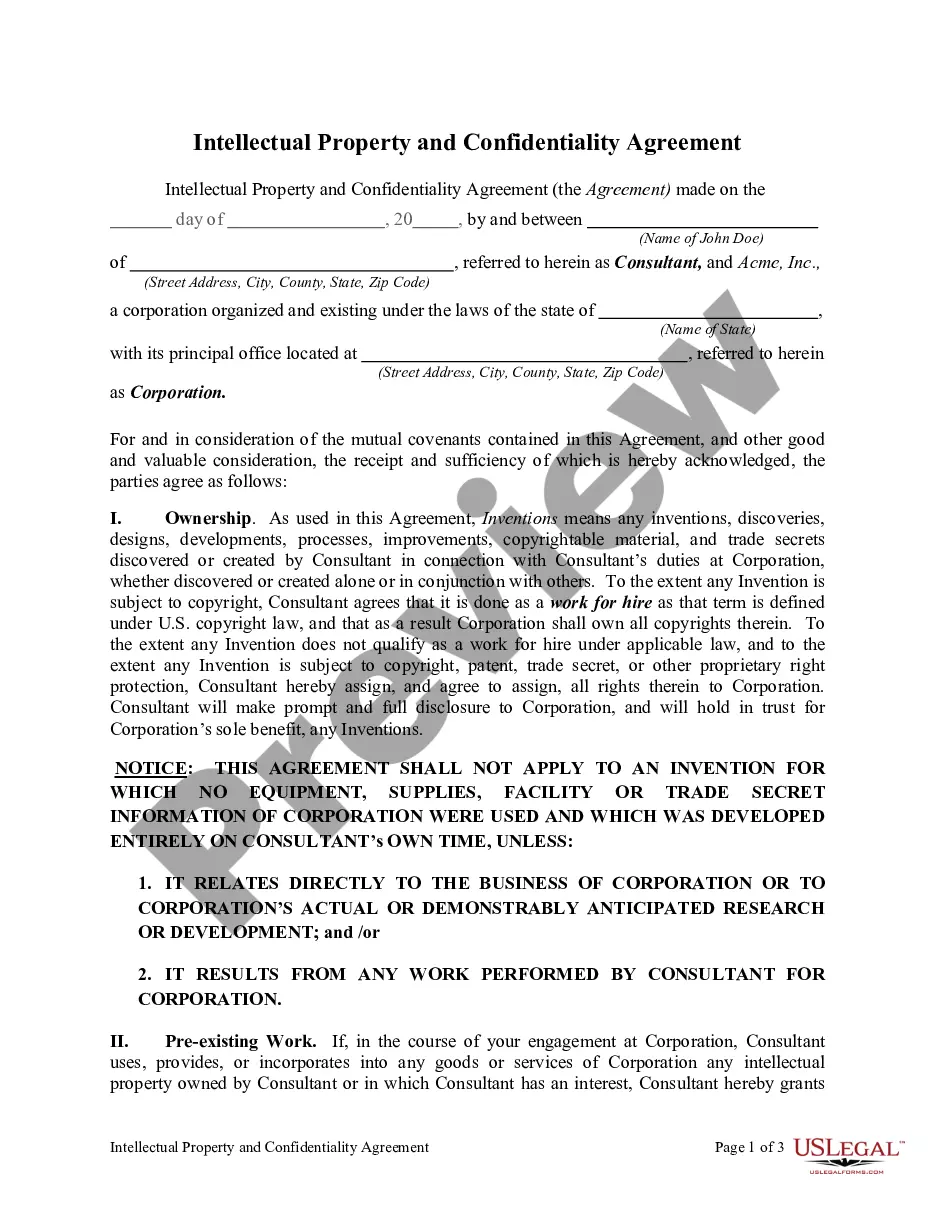
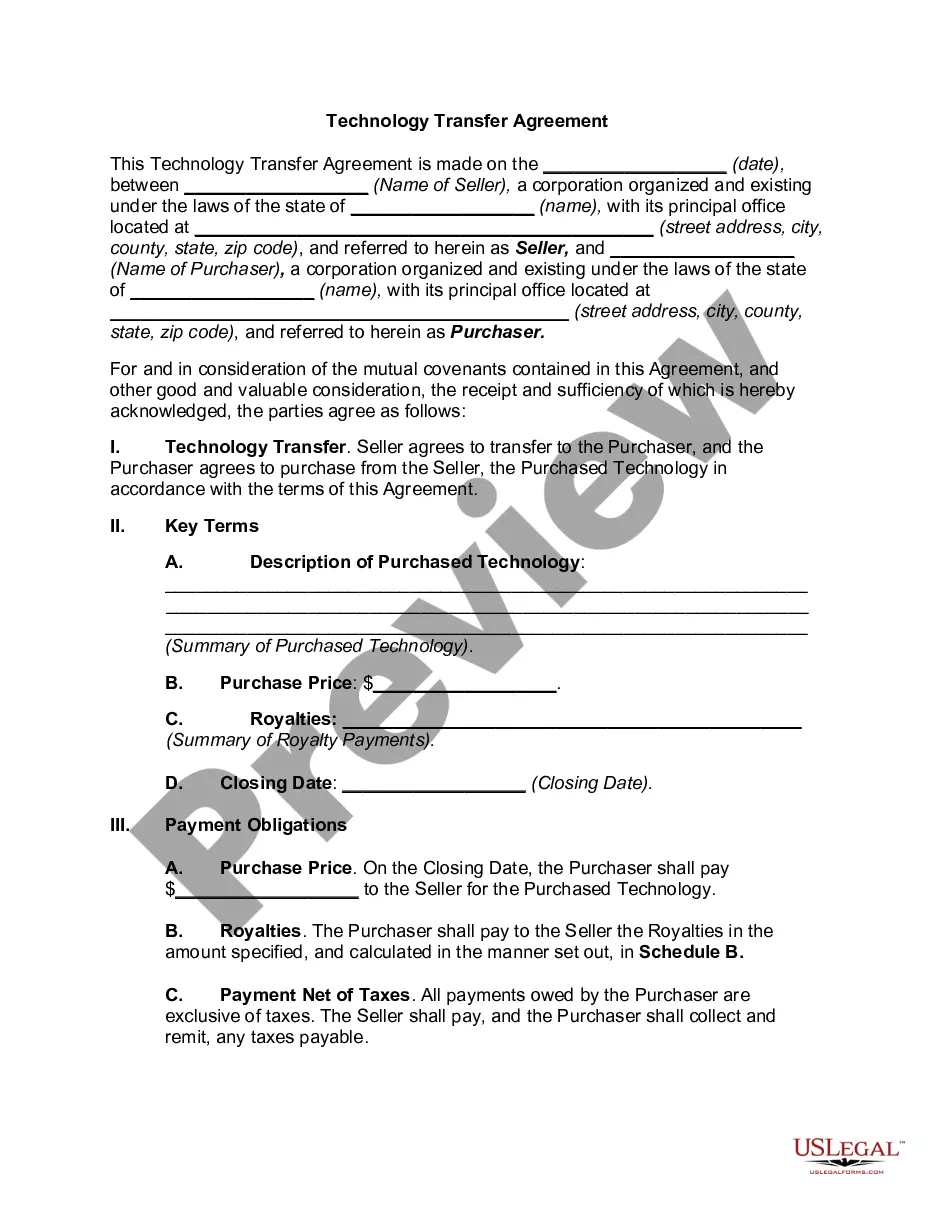
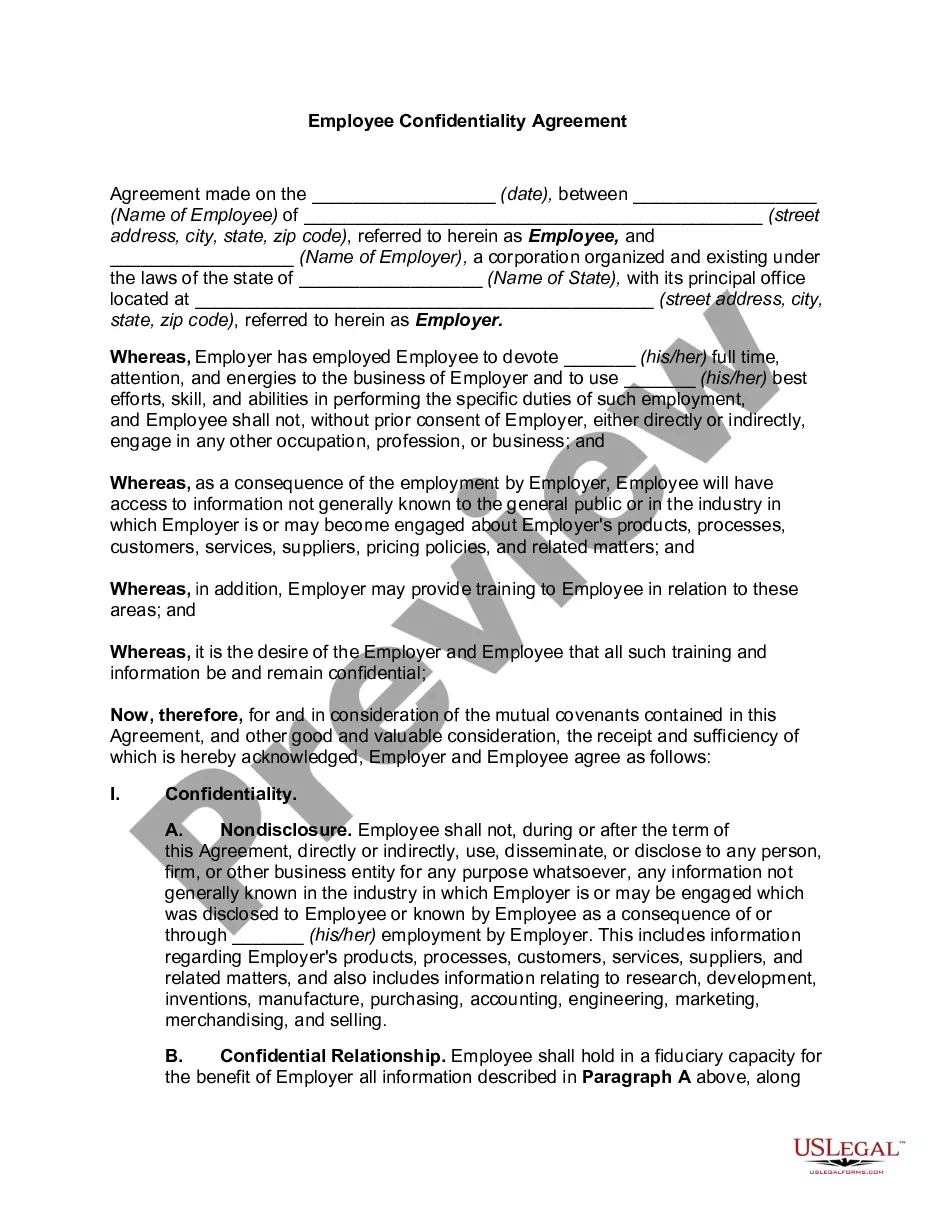
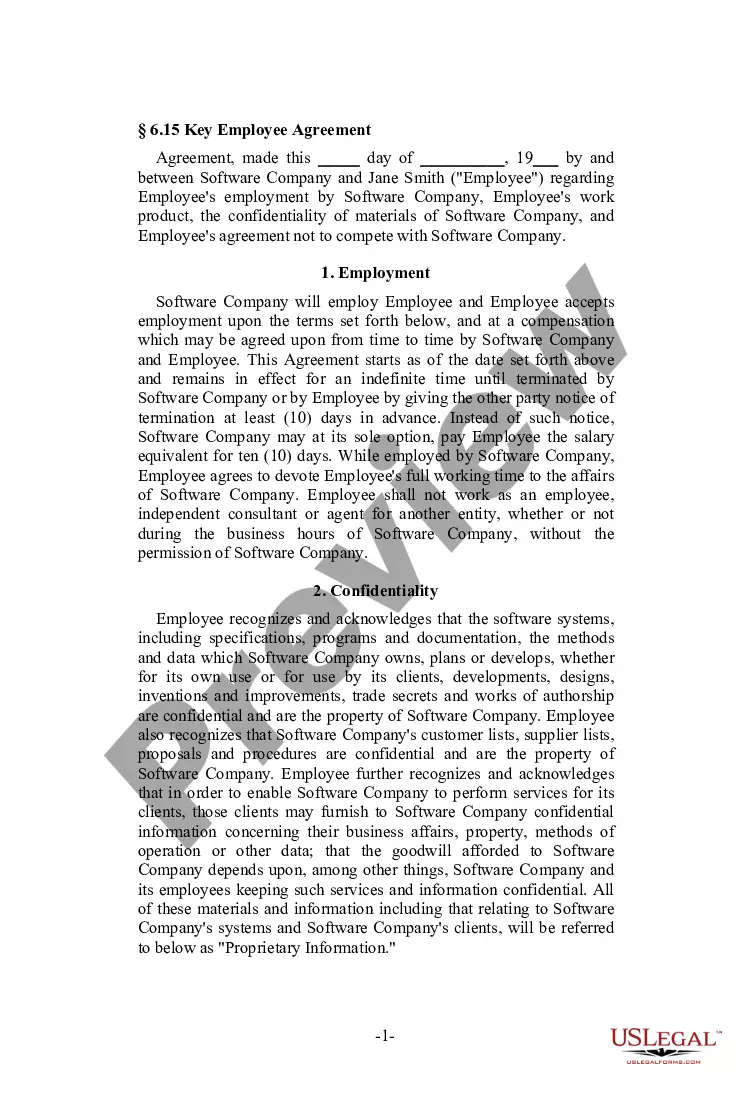
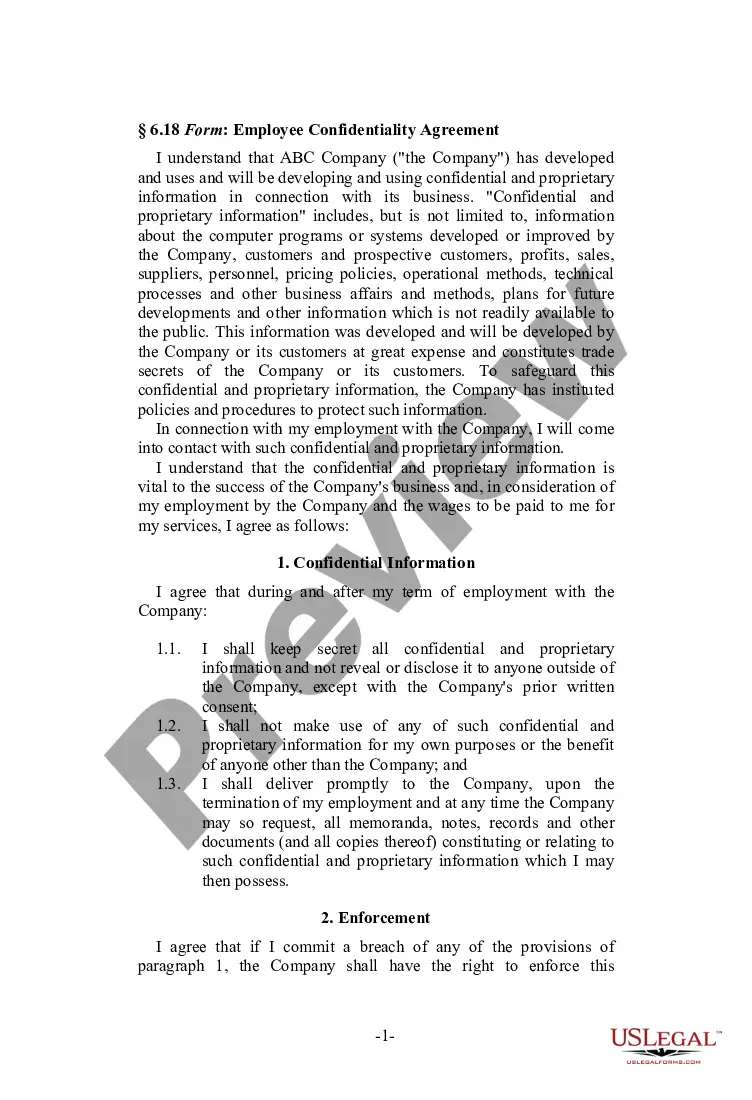

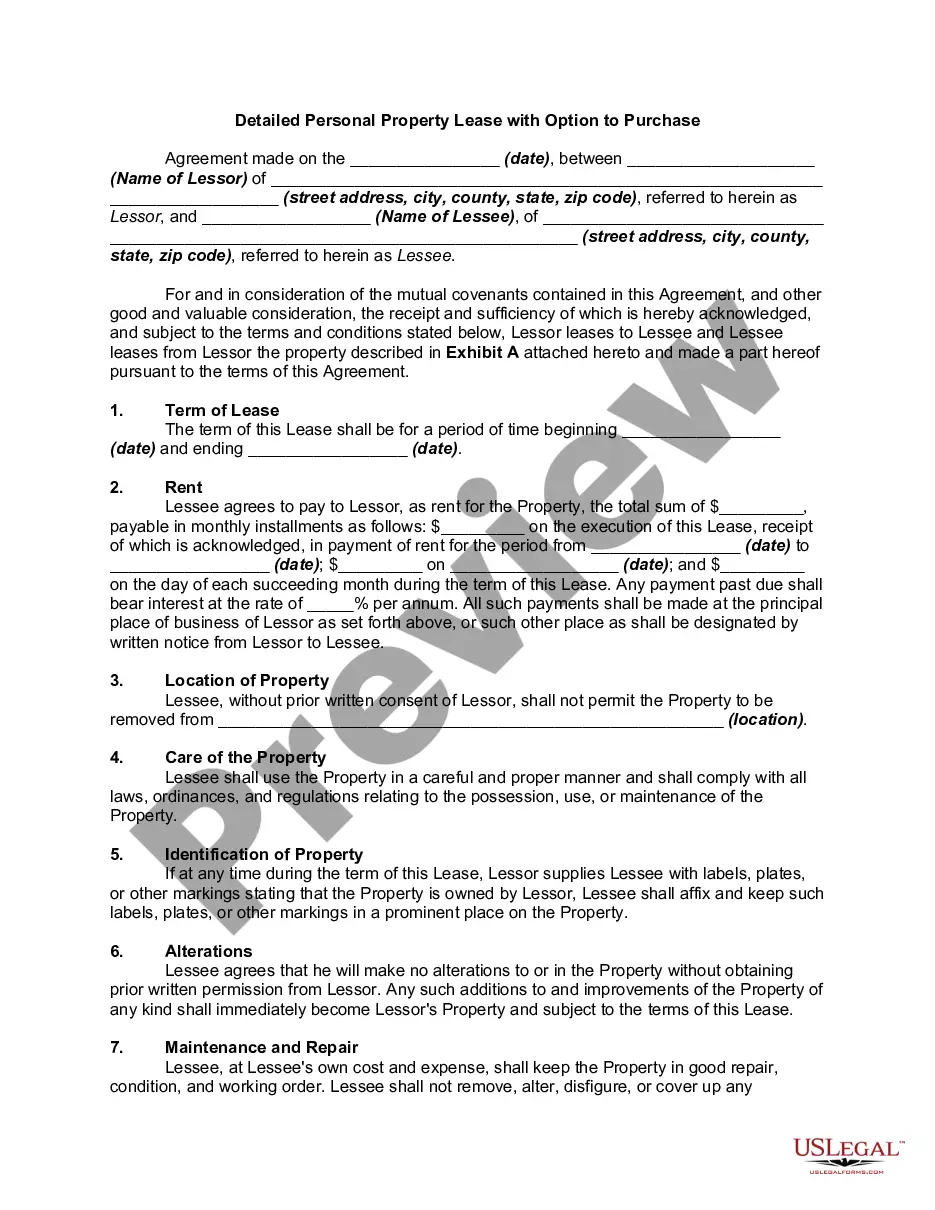

How to fill out Non Employee Technology Transfer And Protection Agreement?
US Legal Forms - one of the largest collections of legal documents in the United States - provides a variety of legal form templates that you can purchase or print. By utilizing the website, you can discover thousands of forms for business and personal purposes, organized by categories, states, or keywords.
You can obtain the latest versions of forms like the Alabama Non Employee Technology Transfer And Protection Agreement within minutes. If you have a monthly subscription, Log In and retrieve the Alabama Non Employee Technology Transfer And Protection Agreement from the US Legal Forms library. The Acquire button will appear on each form you view. You can access all previously downloaded forms in the My documents section of your account.
To use US Legal Forms for the first time, here are some straightforward instructions to help you get started: Ensure you have selected the correct form for your area/county. Click the Preview button to review the form's content. Check the form description to confirm that you have selected the right form. If the form does not suit your needs, use the Search field at the top of the screen to locate one that does.
Access the Alabama Non Employee Technology Transfer And Protection Agreement with US Legal Forms, one of the most extensive collections of legal document templates. Utilize a vast array of professional and state-specific templates that meet your business or personal requirements and needs.
- If you are satisfied with the form, confirm your selection by clicking the Buy now button.
- Then, choose the payment plan you prefer and provide your information to register for the account.
- Process the payment. Use your Visa or Mastercard or PayPal account to complete the transaction.
- Select the format and download the form to your device.
- Make modifications. Fill in, edit, print, and sign the downloaded Alabama Non Employee Technology Transfer And Protection Agreement.
- Every design you add to your account has no expiration date and is yours forever. Therefore, if you wish to download or print another copy, simply go to the My documents section and click on the form you need.
Form popularity
FAQ
Any business entity that operates in Alabama and generates revenue must file the Alabama Business Privilege Tax (BPT). This includes corporations, limited liability companies, and partnerships. If your business is involved in executing an Alabama Non Employee Technology Transfer And Protection Agreement, it is essential to comply with BPT requirements to maintain good standing with the state.
You can file Alabama Form 40, which is the state income tax return, either online or by mail. Filing online is often more efficient and allows for quicker processing. When working on transactions related to the Alabama Non Employee Technology Transfer And Protection Agreement, ensure your forms are submitted correctly to avoid any delays in your business dealings.
Alabama business privilege tax is due annually, based on your business's income. The tax is typically filed alongside your state income tax return, and deadlines can vary depending on your business structure. As you navigate agreements like the Alabama Non Employee Technology Transfer And Protection Agreement, staying informed about tax obligations ensures smooth operations.
Doing business in Alabama typically involves engaging in activities such as selling products, providing services, or establishing a physical presence in the state. If your technology transfer efforts include entering into an Alabama Non Employee Technology Transfer And Protection Agreement, you may meet the criteria for doing business in Alabama. Being aware of these definitions helps ensure you comply with local laws.
Yes, if you are conducting business in Alabama, you will likely need a business privilege license. This license is required for various business activities and ensures compliance with state regulations. If your business involves executing an Alabama Non Employee Technology Transfer And Protection Agreement, obtaining this license is crucial to operate legally and effectively.
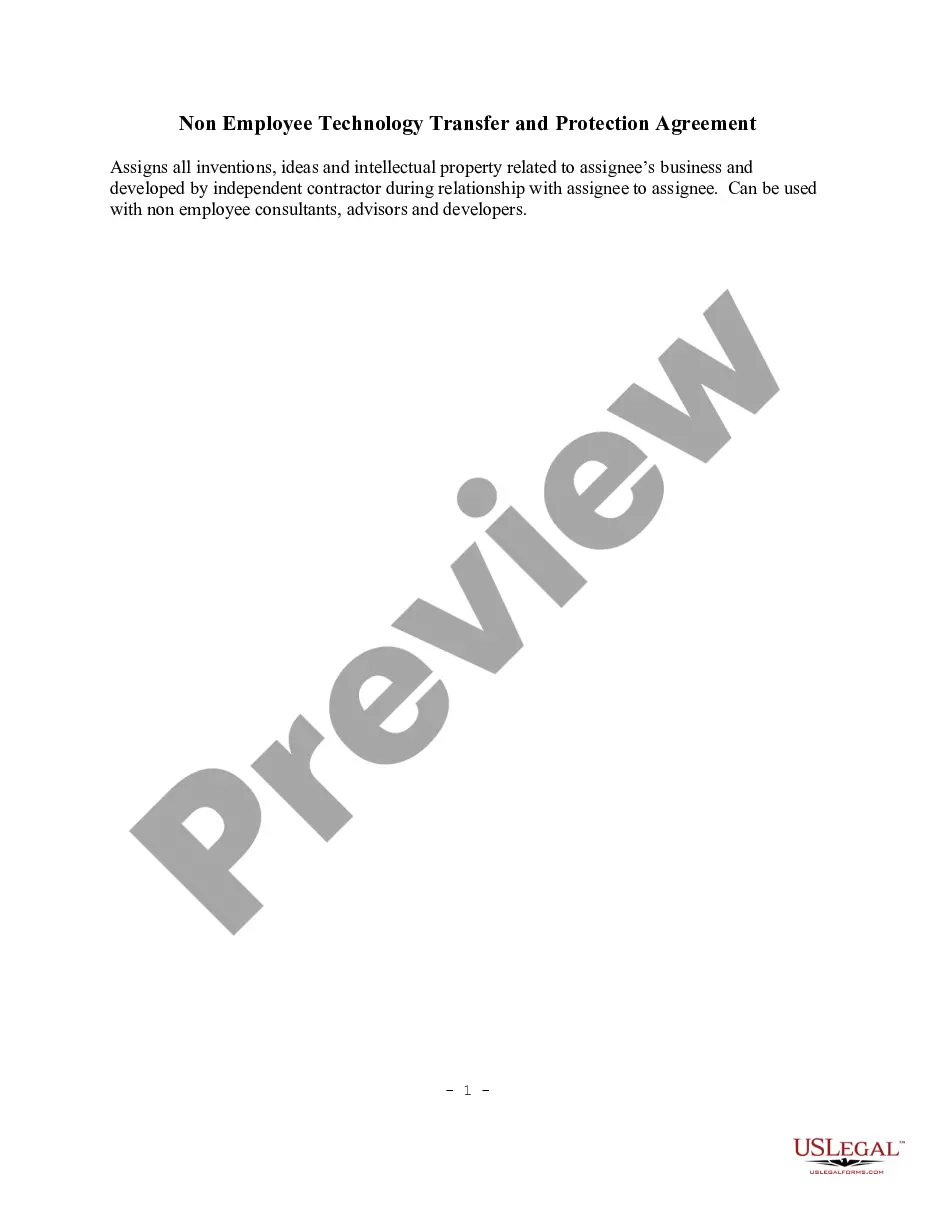
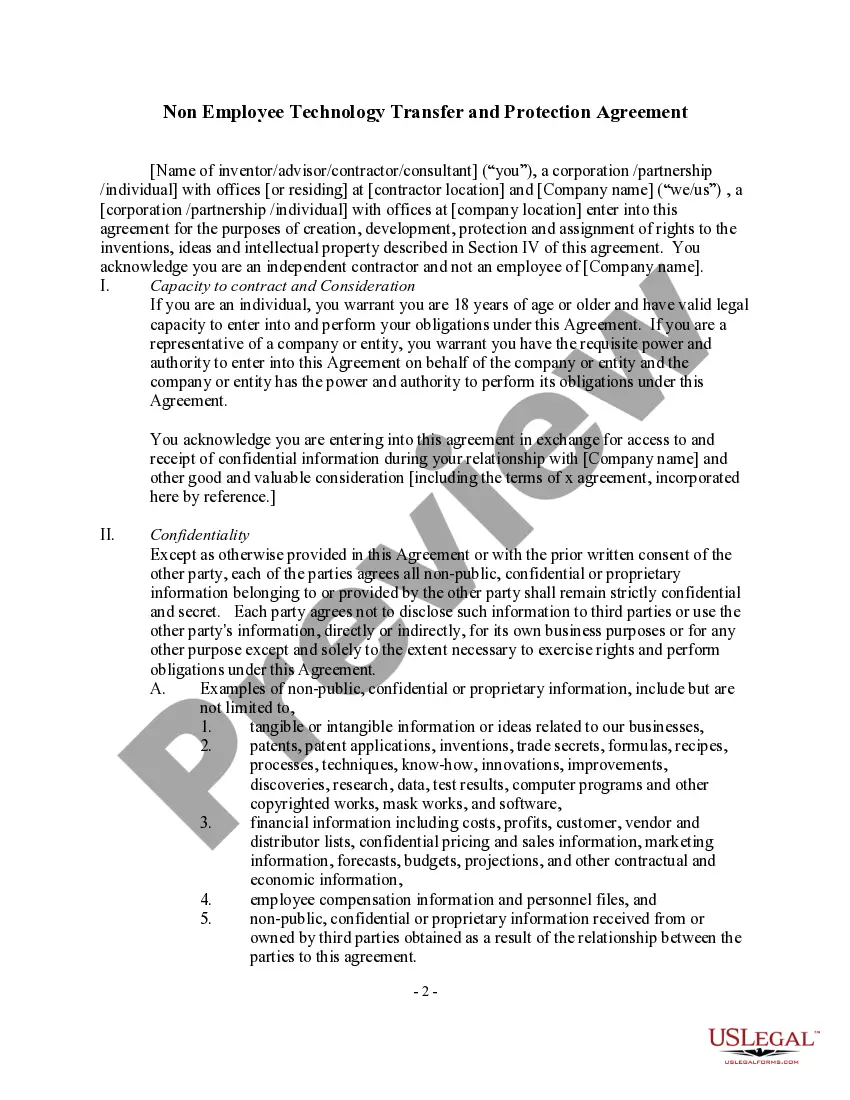
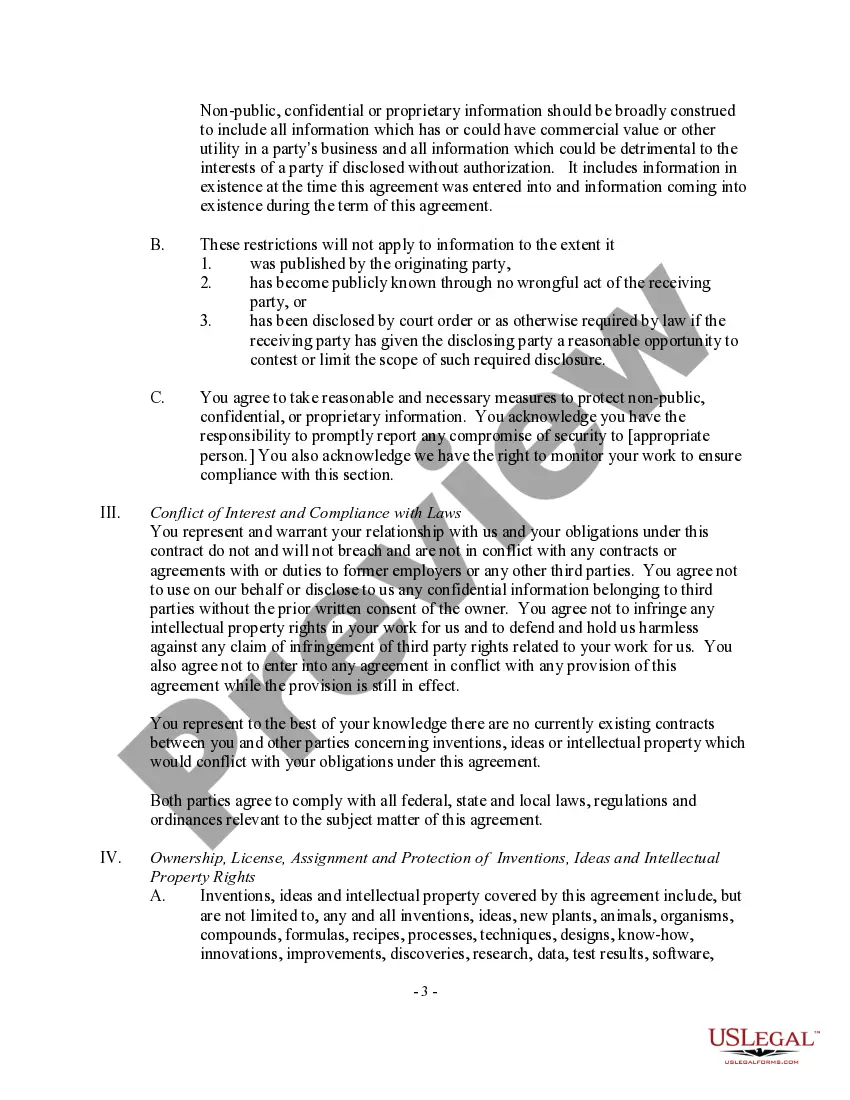
A technology transfer agreement is a contract that outlines the terms under which one party shares its technology or knowledge with another. This agreement often includes confidentiality provisions and specific usage rights. In the context of Alabama, the Alabama Non Employee Technology Transfer And Protection Agreement ensures that all parties understand their rights and obligations regarding technological assets. This agreement is crucial for protecting intellectual property while fostering innovation.
In Alabama, non-compete agreements are enforceable if they meet certain criteria. The agreements must protect legitimate business interests and cannot impose an unreasonable restriction on an employee’s ability to work. Utilizing the Alabama Non Employee Technology Transfer And Protection Agreement can provide clarity and structure to these agreements, ensuring they are both effective and compliant. It is essential to consult legal guidance to strengthen your position.
Yes, non-compete agreements can hold up in court, but their enforceability often depends on specific factors. Courts in Alabama consider the reasonableness of the agreement, including its duration and geographic scope. If you are looking to secure your business interests, the Alabama Non Employee Technology Transfer And Protection Agreement can be tailored to your needs. Using this agreement can help you safeguard your proprietary information while remaining compliant with state laws.
A TTA agreement, or Technology Transfer Agreement, outlines the terms under which technology is transferred from one party to another. This agreement specifies the rights and responsibilities of each party, ensuring that intellectual property is protected and used appropriately. The Alabama Non Employee Technology Transfer And Protection Agreement is a specific type of TTA that focuses on non-employee relationships, making it essential for businesses and individuals looking to collaborate while safeguarding their technological assets.
In simple terms, technology transfer refers to the process of moving technology from one organization or individual to another, often for practical use. This can involve sharing knowledge, skills, or technologies that can lead to new products or services. The Alabama Non Employee Technology Transfer And Protection Agreement plays a crucial role in this process by ensuring that the rights of the technology owner are protected, allowing for innovation and collaboration without legal complications.