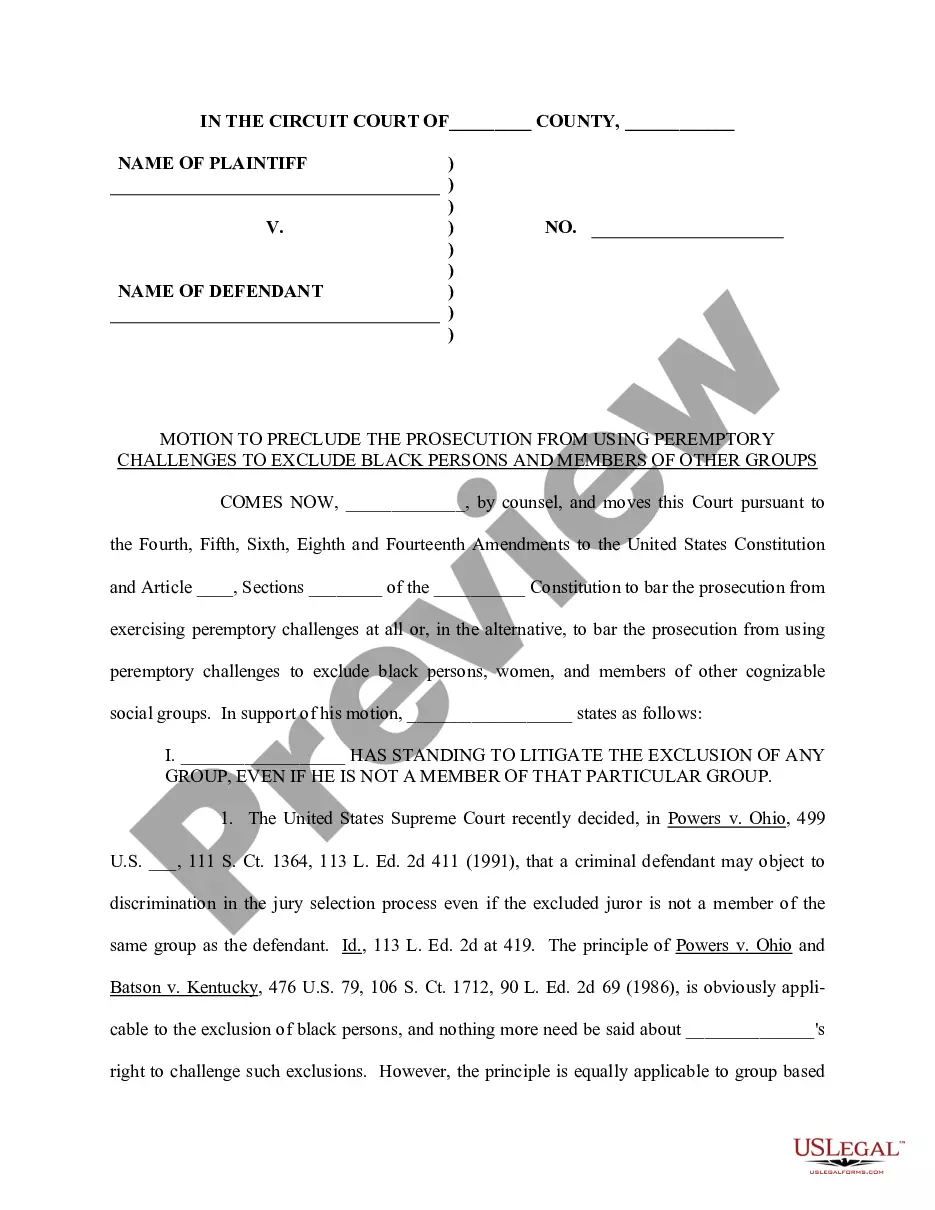
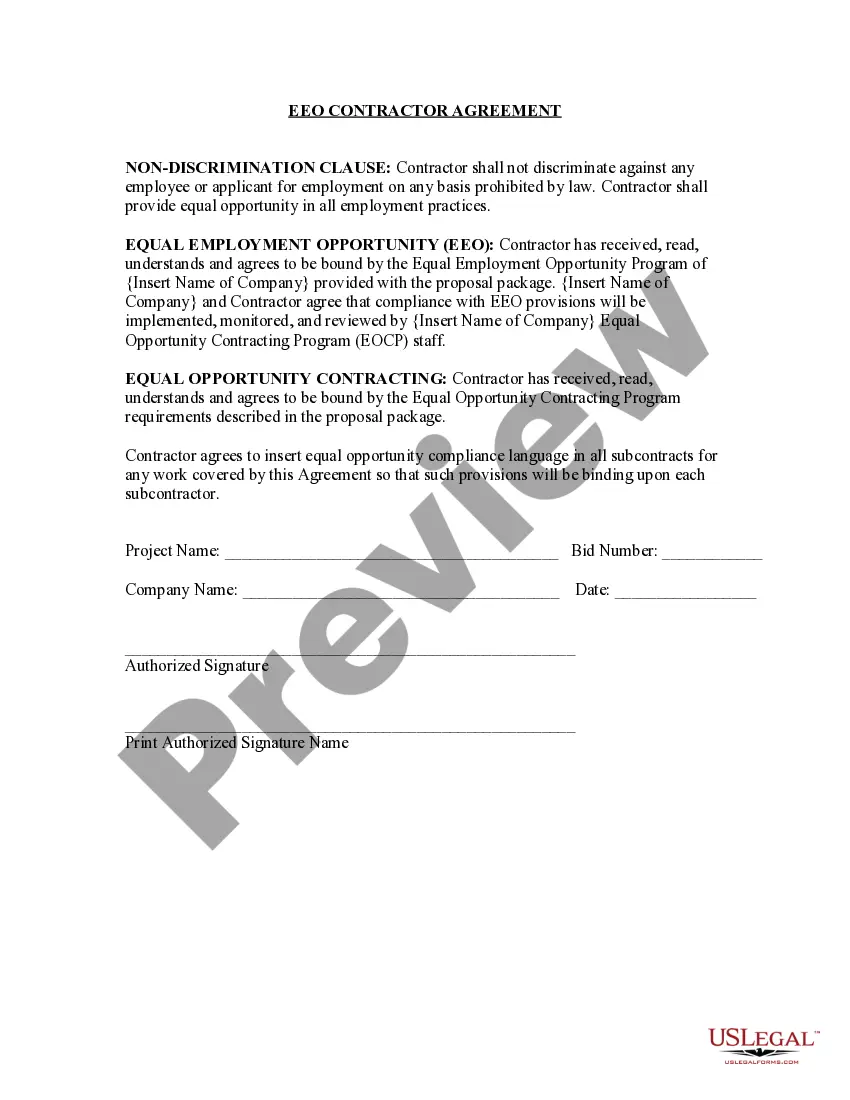
Alabama EEO Contractor Agreement
Description
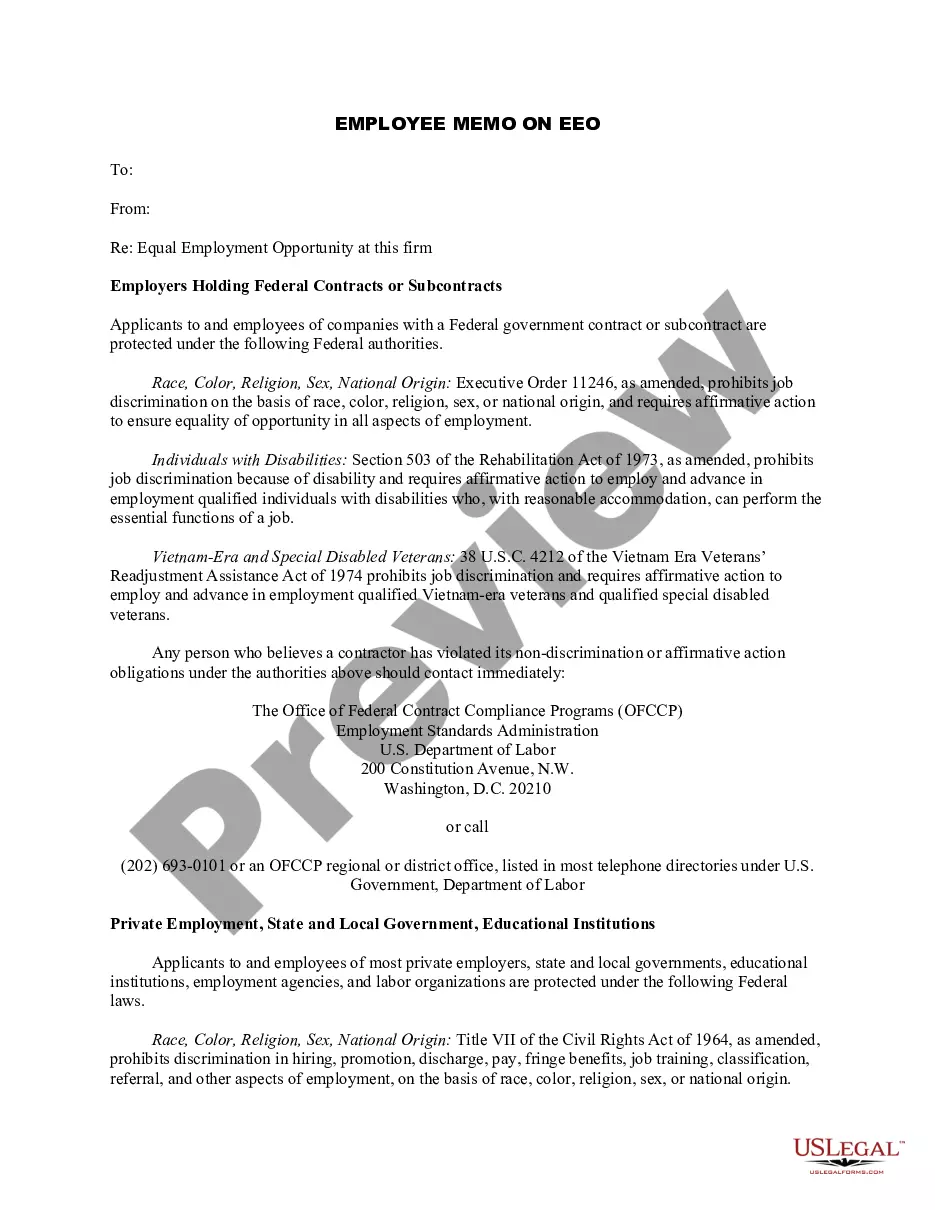
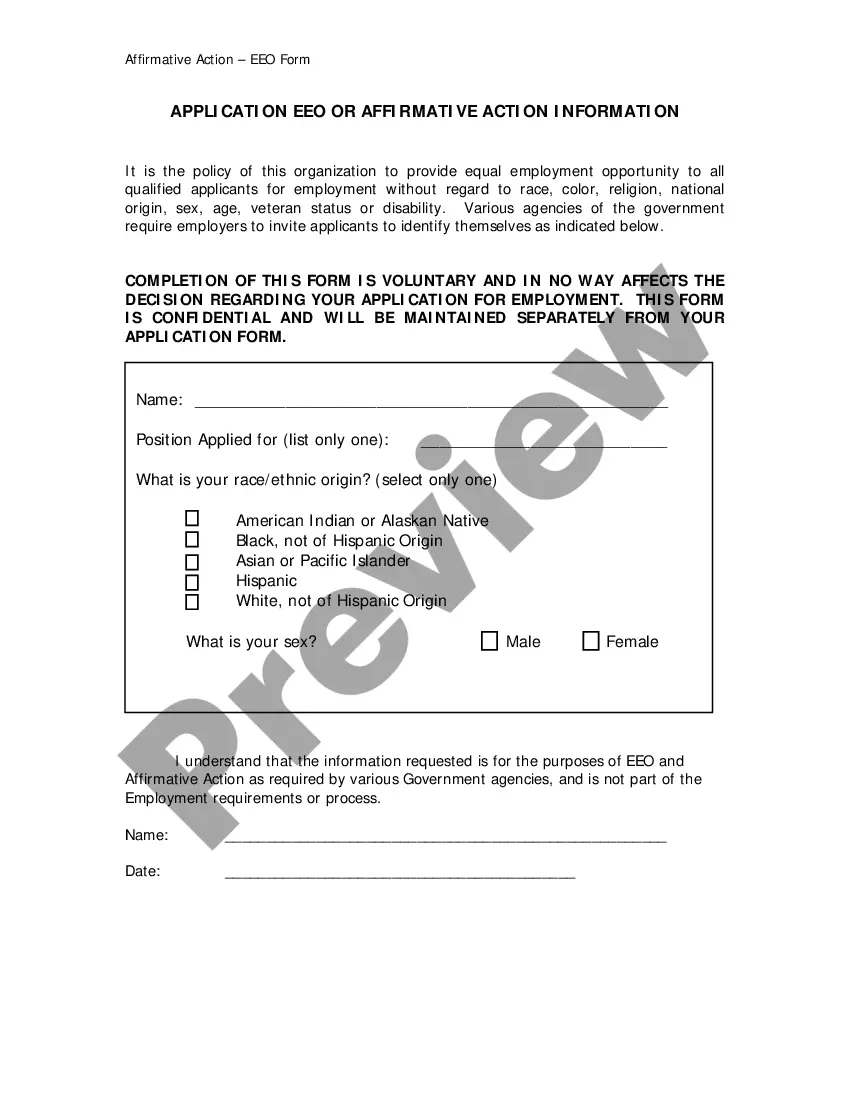
Get your form ready online
Our built-in tools help you complete, sign, share, and store your documents in one place.
Make edits, fill in missing information, and update formatting in US Legal Forms—just like you would in MS Word.
Download a copy, print it, send it by email, or mail it via USPS—whatever works best for your next step.
Sign and collect signatures with our SignNow integration. Send to multiple recipients, set reminders, and more. Go Premium to unlock E-Sign.
If this form requires notarization, complete it online through a secure video call—no need to meet a notary in person or wait for an appointment.
We protect your documents and personal data by following strict security and privacy standards.

Make edits, fill in missing information, and update formatting in US Legal Forms—just like you would in MS Word.

Download a copy, print it, send it by email, or mail it via USPS—whatever works best for your next step.

Sign and collect signatures with our SignNow integration. Send to multiple recipients, set reminders, and more. Go Premium to unlock E-Sign.

If this form requires notarization, complete it online through a secure video call—no need to meet a notary in person or wait for an appointment.

We protect your documents and personal data by following strict security and privacy standards.
Looking for another form?
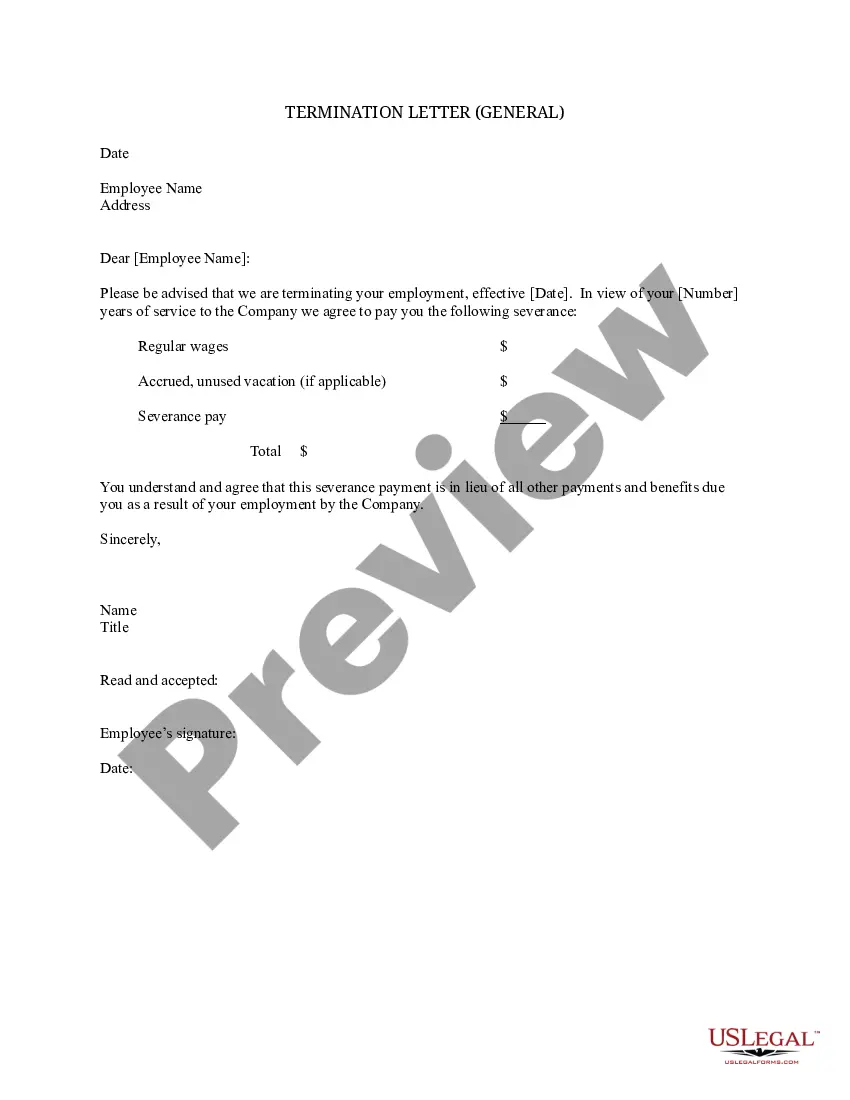
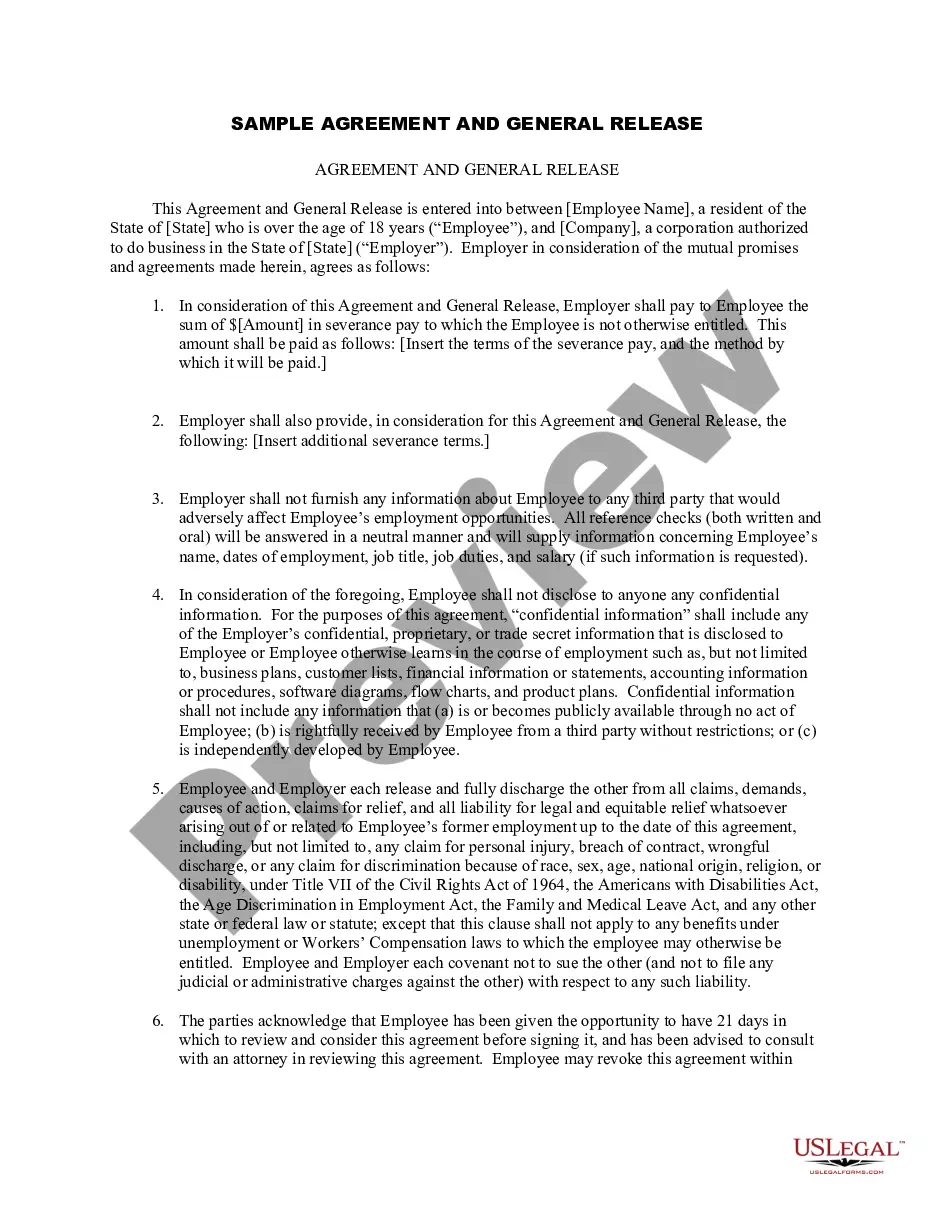

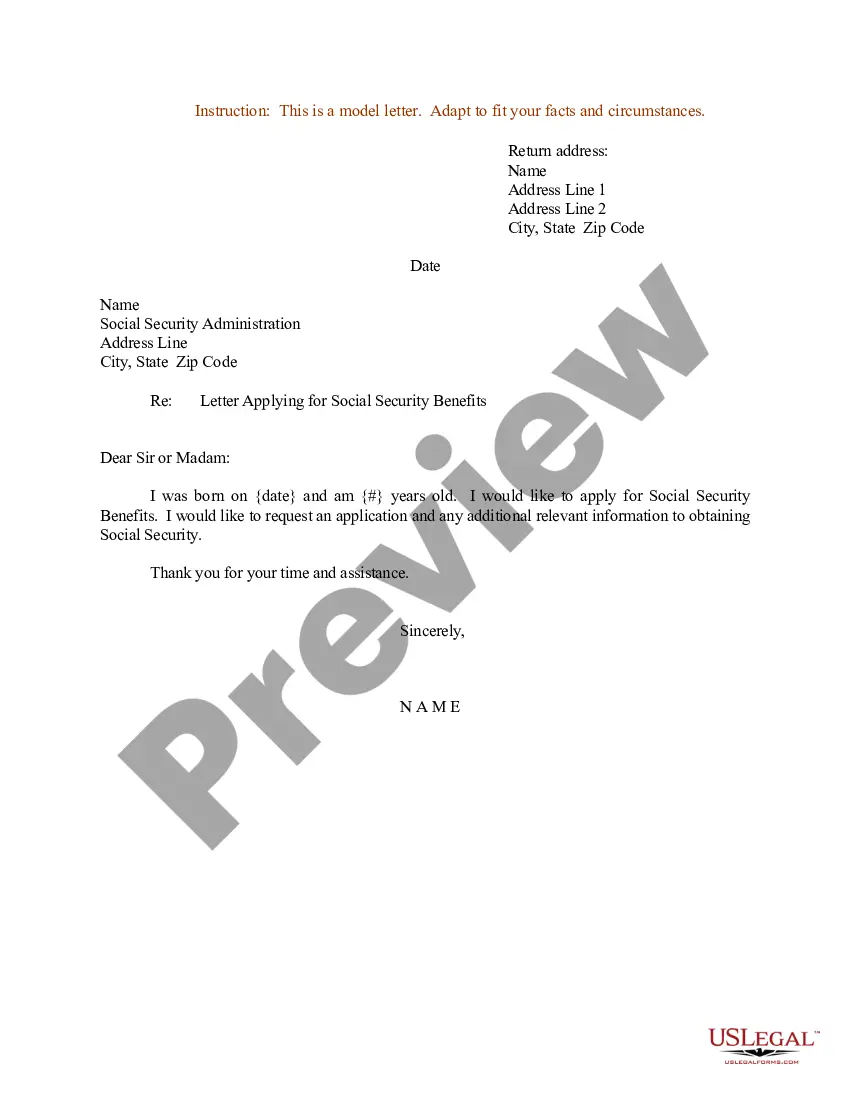
How to fill out EEO Contractor Agreement?
Finding the appropriate legitimate document template can be challenging. Certainly, there are numerous templates accessible online, but how can you locate the correct form you require? Use the US Legal Forms site.
The service offers thousands of templates, including the Alabama EEO Contractor Agreement, which you can utilize for business and personal purposes. All of the forms are verified by professionals and comply with state and federal regulations.
If you are currently registered, Log In to your account and click the Acquire button to find the Alabama EEO Contractor Agreement. Use your account to browse through the legitimate forms you may have purchased earlier. Visit the My documents tab in your account and obtain another copy of the document you need.
Choose the file format and download the legitimate document template to your device. Complete, edit, print, and sign the obtained Alabama EEO Contractor Agreement.
US Legal Forms is the largest database of legitimate forms where you can discover various document templates. Use the service to download professionally crafted papers that adhere to state requirements.
- First, ensure you have selected the correct form for your city/region.
- You can review the form using the Review button and check the form details to confirm that it is suitable for you.
- If the form does not satisfy your requirements, use the Search field to find the appropriate form.
- Once you are confident that the form is suitable, click on the Get now button to retrieve the form.
- Select the pricing plan you prefer and input the necessary information.
- Create your account and pay for the order using your PayPal account or credit card.
Form popularity
FAQ
What to include in an employment contractName and address of employer and employee.Start date.Date contract will apply from.Continuous services date.When the contract is expected to end if temporary or fixed term.Job title or a brief description of duties.Place of work.Requirement to work overseas.More items...?
An employee is on a company's payroll and receives wages and benefits in exchange for following the organization's guidelines and remaining loyal. A contractor is an independent worker who has autonomy and flexibility but does not receive benefits such as health insurance and paid time off.
A project labor agreement (PLA) is a pre-hire collective bargaining agreement with one or more labor organizations that establishes the terms and conditions of employment for a specific construction project.
A Bridge Agreement is designed to be short-term to fill the gap until a completely new CBA can be negotiated. A Bridge Agreement usually is based on the previous contractor's CBA with changes to the provisions that do not apply or do not work for the new contractor for business reasons.
Typically, the information you need to write an Employment Contract includes: Party details: List the employee's and the employer's name and contact information. Include the place of employment's address as well. Job description: Describe the position title, initial duties, and obligations.
Contracts usually have a specific amount of time that they are good for before they expire, generally around 2 to 5 years. Once that term is up, it's time for the union and the employer to sit down at the table again and negotiate a new contract, usually taking the old one as a starting point.
And in fact, under the law, employers cannot be held liable for the acts of their independent contractors. However, just because an employer asserts that a negligent worker is an independent contractor does not shut down the question of employer liability.
FEHA typically protects independent contractors as well as employees.
Some general protections provided under the Fair Work Act 2009 extend to independent contractors and their principals. Independent contractors and principals are afforded limited workplace rights, and the right to engage in certain industrial activities.
Employees at businesses with fewer than two employees. Employees at businesses that have an annual revenue of less than $500,000 and who do not engage in interstate commercei Railroad workers (covered instead by the Railway Labor Act) Truck drivers (covered instead by the Motor Carriers Act)