A form of publication which tends to cause one to lose the esteem of the community is defamation. This is injury to reputation. A person can be held liable for the defamation of another. In order to prove defamation, the plaintiff must prove:
- that a statement was made about the plaintiff's reputation, honesty or integrity that is not true;
- publication to a third party (i.e., another person hears or reads the statement); and
- the plaintiff suffers damages as a result of the statement.
Slander is a form of defamation that consists of making false oral statements about a person which would damage that person's reputation. If one spreads a rumor that his neighbor has been in jail and this is not true, the person making such false statements could be held liable for slander.
Defamation which occurs by written statements is known as libel. Libel also may result from a picture or visual representation. Truth is an absolute defense to slander or libel.
Some statements, while libelous or slanderous, are absolutely privileged in the sense that the statements can be made without fear of a lawsuit for slander. The best example is statements made in a court of law. An untrue statement made about a person in court which damages that person's reputation will generally not cause liability to the speaker as far as slander is concerned. However, if the statement is untrue, the person making it may be liable for criminal perjury.
If a communication is made in good faith on a subject in which the party communicating it has a legitimate right or interest in communicating it, this communication may be exempt from slander liability due to a qualified privileged.
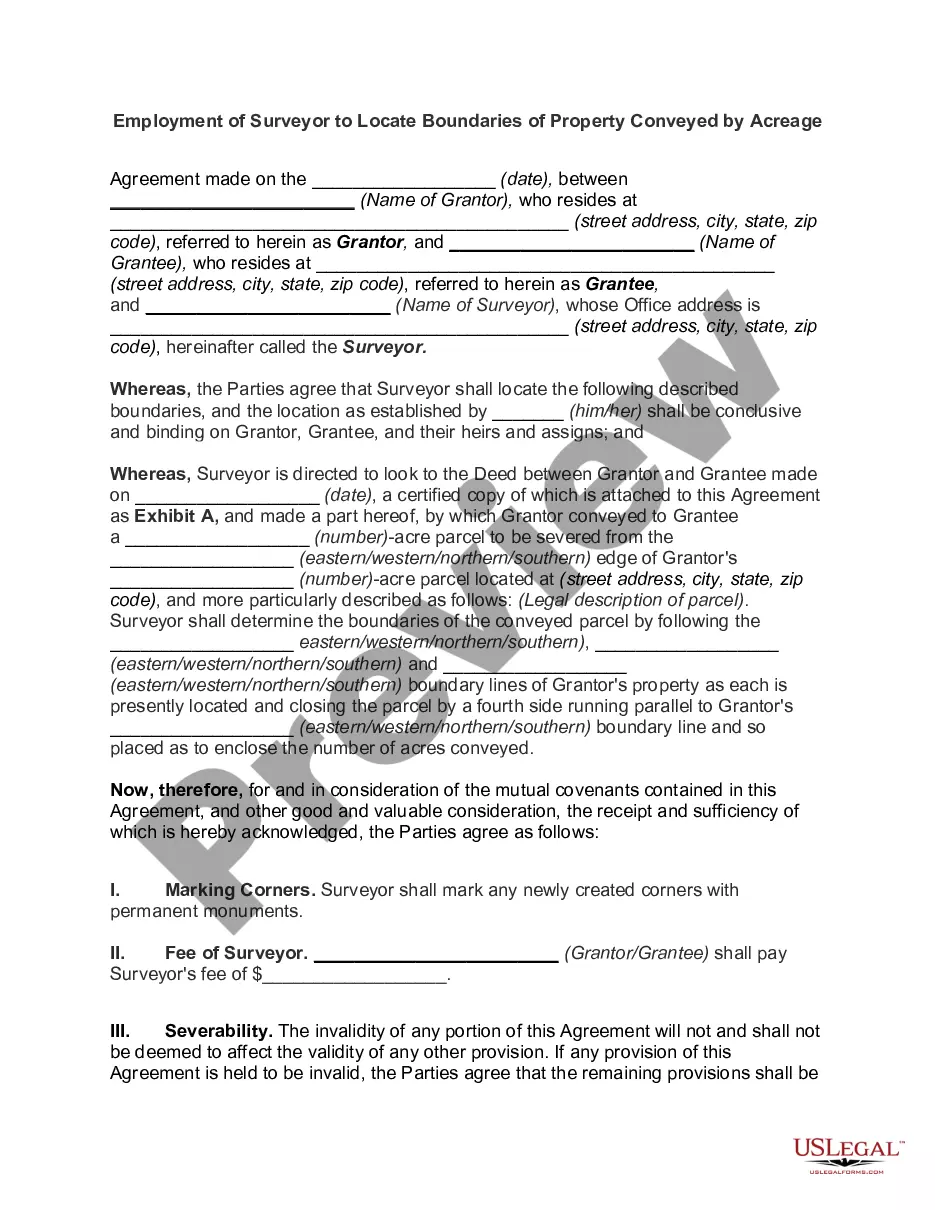
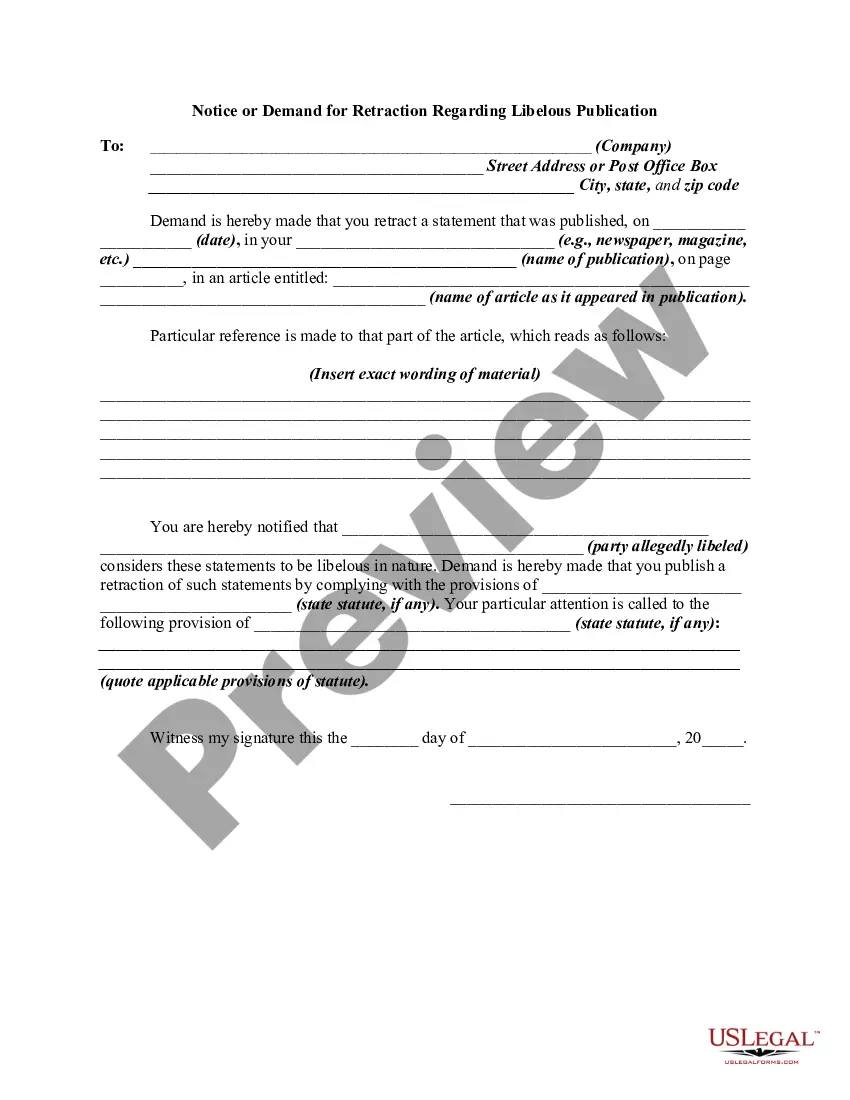
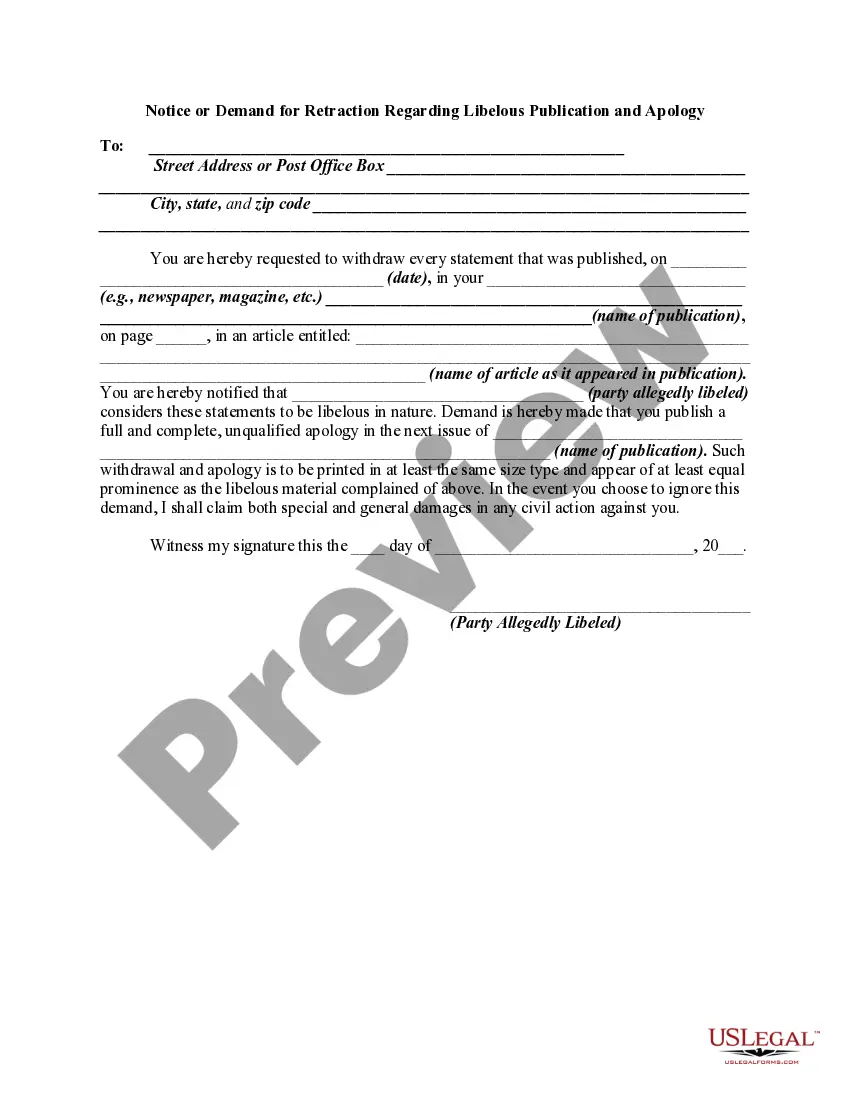
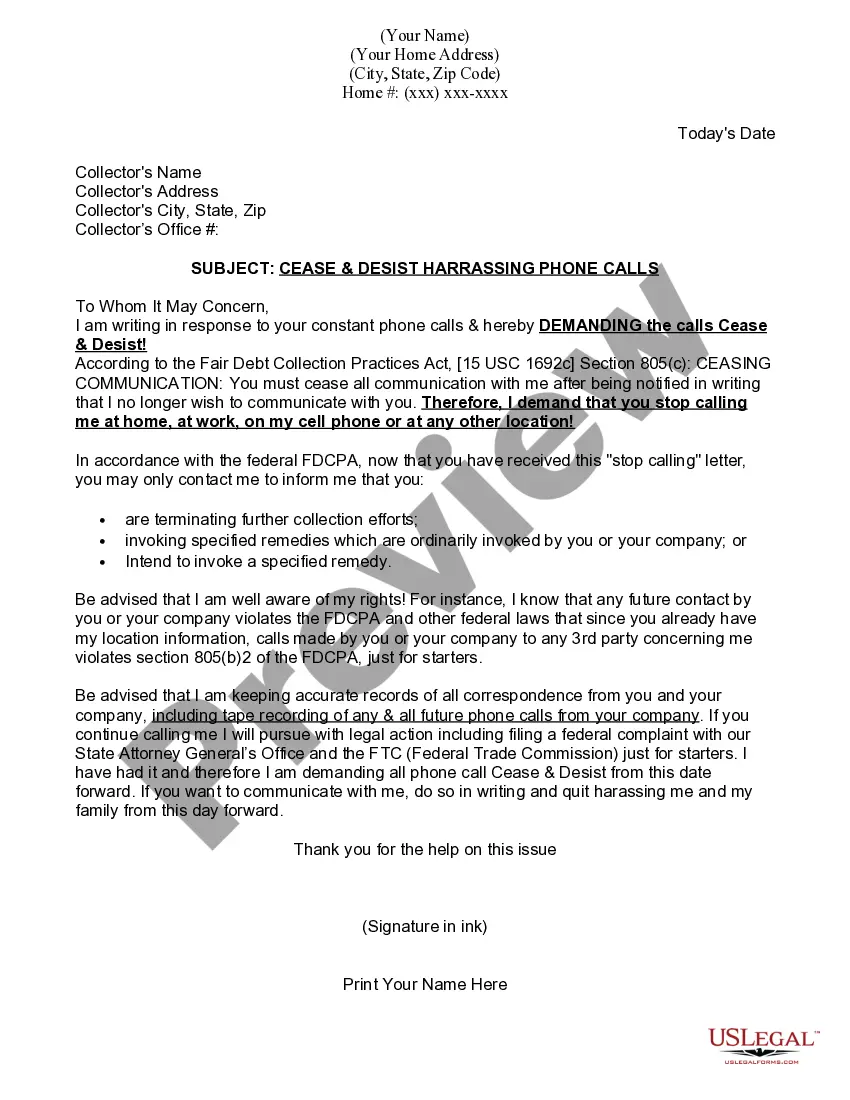
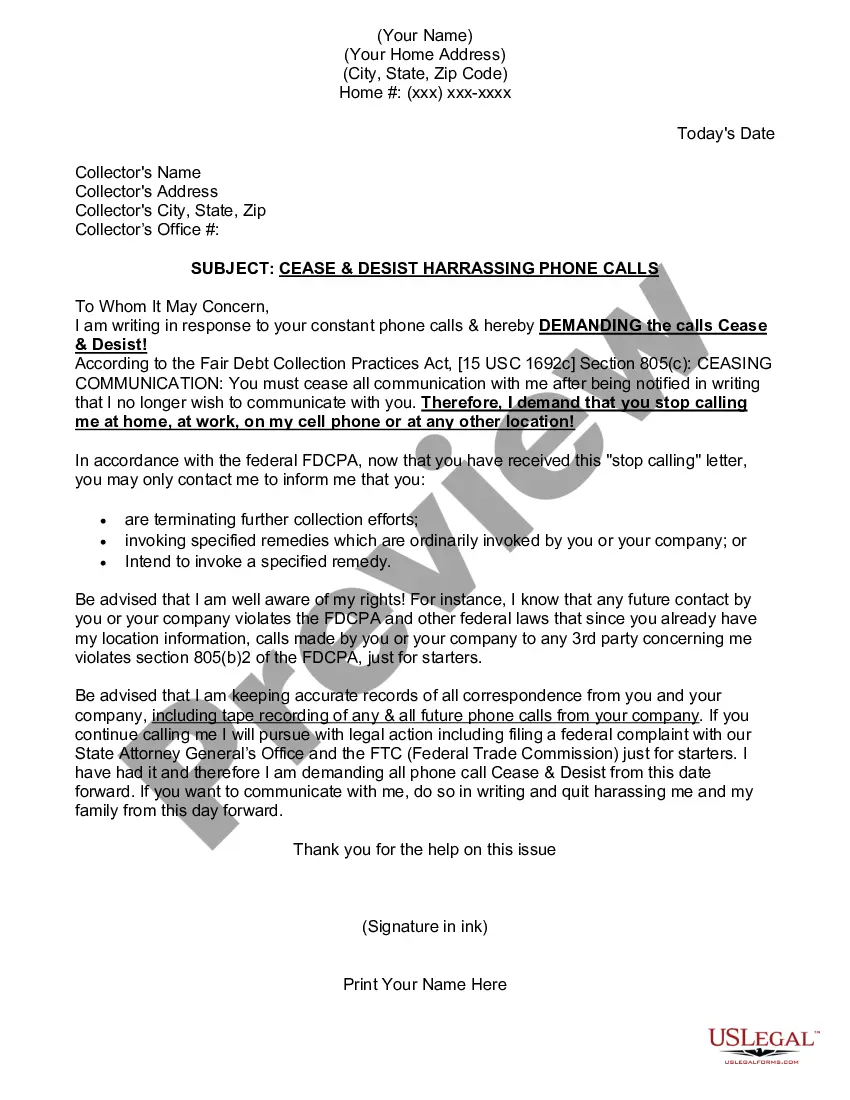
The following form letter demands that someone cease making libelous or slanderous statements, or appropriate legal action will be taken.
Alabama Cease and Desist Letter for Libelous or Slanderous Statements - Defamation of Character
Instant download
Description



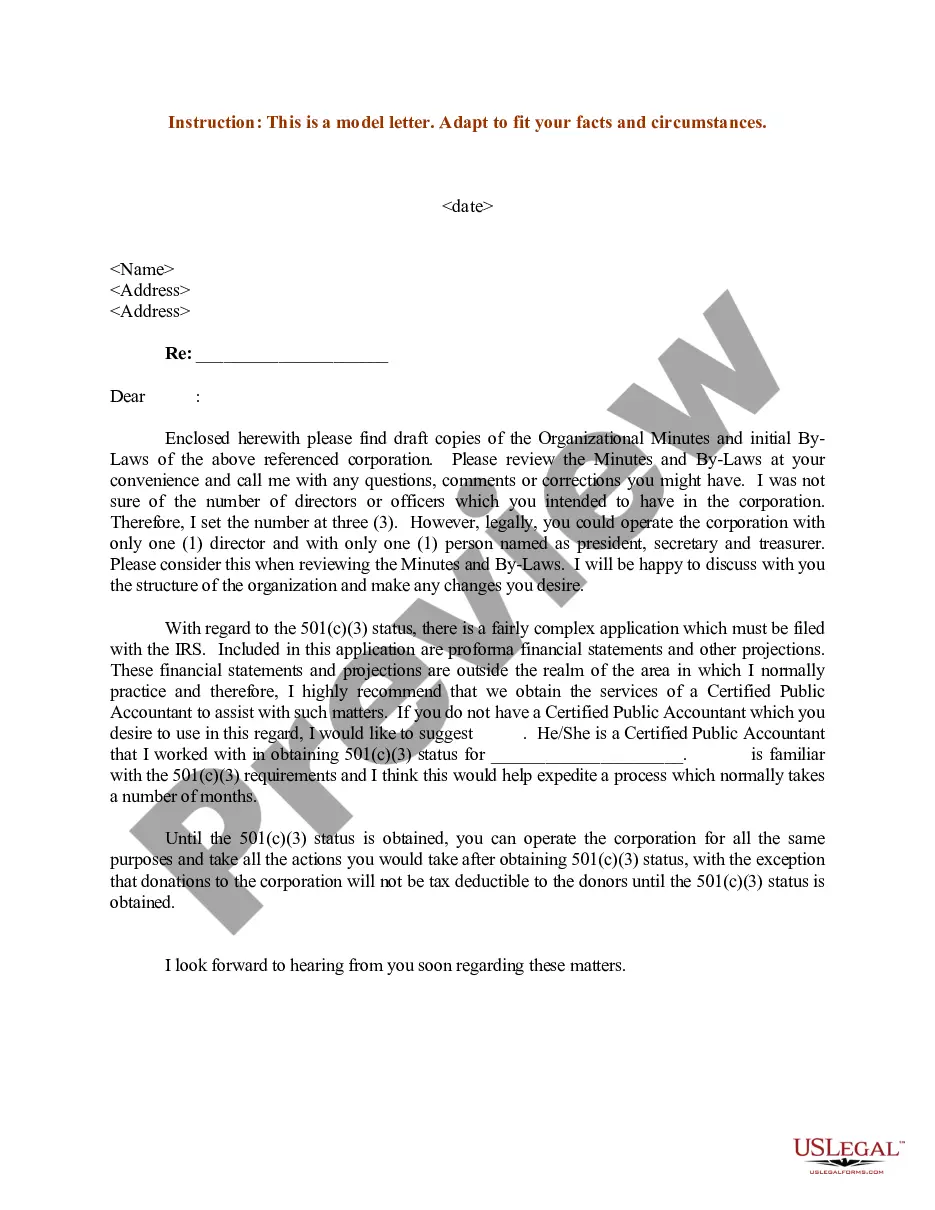
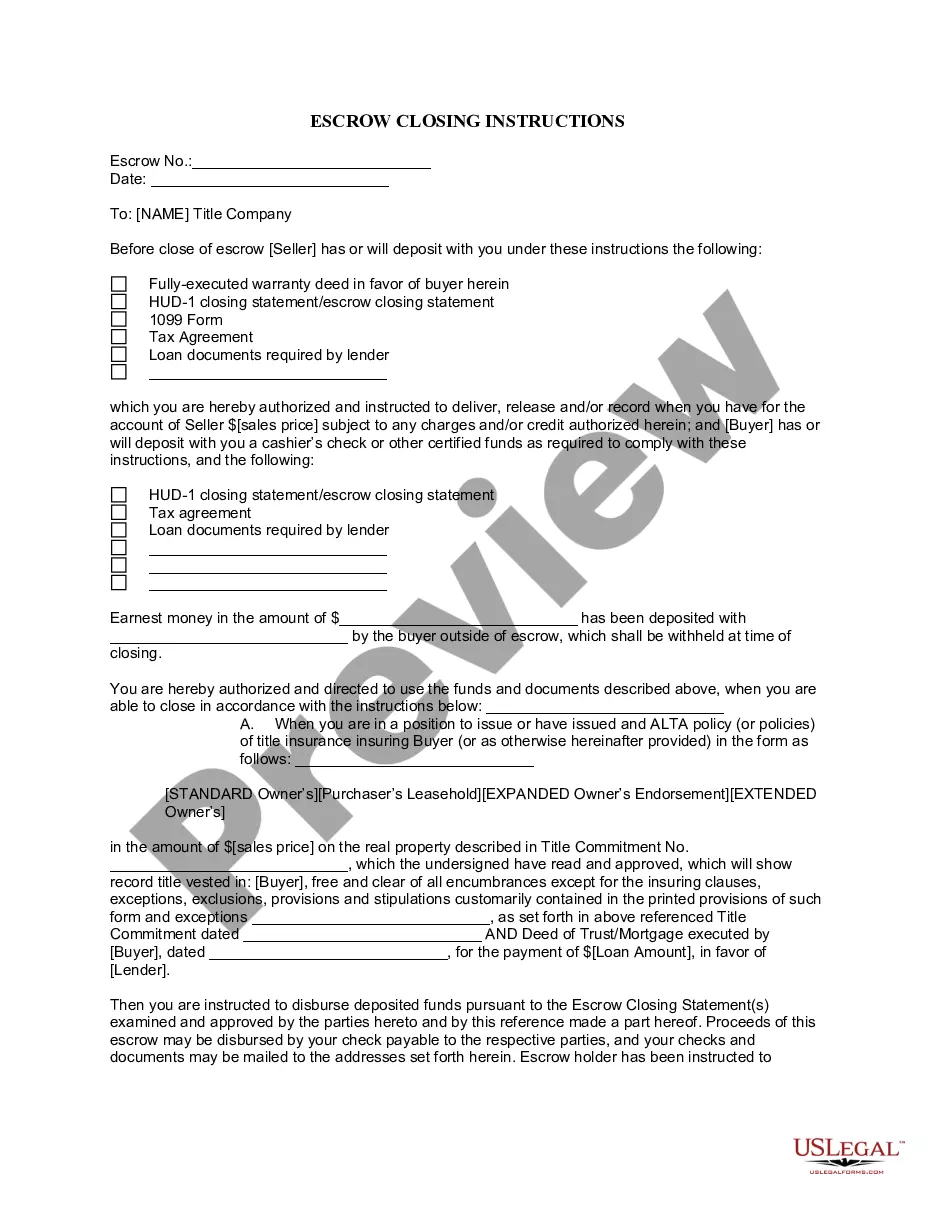
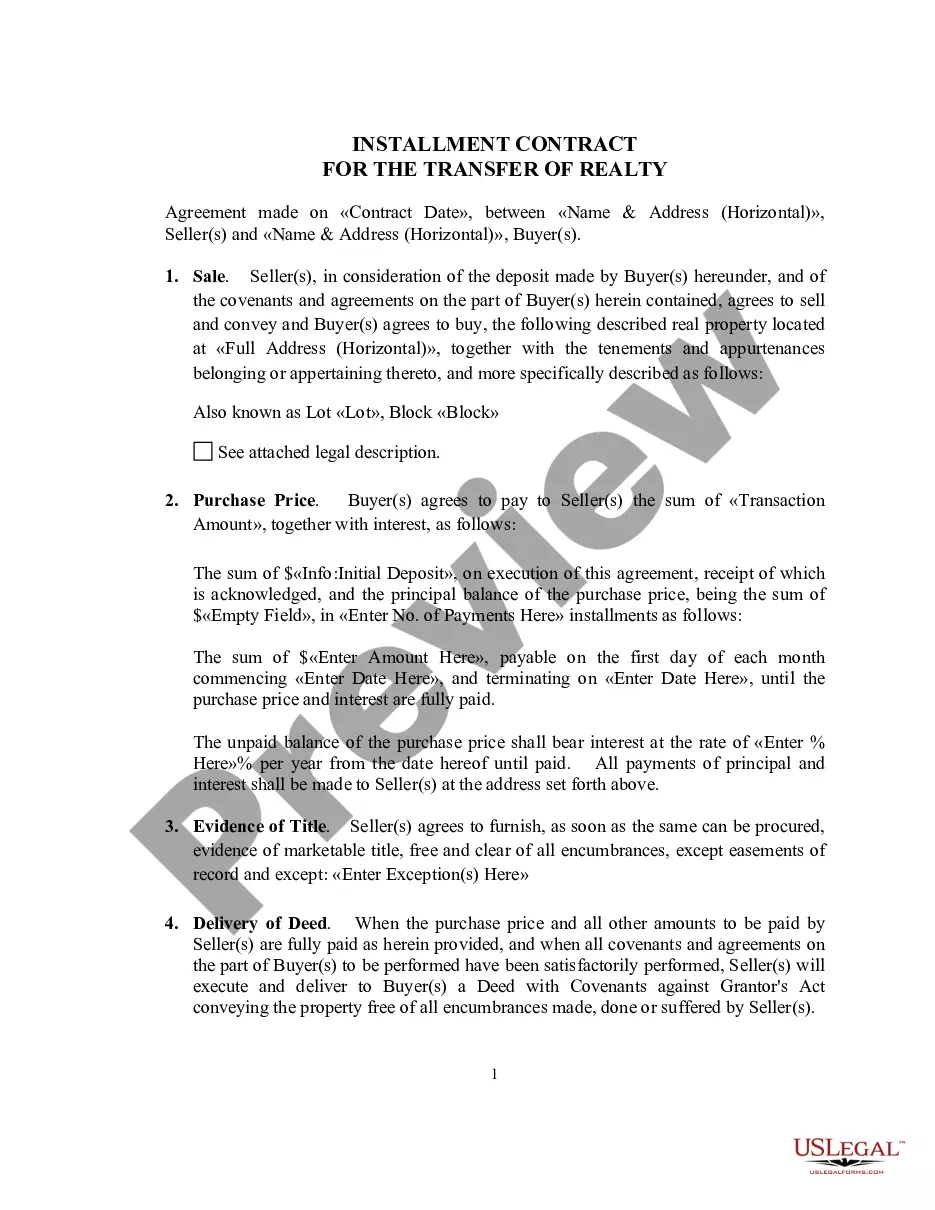
How to fill out Cease And Desist Letter For Libelous Or Slanderous Statements - Defamation Of Character?
If you need to total, down load, or print out authorized file web templates, use US Legal Forms, the greatest selection of authorized kinds, which can be found on-line. Make use of the site`s basic and convenient search to find the paperwork you will need. Various web templates for company and individual functions are categorized by categories and suggests, or keywords. Use US Legal Forms to find the Alabama Cease and Desist Letter for Libelous or Slanderous Statements - Defamation of Character in a handful of click throughs.
If you are already a US Legal Forms consumer, log in in your accounts and then click the Acquire switch to find the Alabama Cease and Desist Letter for Libelous or Slanderous Statements - Defamation of Character. You may also accessibility kinds you earlier acquired in the My Forms tab of your respective accounts.
If you use US Legal Forms the first time, refer to the instructions under:
- Step 1. Be sure you have chosen the form to the appropriate metropolis/land.
- Step 2. Use the Review choice to look through the form`s information. Never neglect to read the outline.
- Step 3. If you are unsatisfied with all the form, utilize the Look for discipline towards the top of the monitor to discover other variations of your authorized form template.
- Step 4. When you have identified the form you will need, select the Purchase now switch. Opt for the prices strategy you favor and add your references to register for an accounts.
- Step 5. Process the purchase. You can use your charge card or PayPal accounts to complete the purchase.
- Step 6. Choose the structure of your authorized form and down load it on the system.
- Step 7. Comprehensive, revise and print out or sign the Alabama Cease and Desist Letter for Libelous or Slanderous Statements - Defamation of Character.
Every authorized file template you get is your own property eternally. You might have acces to each form you acquired inside your acccount. Click on the My Forms portion and choose a form to print out or down load once again.
Contend and down load, and print out the Alabama Cease and Desist Letter for Libelous or Slanderous Statements - Defamation of Character with US Legal Forms. There are many professional and condition-distinct kinds you can utilize for your personal company or individual needs.
Form popularity
FAQ
To support your Alabama Cease and Desist Letter for Libelous or Slanderous Statements - Defamation of Character, you need evidence of the false statements. This may include written records, recordings, or witness testimonies that corroborate your claims. Additionally, demonstrate how these statements have caused you harm, such as lost opportunities or damage to your reputation. Utilizing tools from USLegalForms can help you gather the necessary documentation and create a compelling letter.
Yes, you can sue for defamation of character in Alabama if someone makes false statements that harm your reputation. To proceed, you must prove that the statements were indeed false, made with negligence or actual malice, and that they caused you measurable harm. An Alabama Cease and Desist Letter for Libelous or Slanderous Statements - Defamation of Character can serve as a first step, signaling your intent to take legal action if the statements continue. Our platform provides resources that can help you understand the legal process involved.
To write an effective Alabama Cease and Desist Letter for Libelous or Slanderous Statements - Defamation of Character, start with a clear statement of your intent. Include specific details about the false statements made against you, along with the date and context. Clearly demand that the recipient stop making these statements and provide a deadline for compliance. Using our platform at USLegalForms can simplify this process, offering templates and guidance tailored to Alabama's legal requirements.
In Alabama, any false, public and negligent speech, which degrades, projects hate or ruins a person's reputation, is defamatory. In Alabama, it's the plaintiff's responsibility plaintiff to prove that the defendant committed an act of defamation.
A Cease and Desist Letter for Defamation is often sufficient to stop the recipient from using the defamatory content and, if not, provides evidence of the sender's attempts to resolve the situation should such be needed in court.
A cease and desist letter for defamation of character is a legal document that instructs the offender to stop making false, erroneous, and unsubstantiated statements about you. It should detail any statements that are false and demand full retraction. The harmed party should seek full damages for any false statements.
A Cease and Desist Letter asks the person (or entity) making the statements to stop before you start a lawsuit. Keep in mind, however, that you must have provable damages based on defamation of character, libel, or slander to have a legal claim for damages in these situations.
There are two basic categories of defamation: (1) libel and (2) slander. Libel generally refers to written defamation, while slander refers to oral defamation, though much spoken speech that has a written transcript also falls under the rubric of libel.
The statements must not be true but presented as facts (not opinions). The statements must be published or spoken. The statements must be read or heard by others. The statements must cause injury to your reputation.