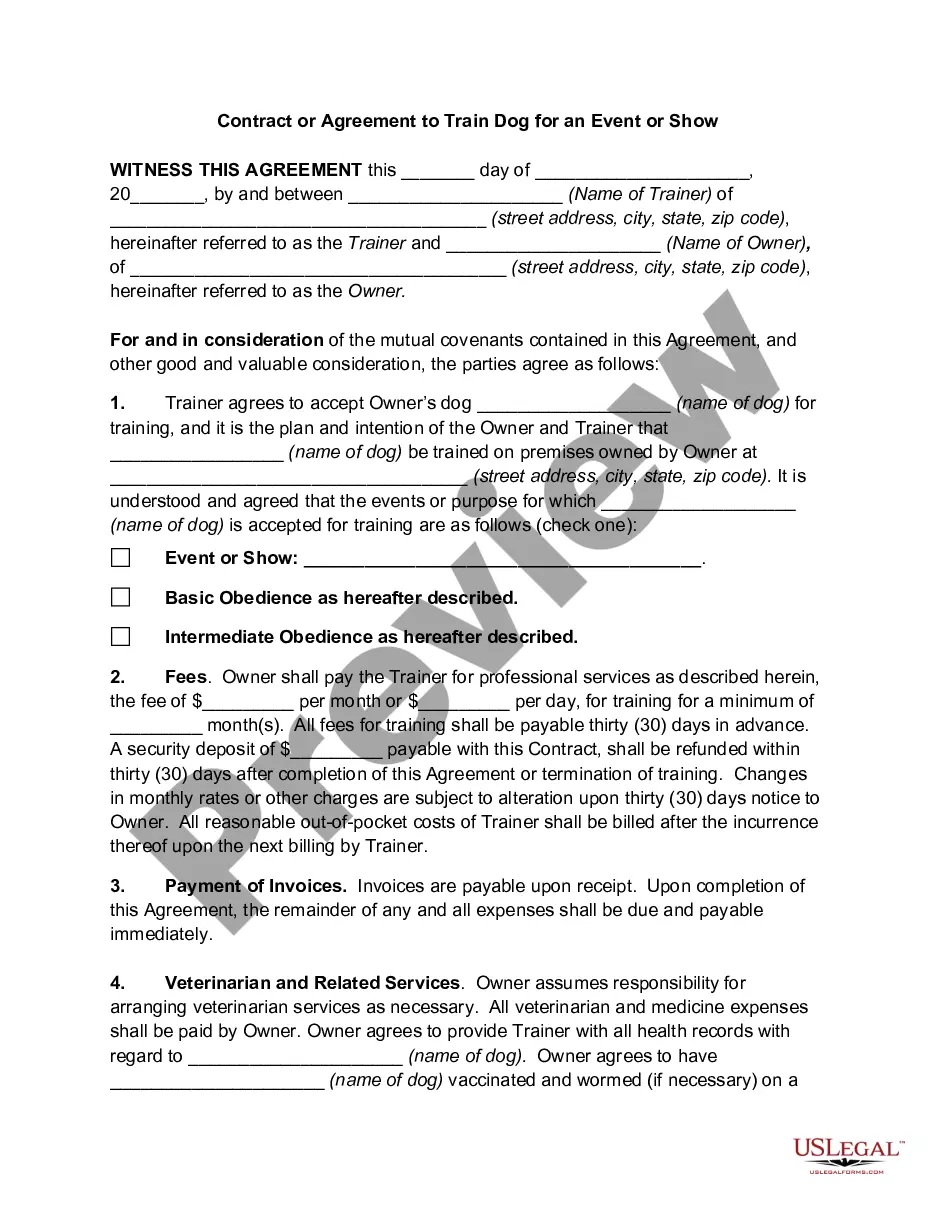
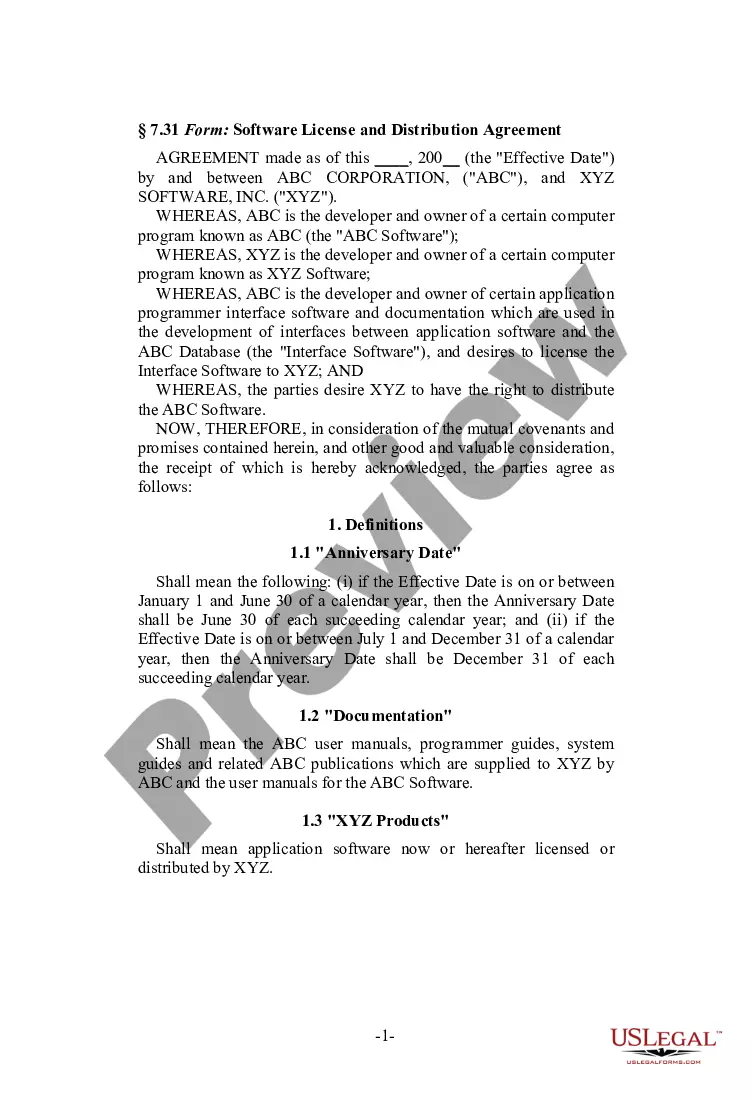
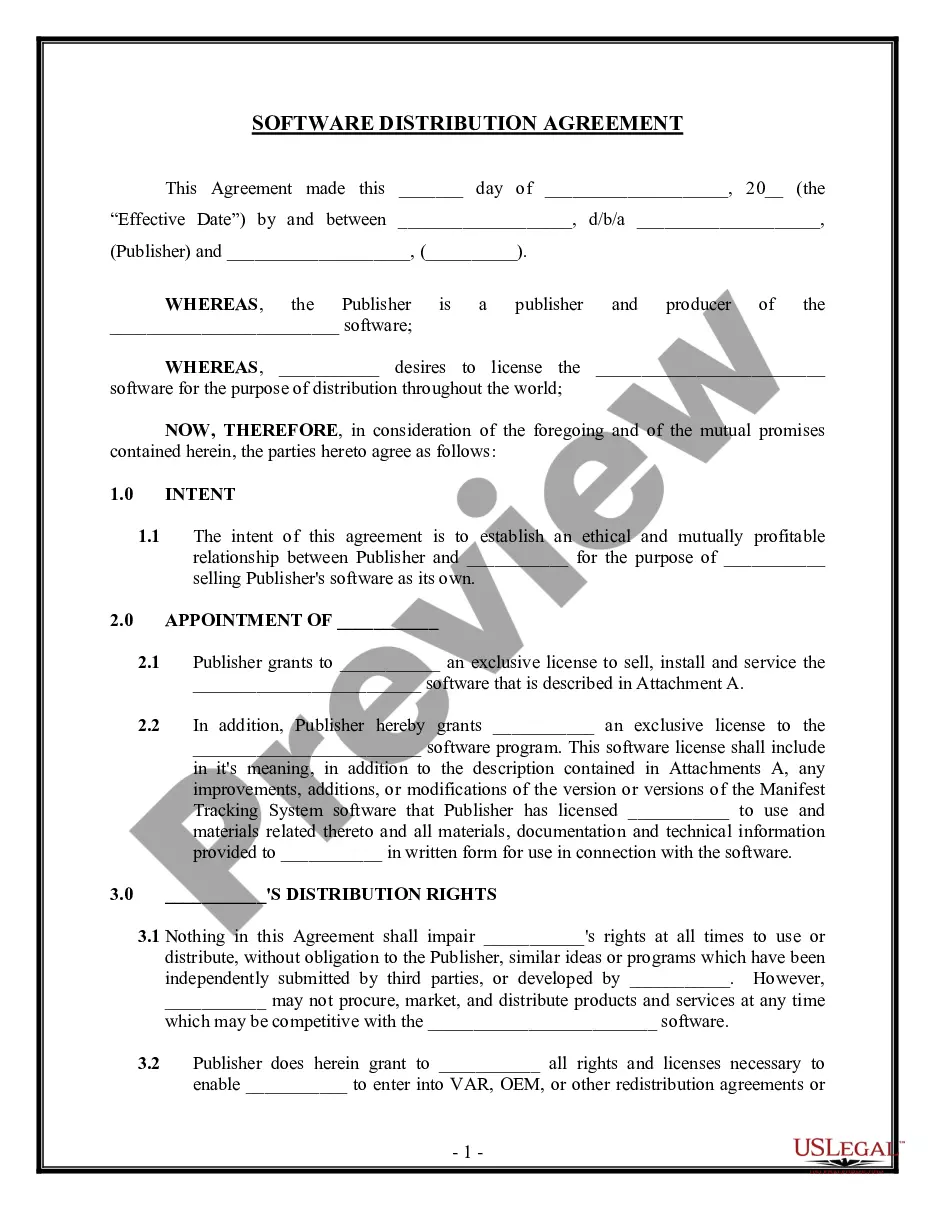
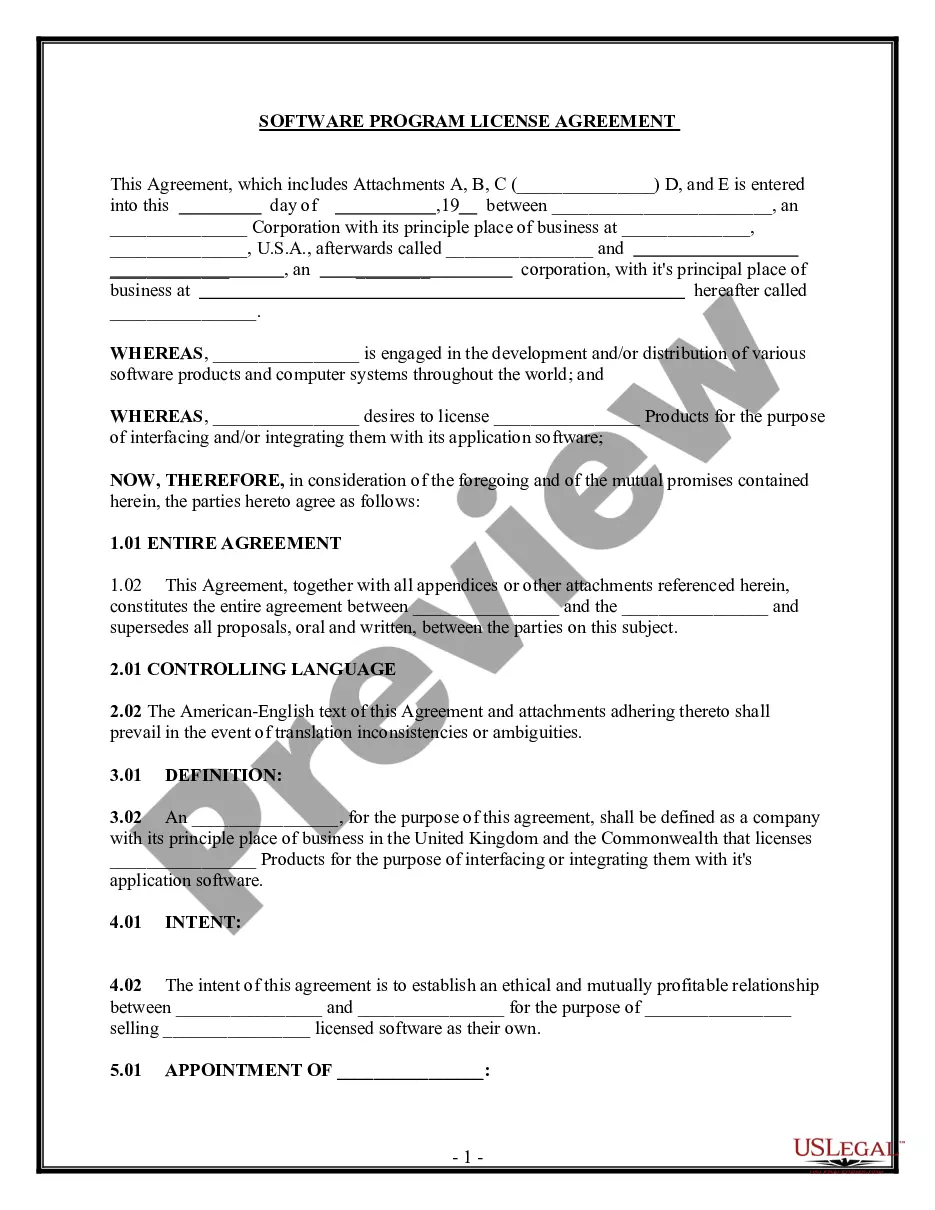
Alaska Software License and Distribution Agreement
Description
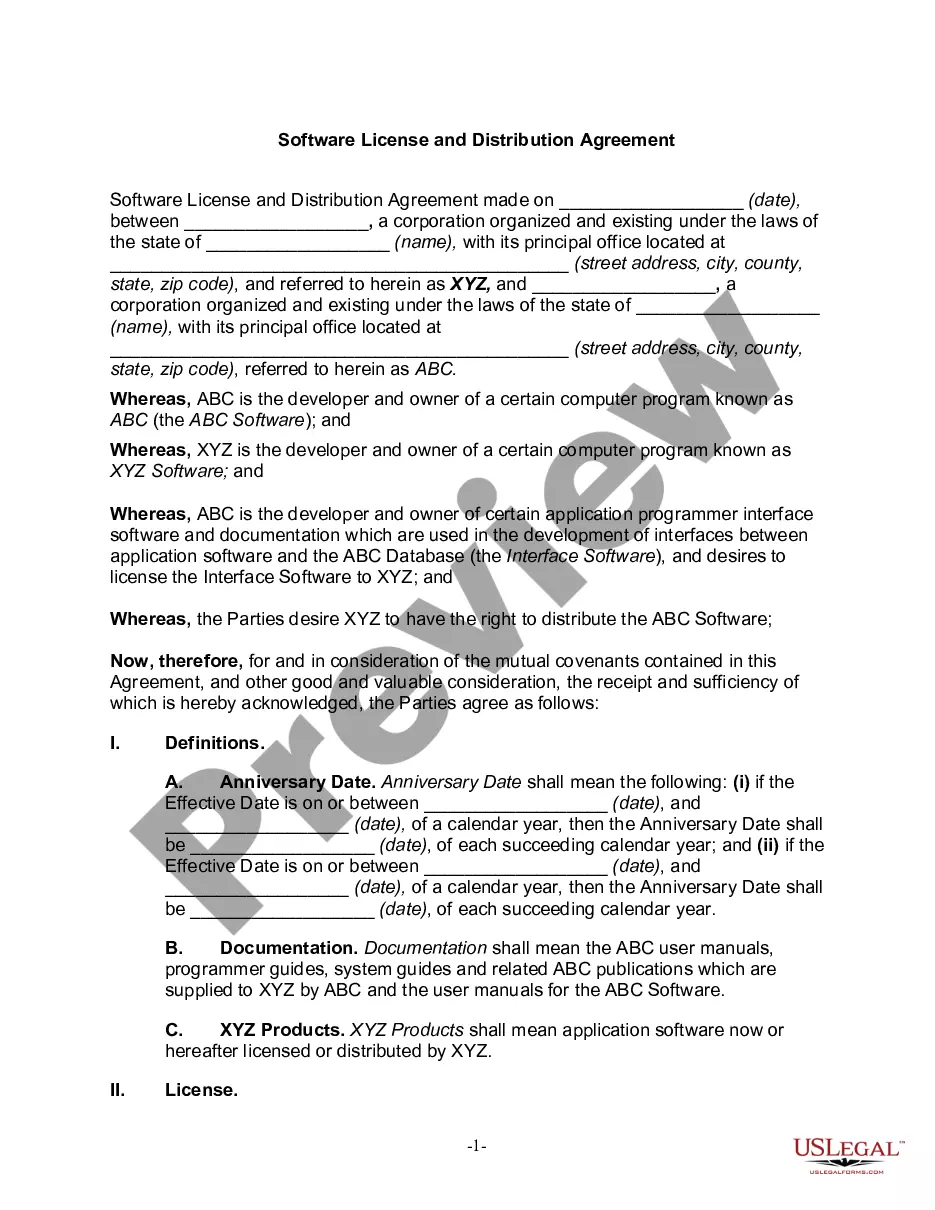
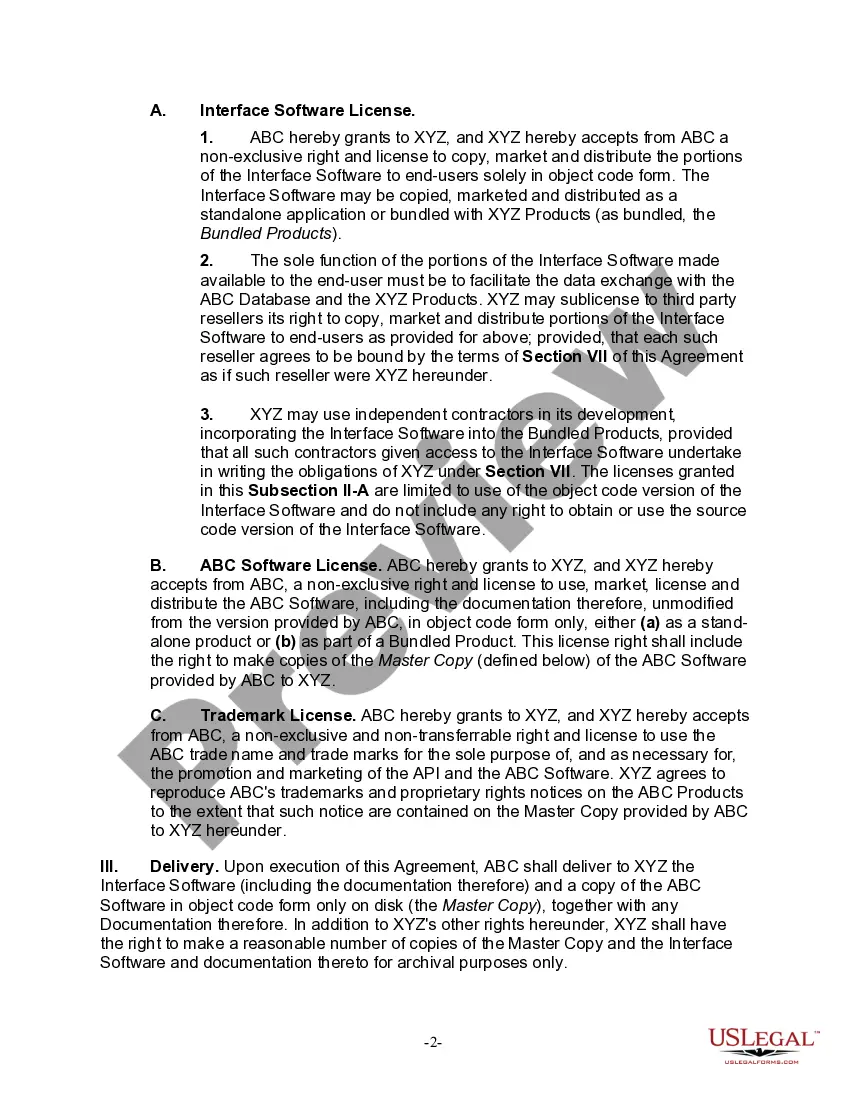
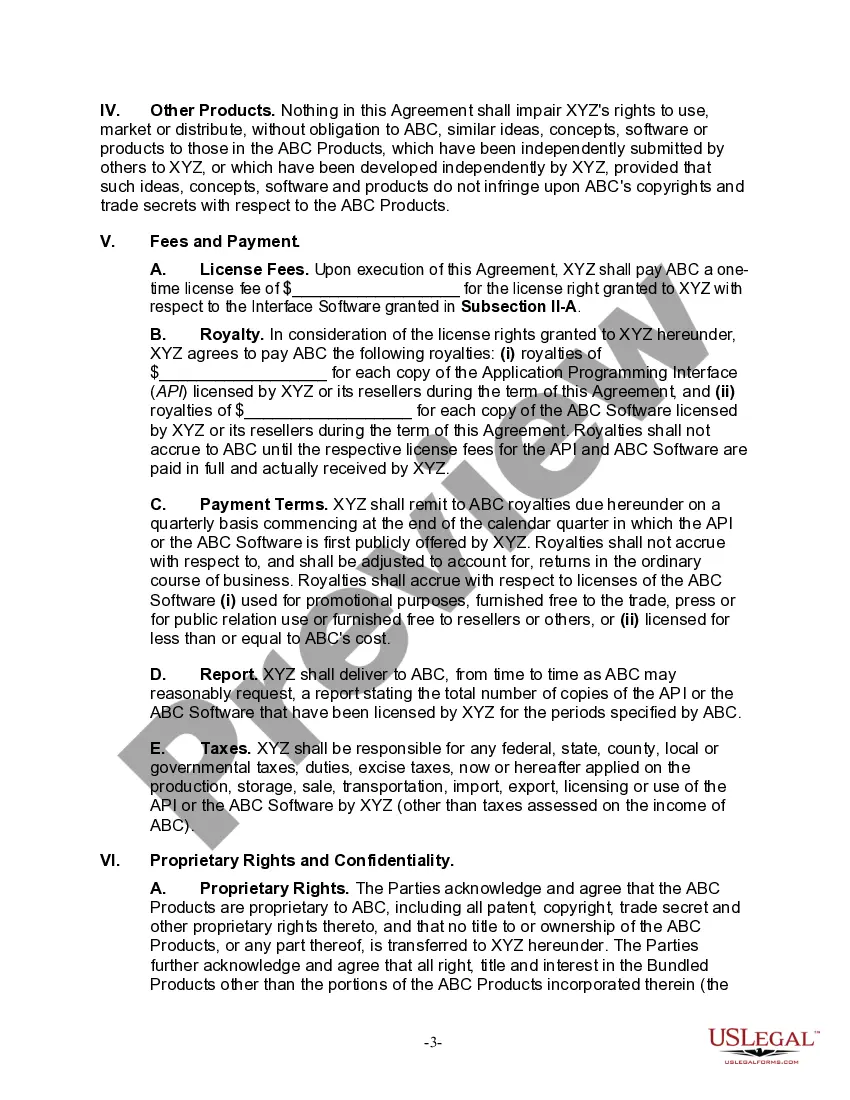
Get your form ready online
Our built-in tools help you complete, sign, share, and store your documents in one place.
Make edits, fill in missing information, and update formatting in US Legal Forms—just like you would in MS Word.
Download a copy, print it, send it by email, or mail it via USPS—whatever works best for your next step.
Sign and collect signatures with our SignNow integration. Send to multiple recipients, set reminders, and more. Go Premium to unlock E-Sign.
If this form requires notarization, complete it online through a secure video call—no need to meet a notary in person or wait for an appointment.
We protect your documents and personal data by following strict security and privacy standards.

Make edits, fill in missing information, and update formatting in US Legal Forms—just like you would in MS Word.

Download a copy, print it, send it by email, or mail it via USPS—whatever works best for your next step.

Sign and collect signatures with our SignNow integration. Send to multiple recipients, set reminders, and more. Go Premium to unlock E-Sign.

If this form requires notarization, complete it online through a secure video call—no need to meet a notary in person or wait for an appointment.

We protect your documents and personal data by following strict security and privacy standards.
Looking for another form?

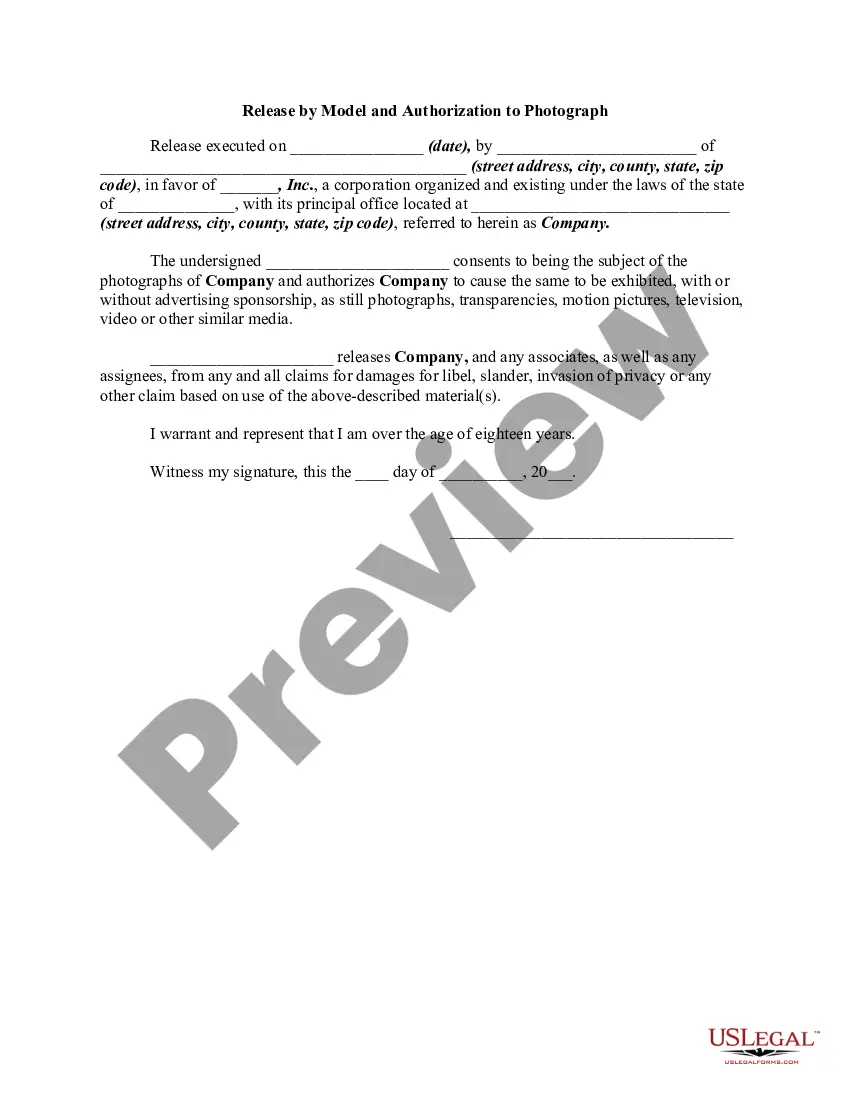
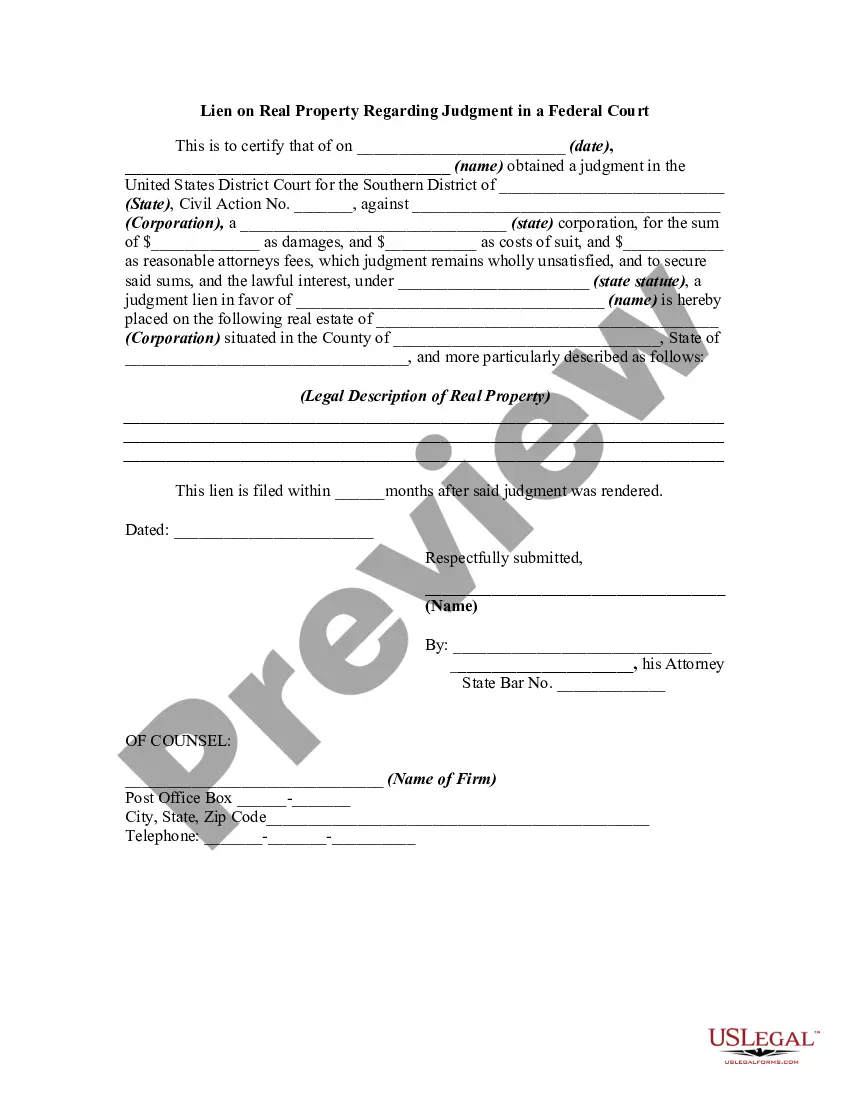

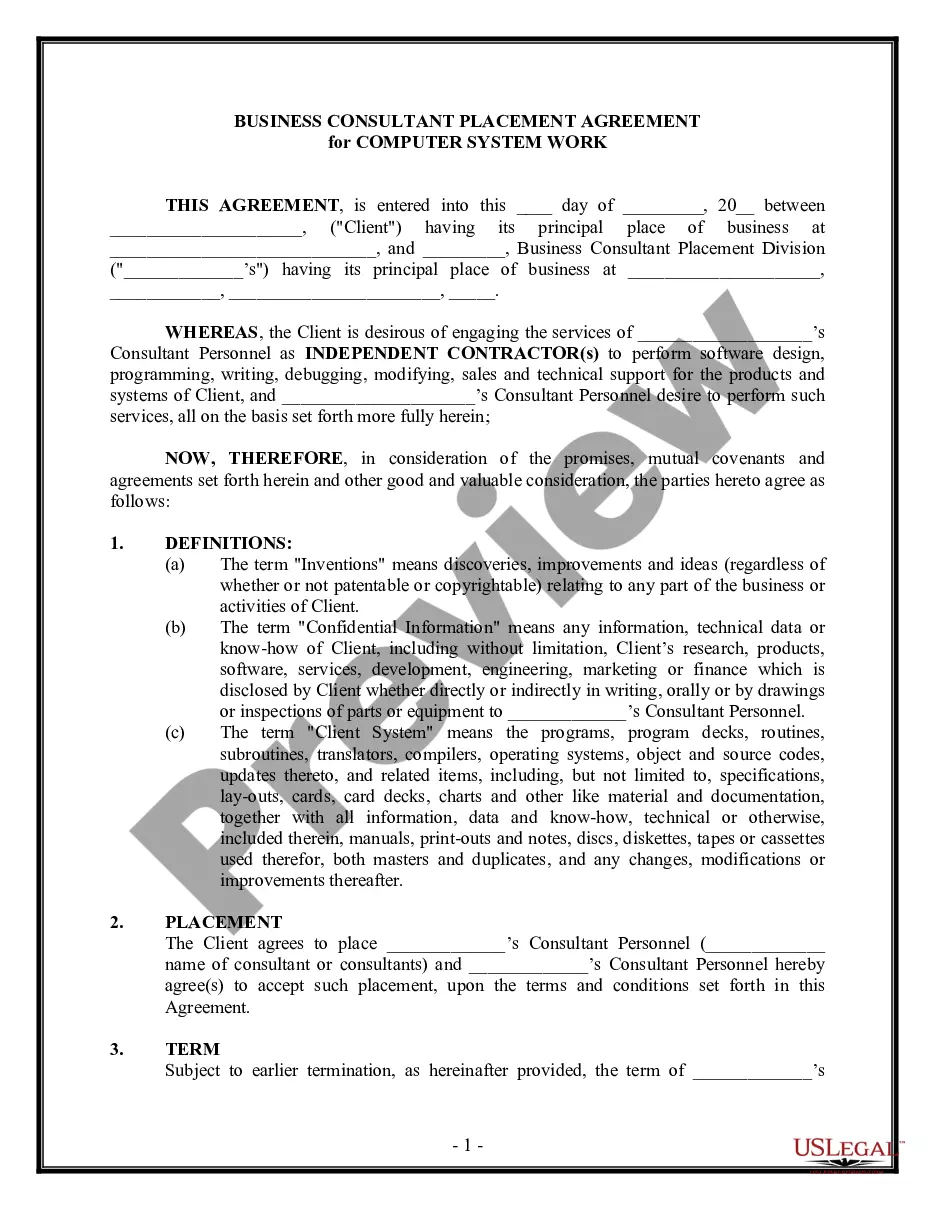
How to fill out Software License And Distribution Agreement?
US Legal Forms - one of the largest collections of legal documents in the United States - offers a broad selection of legal form templates available for purchase or printing.
Through the website, you can access thousands of forms for business and personal use, organized by categories, states, or keywords.
You can obtain the latest forms including the Alaska Software License and Distribution Agreement in just a few seconds.
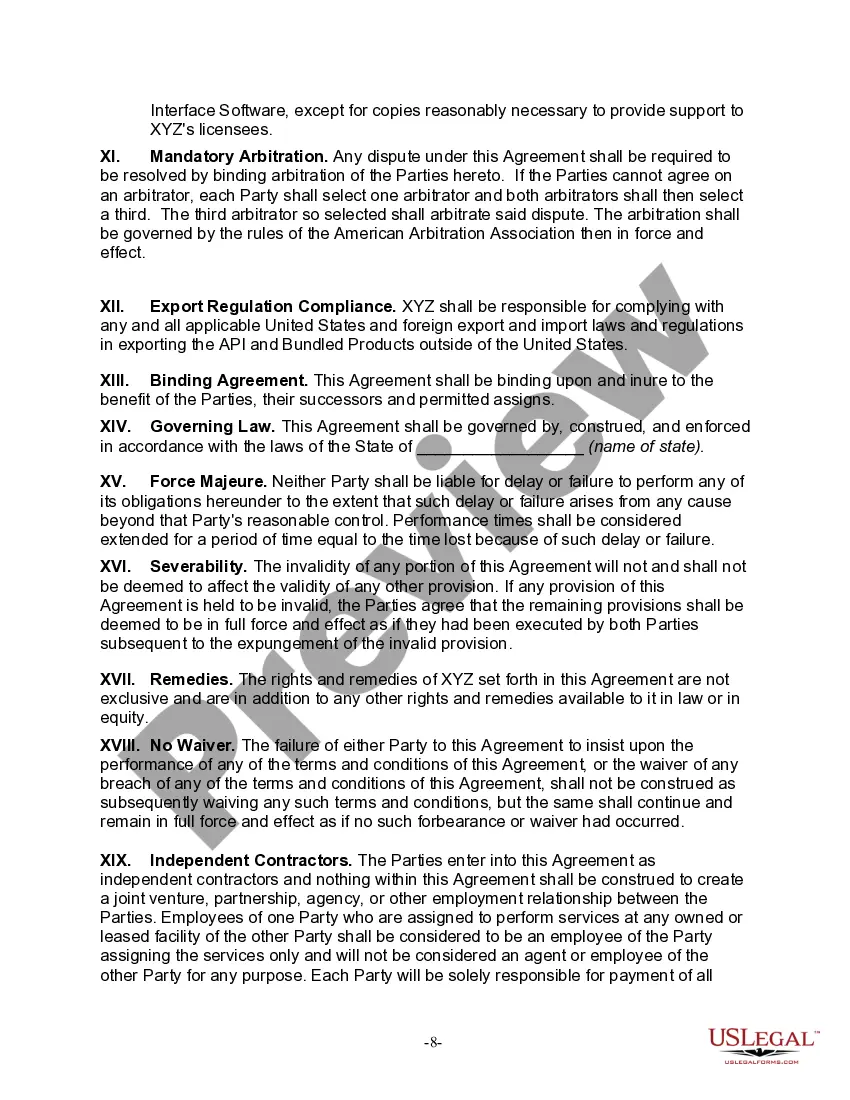
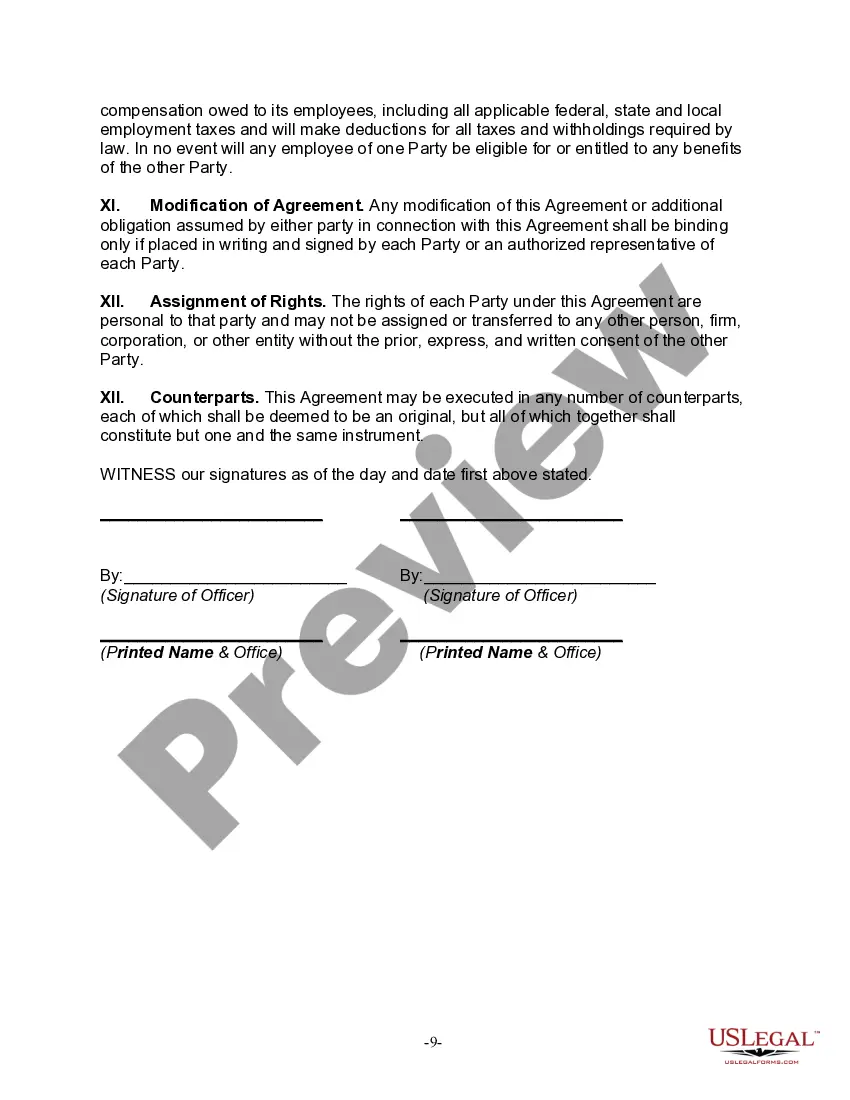
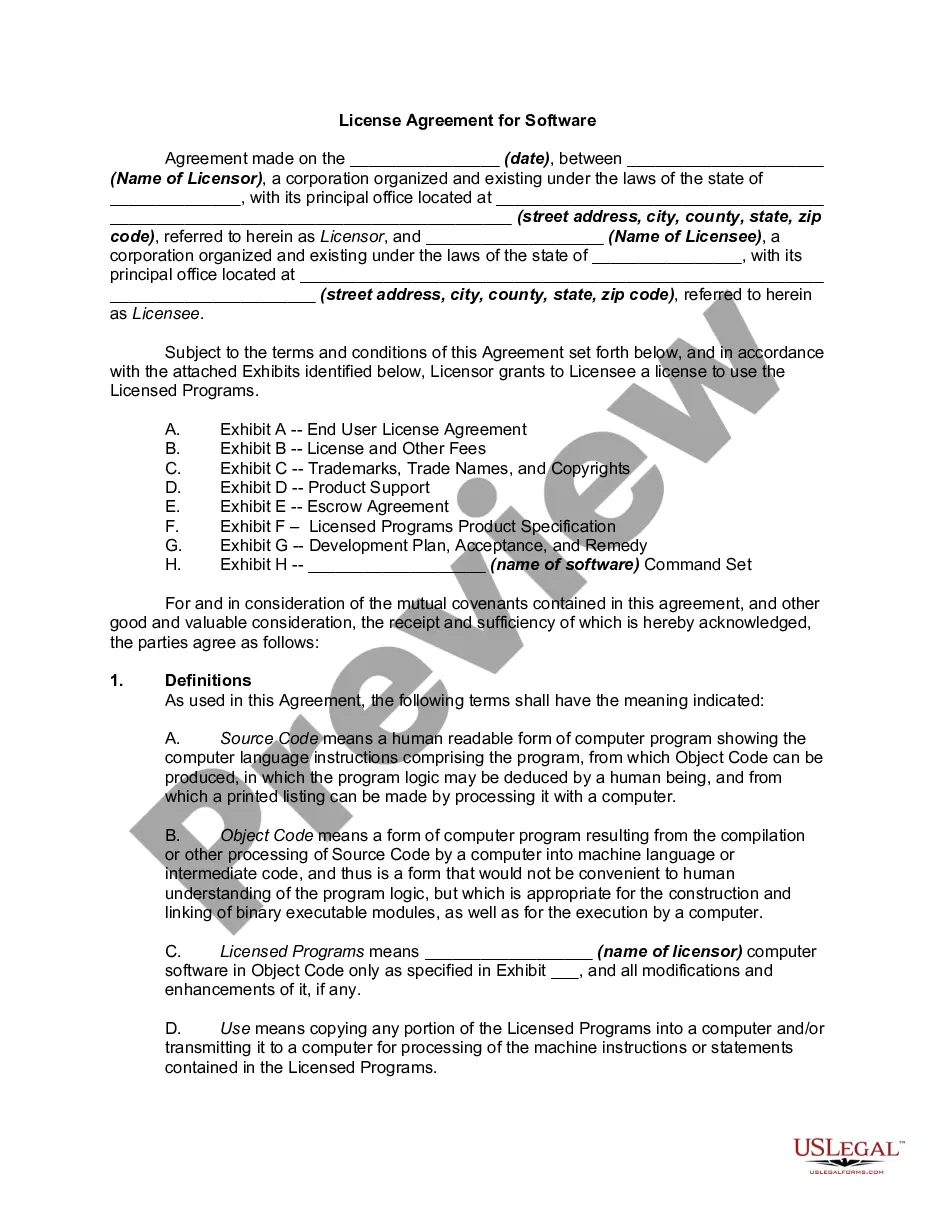
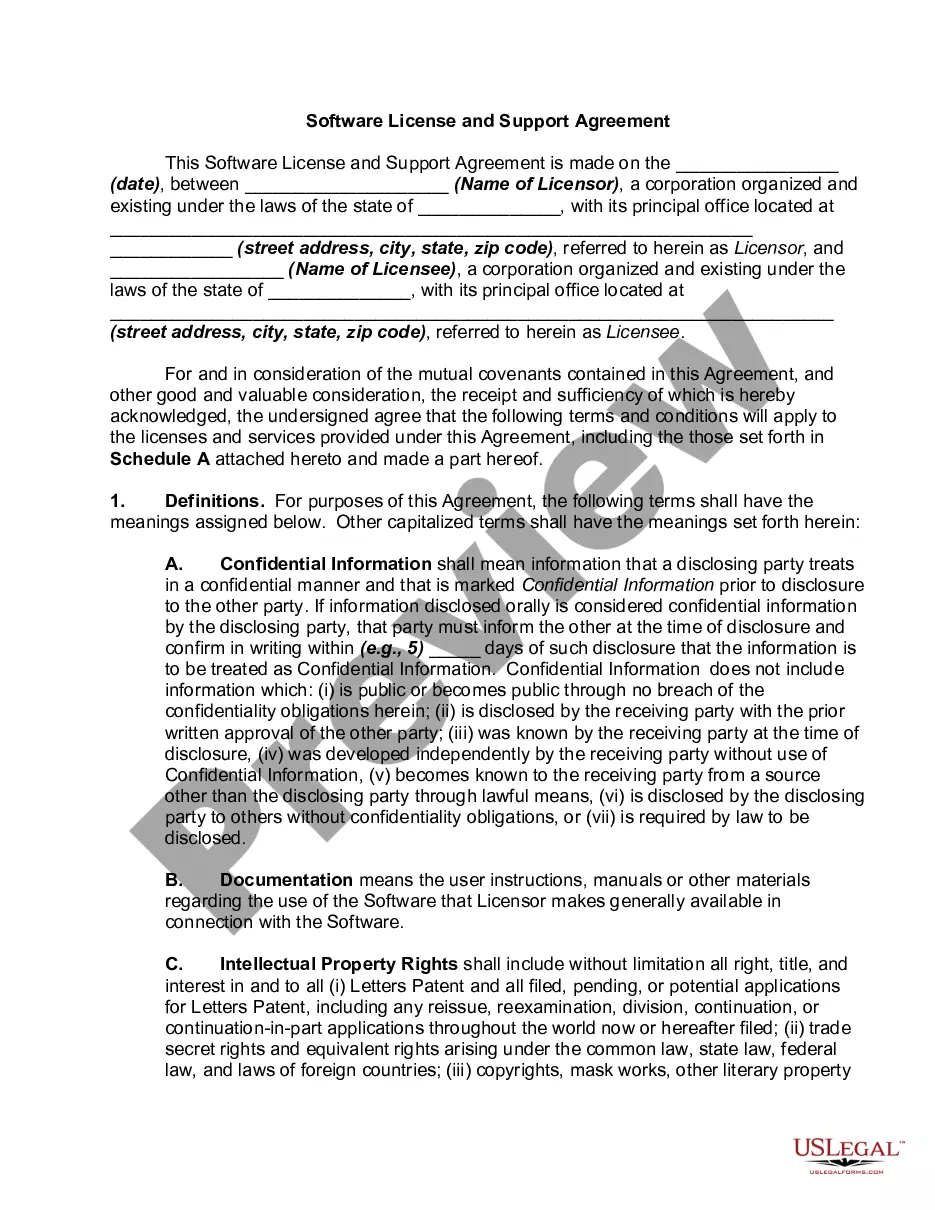
Examine the form outline to confirm that you have selected the correct one.
If the form does not meet your requirements, use the Search box at the top of the screen to find one that does.
- If you have an active monthly subscription, sign in to retrieve the Alaska Software License and Distribution Agreement from your US Legal Forms collection.
- The Download button will show on each form you review.
- You can find all previously downloaded forms in the My documents section of your account.
- To use US Legal Forms for the first time, here are simple directions to help you begin.
- Ensure you have chosen the correct form for your city/county.
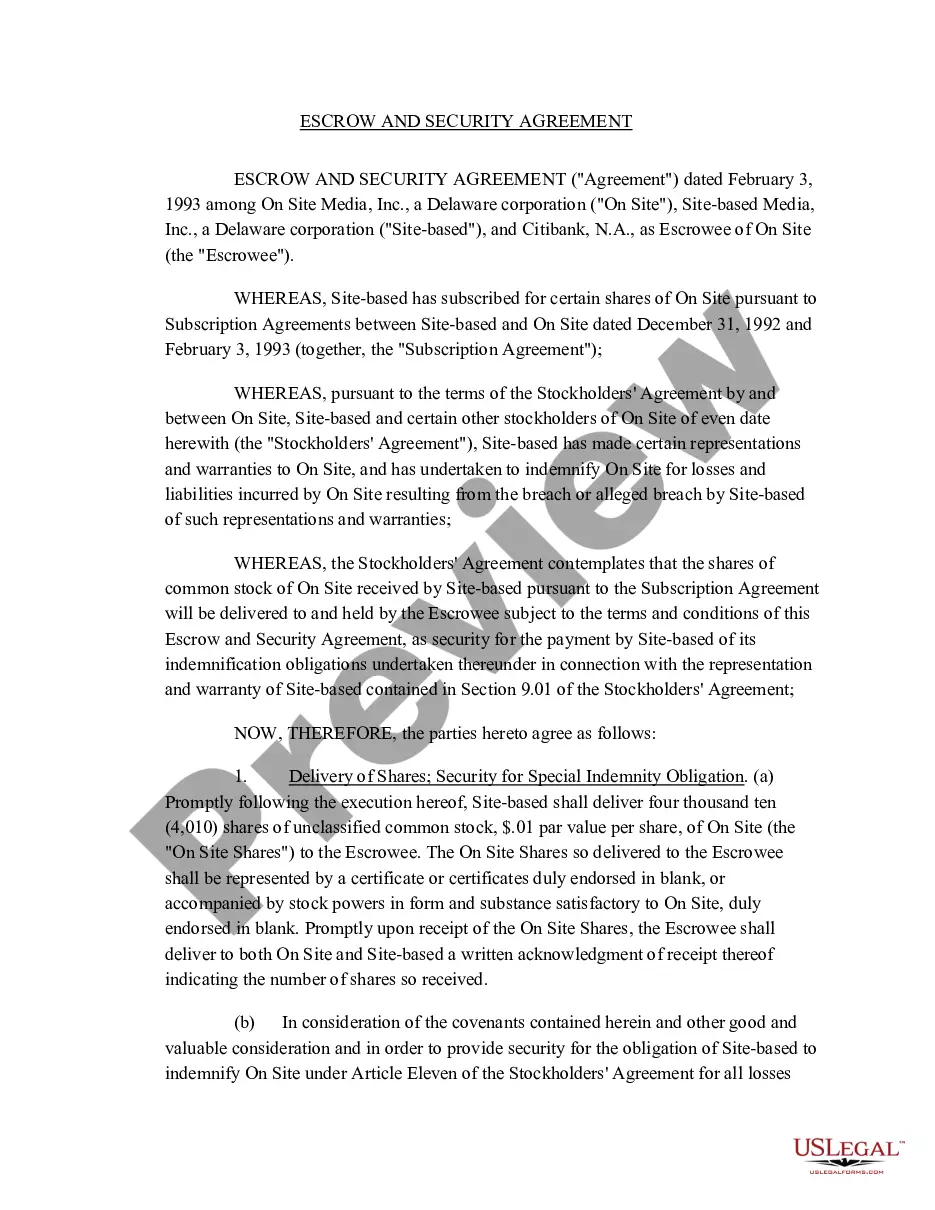
- Click the Preview button to review the form's content.
Form popularity
FAQ
A software reseller agreement is a legal agreement outlining the rights and responsibilities between the owner of software (the publisher) and a person or business wanting the right to sell or license the software to third parties (the reseller).
A distribution agreement, also known as a distributor agreement, is a contract between a supplying company with products to sell and another company that markets and sells the products. The distributor agrees to buy products from the supplier company and sell them to clients within certain geographical areas.
Software distribution agreements specifically allow distributors to market and sell the developer's software to end users. A software distribution agreement sets forth the rights and duties of both the developer and the distributor to avoid disputes later on.
A distribution agreement, also known as a distributor agreement, is a contract between a supplying company with products to sell and another company that markets and sells the products. The distributor agrees to buy products from the supplier company and sell them to clients within certain geographical areas.
A master distributor agreement is a legal agreement that allows a manufacturer to enter into a contract with another party, known as a distributor, who will sell and market the manufacturer's goods on their behalf.
Six Rules for Negotiating a Better Distribution AgreementBalance. Balance in a distribution agreement ensures that neither party holds unfair power over the other.Due Diligence.Annual Termination and Semiautomatic Renewal.Comparison with Proven Industry Agreements.Four Eyes versus Two Eyes.Cause and Convenience.
Products: The agreement should specify what products, product lines, or brands are included under the agreement. The agreement should also address whether and to what extent any new brands developed or acquired by the supplier would be included, or specifically, excluded from the agreement.
Below is a basic distribution agreement checklist to help you get started:Names and addresses of both parties.Sale terms and conditions.Contract effective dates.Marketing and intellectual property rights.Defects and returns provisions.Severance terms.Returned goods credits and costs.Exclusivity from competing products.More items...