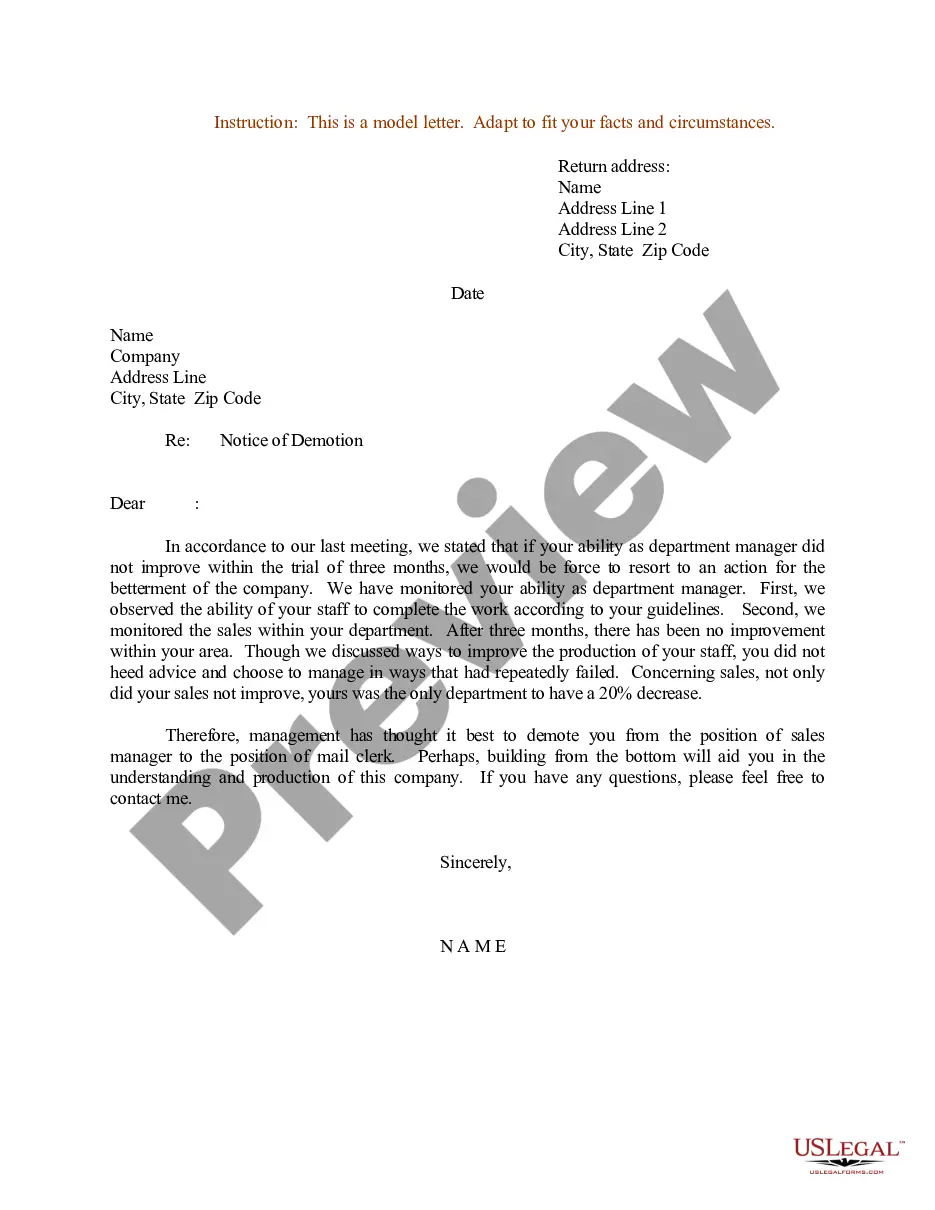
Alaska Sample Letter for Notice of Demotion
Description
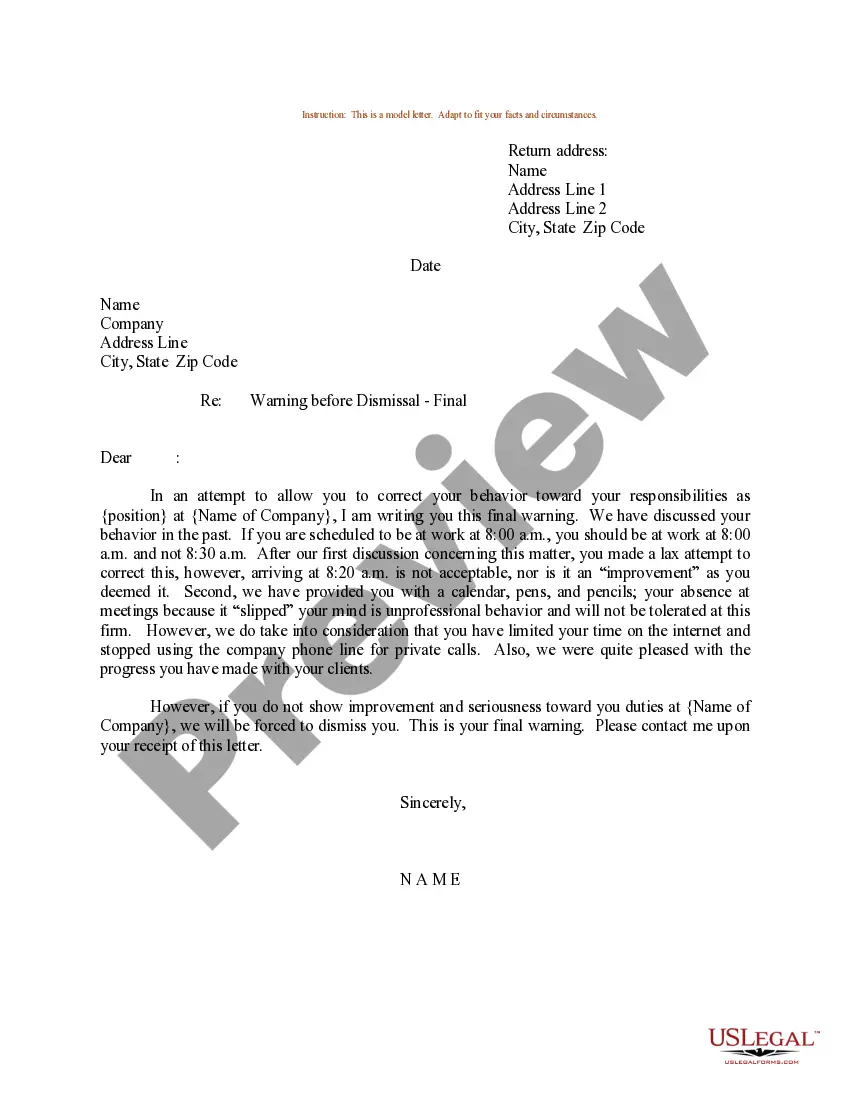
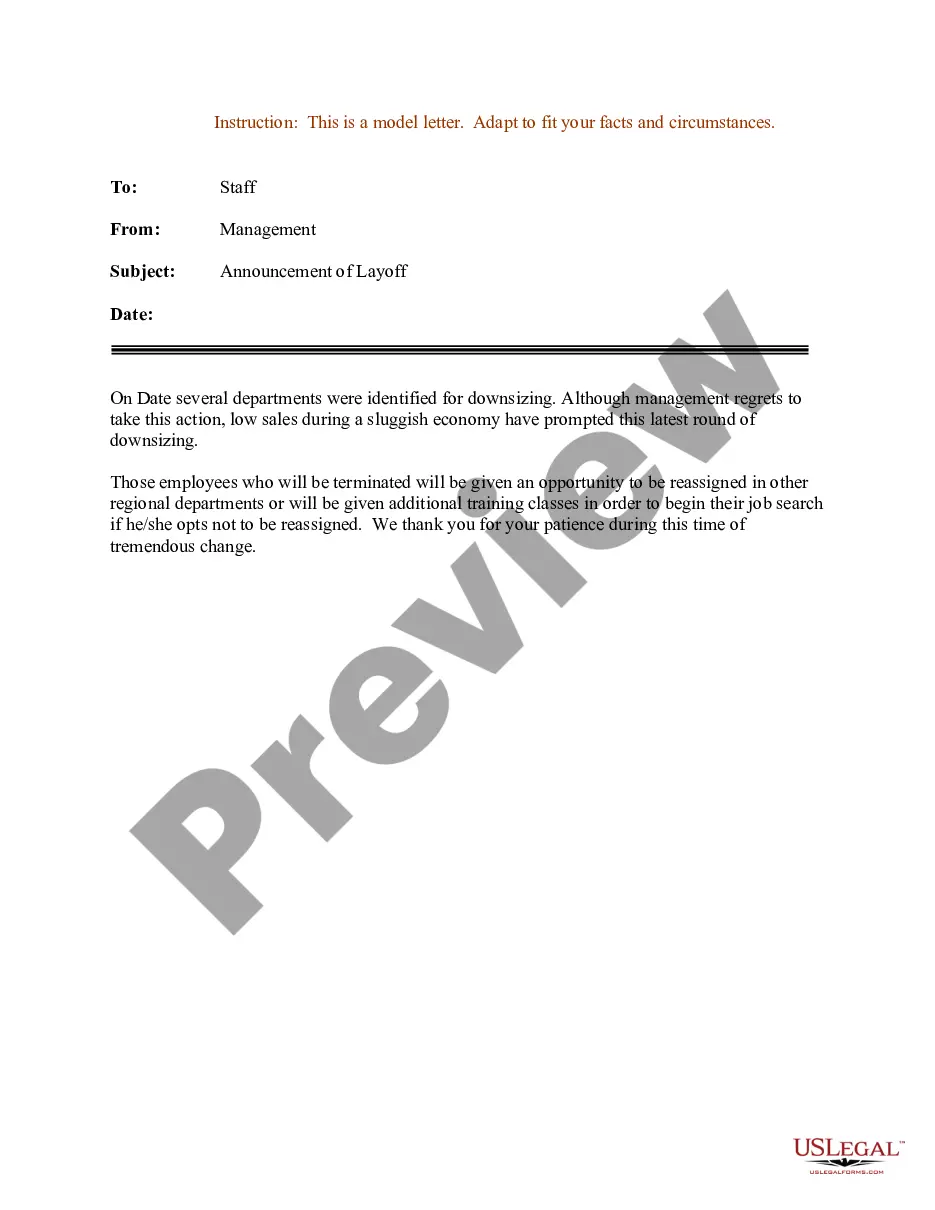
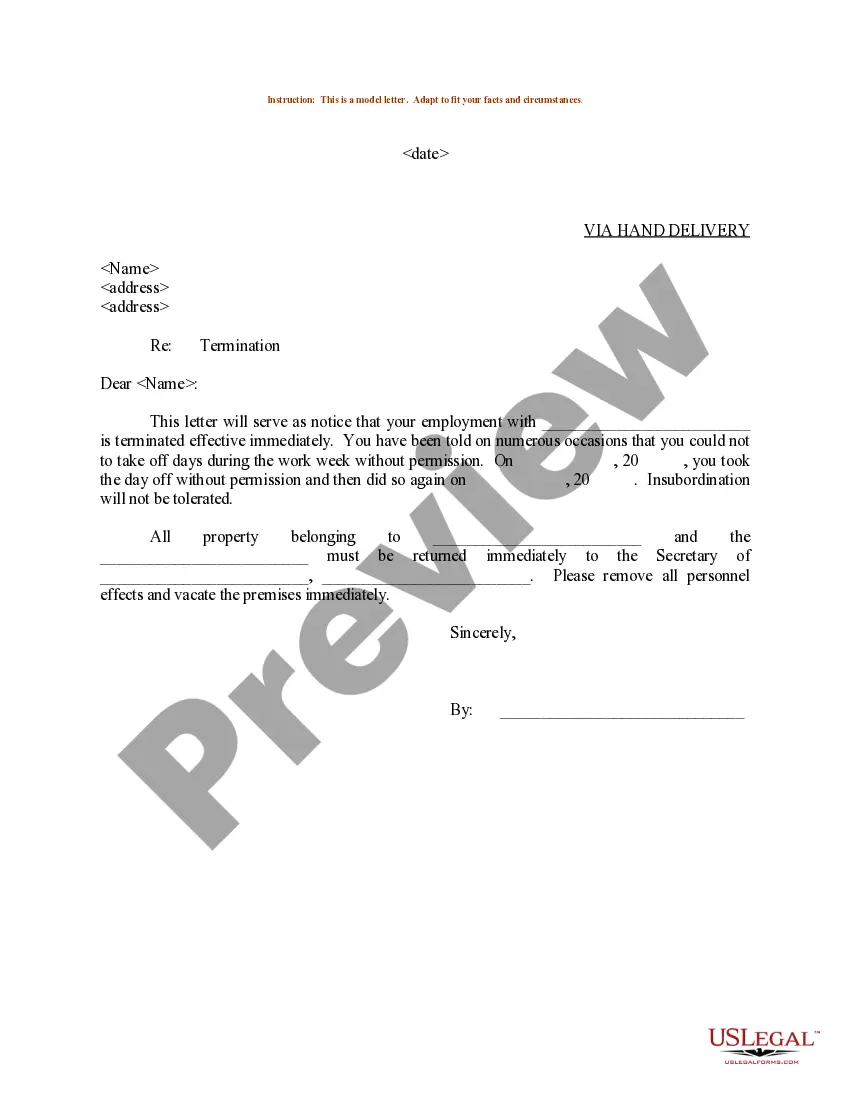
Get your form ready online
Our built-in tools help you complete, sign, share, and store your documents in one place.
Make edits, fill in missing information, and update formatting in US Legal Forms—just like you would in MS Word.
Download a copy, print it, send it by email, or mail it via USPS—whatever works best for your next step.
Sign and collect signatures with our SignNow integration. Send to multiple recipients, set reminders, and more. Go Premium to unlock E-Sign.
If this form requires notarization, complete it online through a secure video call—no need to meet a notary in person or wait for an appointment.
We protect your documents and personal data by following strict security and privacy standards.

Make edits, fill in missing information, and update formatting in US Legal Forms—just like you would in MS Word.

Download a copy, print it, send it by email, or mail it via USPS—whatever works best for your next step.

Sign and collect signatures with our SignNow integration. Send to multiple recipients, set reminders, and more. Go Premium to unlock E-Sign.

If this form requires notarization, complete it online through a secure video call—no need to meet a notary in person or wait for an appointment.

We protect your documents and personal data by following strict security and privacy standards.
Looking for another form?
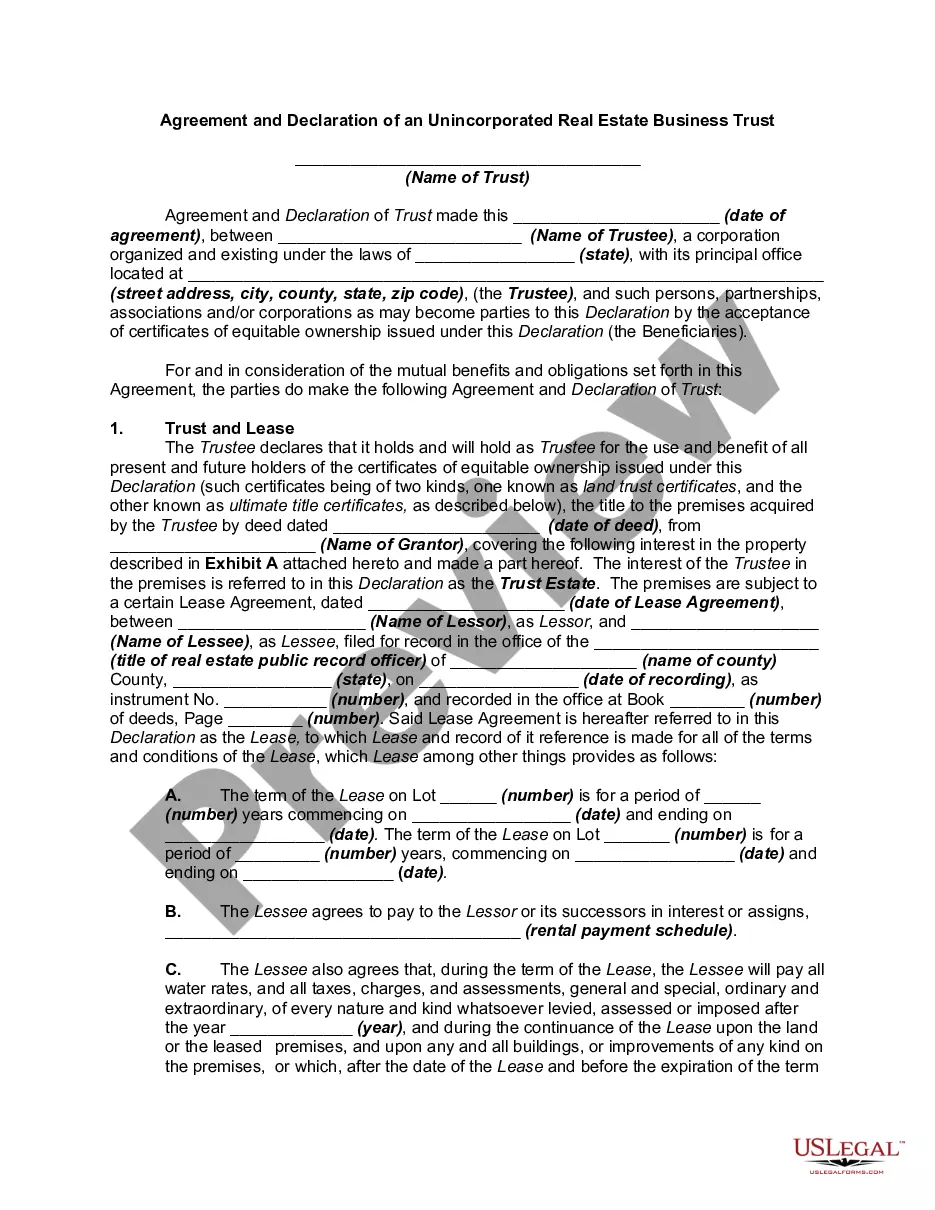
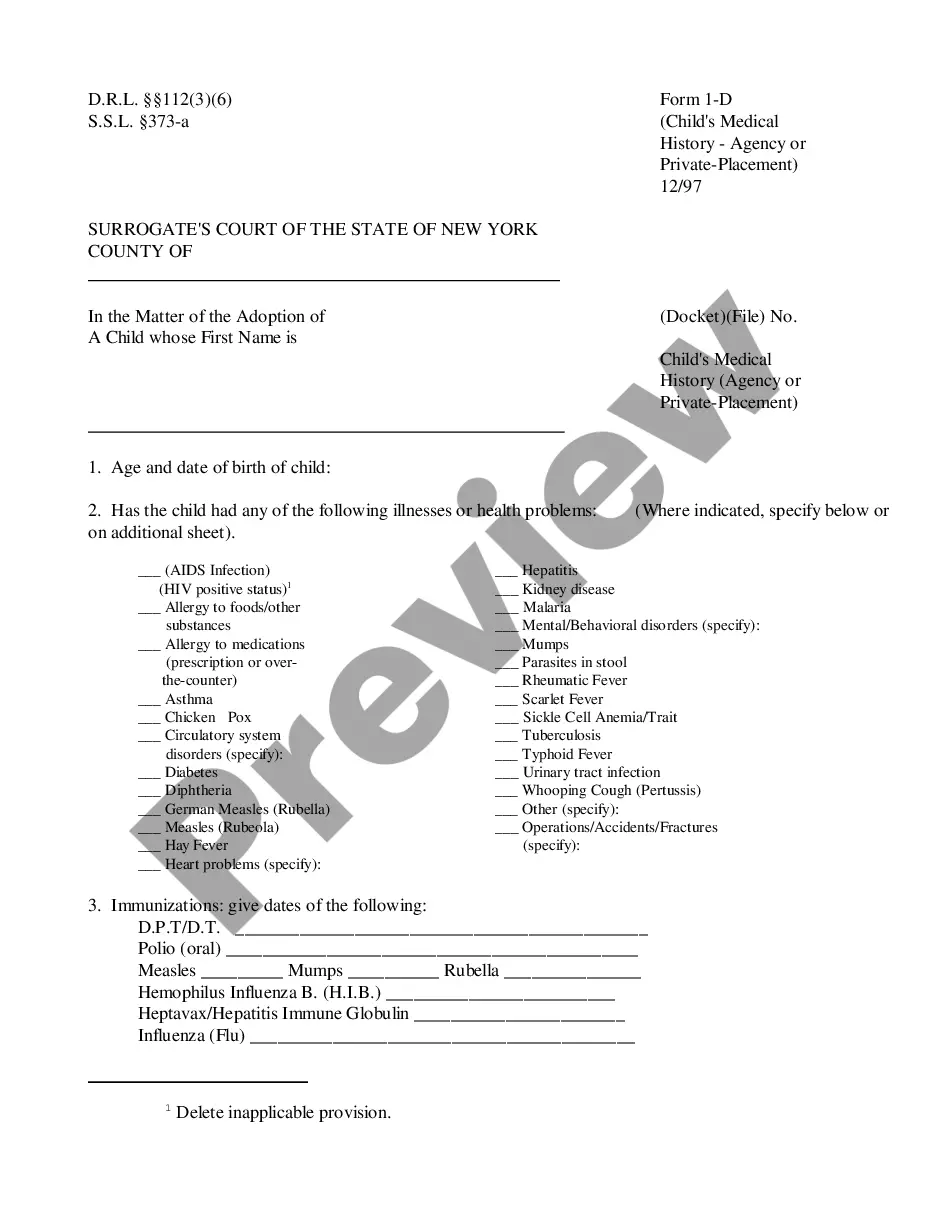

How to fill out Sample Letter For Notice Of Demotion?
Are you presently in a role where you need documentation for either business or personal reasons frequently.
There are numerous legal document templates available online, but finding reliable ones can be challenging.
US Legal Forms offers a vast array of form templates, including the Alaska Sample Letter for Notice of Demotion, which can be drafted to meet federal and state requirements.
Utilize US Legal Forms, the most extensive collection of legal documents, to save time and avoid errors.
The service provides professionally crafted legal document templates that can be used for various purposes. Create your account on US Legal Forms and start simplifying your life.
- If you are already familiar with the US Legal Forms website and have an account, simply Log In.
- After that, you can download the Alaska Sample Letter for Notice of Demotion template.
- If you do not have an account and wish to start using US Legal Forms, follow these steps.
- Find the form you need and ensure it is for the correct city/region.
- Use the Review button to examine the form.
- Check the description to confirm that you have chosen the correct form.
- If the form isn’t what you’re looking for, use the Search feature to find the form that meets your needs and requirements.
- Once you find the right form, click on Get now.
- Select the pricing plan you prefer, fill in the required information to create your account, and pay for the order with your PayPal or credit card.
- Choose a convenient file format and download your copy.
- Access all the form templates you have purchased in the My documents menu. You can obtain another copy of the Alaska Sample Letter for Notice of Demotion at any time if needed. Just click on the desired form to download or print the document template.
Form popularity
FAQ
Summary. A demotion is a change of an employee from one position to another position, which is in a class with a lower salary range maximum. This can occur through a voluntary action (request from employee).
Demotions can be voluntary or involuntary, and they can occur as a result of poor employee performance, position elimination, disciplinary actions, or organisational restructuring.
However, if you're a manager and you get bumped back to assistant manager, that's a demotion. Demotions occur when someone has broken the rules or has done a poor job. Demotions usually come with a reduction in pay too.
A demotion takes place when an employee is shifted from one role to a lesser role in the company. For example, if an employee is a manager, a demotion might return them to a line-level employee. Demotions can be permanent, or you can use them as a temporary solution.
A demotion occurs when a manager reduces an employee's job title, role or duties. How you define demoted depends on the situation. A demotion can either be temporary or permanent and is often used as an alternative to letting an employee go.
How to write a demotion letter State your appreciation. Begin your letter by thanking the employer and management team for the opportunity that they have provided you. ... List your reasons. ... Discuss how you plan to move forward. ... List any details discussed with your manager. ... Deliver your letter in person.
The letter should be in a formal tone and should use only facts. The employee should try and make the letter professional, to the point, and short. Mentioning the reason for the demotion is very important as details about the new role. The letter should also include the salary details and the next steps in the process.
A voluntary demotion is a movement to a class with a lower salary range upon the request or concurrence of an employee. This is distinguished from an involuntary demotion, which is not at the concurrence of the employee and which may occur due to a rejection on probation, in lieu of layoff, or disciplinary action.