West Virginia Last Will and Testament for Divorced and Remarried Person with Mine, Yours and Ours Children
About this form
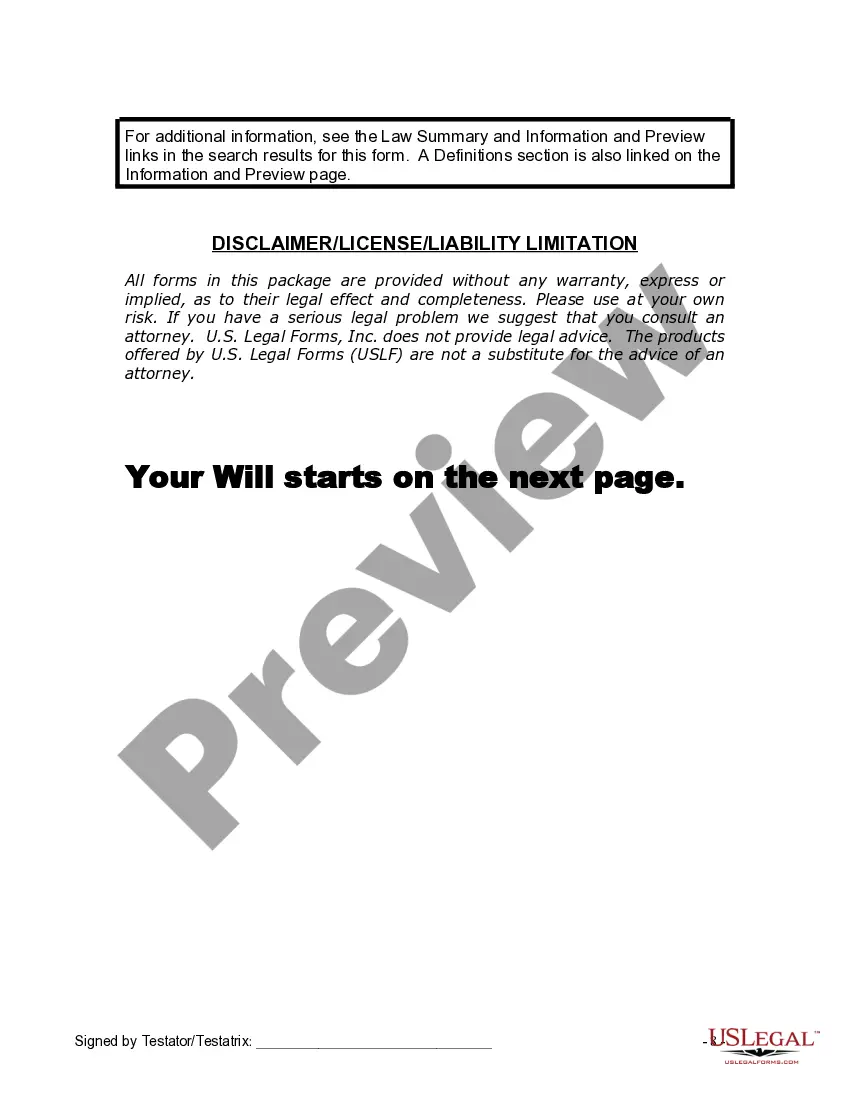
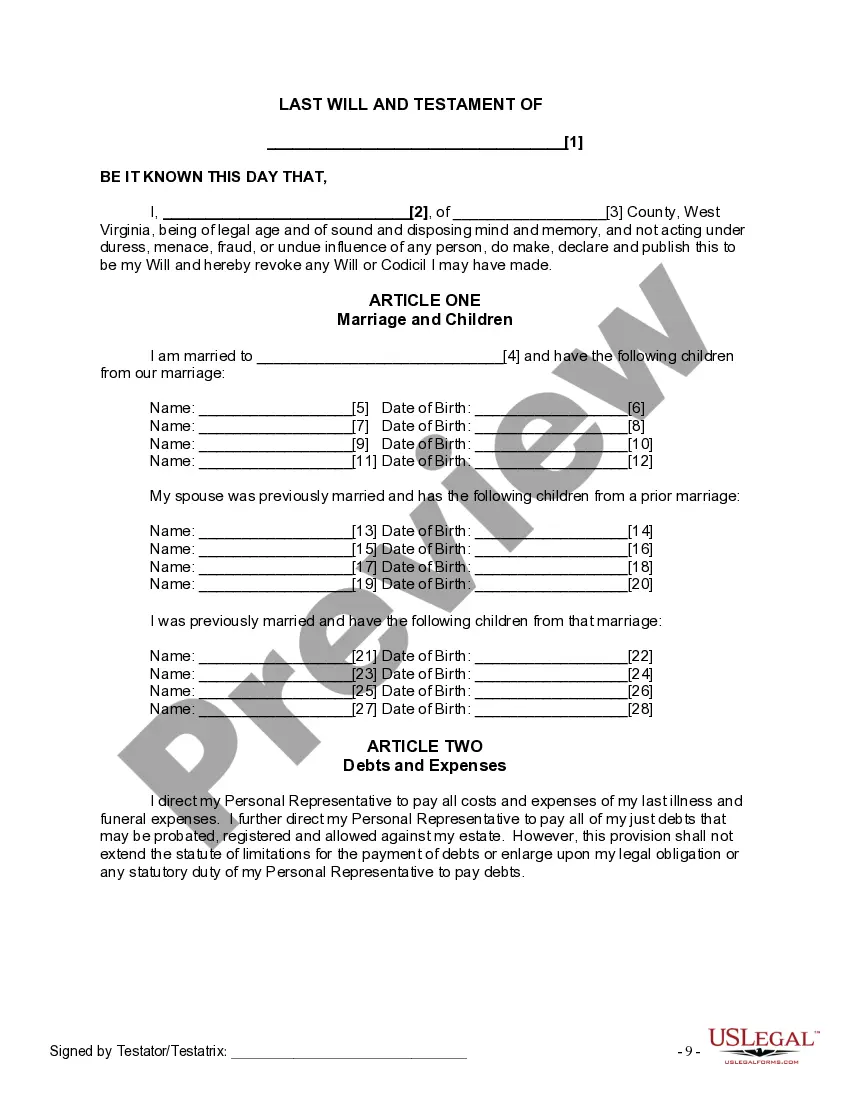
This Last Will and Testament is specifically designed for divorced and remarried individuals who have children from both their current and previous marriages. It allows you to dictate how your property will be distributed upon your death, appoint guardians for minor children, and establish trusts to manage assets for younger beneficiaries. Unlike general wills, this form accounts for blended families and ensures your wishes are addressed appropriately.
Key parts of this document
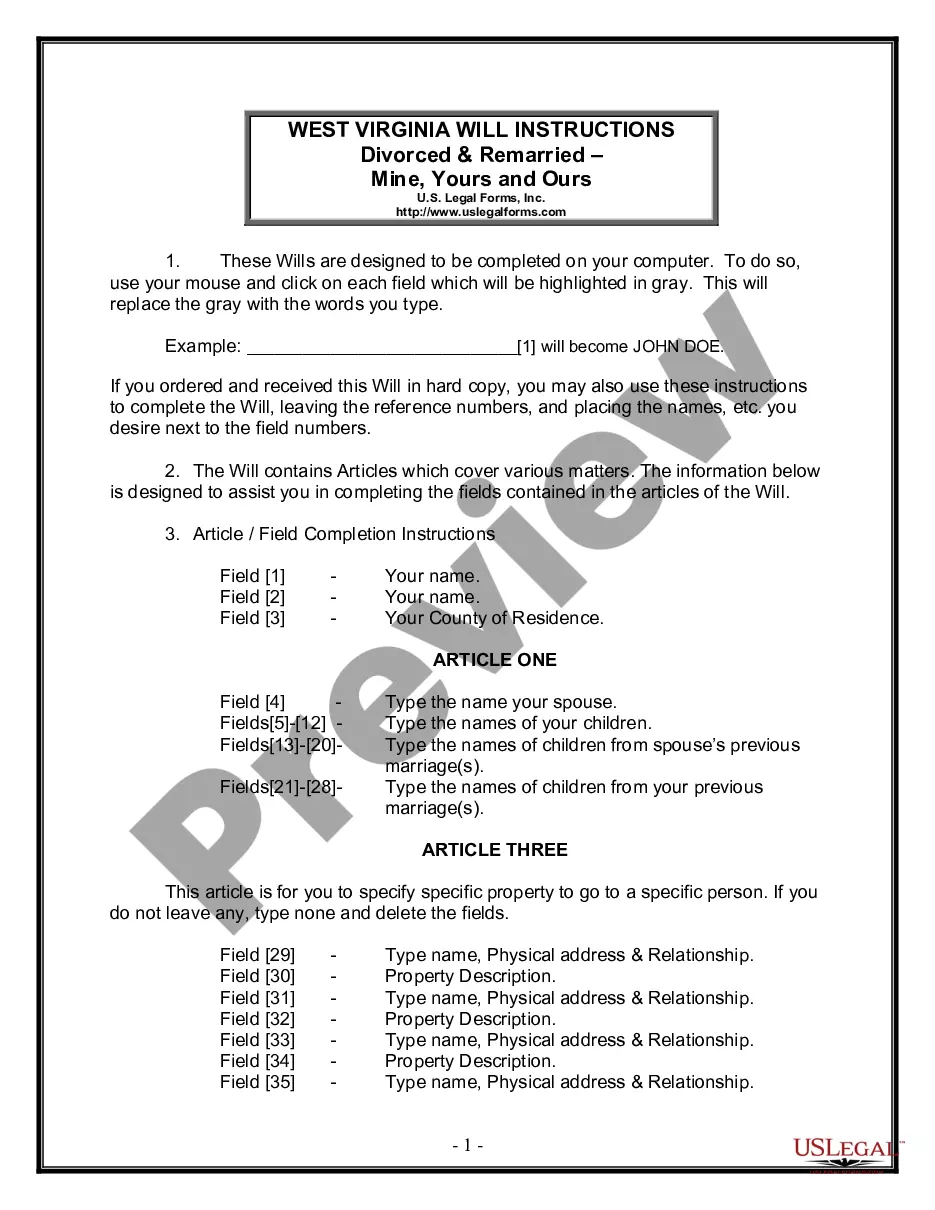
- Article one: Identifies your spouse and all children from current and previous marriages.
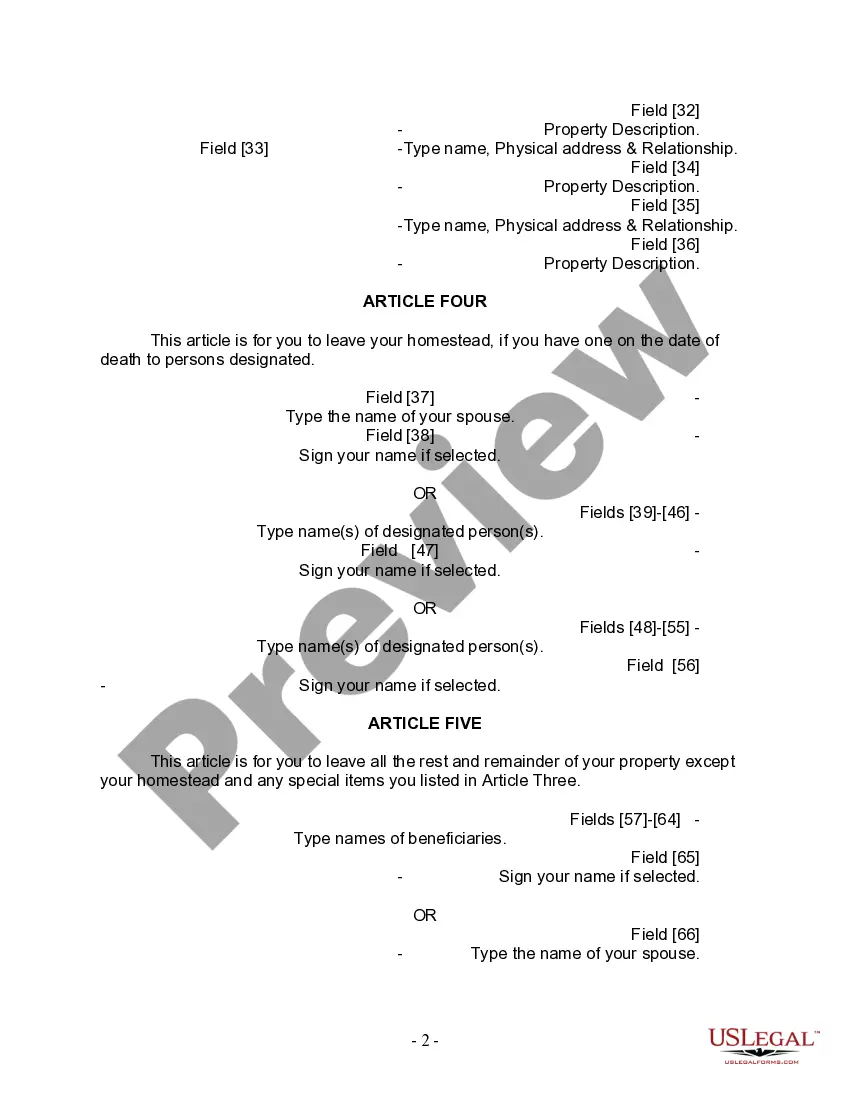
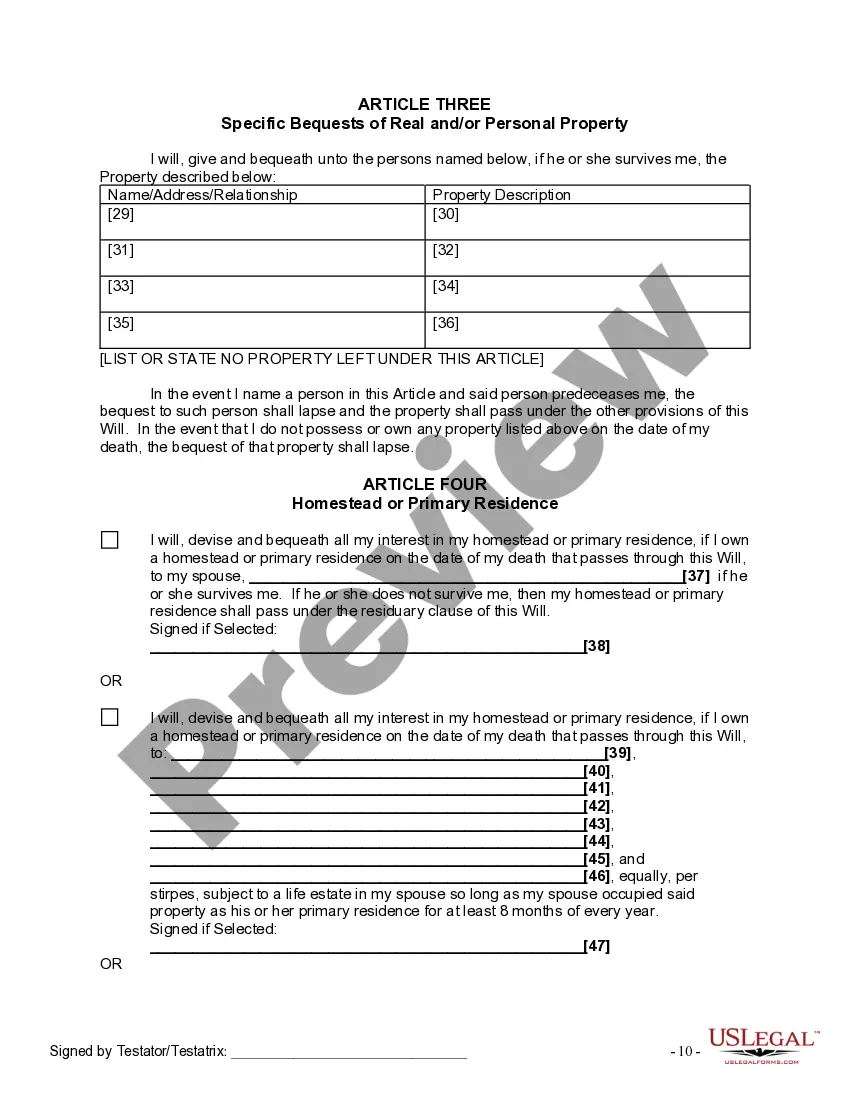
- Article three: Allows you to designate specific property to certain individuals.
- Article four: Addresses the disposition of your homestead or primary residence.
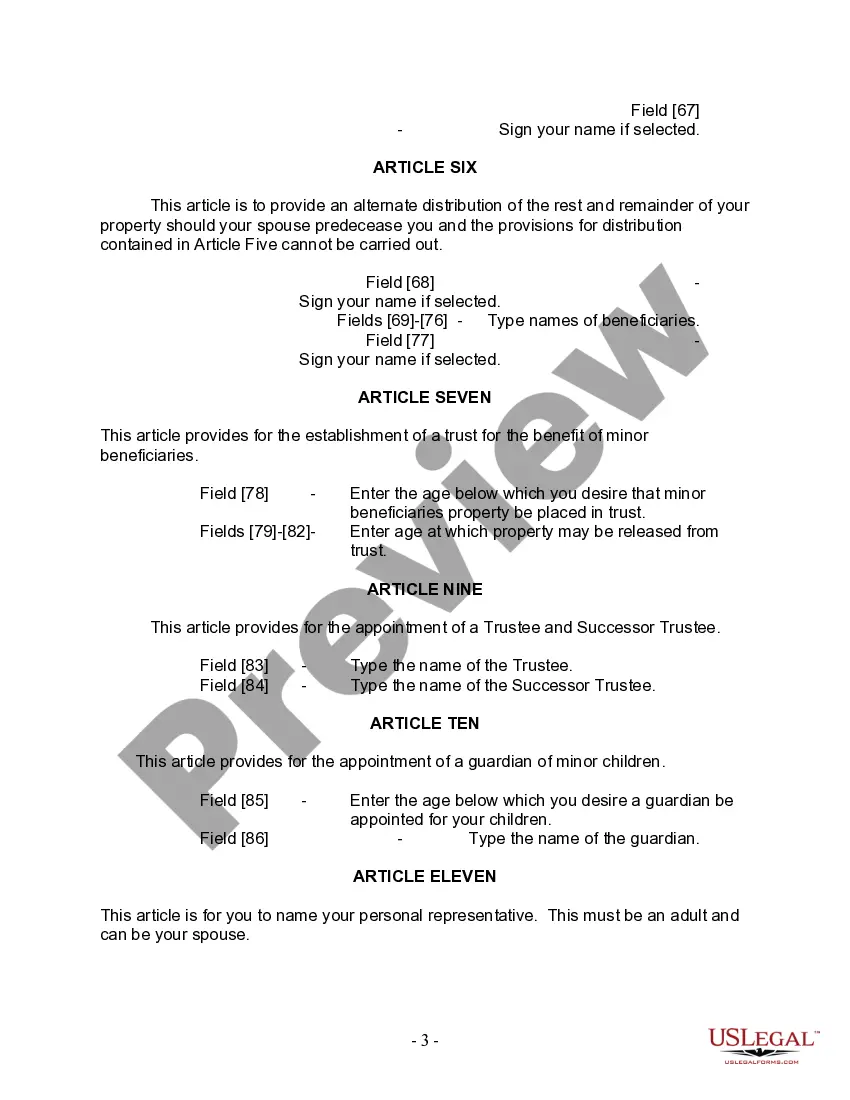
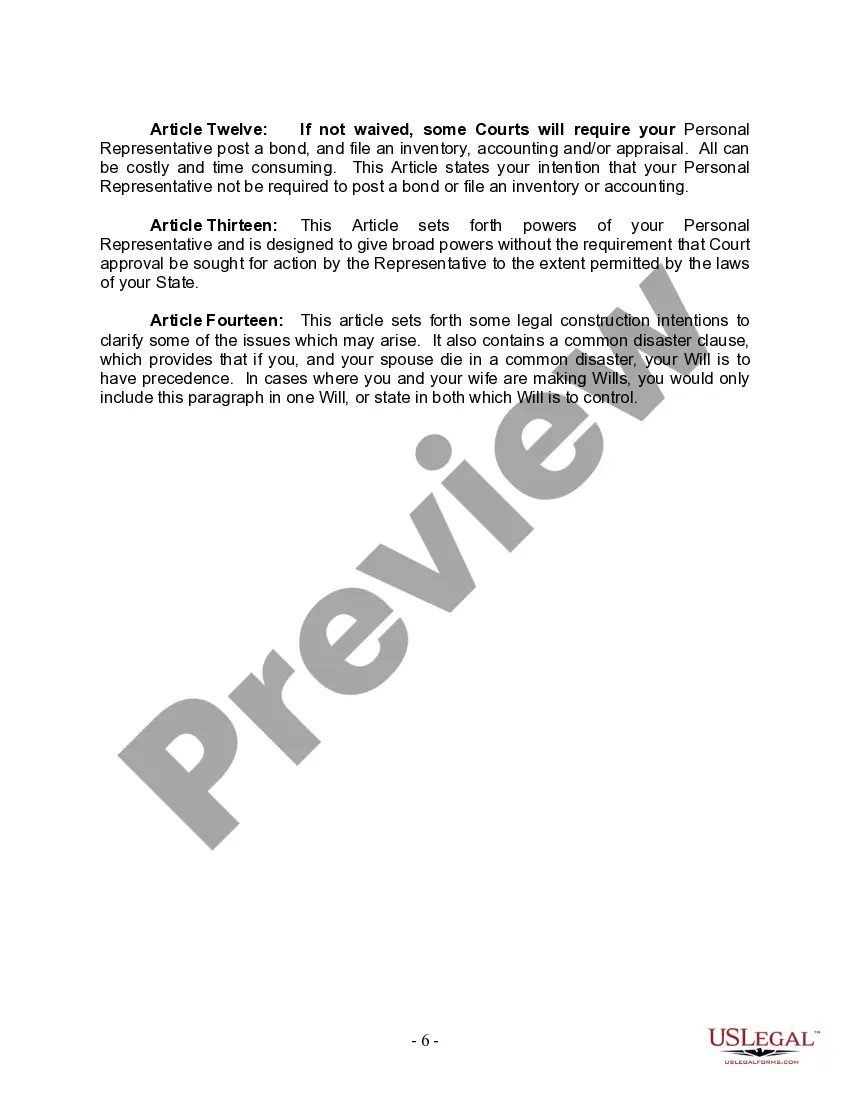
- Article seven: Establishes a trust for minor beneficiaries.
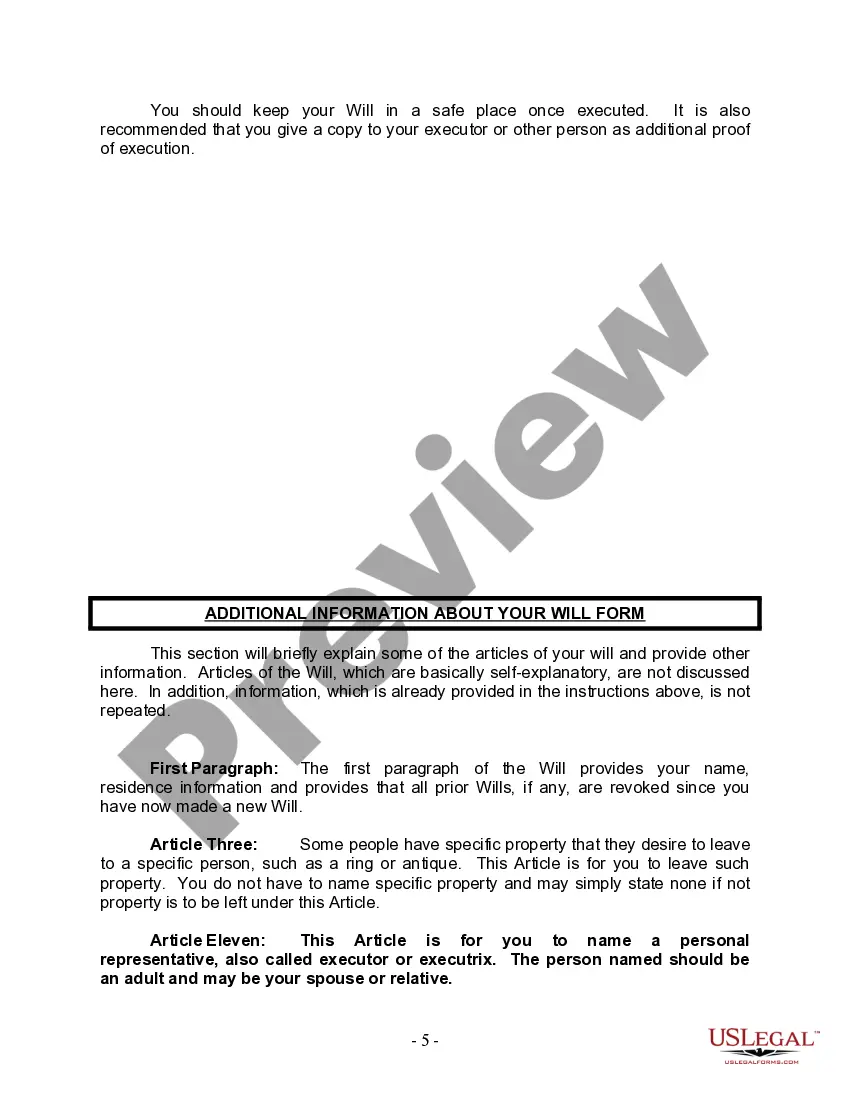
- Article eleven: Names your personal representative to administer the estate.
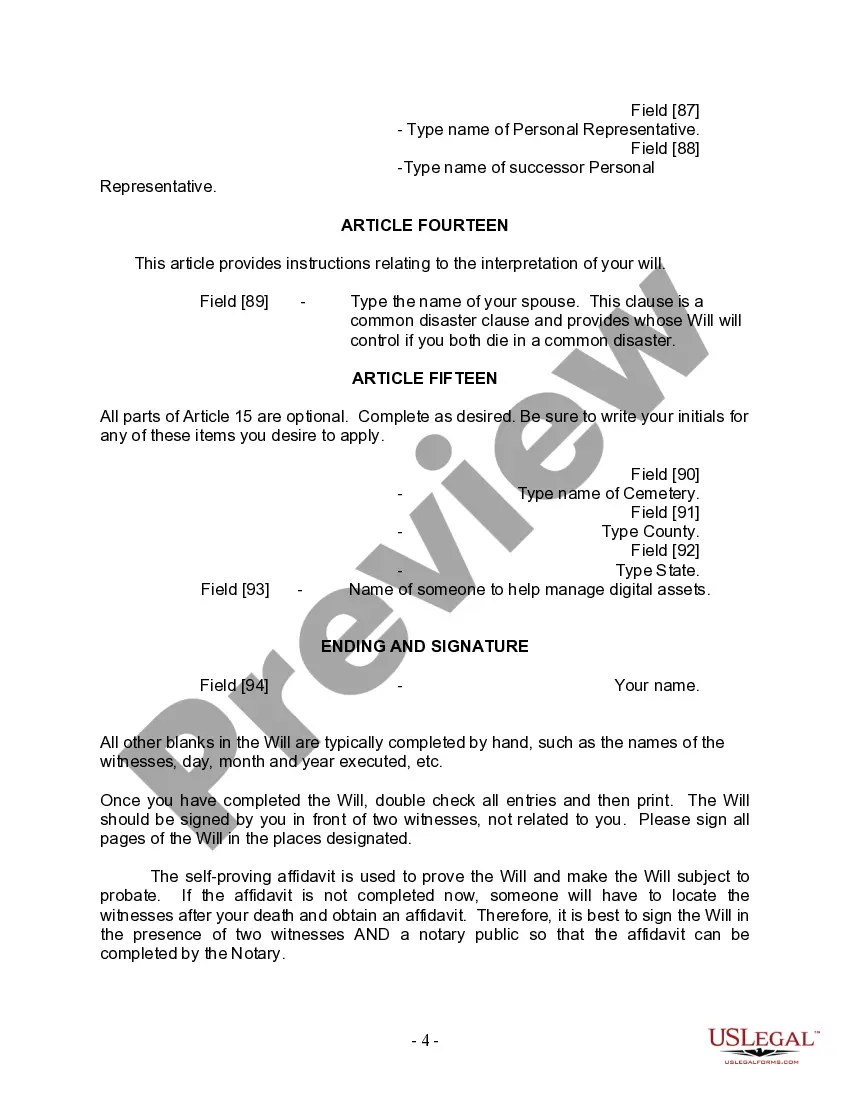
- Article fifteen: Includes optional provisions for additional wishes regarding property distribution.

Common use cases
This form is essential when you want to provide a clear plan for your estate following your death, especially if you are a divorced person with children from different relationships. It is particularly important if you want to ensure that all your children, including those from previous marriages, are considered in your estate plan and have their interests protected.
Who this form is for
- Individuals who are currently divorced and remarried.
- Parents with children from both their current marriage and previous relationships.
- Anyone seeking to establish a comprehensive estate plan that addresses the needs of a blended family.
How to prepare this document
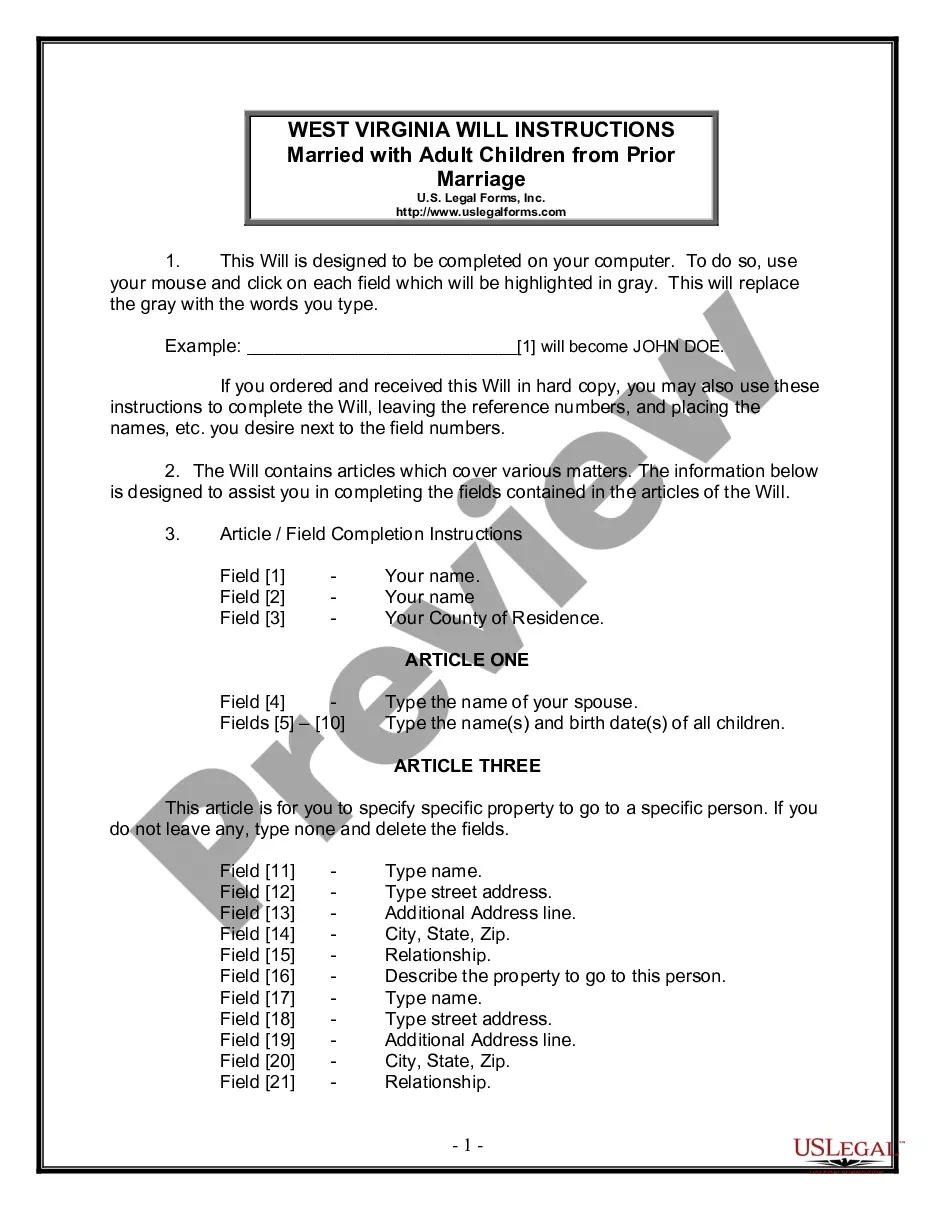
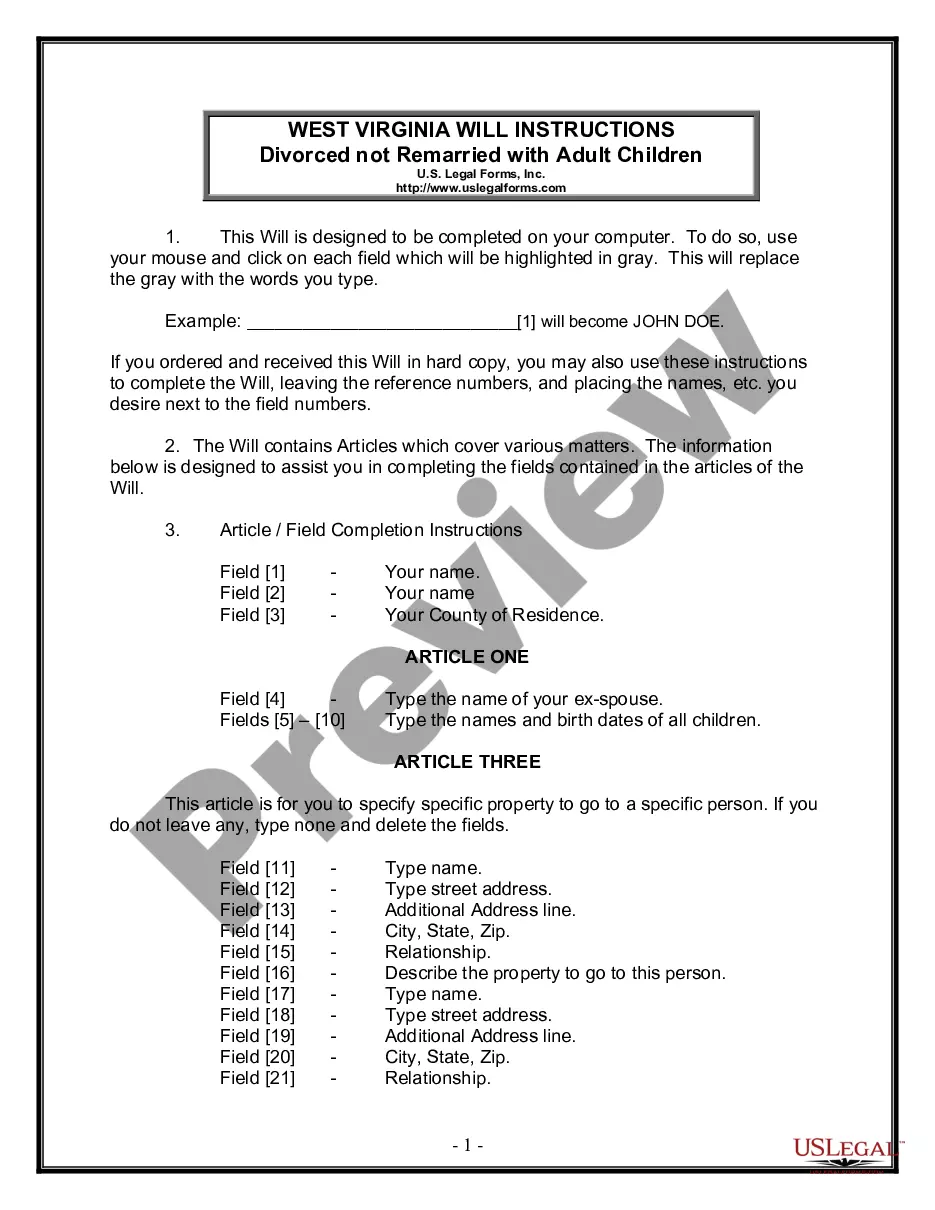
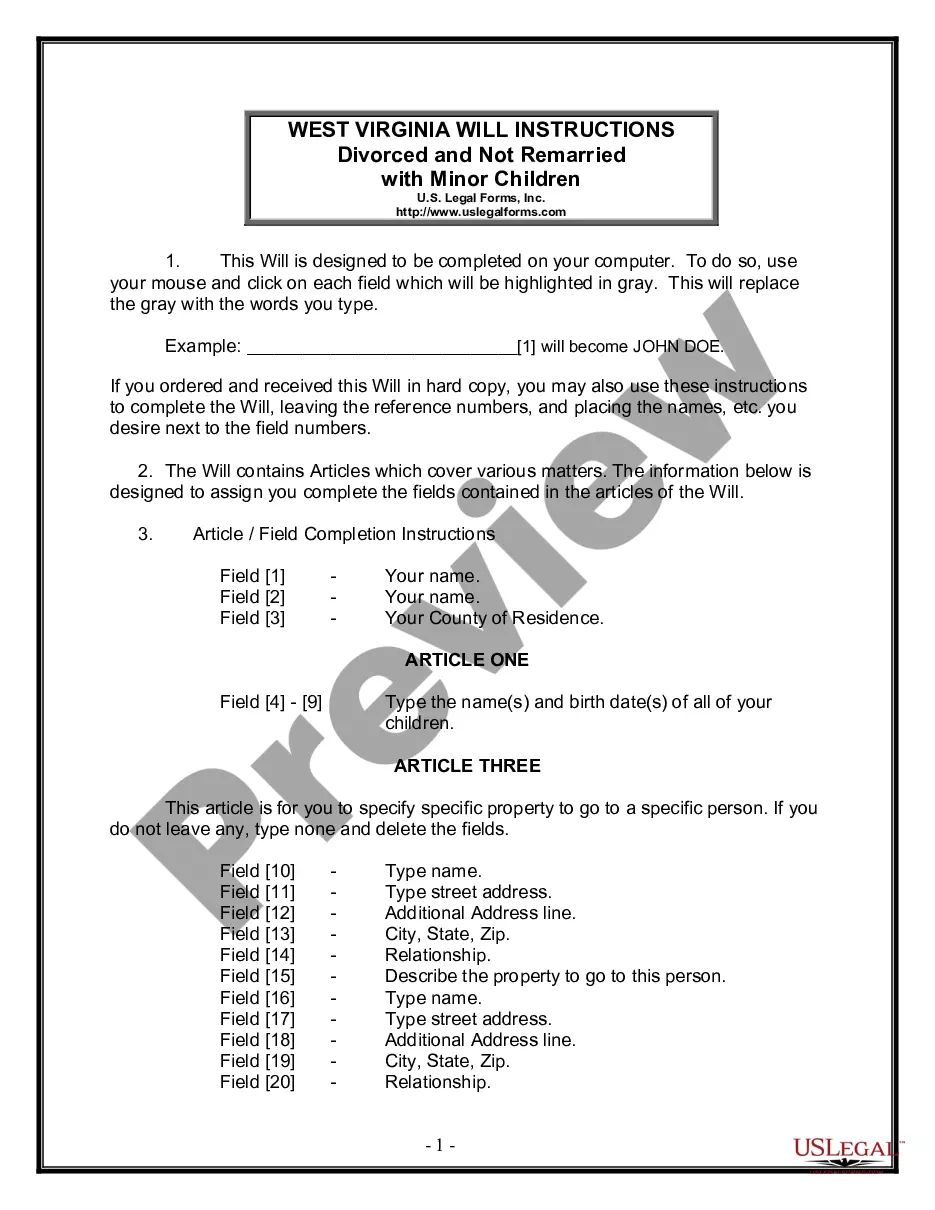
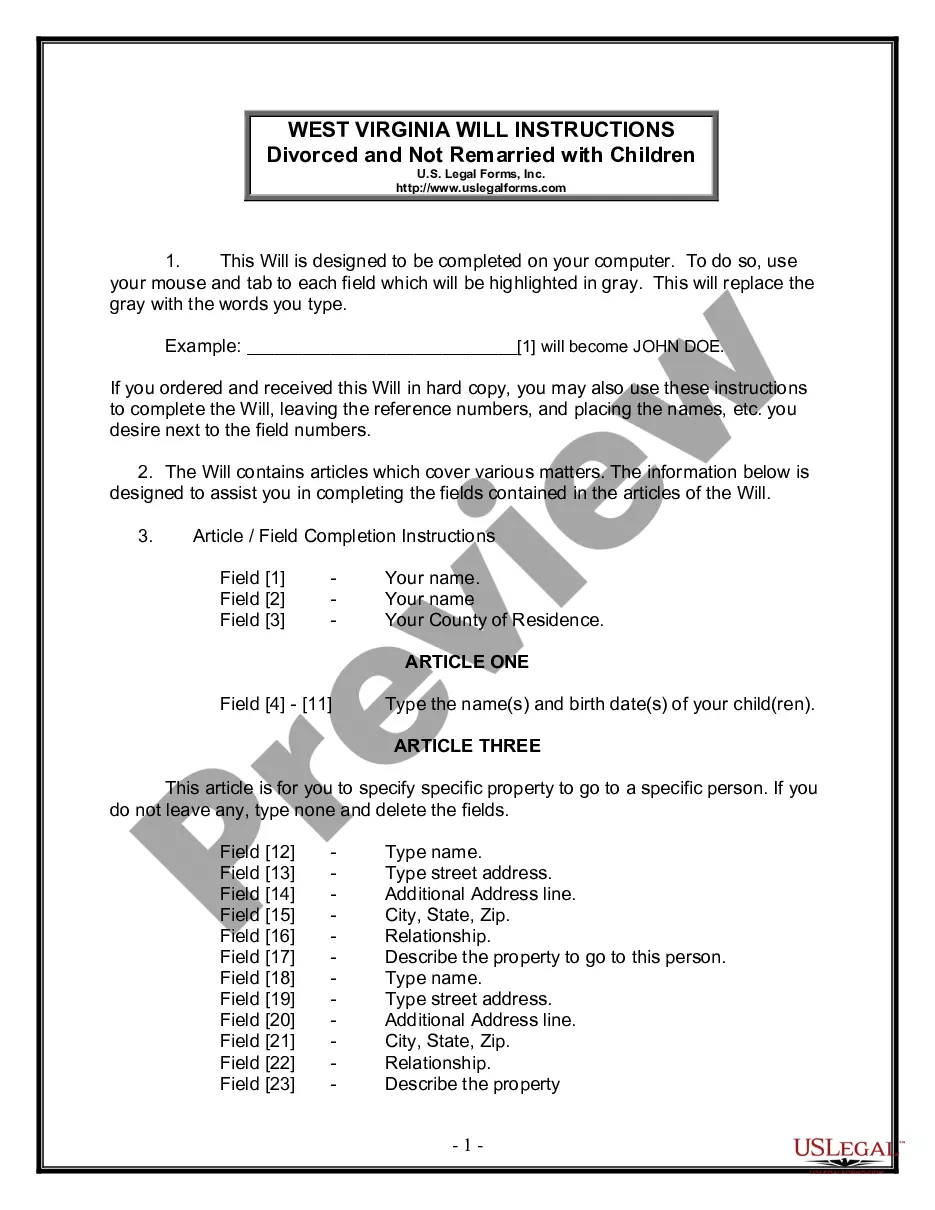
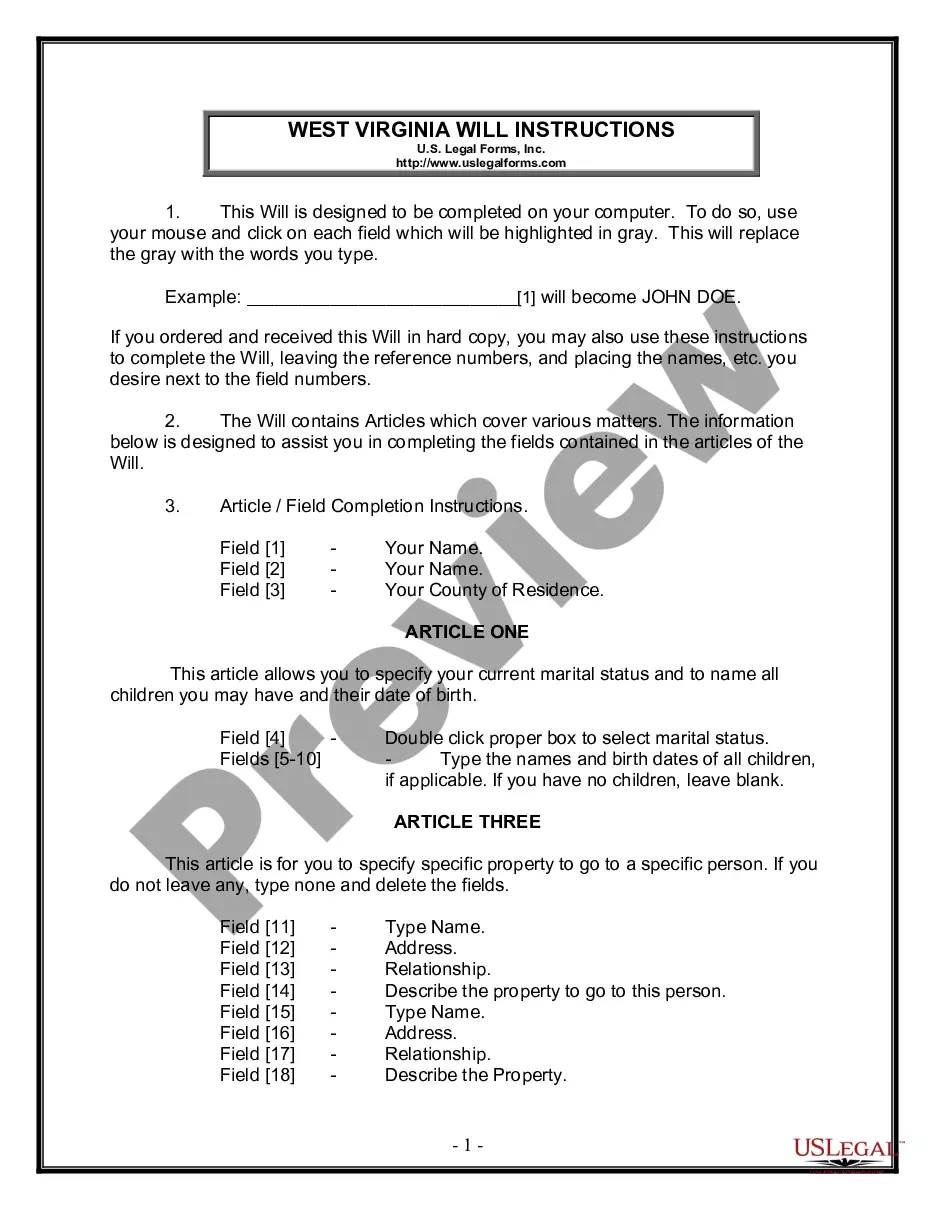
- Enter your full name and county of residence.
- List your spouse's name and the names and birthdates of all children.
- Specify any property bequests and identify the recipients clearly.
- Designate a personal representative who will manage your estate.
- Sign the document in the presence of two witnesses and, if desired, have it notarized.
Notarization requirements for this form
Yes, this form must be notarized to be legally valid. It is recommended to complete the self-proving affidavit at the same time to streamline the probate process. US Legal Forms offers integrated online notarization services, allowing you to complete this process securely and efficiently.
Get your form ready online
Our built-in tools help you complete, sign, share, and store your documents in one place.
Make edits, fill in missing information, and update formatting in US Legal Forms—just like you would in MS Word.
Download a copy, print it, send it by email, or mail it via USPS—whatever works best for your next step.
Sign and collect signatures with our SignNow integration. Send to multiple recipients, set reminders, and more. Go Premium to unlock E-Sign.
If this form requires notarization, complete it online through a secure video call—no need to meet a notary in person or wait for an appointment.
We protect your documents and personal data by following strict security and privacy standards.

Make edits, fill in missing information, and update formatting in US Legal Forms—just like you would in MS Word.

Download a copy, print it, send it by email, or mail it via USPS—whatever works best for your next step.

Sign and collect signatures with our SignNow integration. Send to multiple recipients, set reminders, and more. Go Premium to unlock E-Sign.

If this form requires notarization, complete it online through a secure video call—no need to meet a notary in person or wait for an appointment.

We protect your documents and personal data by following strict security and privacy standards.
Typical mistakes to avoid
- Failing to list all children, including those from previous marriages.
- Not properly signing in front of the required witnesses.
- Neglecting to update the will after significant life changes, such as divorce or birth of new children.
Benefits of completing this form online
- Convenience of completing the form from home and editing it as needed.
- Access to attorney-drafted templates ensures legal compliance and peace of mind.
- Integrated tools for notarization streamline the legal process.
Key takeaways
- This Last Will and Testament is tailored for divorced and remarried individuals.
- It ensures provision for all children involved across marriages.
- Proper execution, including required signatures and notarization, is crucial for legality.
Looking for another form?


Form popularity
FAQ
The Will must be filed with the Probate Office of the County Clerk in the county where the decedent lived. A Petition for Probate must be filed as well. This requests the appointment of an executor. If there is no Will, the clerk will appoint someone to serve as the Personal Representative of the estate.
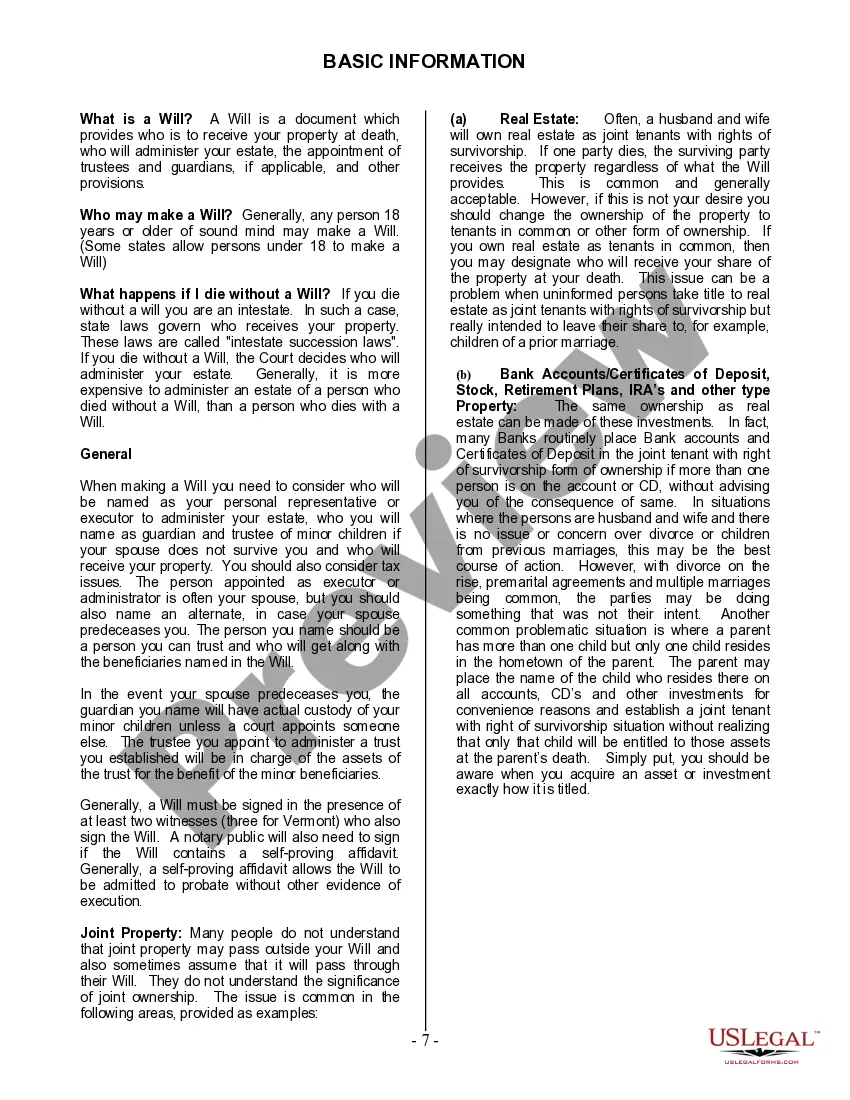
Self-written wills are typically valid, even when handwritten, as long as they're properly witnessed and notarized, or proven in court. A handwritten will that is not witnessed or notarized is considered a holographic will. Not all states accept holographic wills .
A. You don't have to have a lawyer to create a basic will you can prepare one yourself. It must meet your state's legal requirements and should be notarized.A do-it-yourself will that's poorly drafted can save you money but create a mess for your heirs when you're gone.
No, in West Virginia, you do not need to notarize your will to make it legal.A self-proving will speeds up probate because the court can accept the will without contacting the witnesses who signed it.
Yes. A will that you write yourself is called a holographic will. Holographic wills are not valid in every state, but they are valid in West Virginia, as long as they are written entirely in the author's handwriting.
No, in West Virginia, you do not need to notarize your will to make it legal.A self-proving will speeds up probate because the court can accept the will without contacting the witnesses who signed it.
For example, California requires that all sections of the will necessary to make the will valid must be written entirely by hand and that the person writing the will must sign it. If these state rules aren't followed, the holographic will won't be valid.
Age: The testator must be at least 18 years old. Capacity: The testator must be of sound mind. Signature: The will must be signed by the testator or by someone else in the testator's name in his presence, by his direction.