West Virginia Last Will and Testament Package
What this form package covers
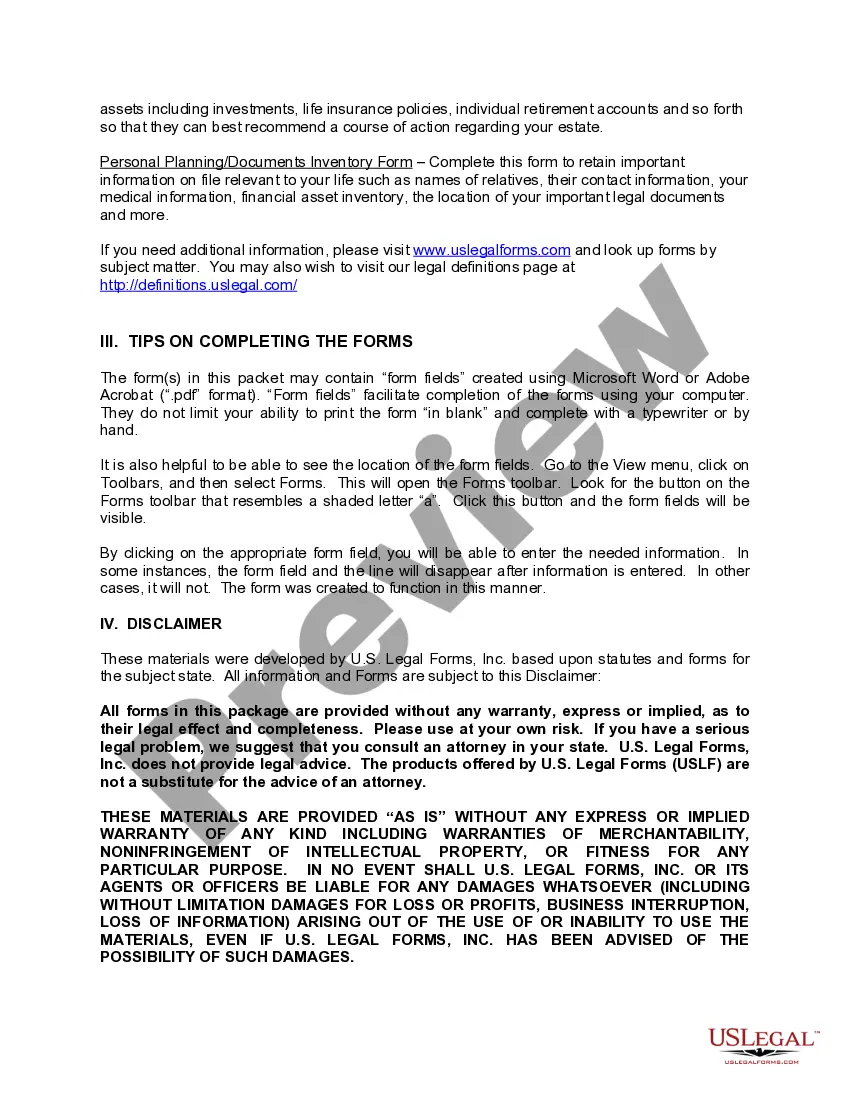
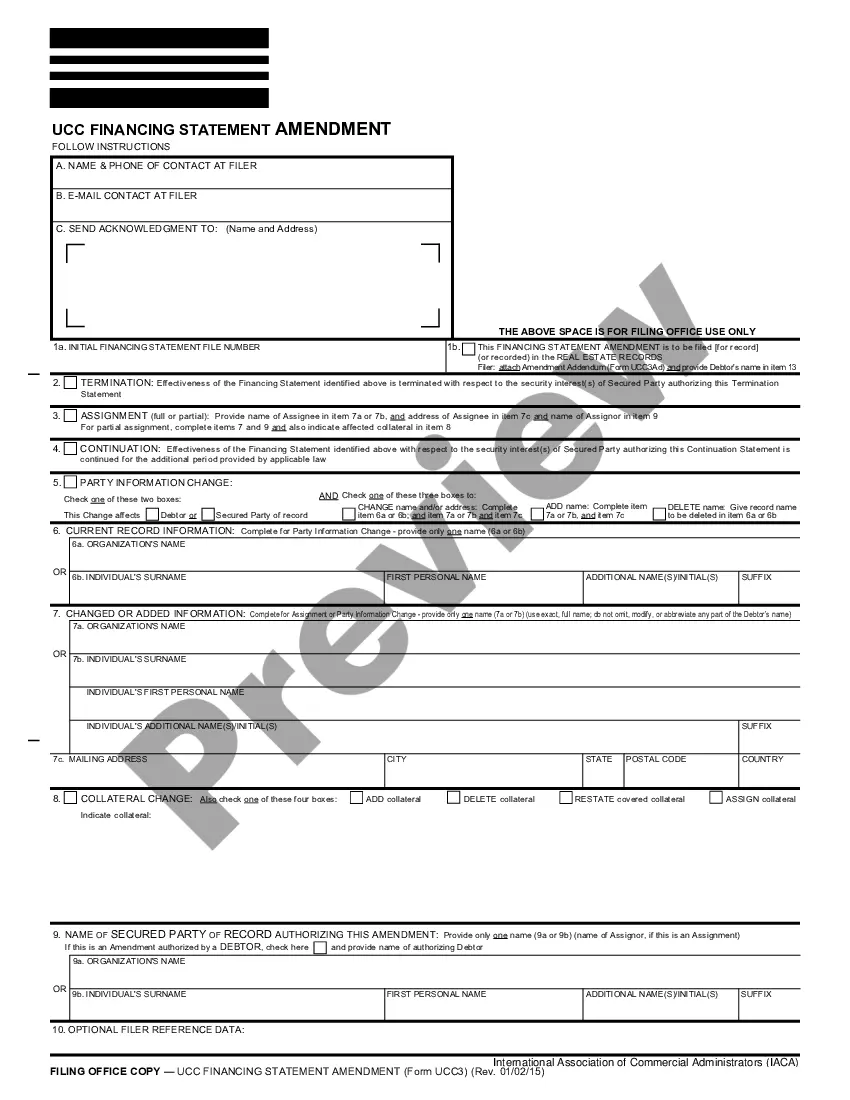
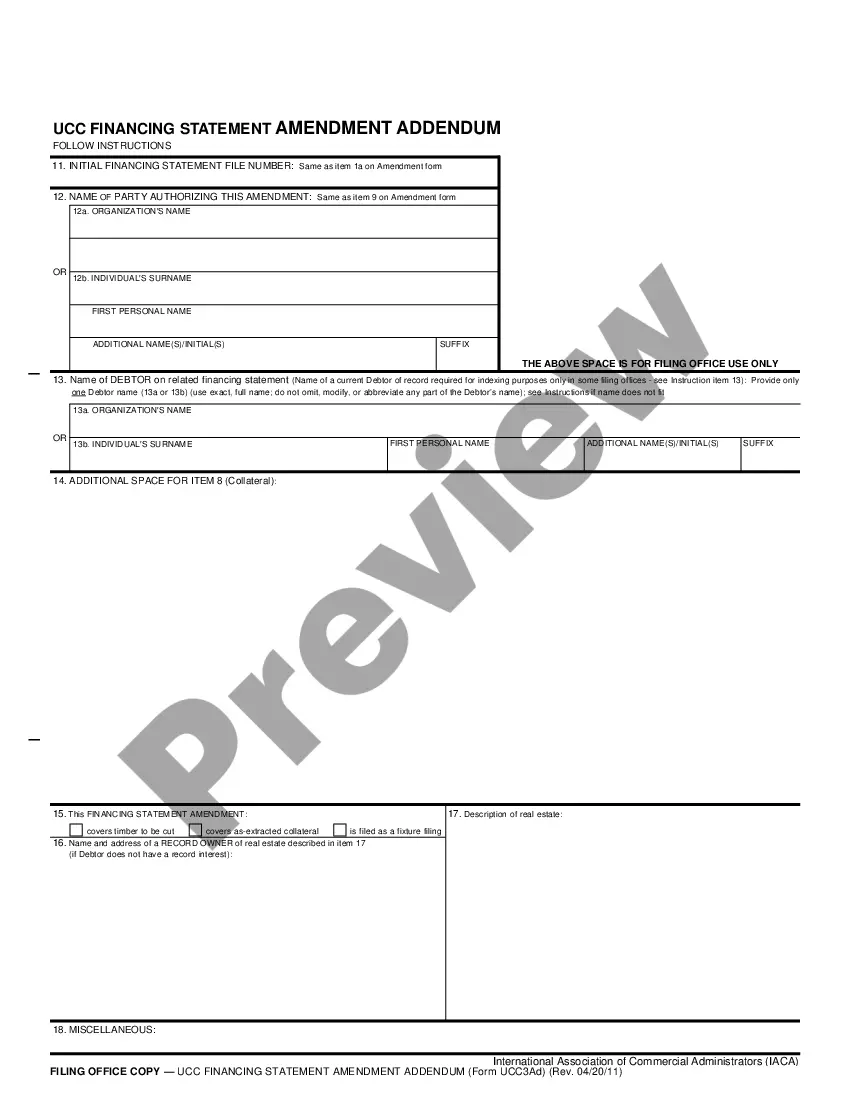
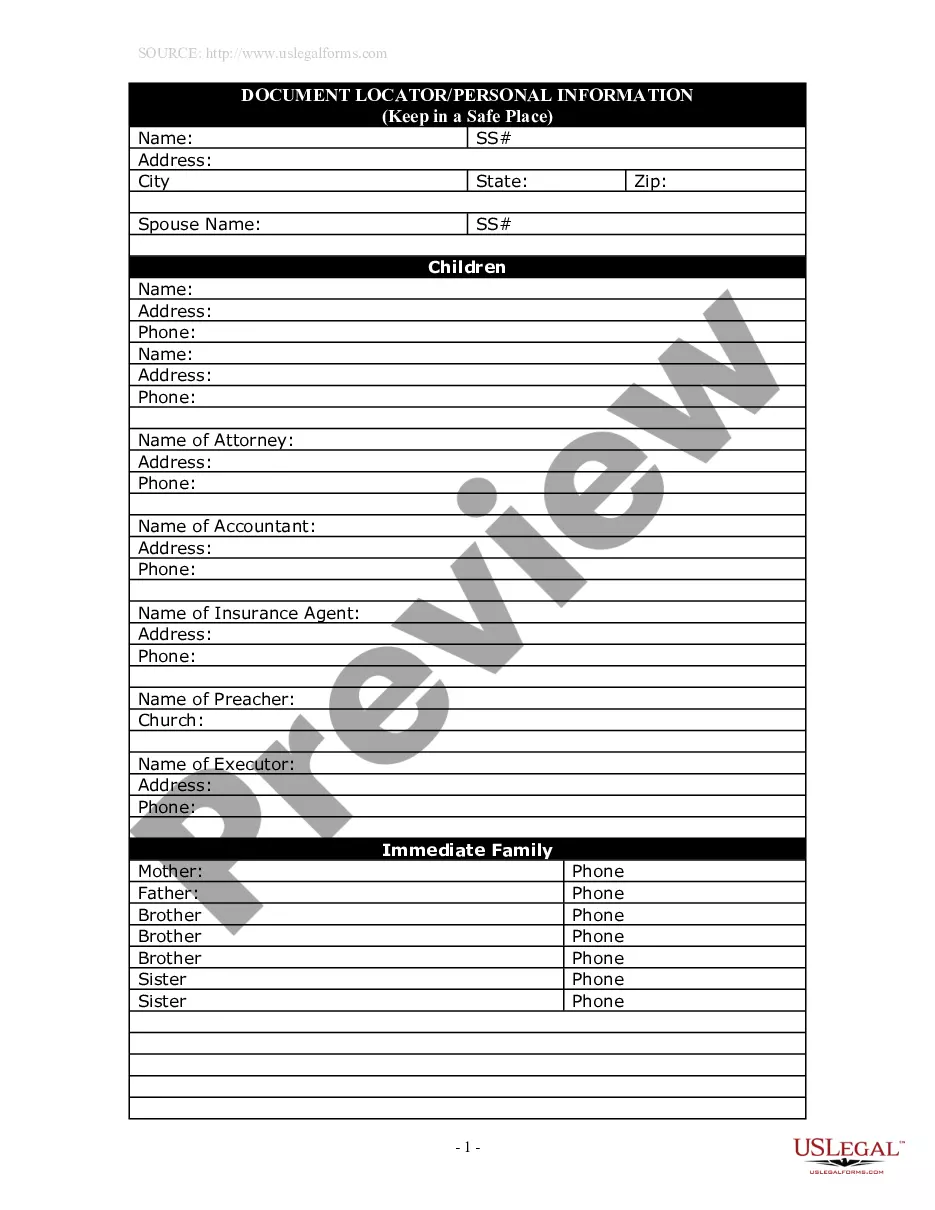
The West Virginia Last Will and Testament Package provides essential legal documents to ensure your final wishes are honored. This comprehensive package includes a customizable Last Will and Testament, an Estate Planning Questionnaire, and Personal Planning Information Worksheets. Unlike other packages, you also receive a completed sample of the Will for free, making it easier to understand how to prepare your own document.
Documents contained in this package


Common use cases
This form package is useful in various scenarios, including:
- When you want to specify how your assets will be distributed after your death.
- If you have children and need to designate guardianship.
- When you require a legally binding document that reflects your personal wishes for end-of-life planning.
- If you are entering a new relationship, getting married, or experiencing a significant life change that affects your estate.
Intended users of this form package
- Individuals of all ages looking to create a Last Will and Testament.
- Married couples, singles, and those who are divorced.
- Anyone with children or dependents requiring guardianship arrangements.
- People with substantial assets, including property, investments, and insurance policies.
Steps to complete these forms
- Review the included forms and instructions carefully.
- Fill out the Estate Planning Questionnaire with details about your assets.
- Customize your Last Will and Testament based on your personal circumstances.
- Complete the Personal Planning Information Worksheets to record essential information.
- Ensure all forms are signed and dated as required.
Notarization details for included forms
Some forms in this package require notarization to be legally valid. US Legal Forms provides secure online notarization powered by Notarize, allowing you to complete the process through a verified video call, available 24/7.
Get your form ready online
Our built-in tools help you complete, sign, share, and store your documents in one place.
Make edits, fill in missing information, and update formatting in US Legal Forms—just like you would in MS Word.
Download a copy, print it, send it by email, or mail it via USPS—whatever works best for your next step.
Sign and collect signatures with our SignNow integration. Send to multiple recipients, set reminders, and more. Go Premium to unlock E-Sign.
If this form requires notarization, complete it online through a secure video call—no need to meet a notary in person or wait for an appointment.
We protect your documents and personal data by following strict security and privacy standards.

Make edits, fill in missing information, and update formatting in US Legal Forms—just like you would in MS Word.

Download a copy, print it, send it by email, or mail it via USPS—whatever works best for your next step.

Sign and collect signatures with our SignNow integration. Send to multiple recipients, set reminders, and more. Go Premium to unlock E-Sign.

If this form requires notarization, complete it online through a secure video call—no need to meet a notary in person or wait for an appointment.

We protect your documents and personal data by following strict security and privacy standards.
Common mistakes to avoid
- Failing to include specific assets in the Will.
- Not updating the Will after major life events such as marriage or divorce.
- Overlooking necessary signatures or witness requirements.
- Neglecting to inform family members or executors about the Will's location.
Why use this package online
- Convenience of downloading forms at any time.
- Editability allows for precise customization to fit individual needs.
- Access to professionally drafted documents prepared by licensed attorneys.
- Clear instructions guide you through the completion process.
What to keep in mind
- The West Virginia Last Will and Testament Package provides essential documents to manage your wishes after death.
- Includes personalized forms and an estate planning questionnaire tailored to West Virginia regulations.
- Users should ensure compliance with witness requirements for legal validity.
- Taking advantage of online resources can simplify the estate planning process.
Looking for another form?
Form popularity
FAQ
Age: The testator must be at least 18 years old. Capacity: The testator must be of sound mind. Signature: The will must be signed by the testator or by someone else in the testator's name in his presence, by his direction.
For example, California requires that all sections of the will necessary to make the will valid must be written entirely by hand and that the person writing the will must sign it. If these state rules aren't followed, the holographic will won't be valid.
1Create the initial document. Start by titling the document Last Will and Testament" and including your full legal name and address.2Designate an executor.3Appoint a guardian.4Name the beneficiaries.5Designate the assets.6Ask witnesses to sign your will.7Store your will in a safe place.
The Will must be filed with the Probate Office of the County Clerk in the county where the decedent lived. A Petition for Probate must be filed as well. This requests the appointment of an executor. If there is no Will, the clerk will appoint someone to serve as the Personal Representative of the estate.
There are four requirements to make a valid will in Virginia. In order to successfully create a will you must be of the proper age, mental capacity, the will must be signed and in writing, and the signing must be witnessed by at least two individuals.
A person's last will and testament outlines what to do with possessions, whether the deceased will leave them to another person, a group or donate them to charity, and what happens to other things that they are responsible for, such as custody of dependents and management of accounts and financial interests.
Yes. A will that you write yourself is called a holographic will. Holographic wills are not valid in every state, but they are valid in West Virginia, as long as they are written entirely in the author's handwriting.
No, in West Virginia, you do not need to notarize your will to make it legal.A self-proving will speeds up probate because the court can accept the will without contacting the witnesses who signed it.