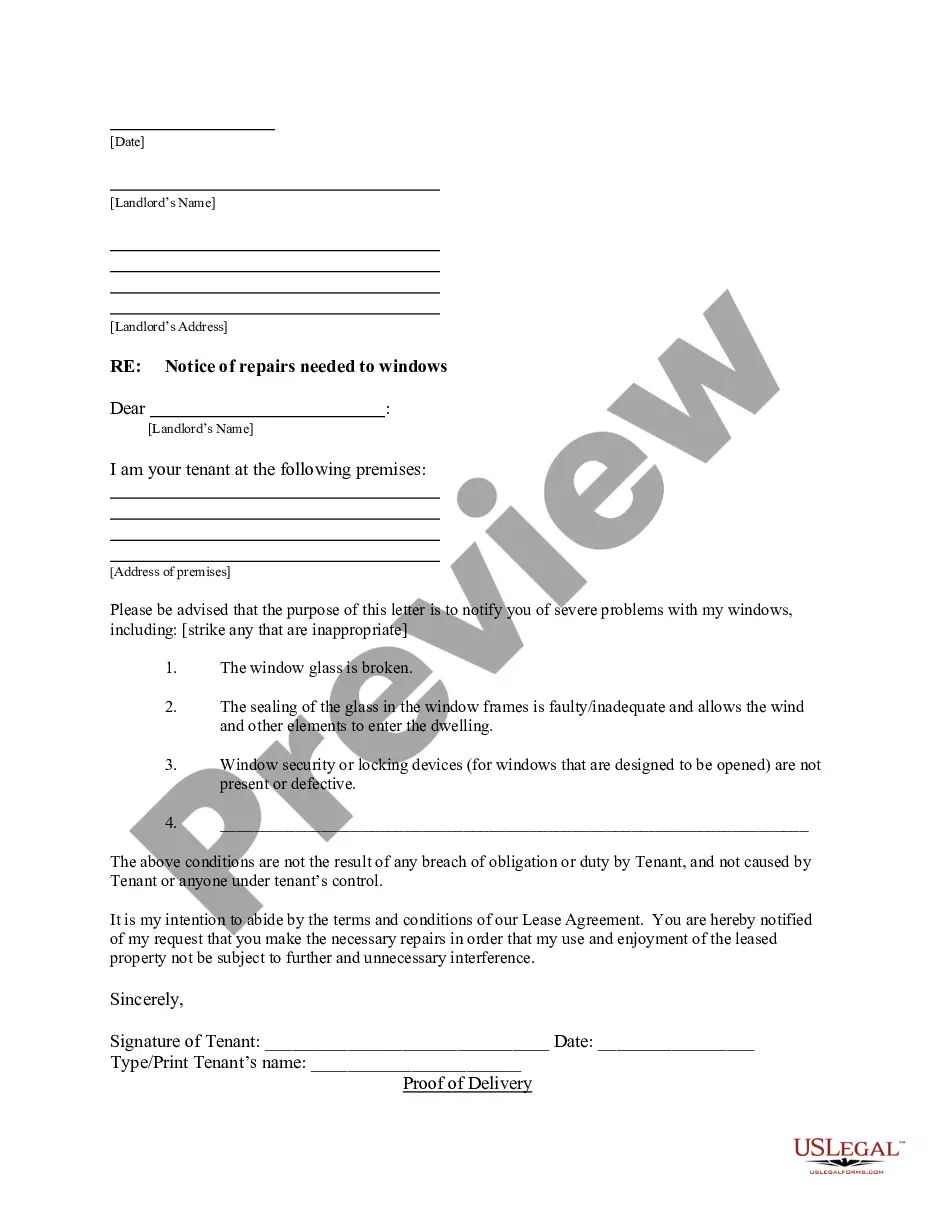
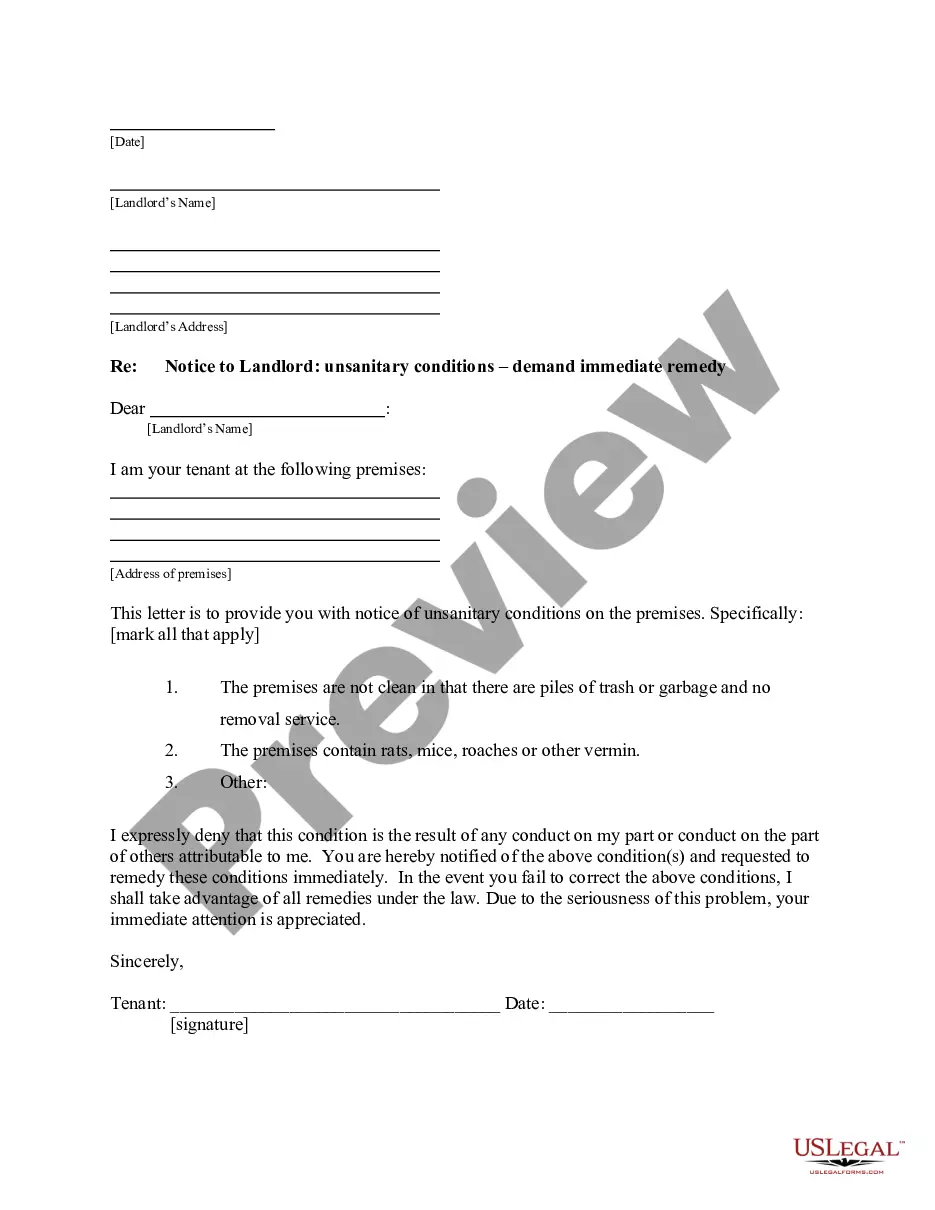
Wisconsin Letter from Tenant to Landlord about Landlord's refusal to allow sublease is unreasonable
Overview of this form
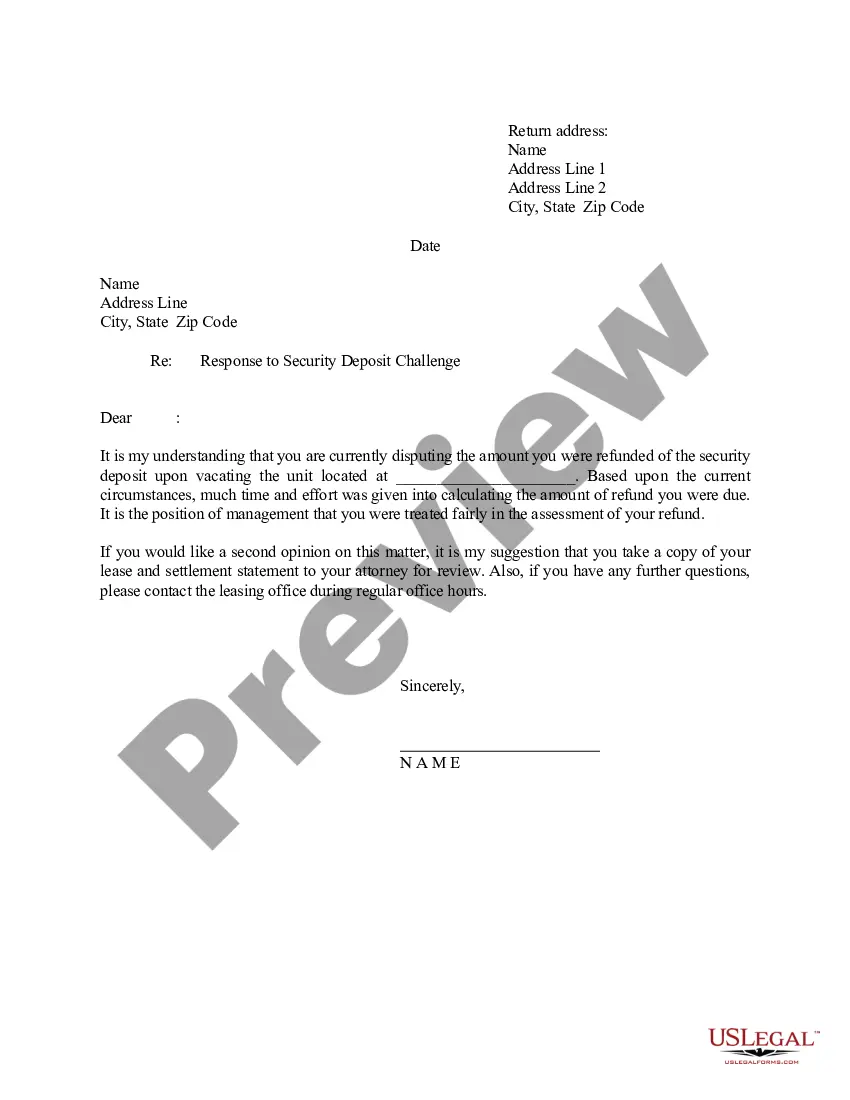
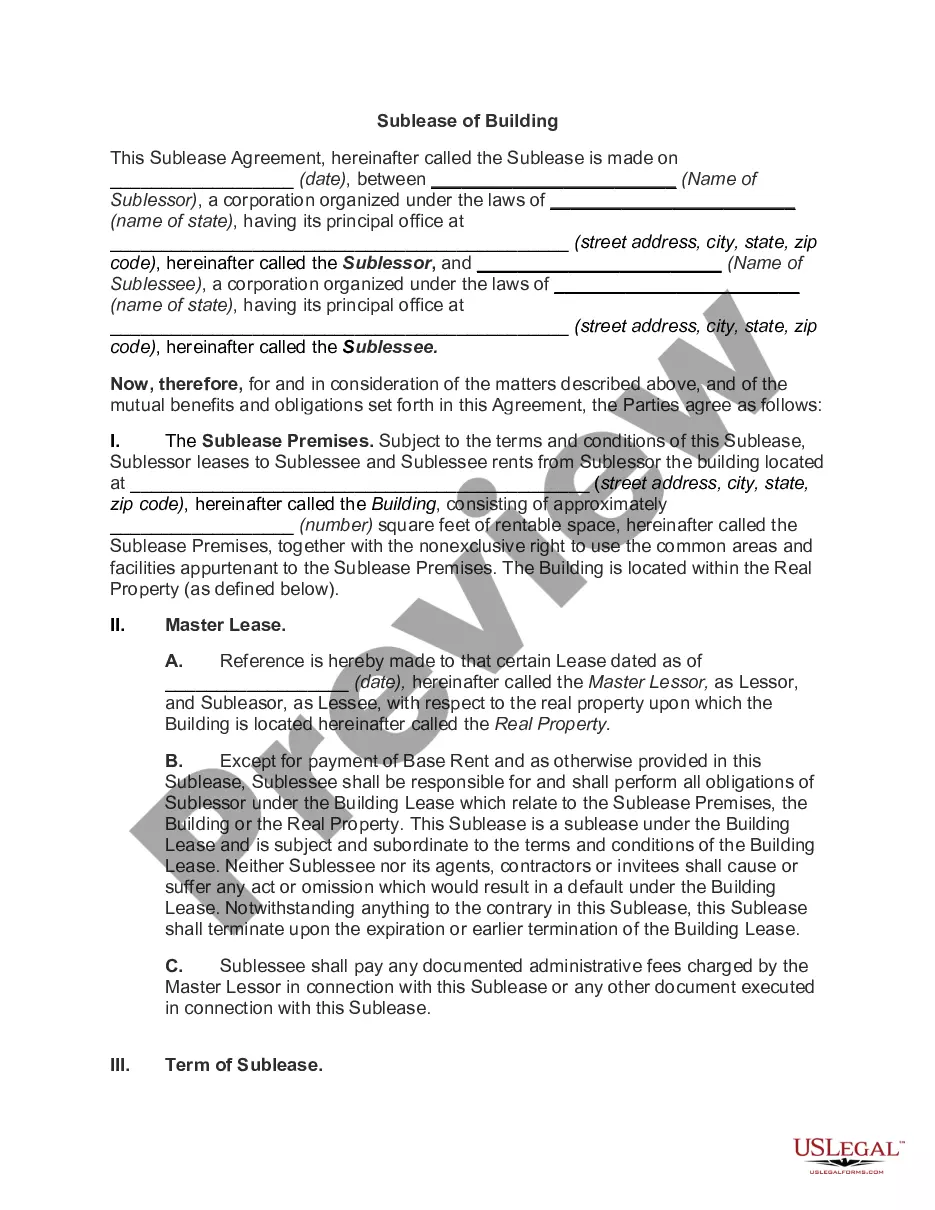
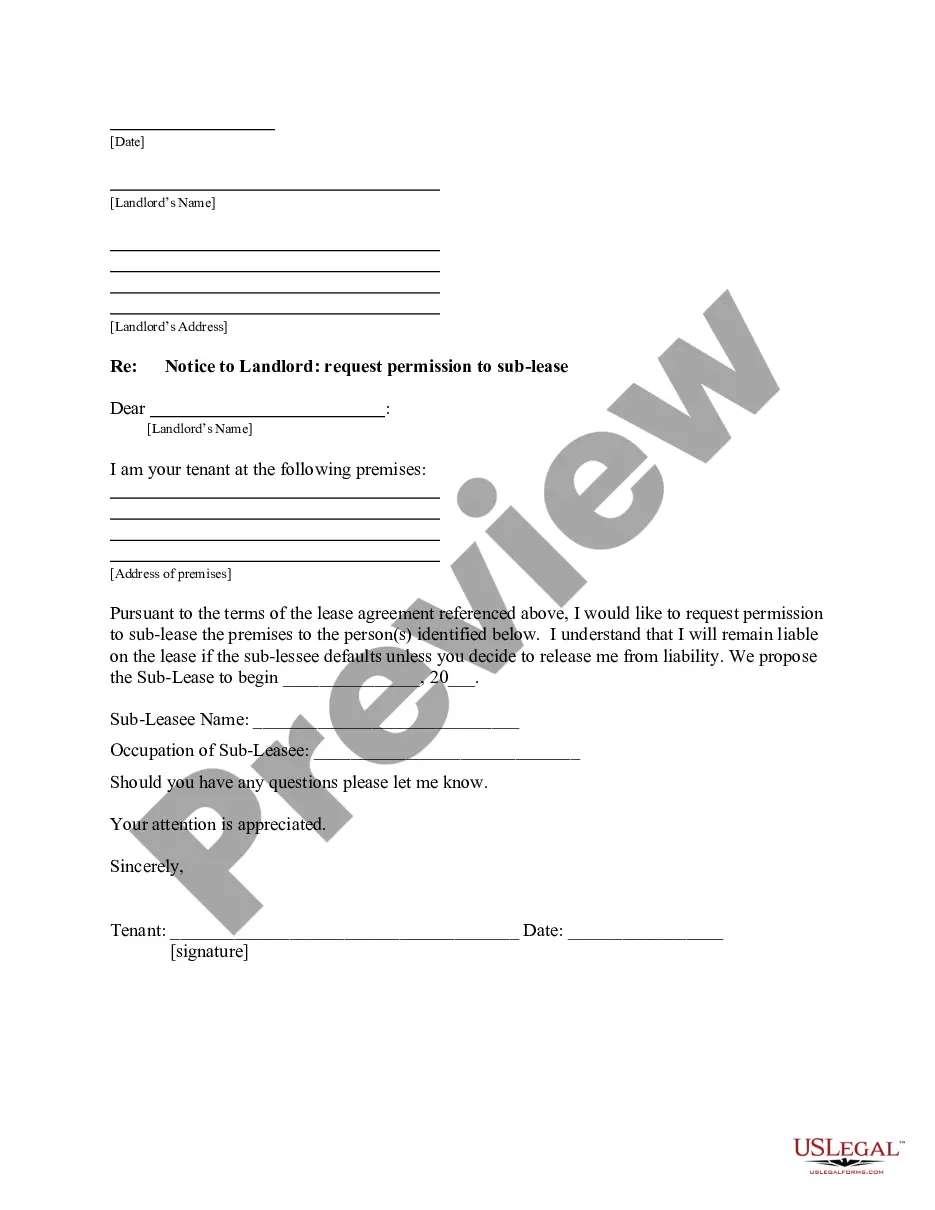
This Letter from Tenant to Landlord about Landlord's refusal to allow sublease is unreasonable is a formal communication from a tenant to their landlord. The purpose of this letter is to address the landlord's unreasonable refusal to permit a sublease of the rental property. By using this form, the tenant asserts their rights and remedies in response to the landlord's actions, which can be crucial when navigating landlord-tenant relationships.
Key parts of this document
- Identification of the tenant and landlord
- Statement of the landlord's refusal to allow the sublease
- Warning of reserved rights and potential legal remedies
- Signature and date fields for the tenant
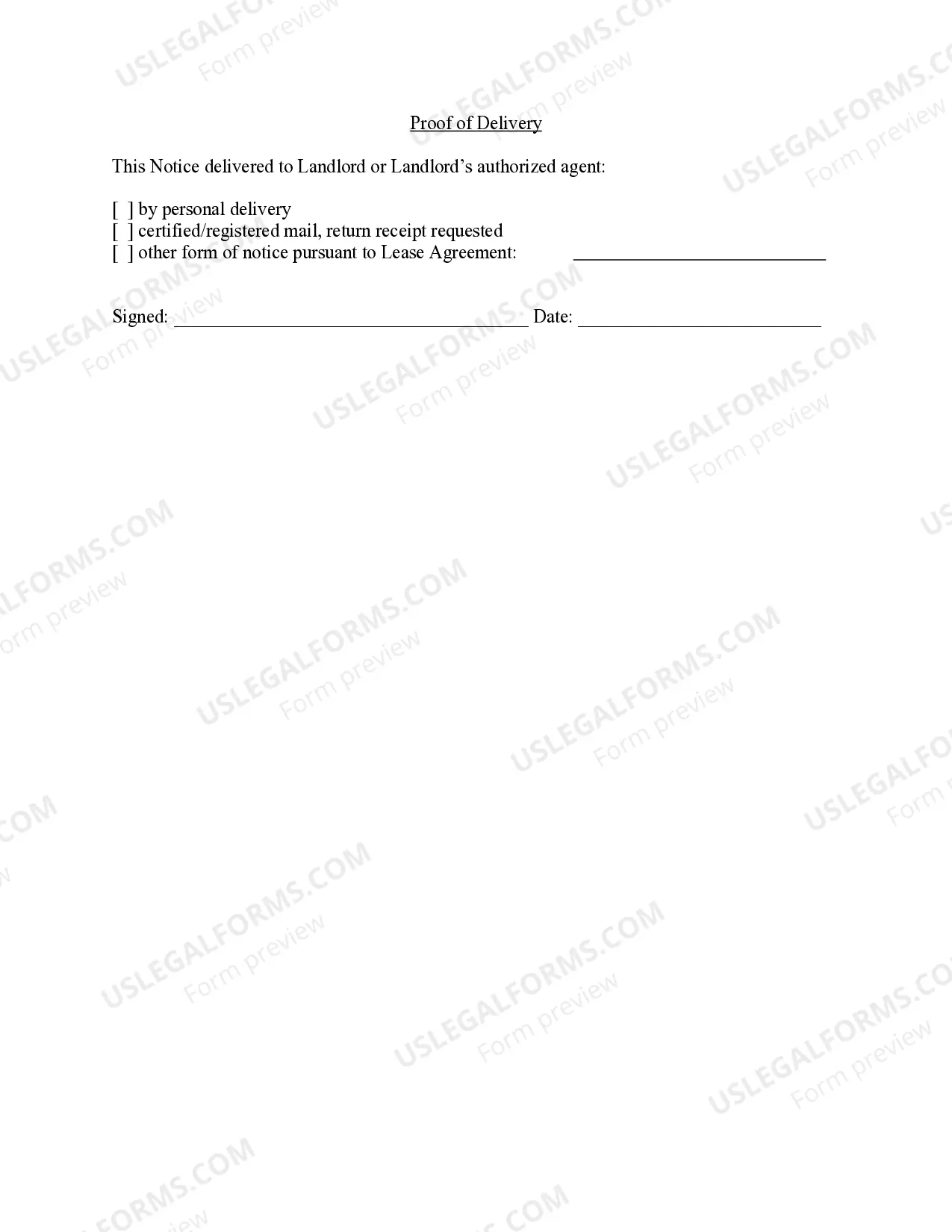
- Proof of delivery section

When this form is needed
This form should be used when a tenant has received an unreasonable refusal from their landlord to allow them to sublet the rental unit. It is applicable in situations where the tenant needs to formally express their disagreement with the landlord's decision and want to ensure that they have documented their position and intentions regarding their legal rights.
Who should use this form
- Tenants who wish to sublease their rented property
- Individuals experiencing refusal from their landlord regarding subletting
- Tenants aiming to protect their legal rights in a rental agreement
Steps to complete this form
- Identify the parties involved (tenant and landlord).
- Clearly state the landlord's refusal to allow the sublease.
- Express the reservation of legal rights.
- Sign and date the document for authenticity.
- Ensure proof of delivery is completed to maintain a record of correspondence.
Is notarization required?
This form does not typically require notarization to be legally valid. However, some jurisdictions or document types may still require it. US Legal Forms provides secure online notarization powered by Notarize, available 24/7 for added convenience.
Get your form ready online
Our built-in tools help you complete, sign, share, and store your documents in one place.
Make edits, fill in missing information, and update formatting in US Legal Forms—just like you would in MS Word.
Download a copy, print it, send it by email, or mail it via USPS—whatever works best for your next step.
Sign and collect signatures with our SignNow integration. Send to multiple recipients, set reminders, and more. Go Premium to unlock E-Sign.
If this form requires notarization, complete it online through a secure video call—no need to meet a notary in person or wait for an appointment.
We protect your documents and personal data by following strict security and privacy standards.

Make edits, fill in missing information, and update formatting in US Legal Forms—just like you would in MS Word.

Download a copy, print it, send it by email, or mail it via USPS—whatever works best for your next step.

Sign and collect signatures with our SignNow integration. Send to multiple recipients, set reminders, and more. Go Premium to unlock E-Sign.

If this form requires notarization, complete it online through a secure video call—no need to meet a notary in person or wait for an appointment.

We protect your documents and personal data by following strict security and privacy standards.
Common mistakes
- Failing to include necessary details about the subtenant.
- Not stating the specific reasons for the disagreement with the landlord's refusal.
- Omitting to sign and date the letter before sending.
- Not keeping a copy of the letter for personal records.
Benefits of completing this form online
- Convenient access to a legally sound template.
- Editable fields for personalization to your specific situation.
- Drafted by licensed attorneys to ensure compliance with the law.
Legal use & context
- This form serves as evidence of the tenant's formal objection to the landlord's actions.
- It is important for tenants to understand their rights regarding subletting under state laws.
- Misunderstanding tenant rights can lead to disputes, making this form a valuable tool for resolution.
Looking for another form?
Form popularity
FAQ
If a tenant is subletting without consent, it's likely they will have broken terms in their tenancy agreement. This breach of contract means that the landlord can take action to evict them from their home. Possession proceedings can be started quickly, but it's important to follow the correct legal process.
A Residential Sublease is a legally binding contract made between the original tenant of a rental property (sublandlord) and a new tenant (also known as a subtenant or a sublessee). The sublease gives the subtenant the right to share or to take over the rented premises from the original tenant.
The subtenant must give a notice of one month in order to terminate the sublease. The subtenant is also required to give reasons for leaving the premises. A sublease can be terminated early if the subtenant is willing to pay the rent until the end of the month and an amount in addition to this.
Dear (Name of landlord or manager), This letter constitutes my written (number of days' notice that you need to give based on your lease agreement)-day notice that I will be moving out of my apartment on (date), the end of my current lease. I am leaving because (new job, rent increase, etc.)
Begin the letter with the date on which you mail or deliver the letter in person. Include your name, address and phone number, followed by the tenant's name and address. You can also insert a subject line that summarizes the reason for the letter to vacate. Start with a salutation, followed by your tenant's name.
The letter should be clear in its terms and conditions. The factors like rent amount, a period of rent and other details should be its special highlight. The letter should contain the interests of both parties. The letter should be inclusive of all the rights of both parties.
Step 1: Title & Format Your Document. Step 2: Make a List of Lease Provisions. Step 3: Flesh Out Each Clause. Step 4: Check Local Laws. Step 5: Create a Signature Section.
These types of tenancy agreements are most commonly used by private landlords who are choosing to forgo using a letting agent or property management firm. People can even draw up their own tenancy agreements based on the free downloadable templates available on the internet.
When writing your own renters agreement you are able to include your own classes, such as tenants aren't allowed to have pets. However, these added clauses must be in line with both the landlord's and tenants' rights and if they infringe on these rights then they are void and can't stand up in a court of law.