South Dakota Quitclaim Deed from Corporation to LLC
About this form
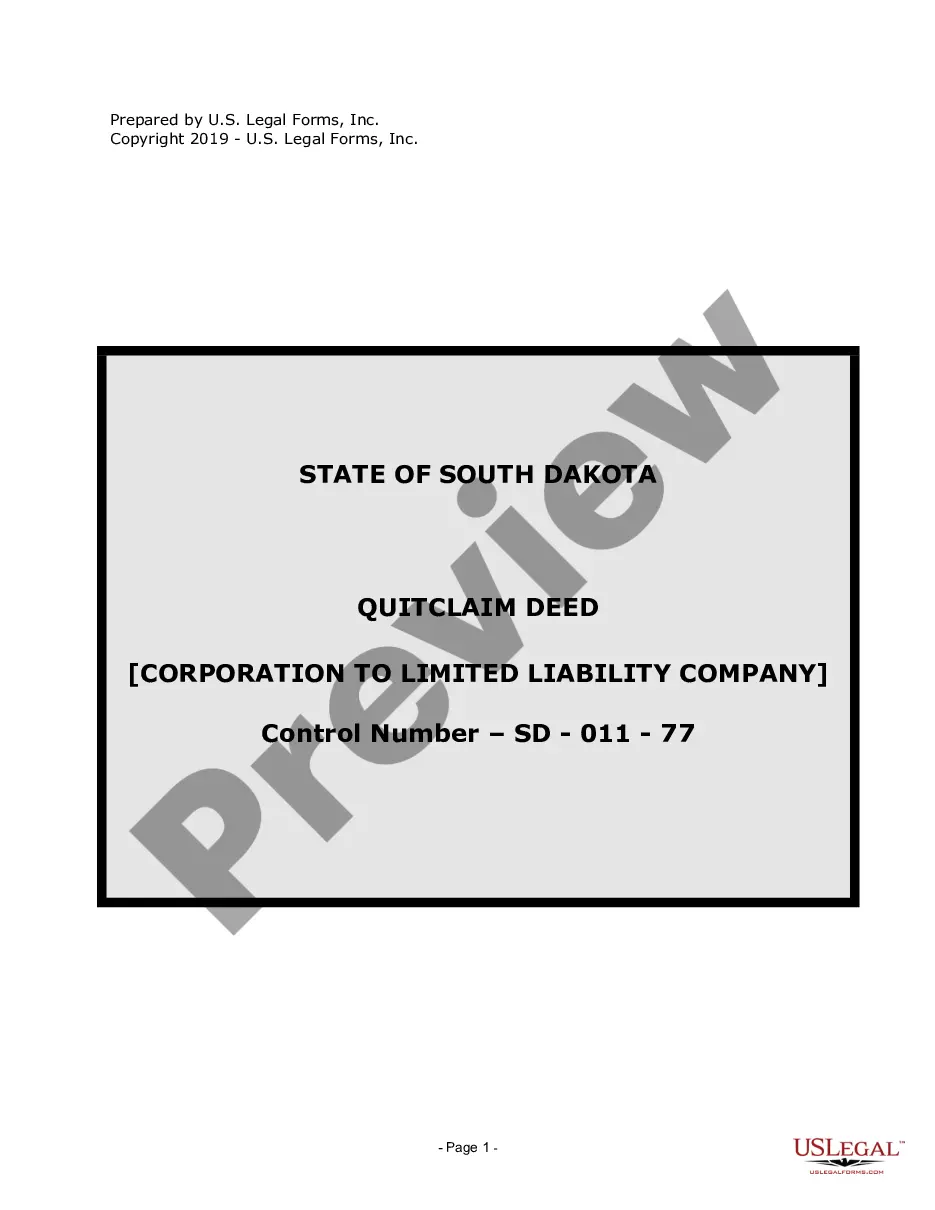
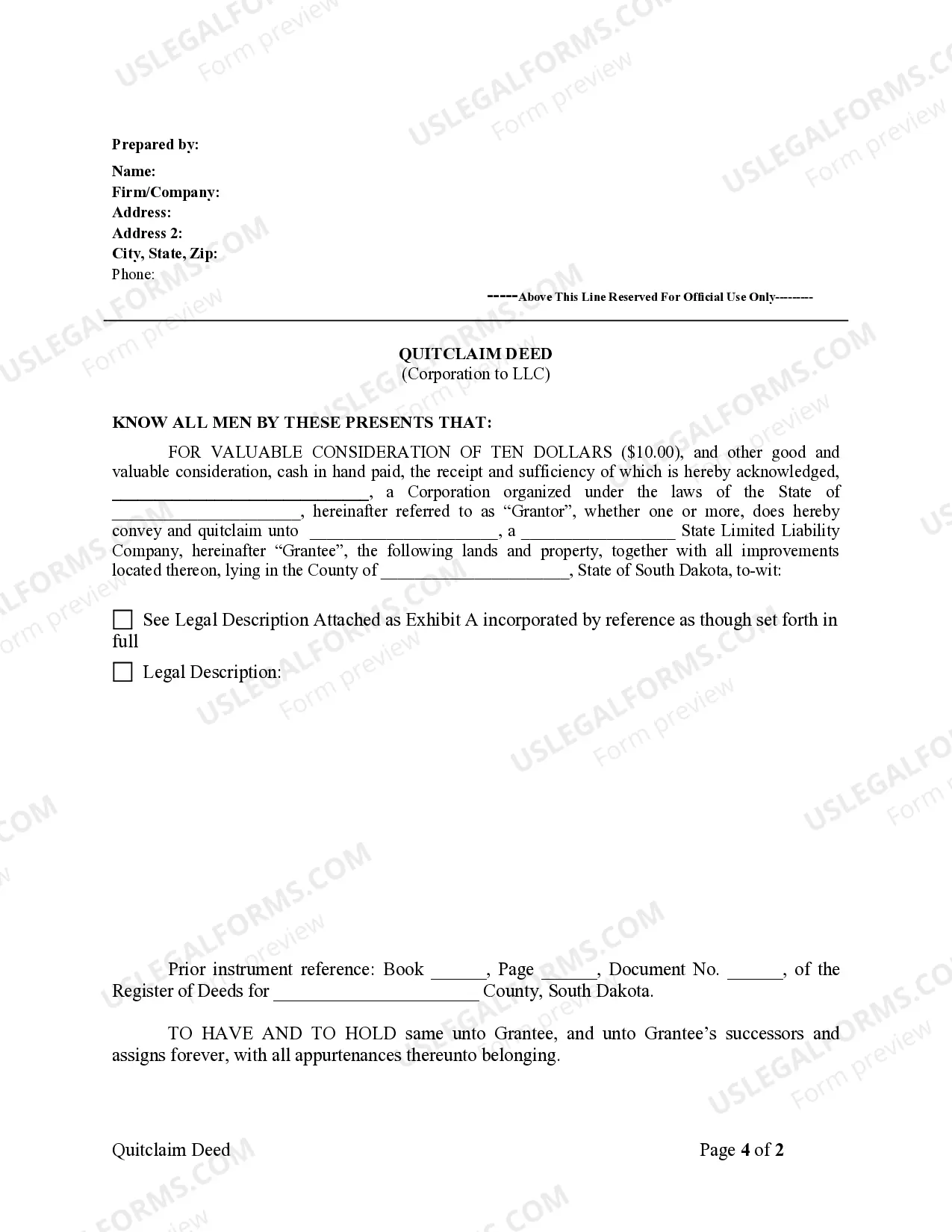
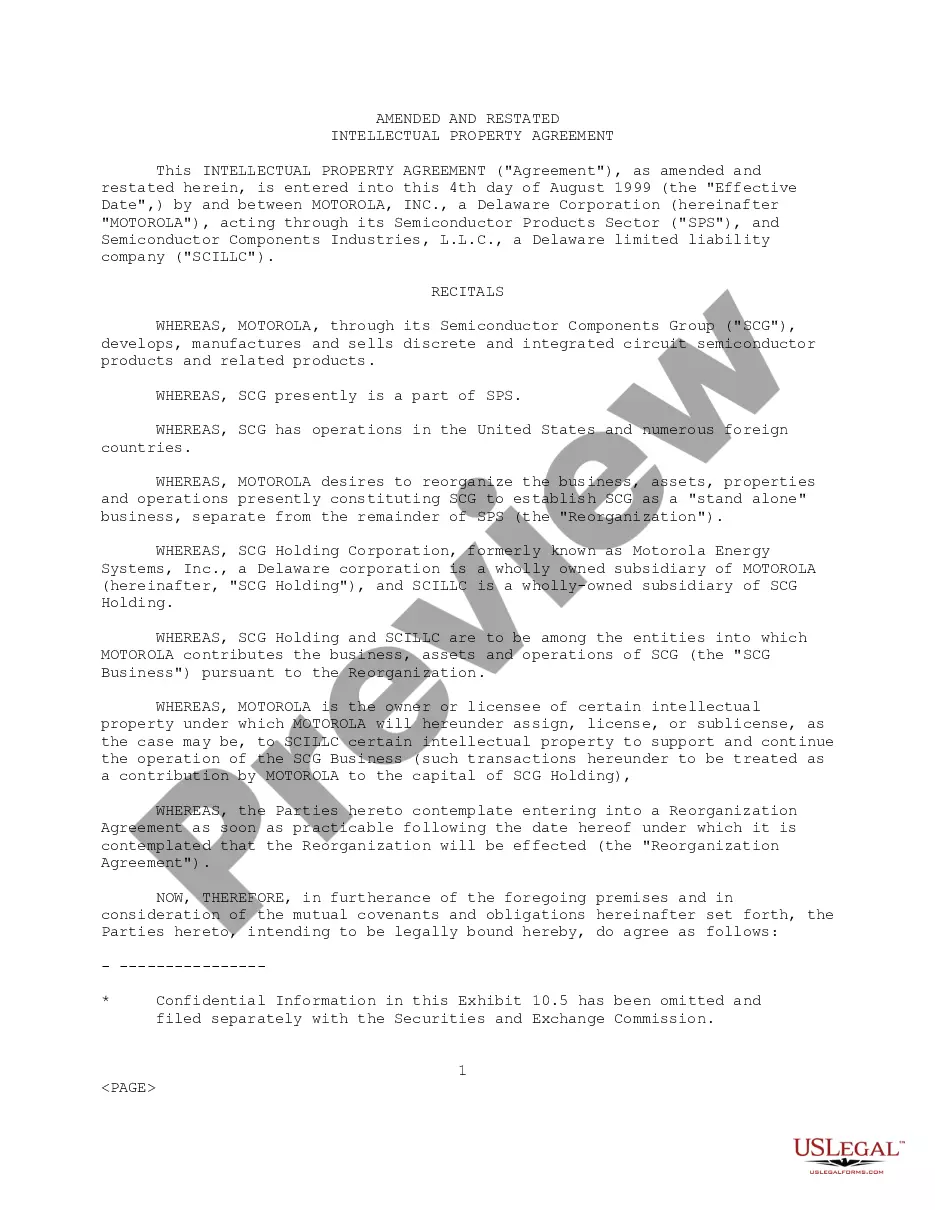
A Quitclaim Deed from Corporation to LLC is a legal document used to transfer property ownership from a corporation to a limited liability company (LLC). Unlike other types of deeds, a quitclaim deed does not guarantee that the grantor holds clear title to the property. This form is particularly useful for corporations that wish to transfer real estate assets efficiently while limiting liabilities associated with ownership.
Key components of this form
- Identification of the grantor (corporation) and the grantee (LLC).
- Description of the property being transferred, including its legal description.
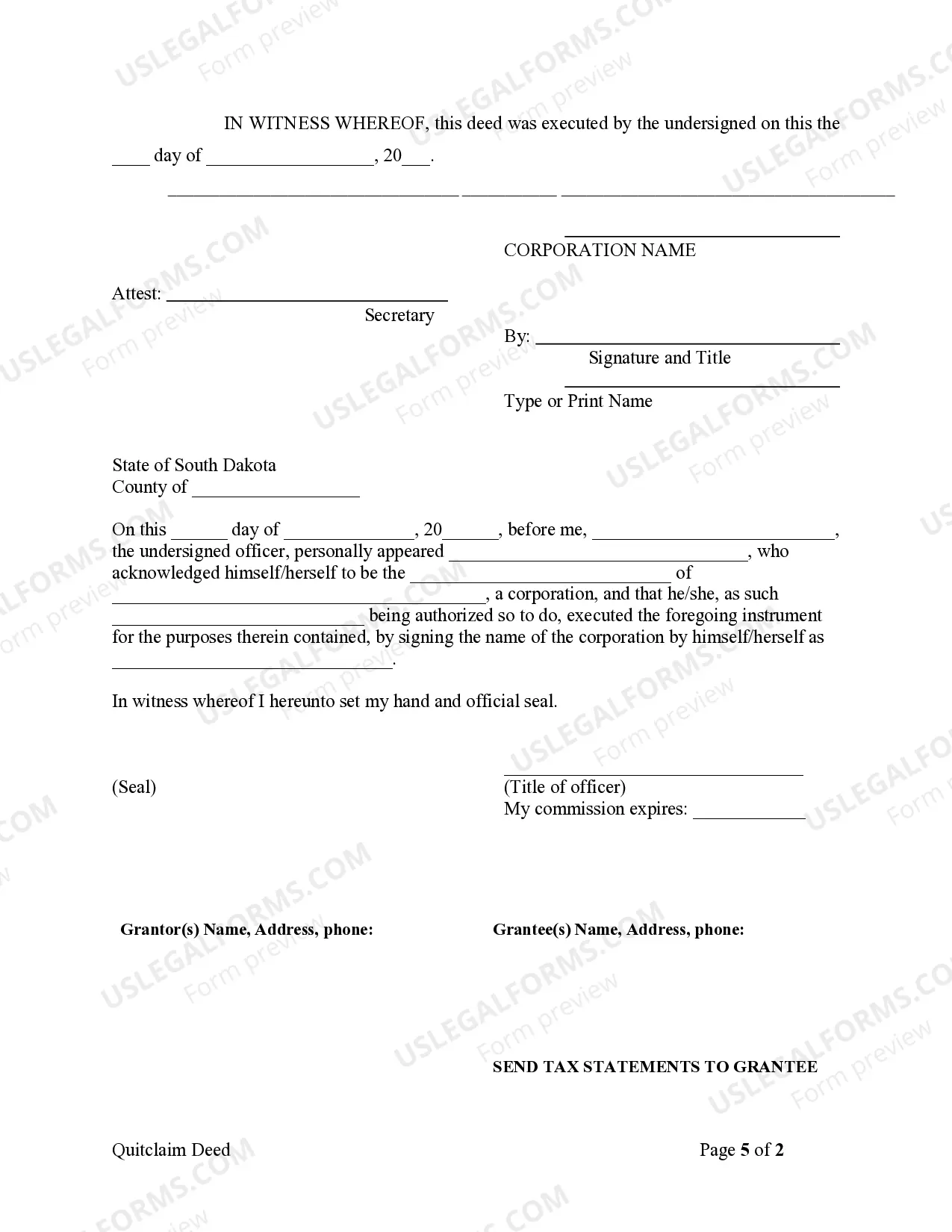
- Date of execution and effective date of the deed.
- Signatures of authorized representatives from both the corporation and the LLC.
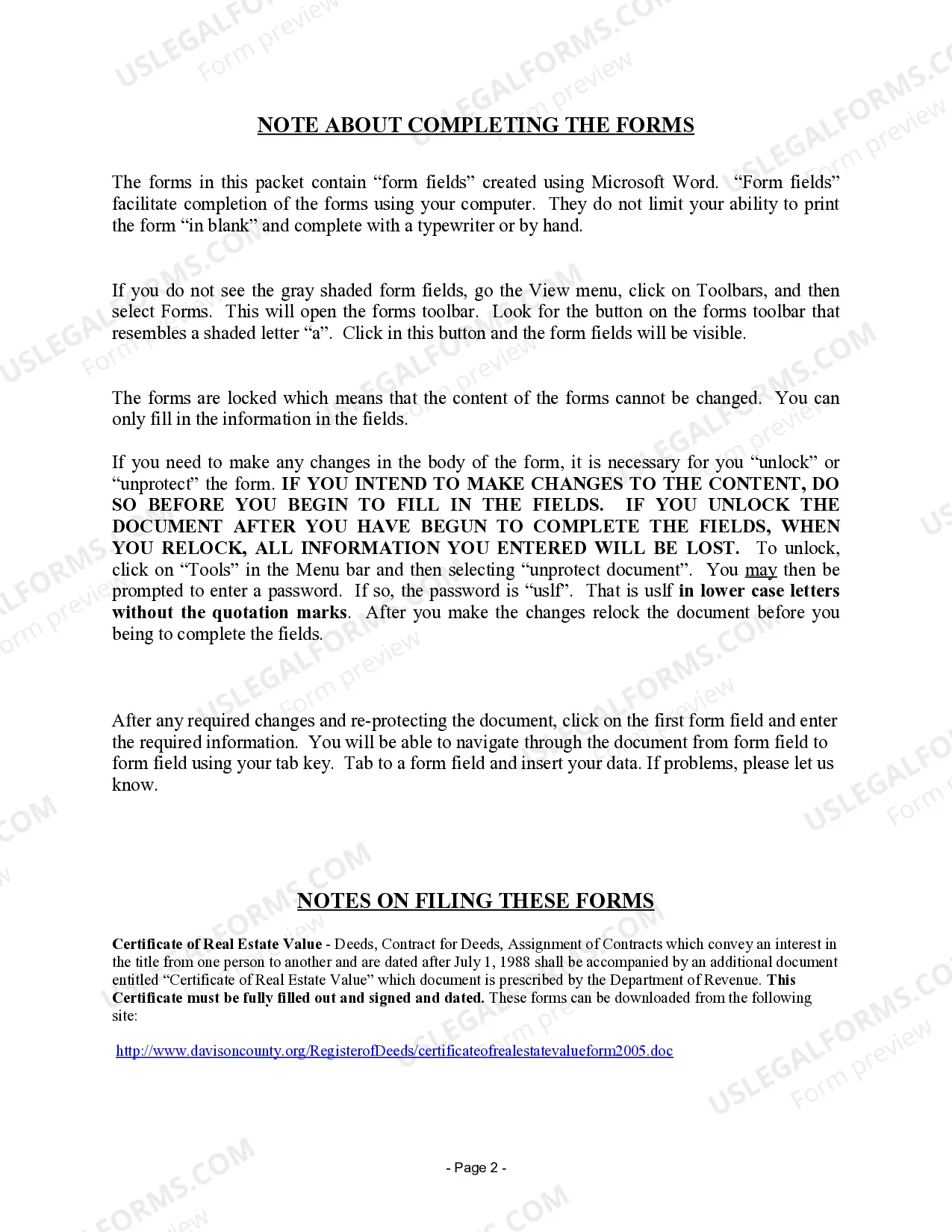
- A certificate of real estate value form, if required by state law.



When to use this document
This form is typically used when a corporation decides to transfer ownership of a property to an LLC it owns or controls. This can occur during restructuring, asset management, or when simplifying property ownership for tax or operational reasons. It is also common in real estate transactions where speed and ease of transfer are priorities.
Who can use this document
This form is intended for:
- Corporations looking to transfer real estate assets to their subsidiary LLCs.
- LLCs acquiring property from corporate entities as part of a business strategy.
- Real estate professionals or attorneys managing property transactions between corporations and LLCs.
Steps to complete this form
- Identify the grantor by providing the full legal name of the corporation.
- Identify the grantee by specifying the full legal name of the LLC.
- Provide a complete legal description of the property being transferred.
- Enter the date of execution and ensure all necessary signatures are included.
- If applicable, complete and attach the Certificate of Real Estate Value as required by state law.
Does this document require notarization?
This form must be notarized to be legally valid. US Legal Forms provides secure online notarization powered by Notarize, allowing you to complete the process through a verified video call.
Get your form ready online
Our built-in tools help you complete, sign, share, and store your documents in one place.
Make edits, fill in missing information, and update formatting in US Legal Forms—just like you would in MS Word.
Download a copy, print it, send it by email, or mail it via USPS—whatever works best for your next step.
Sign and collect signatures with our SignNow integration. Send to multiple recipients, set reminders, and more. Go Premium to unlock E-Sign.
If this form requires notarization, complete it online through a secure video call—no need to meet a notary in person or wait for an appointment.
We protect your documents and personal data by following strict security and privacy standards.

Make edits, fill in missing information, and update formatting in US Legal Forms—just like you would in MS Word.

Download a copy, print it, send it by email, or mail it via USPS—whatever works best for your next step.

Sign and collect signatures with our SignNow integration. Send to multiple recipients, set reminders, and more. Go Premium to unlock E-Sign.

If this form requires notarization, complete it online through a secure video call—no need to meet a notary in person or wait for an appointment.

We protect your documents and personal data by following strict security and privacy standards.
Typical mistakes to avoid
- Failing to complete the Certificate of Real Estate Value if required.
- Not having the appropriate representatives sign the deed.
- Omitting the legal description of the property.
- Not checking state-specific requirements for additional documentation.
Advantages of online completion
- Convenient access to customizable legal forms from anywhere.
- Easy completion using fillable fields, reducing errors.
- Access to multiple file formats, catering to your editing needs.
What to keep in mind
- A Quitclaim Deed from Corporation to LLC facilitates the transfer of property without guarantees on title.
- Important for corporate transactions and asset management.
- Requirements vary by state; ensure compliance with local laws.
- Common mistakes include missing signatures and incomplete forms, so thorough review is essential.
Looking for another form?

Form popularity
FAQ
Quitclaim deeds are most often used to transfer property between family members. Examples include when an owner gets married and wants to add a spouse's name to the title or deed, or when the owners get divorced and one spouse's name is removed from the title or deed.
When done properly, a deed is recorded anywhere from two weeks to three months after closing. However, there are many instances where deeds are not properly recorded. Title agents commit errors, lose deeds, and even go out of business. Even county offices sometimes fail to record deeds that were properly submitted.
A quitclaim deed is a legal instrument that is used to transfer interest in real property.The owner/grantor terminates (quits) any right and claim to the property, thereby allowing the right or claim to transfer to the recipient/grantee.
A Quitclaim Deed must be notarized by a notary public or attorney in order to be valid.Consideration in a Quitclaim Deed is what the Grantee will pay to the Grantor for the interest in the property.
But you might be wondering if an owner can transfer a deed to another person without a real estate lawyer. The answer is yes. Parties to a transaction are always free to prepare their own deeds.A quitclaim deed, for example, is far simpler than a warranty deed.
Step 1: Download the SD quitclaim deed form. Step 2: List information about the grantor, who is the person selling or giving away the property. Step 3: List information about the grantee, the person receiving the property.
Fill out the quit claim deed form, which can be obtained online, or write your own using the form as a guide. The person giving up the interest in the property is the grantor, and the person receiving the interest is the grantee.