South Carolina General Power of Attorney for Care and Custody of Child or Children
What is this form?
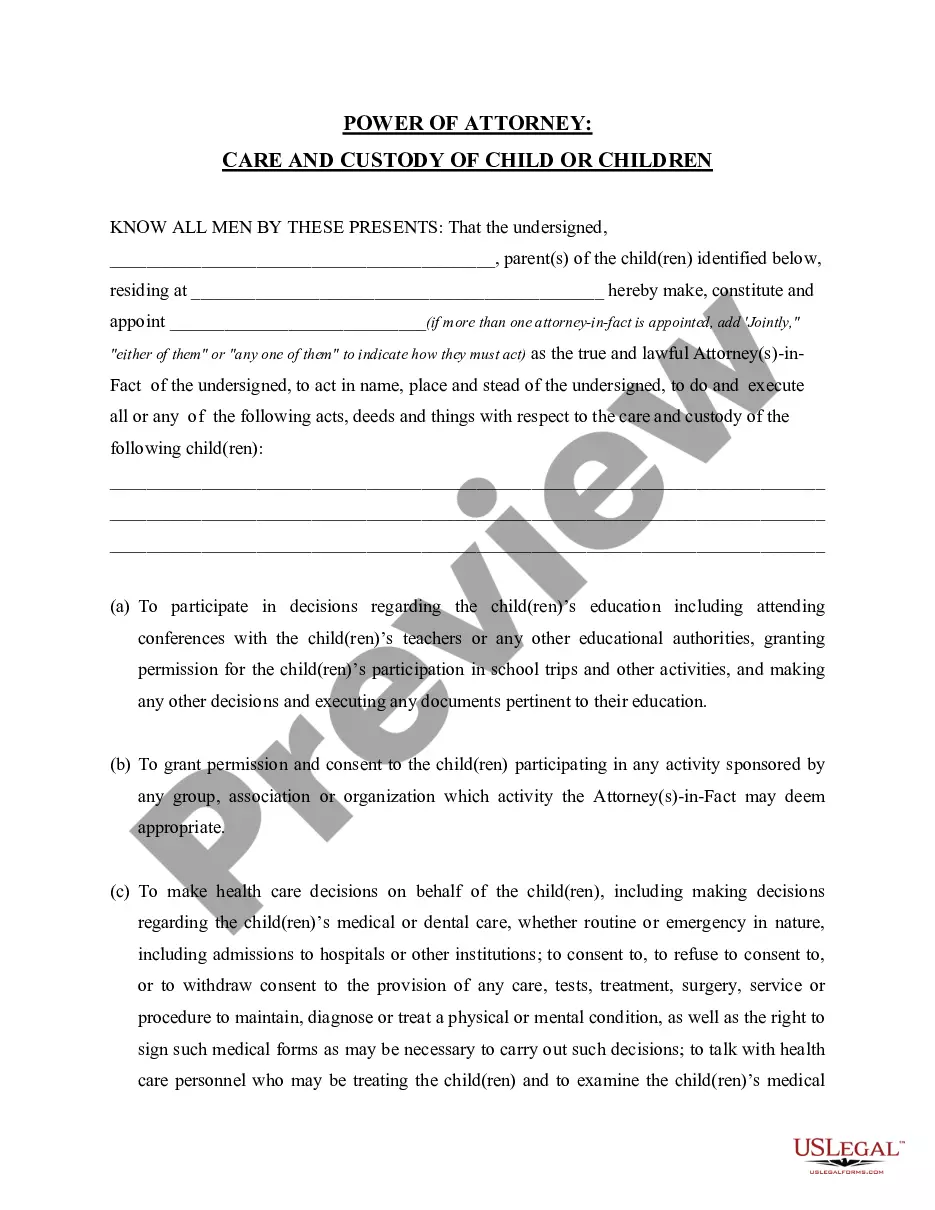
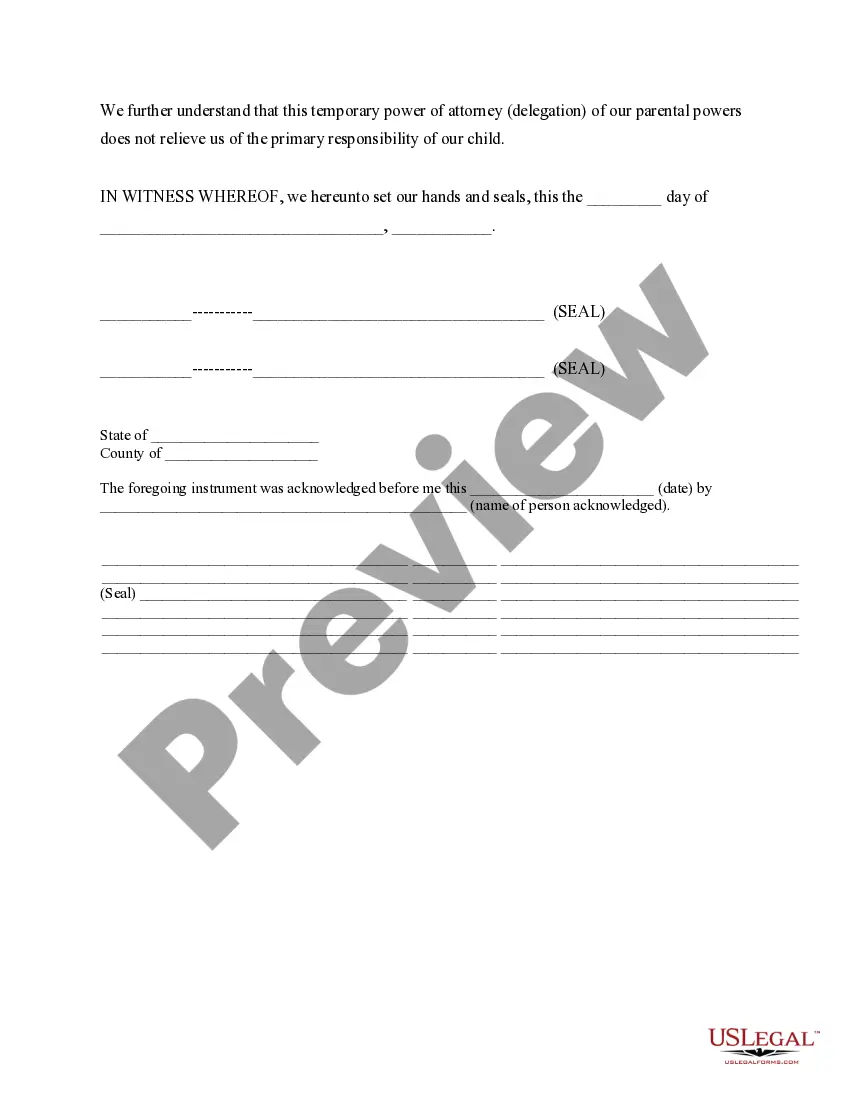
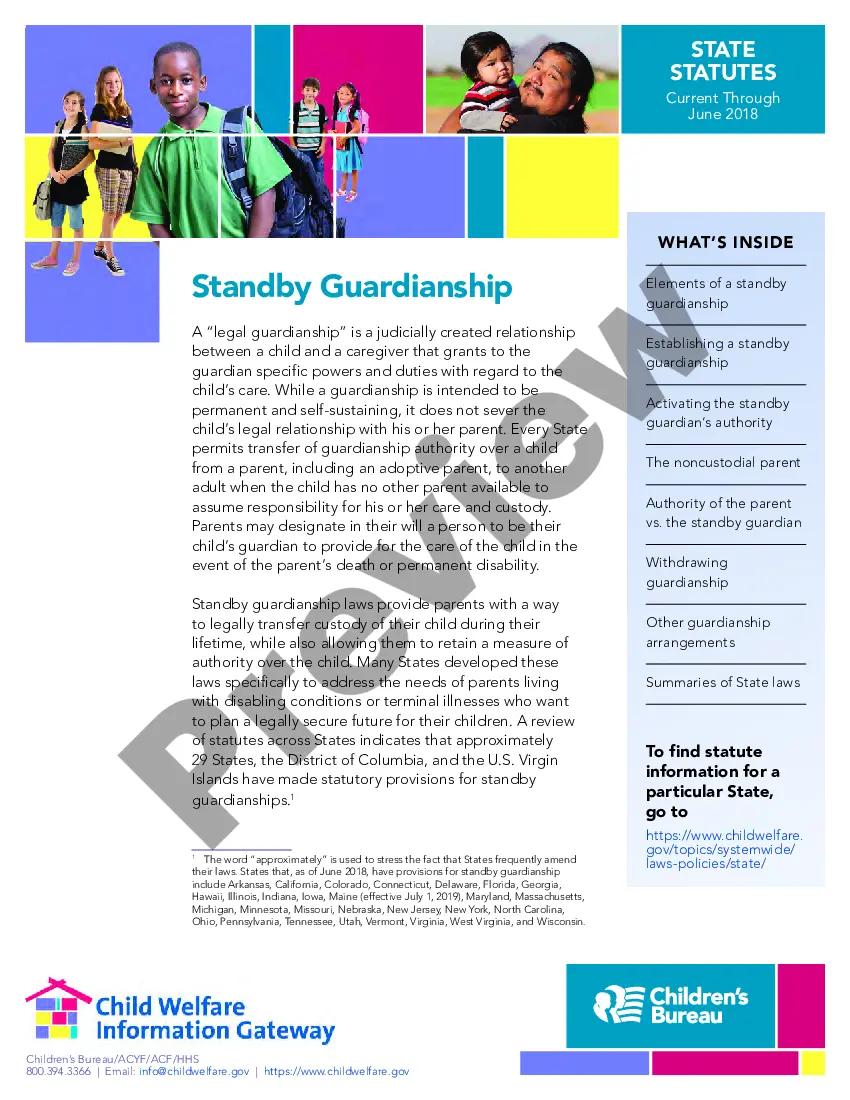
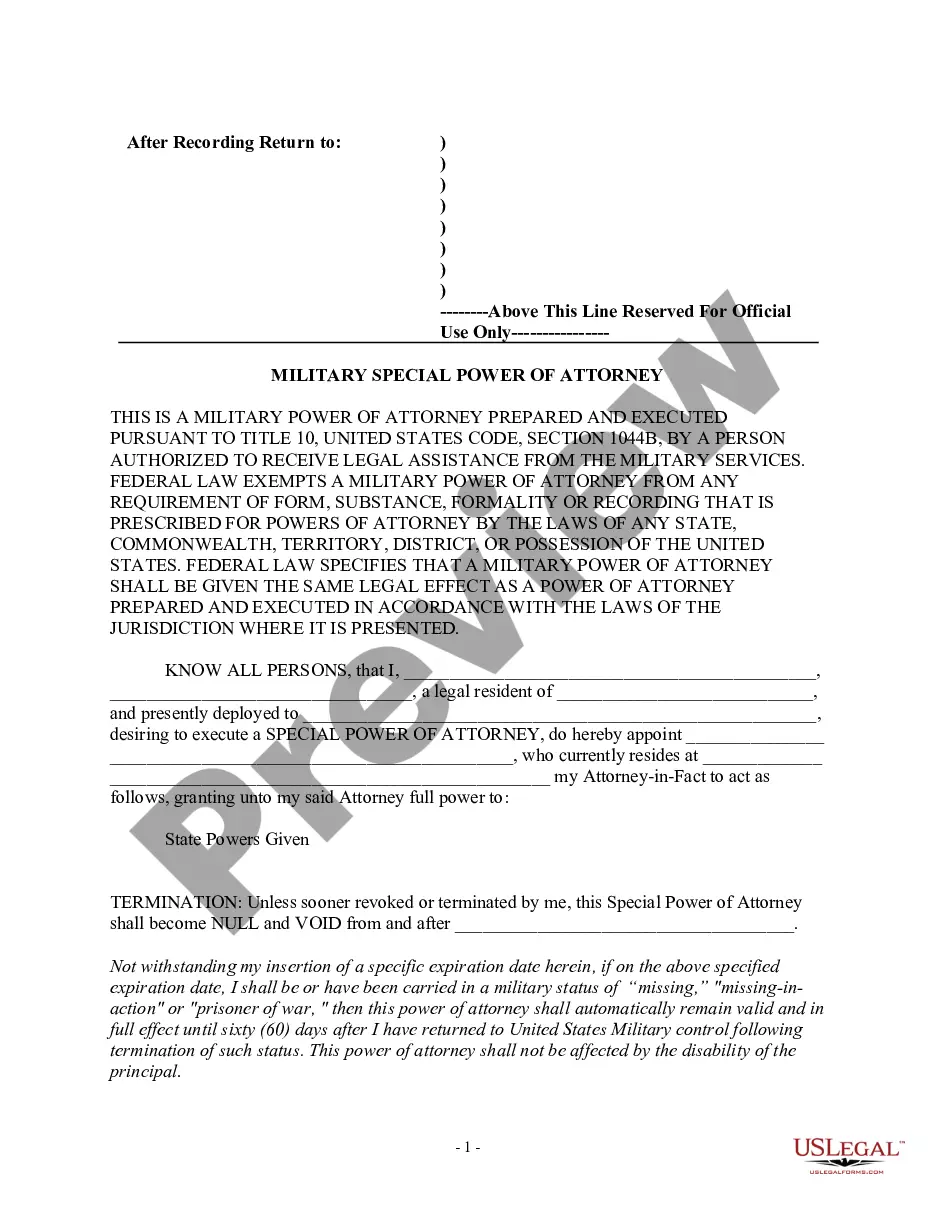
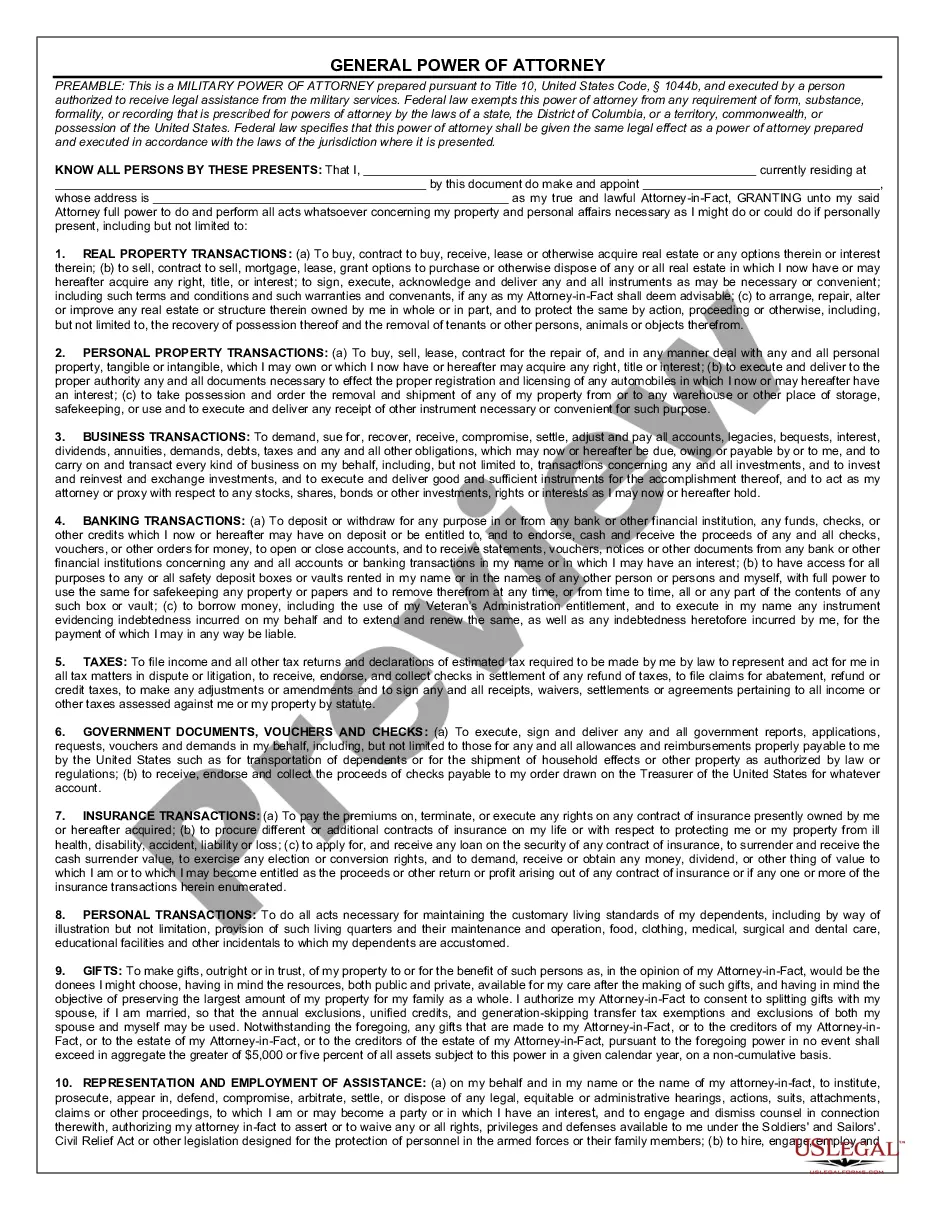
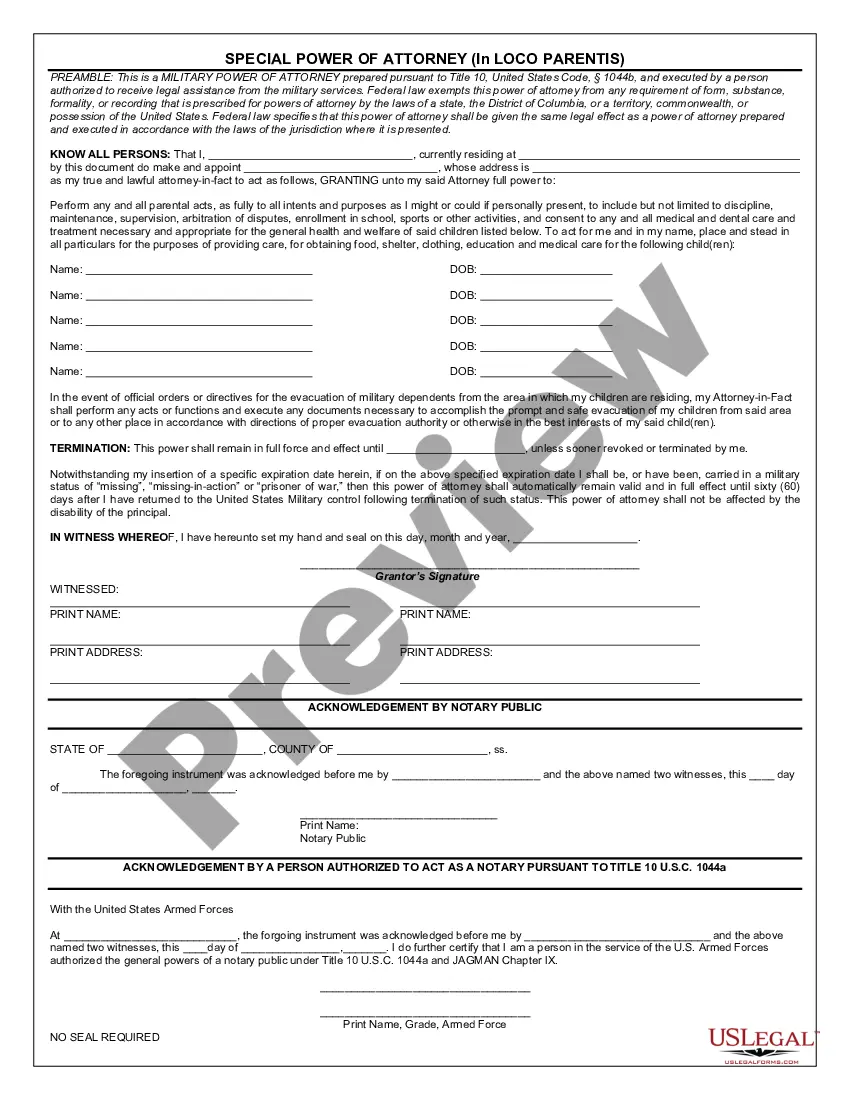
The General Power of Attorney for Care and Custody of Child or Children is a legal document that allows a parent to appoint an attorney-in-fact to make decisions regarding the care and custody of their child or children. This form encompasses a range of responsibilities, including health care and educational decision-making. Unlike other power of attorney forms, this particular document is specifically tailored for parental authority, ensuring that a designated individual can act on behalf of a parent in critical child-related matters.
What’s included in this form
- Identification of the parent(s) and the child(ren) under care.
- Appointment of one or more attorneys-in-fact with specified powers.
- Authority to make educational decisions and participate in school-related activities.
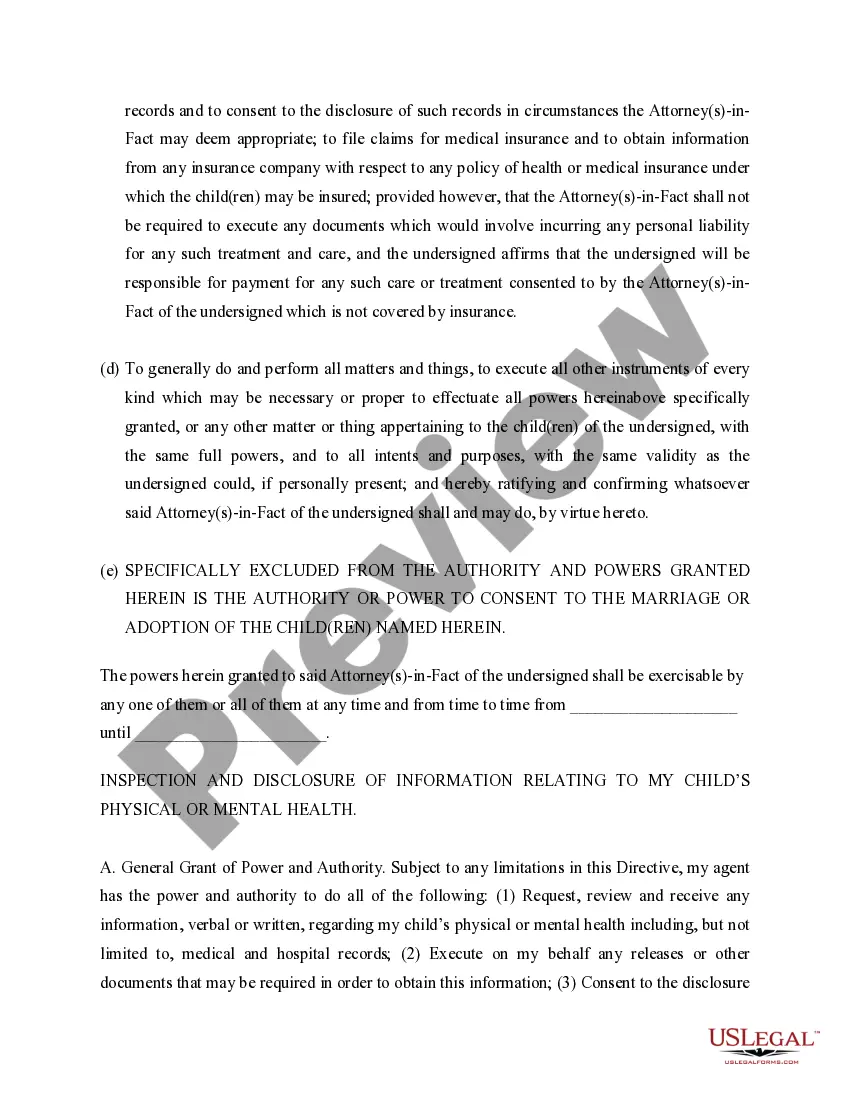
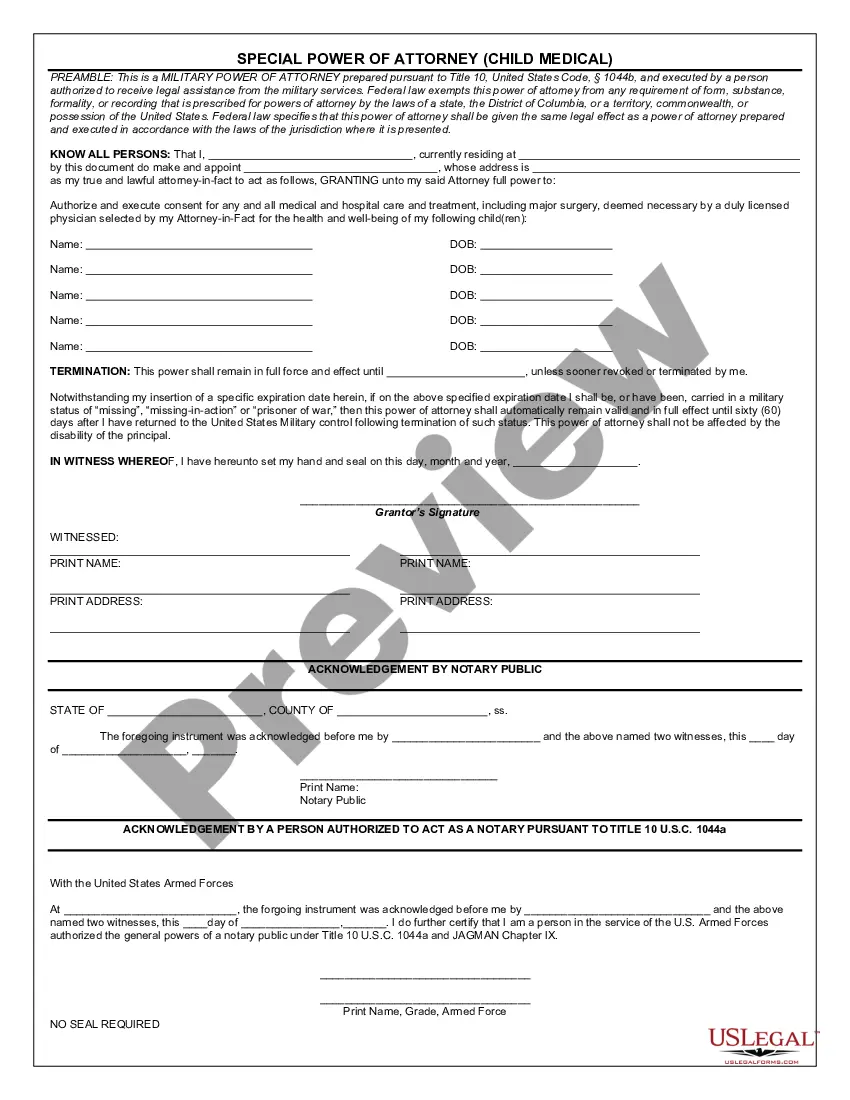
- Permission for health care decisions, including emergency treatment consent.
- Exclusions regarding marriage or adoption consent for the child(ren).
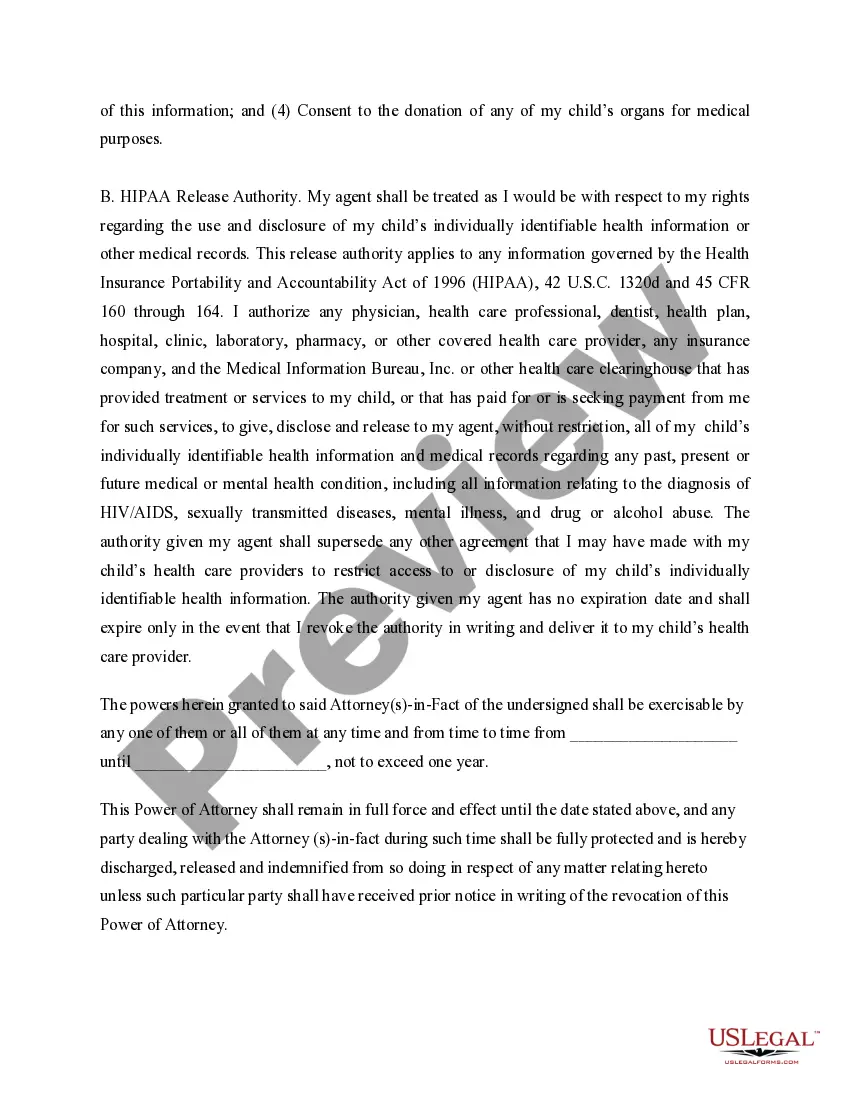
- HIPAA release provisions for health information access.
Situations where this form applies
This form is particularly useful in situations where a parent needs to delegate childcare responsibilities to another person. Common scenarios include times when a parent is temporarily unavailable due to work commitments, travel, or medical emergencies. It is also valuable in family situations where one parent may be unable to make decisions due to health issues or where clarifying authority is needed for educational or medical decisions.
Who should use this form
- Biological or adoptive parents needing temporary care delegation.
- Parents who are going on extended trips or are hospitalized.
- Guardians or caregivers tasked with the legal authority to make decisions for children.
- Anyone seeking to ensure continuity of care and decision-making in the absence of the parent.
Instructions for completing this form
- Begin by entering the names of the parent(s) and their residential address.
- Specify the name(s) of the attorney-in-fact who will be granted decision-making authority.
- List the child(ren) for whom care and custody decisions will be delegated.
- Detail the specific powers granted to the attorney-in-fact, including healthcare and educational rights.
- Sign and date the form in the presence of a notary public as required.
Notarization guidance
Yes, this form must be notarized to be legally valid. Notarization ensures the authenticity of the signatures and the identity of the parties involved. US Legal Forms offers integrated online notarization, providing 24/7 availability via secure video calls, making it easy to complete the process without the need for travel.
Get your form ready online
Our built-in tools help you complete, sign, share, and store your documents in one place.
Make edits, fill in missing information, and update formatting in US Legal Forms—just like you would in MS Word.
Download a copy, print it, send it by email, or mail it via USPS—whatever works best for your next step.
Sign and collect signatures with our SignNow integration. Send to multiple recipients, set reminders, and more. Go Premium to unlock E-Sign.
If this form requires notarization, complete it online through a secure video call—no need to meet a notary in person or wait for an appointment.
We protect your documents and personal data by following strict security and privacy standards.

Make edits, fill in missing information, and update formatting in US Legal Forms—just like you would in MS Word.
Download a copy, print it, send it by email, or mail it via USPS—whatever works best for your next step.
Sign and collect signatures with our SignNow integration. Send to multiple recipients, set reminders, and more. Go Premium to unlock E-Sign.

If this form requires notarization, complete it online through a secure video call—no need to meet a notary in person or wait for an appointment.

We protect your documents and personal data by following strict security and privacy standards.
Common mistakes
- Failing to specify the names of the children clearly.
- Not defining the limits of the attorney-in-fact's powers.
- Omitting necessary signatures or notarization.
- Writing vague instructions that may lead to confusion about the authority granted.
Benefits of using this form online
- Convenient access to legal forms without needing to visit a lawyer's office.
- Editability to tailor the form to specific needs before printing.
- Reliable templates drafted by attorneys, ensuring legal compliance.
- Immediate download and use, streamlining the process of delegating authority.
Legal use & context
- The General Power of Attorney for Care and Custody is enforceable as long as it is properly executed and notarized.
- Parents remain responsible for the child's wellbeing even when granting authority to an attorney-in-fact.
- This document does not give the attorney-in-fact the power to consent to marriage or adoption of the child.
Main things to remember
- This power of attorney is specifically for the care and custody of children.
- It enables parents to delegate authority for decision-making in their absence.
- Notarization is required for the document's validity.
- Ensure to clearly specify the time frame and powers granted to the attorney-in-fact.
Looking for another form?





Form popularity
FAQ
Section 63-17-20(B) states that the natural mother has sole custody in the case of a child born out of wedlock.
50% of children born in South Carolina are born to unmarried parents. When a child is born out-of-wedlock in South Carolina, the biological father has no legal rights or connection to the child until he establishes legal paternity.
In South Carolina, a step-parent can get full custody of a child if they had legally adopted the child. Step-parent adoption, however, requires consent from one of the biological parents, if the other parent had relinquished their parental responsibilities, is dead or has been deemed unfit by the court.
The bottom line is that it is usually very difficult to prove that the child's primary caretaker be it the mother or a father is unfit to have custody of the child.Excessive discipline or emotional abuse of the child; A history of drug or alcohol abuse; or. A previous conviction for a sexual offense.
Once you establish legal paternity, the mother cannot move away with the child over the father's objection without leave of court. However, if you do not establish paternity, the mother can move away or deny visitation rights, regardless of the father's objections.
The legal definition of an unfit parent is when the parent through their conduct fails to provide proper guidance, care, or support. Also, if there is abuse, neglect, or substance abuse issues, that parent will be deemed unfit.
In marriage, parents in South Carolina have equal power, rights, and duties regarding their children. However, under South Carolina child custody law, divorce can drastically change that. In addition, if the parents were never married, then custody is solely with the mother unless the father goes to court.
The legal definition of an unfit parent is when the parent through their conduct fails to provide proper guidance, care, or support. Also, if there is abuse, neglect, or substance abuse issues, that parent will be deemed unfit.