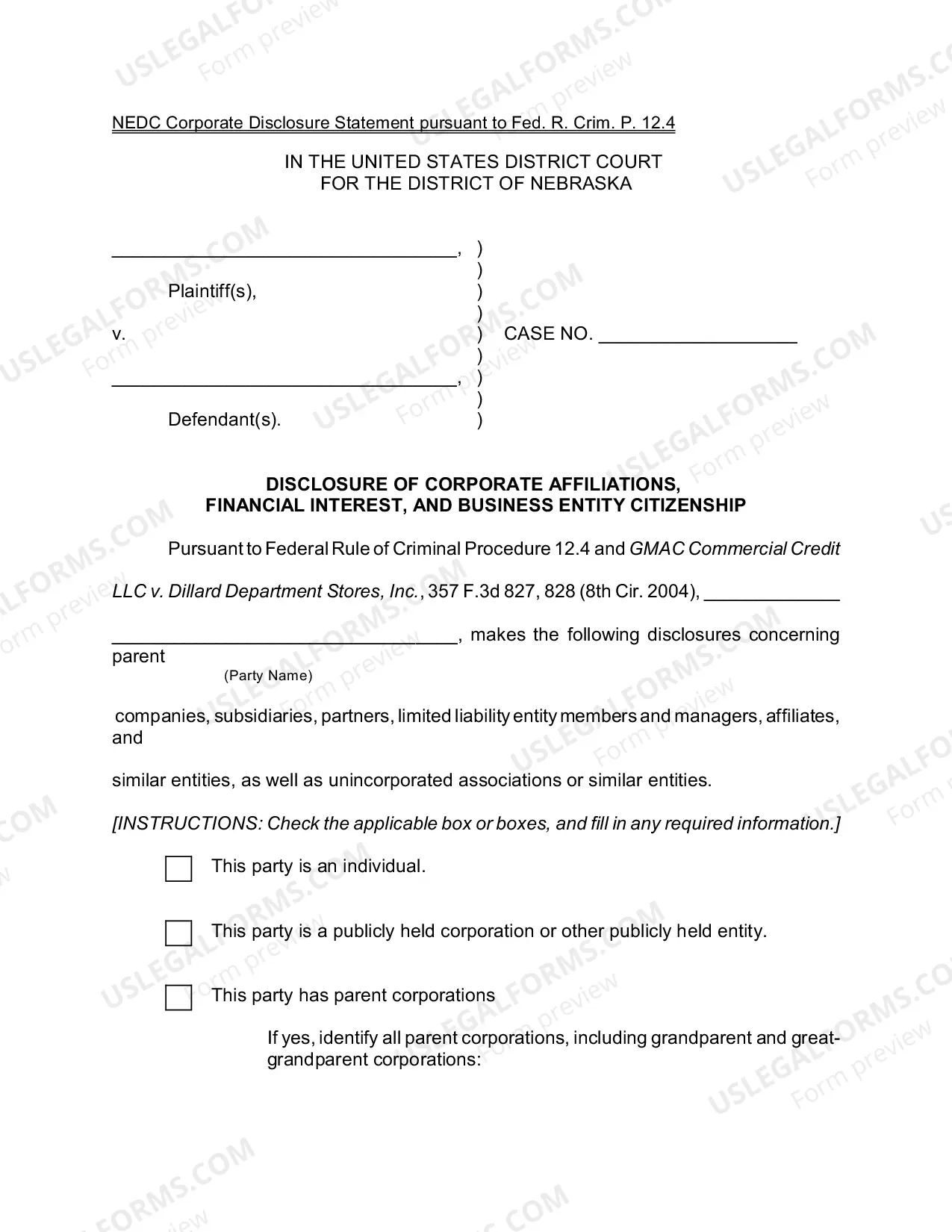
South Carolina Letter from Landlord to Tenant for Failure to use electrical, plumbing, sanitary, heating, ventilating, air conditioning and other facilities in a reasonable manner
What is this form?
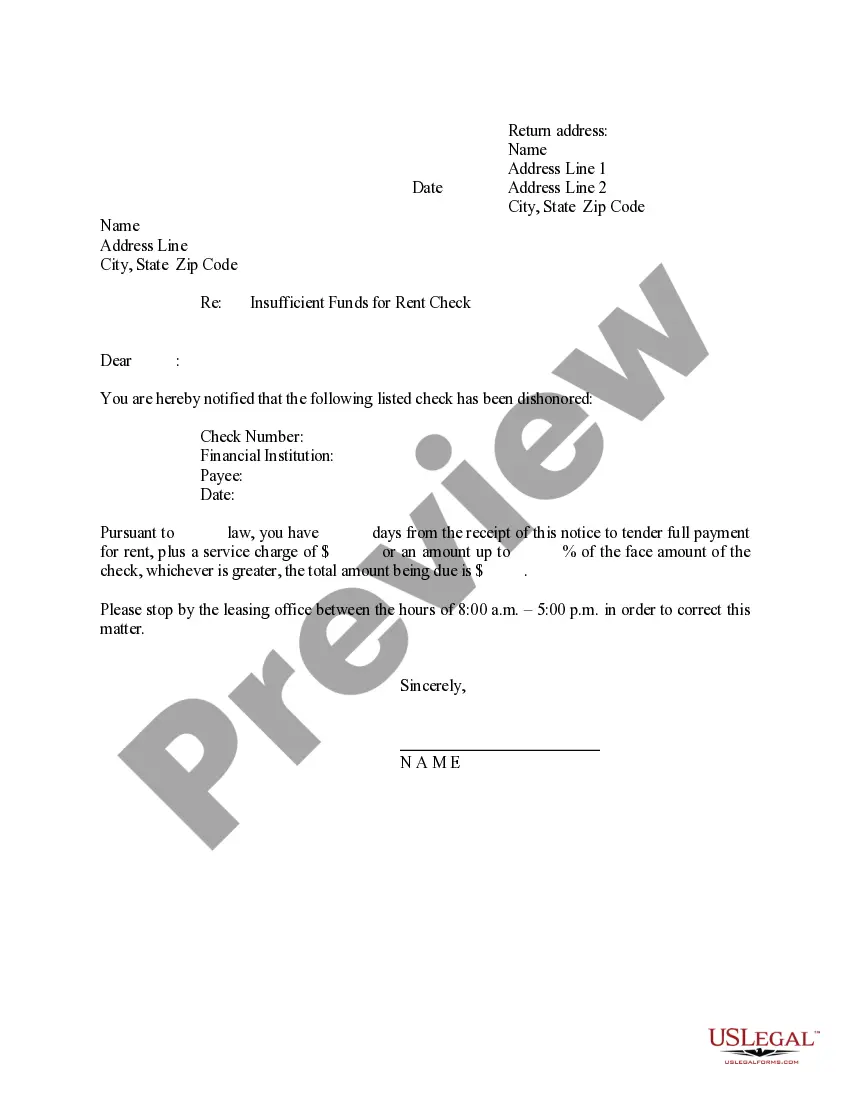
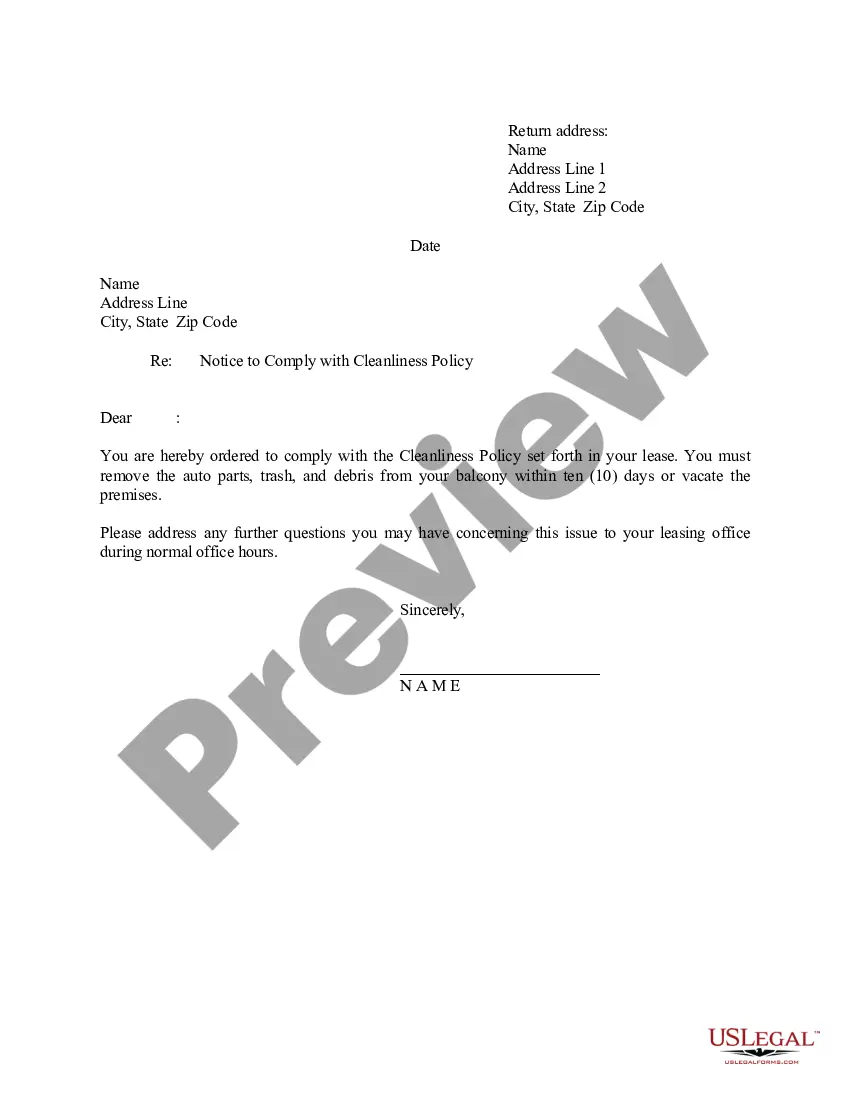
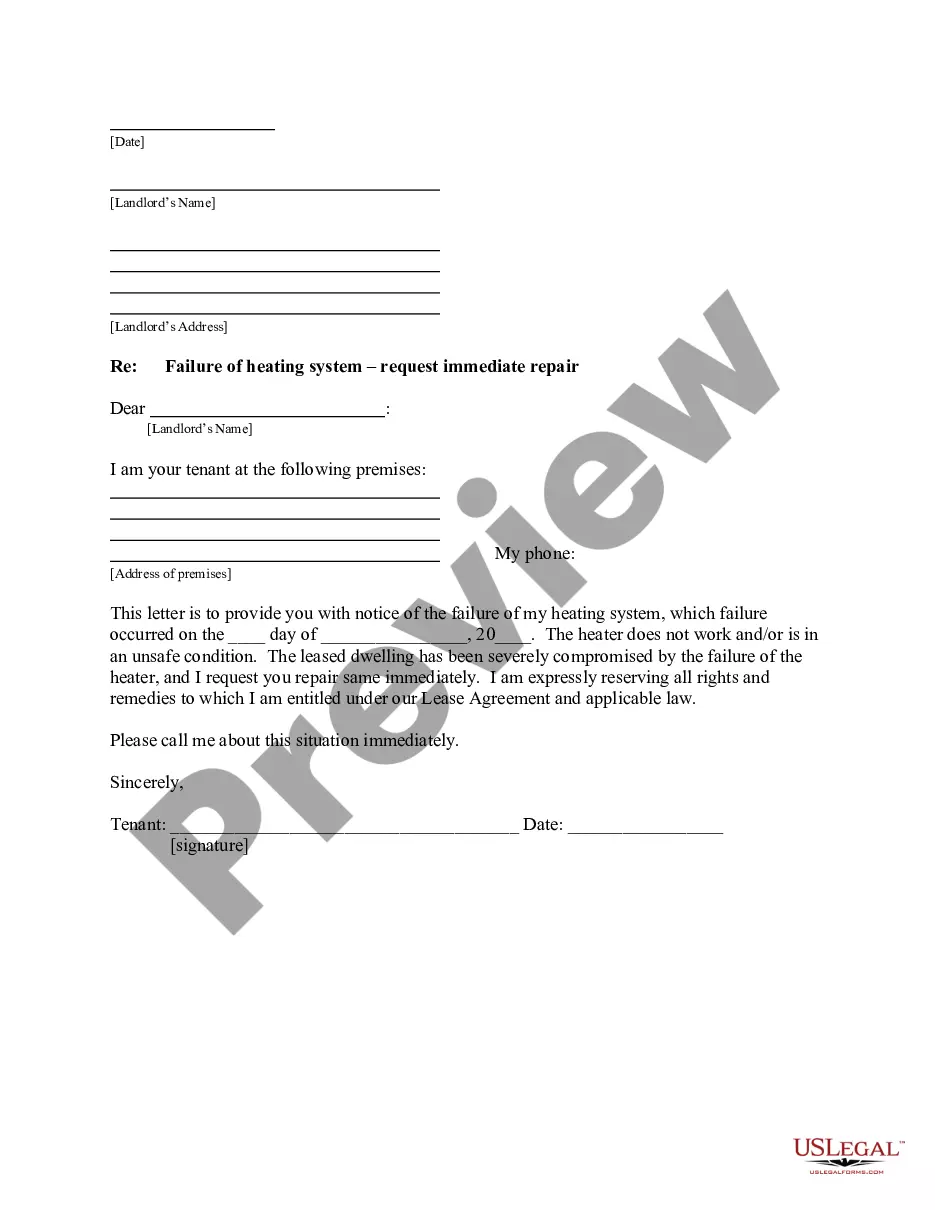
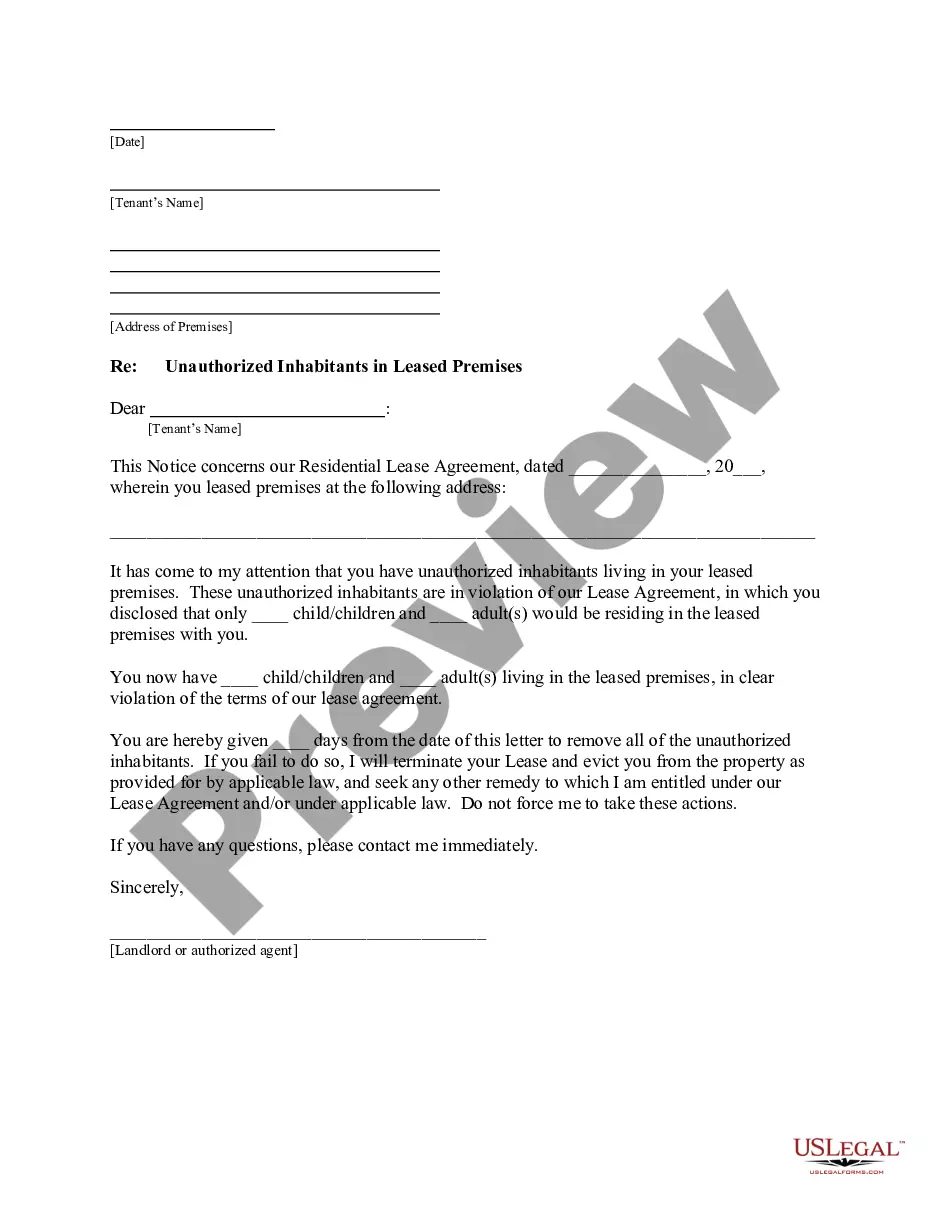
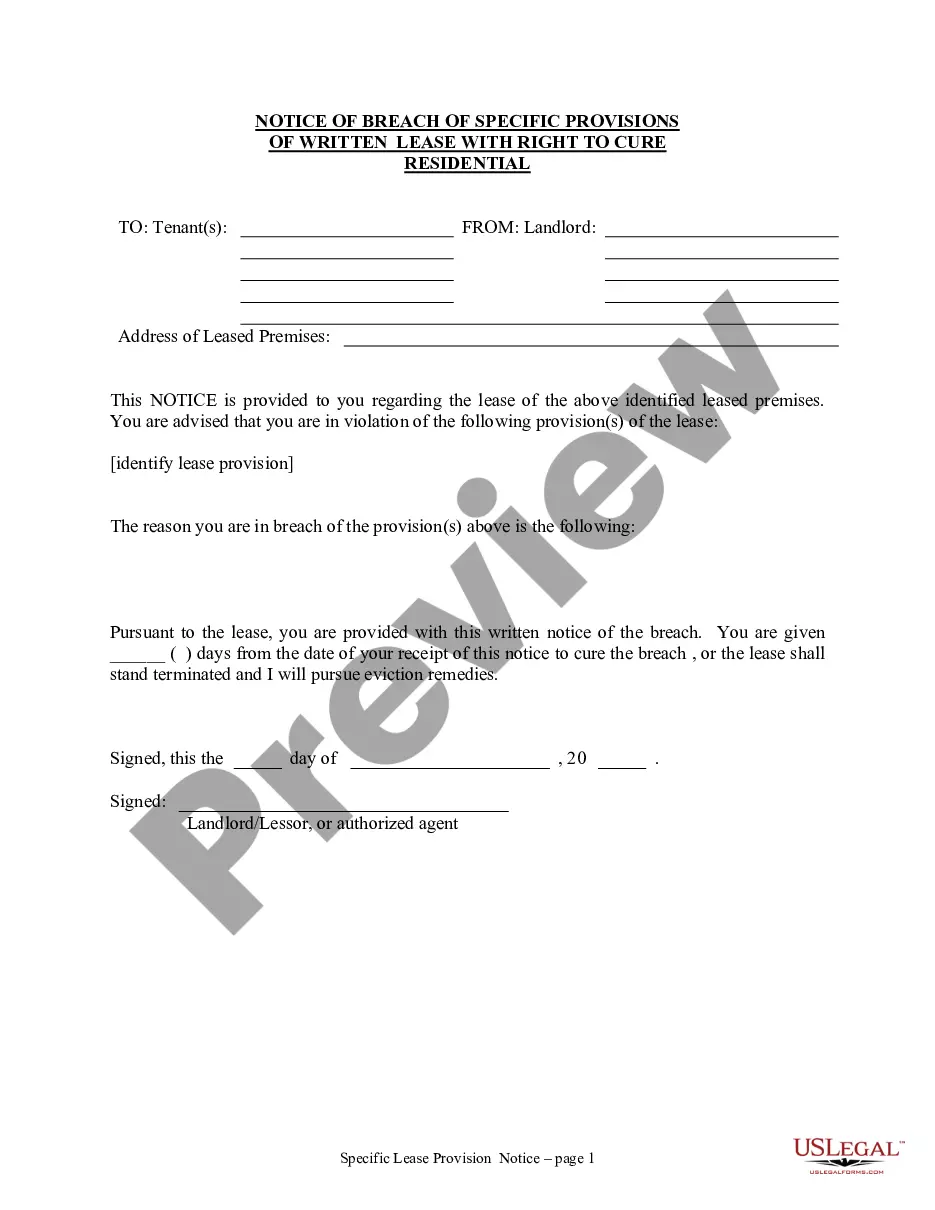
This form is a notice from a landlord to a tenant regarding the improper use of essential facilities such as electrical, plumbing, sanitary, heating, ventilation, and air conditioning systems. The purpose of this letter is to formally address the tenant's failure to comply with lease terms and to warn that continued misuse may lead to eviction. This form differs from other tenant communication forms by specifically addressing facility usage issues and providing a direct warning about the potential consequences of non-compliance.
Key components of this form
- Identification of parties: Names and addresses of the landlord and tenant.
- Details of the issue: Specific mention of the facilities that are being misused.
- Consequences: A clear statement regarding potential eviction if the issue is not resolved.
- Signature: Space for the landlord's or authorized agent's signature.
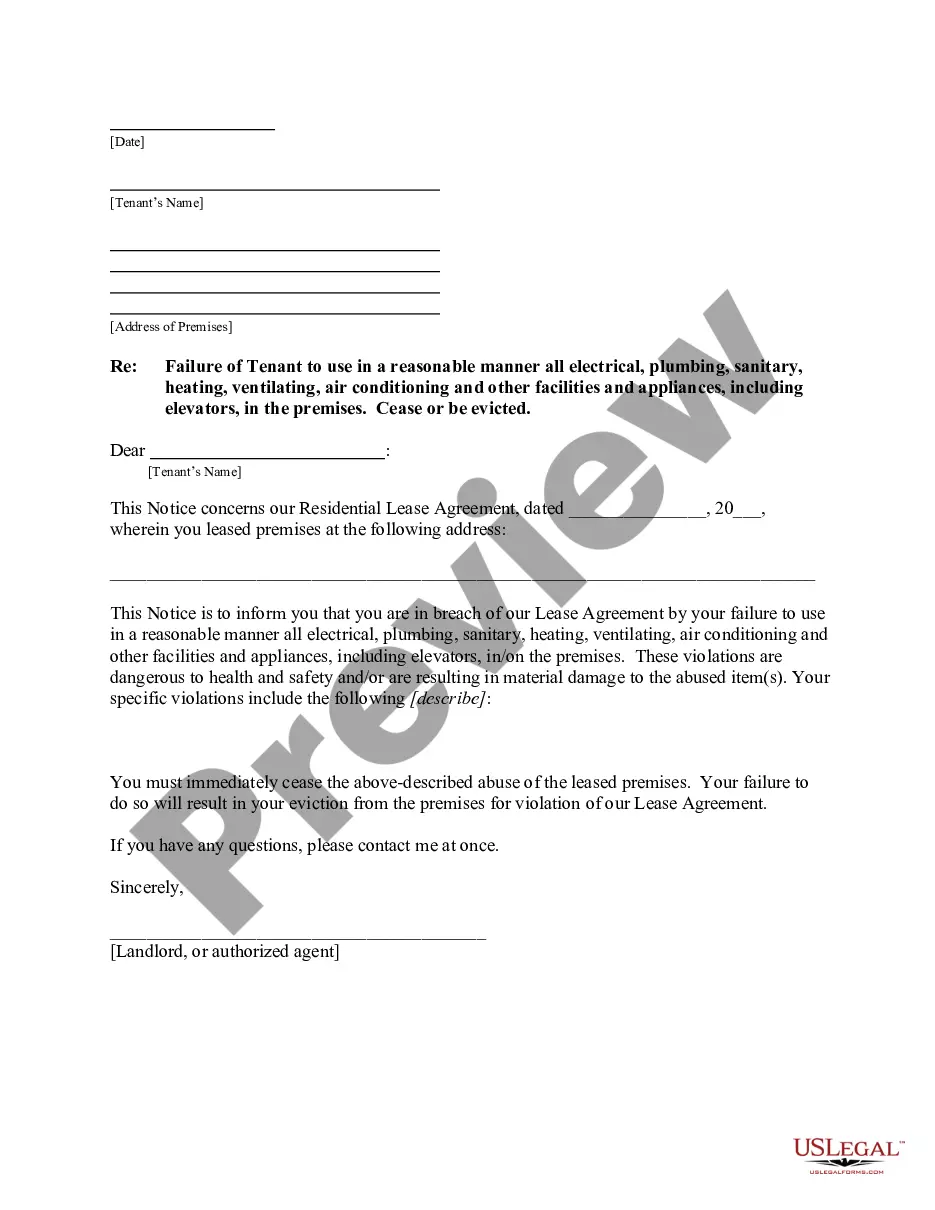
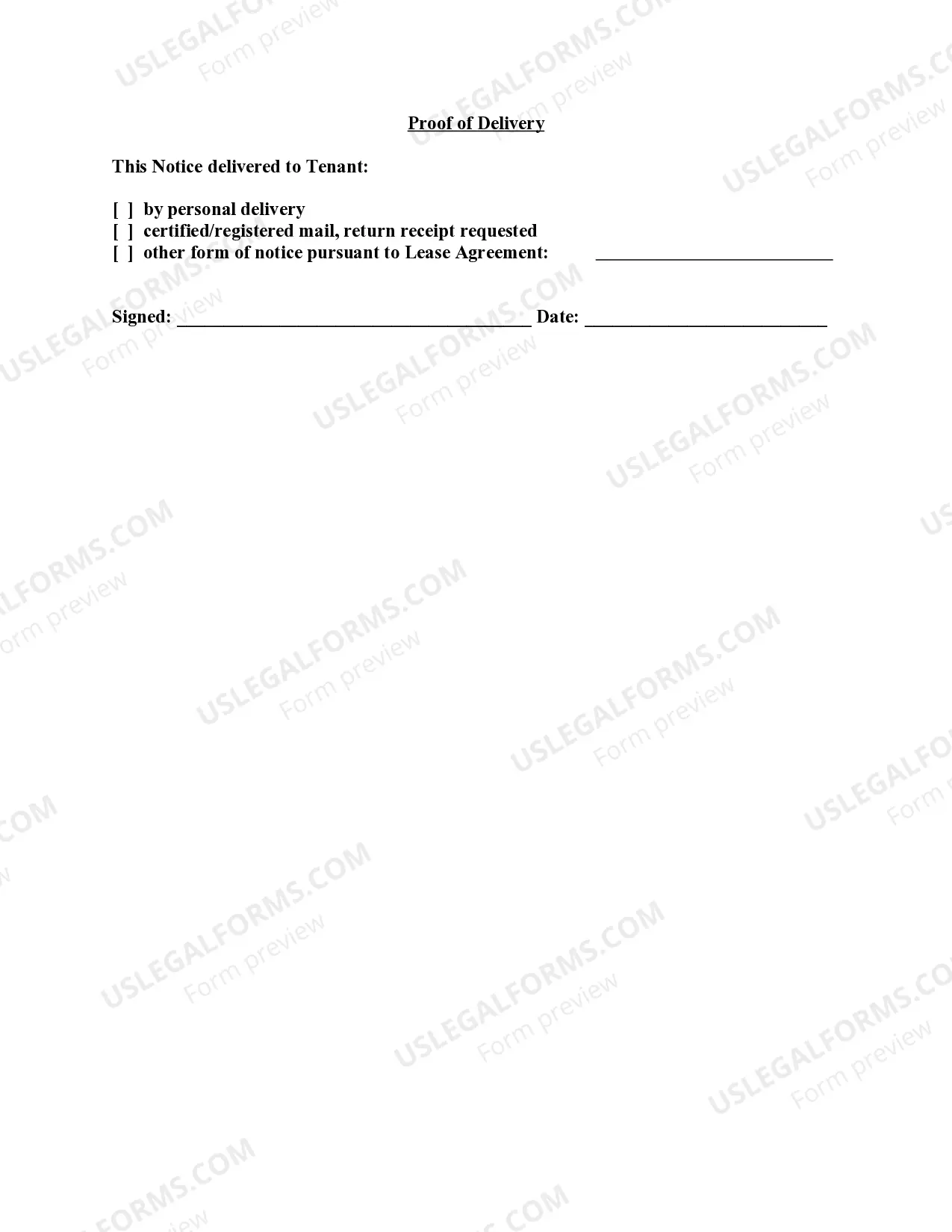
- Proof of delivery: Options for how the notice is delivered to the tenant.


When to use this document
This form should be used when a landlord needs to address a tenant's failure to use appliances and facilities in a reasonable manner as outlined in the lease agreement. It is applicable in situations where the landlord has observed ongoing misuse of electrical, plumbing, or heating systems, and wants to formally notify the tenant of the issue and the consequences of not correcting the behavior.
Who needs this form
- Landlords who are managing rental properties.
- Property managers acting on behalf of landlords.
- Real estate professionals involved in tenant-landlord agreements.
How to prepare this document
- Identify the parties: Enter the names and addresses of both the landlord and the tenant.
- Specify the misconduct: Clearly state which facilities have been misused and how.
- Draft the consequences: Outline the potential eviction if the issues are not resolved.
- Sign the notice: The landlord or authorized agent should sign the document to validate it.
- Deliver the notice: Ensure the notice is delivered through the selected method (personal delivery or certified mail).
Does this document require notarization?
This form does not typically require notarization unless specified by local law. Landlords can use this form with confidence, knowing it complies with standard practices for tenant communications.
Get your form ready online
Our built-in tools help you complete, sign, share, and store your documents in one place.
Make edits, fill in missing information, and update formatting in US Legal Forms—just like you would in MS Word.
Download a copy, print it, send it by email, or mail it via USPS—whatever works best for your next step.
Sign and collect signatures with our SignNow integration. Send to multiple recipients, set reminders, and more. Go Premium to unlock E-Sign.
If this form requires notarization, complete it online through a secure video call—no need to meet a notary in person or wait for an appointment.
We protect your documents and personal data by following strict security and privacy standards.

Make edits, fill in missing information, and update formatting in US Legal Forms—just like you would in MS Word.

Download a copy, print it, send it by email, or mail it via USPS—whatever works best for your next step.

Sign and collect signatures with our SignNow integration. Send to multiple recipients, set reminders, and more. Go Premium to unlock E-Sign.

If this form requires notarization, complete it online through a secure video call—no need to meet a notary in person or wait for an appointment.

We protect your documents and personal data by following strict security and privacy standards.
Mistakes to watch out for
- Failing to provide specific examples of the misuse.
- Not signing the notice before delivery.
- Using vague language that may confuse the tenant about the issue.
- Neglecting to document the delivery method for proof.
Benefits of completing this form online
- Convenient access to a legally accurate form crafted by licensed attorneys.
- Editable fields allowing for customization as per individual circumstances.
- Immediate availability for quick resolution of tenant issues.
- Secure storage for important documents and legal correspondence.
Legal use & context
- This notice is legally recognized in most jurisdictions as a first step in addressing tenant issues before resorting to eviction.
- Landlords must adhere to local and state laws regarding notice periods and delivery methods to ensure enforceability.
- Failure to use this form correctly may result in legal complications if eviction proceedings are pursued later.
Main things to remember
- This form serves as an important step for landlords addressing tenant misuse of facilities.
- Clearly document all issues to provide a stronger case should eviction arise.
- Adhere to state-specific laws regarding tenant notices to ensure compliance.
- Utilize this form to help maintain a conciliatory approach before escalating to eviction.
Looking for another form?
Form popularity
FAQ
Tenants may be able to file their complaints with their city or county rent control board, local tenant association, rental housing association, district attorney's office and consumer protection agency. California residents can find the appropriate agencies based on the nature of their complaint by contacting the
To file a complaint: The first thing you should do is call, write, or come into the office and talk with a Housing Intake Investigator. He/she will be able to explain what we do and help to determine if you have a basis for filing a complaint. Click here for the Fair Housing Complaint Questionnaire to complete.
"Unfortunately air conditioning is not one of those essential services while heat is, it's just not included under the South Carolina State Law," explained Thomas."If a landlord provides an air conditioner unit, the landlord is required to maintain that unit in working order," said Thomas.
Tenant Rights to Withhold Rent in South CarolinaTenants may withhold rent or exercise the right to repair and deduct if a landlord fails to take care of important repairs, such as a broken heater. For specifics, see South Carolina Tenant Rights to Withhold Rent or Repair and Deduct.
The repair window of time allotted to the landlord, with some exception, is 14 days. Under this portion of the Act, the availability of such remedies generally first requires written notice to the landlord specifying the issues.
Tenant Rights to Withhold Rent in South Carolina Tenants may withhold rent or exercise the right to repair and deduct if a landlord fails to take care of important repairs, such as a broken heater.
If the damage to the property is not a threat to your family's health and safety, but is still so serious that it cannot reasonably be fixed within fourteen days, the landlord must at least start making repairs within fourteen days and must finish them within a reasonable time.
A. Landlords are responsible for most repairs in a rental property, including any appliances provided by the landlord for making use of the supply of water, gas, and electricity. Landlords are not responsible for repairs to appliances owned by their tenants.