Rhode Island Letter from Tenant to Landlord containing Notice to landlord to cease retaliatory decrease in services
What this document covers
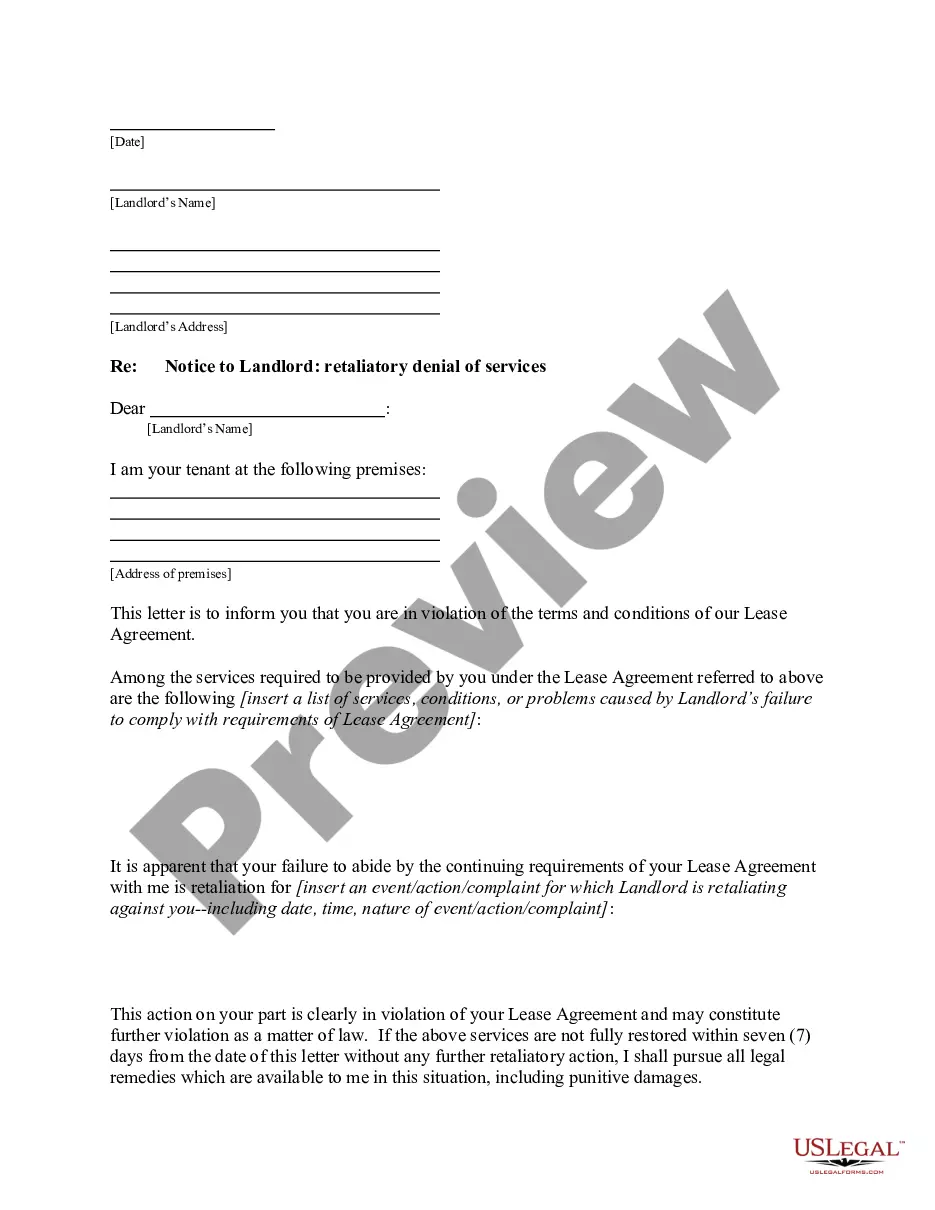
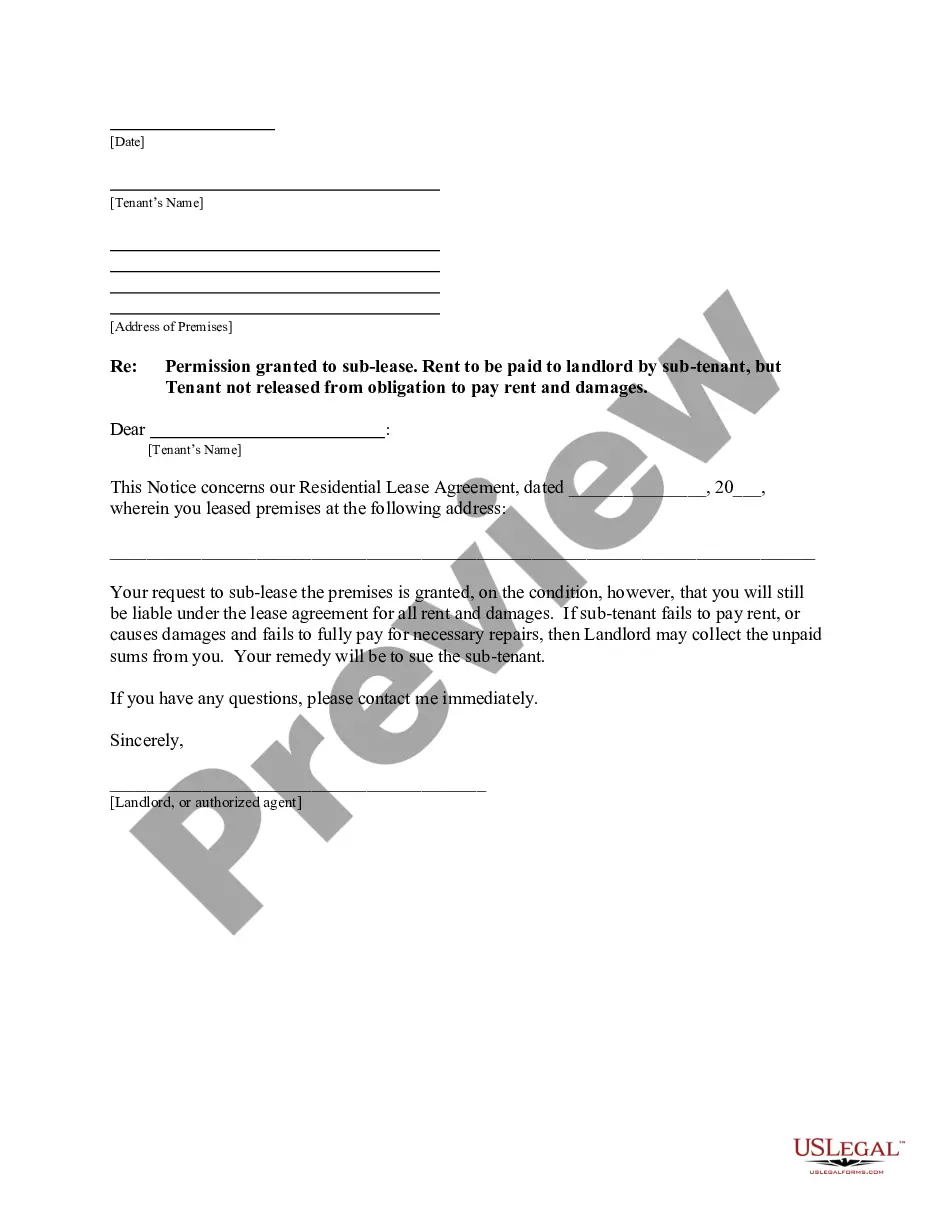
This letter serves as formal communication from a tenant to a landlord, addressing the landlord's retaliatory actions related to a decrease in services. Specifically, it claims that the landlord's failure to honor the Lease Agreement is a response to a prior tenant action, which is considered unlawful. This form emphasizes the tenant's right to request necessary services mandated by the lease and alerts the landlord to the potential legal implications of their actions.
What’s included in this form
- Identification of the tenant and landlord.
- Specific services that are being withheld by the landlord.
- Statement that the landlord's actions are seen as retaliatory.
- Notice of breach of the lease agreement.
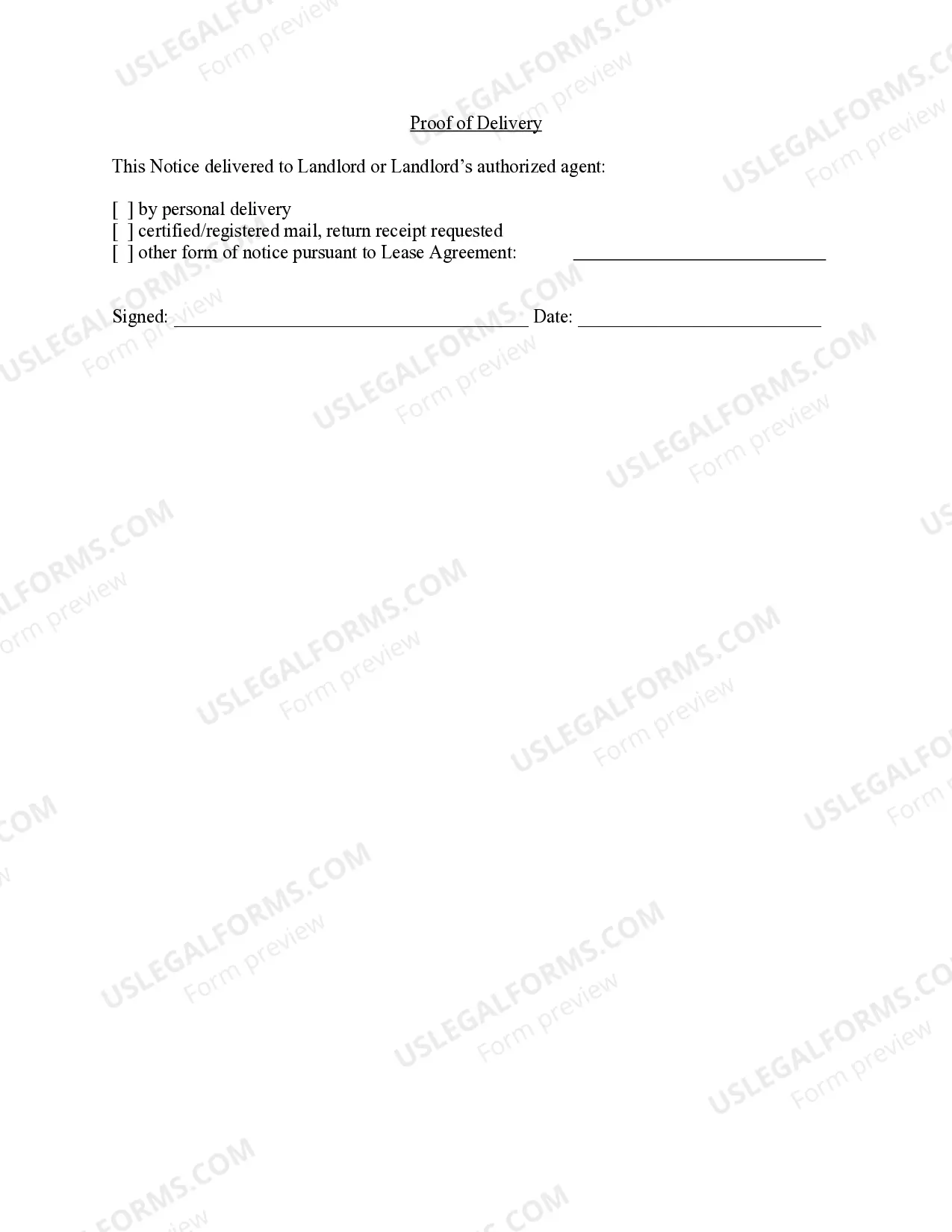
- Proof of delivery options for this notice.

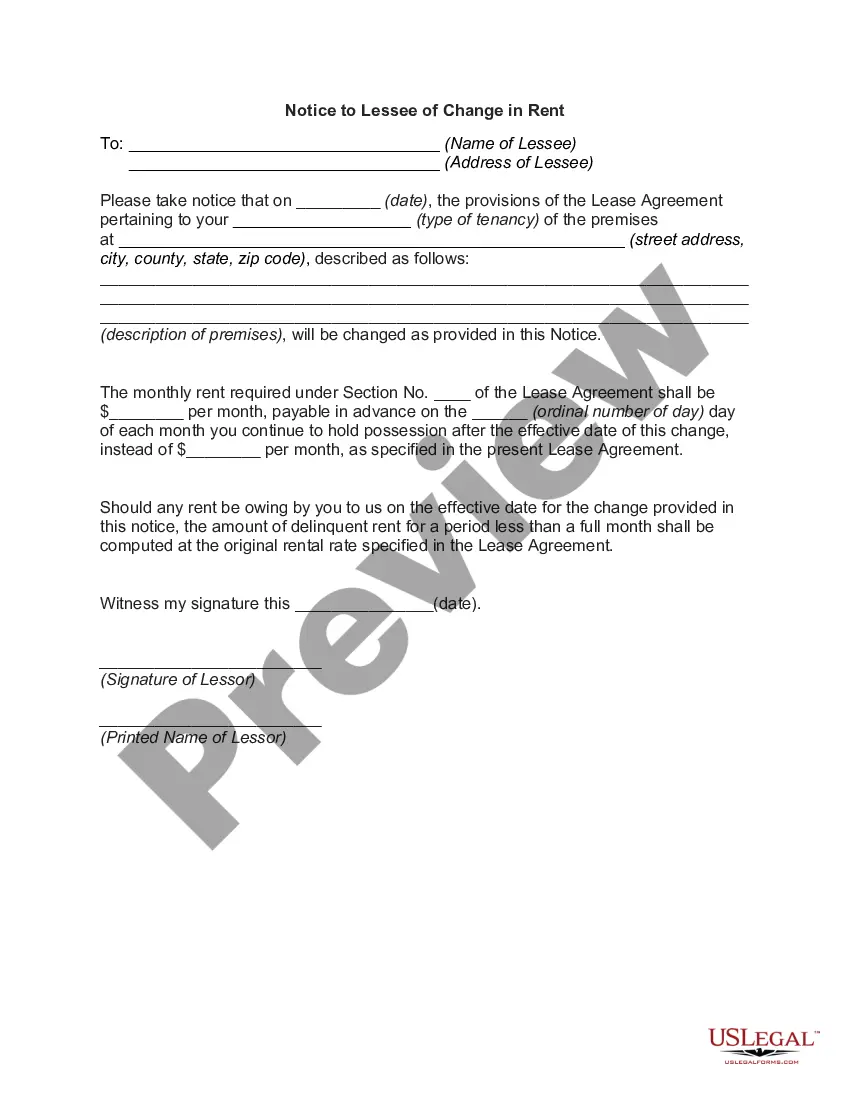

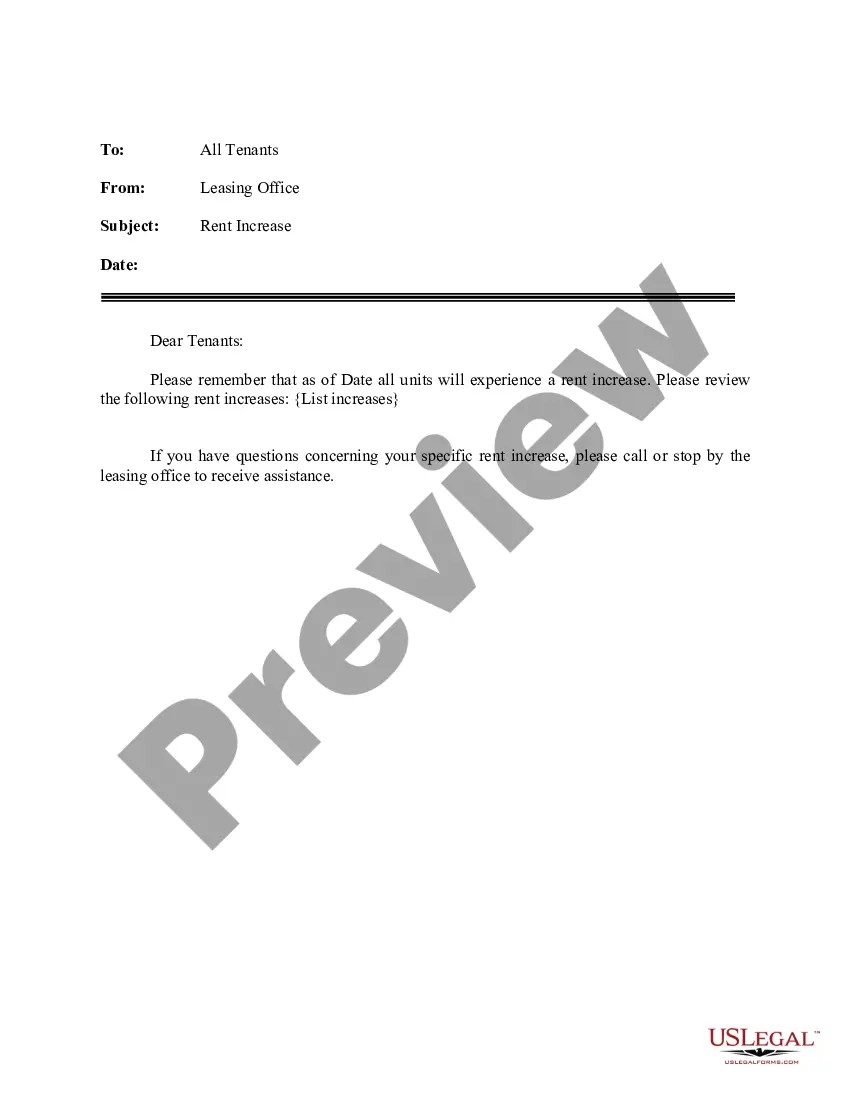

Situations where this form applies
Use this form when you, as a tenant, believe that your landlord is reducing services or failing to provide them due to a retaliatory motive. This may occur after you have exercised your rights, such as reporting health and safety violations, or after requesting repairs. This letter acts as an official notice, helping to clarify the tension between you and your landlord before escalating the situation legally.
Who should use this form
- Tenants who feel that their landlord is retaliating against them.
- Individuals who have reported issues to their landlord but have experienced a decrease in services.
- Tenants seeking to formalize their grievances before considering legal action.
How to prepare this document
- Identify and enter the names and addresses of both tenant and landlord.
- List the specific services that the landlord is failing to provide.
- State your position regarding the retaliation for exercising your tenant rights.
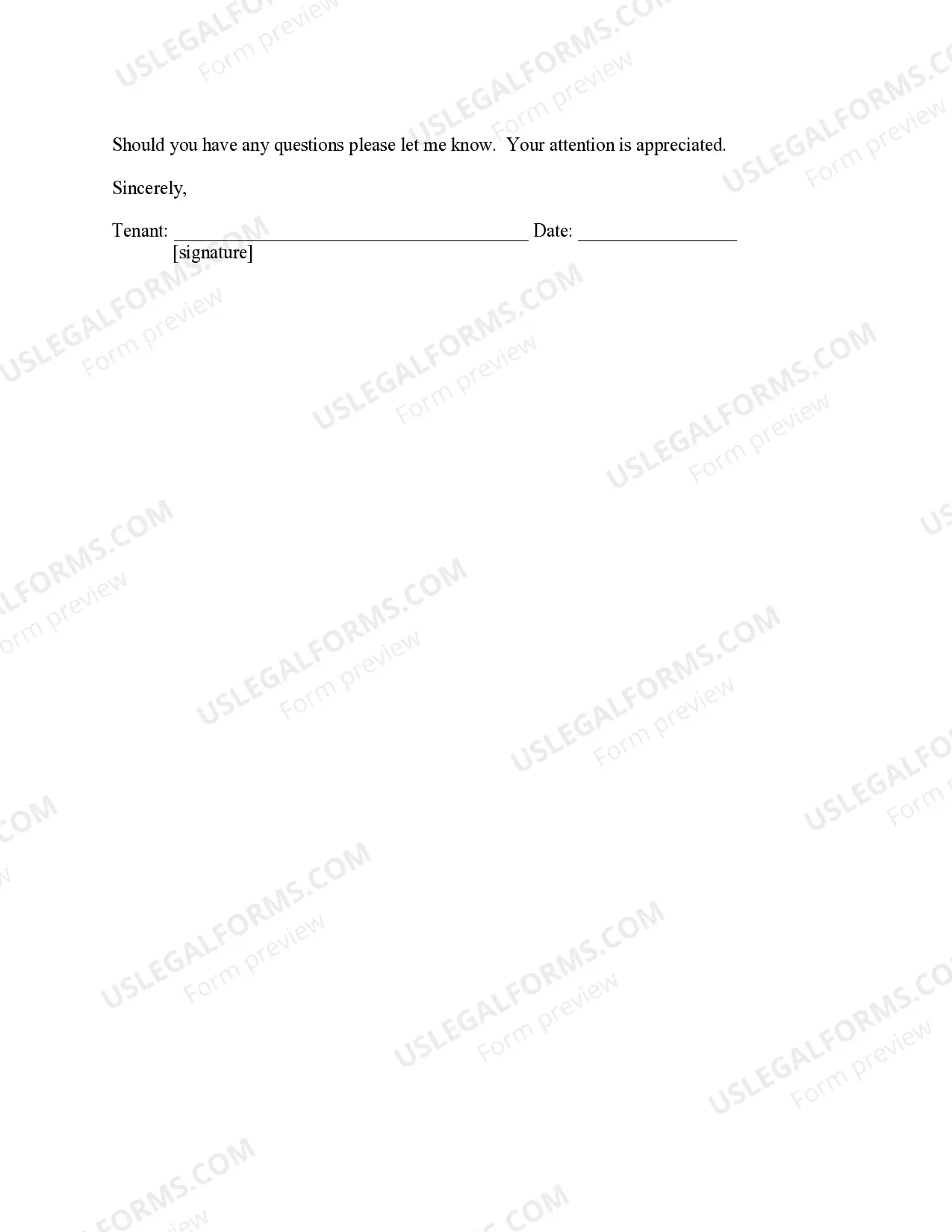
- Sign and date the letter to make it official.
- Choose and indicate a method for delivering the notice to the landlord.
Notarization guidance
This form does not typically require notarization unless specified by local law. Ensure to check local regulations for additional requirements.
Get your form ready online
Our built-in tools help you complete, sign, share, and store your documents in one place.
Make edits, fill in missing information, and update formatting in US Legal Forms—just like you would in MS Word.
Download a copy, print it, send it by email, or mail it via USPS—whatever works best for your next step.
Sign and collect signatures with our SignNow integration. Send to multiple recipients, set reminders, and more. Go Premium to unlock E-Sign.
If this form requires notarization, complete it online through a secure video call—no need to meet a notary in person or wait for an appointment.
We protect your documents and personal data by following strict security and privacy standards.
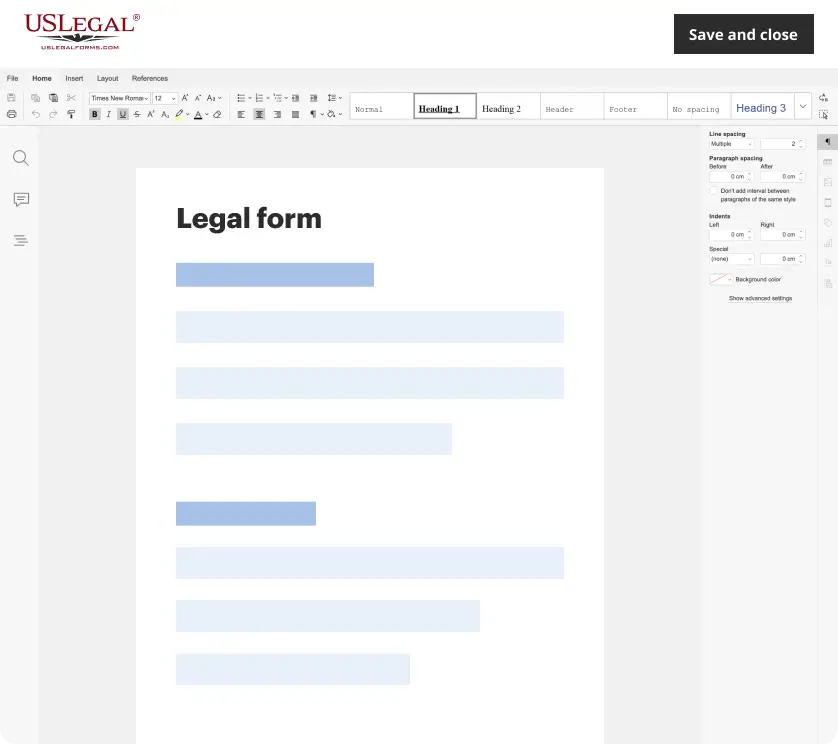
Make edits, fill in missing information, and update formatting in US Legal Forms—just like you would in MS Word.
Download a copy, print it, send it by email, or mail it via USPS—whatever works best for your next step.
Sign and collect signatures with our SignNow integration. Send to multiple recipients, set reminders, and more. Go Premium to unlock E-Sign.
If this form requires notarization, complete it online through a secure video call—no need to meet a notary in person or wait for an appointment.
We protect your documents and personal data by following strict security and privacy standards.
Typical mistakes to avoid
- Failing to specify the services that are being denied.
- Not providing a clear explanation of the actions that led to the perceived retaliation.
- Incorrectly addressing the letter to an unauthorized person.
- Neglecting to sign and date the notice before sending it.
Advantages of online completion
- Convenient access to a legally vetted template at any time.
- Easy to edit and customize according to your specific situation.
- Reliable structure that adheres to legal standards, minimizing errors.
Legal use & context
- The letter serves as documentation of the tenant's grievances, which may be useful in future legal proceedings.
- Landlords are legally obliged to provide certain services as outlined in the Lease Agreement.
- Retaliatory actions by landlords can lead to significant legal consequences, reinforcing tenant protections.
Main things to remember
- This letter addresses retaliatory actions by landlords regarding the provision of services.
- It formalizes the tenant's position and can serve as evidence in legal disputes.
- Understanding your rights as a tenant is crucial when dealing with retaliation issues.
Looking for another form?
Form popularity
FAQ
The landlord had a duty to reasonably maintain the property; The landlord knew or should have known of the dangerous condition; The landlord breached their duty by failing to repair/fix the dangerous condition;
A rental verification helps landlords and property managers to verify the rental history of their applicant. This is done through a background check combined with a phone call verification.Calling the previous and current landlord is an important step of the rental verification.
The landlord verification form is a document used by a landlord when verifying the previous rental information of an applicant for tenancy. The requesting landlord must send the form to the applicant's current or past landlord in order to obtain all details related to the tenancy of the individual.
Dear (Name of landlord or manager), This letter constitutes my written (number of days' notice that you need to give based on your lease agreement)-day notice that I will be moving out of my apartment on (date), the end of my current lease. I am leaving because (new job, rent increase, etc.)
You can file a lawsuit for negligence against the manager of a real estate property in the same way you can sue the owner of any type of business. Generally speaking, with certain exceptions, filing a lawsuit for negligence against a property manager is a straightforward process.
Know your state's landlord/tenant laws. Read and respond to the court summons. Try to work out a settlement. Consider legal counsel. Show up for court. Look sharp and provide evidence.
If you're seeking damages for emotional distress caused by a landlord's discrimination, or punitive damages for especially blatant and intentional discrimination, a lawsuit may well be your best bet. Understand what's involved in suing your landlord. You may file a lawsuit in either federal or state court.
File for eviction with your local courthouse. Gather evidence. Come to the court hearing to prove your case. Win a writ of possession and have the tenant removed by the sheriff.
Uninhabitable conditions can include dangerous ones, such as holes in the floor, unsafe or exposed wiring, or non-working air conditioning in dangerously hot summer months. Gross infestations of roaches, fleas or other pests are also uninhabitable conditions.