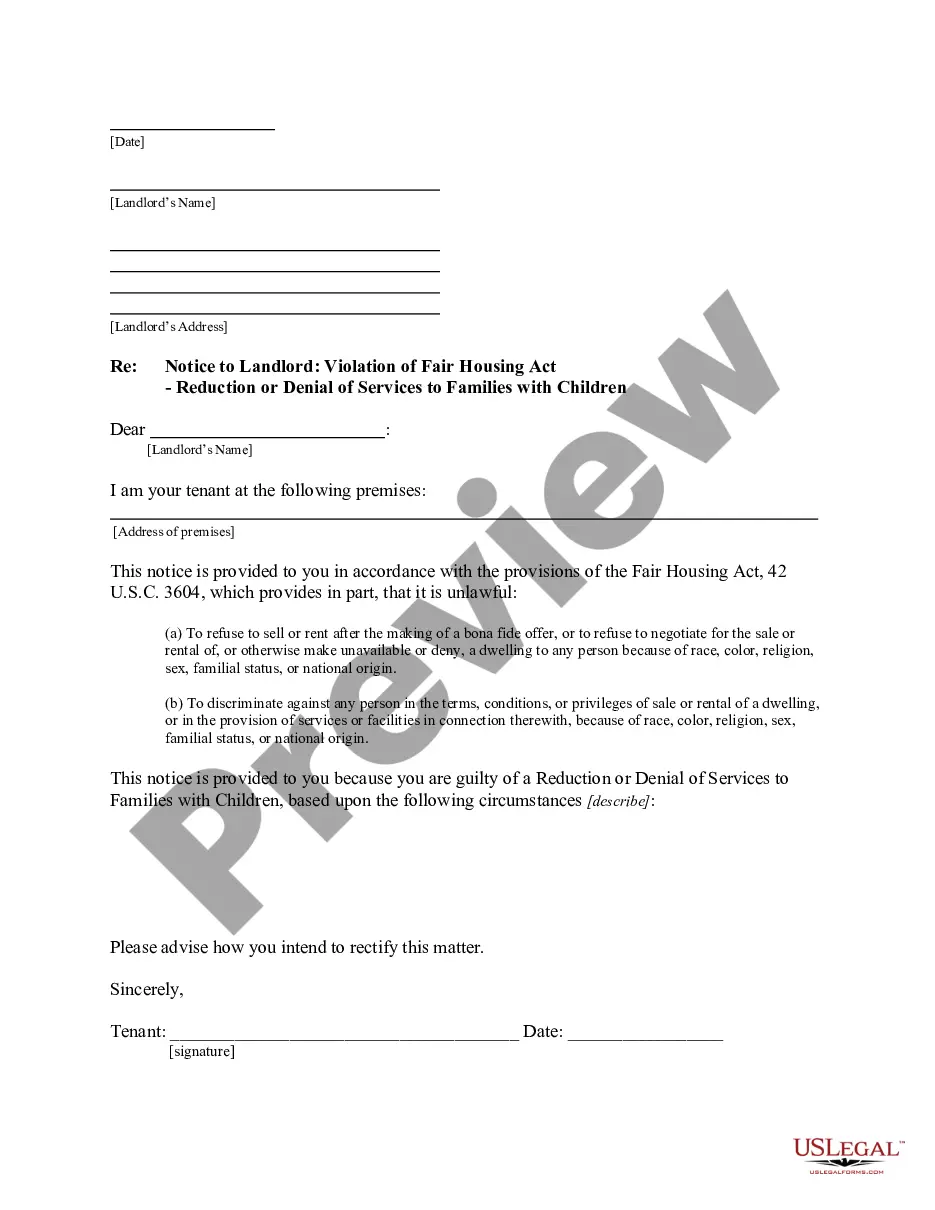
Rhode Island Letter from Tenant to Landlord about Fair Housing Reduction or Denial of services to Family with Children
Understanding this form
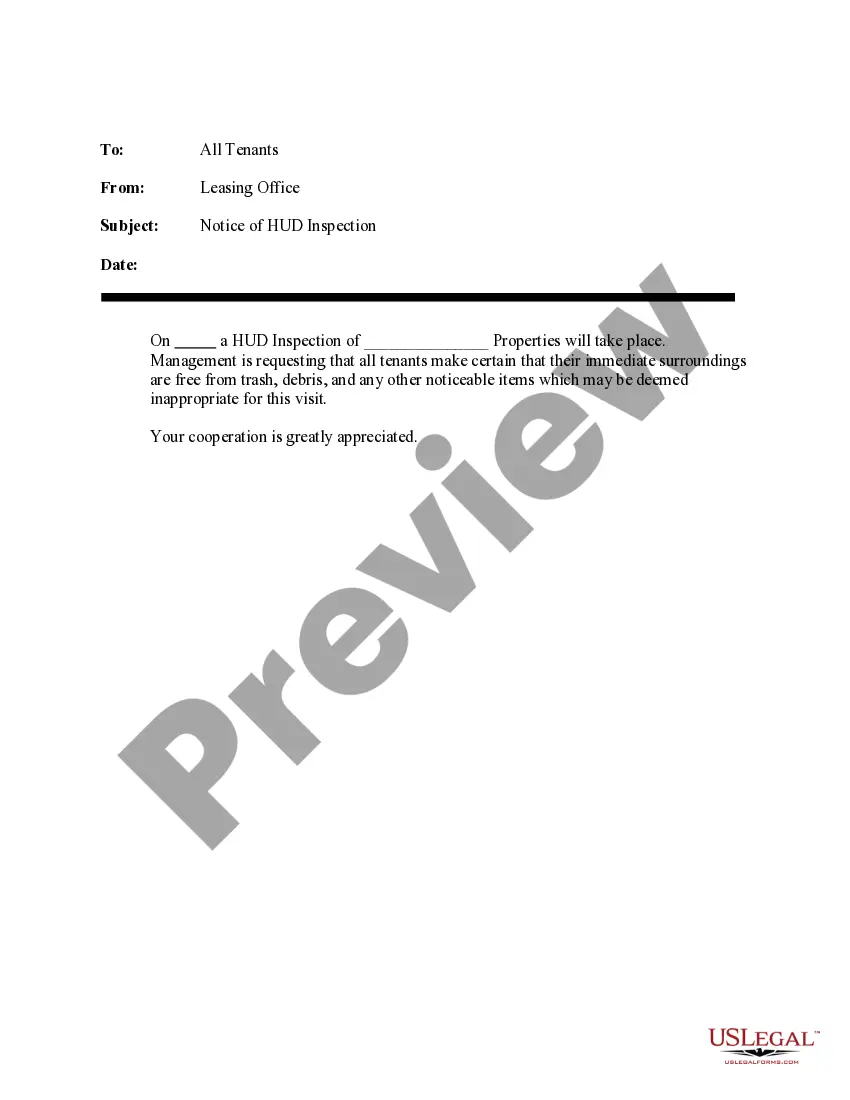
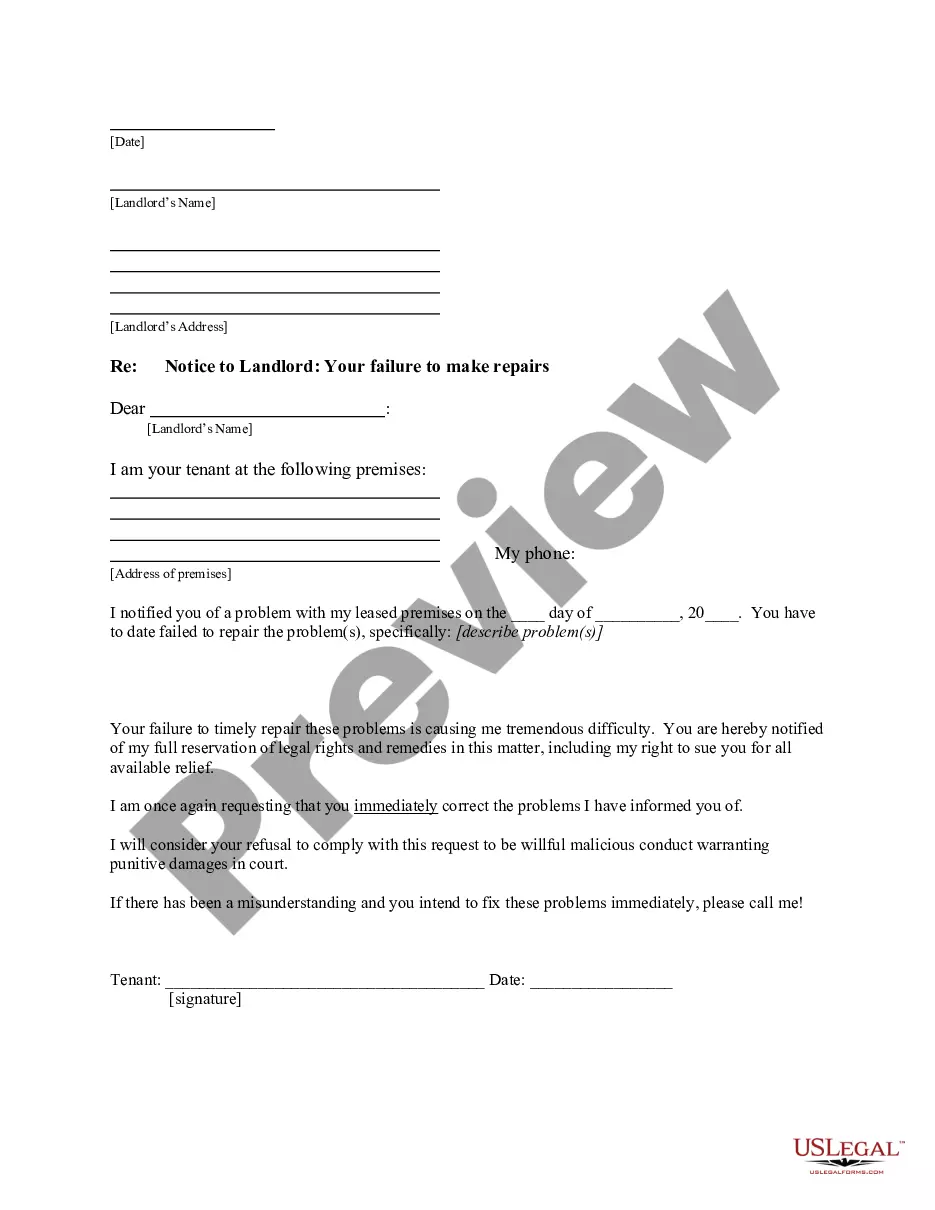
This form is a letter from a tenant to a landlord addressing violations of the Fair Housing Act concerning denial or reduction of services to families with children. It serves the important purpose of documenting discriminatory actions related to housing, which can include refusing to sell or rent properties based on familial status. This letter distinguishes itself from general complaint forms by specifically addressing issues surrounding family status and housing discrimination.
Key components of this form
- Identification of the tenant and landlord involved in the dispute.
- Description of the specific Fair Housing Act violations being reported.
- Evidence or circumstances detailing the denial or reduction of services.
- A request for the landlord to rectify the violation.
- A deadline for the landlord's response to the notice.

When this form is needed
Use this form when you, as a tenant, believe that your landlord has unlawfully reduced or denied services to you or your family due to familial status. This may include situations where the landlord refuses to provide necessary services that they typically offer or discriminates against family units, particularly those with children. Filing this letter is a crucial step in holding landlords accountable and can help initiate a resolution.
Who can use this document
- Tenants who believe they are being discriminated against based on familial status.
- Families with children facing service reductions from landlords or property managers.
- Individuals wanting to formally document incidents of housing discrimination.
How to complete this form
- Identify the parties involved by entering your name and contact information, followed by the landlord's details.
- Clearly state the alleged discriminatory actions or service denials that occurred.
- Specify any evidence or experiences that support your claim of housing discrimination.
- Request a resolution and outline what actions you expect from your landlord.
- Sign and date the letter before sending, and keep a copy for your records.
Does this document require notarization?
This form usually doesn’t need to be notarized. However, local laws or specific transactions may require it. Our online notarization service, powered by Notarize, lets you complete it remotely through a secure video session, available 24/7.
Get your form ready online
Our built-in tools help you complete, sign, share, and store your documents in one place.
Make edits, fill in missing information, and update formatting in US Legal Forms—just like you would in MS Word.
Download a copy, print it, send it by email, or mail it via USPS—whatever works best for your next step.
Sign and collect signatures with our SignNow integration. Send to multiple recipients, set reminders, and more. Go Premium to unlock E-Sign.
If this form requires notarization, complete it online through a secure video call—no need to meet a notary in person or wait for an appointment.
We protect your documents and personal data by following strict security and privacy standards.

Make edits, fill in missing information, and update formatting in US Legal Forms—just like you would in MS Word.

Download a copy, print it, send it by email, or mail it via USPS—whatever works best for your next step.

Sign and collect signatures with our SignNow integration. Send to multiple recipients, set reminders, and more. Go Premium to unlock E-Sign.

If this form requires notarization, complete it online through a secure video call—no need to meet a notary in person or wait for an appointment.

We protect your documents and personal data by following strict security and privacy standards.
Common mistakes to avoid
- Failing to include specific details about the discriminatory actions.
- Not providing evidence or examples that support the claimed violations.
- Omitting a clear request for action or resolution.
- Neglecting to sign and date the form before submission.
Why use this form online
- Convenience of accessing the form anytime, without the need for physical paperwork.
- Editability allows for customization to fit your specific situation.
- Reliability as the form is drafted by licensed attorneys, ensuring legal compliance.
Legal use & context
This form serves as an official notice of potential discrimination under the Fair Housing Act. Sending this letter documents your complaint and may help prevent further violations. It is encouraged to maintain communication records and follow up if no response is received from your landlord.
Looking for another form?


Form popularity
FAQ
Punitive damages are appropriate in a federal civil rights action "when the defendant's conduct is shown to be motivated by evil motive or intent, or when it involves reckless or callous indifference to the federally protected rights of others." Smith v.
Start a written record. The problems with my landlord started almost immediately after I moved in. Check your lease agreement. If your landlord agreed to something in your lease, he has to follow it. Send written requests. Decide if you have a case. Seek legal assistance. File a civil lawsuit. Fight discrimination.
HUD Settles Disability Discrimination Fair Housing Act Case For $80,000.
While tenants cannot unreasonably deny access to a landlord, landlords must also follow all of the state and local rules regarding access to tenants' apartments. Roughly half of states have rules governing landlord entry into tenants' apartments.
Showing the premises to prospective tenants 'reasonable' notice / number of times. The law does not say what 'reasonable' means.If you refuse access, the landlord/agent can apply to the Tribunal for an order that authorises them or any other person to enter the premises.
If the tenant refuses, you are permitted to send them a notice to agree or quit the property. The tenant refusing you access constitutes a breach in the lease agreement, so they could be evicted if they continue to deny access.
The person can establish a case against the landlord by proving four things: that the plaintiff is a member of a protected group; that the plaintiff applied for and was qualified to rent a certain property; that the plaintiff was rejected by the landlord; and that the property remained unrented thereafter.
Every tenant has a right to enjoy peaceful possession of the property without any disturbance or encumbrance from anyone including the owner. At no point of time under your tenancy can your landlord ask you to evict or leave the premises without assigning a valid reason.
It's fair to be angry and scaredthe direct federal fines for violations of the Fair Housing Act are usually $17,000 per violation; total settlements on race, familial status, age and sex discrimination cases often reach well into the six figuresbut those overwhelming emotions are why you should go straight to your