Rhode Island Renunciation And Disclaimer of Joint Tenant or Tenancy Interest
The Renunciation and Disclaimer of Joint Tenant or Tenancy Interest form allows a surviving joint tenant to formally reject their interest in a property inherited following a decedent's death. This legal document ensures that the property is distributed according to Rhode Island law, as if the joint tenant had predeceased the decedent. This form is crucial for those who wish to disclaim an inheritance to prevent it from affecting their personal estate planning compared to other similar forms like a last will and testament.
- Identification of the joint tenant who is renouncing their interest.
- Statement of renunciation, indicating the desire to disclaim the property interest.
- Citation of applicable Rhode Island General Laws governing the renunciation.
- Acknowledgment section for witnessing the disclaimer.
- Certificate of delivery to validate the document's serving process.
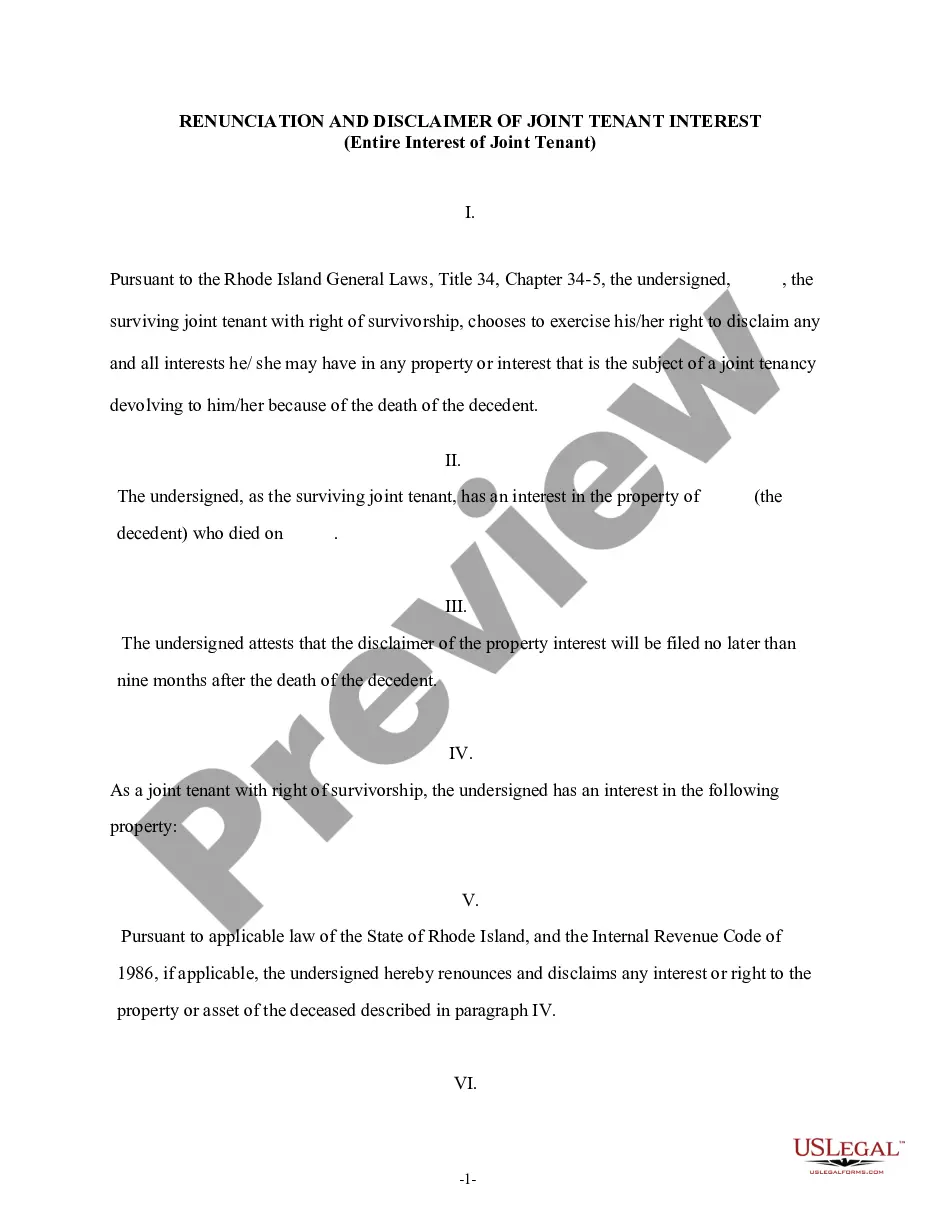
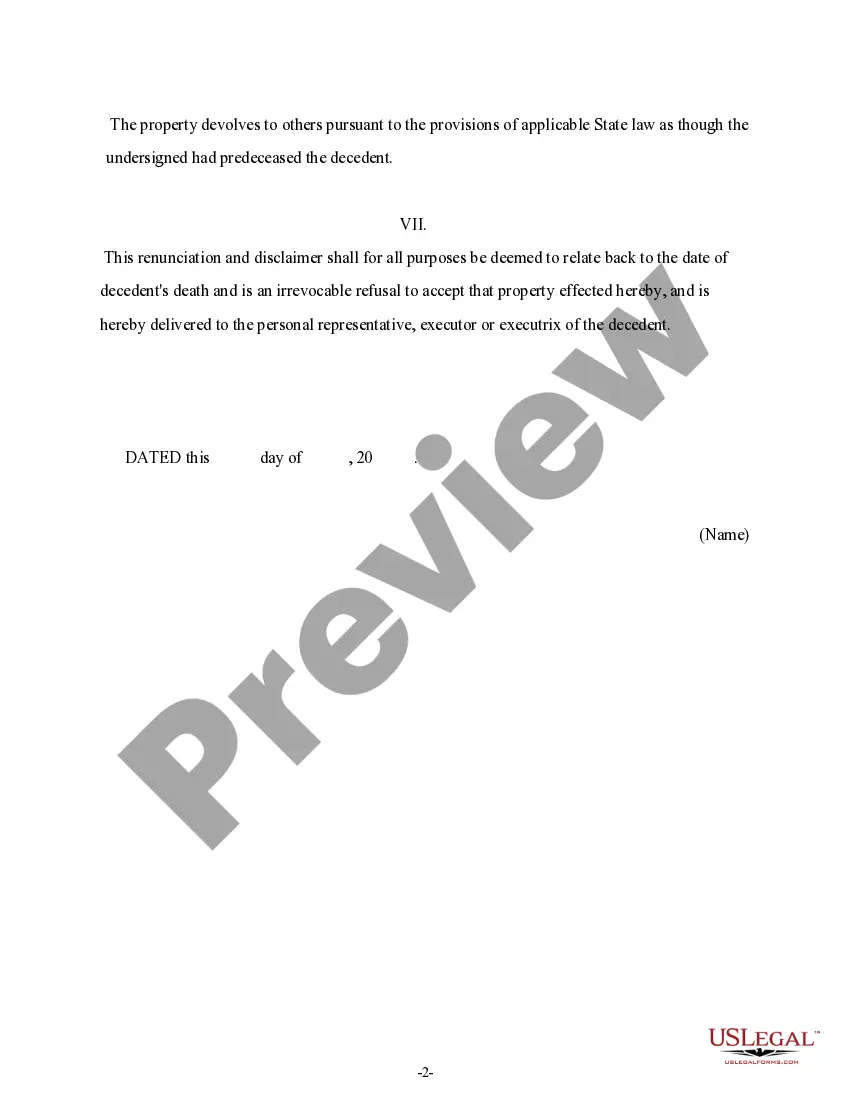
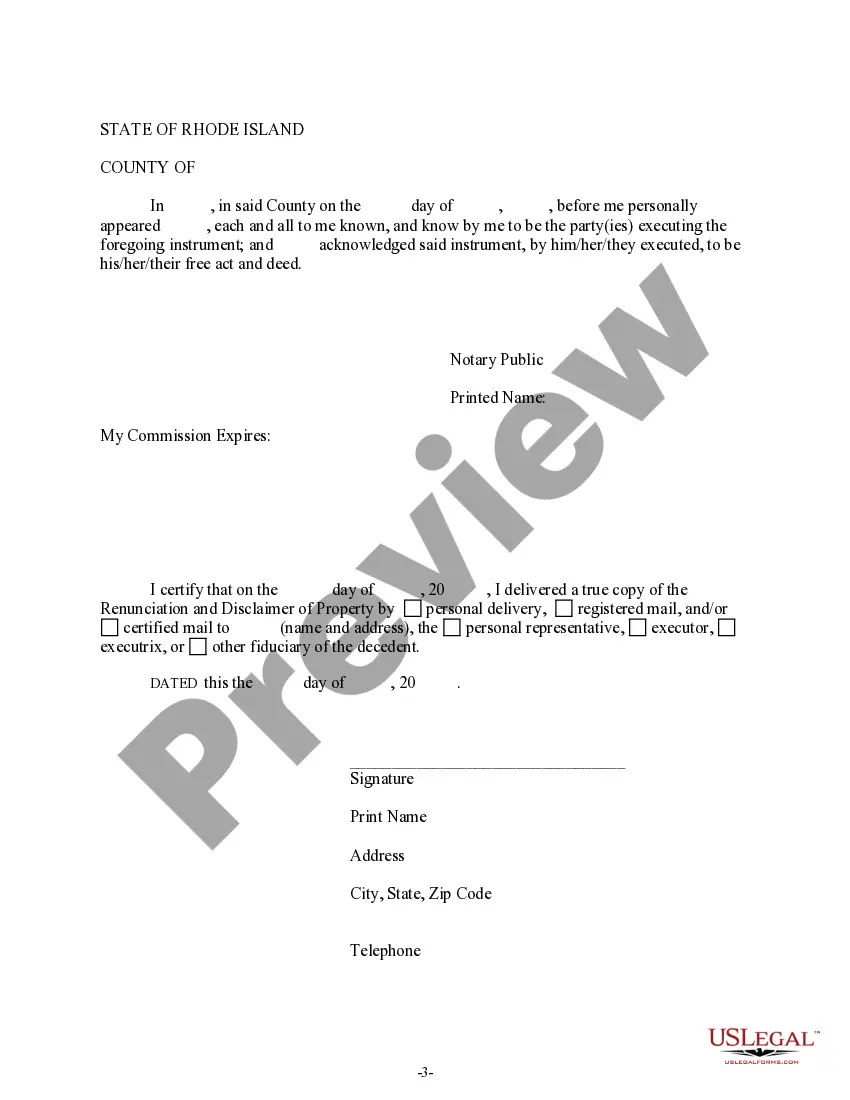
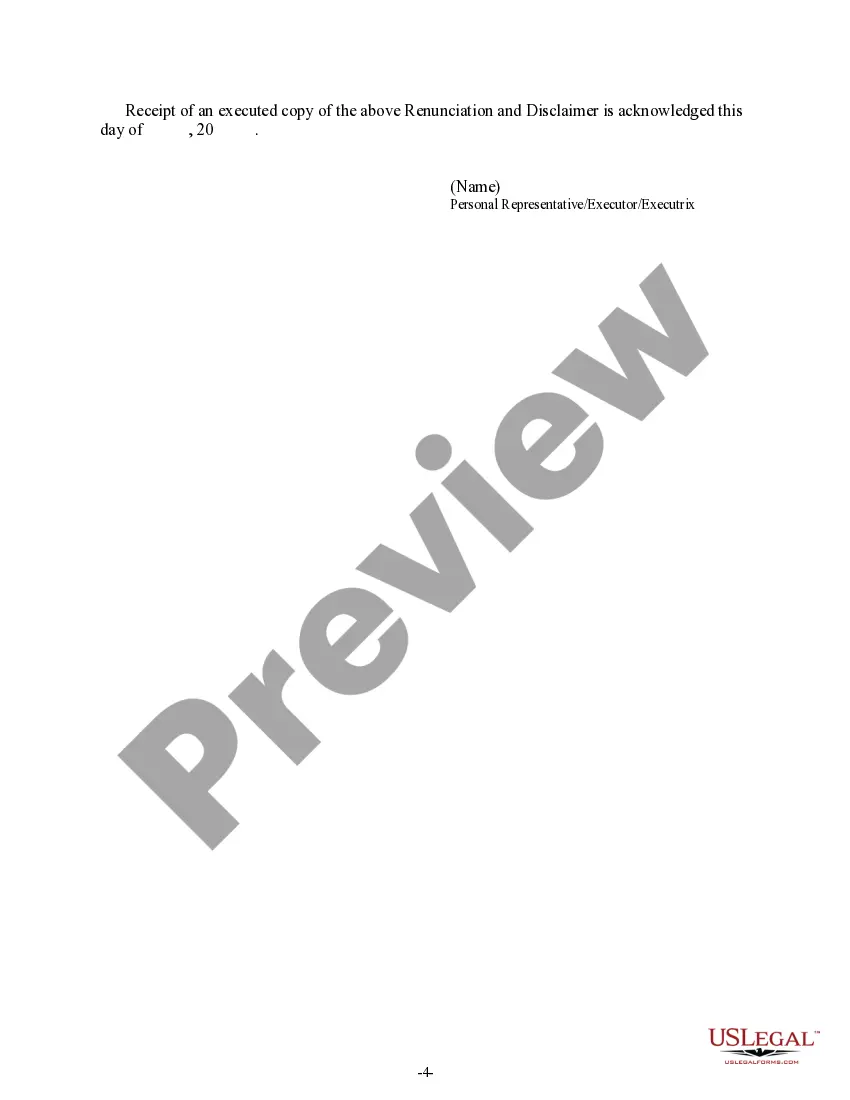
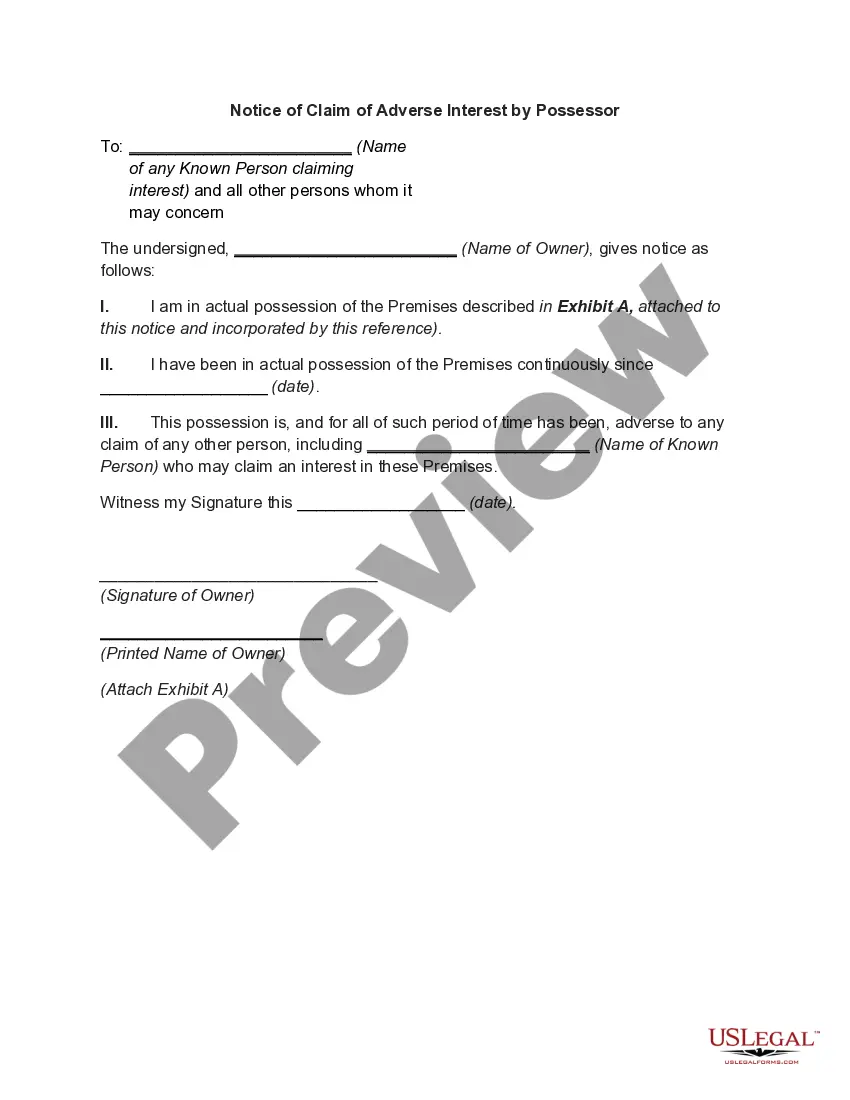


This form should be used when a surviving joint tenant decides not to accept their inherited interest in a property after the death of the other joint tenant. It is particularly relevant in situations where relinquishing ownership is desired for tax reasons, estate planning, or personal preference regarding asset distribution.
This form is intended for:
- Surviving joint tenants looking to disclaim their property interest.
- Individuals involved in the estate planning process who want to prevent joint tenancy properties from impacting their estates.
- Heirs seeking to clarify their interest in inherited property under Rhode Island law.
To complete this form, follow these steps:
- Identify yourself as the joint tenant renouncing your interest.
- Clearly state your intention to disclaim the property interest.
- Reference the relevant Rhode Island General Laws to support your renunciation.
- Provide necessary acknowledgments and signatures as required.
- Submit the form to the relevant parties to ensure proper delivery.
Is notarization required?
This form needs to be notarized to ensure legal validity. US Legal Forms provides secure online notarization powered by Notarize, allowing you to complete the process through a verified video call, available anytime.
Get your form ready online
Our built-in tools help you complete, sign, share, and store your documents in one place.
Make edits, fill in missing information, and update formatting in US Legal Forms—just like you would in MS Word.
Download a copy, print it, send it by email, or mail it via USPS—whatever works best for your next step.
Sign and collect signatures with our SignNow integration. Send to multiple recipients, set reminders, and more. Go Premium to unlock E-Sign.
If this form requires notarization, complete it online through a secure video call—no need to meet a notary in person or wait for an appointment.
We protect your documents and personal data by following strict security and privacy standards.
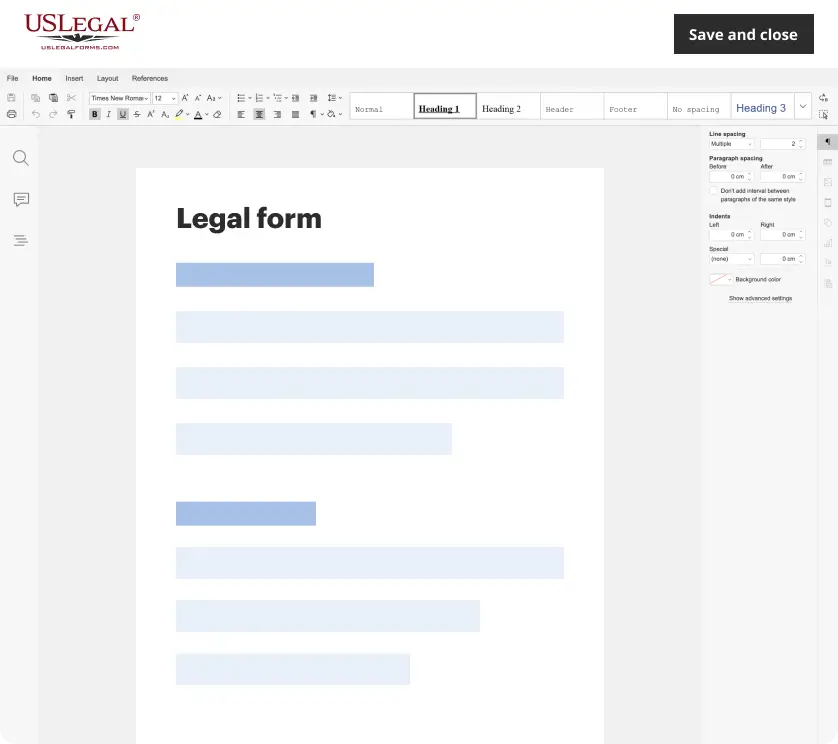
Make edits, fill in missing information, and update formatting in US Legal Forms—just like you would in MS Word.
Download a copy, print it, send it by email, or mail it via USPS—whatever works best for your next step.
Sign and collect signatures with our SignNow integration. Send to multiple recipients, set reminders, and more. Go Premium to unlock E-Sign.

If this form requires notarization, complete it online through a secure video call—no need to meet a notary in person or wait for an appointment.
We protect your documents and personal data by following strict security and privacy standards.
- Failing to accurately identify all parties involved in the joint tenant agreement.
- Omitting the necessary citations from Rhode Island law.
- Incomplete signatures or acknowledgments which may render the form invalid.
- Conveniently available for download and completion at your own pace.
- Editable templates allow for customization to match specific situations.
- Designed by licensed attorneys to ensure legal reliability and accuracy.
- This form provides legal evidence of the renunciation for estate distribution purposes.
- It must be filled out correctly to be enforceable under Rhode Island law.
- The disclaimer should be filed in accordance with any applicable probate requirements in your jurisdiction.
- The Renunciation and Disclaimer of Joint Tenant or Tenancy Interest form is crucial for legally rejecting an inherited property interest.
- It is specifically tailored for use under Rhode Island law.
- Understanding how to complete the form correctly can prevent future legal complications.
Looking for another form?
Form popularity
FAQ
Joint tenancy with right of survivorship. Property owned in joint tenancy automatically passes, without probate, to the surviving owner(s) when one owner dies. Tenancy by the entirety. Community property with right of survivorship.
The surviving spouse can serve as the sole trustee, but cannot have any power to direct the beneficial enjoyment of the disclaimed property unless the power is limited by an "ascertainable standard." This is necessary both to qualify the disclaimer and to avoid any taxable general power of appointment.
In short, if the spouses owned an asset jointly, on the death of one spouse, the survivor can disclaim his/her future interest in the jointly owned property, and still enjoy the disclaimed asset.
Disclaiming means that you give up your rights to receive the inheritance. If you choose to do so, whatever assets you were meant to receive would be passed along to the next beneficiary in line.
Yes, a fiduciary can disclaim an interest in property if the will, trust or power of attorney gives the fiduciary that authority or if the appropriate probate court authorizes the disclaimer.The primary reason an executor or trustee might disclaim property passing to an estate or trust is to save death taxes.
If you die without a will in Rhode Island, your children will receive an intestate share of your property.For children to inherit from you under the laws of intestacy, the state of Rhode Island must consider them your children, legally. For many families, this is not a confusing issue.
In Rhode Island, you can make a living trust to avoid probate for virtually any asset you ownreal estate, bank accounts, vehicles, and so on. You need to create a trust document (it's similar to a will), naming someone to take over as trustee after your death (called a successor trustee).
It must be in writing. It must be made within 9 months of the date of death of the decedent. The disclaimant cannot receive any benefits from the assets.
Write a Living Trust. The most straightforward way to avoid probate is simply to create a living trust. Name Beneficiaries on Your Retirement and Bank Accounts. For some, a last will is often a better fit than a trust because it is a more straightforward estate planning document. Hold Property Jointly.