Ohio Notice of Lease for Recording
Understanding this form
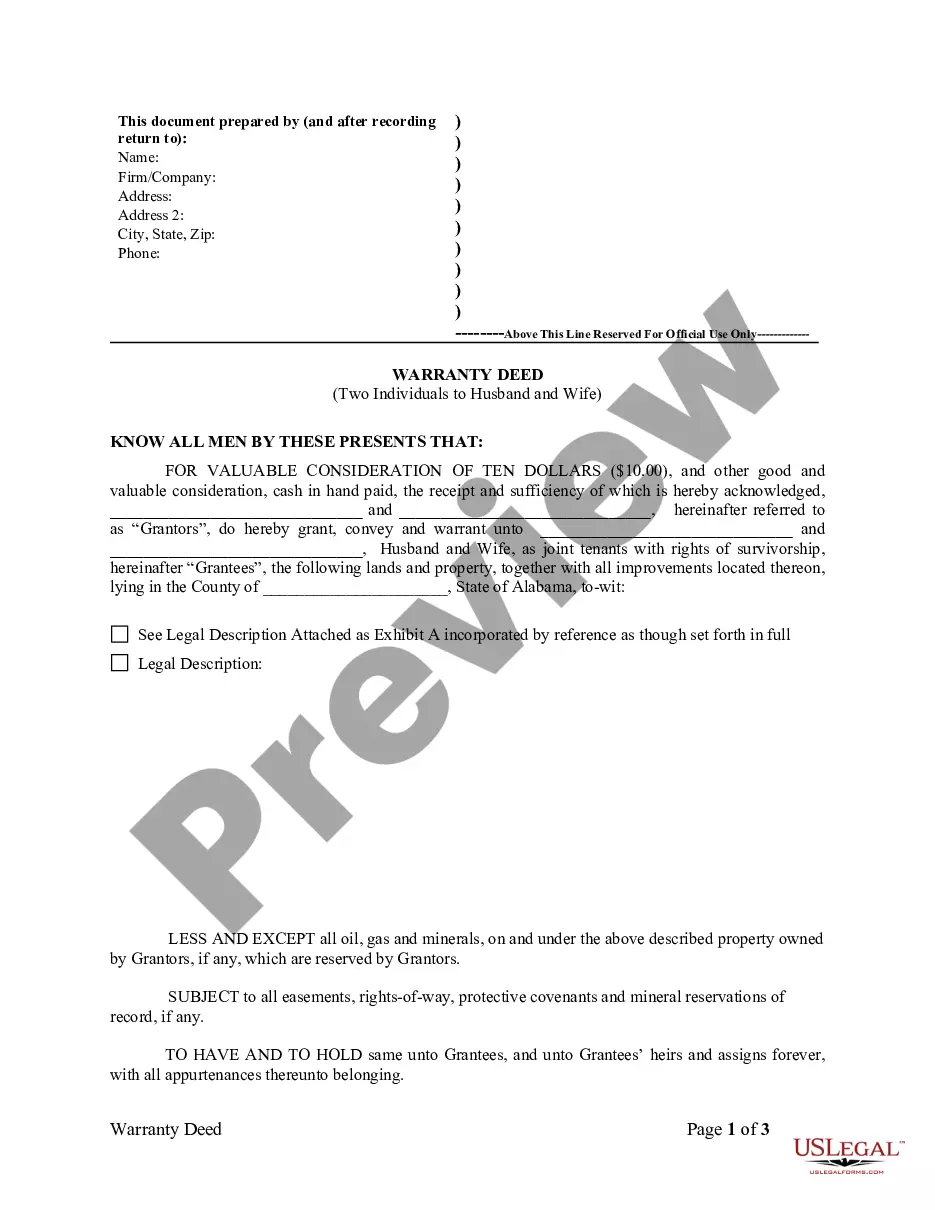
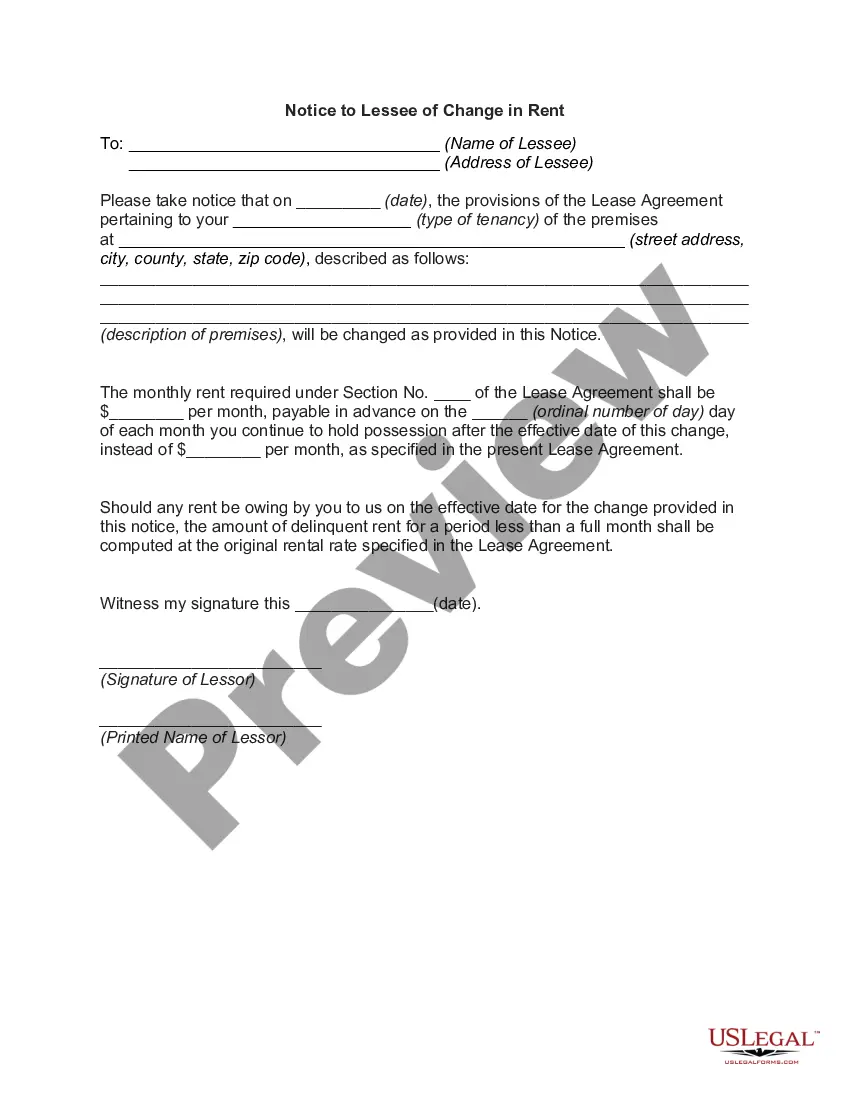
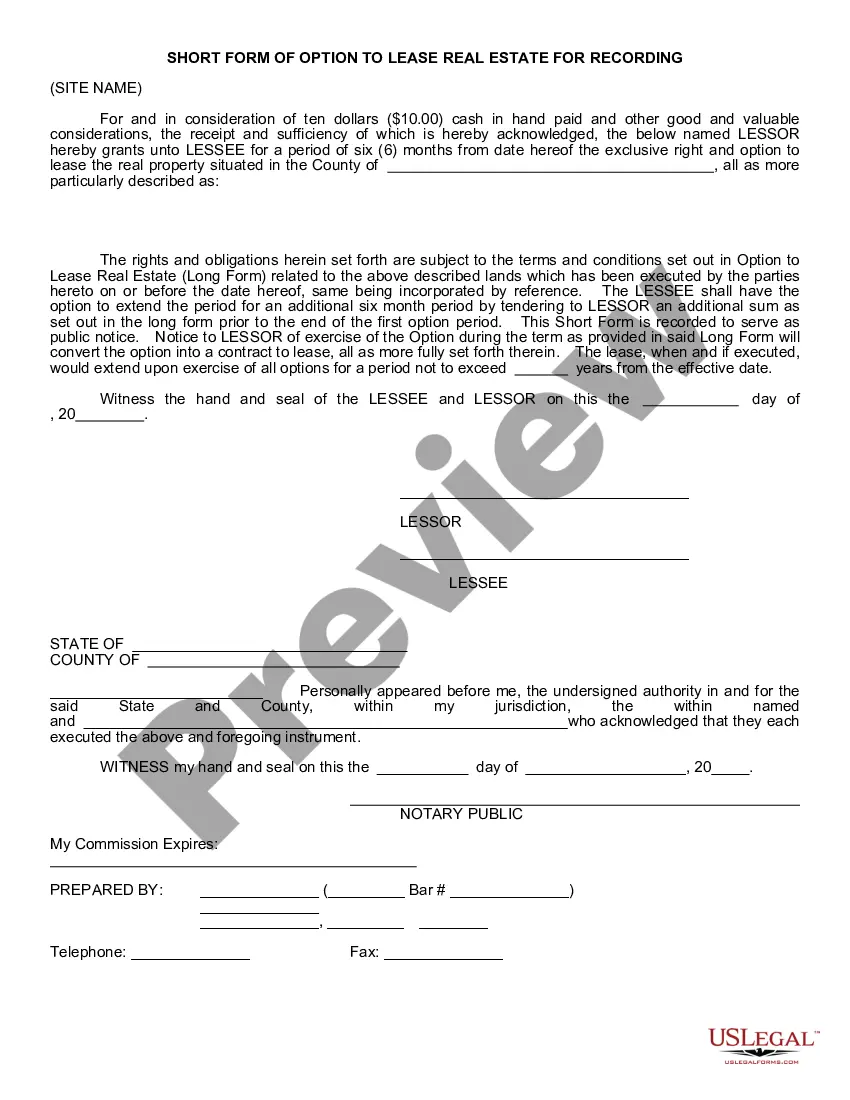
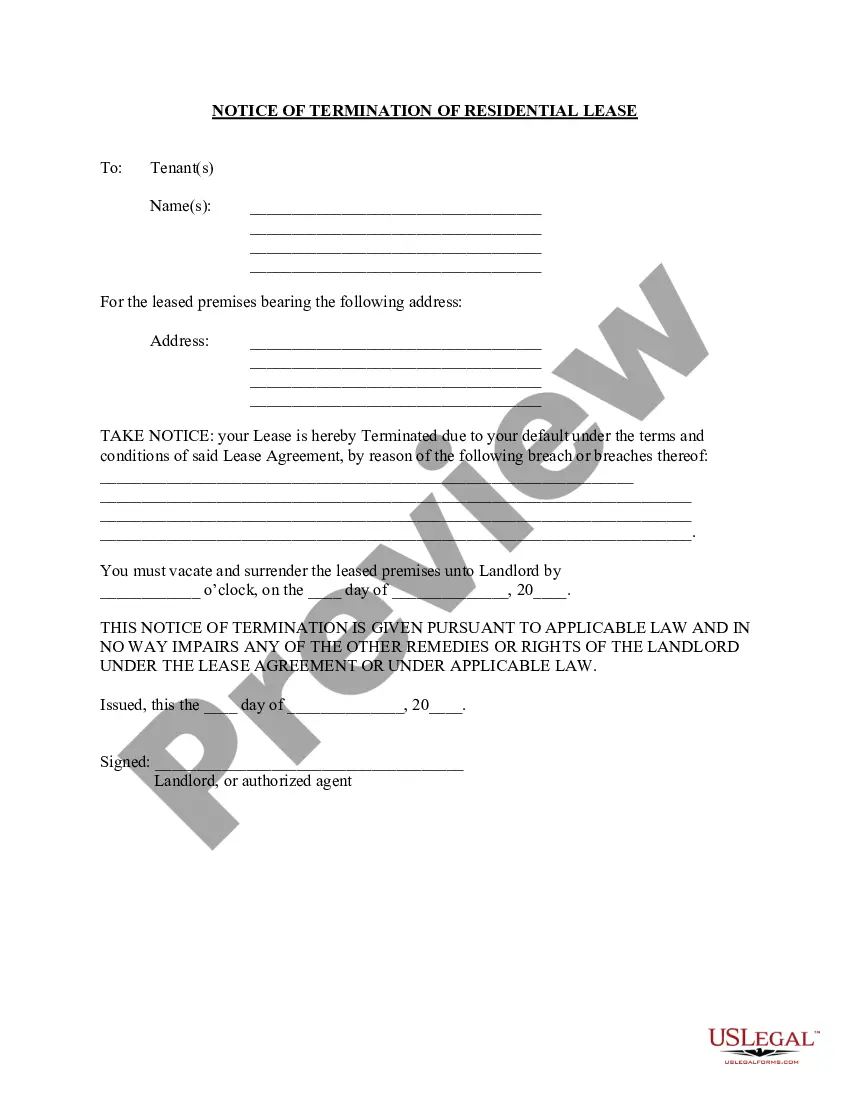
The Notice of Lease for Recording is a legal document that serves to officially notify others that a lease exists on a specified parcel of real estate. This form is particularly useful as it allows you to record a lease without needing to submit the entire lease agreement to the local recorder's office. By doing so, it helps protect your interests regarding property rights and ensures that your lease is acknowledged publicly.
What’s included in this form
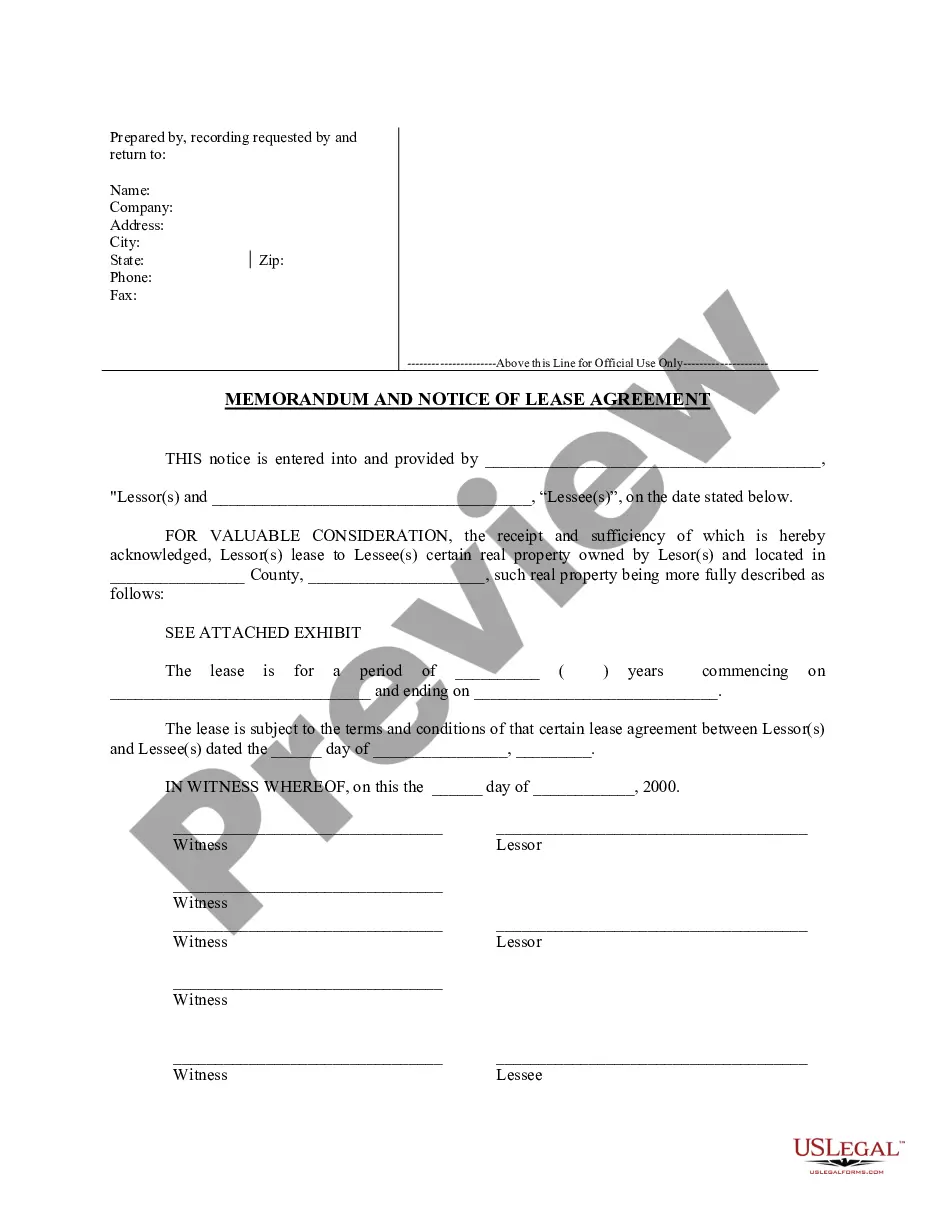
- Prepared by and return information for official use.
- Identification of Lessor(s) and Lessee(s) involved in the lease.
- Description of the property being leased, including county and additional details.
- Term of the lease, including start and end dates.
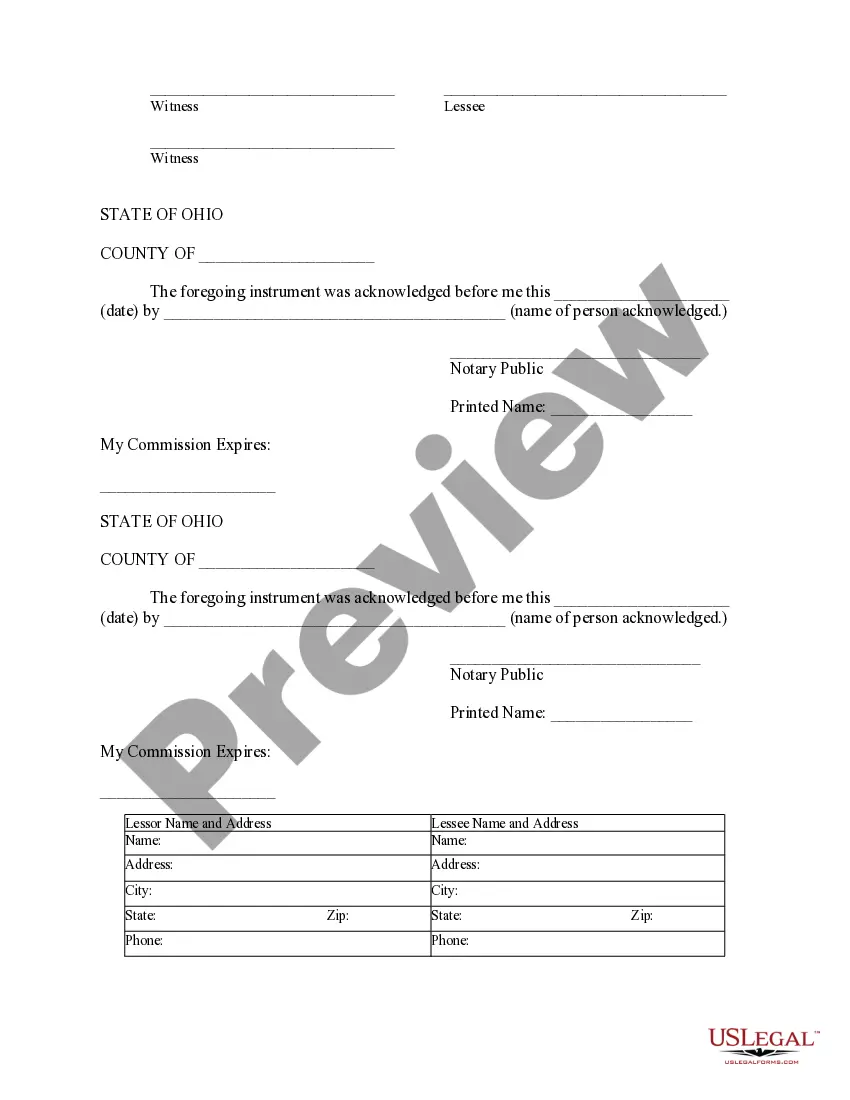
- Witness and signature lines for involved parties and notary acknowledgment.
When to use this form
This form should be utilized when you have entered into a lease agreement and want to provide public notice of that lease. Recording this notice can be beneficial to establish priority over any claims against the property, ensuring transparency in real estate transactions. It is appropriate for residential or commercial leases where proper documentation may be necessary to protect both parties involved.
Who should use this form
- Property owners (Lessors) who lease their property.
- Tenants (Lessee) who are entering into a lease agreement.
- Real estate professionals who assist in managing or documenting leases.
How to complete this form
- Identify the parties involved by entering the names of the Lessor and Lessee.
- Specify the real property being leased by providing a detailed description and location.
- Enter the lease term, including starting and ending dates.
- Attach any required exhibits that provide additional details about the lease.
- Gather necessary signatures from witnesses and both parties to finalize the document.
Does this form need to be notarized?
Yes, this form must be notarized to be legally valid. This involves having a notary public confirm the identities of the signers and their willingness to enter into the agreement. US Legal Forms offers integrated online notarization for your convenience, allowing you to complete this step securely via video call without needing to travel.
Get your form ready online
Our built-in tools help you complete, sign, share, and store your documents in one place.
Make edits, fill in missing information, and update formatting in US Legal Forms—just like you would in MS Word.
Download a copy, print it, send it by email, or mail it via USPS—whatever works best for your next step.
Sign and collect signatures with our SignNow integration. Send to multiple recipients, set reminders, and more. Go Premium to unlock E-Sign.
If this form requires notarization, complete it online through a secure video call—no need to meet a notary in person or wait for an appointment.
We protect your documents and personal data by following strict security and privacy standards.

Make edits, fill in missing information, and update formatting in US Legal Forms—just like you would in MS Word.

Download a copy, print it, send it by email, or mail it via USPS—whatever works best for your next step.

Sign and collect signatures with our SignNow integration. Send to multiple recipients, set reminders, and more. Go Premium to unlock E-Sign.

If this form requires notarization, complete it online through a secure video call—no need to meet a notary in person or wait for an appointment.

We protect your documents and personal data by following strict security and privacy standards.
Common mistakes
- Failing to include accurate descriptions of the property, which can lead to disputes.
- Not securing the required signatures or witnesses, making the document unenforceable.
- Neglecting to attach any necessary exhibits that explain the lease terms fully.
Why complete this form online
- Convenience of instant access, allowing you to complete the form at your own pace.
- Editability enables you to make changes easily without the hassle of rewriting.
- Reliability in terms of legal accuracy, as templates are drafted by licensed attorneys.
Main things to remember
- The Notice of Lease for Recording safeguards the legal rights of both landlords and tenants.
- It is a concise alternative to recording full lease agreements.
- Proper completion and notarization are essential for enforcement.
- This document is useful for various stakeholders in real estate transactions.
Looking for another form?
Form popularity
FAQ
Date the notice was served on the tenant(s) name(s) and address of tenant(s) the reason for the notice (that the tenant failed to pay rent for a specified period of time)
Initial recordation. Calculate the present value of all lease payments; this will be the recorded cost of the asset. Record the amount as a debit to the appropriate fixed asset account, and a credit to the capital lease liability account.
To record a lease agreement means to file a copy of the lease agreement with the local county land records office. The land records office will charge a small recording fee and will stamp the top of the lease agreement with a recording stamp that indicates the date, time, entry number of the recorded document.
As long as the contract spells out specific details and both parties have signed that they agree to the contract's terms, a handwritten contract is legally binding and enforceable in court.
Recording a lease means that it (or a Notice of Lease) is submitted to the public record, usually at the local Registry of Deeds following the signing of it by both parties.Some states require that certain kinds or length of leases be recorded, so parties should review their applicable state laws.
Leases with an initial term not exceeding seven years are not required to be recorded so long as each renewal term under the lease (a) is for seven years or fewer, and (b) may be effected or prevented by a party to the lease or its assigns.
The Lease Must be in Writing It does not matter if the lease is handwritten or typed. If the lease is for more than one year, it must be in written form and contain the following terms.
Name and address of owner. Name and address of original contractor. Name and address of the party who hired you. Description of the property location. Date of first furnishing services to the project. Name and address of the lien claimant.